Best small SUVs in Australia 2027
From a sub-$25,000 bargain to a premium BMW, these are the best small SUVs in Australia for 2027 and the versions we'd actually buy.

Rob Leigh
Small SUVs are Australia's second most popular type of new car, with petrol, hybrid and electric options competing at increasingly similar prices. We've assessed the market using our own road tests, specifications, safety ratings and ownership costs to pick the best small SUVs for 2027, including the exact versions we'd buy.
Our picks
| Award | Car | Why we picked it |
|---|---|---|
| Best overall | Kia EV3 | Our highest-rated small SUV, with the best ride and steering in the class and up to 604km of claimed range |
| Best value | Chery Tiggo 4 | A modern, well-equipped small SUV from $23,990 driveaway, with a seven-year warranty |
| Best hybrid | Toyota Corolla Cross Hybrid | Low fuel use, a five-star ANCAP rating and the option of AWD |
| Best premium | BMW X1 | A spacious premium SUV with generous standard equipment |
| Best affordable electric SUV | GWM Ora 5 | 435km of claimed range, a quality cabin and a spare wheel from $33,990 driveaway |
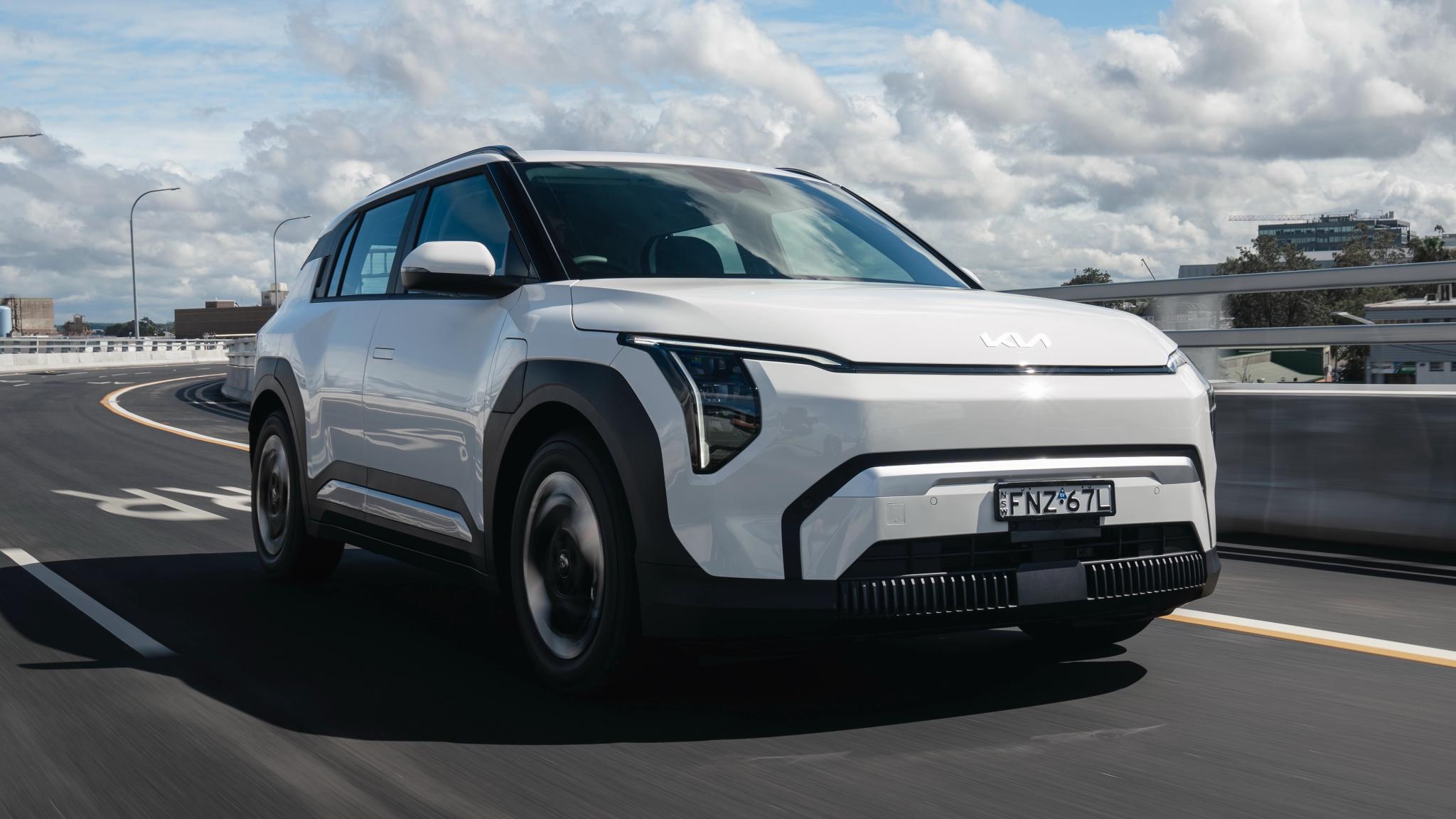
Best overall: Kia EV3
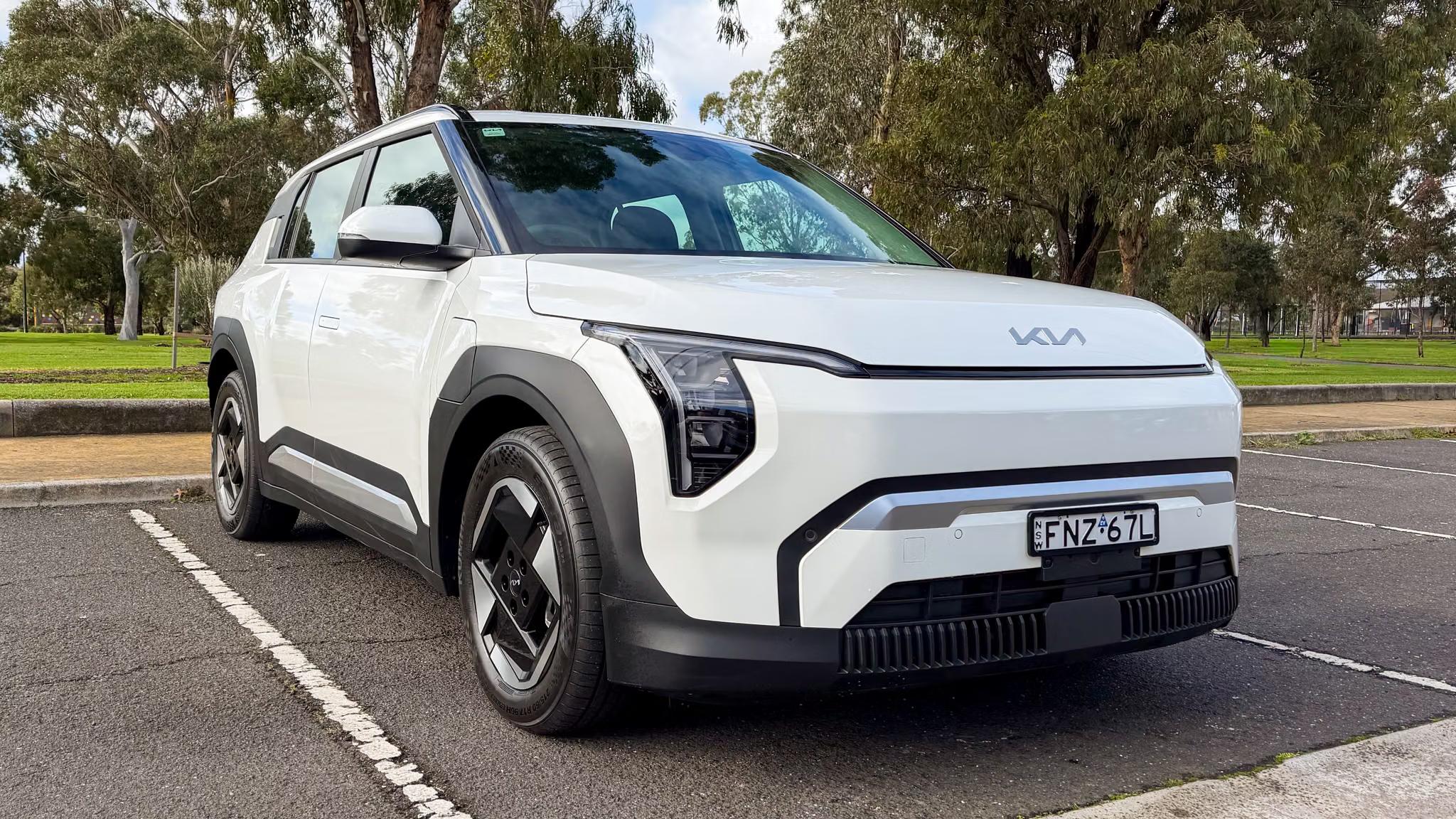
- Price: From $47,600 before on-roads
- Powertrain: Electric
- Power: 150kW
- Electric range: 436km to 604km (WLTP)
- Seats: 5
- Boot capacity: 460L, plus a 25L front boot
- ANCAP safety rating: Five stars (2025)
- Warranty: 7 years/unlimited km (battery 8 years/160,000km from MY27, 7 years/150,000km for earlier cars)
- The Beep Verdict: 8.6/10
The EV3 is the best small SUV you can buy right now, and our highest-rated, scoring 8.6/10. Kia Australia's local suspension and steering tune gives it a settled, planted feel that no rival at this price matches, and it's backed by a seven-year warranty and low servicing costs.
It's practical for its size too, with a 460-litre boot and a 25-litre front boot for the charging cables. Every front-drive grade uses the same 150kW motor, so stepping up to the Earth or GT-Line adds equipment, not performance. The Air Standard Range claims 436km and charges at up to 100kW, while the Air Long Range claims 604km for about $6,000 more.
The catches are a tyre repair kit instead of a spare and no surround-view camera on any grade. It's also the dearest mainstream pick here, and if you can't charge at home, a hybrid may be the more convenient option. We'd buy the Air Standard Range, or the Air Long Range if you regularly drive long distances.
Why we like it
- Best ride and steering of any small SUV
- Up to 604km of claimed range
- Seven-year warranty and low servicing costs
What we'd change
- No spare wheel
- No surround-view camera on any grade
Our pick: Air Standard Range
View Kia EV3 driveaway pricing and specifications →
Best value: Chery Tiggo 4
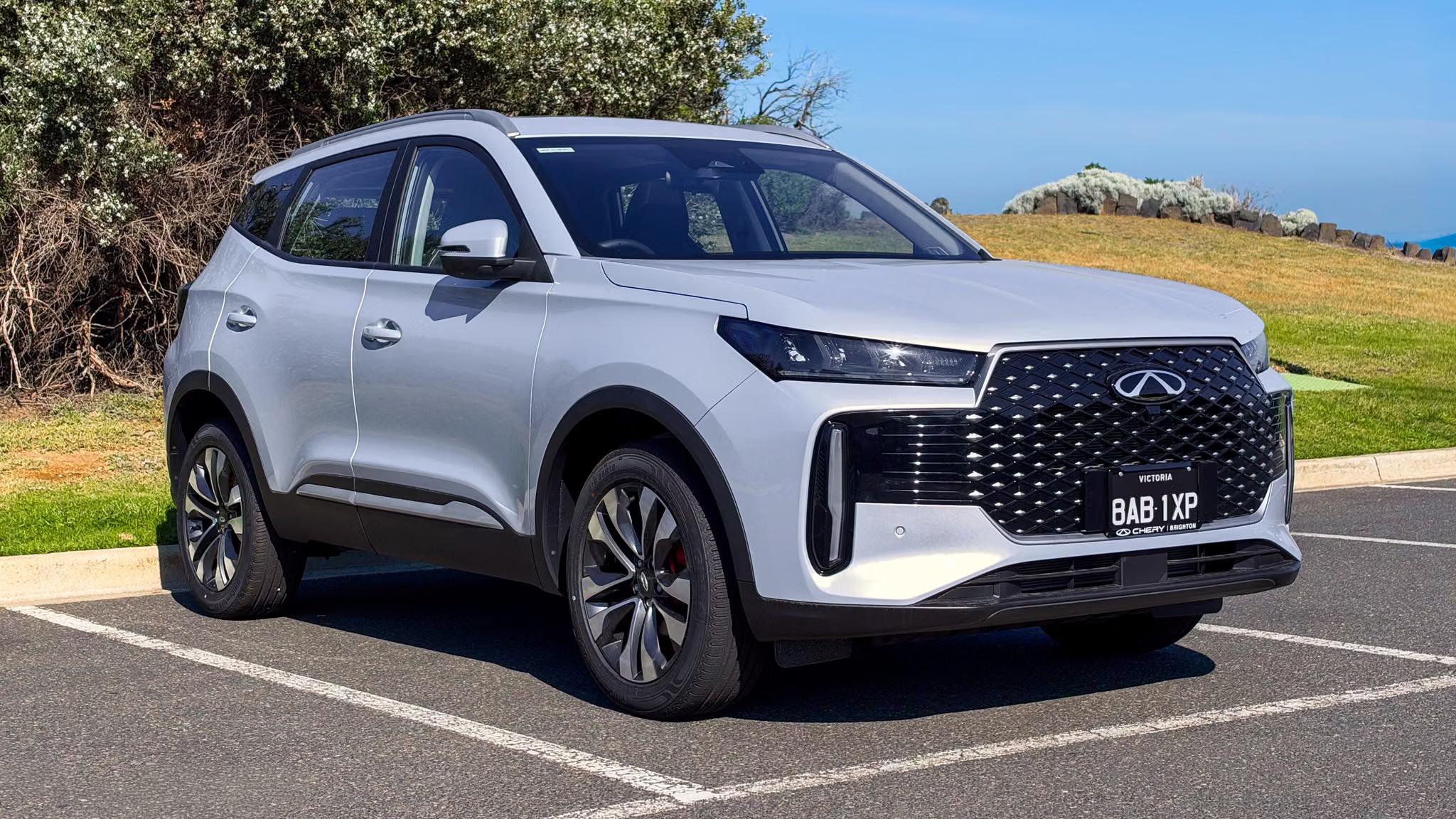
- Price: From $23,990 driveaway
- Powertrain: Petrol (hybrid also available)
- Power: 108kW
- Fuel use: 7.4L/100km (claimed)
- Seats: 5
- Boot capacity: 380L
- ANCAP safety rating: Five stars (2023, petrol only)
- Warranty: 7 years/unlimited km
- The Beep Verdict: 7.9/10
The Tiggo 4 is Australia's best-selling small SUV so far in 2026, and at $23,990 driveaway, it's easy to see why. It gives you a modern cabin, a punchy 108kW turbo engine and a seven-year warranty. We scored it 7.9/10.
The boot holds 380 litres, both petrol grades have a space-saver spare under the floor, and the petrol carries a five-star ANCAP rating. The Ultimate ($26,990 driveaway) adds a 360-degree camera, but the Urban already has the essentials.
We'd stick with the petrol. The hybrid costs about $6,000 more, and based on claimed fuel consumption, 15,000km of driving a year and petrol at $2 a litre, it would take 10 years to recover the difference through fuel savings alone. The hybrid also isn't ANCAP rated yet. The petrol isn't perfect either. The steering is loose and vague in its default mode, the ride floats over bigger bumps, and fuel use climbs in stop-start traffic, where we'd expect 8 to 9L/100km.
Why we like it
- Sharp national driveaway pricing
- Eager turbo engine
- Seven-year warranty and cheap servicing
What we'd change
- Loose, vague steering in its default mode
- High fuel use in stop-start traffic
Our pick: Urban
View Chery Tiggo 4 driveaway pricing and specifications →
Read our Chery Tiggo 4 review →
Best hybrid: Toyota Corolla Cross Hybrid
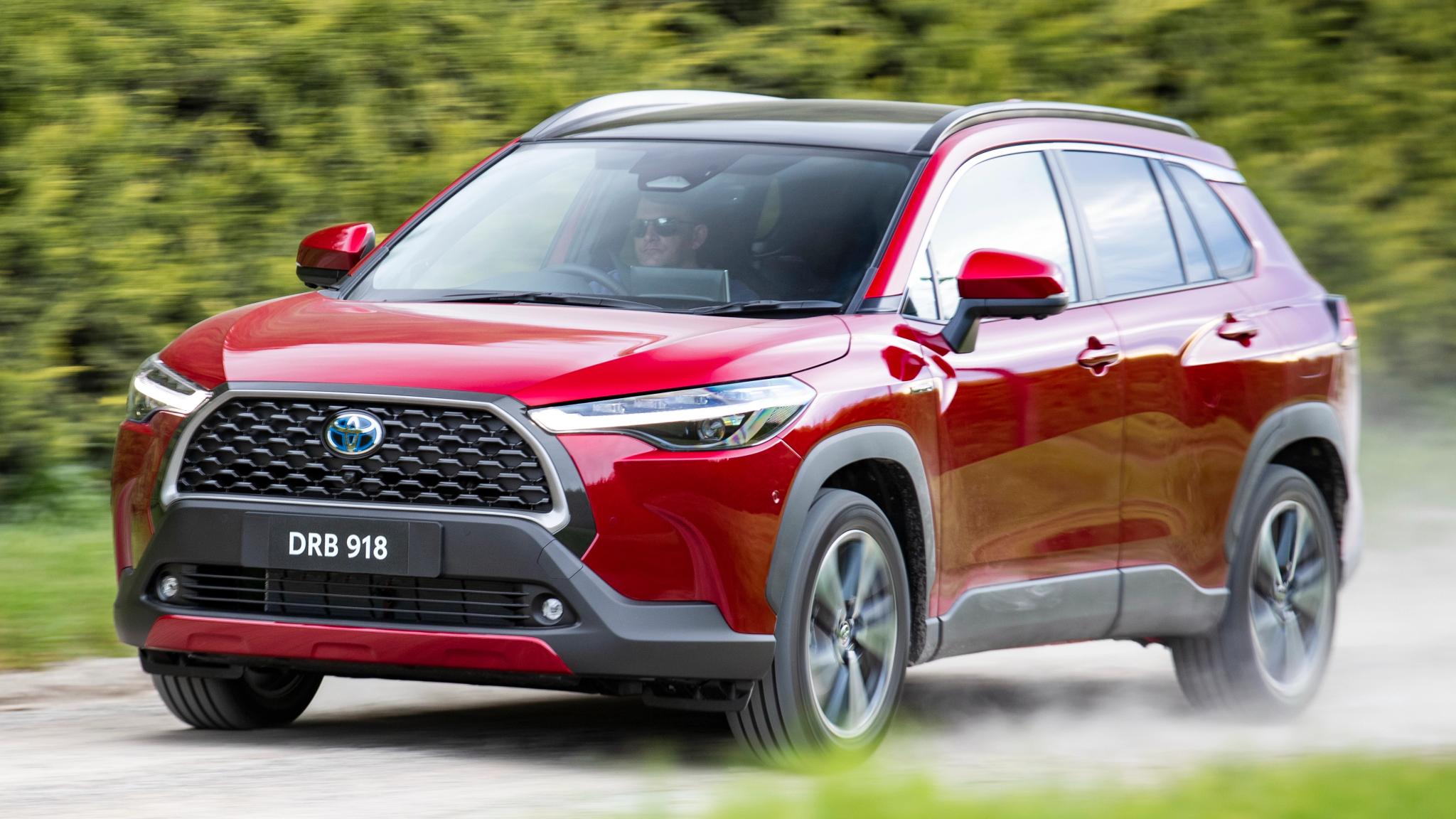
- Price: From $37,440 before on-roads
- Powertrain: Hybrid
- Power: 146kW
- Fuel use: 4.2L to 4.5L/100km (claimed)
- Seats: 5
- Boot capacity: 380L to 425L
- ANCAP safety rating: Five stars (2022, excludes GR Sport)
- Warranty: 5 years/unlimited km (engine and driveline 7 years with Toyota dealer servicing)
- The Beep Verdict: Not yet rated
If you want a small SUV that sips fuel without needing a plug, the Corolla Cross Hybrid is the one to buy. Every version uses a 146kW 2.0-litre hybrid that claims between 4.2 and 4.5L/100km, and real-world use under 5L/100km is realistic. It's comfortable, smooth and at its best around town.
AWD is available on the GXL, Atmos and GR Sport, using an extra electric motor at the rear. The Corolla Cross also carries a five-star ANCAP rating, though it doesn't cover the GR Sport, which is unrated, and five years of capped-price servicing costs $255 a visit.
The catch is price. The range starts at $37,440 before on-roads, and the $50,990 Atmos AWD is hard to justify for a small SUV. AWD versions also swap the space-saver spare for a tyre repair kit, and boot space drops from 425 litres in the front-drive GX and GXL to 380 litres. We'd buy the GXL 2WD ($41,190), which adds useful equipment without the Atmos price.
Why we like it
- Very low fuel use without needing a plug
- AWD available
- Five-star ANCAP rating and cheap servicing
What we'd change
- Higher grades are expensive for a small SUV
- Tyre repair kit and a smaller boot in AWD versions
Our pick: GXL 2WD
View Toyota Corolla Cross driveaway pricing and specifications →
Best premium: BMW X1
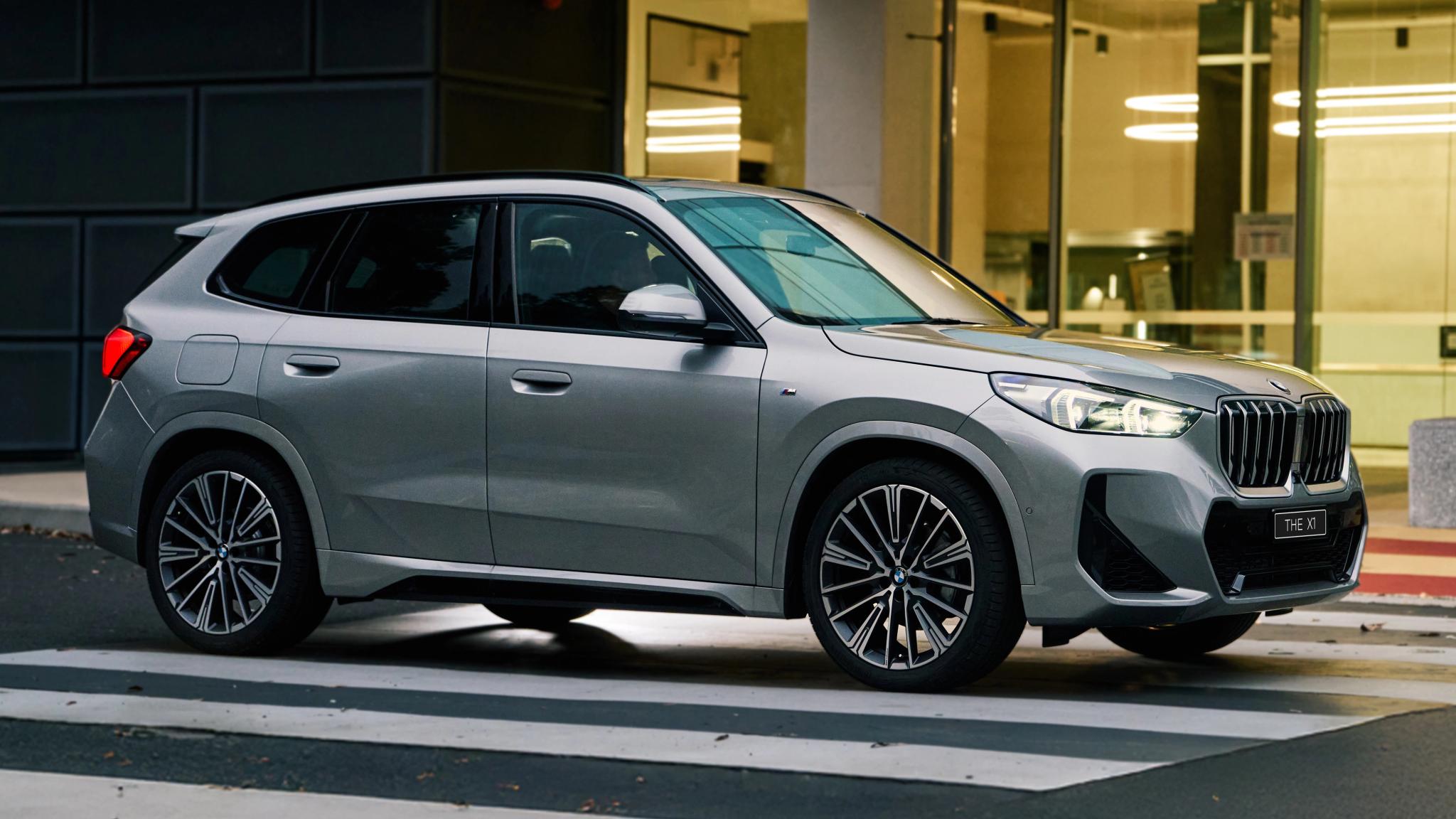
- Price: From $66,700 before on-roads
- Powertrain: Petrol (48-volt mild hybrid)
- Power: 125kW
- Fuel use: 6.5L/100km (claimed)
- Seats: 5
- Boot capacity: 500L
- ANCAP safety rating: Five stars (2022)
- Warranty: 5 years/unlimited km
- The Beep Verdict: Not yet rated
The X1 is our premium pick because it's spacious, well equipped and offers much of what you'd expect from a larger BMW. Its 500-litre boot is the biggest of our picks, and even the entry sDrive20i comes with adaptive LED headlights, a power tailgate, a head-up display and wireless phone charging.
For 2026, BMW replaced the old sDrive18i with the sDrive20i, which pairs a 1.5-litre three-cylinder turbo with a 48-volt mild-hybrid system for 125kW and 280Nm. It runs on 95 RON premium unleaded. If you want to plug in, the new xDrive25e plug-in hybrid costs $79,500, and the electric iX1 xDrive30 now starts at $77,900 after a price cut.
The catch is price. The X1 now starts at $66,700 before on-roads, $4,300 more than the old entry model, and its five-year warranty trails the seven years many mainstream rivals offer. We'd stick with the sDrive20i, which has all the equipment most buyers need.
Why we like it
- Premium cabin quality
- 500-litre boot, the biggest of our picks
- Generous standard equipment
What we'd change
- The entry price has risen by $4,300
- Five-year warranty trails mainstream rivals
Our pick: sDrive20i
View BMW X1 driveaway pricing and specifications →
Best affordable electric SUV: GWM Ora 5
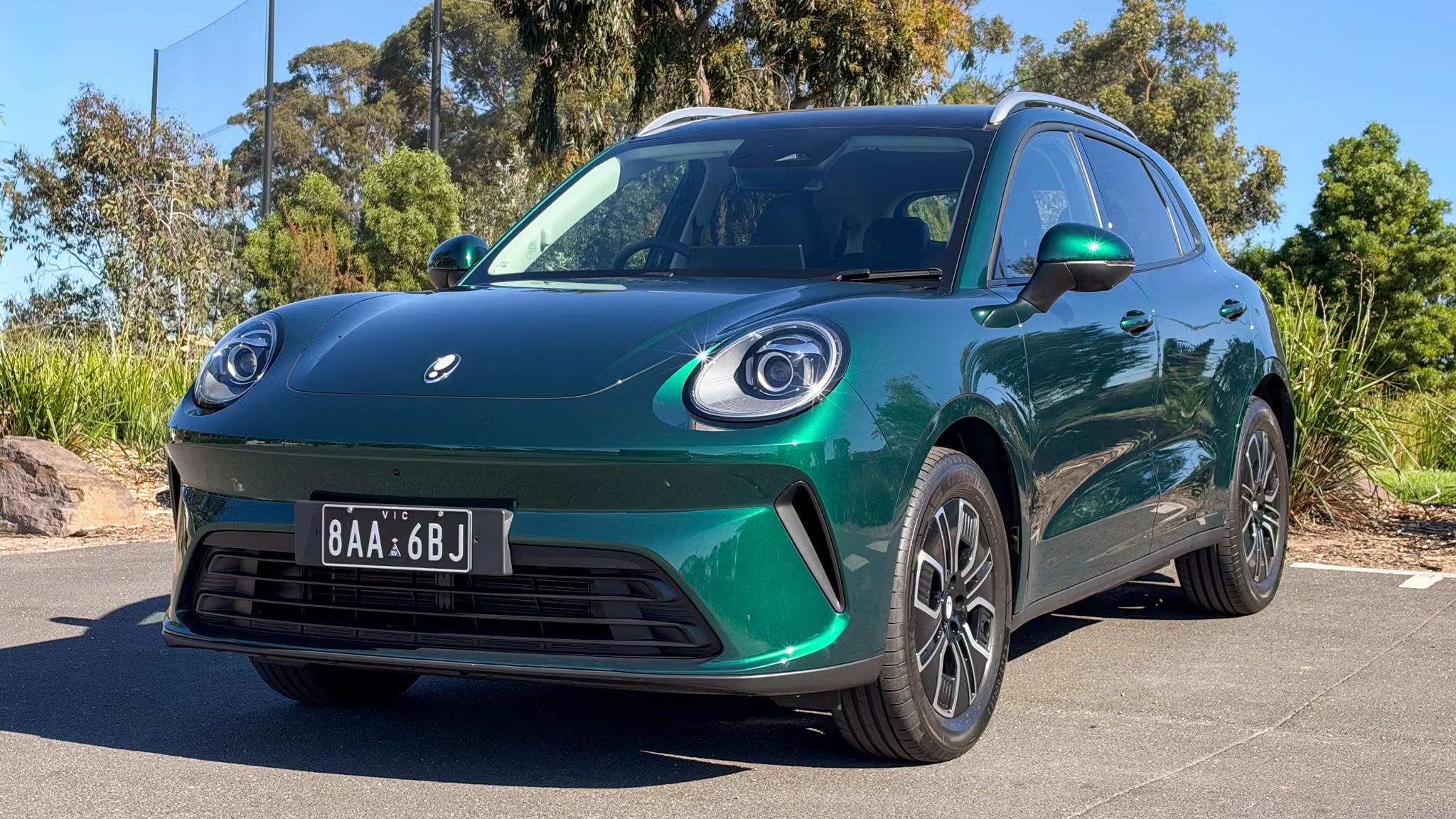
- Price: From $33,990 driveaway
- Powertrain: Electric
- Power: 150kW
- Electric range: 435km (WLTC, not directly comparable with WLTP)
- Seats: 5
- Boot capacity: 362L
- ANCAP safety rating: Not yet rated
- Warranty: 7 years/unlimited km (battery 8 years/unlimited km)
- The Beep Verdict: 8.0/10
The Ora 5 is our pick if you want to go electric without spending big. From $33,990 driveaway, it has one of the nicest cabins you'll find in an affordable EV. It's quiet and comfortable, and unusually for an EV, it carries a space-saver spare under the boot floor. We scored it 8.0/10.
The 150kW front motor and 58.3kWh LFP battery give a claimed 435km of range on the WLTC cycle, which isn't directly comparable with the WLTP figures quoted for the EV3. DC charging peaks at 120kW, with GWM claiming 10 to 80% in about 30 minutes. Both grades have national driveaway pricing, and the Ultra ($36,990 driveaway) is worth the extra for its ventilated seats, panoramic roof and power tailgate.
It isn't perfect. The 362-litre boot is the smallest of our picks, the software can be buggy, and it spins its front wheels easily without feeling especially quick. It also hasn't been rated by ANCAP yet.
Why we like it
- Cabin quality well above its price
- Space-saver spare wheel
- Sharp national driveaway pricing
What we'd change
- Small 362-litre boot
- Buggy software, including Apple Maps crashes in CarPlay
Our pick: Ultra
View GWM Ora 5 driveaway pricing and specifications →
How we chose the best small SUVs
We looked at every small SUV on sale in Australia and judged them on price, equipment, safety, practicality, running costs, warranty and how they drive. Where we've reviewed a car, our own testing carries the most weight. Where we haven't yet, we've used manufacturer data and independent testing.
Prices are list prices before on-road costs at the time of our last update, unless the brand sets a single national driveaway price. On-road costs vary by state, so check each model page for the driveaway price where you live. Fuel use and range figures are manufacturer claims, and range figures are WLTP unless marked otherwise. Boot capacities are manufacturer figures, and measurement methods vary between brands, so they aren't always directly comparable. The year shown with each ANCAP rating is ANCAP's official datestamp, and ratings cover the variants we recommend unless noted. We update this guide as new models arrive, specifications change and prices move.
Other small SUVs worth considering
Hyundai Kona Hybrid: One of Australia's best-selling small SUVs, with petrol, hybrid and electric versions. The Hybrid claims 3.9L/100km, carries a space-saver spare and starts at $36,950 before on-roads, with Hyundai offering it for $39,990 driveaway until the end of 2026. We scored it 7.7/10, but its four-star ANCAP rating trails the best rivals here.
Read our Hyundai Kona Hybrid review →
Honda HR-V: One of the most practical small SUVs, with national driveaway pricing from $32,900 for the petrol Vi X and $39,900 for the e:HEV X hybrid. We scored the e:HEV RS 7.4/10. The RS is the best HR-V to drive, but with only four seats across the range, we'd stick with one of the cheaper grades.
Read our Honda HR-V e:HEV RS review →
BYD Atto 2: Australia's cheapest small electric SUV, from $31,990 before on-roads, with a comfortable, practical cabin and a six-year/150,000km warranty.
Kia Seltos Hybrid: The new-generation Seltos is now hybrid-only, starting from $37,990 before on-roads. With a spacious cabin, generous standard equipment, locally tuned suspension and a seven-year warranty, it's a compelling alternative to the Corolla Cross. We're yet to put it through our own road test.
Jaecoo J5 EV: A well-equipped electric small SUV for $36,990 driveaway, with 155kW, a claimed 402km of range and a class-leading eight-year/unlimited km warranty covering both the car and battery. We scored it 7.8/10 for a drive that feels like an EV costing thousands more, though it isn't ANCAP rated yet.
Read our Jaecoo J5 EV review →
What to look for in a small SUV
Small or light SUV?
VFACTS splits small SUVs from the even smaller light SUVs, such as the Toyota Yaris Cross and Mazda CX-3, and separates small SUVs priced under and over $45,000. This guide covers small SUVs at both price points. If you mostly drive in the city and rarely carry adults in the back, a light SUV may be all you need.
Do the hybrid maths
A hybrid saves fuel, but it doesn't always save money. The Tiggo 4 Hybrid costs about $6,000 more than the petrol and saves about 2L/100km on claimed figures (5.4L/100km against 7.4L/100km), so how long it takes to pay back depends on how far you drive.
| Annual distance | Annual fuel saving | Payback period |
|---|---|---|
| 10,000km | $400 | 15 years |
| 15,000km | $600 | 10 years |
| 20,000km | $800 | 7.5 years |
| 25,000km | $1,000 | 6 years |
Assumes petrol at $2 a litre and a $6,000 price difference, using claimed fuel consumption. Excludes other ownership costs.
Check the boot and back seat
Boot space among our picks ranges from 362 litres in the Ora 5 to 500 litres in the X1, and rear legroom varies just as much. Take your pram, child seats and anyone tall who'll ride in the back to the test drive.
Look for a spare wheel
Many small SUVs, particularly EVs and AWD hybrids, come with only a tyre repair kit. The petrol Tiggo 4, Ora 5, Kona Hybrid and front-drive Corolla Cross have a space-saver, while the EV3 and AWD Corolla Cross don't.
Check the ANCAP rating
Not every small SUV has five stars. The Kona has four, and some newer models, including the Ora 5 and Tiggo 4 Hybrid, haven't been rated yet. Make sure the rating covers the exact variant you're buying.
Plan for charging
Most EV owners do almost all their charging at home, so check where you'll plug in before you buy. If you can't charge at home or work, a hybrid may be the more convenient option.
Check the driveaway price for your state
Many brands in this segment, including Chery and GWM, set national driveaway prices. Others quote list prices before on-road costs, which can add several thousand dollars, so compare driveaway prices where you live.
Rob Leigh
Co-founder & Director
Rob Leigh is Co-founder and Director of The Beep based in Melbourne, Australia. He has 15+ years inside a major automotive OEM, specialising in product planning, pricing and vehicle strategy.
About Author