2026 GWM Ora 5 review
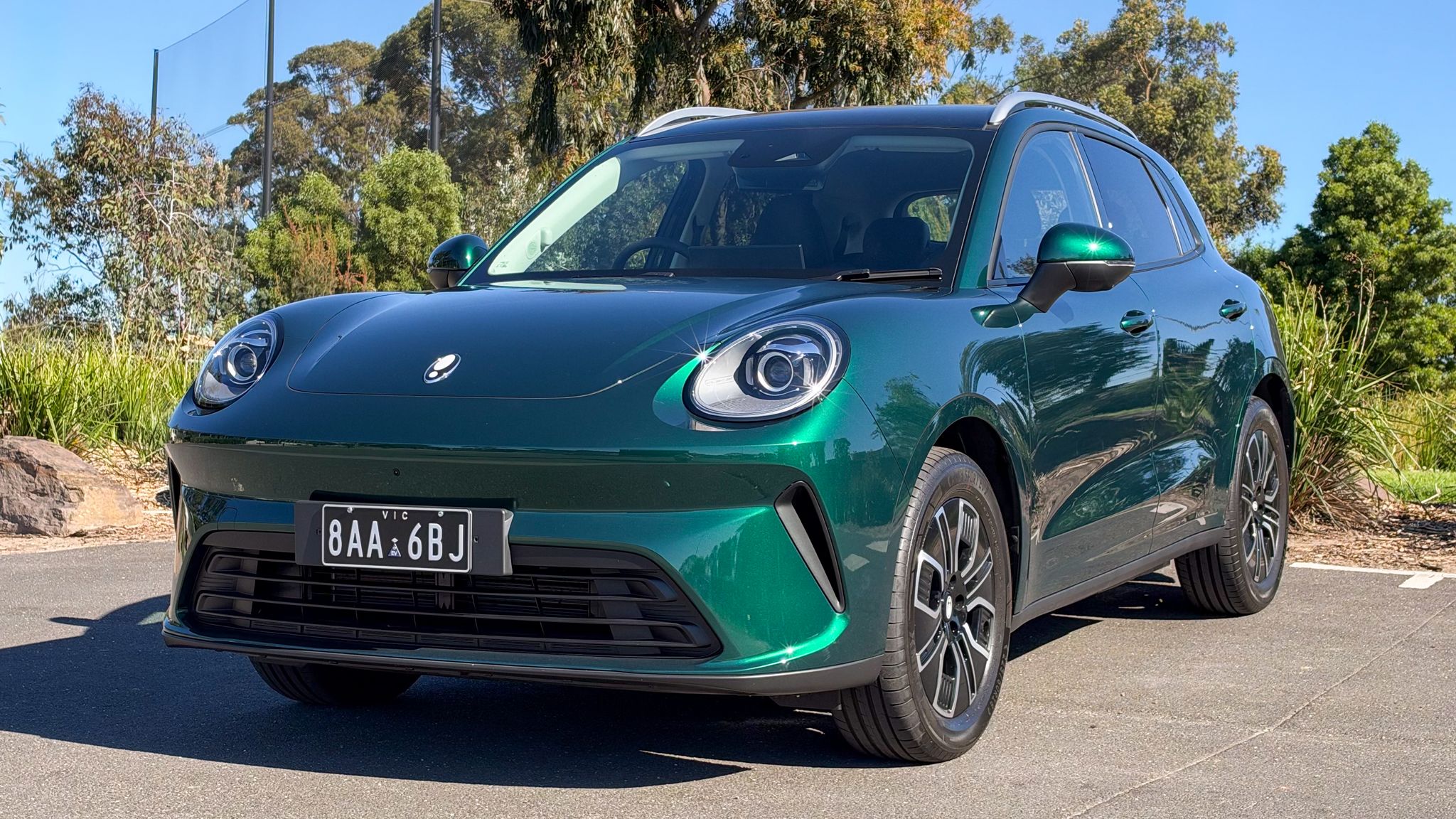
The GWM Ora 5 looks like the love child of a Mini Cooper and a Porsche Macan, and it’s just as charming inside, though its software still needs some work.

Rob Leigh
Pros
- One of the nicest cabins in a cheap EV
- A spare wheel, which almost no other EV offers
- Sharp driveaway pricing for a 435km EV
Cons
- Small 362-litre boot
- Apple Maps crashed in CarPlay
- Spins its wheels easily, but isn’t quick
Our verdict
The Ora 5 is for buyers who want a cheap electric SUV that doesn’t feel cheap. It’s quiet, comfortable, loaded with equipment and one of the only EVs on sale with a spare wheel. The catch is buggy software and performance that reads better on paper than it feels from the lights.
What does the Ora 5 cost in Australia?
The Ora 5 range is simple. There are two grades, the Lux at $33,990 driveaway and the Ultra at $36,990 driveaway, and both use the same 150kW front motor and 58.3kWh LFP battery.
That makes it one of the cheapest electric SUVs you can buy in Australia. The BYD Atto 2 starts at $31,990 before on-roads, which lands it at roughly Lux money once it’s registered, but with a smaller battery and less power.
Even the base Lux gets most of the equipment you’d actually want. That includes 18-inch alloys, LED lights, a 14.6-inch touchscreen, a 10.25-inch digital driver’s display, wireless Apple CarPlay and Android Auto, a 360-degree camera, adaptive cruise and a six-way power driver’s seat.
The Ultra adds heated and ventilated faux leather front seats, a heated steering wheel, a powered passenger seat, a panoramic roof with a powered sunshade, a power tailgate, a 50W wireless charger, nine speakers and ambient lighting. That’s a lot of extra kit for $3000, and it’s the grade I’d buy.
A cheaper Ora 5 hatchback is also on the way, which should suit city buyers who don’t need the SUV body.
| Specifications | Lux | Ultra |
| Driveaway price | $33,990 | $36,990 |
| Powertrain | Electric | Electric |
| Power | Torque | 150kW | 260Nm | 150kW | 260Nm |
| Transmission | 1 speed | 1 speed |
| Drivetrain | FWD | FWD |
| 0-100km/h | 8.0 sec | 8.0 sec |
| Electric range (WLTC) | 435km | 435km |
| Battery | DC charging | 58.3kWh | 120kW | 58.3kWh | 120kW |
| Braked towing | 750kg | 750kg |
| ANCAP | Not yet rated | Not yet rated |
| Warranty | 7 years | Unlimited km | 7 years | Unlimited km |
View GWM Ora 5 driveaway pricing and specifications →
What does the Ora 5 look like?
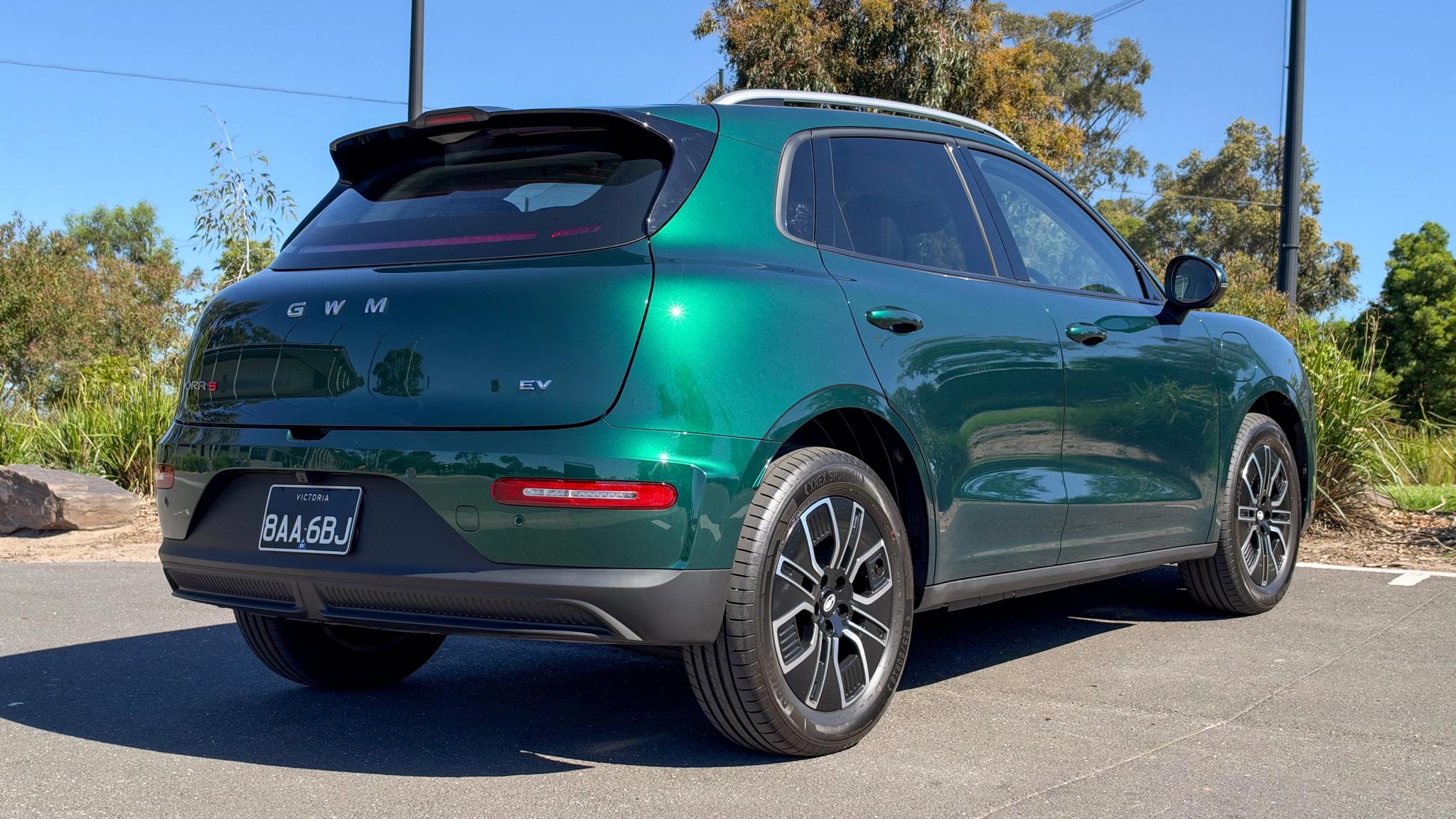
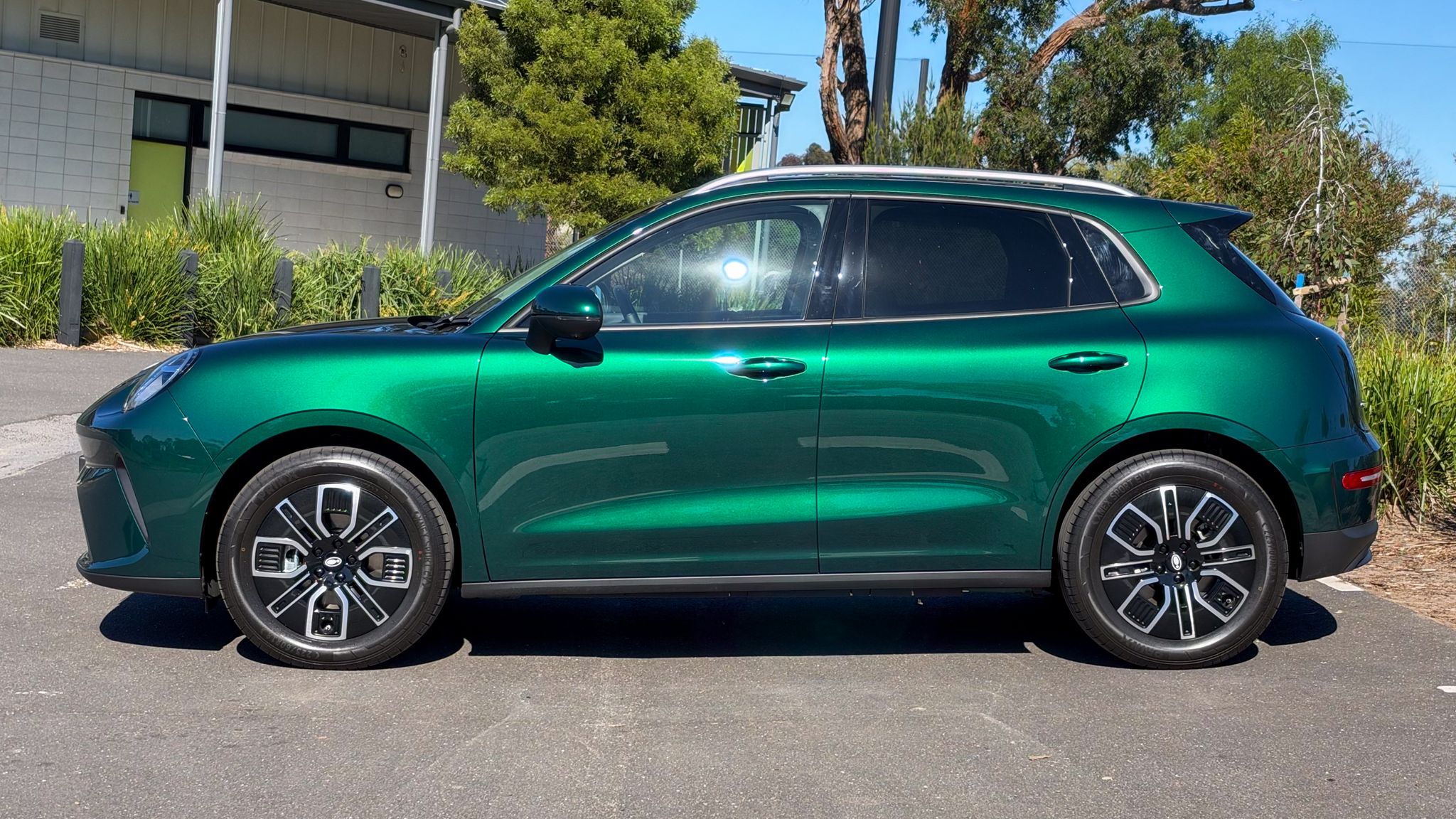
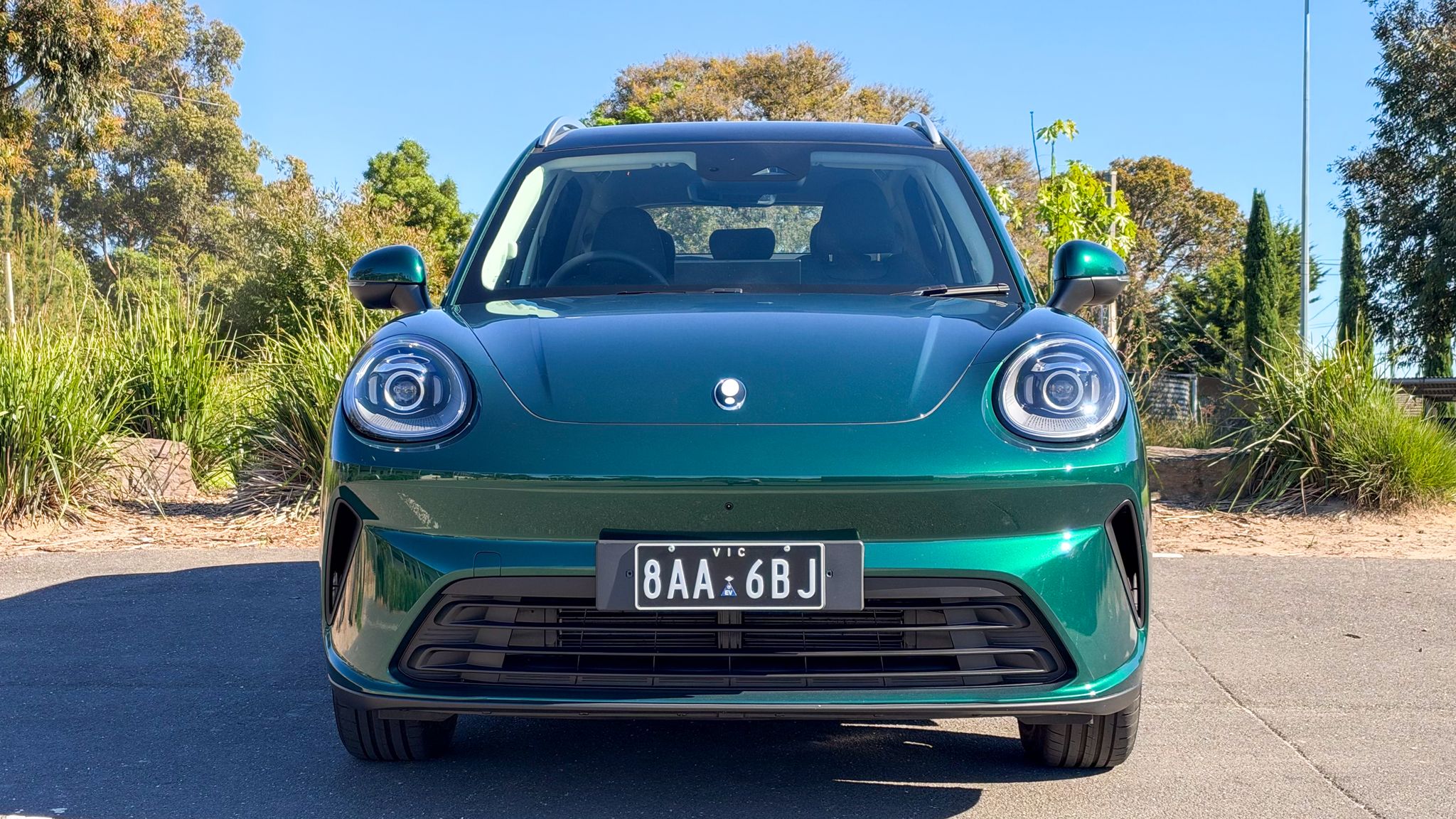
Those big, bug-eyed headlights give it a distinctly retro look, while the smooth, rounded body is a welcome change from all the boxy little SUVs on the road.
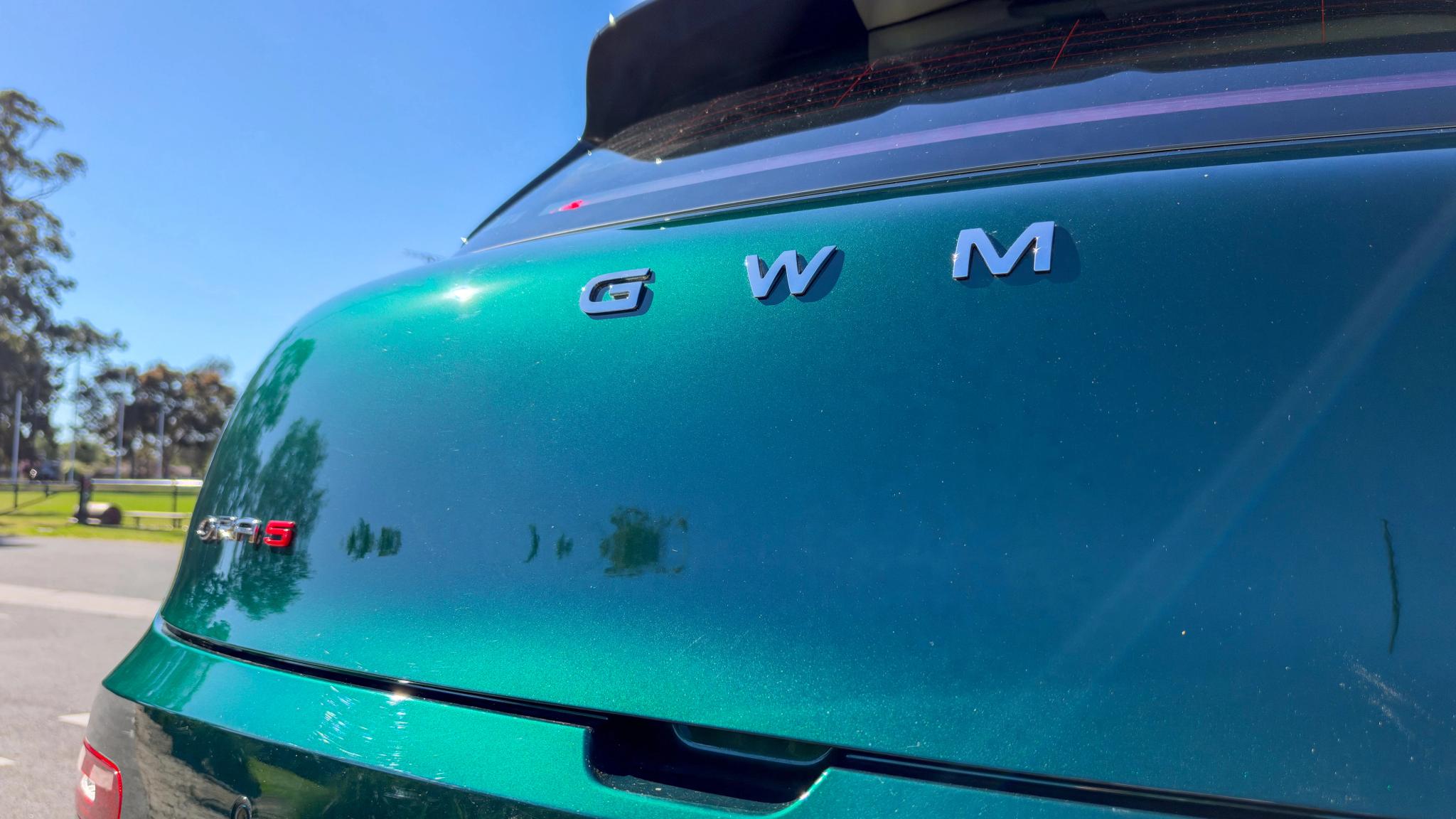
I’m less sold on the logo. The Ora badge with its giant exclamation mark looks a bit weird, almost comical, and I’d rather it just wore a GWM badge.
It’s bigger than it looks in photos. At 4471mm long it’s longer than a lot of small SUVs, and the smooth surfacing helps efficiency too, with active grille shutters contributing to a drag coefficient of 0.276Cd.
I’m glad GWM hasn’t limited buyers to the usual white, black and grey. You can also have Flamingo Pink, Cute Cyan or Emerald Green, and the brighter shades suit the shape. Premium paint is $595.
What is the Ora 5 like inside?
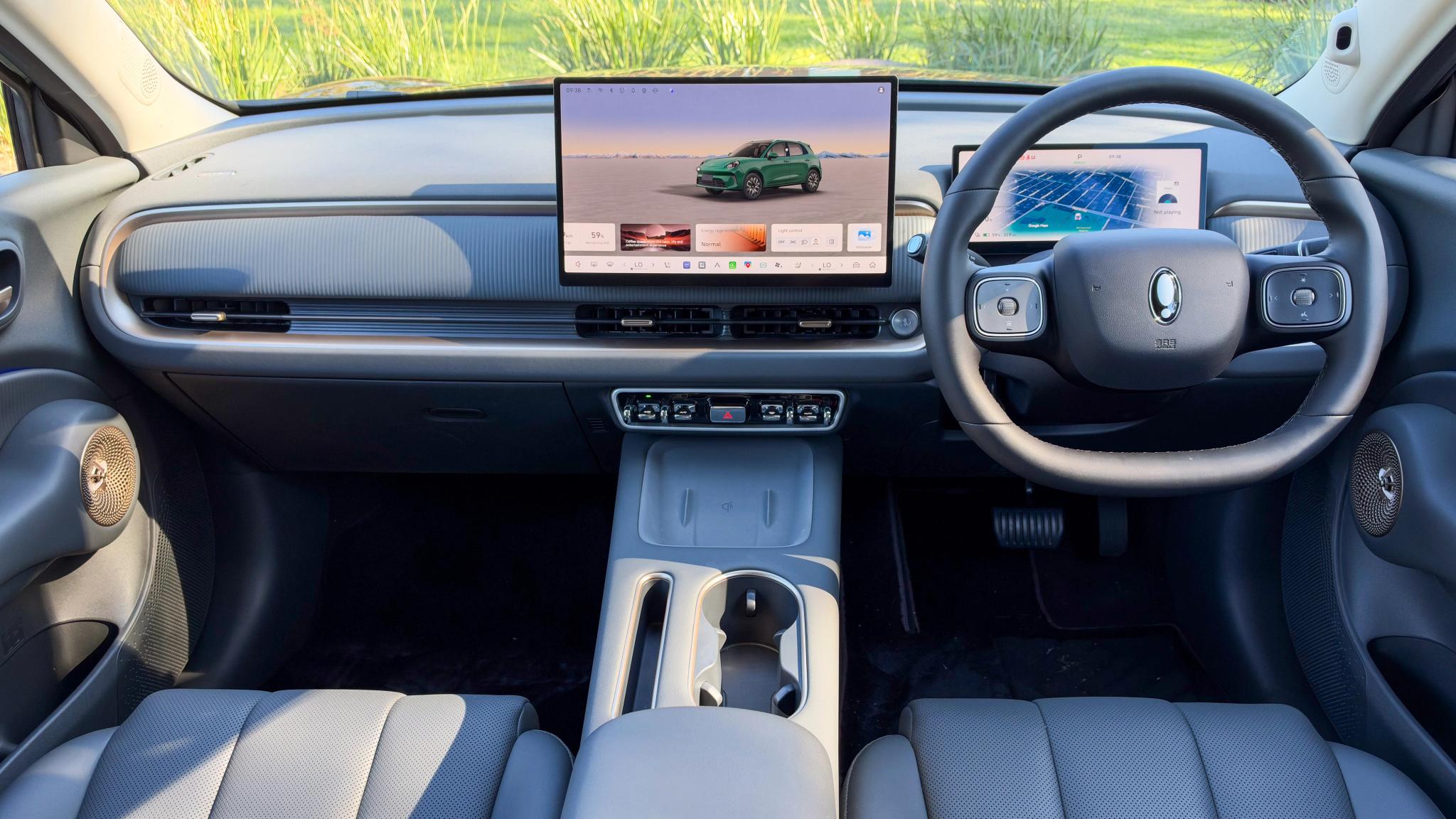
The interior is easily my favourite thing about the Ora 5. It’s one of the nicest cabins I’ve seen in a cheap EV, with soft-touch materials on the dash and doors and warm metallic accents around the vents, switches and speakers.
I love the row of chrome retro toggle switches, even if they don’t control anything particularly useful. They look after things like auto climate and demisting, while fan speed and temperature live in the touchscreen.
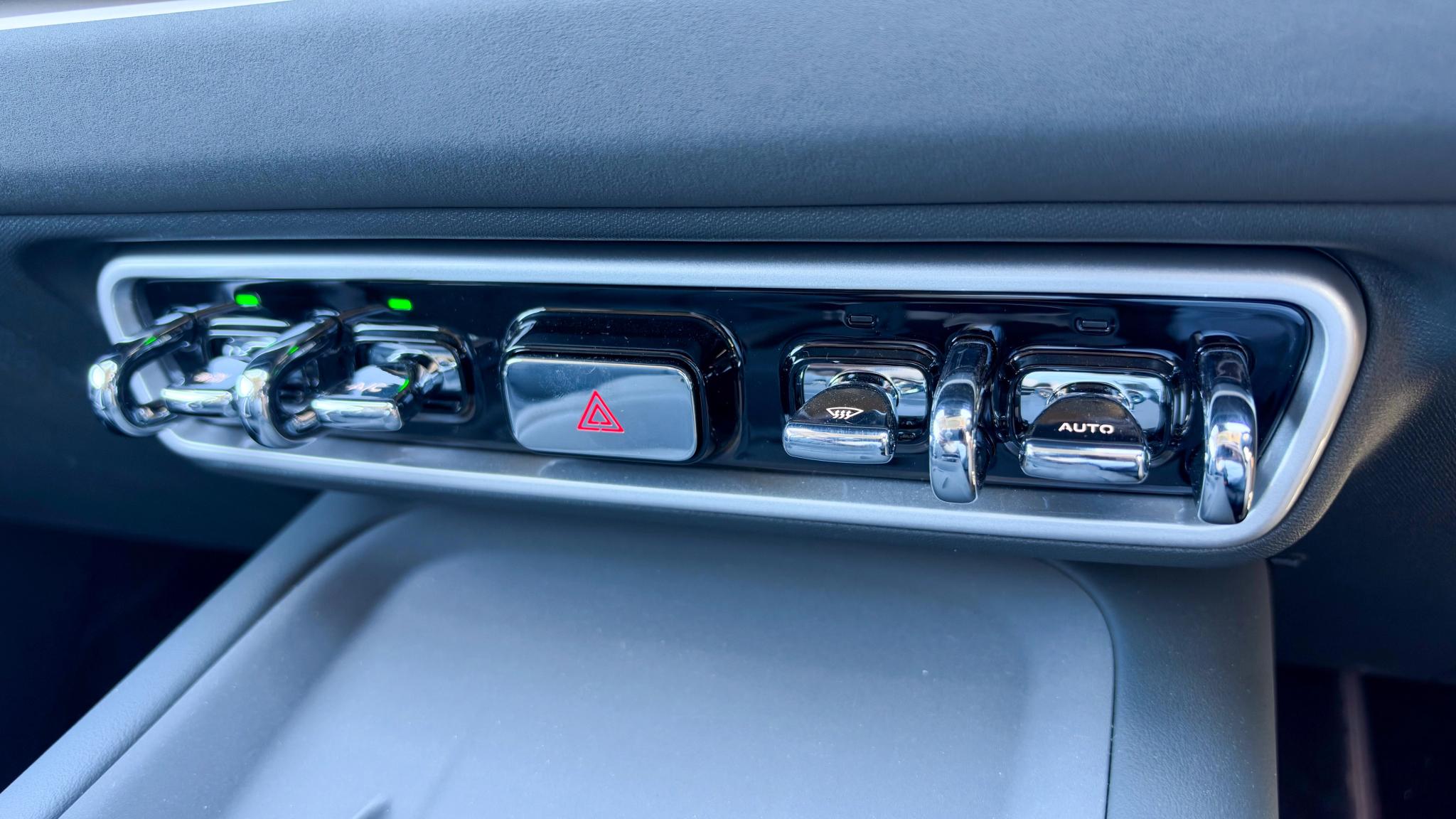
My biggest frustration was Apple CarPlay. Apple Maps kept crashing whenever I tried to enter a destination, so I switched to Google Maps, which worked fine. It’s an easy workaround, but it’s a glitch GWM needs to fix.
The screen itself is quick and sharp, and a climate shortcut bar stays visible while CarPlay or Android Auto is running. Some simple functions are still buried a few menus deep, so expect a learning curve in the first week.
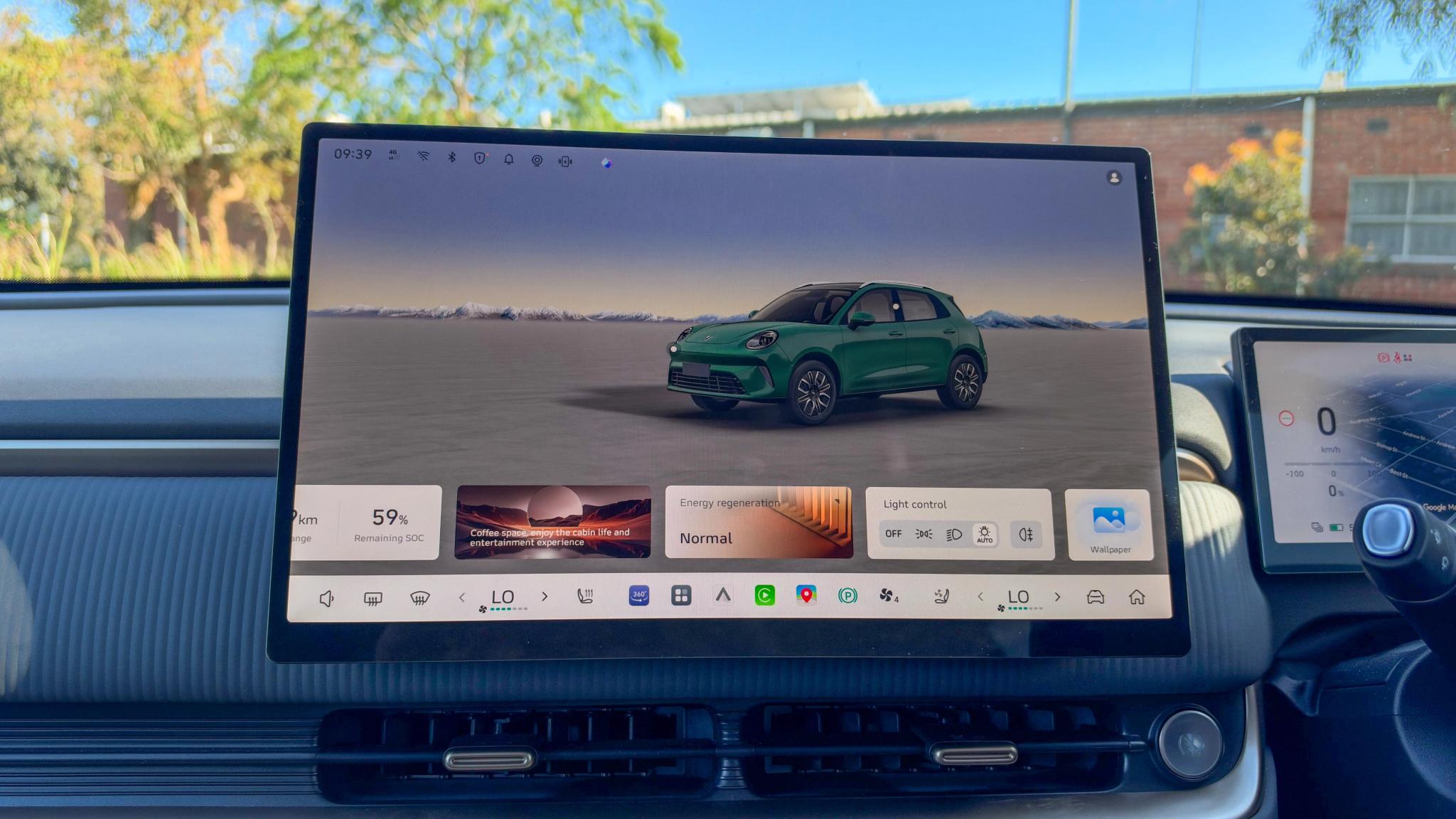
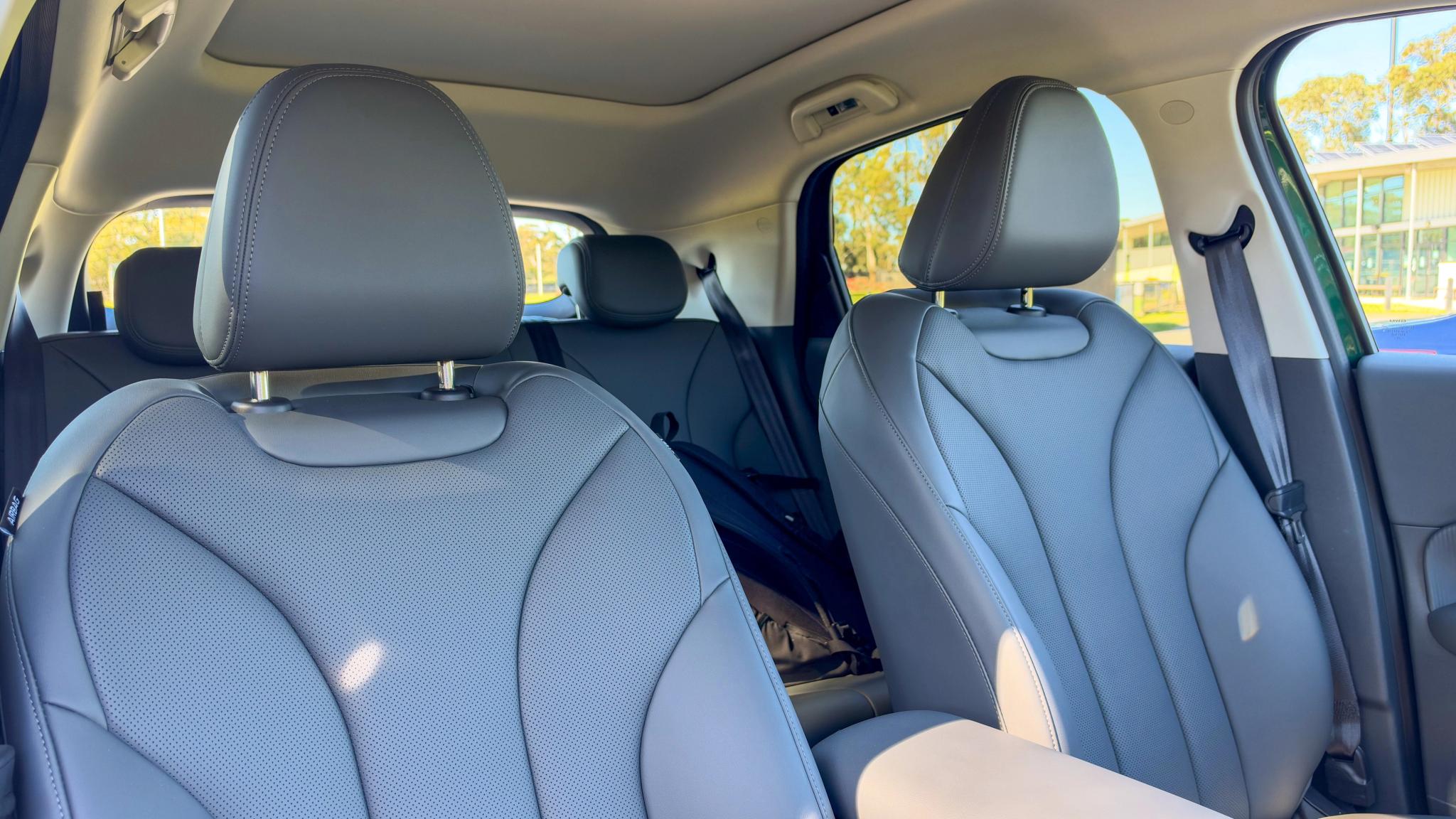
The front seats are comfortable on a long drive, though more lumbar adjustment would help. Storage is good, with a big open space under the floating console, decent door bins and a 50W wireless charger in the Ultra.
Ultra buyers can choose a dark grey or cream interior at no extra cost. The cream looks great, if you’re brave enough to own it with kids.
How practical is the Ora 5?
There’s more room in the back than you’d expect, with enough space for adults around 180cm to sit comfortably. The floor is close to flat and the big side windows stop it feeling closed in.
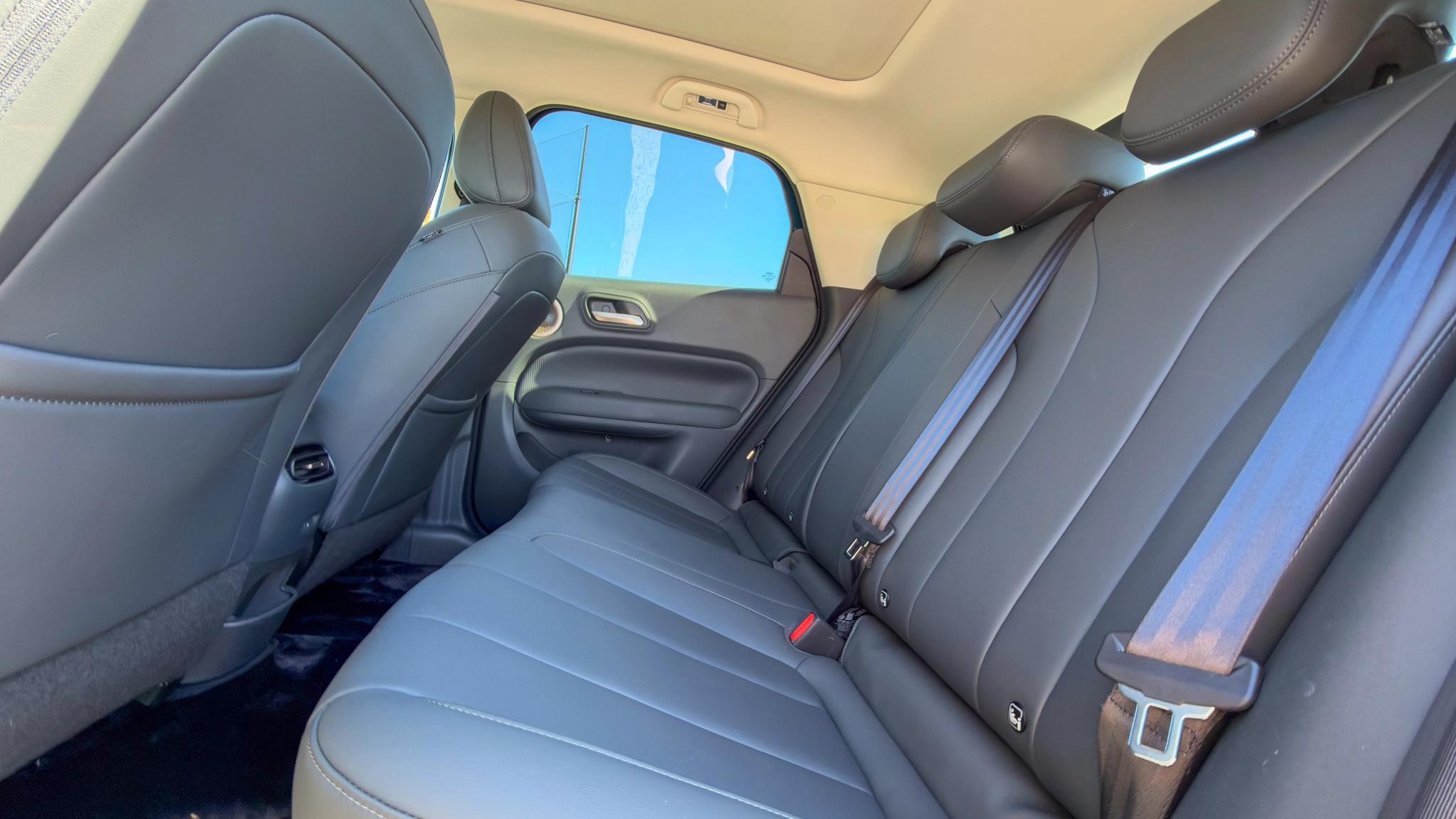
The back seat is light on extras. There’s a single rear air vent, one USB-C port and no fold-down armrest, so it suits two passengers better than three. Two ISOFIX points and three top tethers cover child seats.
The boot is the weak point at 362 litres with the seats up, growing to 1060 litres with them folded. The BYD Atto 2 offers 380 litres and the Jaecoo J5 EV a lot more, and the sloping tailgate limits taller items.
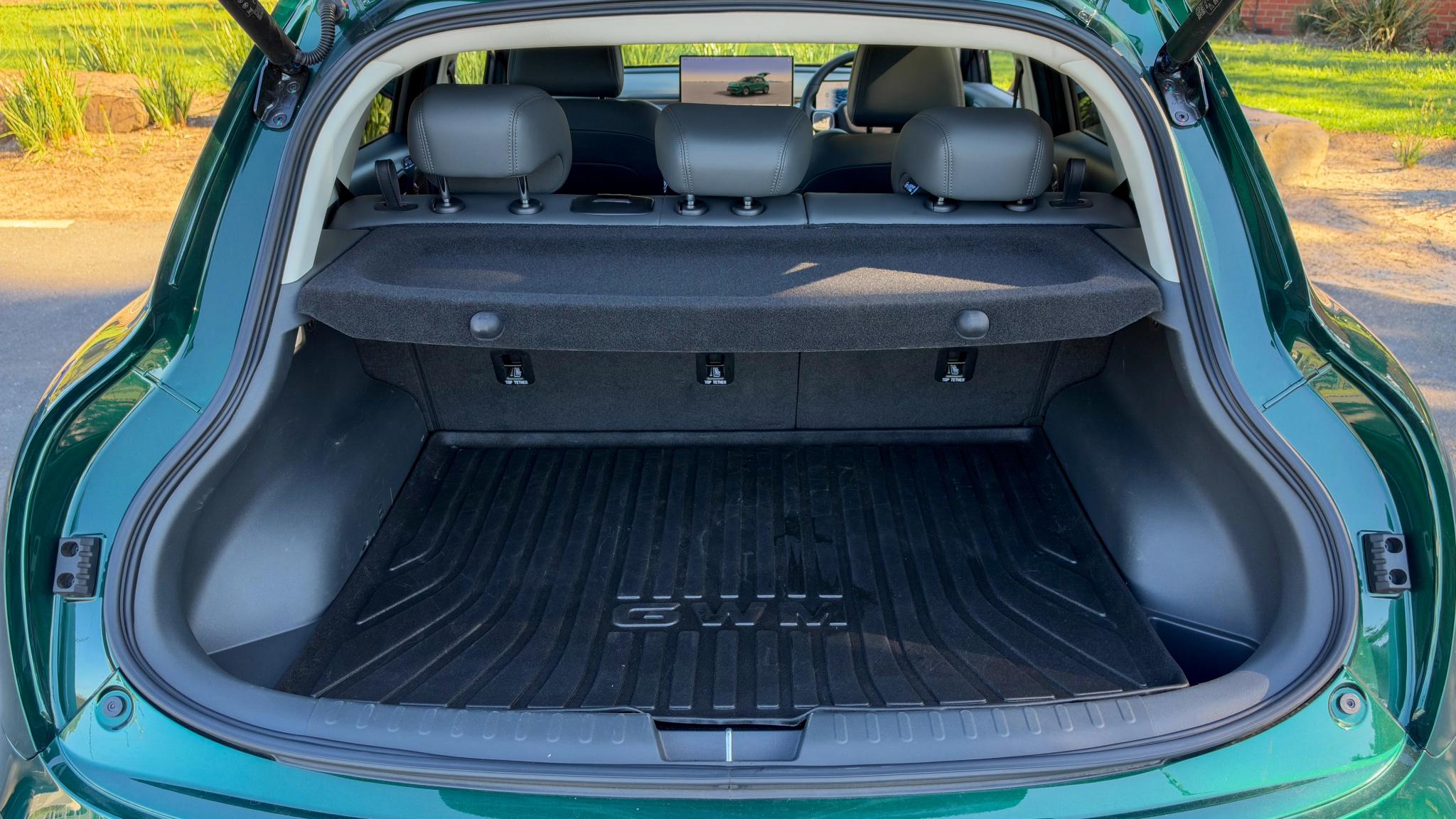
But lift the boot floor and you’ll find the Ora 5’s best feature. There’s a space-saver spare wheel, making it one of the only EVs on sale in Australia with one. Bravo, GWM.
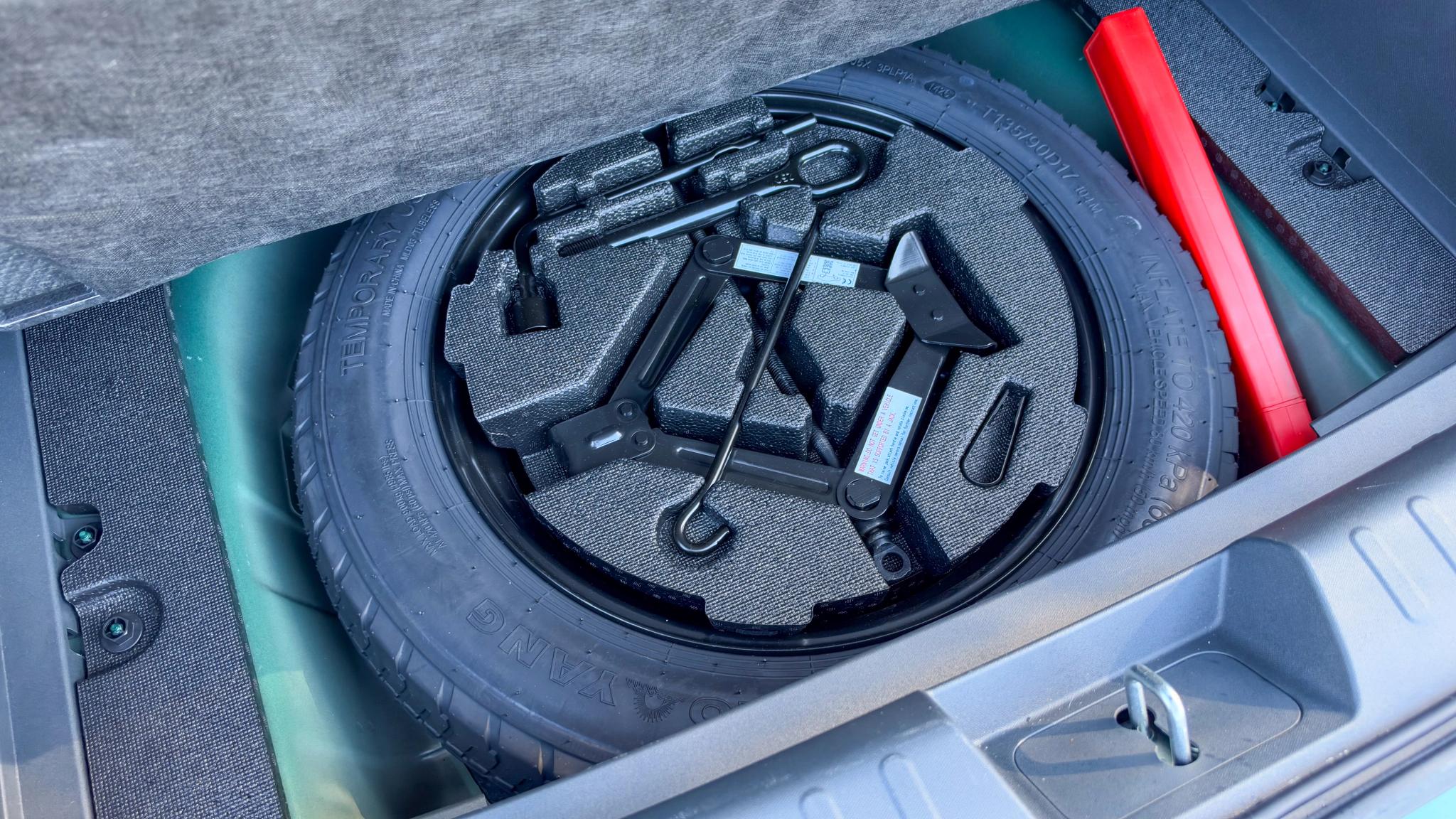
Almost every other EV gives you a tyre repair kit, which is no help with a torn sidewall on a country road hours from the nearest tyre shop. If you regularly drive outside the city, that spare is almost reason enough to buy the car on its own.
What is the Ora 5 like to drive?
GWM has spent time tuning the Ora 5 for Australian roads and for the most part they’ve got it right. It’s comfortable and quiet, with little wind or tyre noise at freeway speeds and a calm, settled feel once you’re cruising.
Around town the ride has a slightly firm edge over sharp ruts and patched bitumen, but it never crashes. On longer, rolling bumps it soaks things up well and the body stays tied down.
The steering is light, which makes parking easy, and accurate enough to place the car confidently on a winding road. It’s not a car that begs to be pushed, though, and it leans through tighter corners.
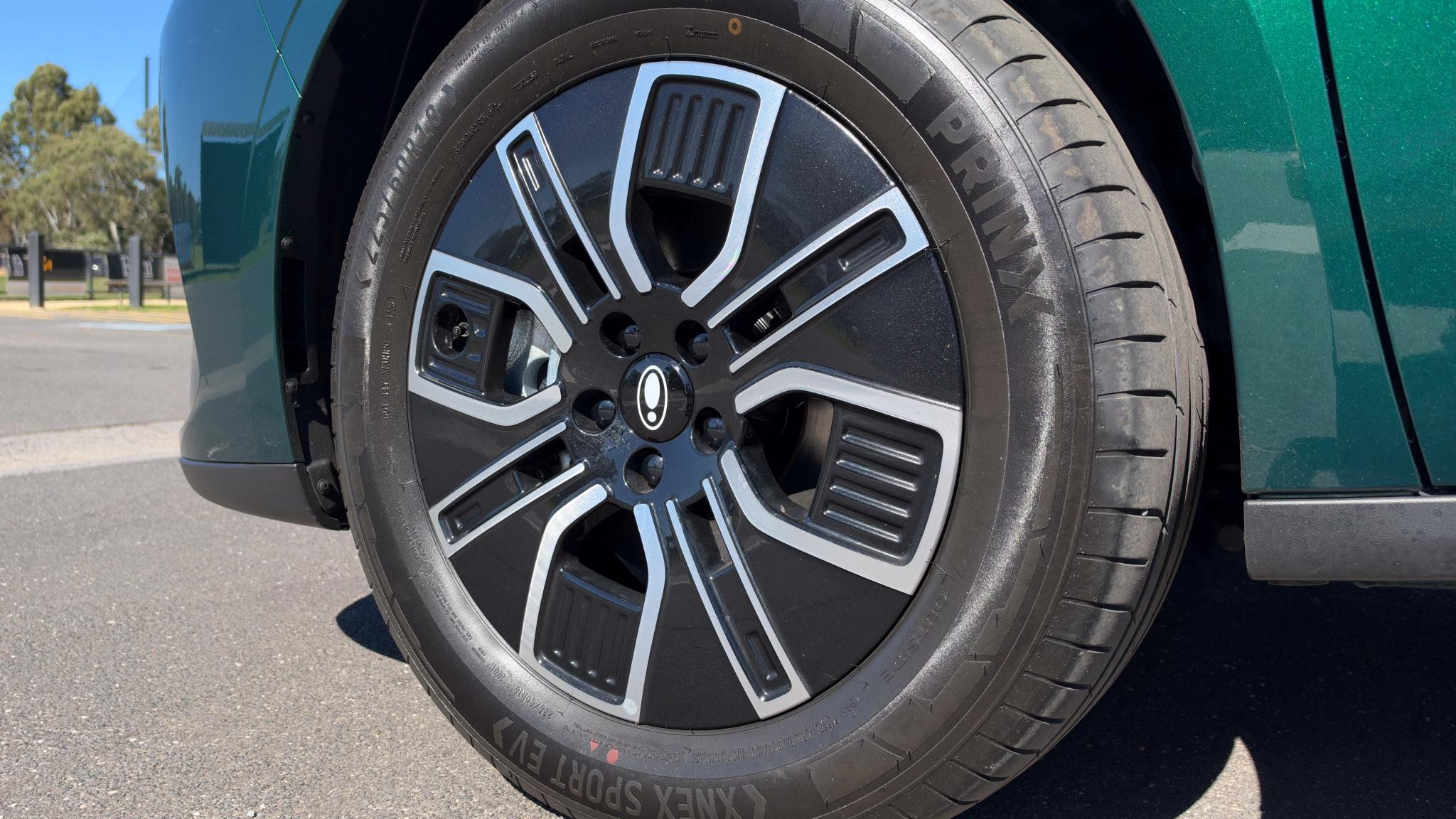
Plant your foot from a standstill and you’ll spin the front wheels, especially on a damp road where the standard tyres run out of grip quickly. Don’t get too excited, though. GWM claims 8.0 seconds to 100km/h, but the throttle is lazy for the first few centimetres in the normal drive modes, so it never feels as quick as that number suggests.
Once it’s rolling there’s enough shove for merging and overtaking. Sport mode helps, but this is an EV that’s much happier cruising than launching away from traffic lights.
Big windows make it easy to see out of, and the 360-degree camera is clear enough to take the stress out of tight car parks.
How efficient is the Ora 5?
GWM claims 15.5kWh/100km and 435km of range on the WLTC cycle. On paper, 435km is plenty for daily driving. Expect less on the freeway, particularly at higher speeds.
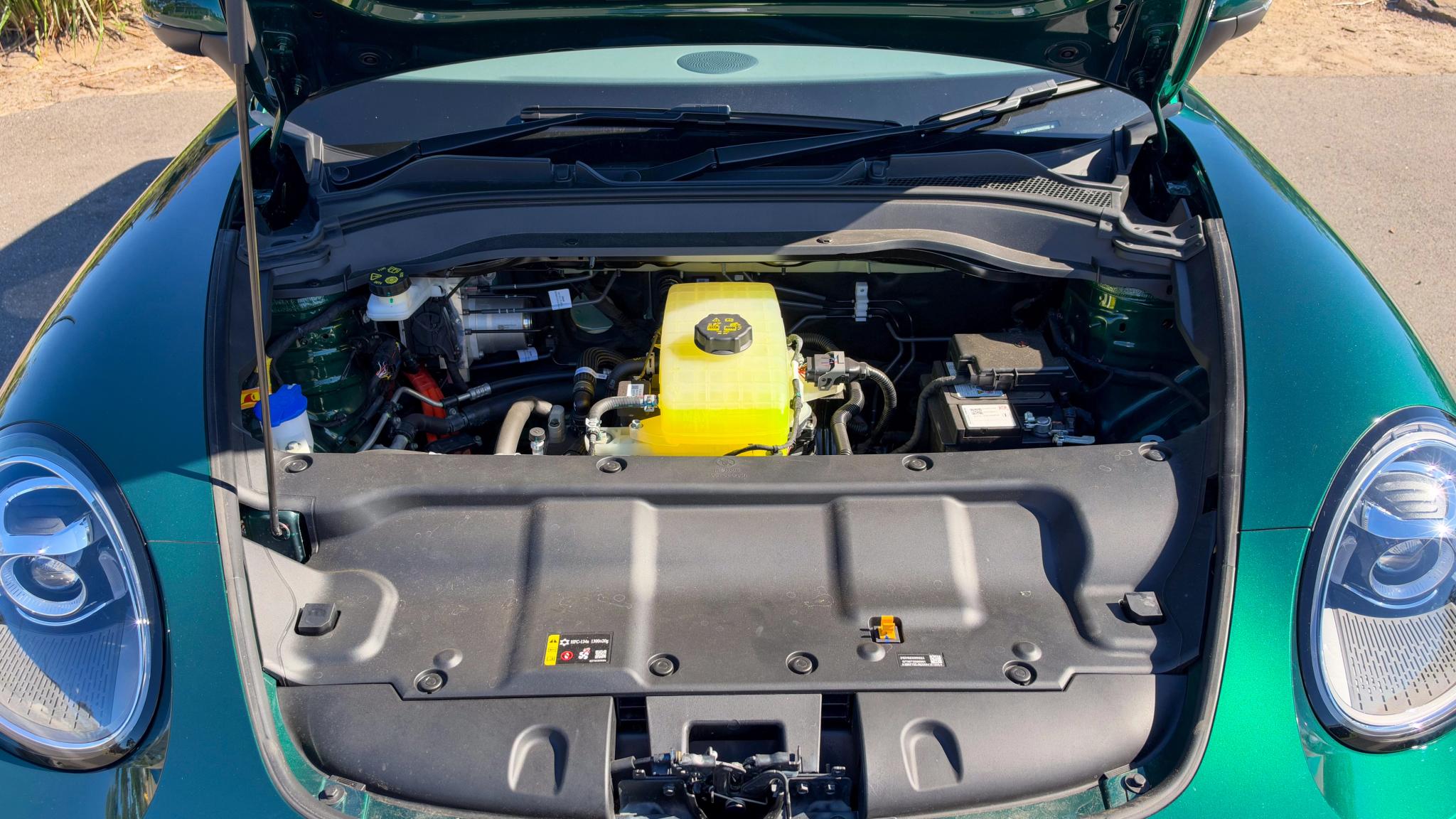
LFP batteries are generally more tolerant of regular full charges, although charging habits still play a part in long-term battery health. DC charging peaks at 120kW, with GWM claiming a 10-80% charge in around 30 minutes.
AC charging tops out at 6.6kW, enough to refill an empty battery overnight on a home wallbox. At typical home electricity rates you’ll pay under $5 per 100km, and vehicle-to-load lets you run appliances at up to 6kW.
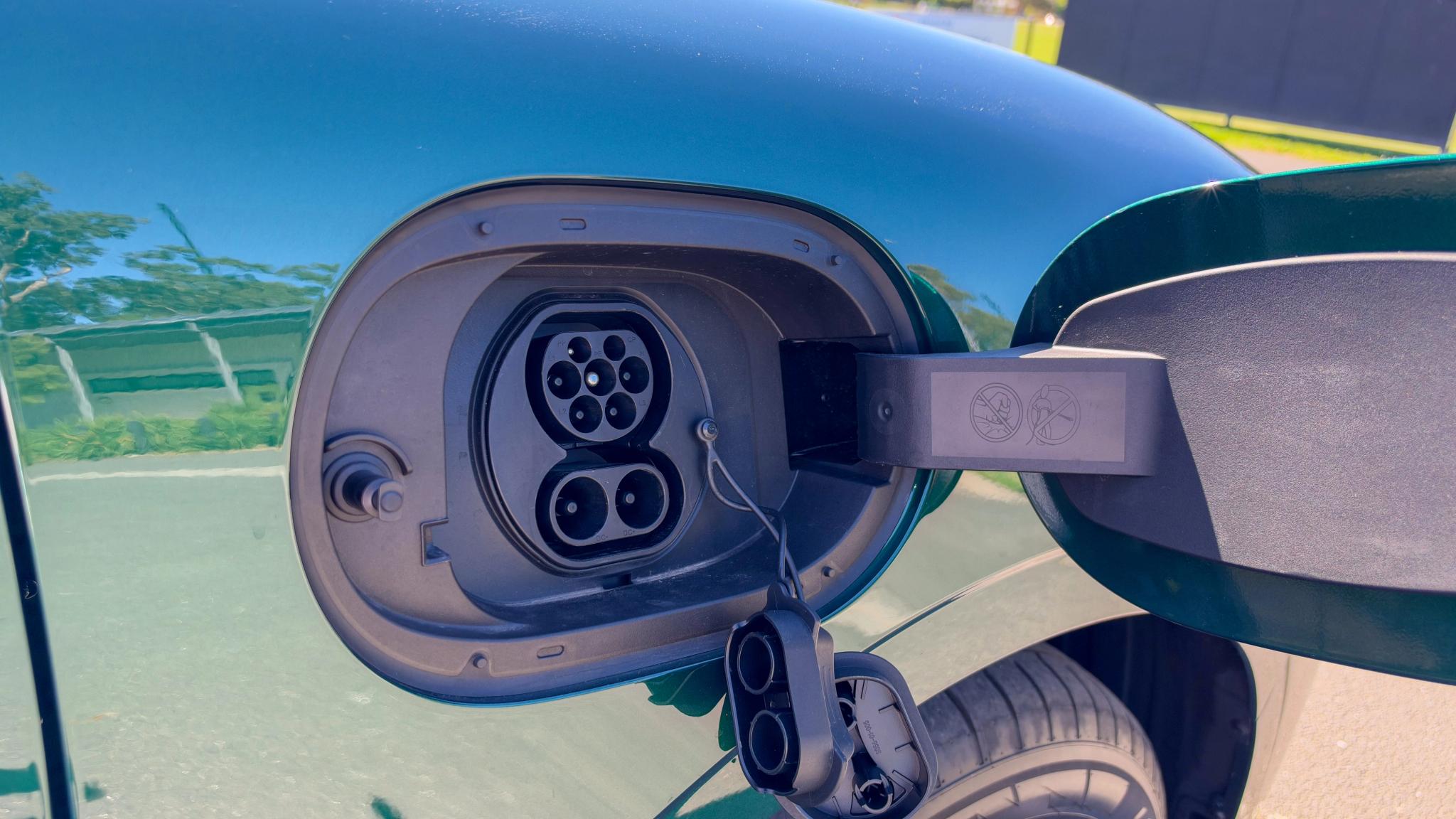
GWM caps the price of the first seven services, and the per-visit cost undercuts most rivals. The catch is a tight booking window: each service must happen within a month or 2000km before the due date, or two months or 2000km after it, or the capped price no longer applies. Wear items such as tyres aren’t included, and seven years of roadside assistance comes standard.
| Servicing and Warranty | GWM Ora 5 SUV |
| Service interval | 12 months | 15,000km |
| Servicing cost (7 years) | $1365 |
| Average annual cost | $195 |
| Vehicle warranty | 7 years | Unlimited km |
| Battery warranty | 8 years | Unlimited km |
Is the Ora 5 safe?
ANCAP hasn’t rated the Ora 5 yet. GWM expects five stars, but until a result is published it’s unrated, which matters to fleet buyers and plenty of families.
Standard equipment is broad. You get seven airbags, AEB with pedestrian, cyclist and junction detection, lane keeping and lane centring, blind-spot monitoring, front and rear cross-traffic alert with braking, adaptive cruise with stop-and-go, traffic sign recognition, driver attention monitoring, child presence detection and the 360-degree camera with a see-through view under the car.
The lane centring and adaptive cruise worked well during my test, without the constant corrections I’ve experienced in some older GWM models. The driver monitoring can still be quick to chime, so it’s worth testing on a drive before you sign.
What are the main competitors to the Ora 5?
The BYD Atto 2 starts at $31,990 before on-roads. It has a slightly bigger boot, a roomy back seat and BYD’s growing dealer network. For similar money, though, the Ora 5 gives you 90km more claimed range, more power and a spare wheel.
The MG4 EV Urban starts at around $32,000 driveaway, with the bigger-battery version at around $35,000 claiming about 405km. It’s a hatch rather than an SUV, but it rides more comfortably around town. I’d still buy the MG4, but the Ora 5 has the nicer interior and a more traditional SUV shape.
The Geely EX2 starts at $26,490 before on-roads for the Complete, with the Inspire at $30,990. It’s rear-drive and strong value, but there’s no spare and the Complete is one of the slowest new cars on sale. The Ora 5 gives you more power, a bigger battery and that spare.
The Jaecoo J5 EV launched at around $37,000 driveaway, level with the Ora 5 Ultra. It has a much bigger 480-litre boot plus a small front trunk, and an eight-year warranty. The Ora 5 is cheaper in Lux form, although the Jaecoo is considerably more practical if you need boot space.
If you’re shopping for a small electric SUV, put the Ora 5 Ultra near the top of your test drive list.
Should I buy the Ora 5?
Yes, and I’d go straight to the Ultra. For $36,990 driveaway you get ventilated seats, a panoramic roof and a power tailgate, which is hard to match at this price. The Lux is still good value if the budget is tight.
The spare wheel is the clincher. If you’ve been put off EVs by the thought of a puncture miles from anywhere, the Ora 5 is one of the few that solves it. If you use Apple Maps, switch to Google Maps until GWM fixes the CarPlay glitch.
I really like the Ora 5. I just wish its software was as convincing as the rest of the car.
VerdictThe Beep Verdict
Rob Leigh
Co-founder & Director
Rob Leigh is Co-founder and Director of The Beep based in Melbourne, Australia. He has 15+ years inside a major automotive OEM, specialising in product planning, pricing and vehicle strategy.
About Author