2026 Chery Tiggo 4 review
Chery's cheapest SUV is still the benchmark for value, pairing a punchy turbo with a cabin that belies its price, and the petrol version, not the hybrid, is the smart buy.

Rob Leigh
Pros
- Outstanding value from $23,990 driveaway
- Eager turbo engine with genuine urban punch
- Seven-year warranty and cheap servicing
Cons
- Loose, vague steering in its default setting
- Floaty ride over bigger bumps
- Thirsty in stop-start traffic
Our verdict
The Tiggo 4 is for buyers who want a well-equipped new SUV for roughly the price of a three-year-old used one. It delivers a modern cabin, a willing engine and an ownership package that takes most of the risk out of trying a newer brand. The catch is a sloppy steering setup and a real thirst in traffic, but neither is enough to knock it off the top of a budget shortlist.
What does the Chery Tiggo 4 cost in Australia?
Two petrol grades make up the core of the range. The Urban opens at $23,990 driveaway and the Ultimate asks $26,990, with a pair of hybrids sitting above them.
| Specifications | Urban | Ultimate (tested) | Hybrid Urban | Hybrid Ultimate |
| Driveaway price | $23,990 | $26,990 | $29,990 | $32,990 |
| Powertrain | 1.5L turbo petrol | 1.5L turbo petrol | 1.5L hybrid | 1.5L hybrid |
| Power | Torque | 108kW | 210Nm | 108kW | 210Nm | 150kW | 310Nm | 150kW | 310Nm |
| Transmission | CVT | CVT | 1 speed DHT | 1 speed DHT |
| Drivetrain | FWD | FWD | FWD | FWD |
| 0-100km/h | - | - | 9.4 sec | 9.4 sec |
| Fuel use (claimed) | 7.4L/100km | 7.4L/100km | 5.4L/100km | 5.4L/100km |
| ANCAP | Five stars (2024) | Five stars (2024) | Not yet rated | Not yet rated |
| Warranty | 7 years | Unlimited km | 7 years | Unlimited km | 7 years | Unlimited km | 7 years | Unlimited km |
View Chery Tiggo 4 driveaway pricing and specifications →
The Urban is hardly a stripped-out base car. It gets 17-inch alloys, LED lighting, keyless entry, dual-zone climate control, twin 10.25-inch screens and wireless Apple CarPlay and Android Auto. The Ultimate adds a sunroof, synthetic leather trim, heated front seats, a power driver's seat, a wireless charger and a 360-degree camera.
MG's non-turbo ZS Vibe now undercuts the Tiggo 4 by $1,000, but it gives away a big chunk of performance to get there. Nothing else this cheap feels this complete.
The hybrids are a $6,000 step up grade-for-grade. We cover them in detail in our Chery Tiggo 4 Hybrid review, but the short version is that the premium is very hard to justify and we'll show the maths further down.
What does the Chery Tiggo 4 look like?
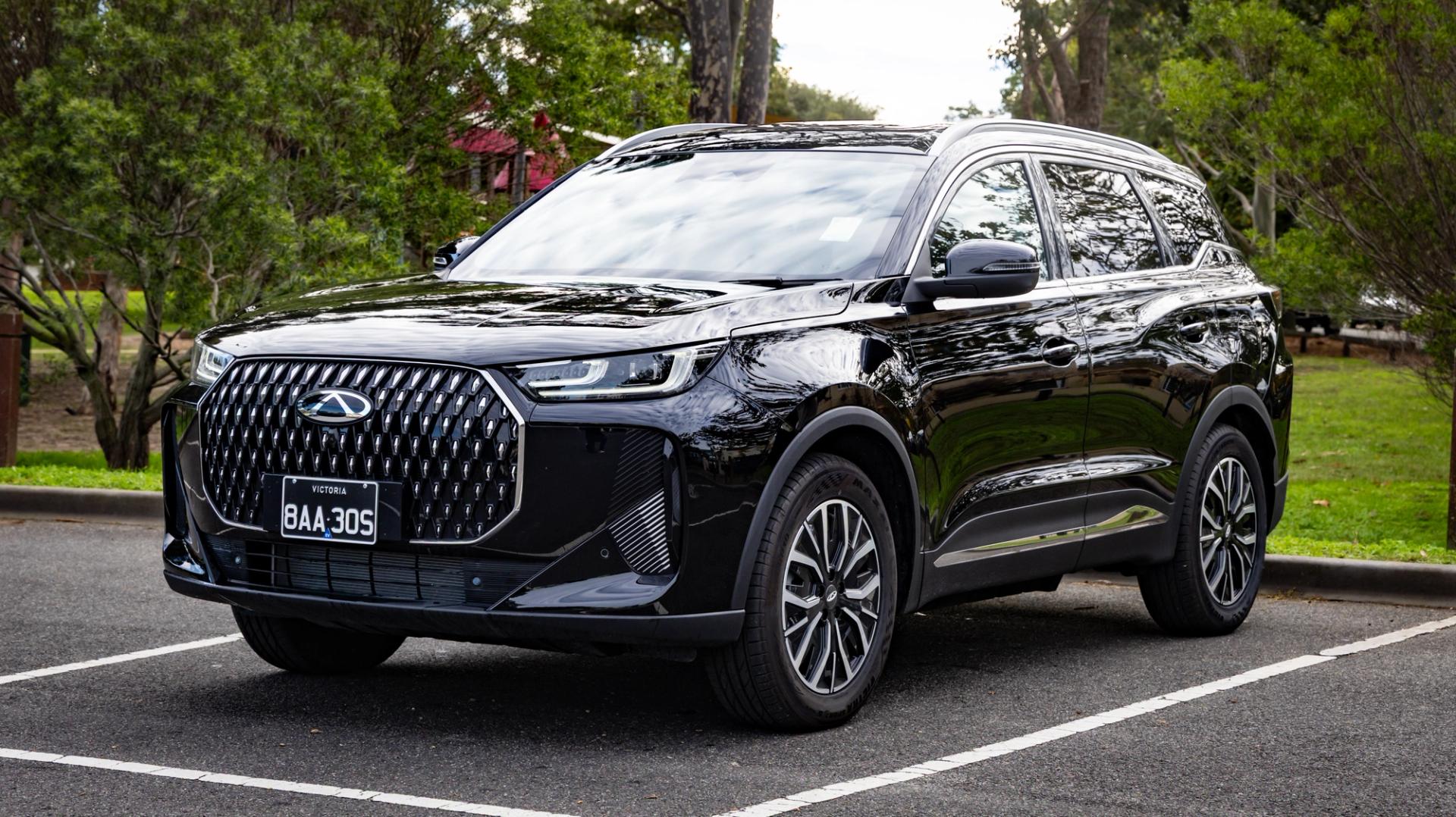
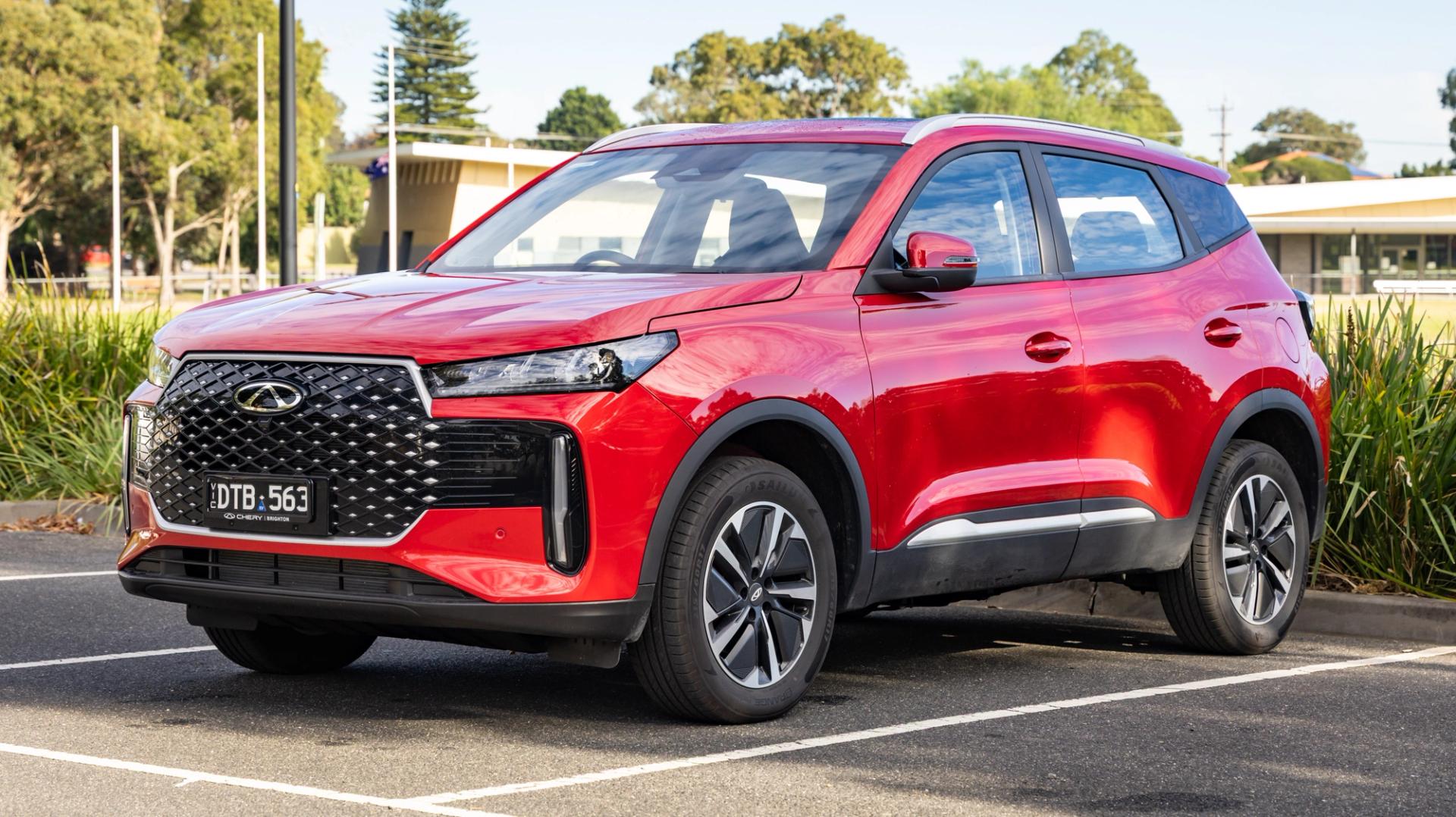
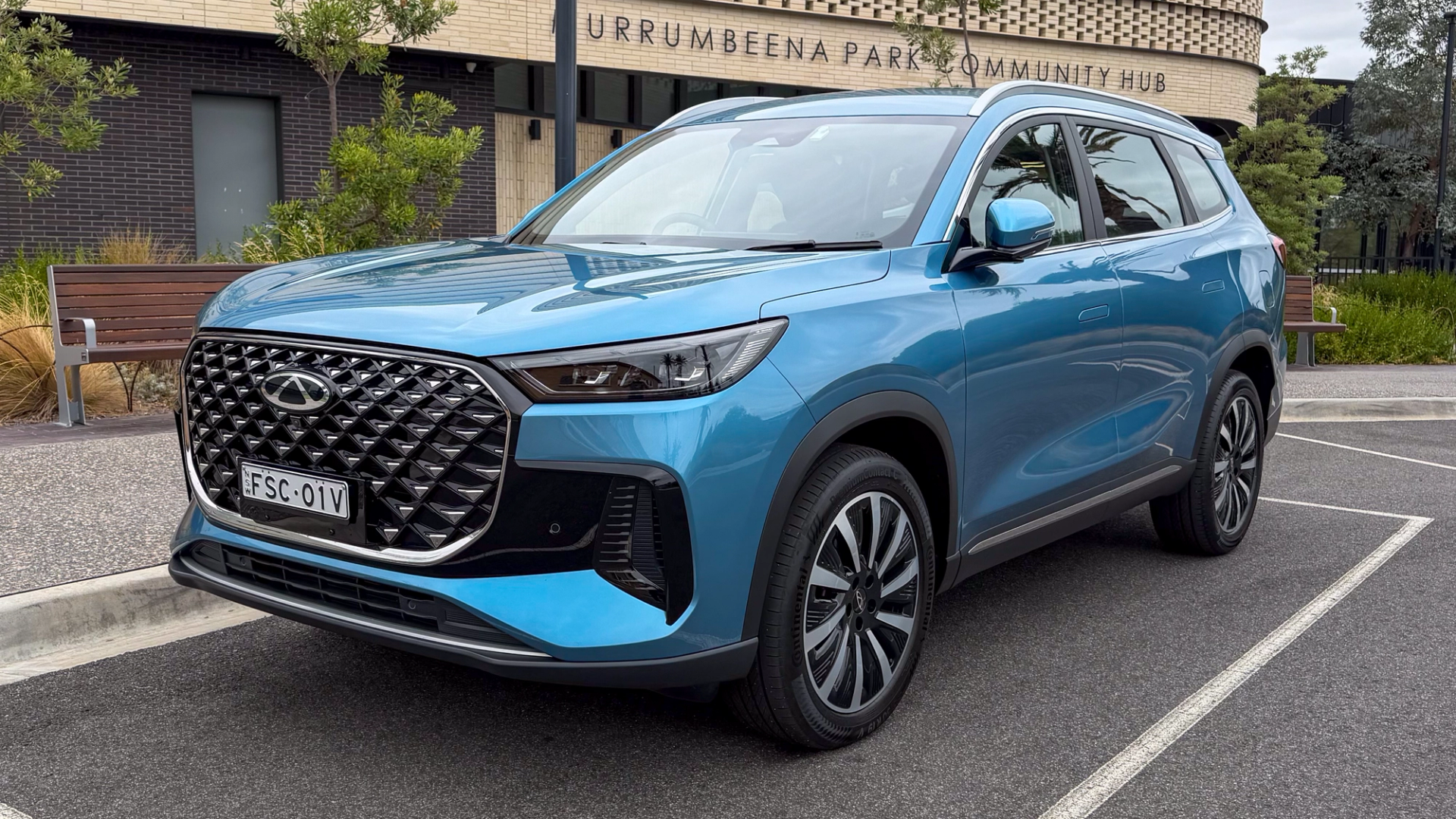
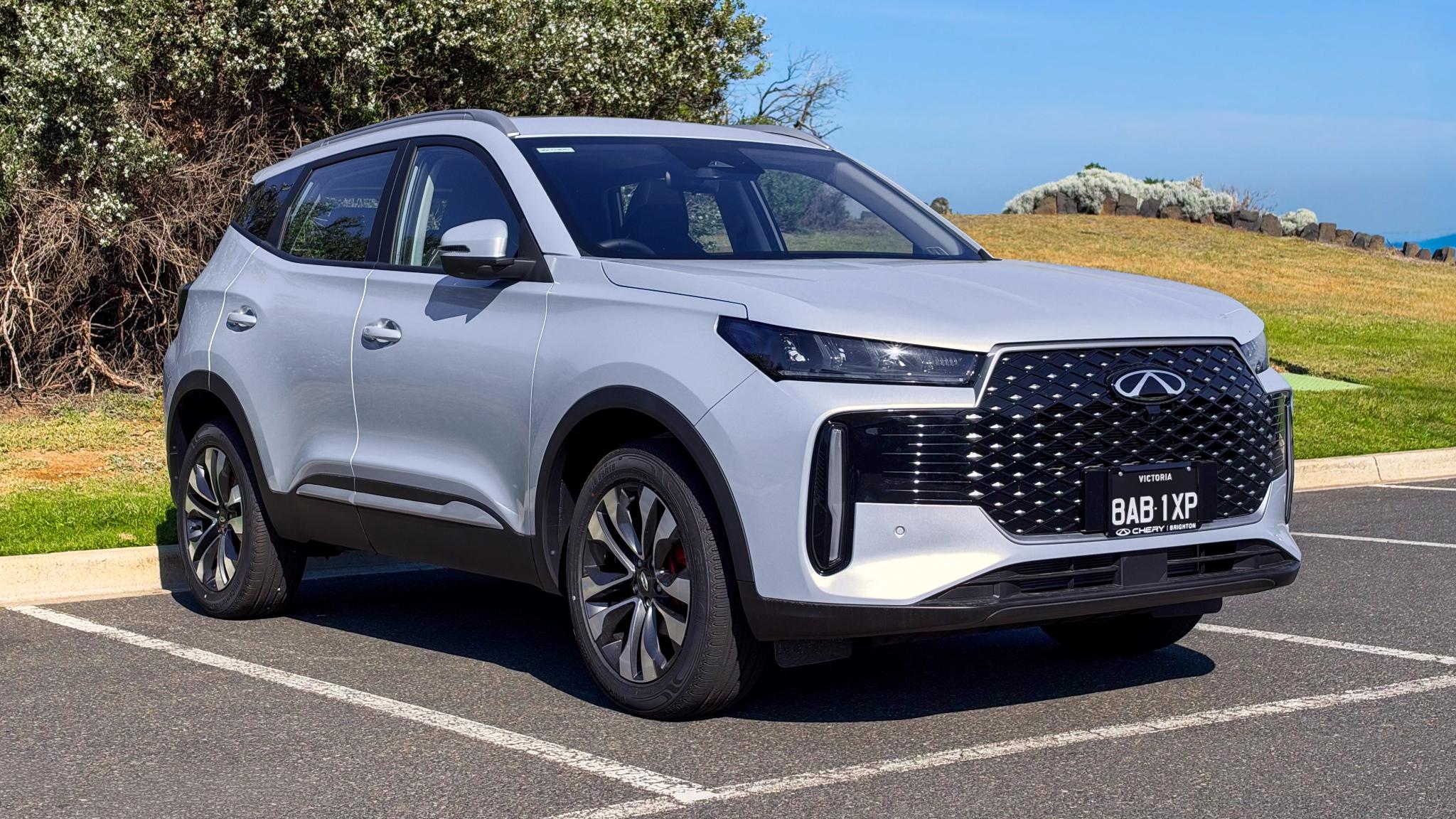
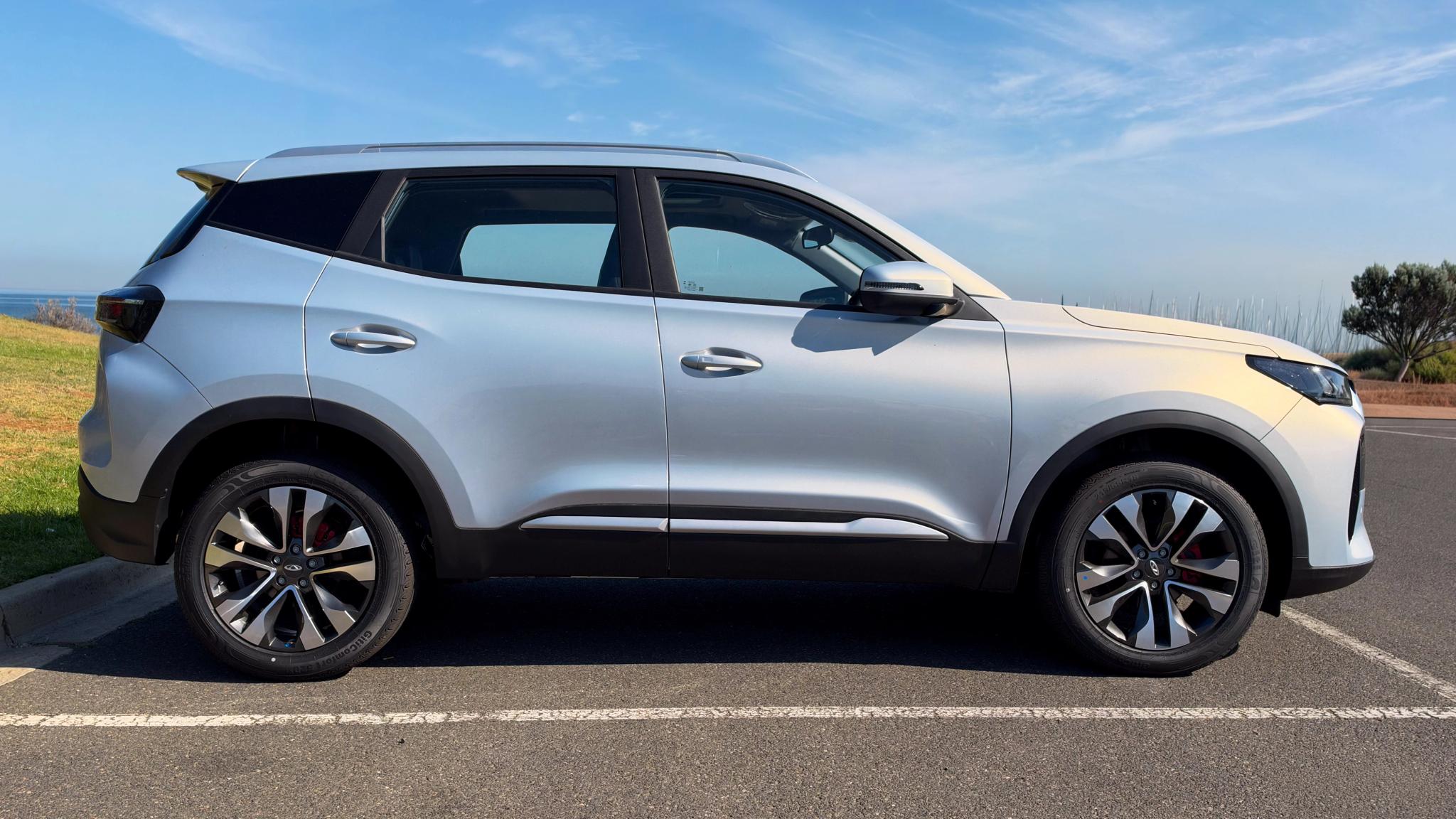
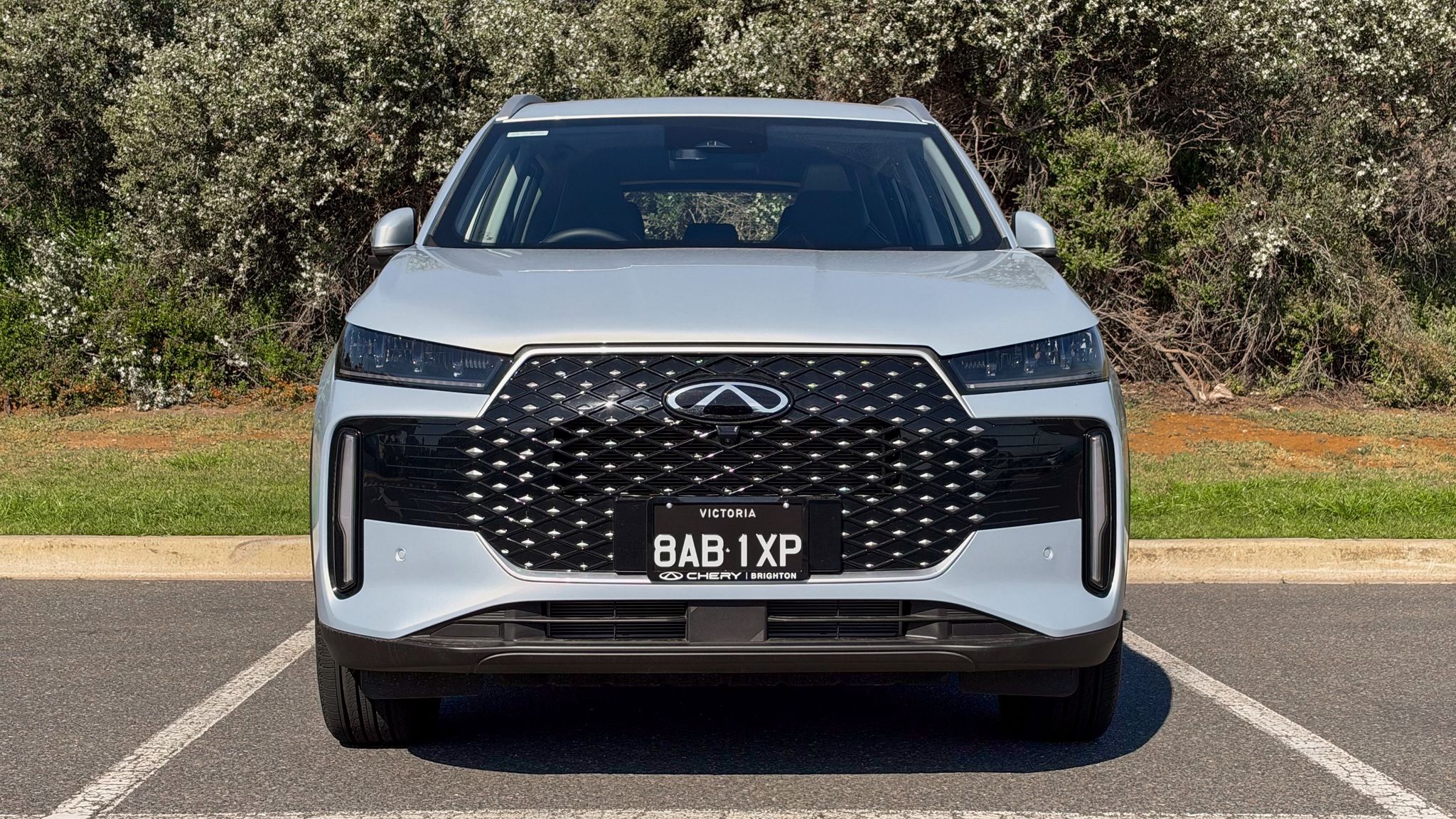
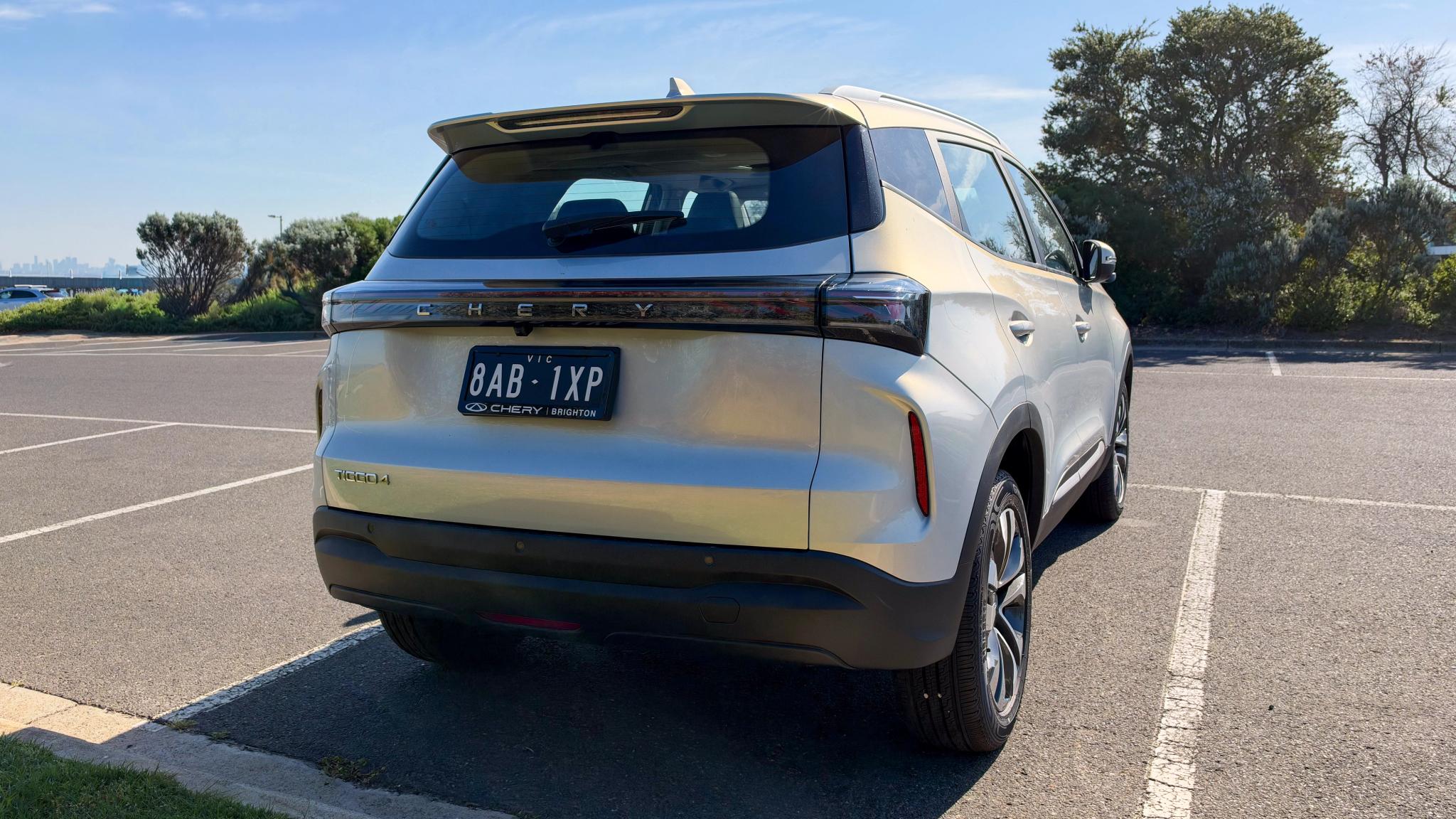
The Tiggo 4 is upright and square-shouldered, which makes it look bigger and more substantial than its small-SUV footprint suggests. The mesh grille and slim LED headlights give it a crisp face, and the 2025 update tidied up the rear with more modern LED tail-lights.
The Urban's 17-inch alloys and roof rails fill the body out nicely, and it doesn't look like the entry grade from the kerb.
The Ultimate dresses things up further. Bigger wheels, a sunroof and gloss-black trim make the Ultimate look noticeably more expensive. It's the one that draws a second glance in the supermarket car park.
Budget cars rarely look this sharp.
What is the Chery Tiggo 4 like inside?
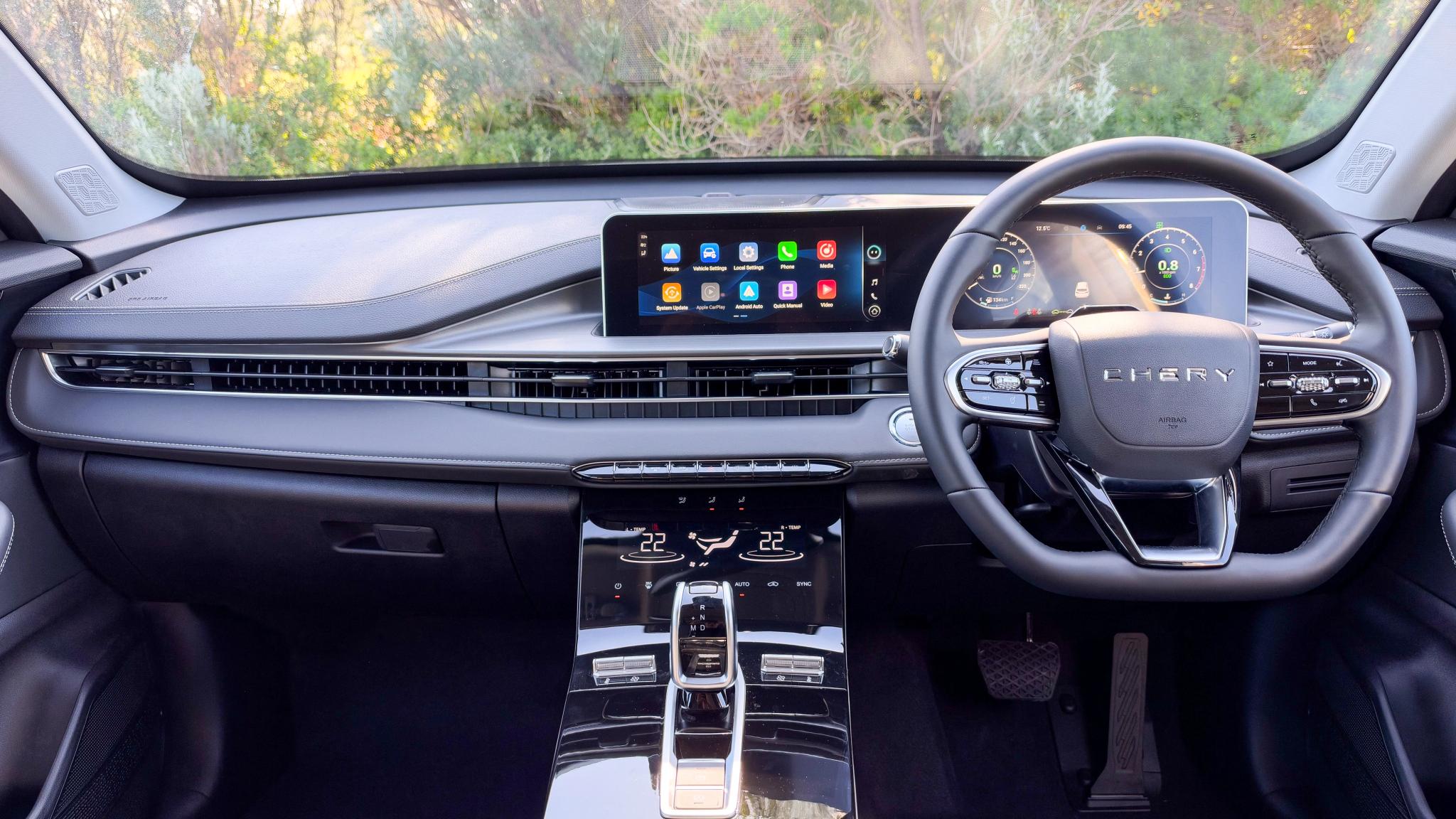
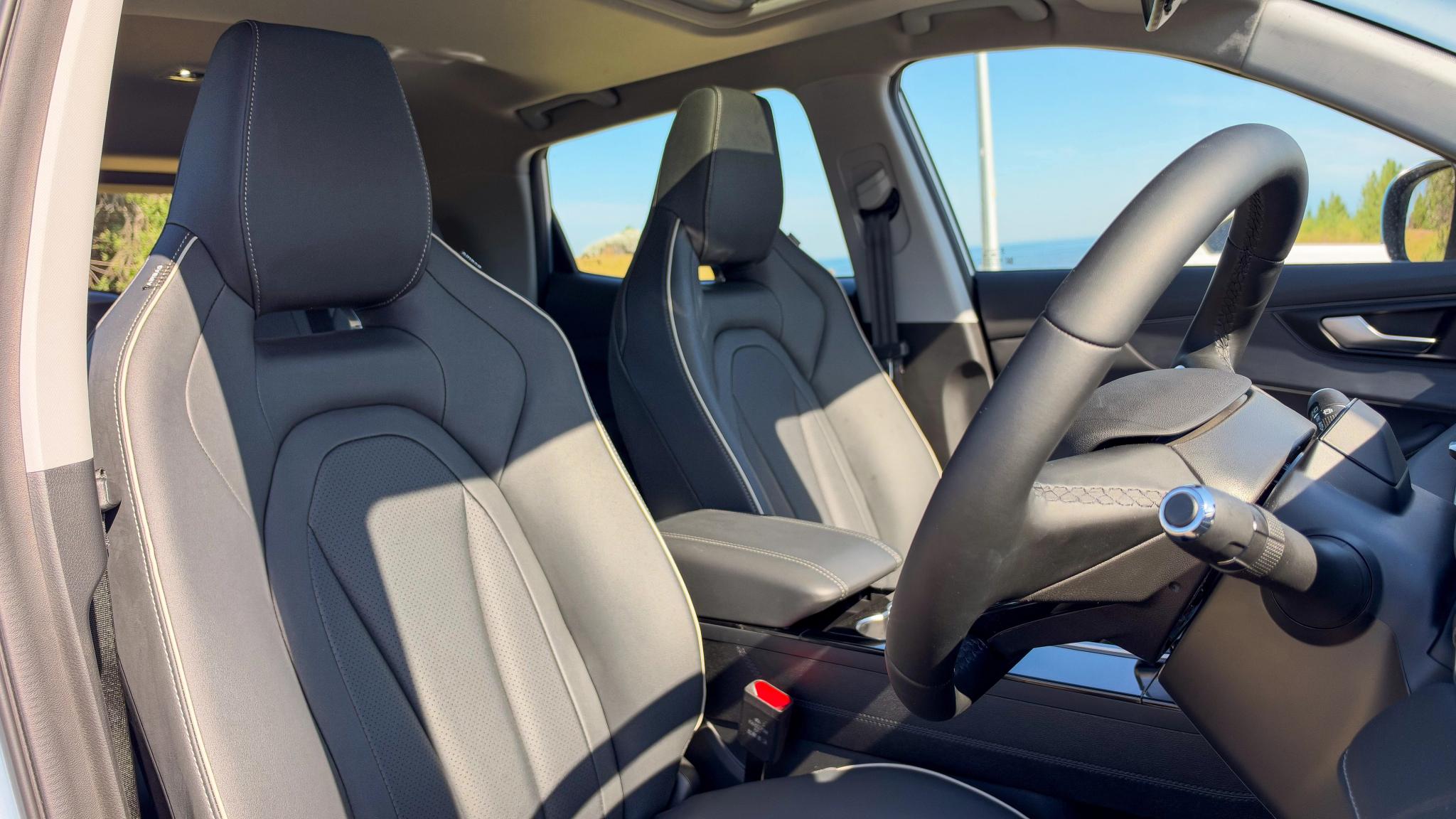
The dashboard and front door tops are soft to the touch, there's stitched trim across the fascia, and the twin 10.25-inch screens sit together in one wide housing that looks far pricier than it is.
The infotainment is logical once you've learnt it and there's a row of physical shortcut keys under the screen plus proper switches for temperature and fan speed. That last point matters more than any spec sheet line. Adjusting the air-con without taking your eyes off the road is a genuine win.
The Ultimate's cabin feels a genuine step up again. The synthetic leather looks smart, the ambient lighting looks good at night, while the sunroof lets plenty more light into the cabin. The wireless charging pad is also positioned sensibly, right where you’d normally put your phone.
A couple of the Ultimate's upgrades are less convincing. The heated seats are switched on through the touchscreen rather than with a button, and the synthetic leather gets hot and sticky after a day parked in the sun. The Urban's cloth trim is no hardship by comparison, and in an Australian summer it's arguably nicer to sit on.
The software isn't flawless in either grade. The screens can lag behind your inputs, and wireless CarPlay occasionally drops out mid-drive before reconnecting. The glossy black plastic around the console attracts fingerprints and will scratch in no time.
The front seats look plush but the cushion is flat and a little short, so taller drivers will want more thigh support on longer trips. The Ultimate's power adjustment makes it quicker to find a position, but there's no adjustable lumbar support to fine-tune it.
How practical is the Chery Tiggo 4?
Very, for the size. The tall roofline frees up generous head and knee room in the back, and two adults will sit there comfortably on a decent drive.
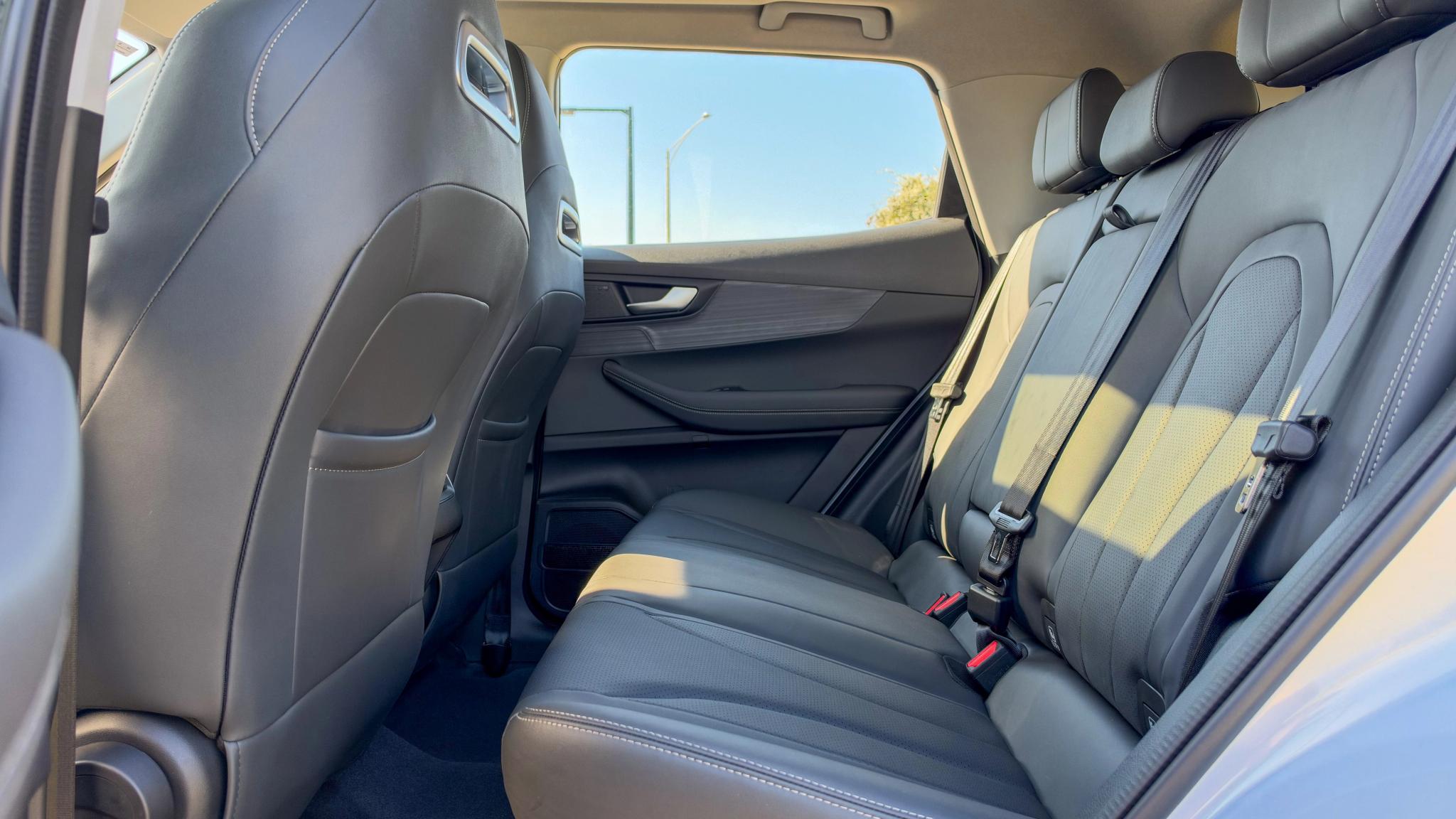
Three across is a squeeze as it is in almost everything this width. Rear passengers get a fold-down armrest with cupholders, a USB-A port and their own air vent, which is rare in this price bracket.
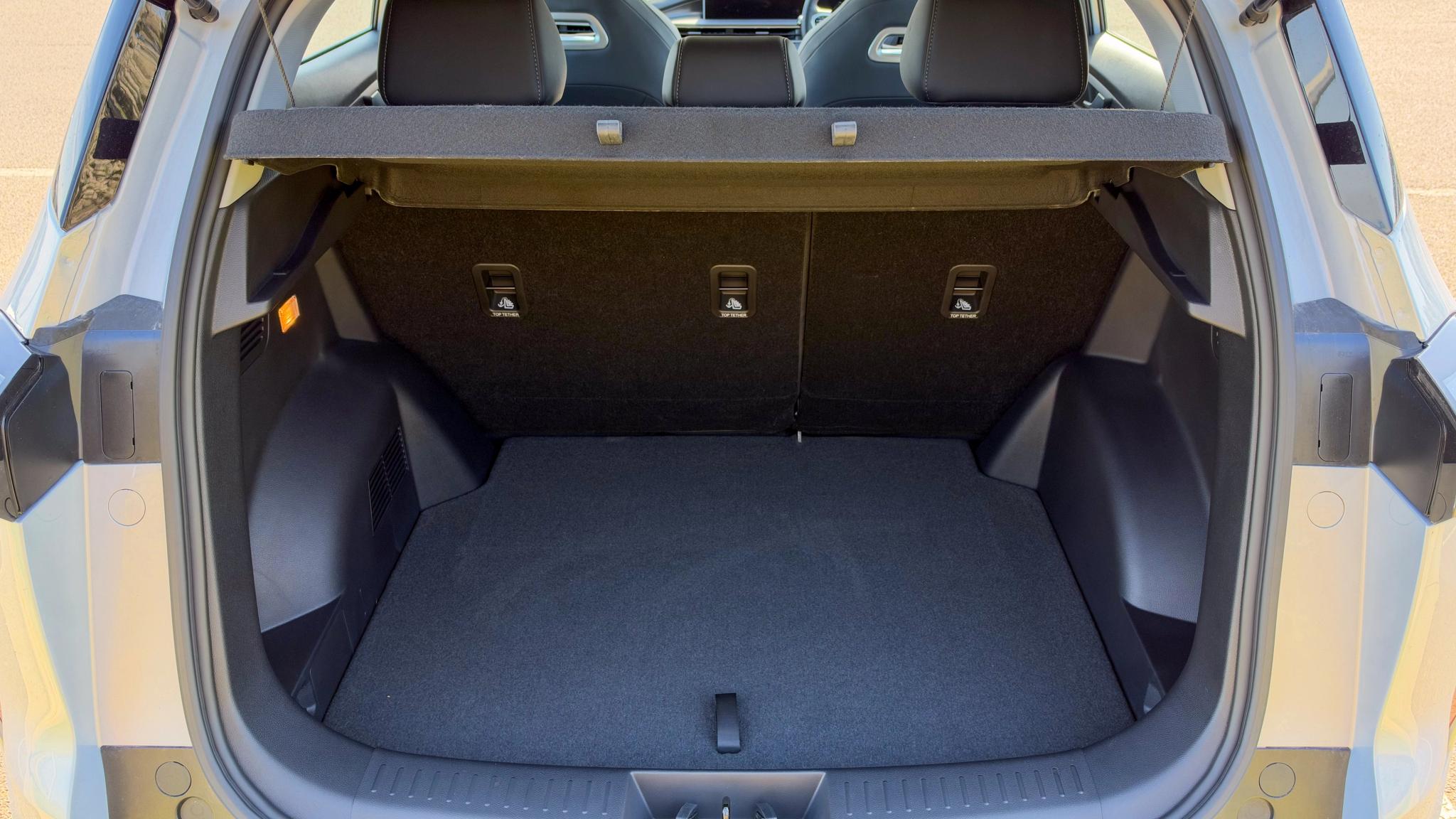
Boot space is 380 litres with the seats up and 1,225 litres folded. That's competitive for the segment and plenty for a pram, the weekly shop or a weekend away for two.
The cabin has useful storage everywhere else too, including big door bins, a deep console box and a shelf beneath the centre console for bags and phones.
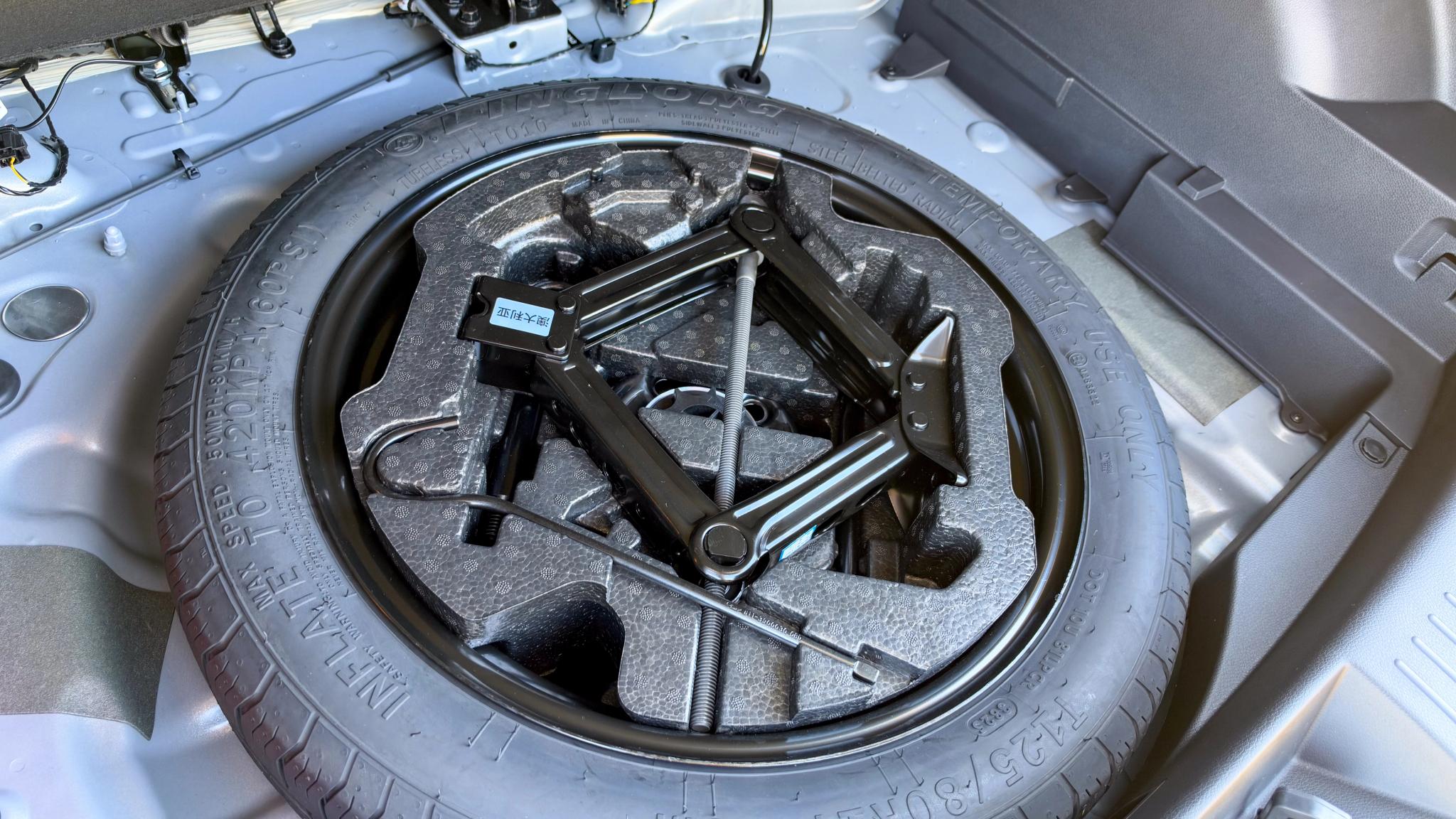
Both grades carry a space-saver spare under the floor which is a genuine plus for anyone who drives outside the city.
What is the Chery Tiggo 4 like to drive?
The 1.5-litre turbo is one of the Tiggo 4’s strongest points.
The 1.5-litre turbo makes 108kW and 210Nm in both grades, and it feels keener than those figures suggest, pulling hard off the line and making light work of merging into city traffic.
It's paired with a CVT that's mostly smooth around town. Ask for more on a hill or an overtake and the revs flare, and the engine gets loud and a bit coarse. Around town, though, the CVT is smooth and the engine rarely feels strained.
The steering is the thing you notice first - and not in a good way. In its default setting there's so much free play around the centre that you can move the wheel left and right and the car simply keeps going straight. It feels loose rather than light.
The fix is easy. Switch to Sport mode and some of that slack disappears, but it’s still not direct in any shape or form.
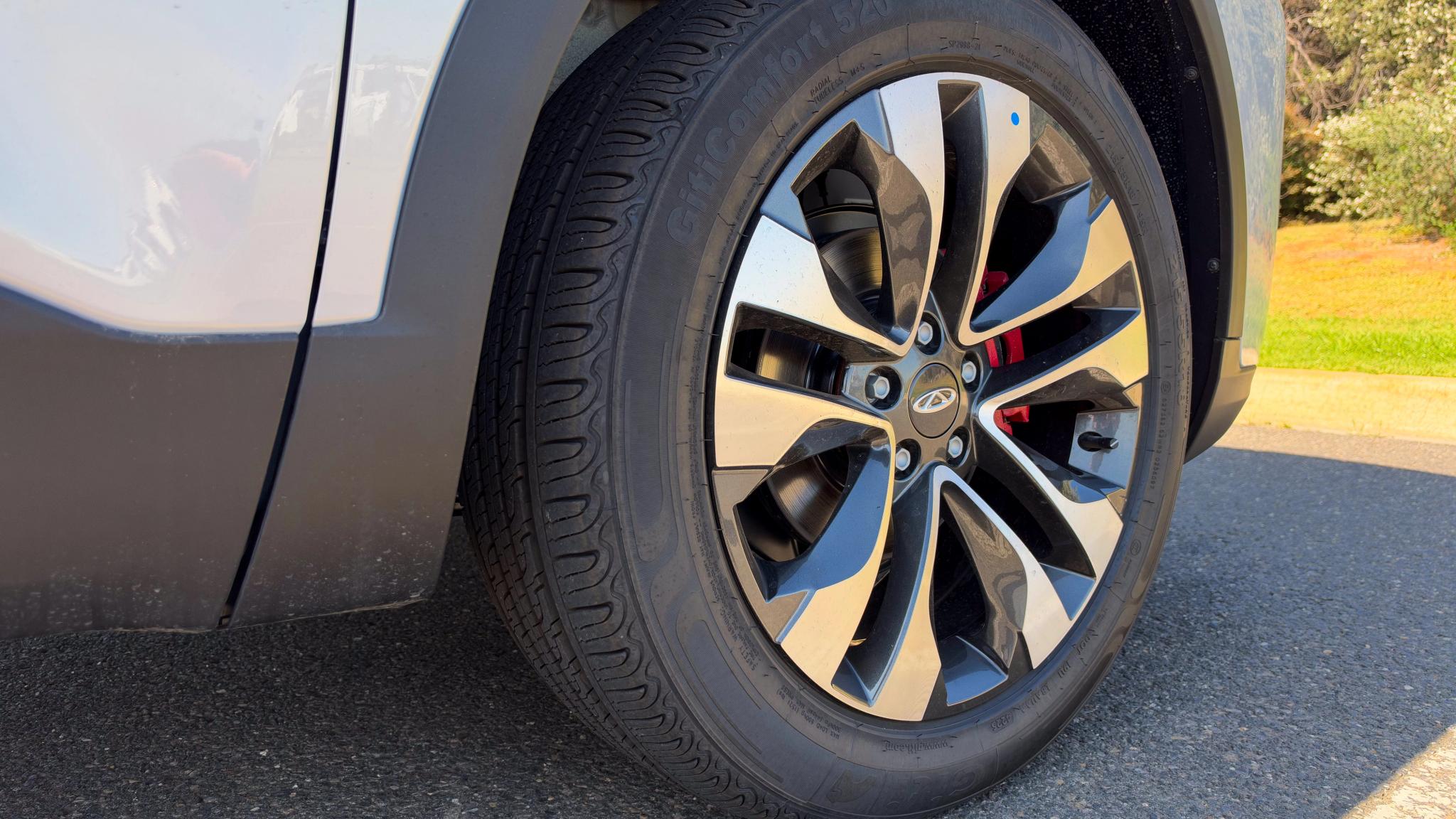
Ride comfort is tuned soft. Around town it soaks up small ruts and patchy surfaces well, but bigger undulations can leave the body bouncing for a beat too long before it settles. Push through a corner and there's plenty of lean, though grip is fine for the kind of driving most owners will do.
At highway speeds there's noticeable tyre roar on coarse-chip surfaces. It's not unbearable, but it's the clearest reminder of where the money was saved.
In the Ultimate, the 360-degree camera makes the biggest difference to daily driving. It's clear enough to thread into tight shopping centre spaces with confidence, and the Urban's reversing camera and sensors feel basic by comparison.
How efficient is the Chery Tiggo 4?
Chery claims 7.4L/100km combined, but expect eight to nine litres in real-world mixed driving and more if your commute is mostly stop-start. That's thirstier than most rivals. The saving grace is that it happily drinks 91 RON regular unleaded from its 51-litre tank.
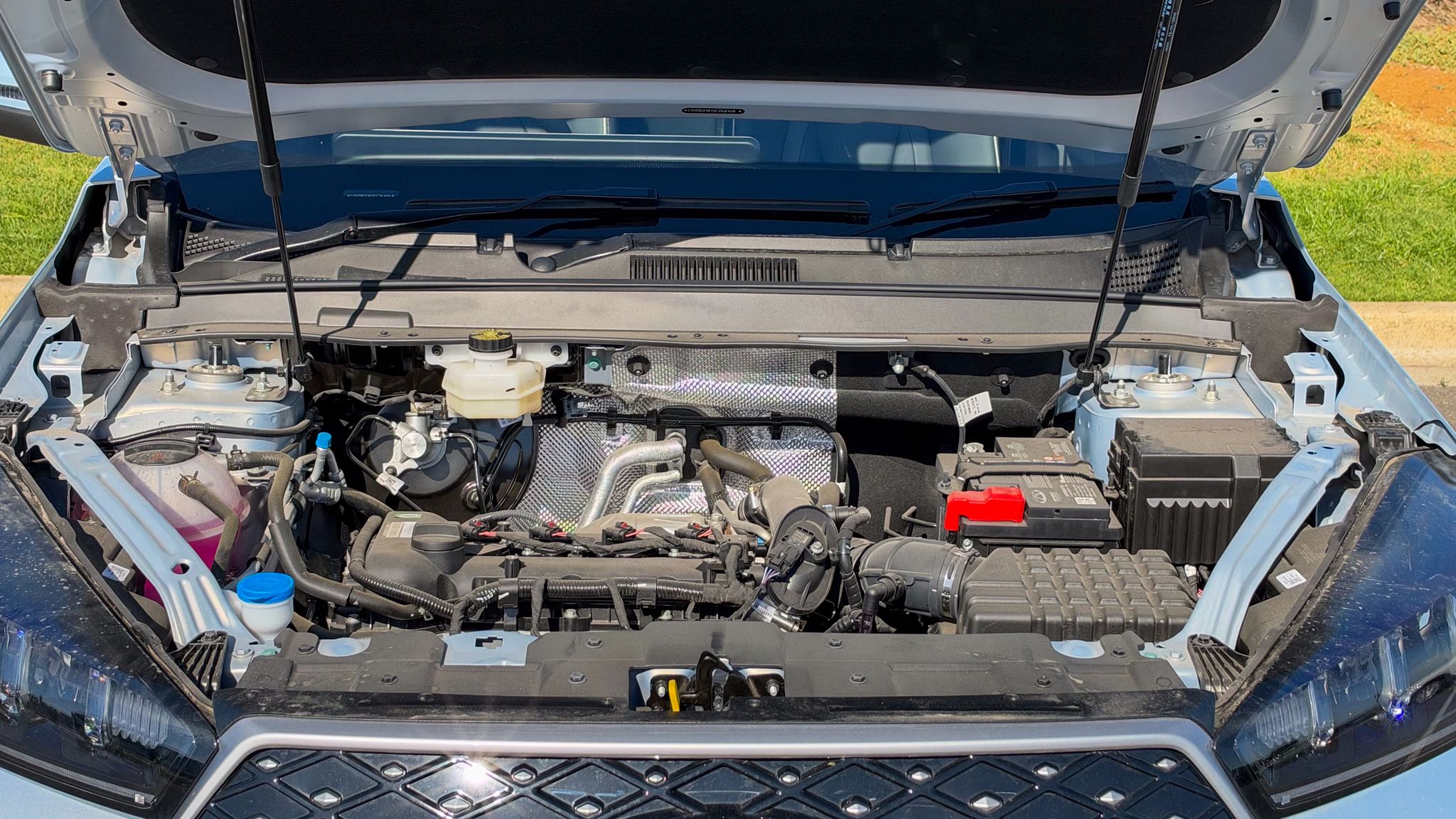
The numbers make the petrol version much easier to justify. The Tiggo 4 Hybrid saves roughly two to three litres per 100km, which at $2 a litre and a typical 13,000km a year is worth somewhere between $520 and $780 annually.
At that rate, recovering the $6,000 premium takes roughly eight to twelve years, before you account for interest if it's financed. Most owners will have sold the car long before the hybrid breaks even.
Ownership costs are otherwise excellent. Chery backs the Tiggo 4 with a seven-year, unlimited-kilometre warranty, and roadside assistance extends with each dealer service for up to seven years.
| Servicing | Detail |
| Service intervals | 12 months / 15,000km |
| Capped-price servicing | 7 years |
| First five services | $289 each ($1,445 total) |
| Warranty | 7 years / unlimited km |
Is the Chery Tiggo 4 safe?
The petrol Tiggo 4 carries a five-star ANCAP rating. The hybrid variants aren't currently rated, which is another small tick in the petrol column.
Standard safety kit is comprehensive across both grades. You get seven airbags including a front-centre unit, autonomous emergency braking, blind-spot monitoring, rear cross-traffic alert, lane-keep assist with lane centring, adaptive cruise with traffic jam assist, driver attention monitoring, speed-limit recognition and front and rear parking sensors. The Ultimate adds the 360-degree camera.
Chery has clearly done calibration work since the early Tiggo 4 Pro. The driver monitoring is far less nagging than before, although the lane centring still tugs at the wheel and can feel busy on poorly marked roads. Adaptive cruise is smooth and well judged in freeway traffic.
What are the main competitors to the Chery Tiggo 4?
The MG ZS is the value choice with the non-turbo Vibe from around $22,990 driveaway. It has a bigger boot and sharp pricing, but its 81kW engine is noticeably slower and the entry grade gives away features like climate control. The Tiggo 4 costs slightly more and feels the more complete car for it.
The GWM Haval Jolion is the like-for-like rival with the Premium from around $23,990 driveaway on current offers. It's a little larger and has a strong ownership package of its own, but its cabin is starting to show its age next to the Chery. The Tiggo 4 wins on interior feel and tech.
The Mahindra XUV 3XO is the curveball from around $22,490 driveaway. It's a characterful alternative with a punchy engine of its own, but the dealer network is thinner and the brand is still an unknown for many buyers. The Tiggo 4 is the easier, more polished choice.
The Kia Stonic is the refined all-rounder with the Sport from around $35,000 driveaway. It's the better car to drive, with tidier steering and a more settled ride, but it costs a lot more and gives up rear space, a spare wheel and equipment. The Tiggo 4 is cheaper, roomier and better equipped.
Cross-shop the MG ZS if the lowest sticker price is all that matters. Cross-shop the Kia Stonic if driving polish is worth paying significantly more for.
Should I buy the Chery Tiggo 4?
Yes, and we'd buy the petrol one.
The Tiggo 4 gives you a genuinely modern cabin, a willing engine, five-star safety and a seven-year warranty for less than $24,000 driveaway, and very little else on sale comes close to that combination.
The Urban is the value choice and it's all the car most buyers will ever need. The Ultimate is the one to have if you park in tight spaces or want your small SUV to feel a little more special. The 360-degree camera, heated seats and sunroof make it a genuinely nicer place to spend time, and $3,000 is a fair price for that.
Skip the hybrid. It's quicker and more frugal, but the premium will most likely never pay for itself in a normal ownership cycle, and the petrol car is the better value by a mile.
Just switch it into Sport mode before you leave the dealership. Do that and the Tiggo 4 goes from a good cheap car to one we'd happily recommend to friends and family.
VerdictThe Beep Verdict
Rob Leigh
Co-founder & Director
Rob Leigh is Co-founder and Director of The Beep based in Melbourne, Australia. He has 15+ years inside a major automotive OEM, specialising in product planning, pricing and vehicle strategy.
About Author