2026 GAC Aion V review
GAC's debut Australian EV arrives with genuine build quality, strong range and a value proposition that's hard to ignore - but screen-heavy controls and overactive driver aids remind you this is still a first effort.

Rob Leigh
Pros
- Mature, well-tuned ride quality for Australian conditions
- Genuinely impressive cabin build quality for the price
- Strong range and fast charging backed by an eight-year warranty
Cons
- Overactive safety nannies you can't permanently disable
- Almost everything runs through the touchscreen
- Rear suspension loses composure on rough country roads
Our verdict
The GAC Aion V is a confident first act from a brand most Australians have never heard of - but shouldn't ignore. It's built for buyers who want a practical, well-equipped family EV without crossing the $45,000 threshold and it delivers that brief with more polish than the price suggests. The catch? Some rough edges in the driver tech and a reliance on touchscreen controls that will frustrate anyone who still believes knobs have a place in a car. They do. They always will.
What does the GAC Aion V cost in Australia?
The Aion V is priced from $42,590 before on-road costs for the Premium variant, with the Luxury sitting just $2,000 higher at $44,590. That's a small step for a meaningful spec upgrade - the Luxury adds genuine leather seating, massaging front seats, a second-row tray table and a 6.6-litre built-in fridge in the centre console. For most buyers, the Luxury is worth the stretch.
| Variant | Powertrain | Drivetrain | Price excluding on-roads |
| Premium | Electric, 150kW, 510km | Front-wheel drive | $42,590 |
| Luxury | Electric, 150kW, 510km | Front-wheel drive | $44,590 |
See GAC Aion V drive away pricing and specifications →
On the broader market, that pricing puts it in conversation with the BYD Atto 3 and Geely EX5, both of which come in slightly cheaper. But neither offers the Aion V's battery size, range or equipment depth at the same money. The Tesla Model Y starts significantly higher at $58,900, which makes the GAC's value case easy to articulate.
What does the GAC Aion V look like?
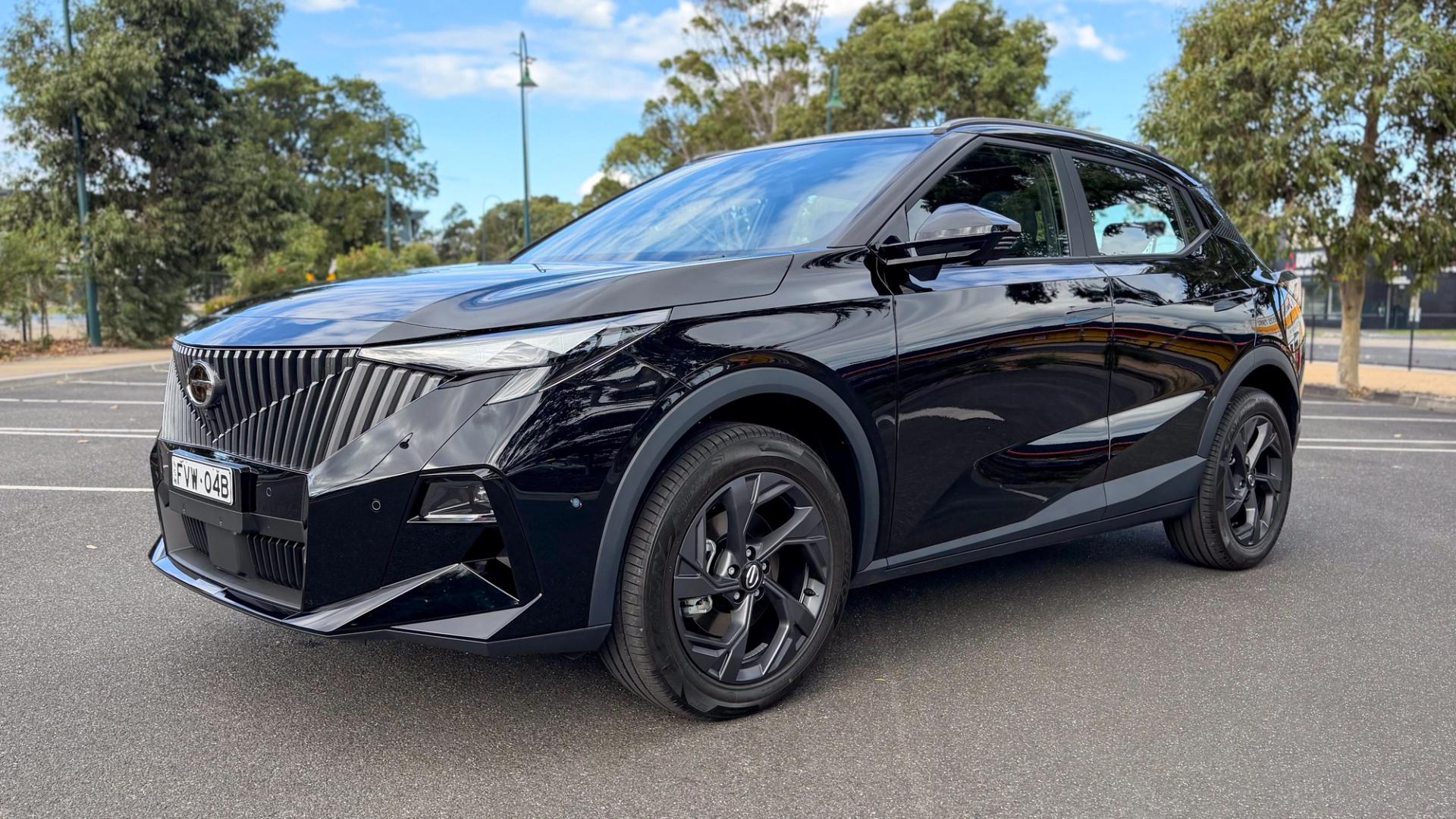
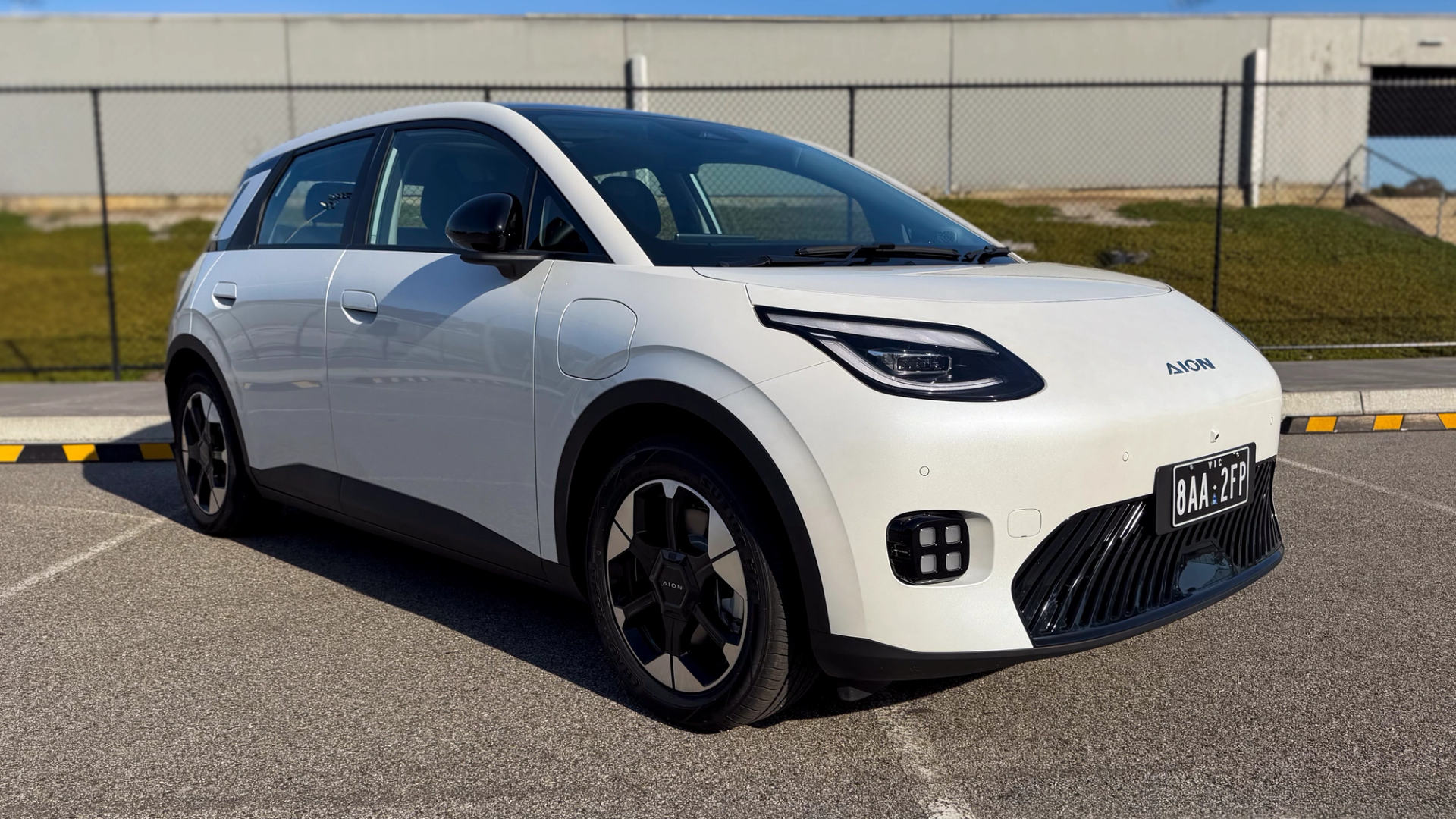
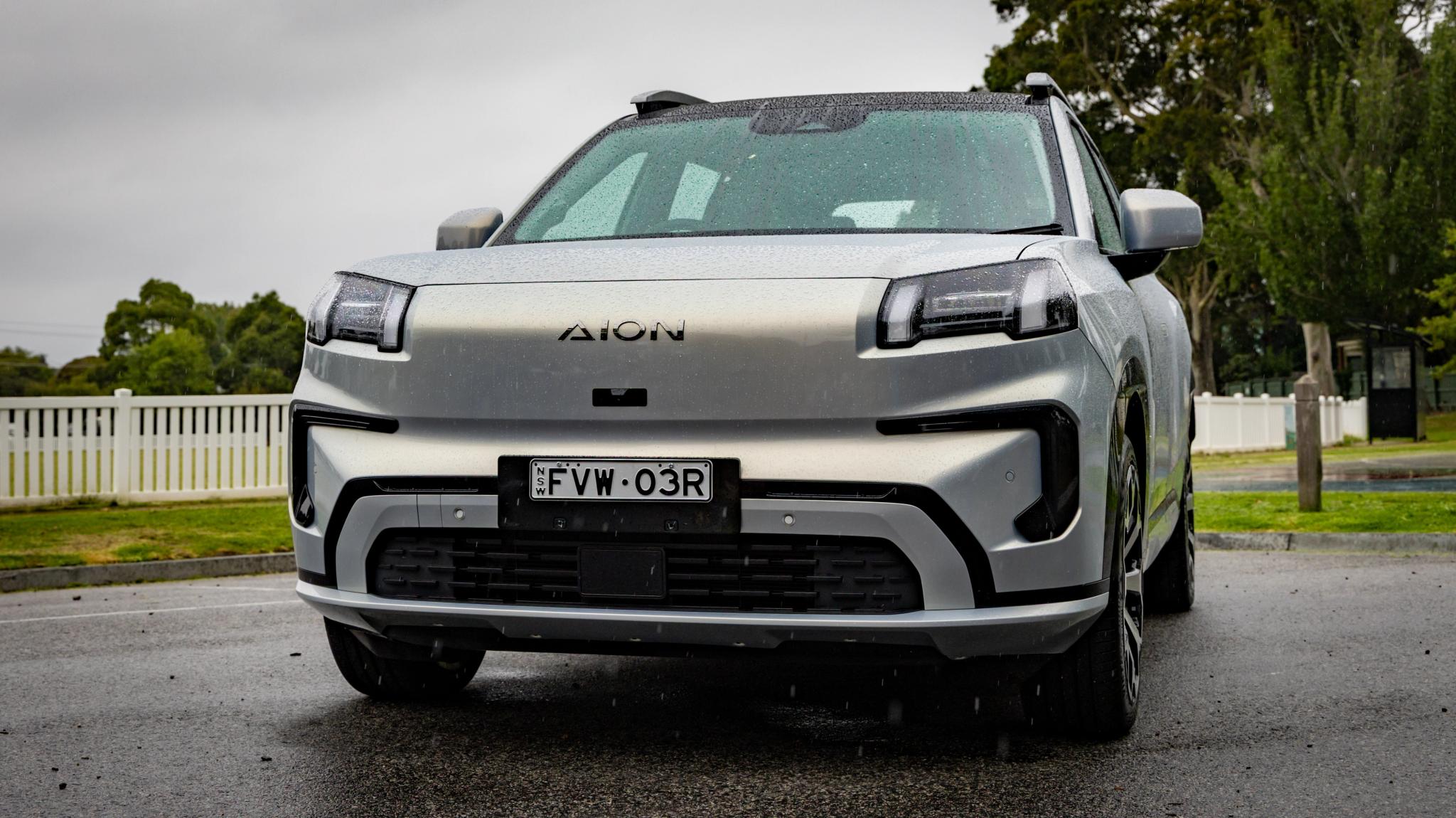
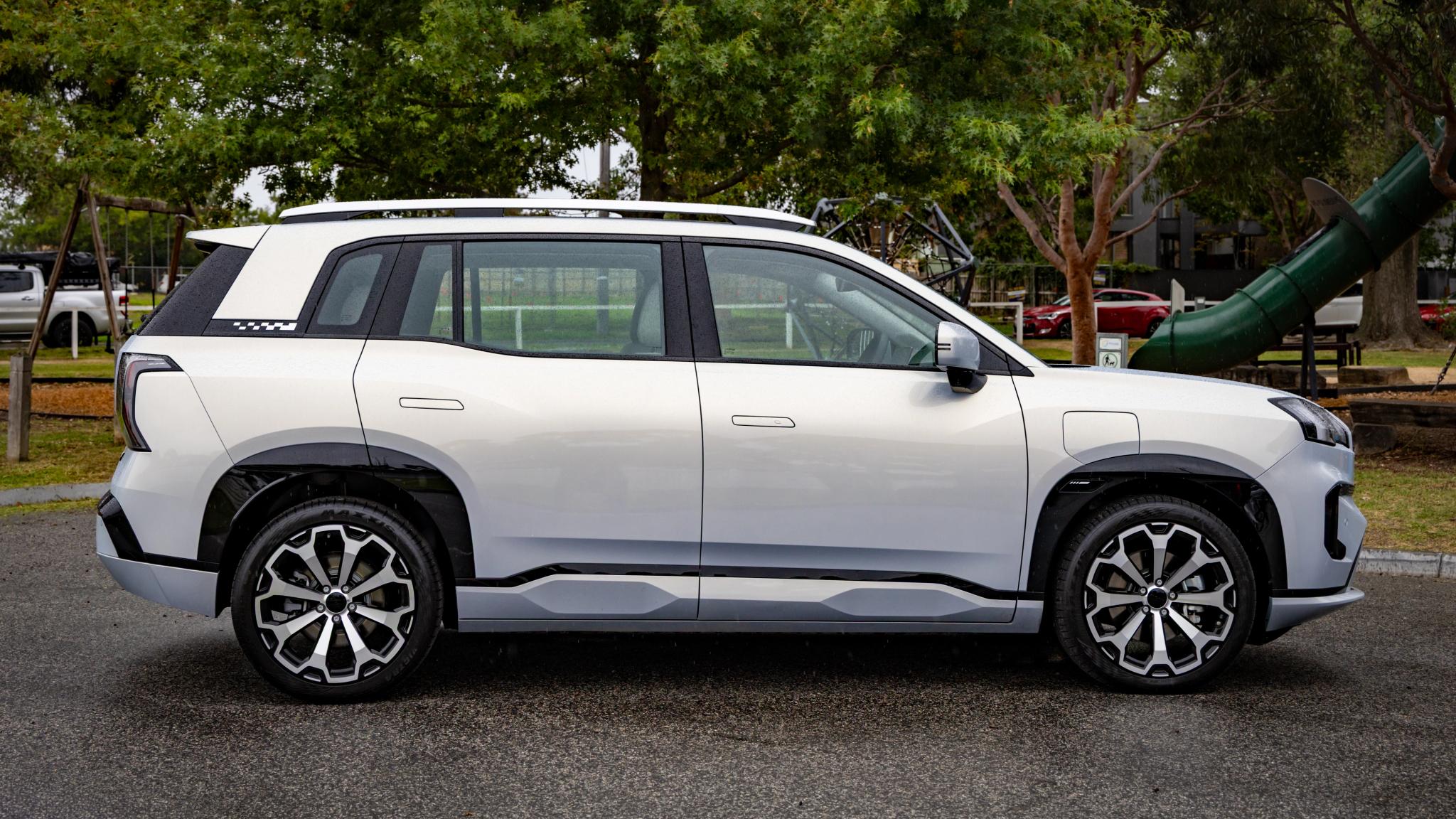
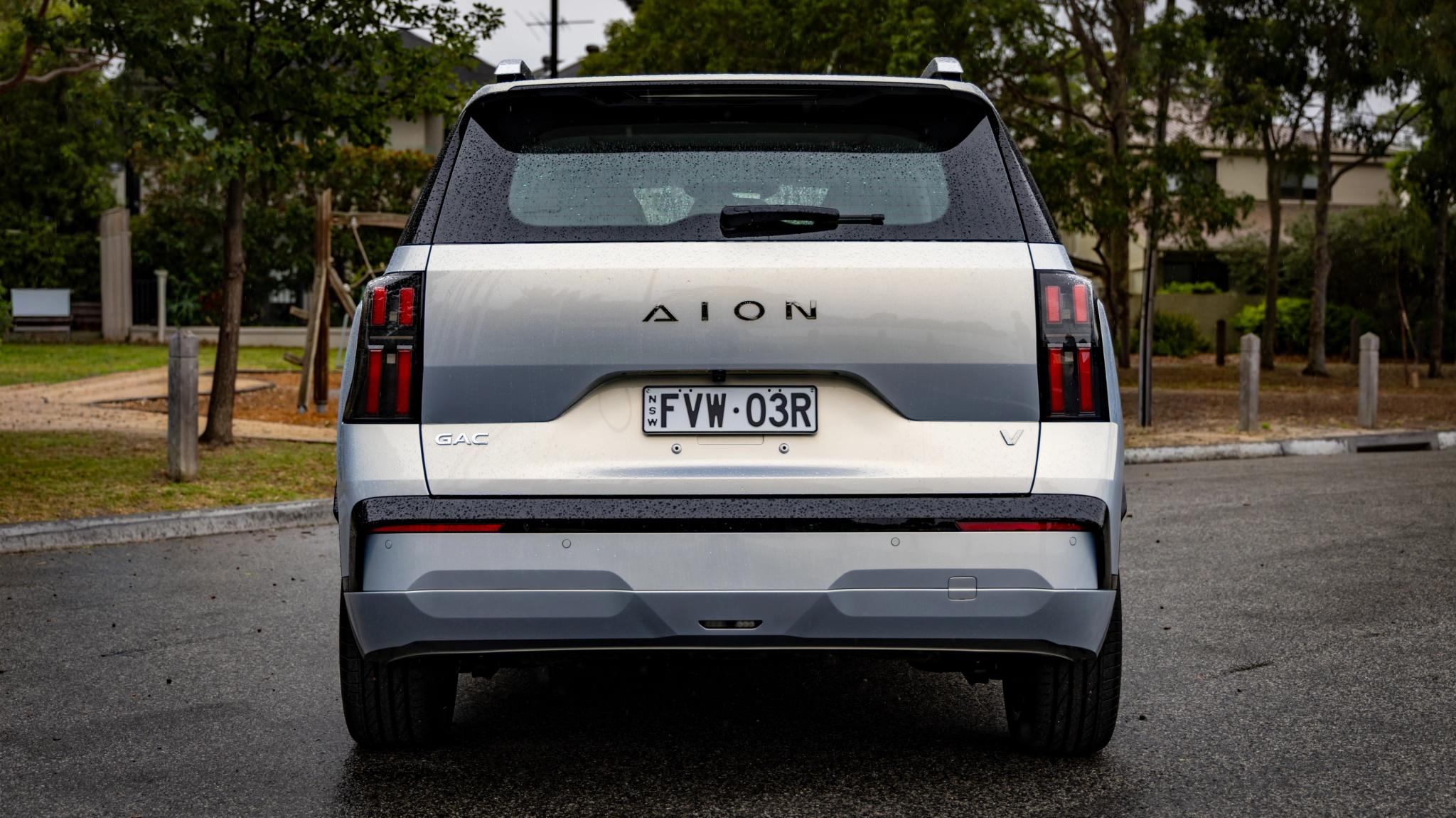
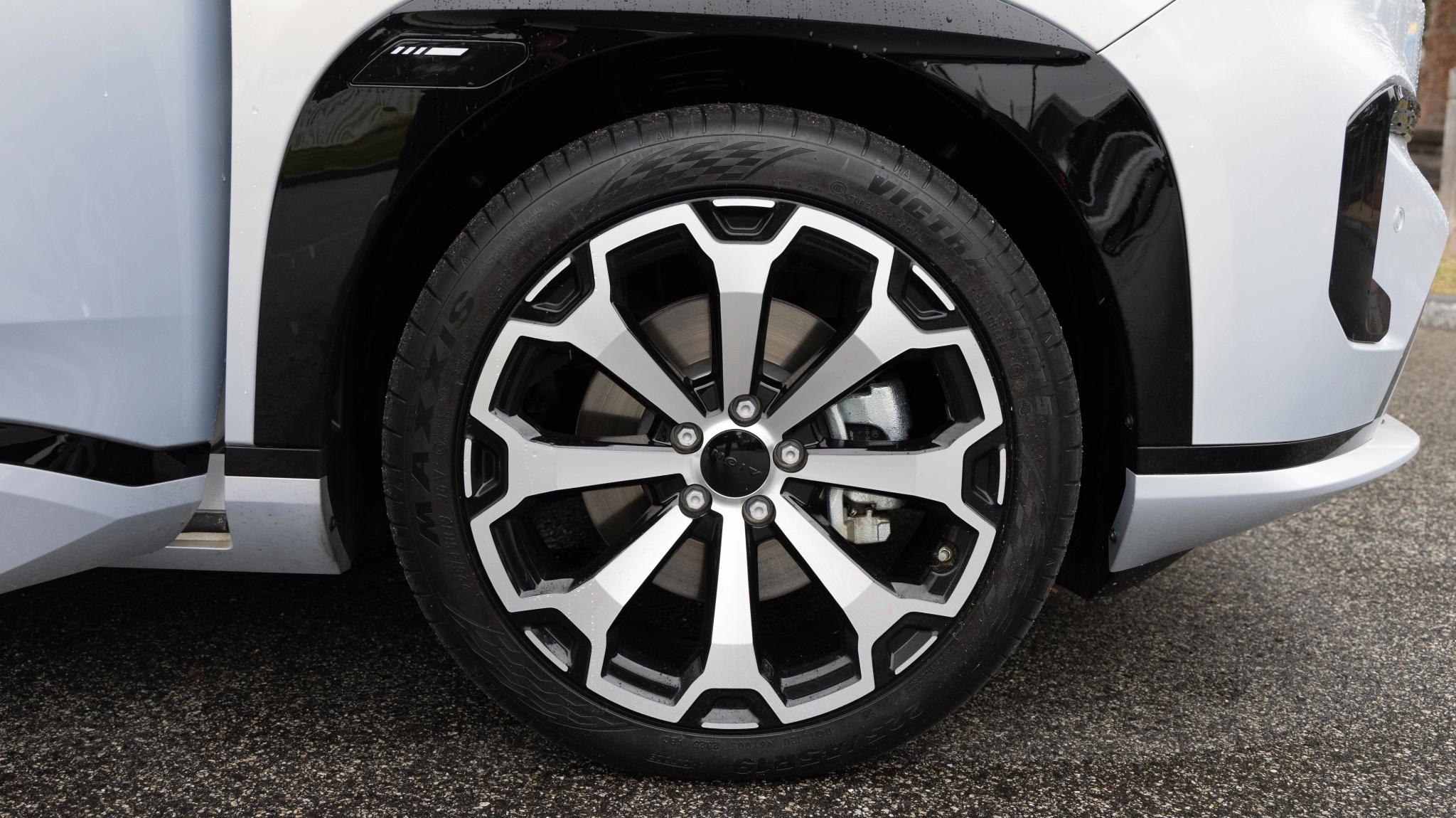
The Aion V doesn't try to mimic the sloped, coupe-like silhouette that has become common in this segment. It's more upright, more practical in its proportions, and a bit more purposeful for it. The boxy stance gives it genuine SUV presence rather than the pretence of one and the 19-inch alloys fill the arches well.
Where it gets more divisive is in the detail work. GAC has layered on a fair amount of surface texture, body creases and trim flourishes that give the exterior a busy, overworked feel in places. The LED headlights up front are clean enough, but the overall look is trying quite hard - and not everyone will appreciate the effort. If you prefer restrained, understated design, the Aion V probably isn't your car.
It's a look that will appeal to buyers who want their EV to announce itself, and less so to those who'd rather it didn't. Neither position is wrong. Just worth knowing before you visit the showroom.
What is the GAC Aion V like inside?
This is where the Aion V makes its strongest impression. Step inside and the cabin feels genuinely solid - panels align, materials feel considered and nothing flexes or squeaks in ways that erode confidence. For a car under $45,000, that's not a given, and GAC's manufacturing partnership with Toyota in China clearly carries through to the finished product.
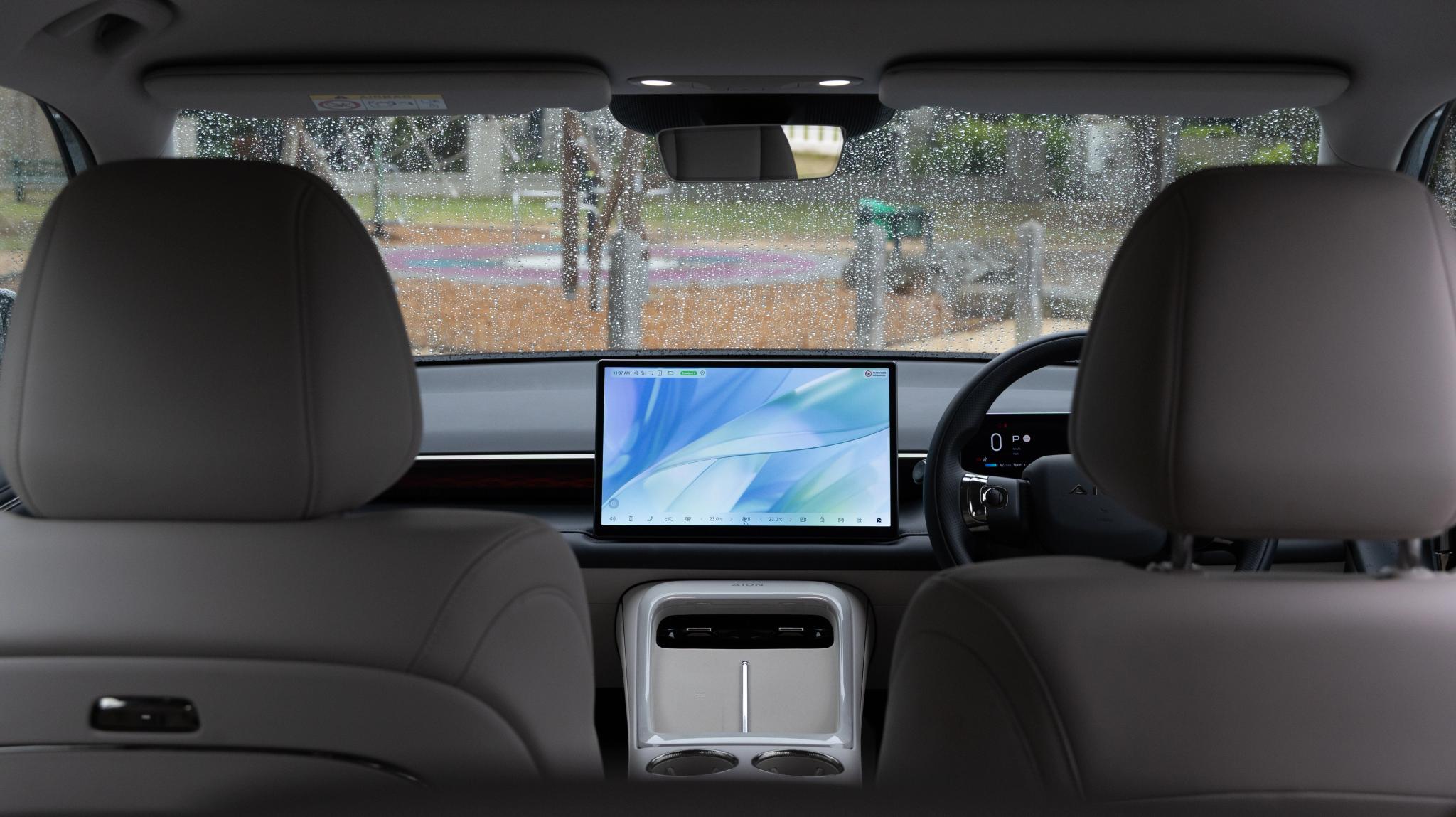
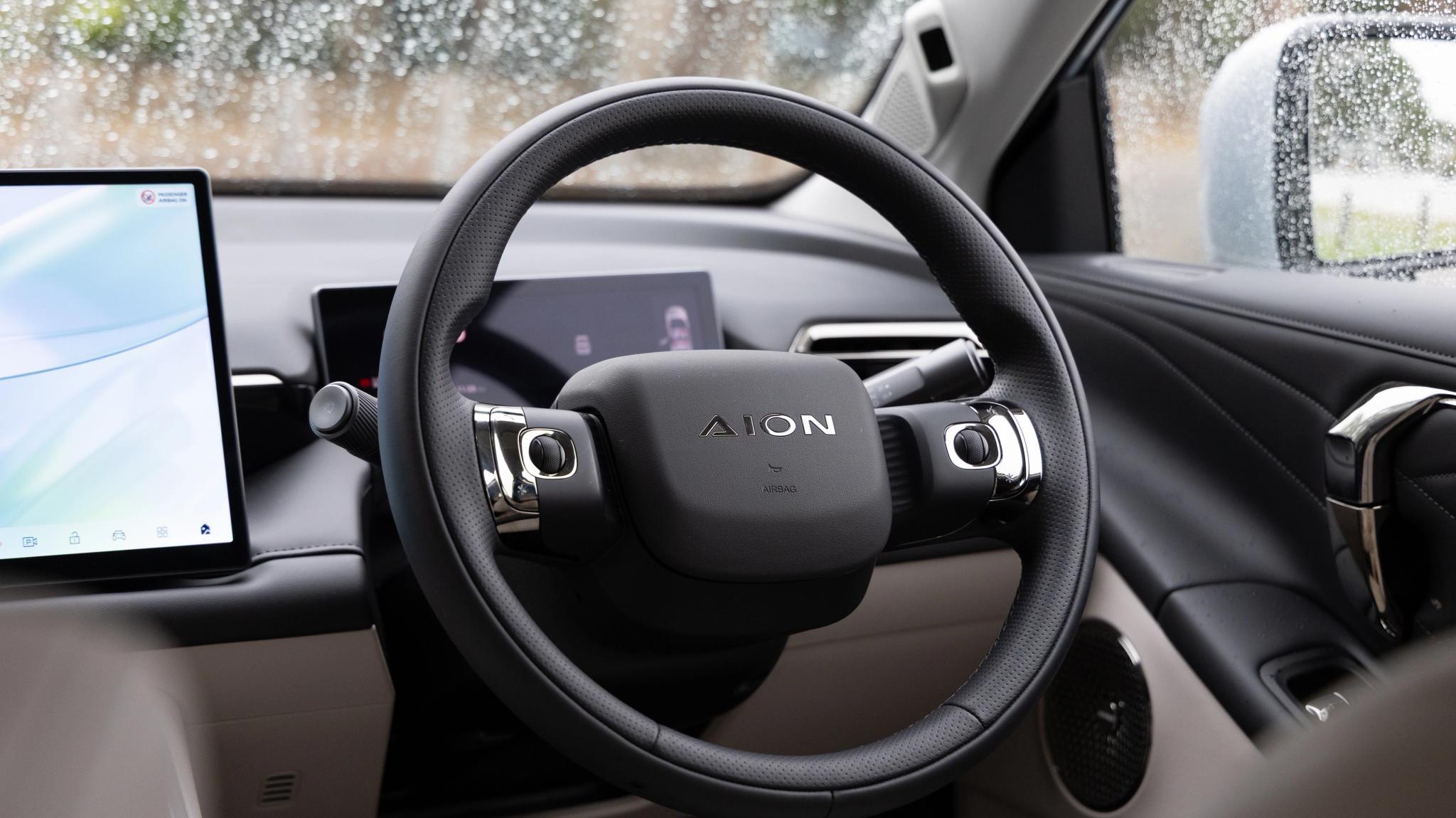
The 14.6-inch central touchscreen dominates the dashboard and handles almost everything - climate, mirrors, ADAS settings. A shortcut bar runs along the bottom, which helps, but adjusting something as simple as the door mirrors still requires exiting CarPlay and digging through menus. It's a friction point that becomes familiar over time but never entirely disappears.
The 8.8-inch digital instrument cluster is one of the better ones in this segment - crisp, well laid out and easy to read at a glance. The steering wheel hosts a handful of physical shortcuts, which is about all you get in terms of tactile controls.
In Luxury trim, the genuine leather seating is a genuine differentiator at this price point. PVC is the default material across most of the segment, so real leather feels like an unexpected upgrade. The seat massage function works well and the built-in fridge is the kind of feature that makes buyers smile in the showroom and proves genuinely useful on longer trips.
Fit and finish isn't flawless - there's a shiny strip of plastic along the lower windscreen surround that catches the light in all the wrong ways. But in every area that gets touched and noticed, the quality is better than the price implies.
How practical is the GAC Aion V?
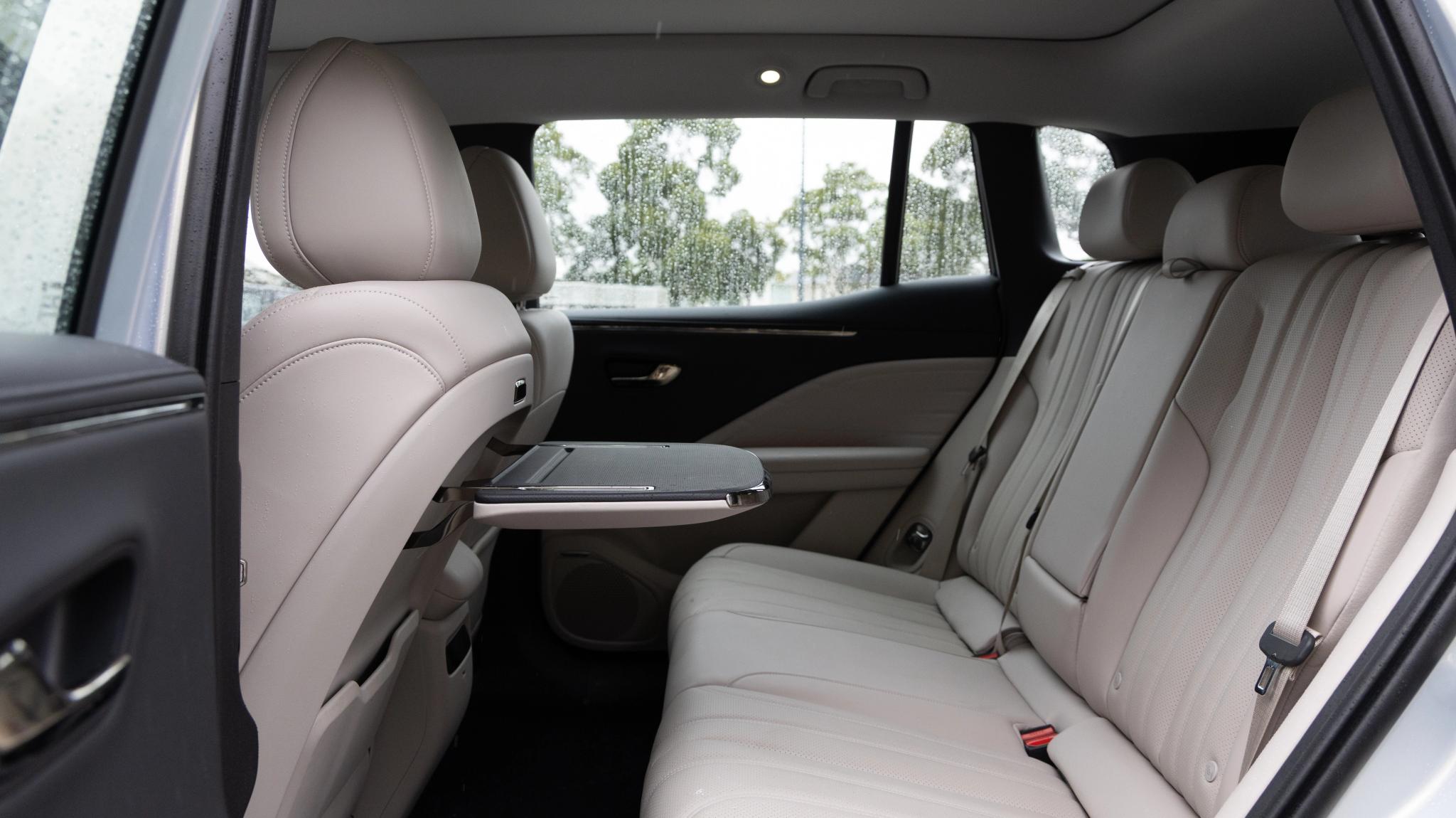
The more upright body shape pays dividends in the second row. Rear passengers get limo-like legroom, a reclining backrest, dedicated air vents, heated outboard seats, and in Luxury spec, a fold-down tray table. For a family SUV, that's a strong brief executed well.
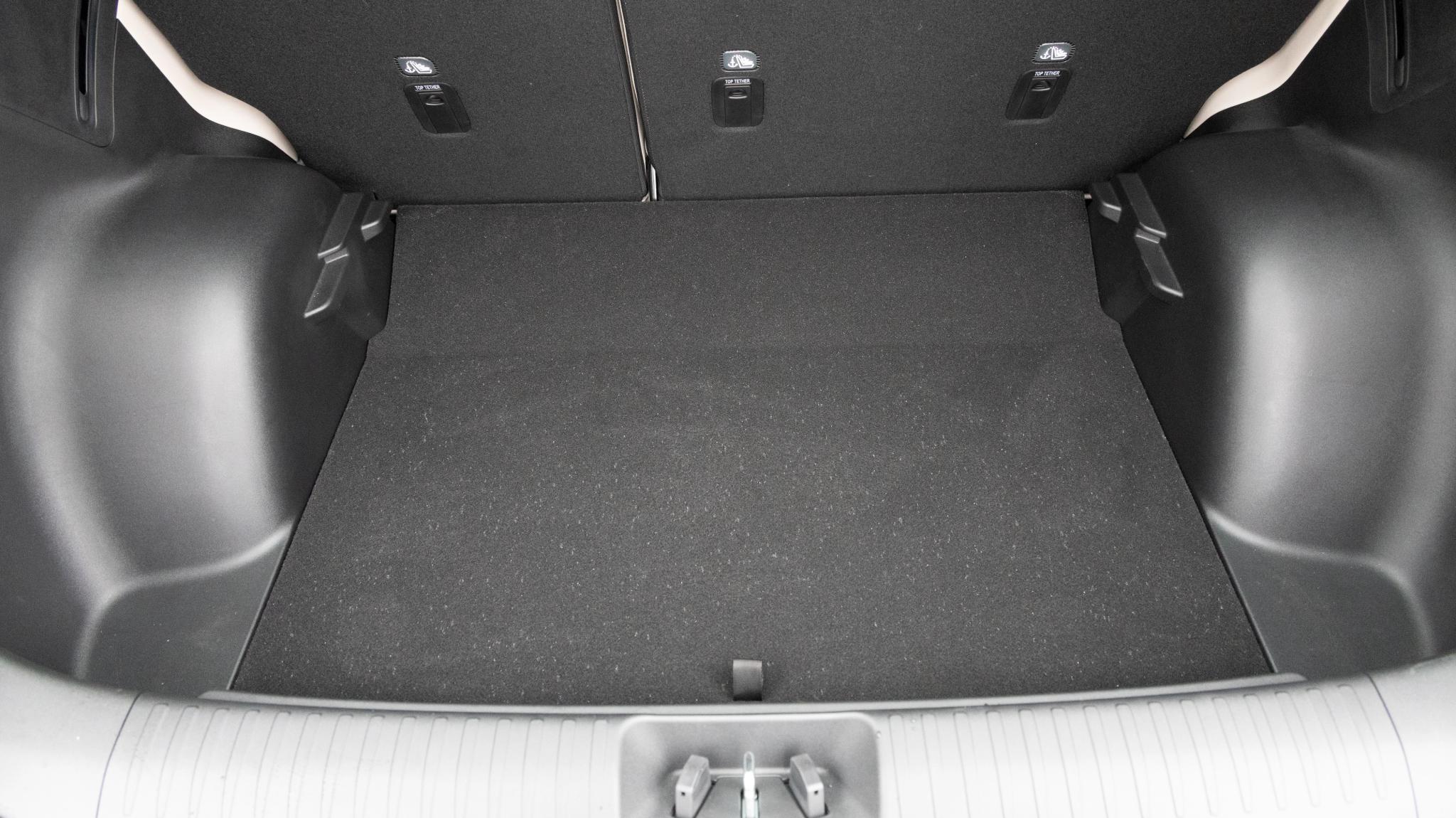
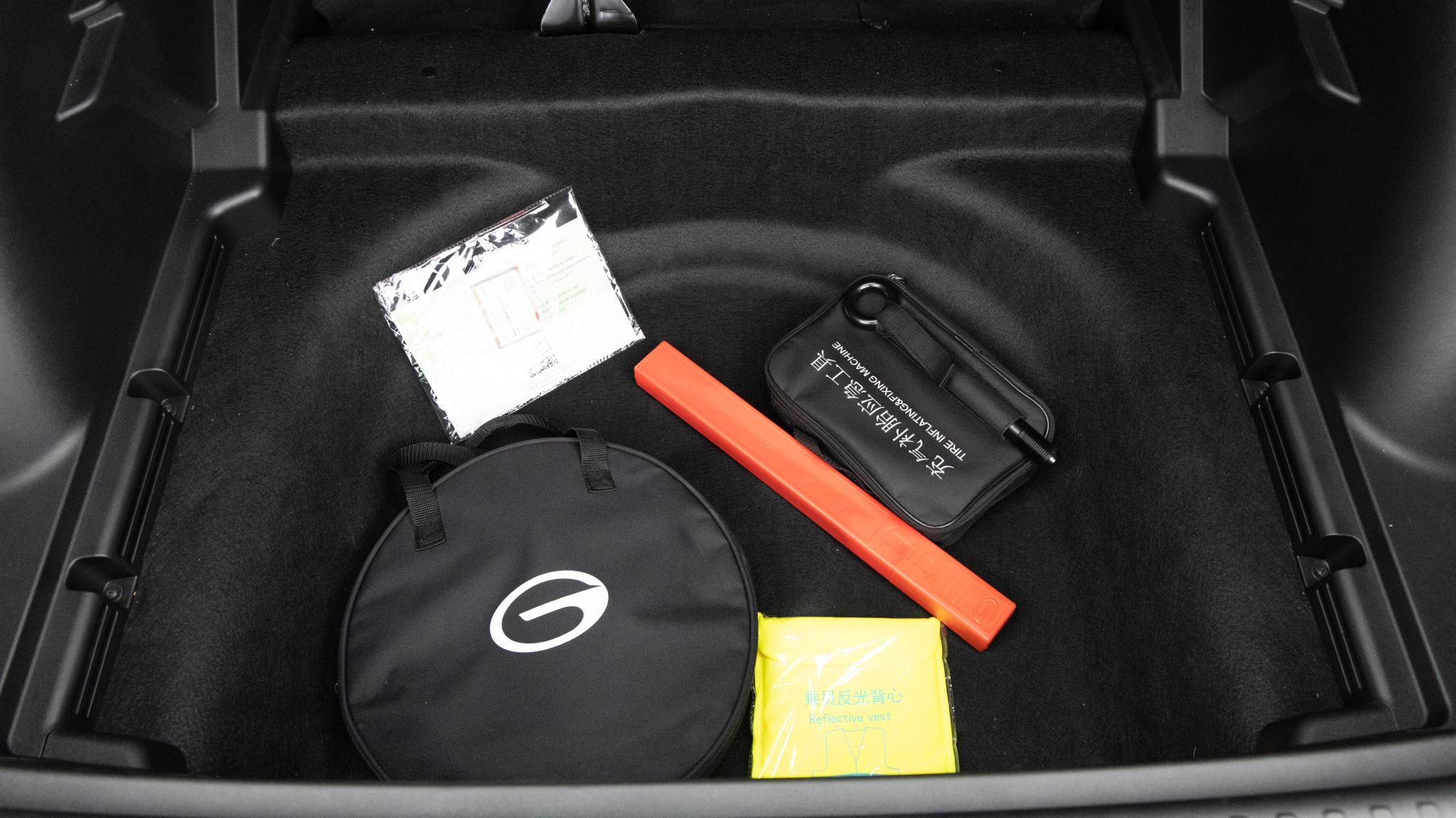
Boot space lands at 427 litres with the rear seats up and 978 litres folded - functional numbers that won't lead the segment but won't disappoint families either. The adjustable boot floor adds flexibility. There's no frunk to speak of, but the space available is usable and sensibly shaped.
Storage throughout the cabin is reasonable. The door bins are a touch narrow for large bottles and there's no conventional glovebox - two pop-out hooks do substitute duty, which is an odd decision. The wireless charging pad, USB-A and USB-C ports, and dual cupholders in the front handle daily connectivity well enough.
What is the GAC Aion V like to drive?
Here's the part of this review where the Toyota relationship actually matters. The Aion V drives with a maturity that other EVs in this price range haven't quite nailed. It's not sporty - there's no pretending otherwise - but it's composed, settled and easy to read.
Ride quality around town is genuinely good. The suspension absorbs urban imperfections without drama and the body stays composed through corners without the soft, wallowing behaviour that affects some rivals. Steering weight is well judged - not artificially heavy, not nervously light, but centred and predictable in a way that builds confidence.
The 150kW/210Nm front-mounted electric motor is honest rather than exciting. It pulls cleanly from low speed, responds well to light throttle inputs, and has enough mid-range grunt for overtaking on open roads without drama. Anyone expecting Tesla-like urgency will come away slightly flat. Anyone wanting a relaxed, easy daily drive will feel well served.
Where things become less settled is on rougher country roads. Undulating surfaces and mid-corner bumps can catch the rear suspension off guard, leading to a lurch that the best-suspended cars in this class simply don't produce. It's not a dealbreaker for city and suburban buyers, but if your commute involves regular stretches of degraded B-roads, it's worth a test drive on familiar territory.
The driver monitoring system deserves its own note. It's aggressive, quick to issue warnings, and - critically - defaults back to active every time you restart the car. You can switch it off via the touchscreen, but you'll need to do so again the next trip. That's a specific type of frustrating. Lane-keep assist also requires attention, with a tendency to intervene sharply rather than gently. GAC needs to recalibrate both systems for the Australian market.
How efficient is the GAC Aion V?
The 75.26kWh lithium iron phosphate battery supports a WLTP-claimed range of 510 kilometres - genuinely useful for a family SUV at this price and ahead of key Chinese rivals sitting around the 420km mark. Real-world consumption around 15-16kWh per 100km suggests owners can expect somewhere between 460-495km in mixed driving conditions, which is a practical number.
DC fast charging peaks at 180kW and GAC claims a 10-80% charge in around 24 minutes on a compatible charger. AC home charging is supported at 11kW with a full charge from a wallbox estimated at 8.5 hours. Both numbers are solid for everyday ownership.
The warranty is one of the Aion V's strongest selling points: eight years and unlimited kilometres on the vehicle with an eight-year/200,000km battery warranty. Service intervals are set at 12 months or 15,000km, with capped-price servicing details yet to be confirmed.
Is the GAC Aion V safe?
The Aion V earned a five-star ANCAP rating at launch in late 2025, covering all variants built from September 2025. The scores are solid across the board - full marks in the side collision test for adult occupants and full marks in both frontal and side impact tests for child dummies. ISOFix anchor points are fitted to rear outboard seats and child presence detection is standard.
Active safety tech is comprehensive: AEB, adaptive cruise, blind-spot monitoring, rear cross-traffic alert, lane-keep assist, driver fatigue monitoring, surround-view camera and front and rear parking sensors all come standard.
The underlying safety credentials are genuinely strong. The execution of the lane-keep assist and driver monitoring systems still needs some local refinement - but that's a calibration issue, not a structural one.
What are the main competitors to the GAC Aion V?
BYD Atto 3 (from $39,990 + ORCs) is the most familiar name in this space but is now showing its age, with modest range and an interior that doesn't match the Aion V's material quality.
Geely EX5 (from $40,990 + ORCs) comes in cheaper but with a smaller battery and a softer, less resolved drive character.
MG S5 EV (from $40,490 driveaway) handles and rides very well but falls short on spec depth and range.
Leapmotor C10 (from $45,888 + ORCs) offers more boot space but costs more for entry.
Tesla Model Y remains the benchmark for efficiency and software, but starts at $58,900 and lacks the equipment generosity of the GAC at this price point.
Should I buy the GAC Aion V?
If you're shopping for a family EV under $45,000 and range anxiety is part of your decision, the Aion V belongs on your shortlist. It's better built than the price suggests, more comfortable to drive than most rivals at this level, and the Luxury variant's combination of genuine leather, a built-in fridge and eight-year warranty coverage is hard to argue against.
The trade-offs are real but specific. Screen-heavy controls are a daily friction point. The overactive driver monitoring system is a genuine irritant that GAC needs to address. And buyers who regularly travel regional roads will want to assess the ride on those surfaces before committing.
This segment is genuinely crowded right now, and several alternatives are worth your time. Test drive at least three or four before deciding - the differences in ride, refinement and real-world usability are more pronounced than spec sheets suggest and the Aion V is best appreciated in direct comparison.
For city buyers, novated lease candidates and families who want a practical, well-sorted EV without crossing into the $50,000-plus bracket, it's a strong, grounded choice.
VerdictThe Beep Verdict
Rob Leigh
Co-founder & Director
Rob Leigh is Co-founder and Director of The Beep based in Melbourne, Australia. He has 15+ years inside a major automotive OEM, specialising in product planning, pricing and vehicle strategy.
About Author