2026 GAC Aion UT review
The GAC Aion UT is the most convincing EV the brand has launched in Australia, mixing genuine cabin space and sharp pricing with software gremlins that still need ironing out.

Rob Leigh
Pros
- Genuinely sharp pricing for the power and range on offer
- Cabin space and refinement above its price point
- Punchy and easy to drive in the city
Cons
- Overcooked safety alerts wear thin fast
- Almost every control is buried in the touchscreen
- Slippery wireless charger sends your phone flying
Our verdict
The Aion UT is GAC's first proper swing at the small EV class and it lands with real intent. Buyers shopping the $30k to $35k EV bracket should put this on the list, because for the money it delivers more space, more equipment and a more grown-up driving feel than you might expect from a brand most Australians have only just heard of. The catch is software, not hardware.
See GAC Aion UT pricing and specsWhat does the GAC Aion UT cost in Australia?
The Aion UT lineup is straightforward with two grades and one drivetrain. The Premium grade lands at $32,990 driveaway and the Luxury sits at $37,590 driveaway, with the walk between the two pegged at $4,600.
That positions the UT in a tight bracket against the BYD Dolphin (from $29,990 plus on-roads), GWM Ora 5 (from $33,990 driveaway) and the MG4 EV Urban (from $31,990 driveaway). The smaller BYD Atto 1 sits underneath at around $24k (plus on-roads), but it is a step down in size and tech.
For the spec sheet you get, the UT lands well. Both grades share the same drivetrain, the same battery and the same chassis hardware. The walk to Luxury is purely a comfort and convenience play, adding the panoramic sunroof, power tailgate, wireless phone charger, ventilated driver's seat and power-folding mirrors.
What does the GAC Aion UT look like?
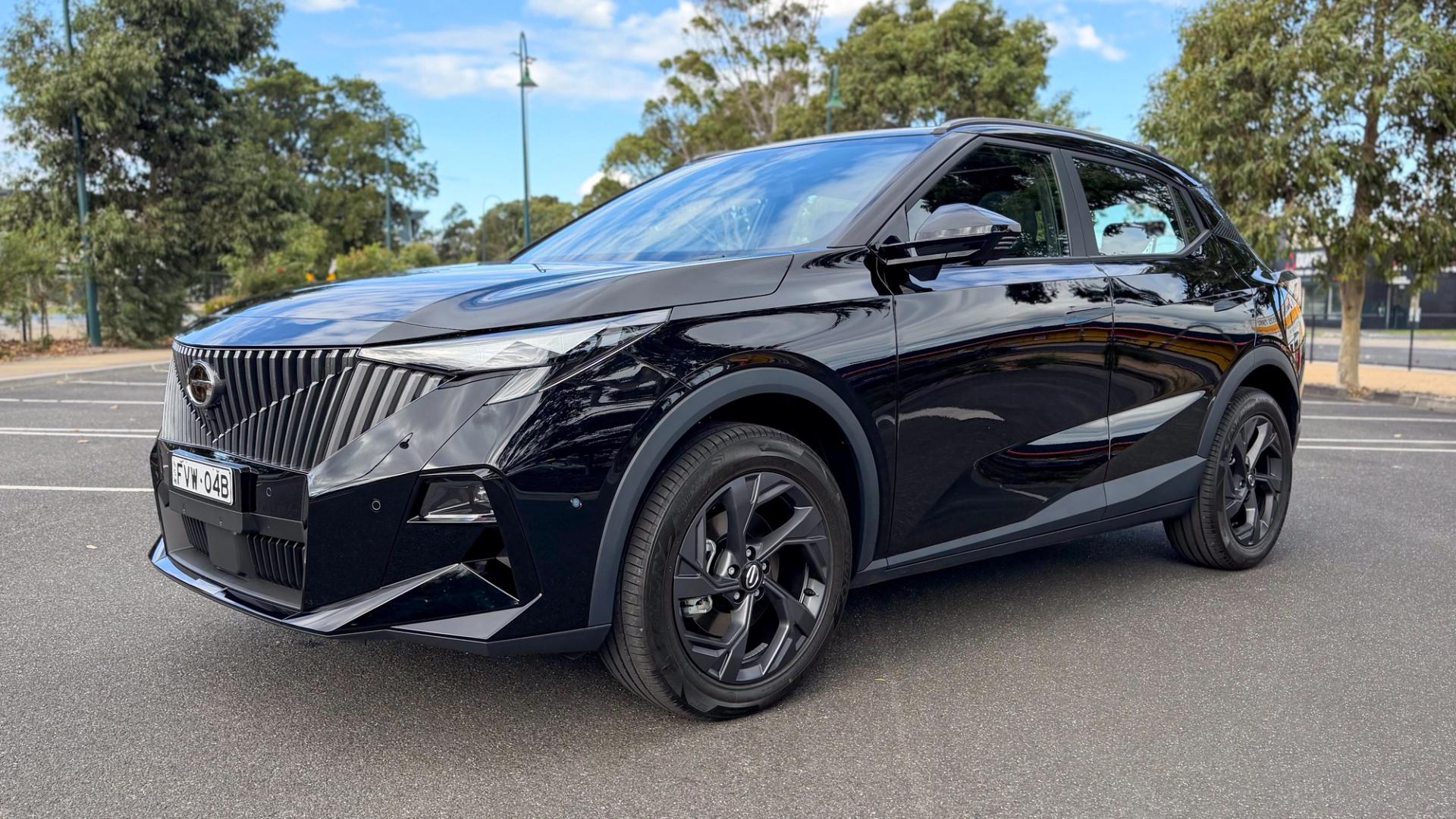
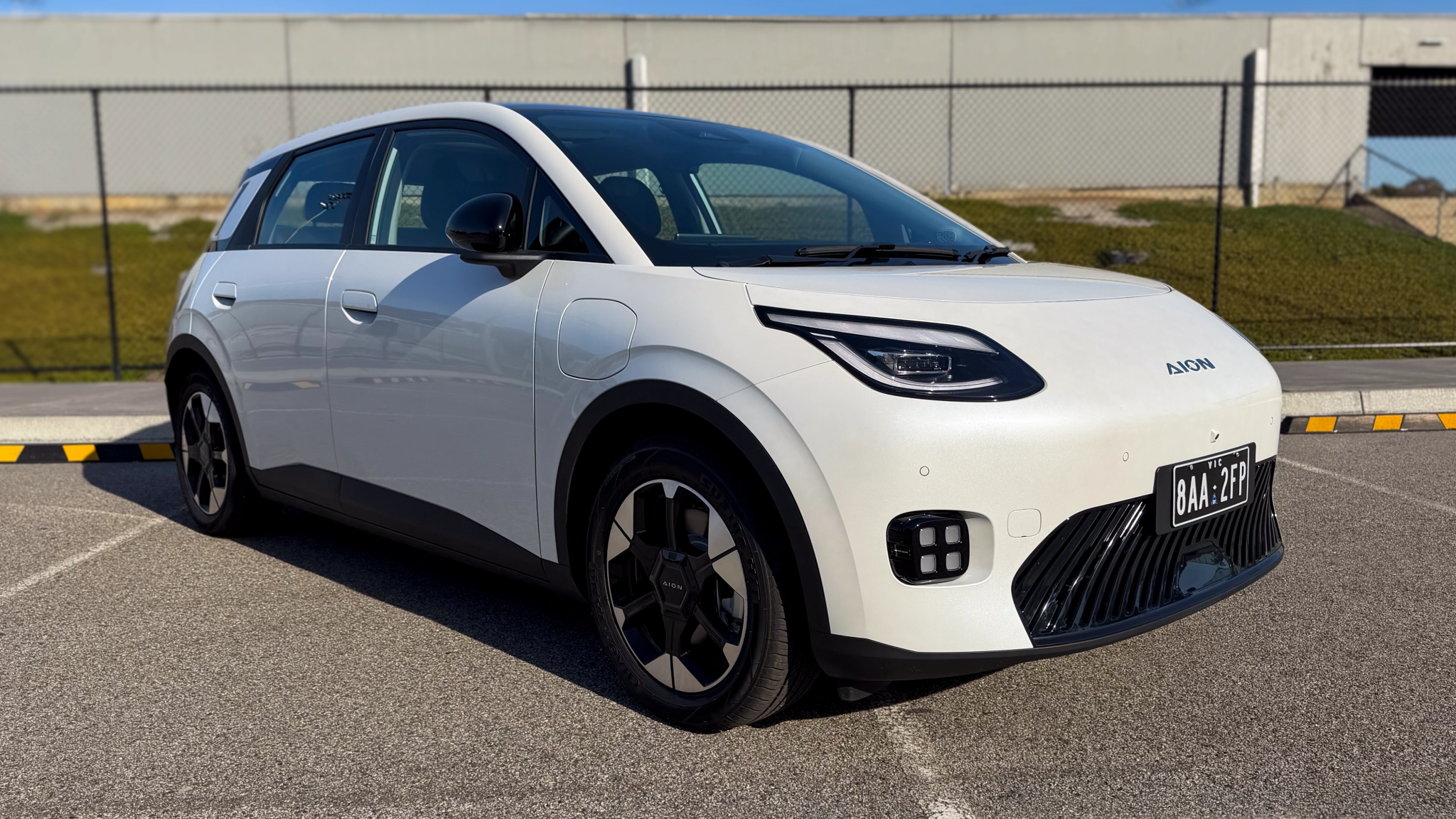
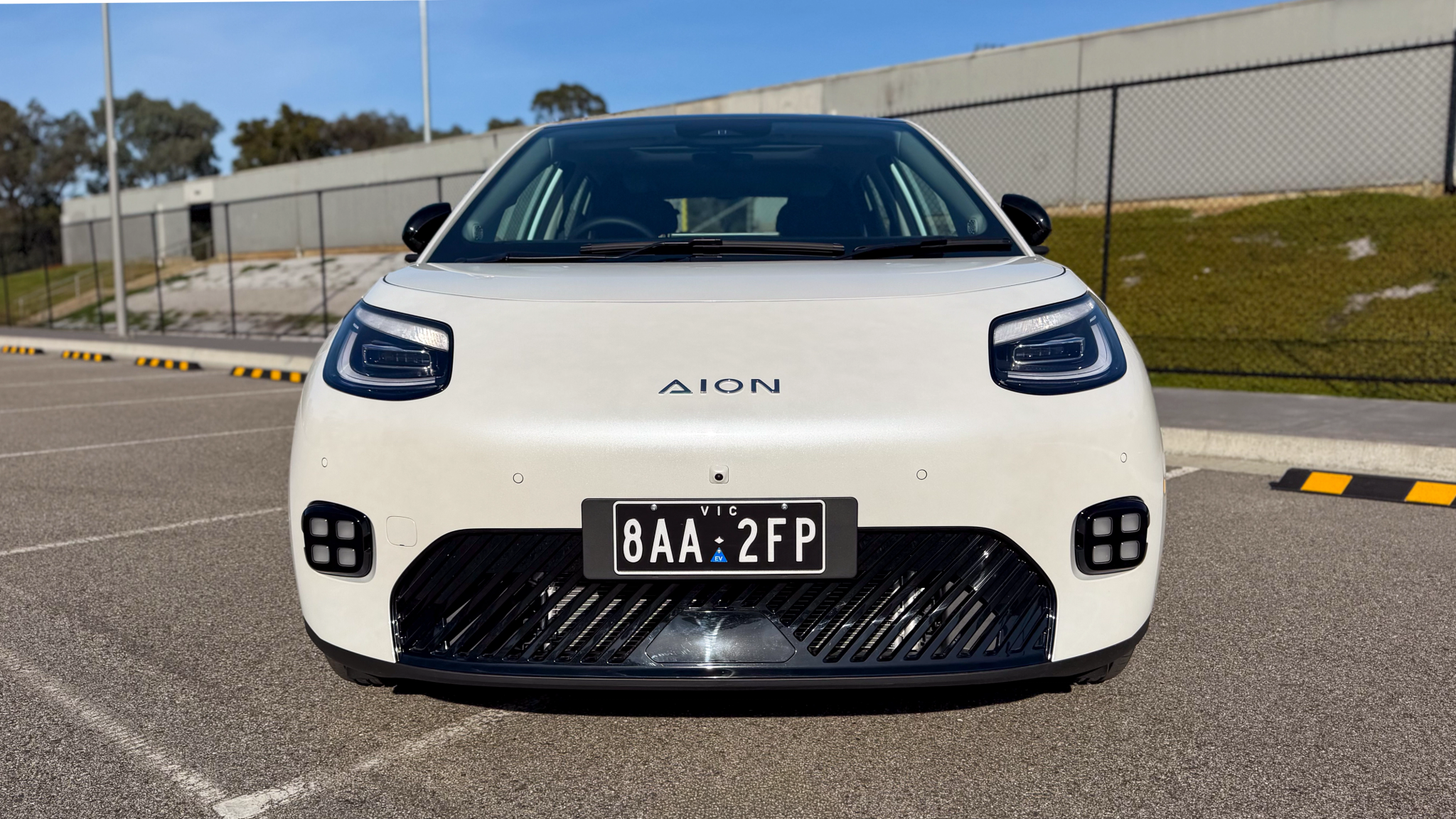
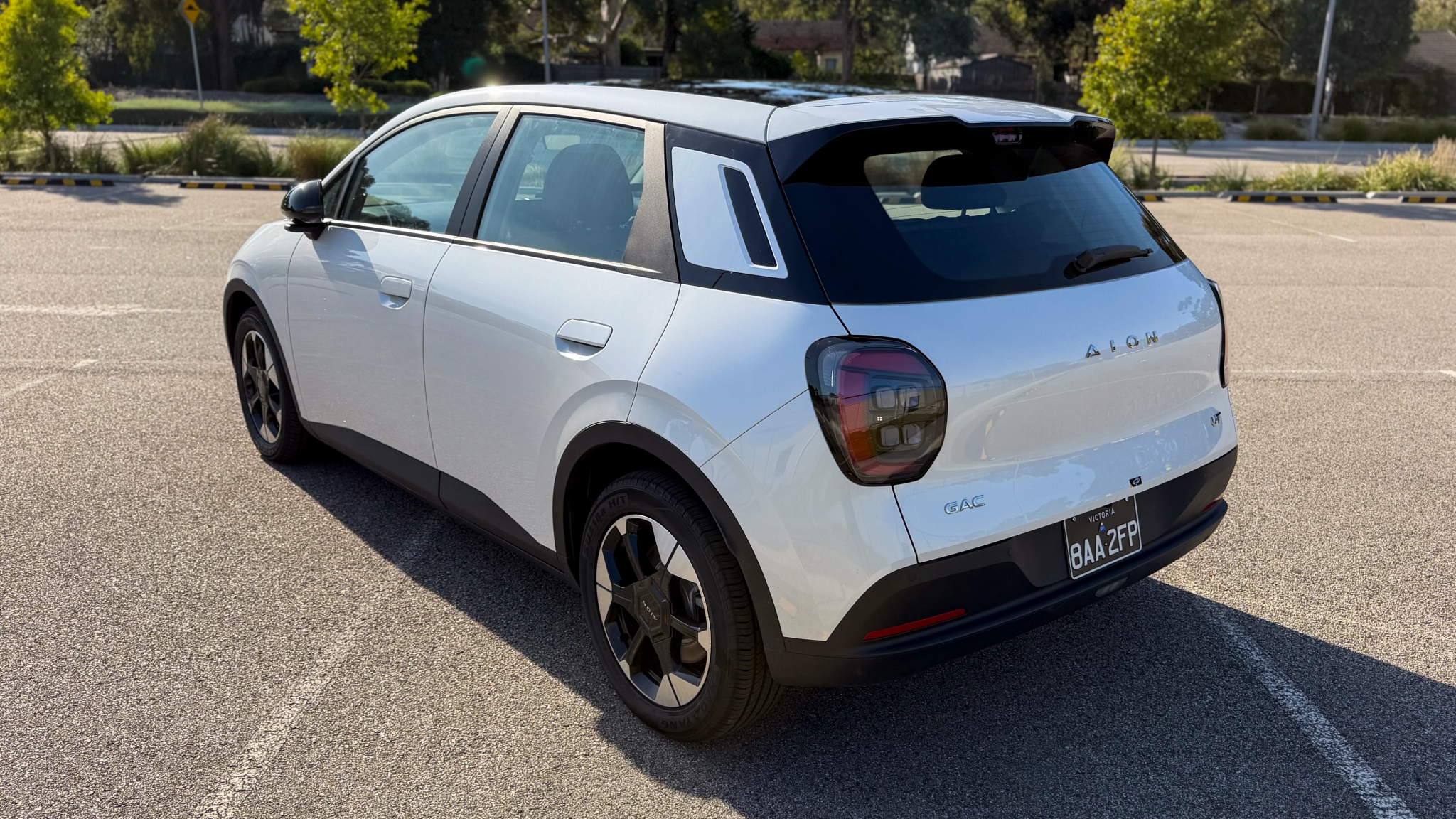
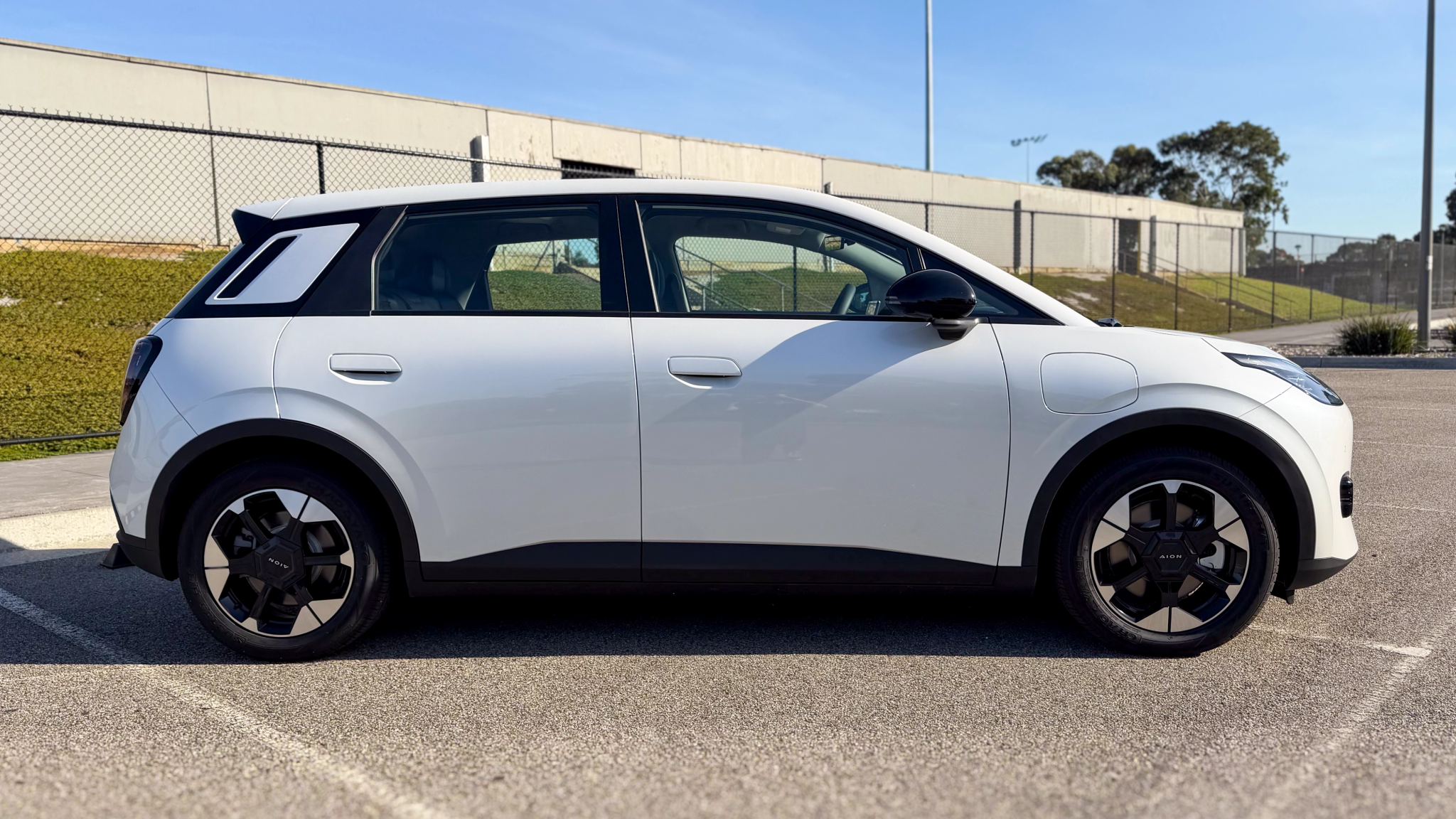
GAC is selling this as a "cute baby" and that description actually fits. It is short and stubby, sits on a flat face with no grille, and runs flush door handles on rounded body sides. The lights are sharp enough to give it a face, and the 17-inch alloys look the part without being too try-hard.
What lifts the UT visually is the colour palette. The lavender, green and crimson options give the car real personality and the two-tone roof variants suit the proportions well. White is free. Everything else is $600 to $1,000 well spent if you want the car to stand out in a sea of greyscale Corollas and Yarises.
What is the GAC Aion UT like inside?
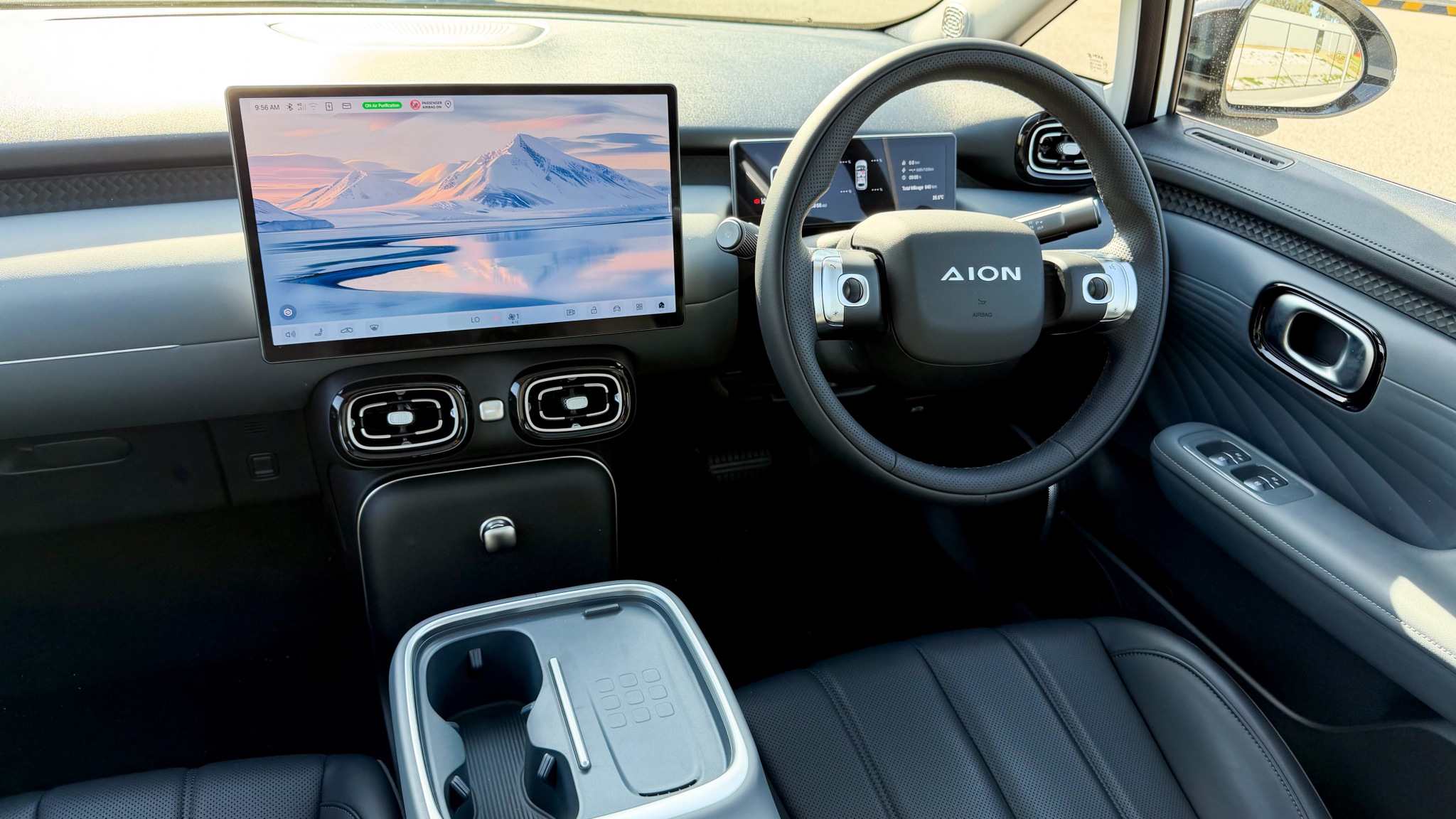
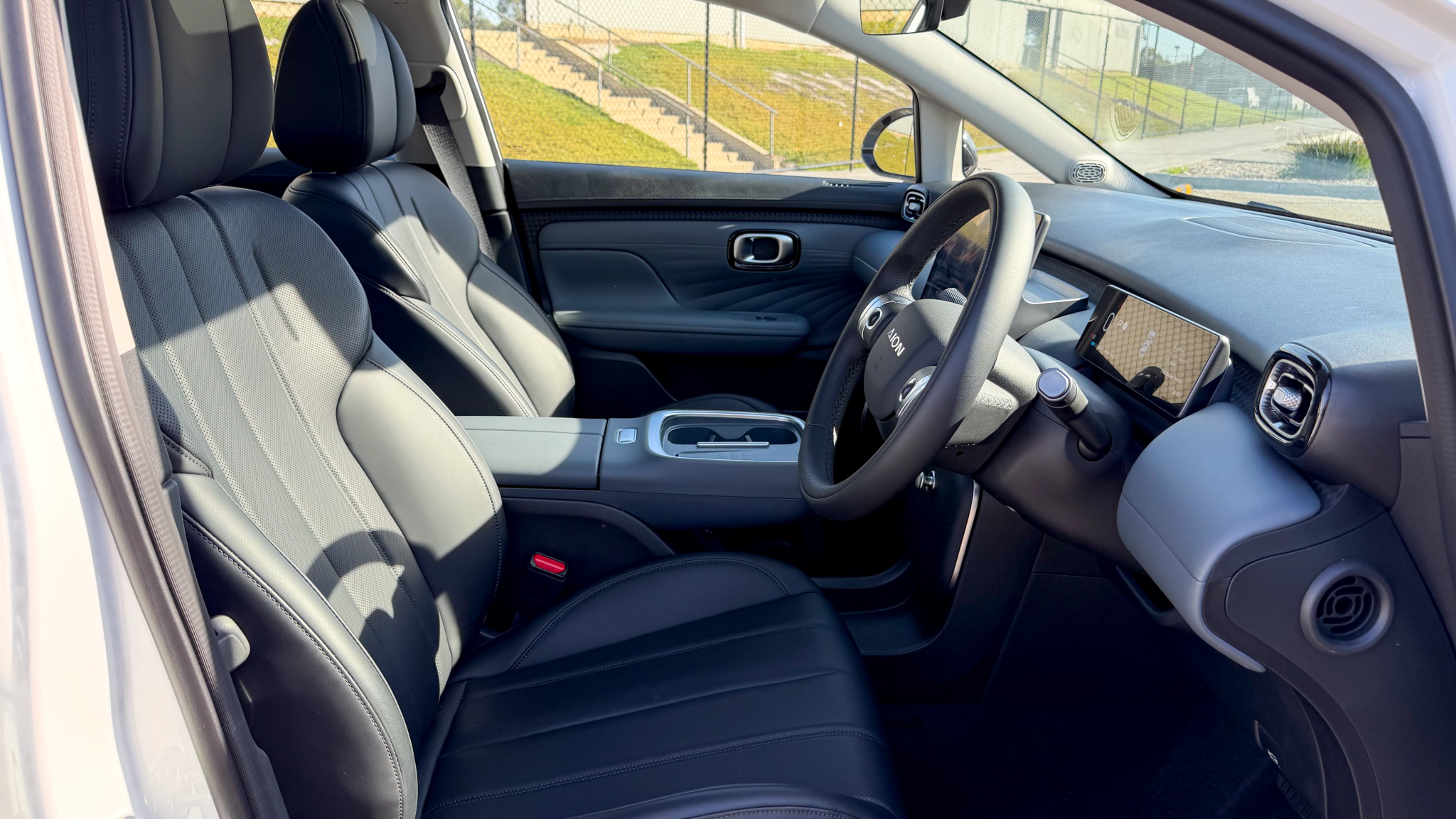
This is where the UT punches well above its price tag. The cabin is clean, modern and finished in materials that do not feel like they came out of a $30k car. The synthetic leather seats are soft and properly bolstered, the dash top is padded and the door cards carry that supple feel through to the rear.
The interior colour choice is genuinely fun too. The pink and tartan combinations are brave but works, and the cream and grey option still feels lifted compared with the all-black caves most rivals serve up.
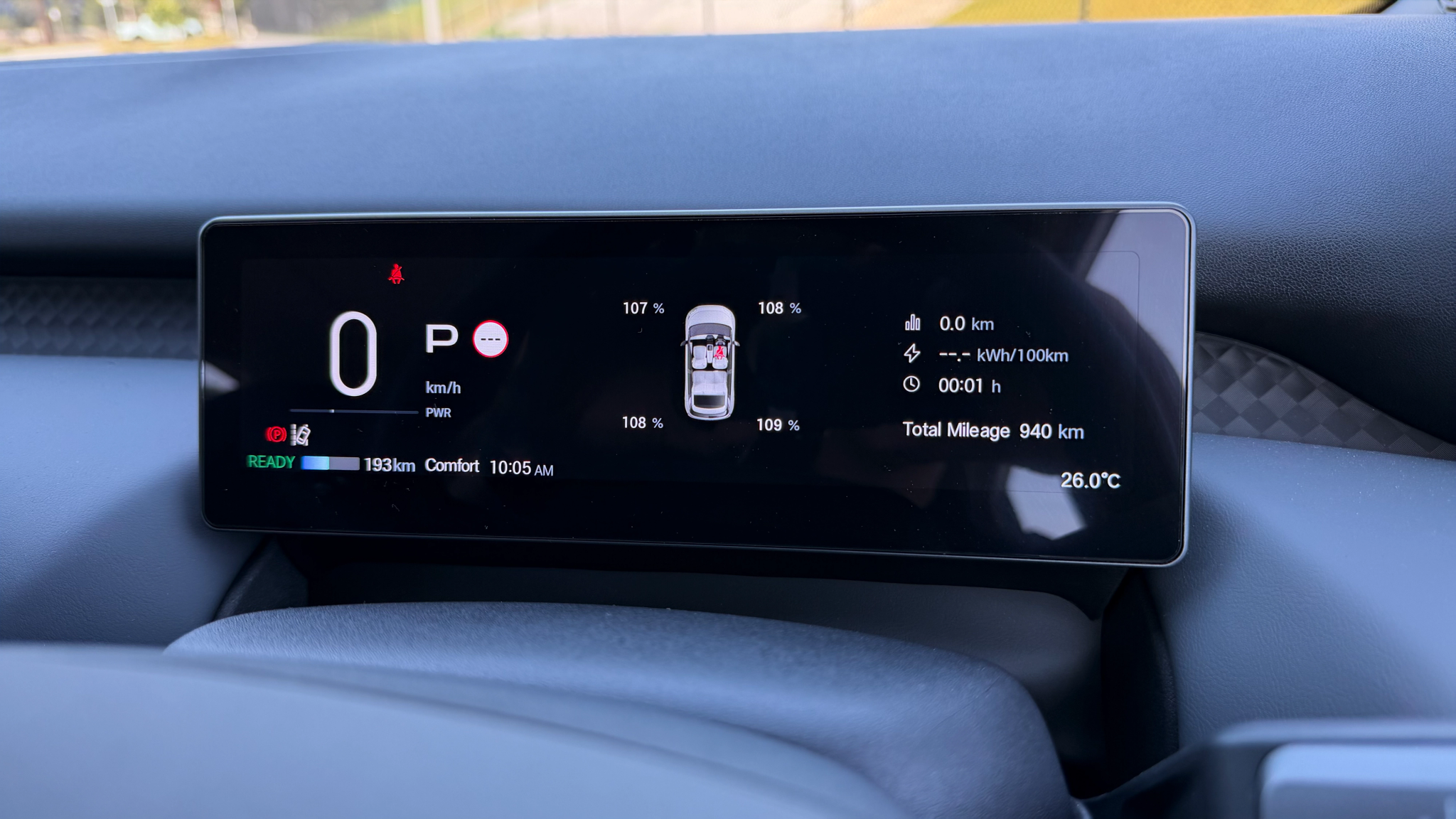
The screen story is the familiar one. A 14.6-inch central touchscreen dominates the dash paired with a smaller 8.8-inch driver display. The screen itself is bright and quick, and the interface is more readable than most Chinese systems, but the absence of physical controls is the issue. Climate, mirrors, sunroof shade, regen braking and basic safety settings all live behind menus.
Even the wireless charging pad in the Luxury grade is a miss. The plastic surface is so slick that your phone slides around at the first hint of a roundabout.
Storage is otherwise strong. The floating console has a deep underpass, the door bins swallow water bottles, and there is a hidden cubby tucked under the centre vents that is perfect for the smaller bits you do not want rattling about.
How practical is the Aion UT?
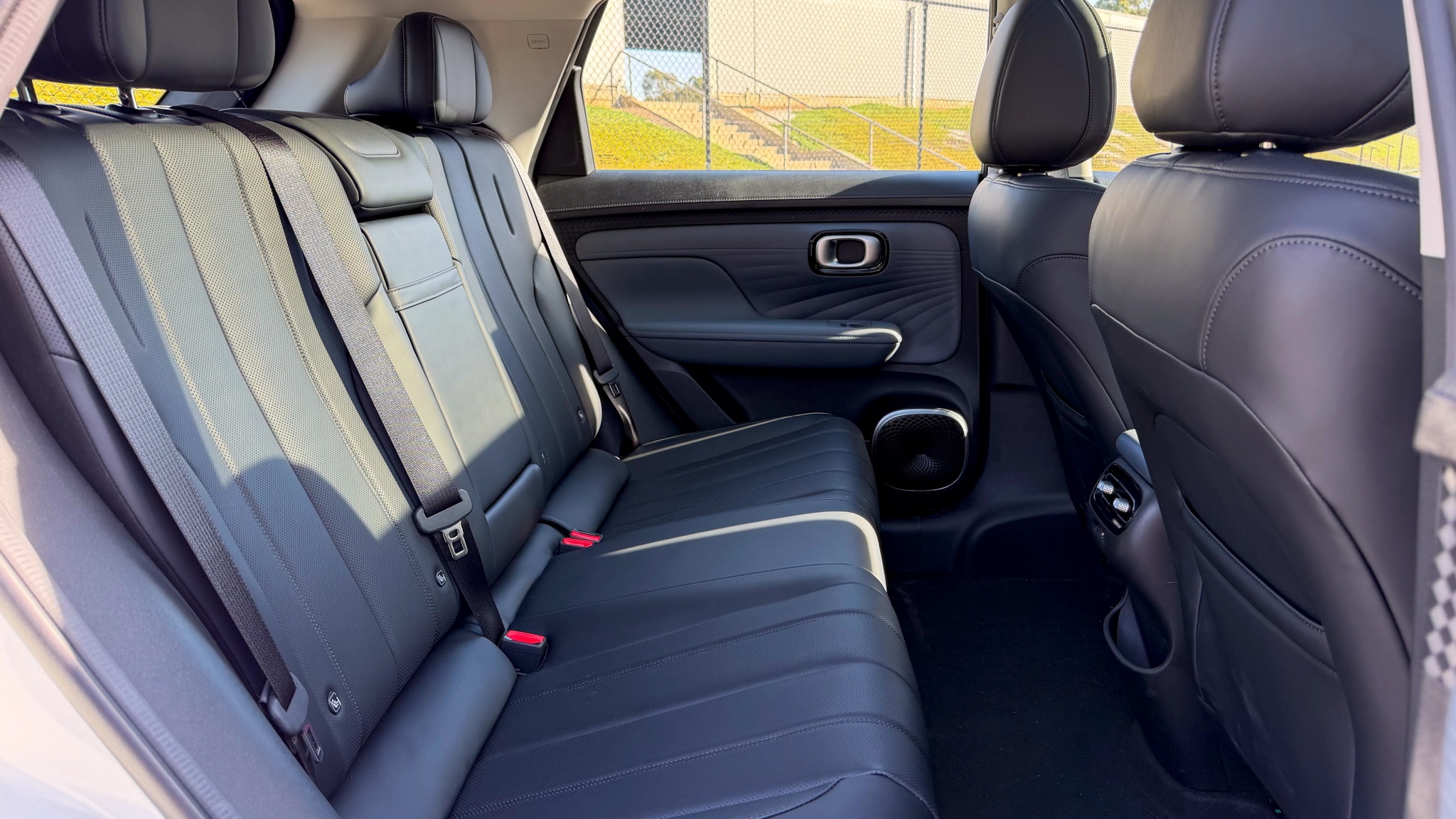
The Aion UT is 4270mm long but rides on a 2750mm wheelbase and that gap is what makes the back seat work. Legroom and headroom genuinely surprise back there. Three adults across the bench is plausible for short trips and the flat floor helps the middle passenger.
The Luxury adds a single rear USB-A port and the panoramic glass roof, which makes the cabin feel airier than the exterior suggests. Rear air vents come standard on both grades.
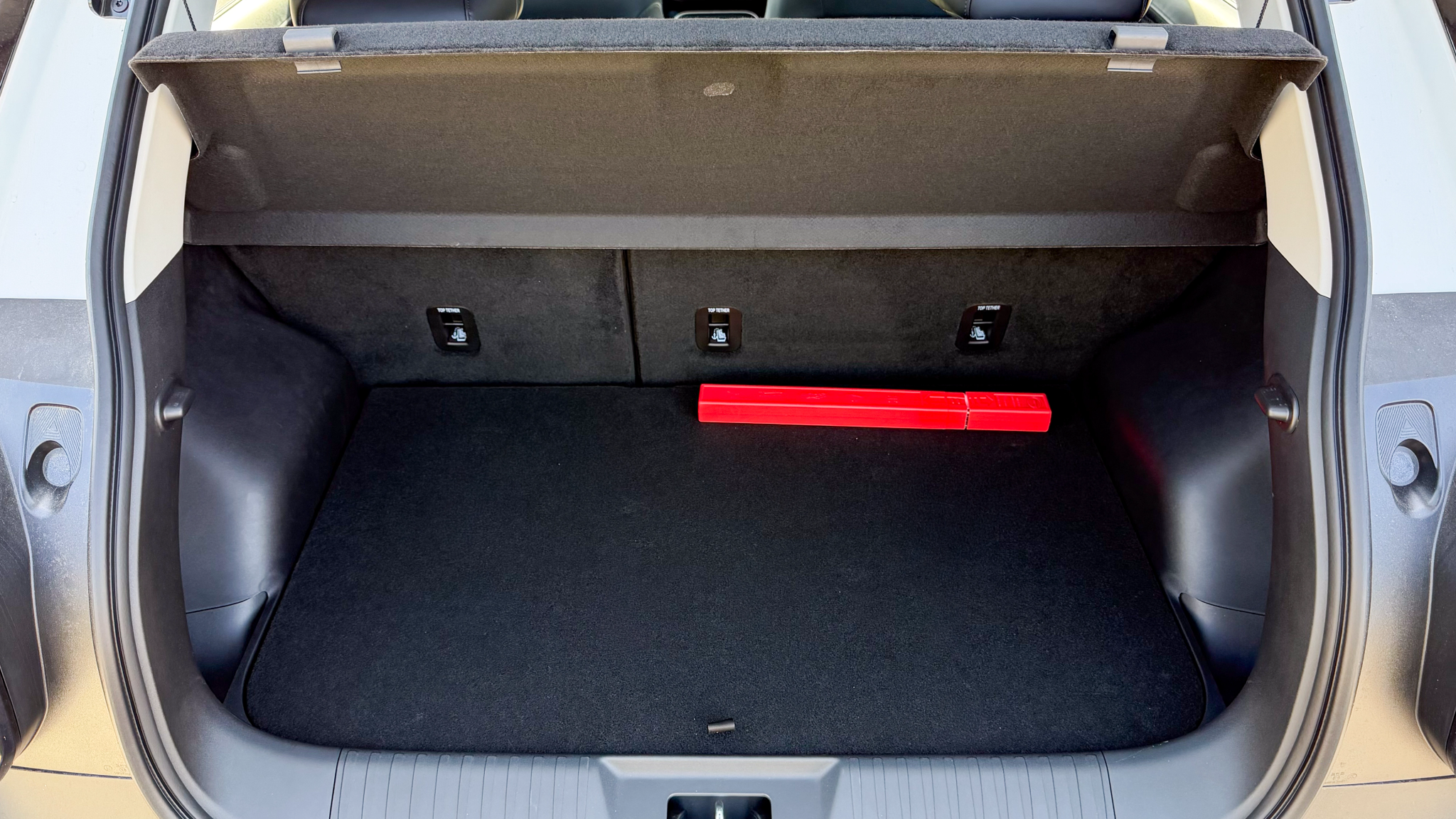
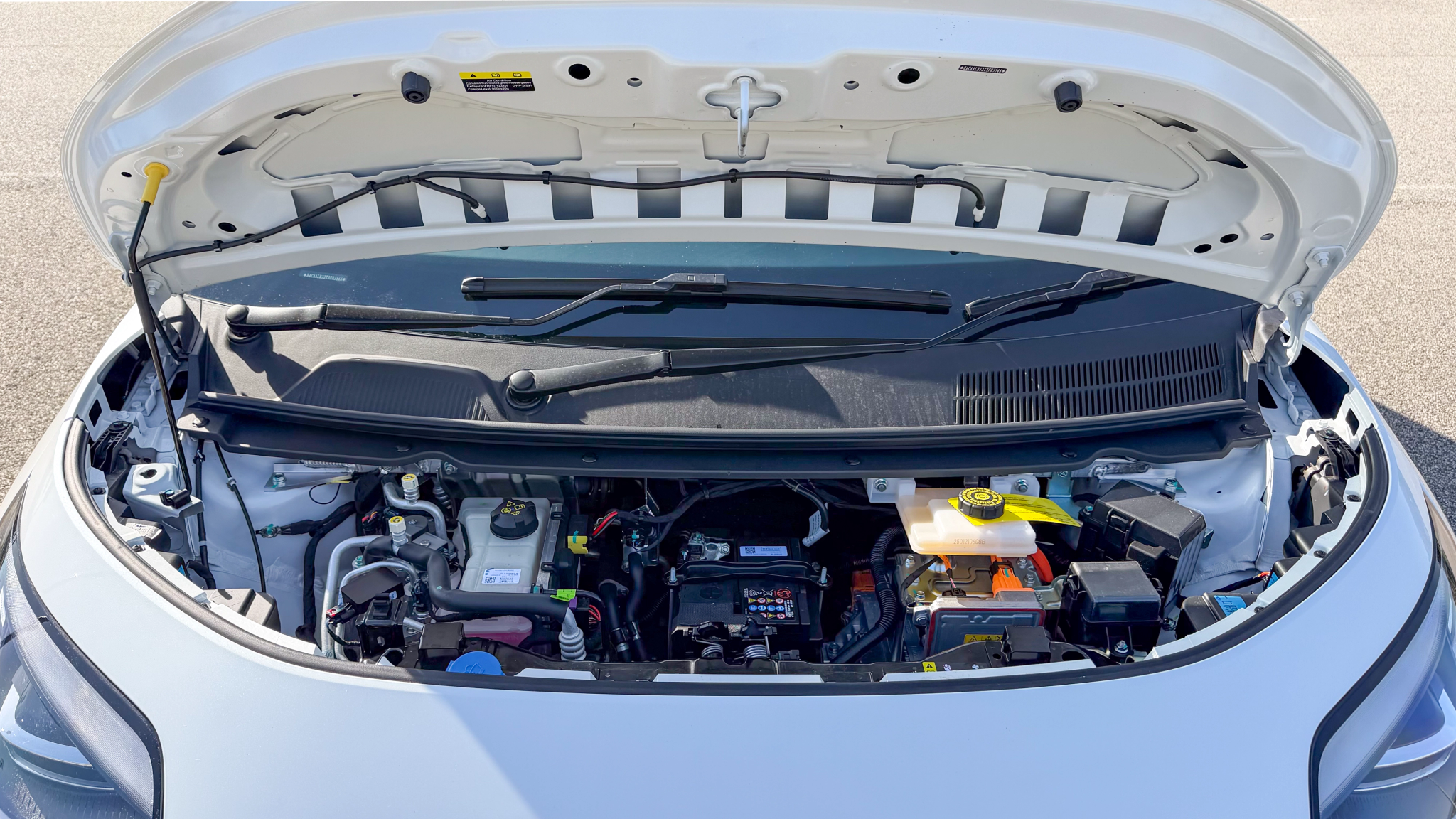
Boot space sits at 321 litres with the seats up or 689 litres folded. That is fine for a hatch of this size and beats a Corolla, but it trails the BYD Dolphin, the MG 4 and the new GWM Ora 5 by a small margin. Charge cables live under the boot floor next to the tyre repair kit. There is no spare and no frunk.
For a young driver, a downsizer or a household running a bigger SUV as the primary car, this is enough.
What is the GAC Aion UT like to drive?
Around town, the UT has some zip about it. 150kW and 210Nm through the front wheels is plenty in a 1,700kg hatch and the instant EV torque makes it feel quicker than the 7.3 second 0-100 claim. Off the line at urban speeds it has more shove than most buyers will know what to do with.
The ride is the headline. GAC has tuned the UT properly soft and it works. It glides over patched suburban roads, takes the edge off bigger hits and stays composed on the rebound. The cabin is also impressively quiet with very little wind or road noise reaching the occupants.
The downsides reveal themselves the moment you push the car beyond the everyday. The steering is light and a bit numb around centre. The brake pedal is mushy and lacks initial bite. And the Chaoyang SU318a tyres that GAC has fitted are the weak link in the whole package. They squeal early in corners and limit how confidently you can hustle the car. A set of better rubber would lift the whole driving experience.
The other issue, and it is a real one, is the active safety calibration. The driver attention monitor chimes if you glance at the screen. The overspeed warning triggers at the merest creep over the limit. The seatbelt warning misreads a bag on the back seat. Disabling all of this is possible, but it has to be done from the touchscreen every time you start the car. On a typical day with multiple short trips, this is the single most fatiguing part of the experience.
That is solvable. The hardware is good. The software just needs a calibration pass and ideally a permanent off switch for the most aggressive systems.
How efficient is the GAC Aion UT?
GAC quotes 16.4kWh/100km combined. Real-world testing across mixed urban and highway driving lands closer to 13 to 15kWh/100km, which is excellent. From the 60kWh LFP battery, that translates to a realistic 400km of range against the 430km WLTP claim.
DC fast charging peaks at 87kW with 10 to 80% in around 24 to 34 minutes. That is not class-leading. The MG 4 will do it faster and the Atto 2 is in a different league. But for a car that will spend most of its life topping up overnight on an AC wallbox, it is enough.
Warranty is the other big tick. GAC backs the UT with eight years and unlimited kilometres on the vehicle, plus eight years and 200,000km on the battery. Servicing is every 12 months or 15,000km, with the five-year total sitting at $1,607 or roughly $322 per visit on average.
Is the GAC Aion UT safe?
The Aion UT has not been ANCAP tested at the time of writing. GAC has confirmed the car will be submitted for assessment once the eCall emergency calling system is operational locally later in 2026 and the brand is targeting a five-star result. The closely related Aion V scored five stars last year which is encouraging.
Standard safety kit covers the bases: seven airbags including a centre airbag, autonomous emergency braking, adaptive cruise with lane centring, blind-spot monitoring, traffic sign recognition, a driver monitor, front and rear parking sensors, and a 360-degree camera. The hardware is comprehensive. The calibration, as noted above, needs more work before the systems feel genuinely helpful rather than nagging.
What are the main competitors to the GAC Aion UT?
The BYD Dolphin is the obvious benchmark in this segment and is similair pricing to the Aion UT. It is a well-rounded package with strong charging speeds, but the UT counters with more power, more space and a more upmarket cabin feel.
The MG 4 EV Urban is the newest threat landing at $31,990 driveaway with a sharper price tag and the backing of an established brand network. It is the safer badge play, though the UT brings more standard kit for the money.
The GWM Ora 5 replaces the old Ora hatch and lands at $33,990 driveaway with the same 150kW output and a matching 430km claim. It is the bigger car with the bigger boot and it charges much faster at 120kW, but the UT undercuts it on price, backs it with a longer eight-year vehicle warranty and still feels the more upmarket of the two inside.
The BYD Atto 1 sits a class below at around $24k (excluding ORC) and is the pick if outright affordability is the priority, but you give up size, range and equipment to get there.
Should I buy the GAC Aion UT?
If you want a cheap city EV that does not feel cheap inside, and you can tolerate a software experience that needs another iteration or two, the Aion UT is a strong buy. It is comfortable, quick enough, well equipped, generously warranted and priced sharply at launch.
Where it falls short is the stuff GAC can fix with updates. The intrusive safety systems, the touchscreen dependency and the regen calibration are all software problems, not engineering ones. The tyres are an easy swap at first replacement.
For a first car, a second car or a downsized urban runabout, this is one of the best value EV hatches you can buy in Australia right now. Just go in with eyes open about the software.
Compare Aion UT prices and find a dealVerdictThe Beep Verdict
Rob Leigh
Co-founder & Director
Rob Leigh is Co-founder and Director of The Beep based in Melbourne, Australia. He has 15+ years inside a major automotive OEM, specialising in product planning, pricing and vehicle strategy.
About Author