2026 BYD Shark 6 review
The Shark 6 is a genuinely impressive plug-in hybrid ute - quick, comfortable and surprisingly liveable - but it's most convincing when you're not asking it to do traditional ute things.

Rob Leigh
Pros
- Effortless PHEV drivetrain with real-world 80km EV range
- Stacked with features at a sharp drive-away price
- Spacious, premium-feeling interior that embarrasses some SUVs
Cons
- 2,500kg tow rating and no locking diffs limit genuine work duty
- 1.5-litre petrol engine feels out of its depth when the battery's flat
- No low-range gearing means serious off-road is off the table
Our Verdict
The BYD Shark 6 isn't trying to out-Ranger the Ranger. It's a lifestyle ute that happens to be quicker than a Raptor, more comfortable than most of the segment and cheaper than almost all of it. The catch is real: lean on it for heavy towing or serious off-road work and it'll show its limits quickly. For everyone else - commuters, weekend adventurers, families who just want the practicality of a dual-cab without the diesel clatter - this is genuinely excellent value.
What does the BYD Shark 6 cost in Australia?
The Shark 6 arrives in a single trim, the Premium, priced at $57,900 before on-road costs, landing at just over $60,000 driveaway. That's a remarkable number for what you get. Ford's Ranger PHEV starts above $70,000 before on-roads. The GWM Cannon Alpha PHEV is closer but still more expensive. Even non-hybrid Ranger and HiLux variants at similar money offer meaningfully fewer features.
There's also a straightforward argument that this spec level would be considered well-optioned on a luxury SUV, let alone a ute. BYD is not subsidising its reputation - it's buying market share the old-fashioned way, by delivering more car for less money. Whether that introductory pricing holds long-term is worth watching.
What does the BYD Shark 6 look like?
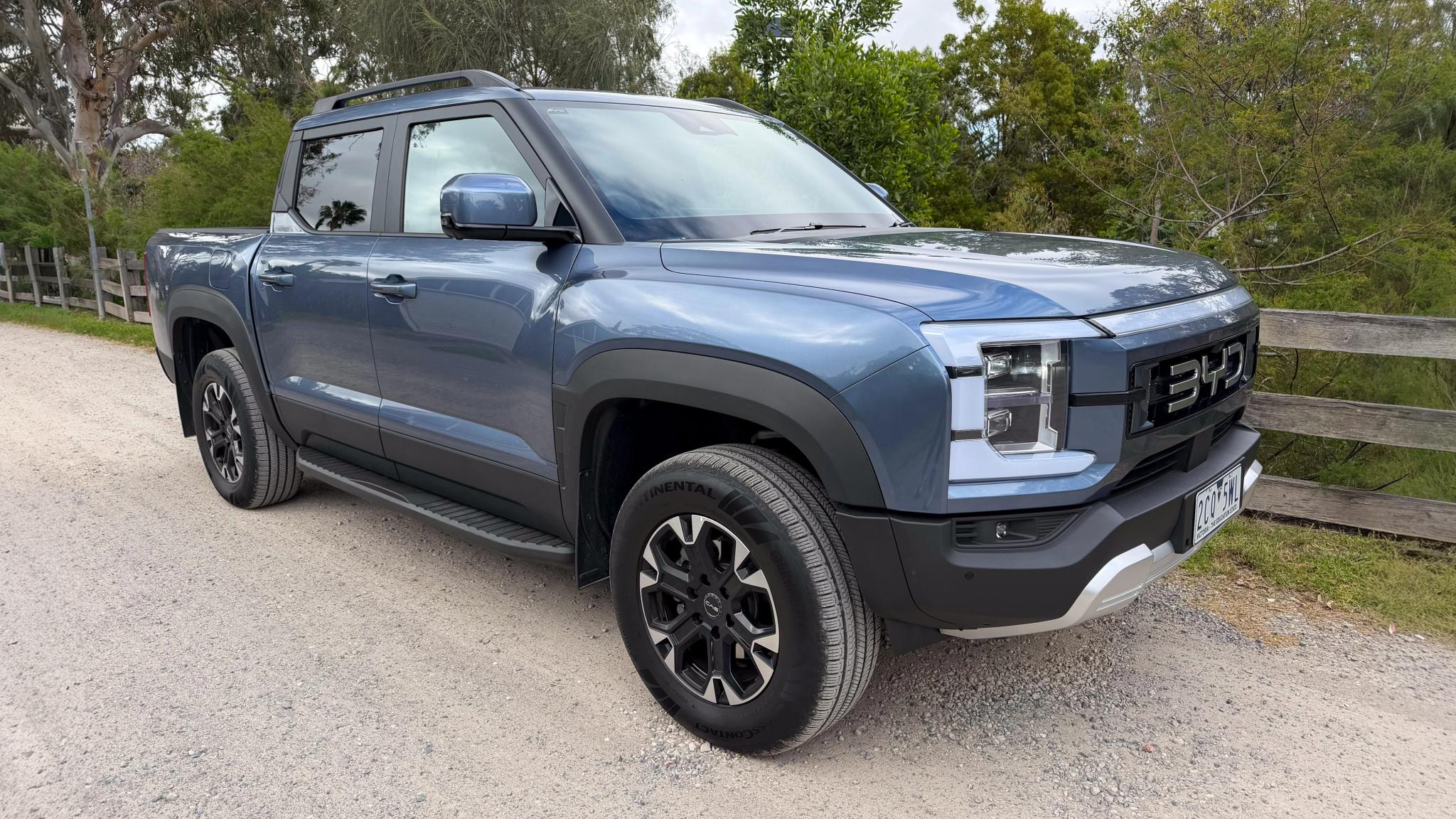
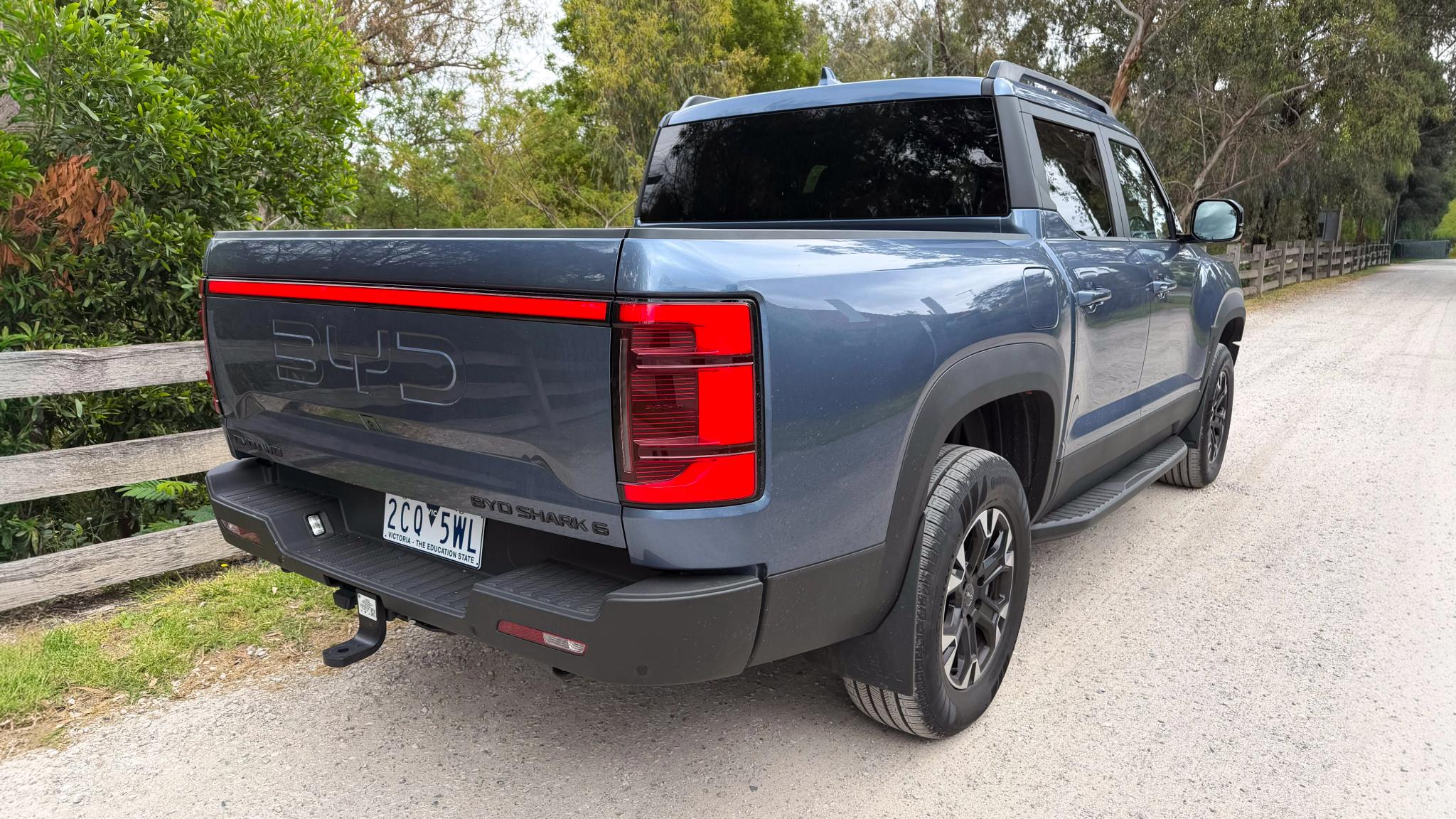
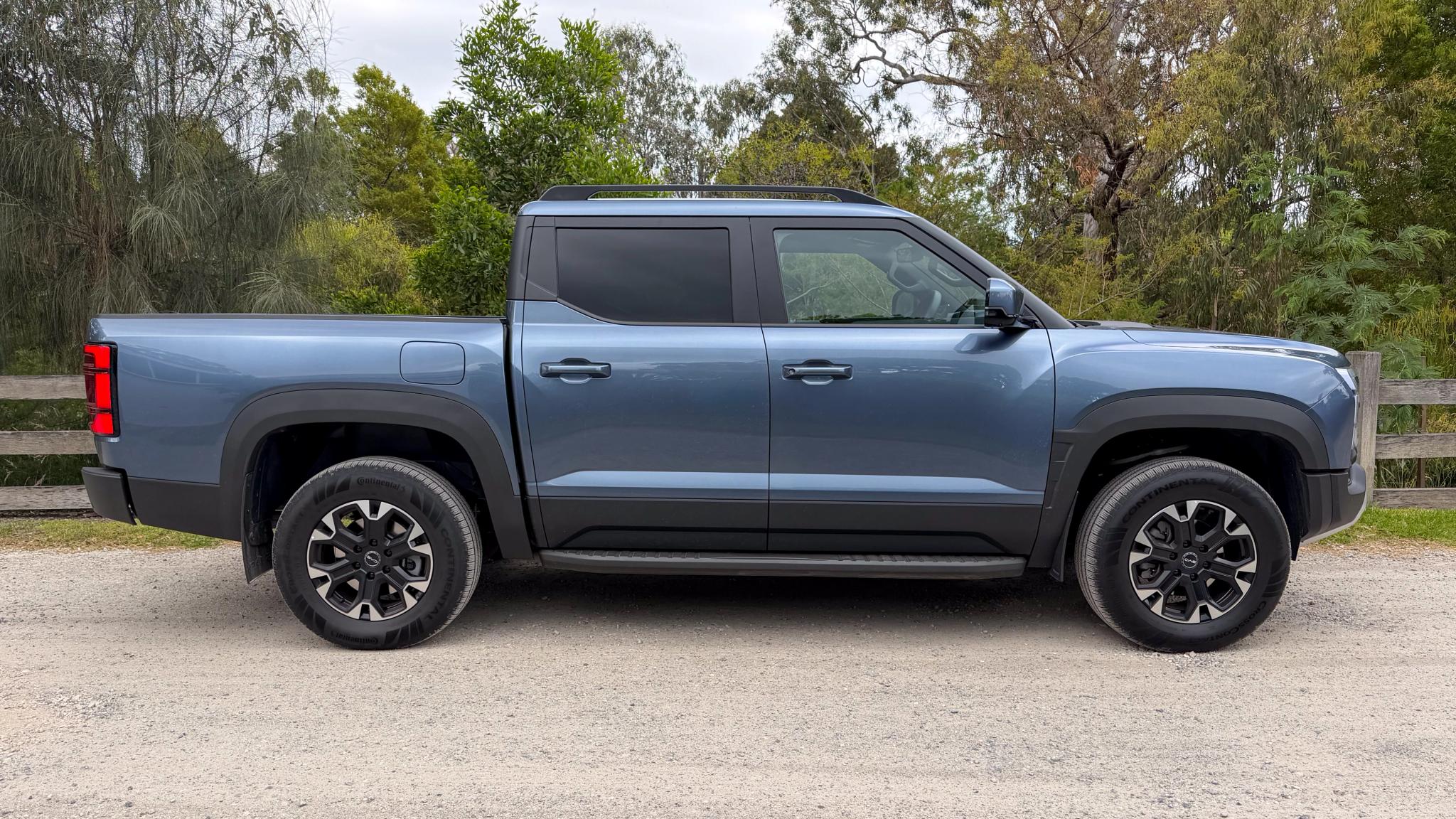
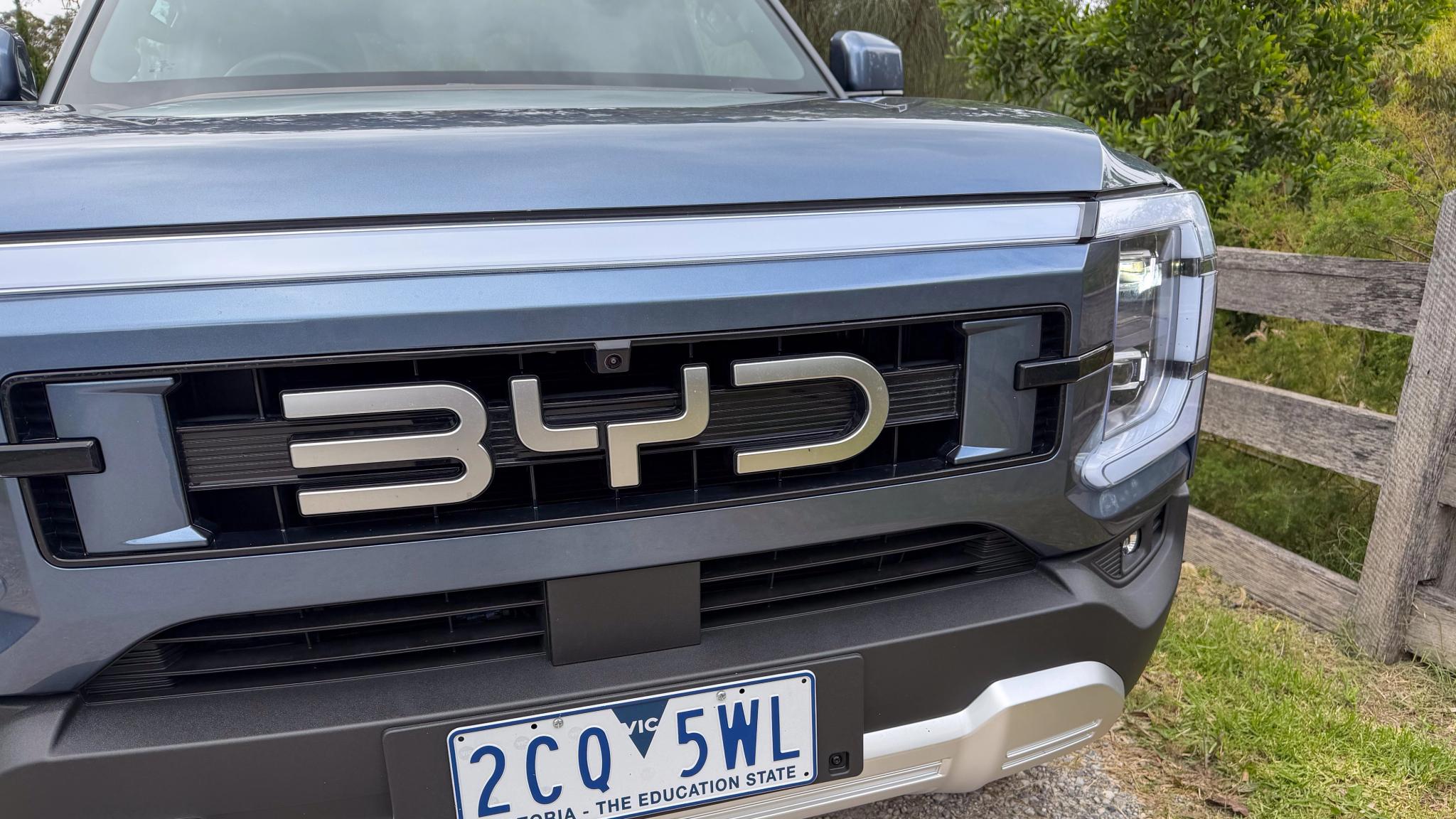
From the outside it makes a strong first impression. The Shark has proper road presence - it's a big vehicle with a wide, muscular stance and sharp lighting elements front and rear. 18-inch alloys, LED headlights and standard side steps are all included. Tidal Black is a particular standout - the dark finish sharpens the Shark's lines and gives it a menacing, almost premium-SUV quality that works especially well on a ute this size.
It doesn't look like a first attempt. It looks like something that arrived knowing exactly what it was doing. Whether that's confident design or a very well-executed piece of market research, the result is the same - people notice it, and they ask questions.
What is the BYD Shark 6 like inside?
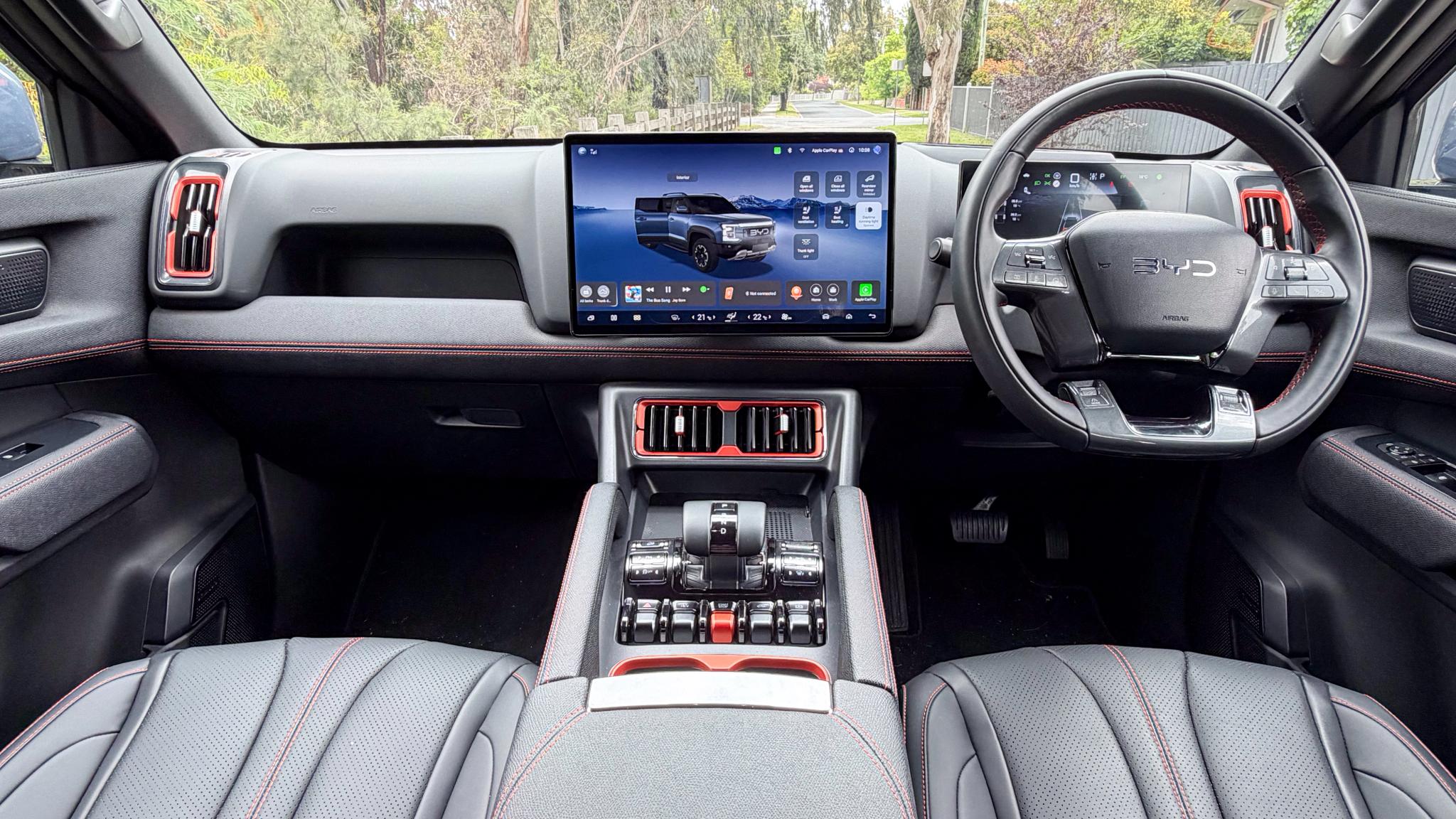
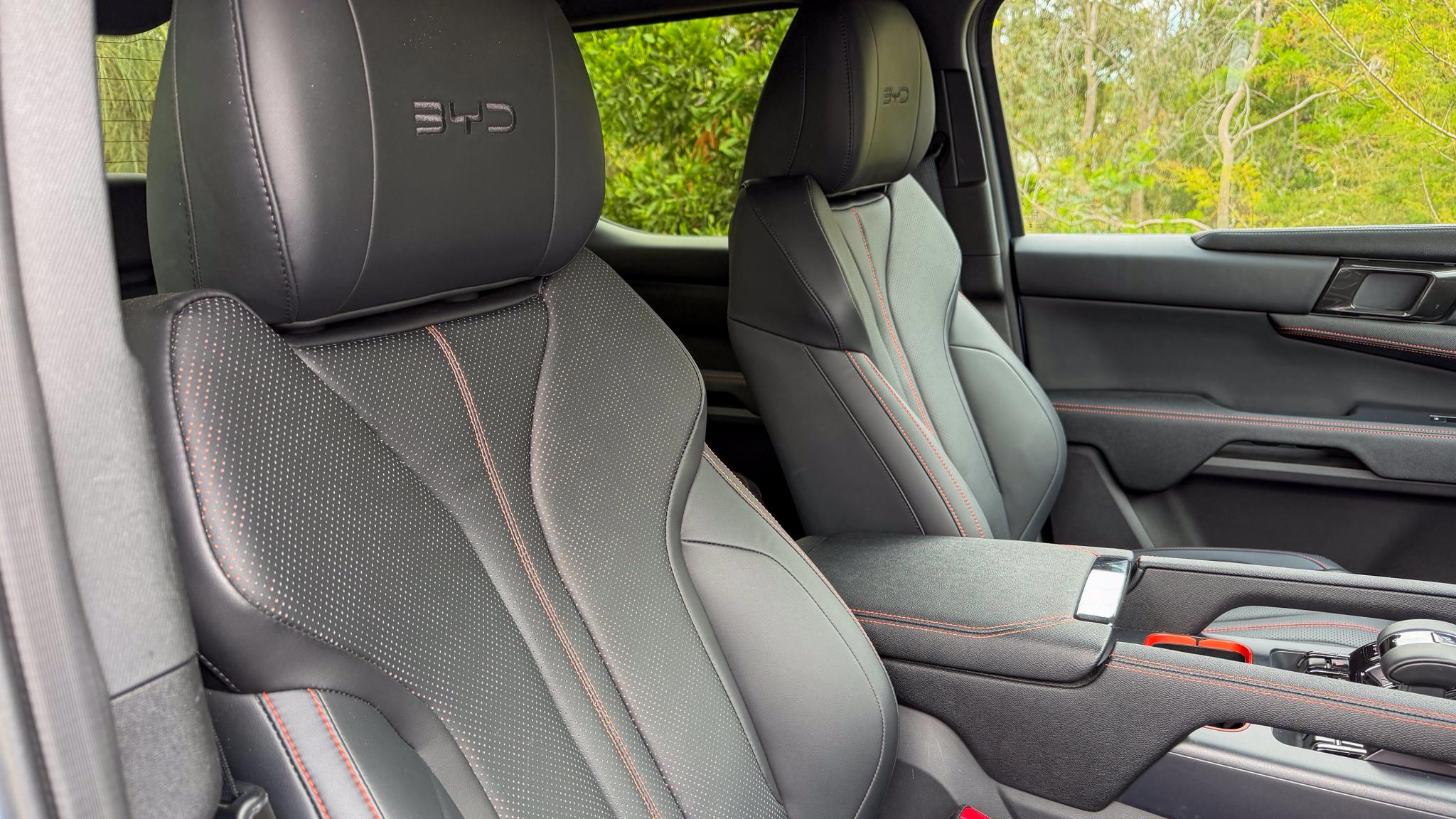
This is where the Shark makes its strongest case. The cabin feels expensive in a way that surprises you, especially at this price point. Materials are soft where they should be, the switchgear feels solid and the layout is more considered than you'd expect from a brand still building its reputation in Australia.
The 15.6-inch rotating infotainment screen is the centrepiece - big, sharp and reasonably intuitive once you find your way around it. A 10.25-inch digital instrument cluster and a head-up display cover the driver's information needs, though the cluster's busy iconography could use a clean-up. Climate functions live inside the touchscreen, which isn't ideal, but three-finger swipe gestures get you to temperature and fan speed quickly enough.
Heated and ventilated front seats, wireless phone charging (with active cooling on the passenger-side tray, which is a genuinely thoughtful detail), plus wireless Apple CarPlay and Android Auto round out a front cabin that feels genuinely premium. The Dynaudio 12-speaker audio is excellent.
The orange accent stitching and surrounds won't suit every taste, but the overall effect is a cabin that feels purposeful and well-assembled. It punches well above its price.
How practical is the BYD Shark 6?
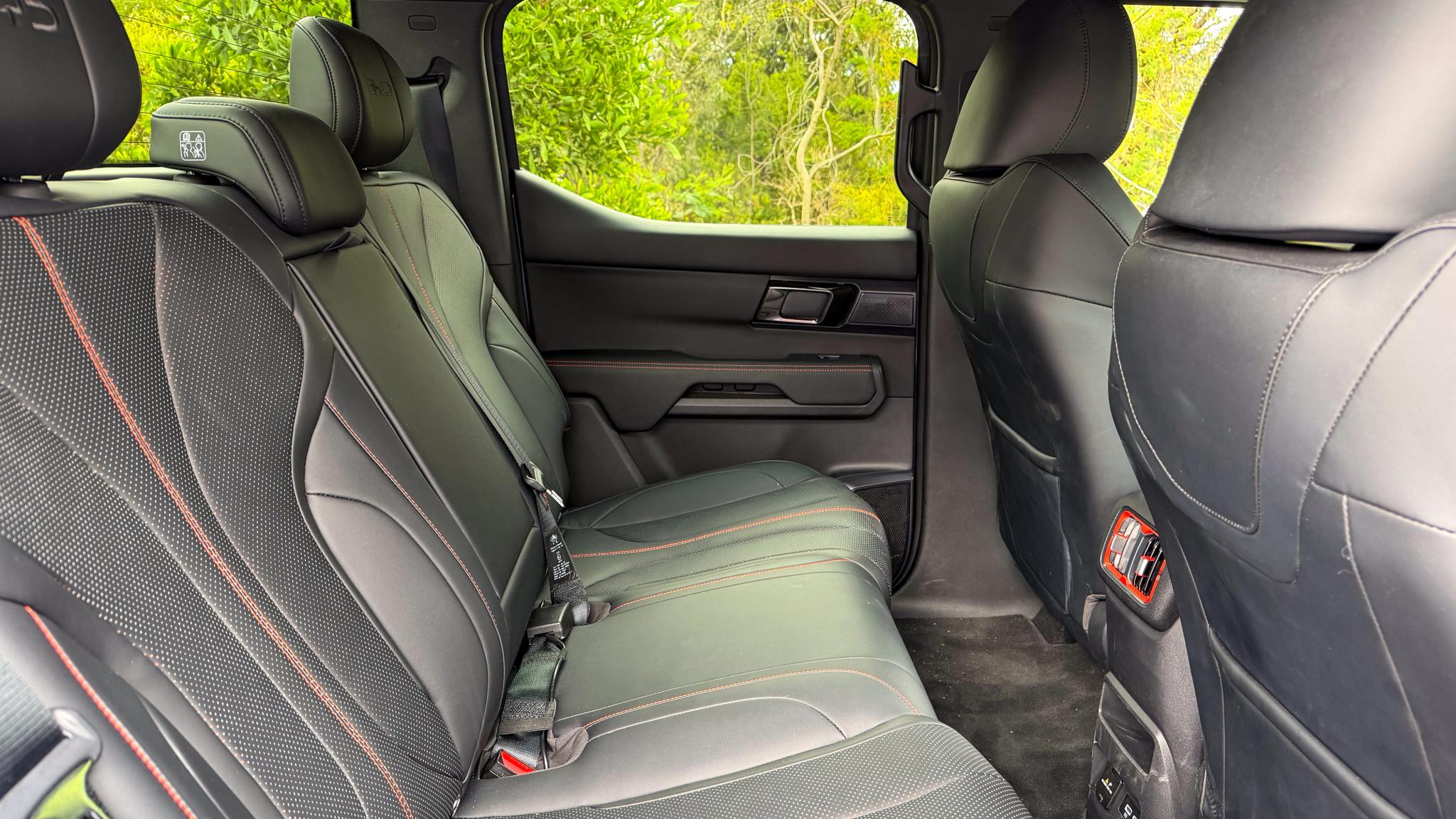
Rear seat space is one of the Shark's highlights. There's genuine room for two adults to sit comfortably behind two adults - headroom and legroom are both generous and the completely flat floor (a benefit of no mechanical driveshaft running underneath) makes the middle seat usable rather than just theoretical.
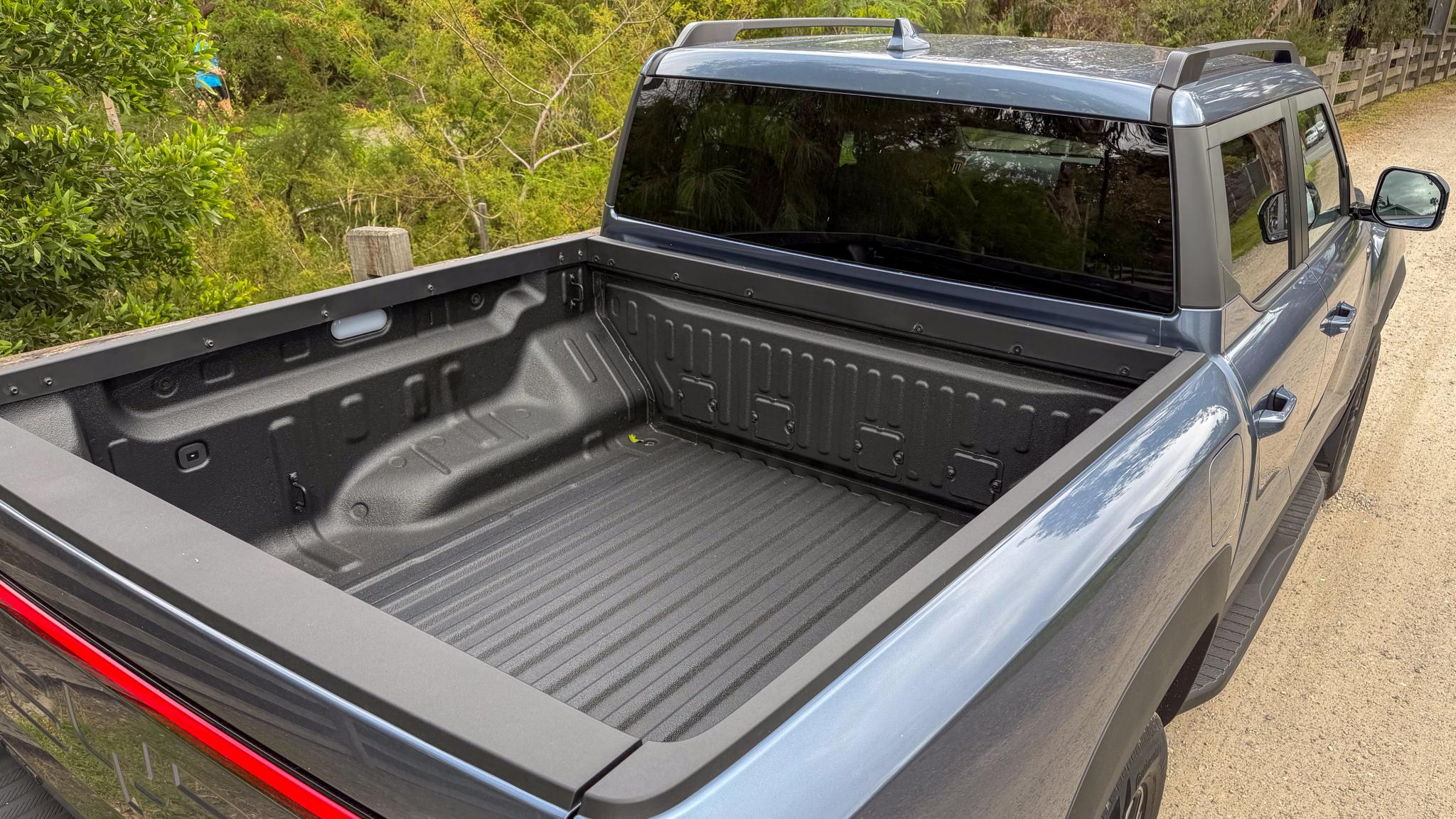
The tray itself measures 1520mm long by 1500mm wide with a spray-in bedliner, six tie-down points and a tailgate that can be dropped via the key fob, a dashboard button, the infotainment screen or a switch on the tailgate itself. It's a small thing, but it matters day-to-day.
The standout practical feature is the trio of 230V household power outlets in the tray plus a fourth inside the cabin. With up to 6.6kW of vehicle-to-load output this is genuinely useful for camping, tradies or anyone running tools and appliances away from a power point.
The weak spot is payload - 790kg is below the segment average and the 2500kg braked towing limit is a full tonne short of most diesel rivals. These are real constraints if you're planning to tow a large caravan or load the tray commercially. Know your use case before you commit.
What is the BYD Shark 6 like to drive?
This is where expectations go sideways - in the best way. The Shark 6 doesn't drive like a ute. It drives like a heavy, fast, composed SUV and once you recalibrate your expectations accordingly, it's a genuinely impressive thing to cover ground in.
The PHEV drivetrain is effortless. In electric mode the Shark pulls cleanly and quietly from rest with the kind of linear, instant response that makes peak-hour commuting feel lighter than it should. With 321kW and 650Nm on tap across the combined system, it's also properly rapid - a 0-100km/h time of around 5.6 seconds in real-world testing is quicker than you'd get from a Ranger Raptor, which is a fact that will either delight you or completely bother your sense of ute hierarchy.
The petrol engine - a 1.5-litre turbocharged four-cylinder - enters the picture either when the battery drops below 25% or when you demand hard acceleration at higher speeds. When the battery's charged, you barely notice it. When the battery's depleted, it's a different story. The engine sounds strained under load and the Shark loses some of the effortless quality that defines it at its best. It's not unpleasant, but it's an honest reminder that the combustion side of this equation is there in a supporting role.
Ride quality is genuinely good. The independent rear suspension - a segment rarity - smooths out most surfaces well and the Shark irons out freeway kilometres with the kind of composure that long-distance drivers will appreciate. Secondary ride over sharp edges and patchy surfaces introduces some choppiness, but that's true of most utes. In the broader segment context, the Shark's ride is among the most comfortable available.
Handling is secure without being interesting. The steering is well-weighted and stable and body roll is managed adequately. This isn't a vehicle that rewards pressing on through corners, but it behaves honestly and feels planted at highway speed. Two levels of regenerative braking are available, though there's no one-pedal driving mode, which will frustrate anyone coming from a BEV.
In EV-only mode around 80km of real-world range is achievable - closely matching the claimed figure once you account for the NEDC optimism baked into the official spec. For daily commuting, that's more than adequate. The Max EV mode, accessed by holding the EV/HEV button, forces full electric operation until the battery gives out, which is a useful tool for planning longer drives.
How efficient is the BYD Shark 6?
In normal hybrid operation with regular charging, efficiency is strong. Real-world fuel consumption in hybrid mode tracks around 7-8L/100km, which is competitive in the segment and significantly better than most diesel rivals when you factor in EV contributions.
With regular charging, the effective consumption drops dramatically. The Shark's 29.58kWh BYD Blade LFP battery supports AC charging at up to 7kW and DC fast charging at up to 55kW, though real-world DC charging is typically closer to 40kW. A full AC charge overnight is the realistic daily scenario for most owners.
Servicing is every 12 months or 20,000km - the longest interval of the PHEV ute trio. Over five years, capped-price servicing totals around $2,489, which undercuts the Cannon Alpha PHEV meaningfully. Warranty coverage is six years or 150,000km for the vehicle, with the high-voltage battery covered for eight years or 160,000km.
Is the BYD Shark 6 safe?
The Shark 6 holds a five-star ANCAP safety rating scoring 85% for adult occupant protection, 87% for child occupant protection and 86% for safety assist. Vulnerable road user protection scored 74%, the softest category in the result.
Standard safety equipment includes autonomous emergency braking, blind-spot monitoring, rear collision warning, front and rear cross-traffic alert, lane keep assist, adaptive cruise control, hill descent control, trailer stability control, surround-view camera and child presence detection. The driver monitoring system can be switched off and - importantly - stays off after the car is restarted, which is a small but genuine quality-of-life detail that rivals have apparently not figured out yet.
What are the main rivals to the BYD Shark 6?
GWM Cannon Alpha PHEV is the most natural comparison. It's priced a little higher, offers a proper low-range transfer case and is a more capable choice if the track or a tough campsite is a regular destination. If off-road ability matters, it's the one to cross-shop first.
Ford Ranger PHEV arrives above $70,000 before on-roads but brings a larger 2.3-litre engine, low-range gearing and a rear diff lock. It's the better tool for serious towing or remote touring - though you'll pay a significant premium for those credentials.
Toyota HiLux and Ford Ranger diesel variants remain the volume benchmarks. Better tow ratings, proven long-term durability and wider dealer networks make them the safe choice for buyers with genuine commercial needs. Neither offers PHEV efficiency, but both are deeply familiar quantities.
Mitsubishi Triton Hybrid is on the horizon with a more conventional AWD setup. Worth watching before committing, particularly if off-road competence is on your checklist - but it isn't here yet.
Should I buy the BYD Shark 6?
If you're buying a dual-cab to tow a large van into remote country, the Shark 6 isn't your vehicle. It's honest about this and you should be too.
But if you're buying a dual-cab because you want the practicality, the ride height, the tray, the all-weather AWD capability and the sense that you can take on a dirt road or pack for a camping trip without overthinking it - the Shark 6 is a seriously strong option at this price. It's comfortable, quick, well-equipped and genuinely efficient when driven as intended.
At just over $60,000 driveaway it offers a level of specification and PHEV capability that its direct rivals simply can't match for the money. BYD is learning fast, the product is good now and the value case is compelling.
Buy it for what it is. It's very good at that.
VerdictThe Beep Verdict
Rob Leigh
Co-founder & Director
Rob Leigh is Co-founder and Director of The Beep based in Melbourne, Australia. He has 15+ years inside a major automotive OEM, specialising in product planning, pricing and vehicle strategy.
About Author