2026 BMW X3 40d review
The X3 was already one of the best mid-size SUVs you can buy - now BMW has given it a six-cylinder turbo diesel and the result is quietly brilliant.

Rob Leigh
Pros
- Effortless straight-six diesel performance
- Remarkable real-world fuel efficiency for the performance on offer
- Class-leading dynamics in a practical, family-friendly package
Cons
- Pricing pushes into genuinely premium territory
- Ride can feel a little unsettled on rough Australian roads
- No spare tyre - just a repair kit
The BMW X3 has long been the benchmark in the mid-size premium SUV segment, and this 40d variant makes a strong case for being the pick of the entire range. Drop a refined, 48V mild-hybrid straight-six diesel under the bonnet and you have something genuinely special - a sleeper in the best possible sense of the word. The catch? At $111,900 plus on-road costs, it demands some justification. Get the numbers to work though, and you may have bought one of the best all-round SUVs available in Australia today.
What does the BMW X3 40d cost in Australia?
The 2026 BMW X3 40d is priced at $111,900 plus on-road costs, sitting near the top of the G45 X3 range. Below it sits the petrol X3 20 at $87,300, the plug-in hybrid 30e at $106,900 and above it the X3 M50 at $130,600.
The 40d is well-equipped from the outset - 20-inch M wheels, adaptive LED headlights, panoramic roof, adaptive suspension, heated and ventilated front seats, heated rear seats and a head-up display all come standard. It is a substantial list, though options can escalate quickly. Our test car, fitted with Tanzanite Blue paint and the Enhancement Package (Harman Kardon audio and alarm), landed at $115,600 plus ORCs.
BMW's standard warranty covers five years with unlimited kilometres, complemented by three years of complimentary roadside assistance. A prepaid service plan covering five years or 80,000km is available for $2,595 - reasonable for the segment.
What does the BMW X3 40d look like?
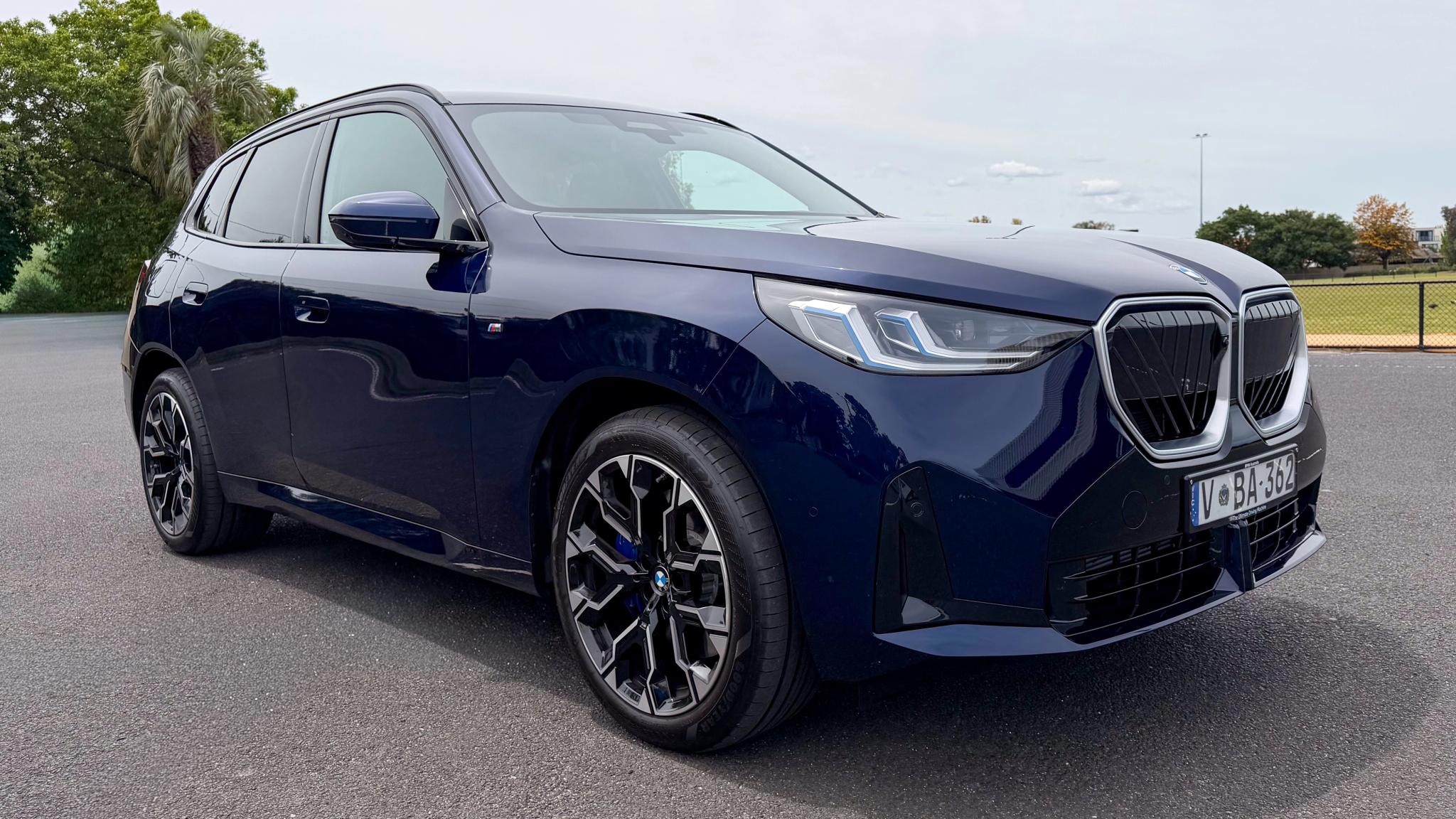
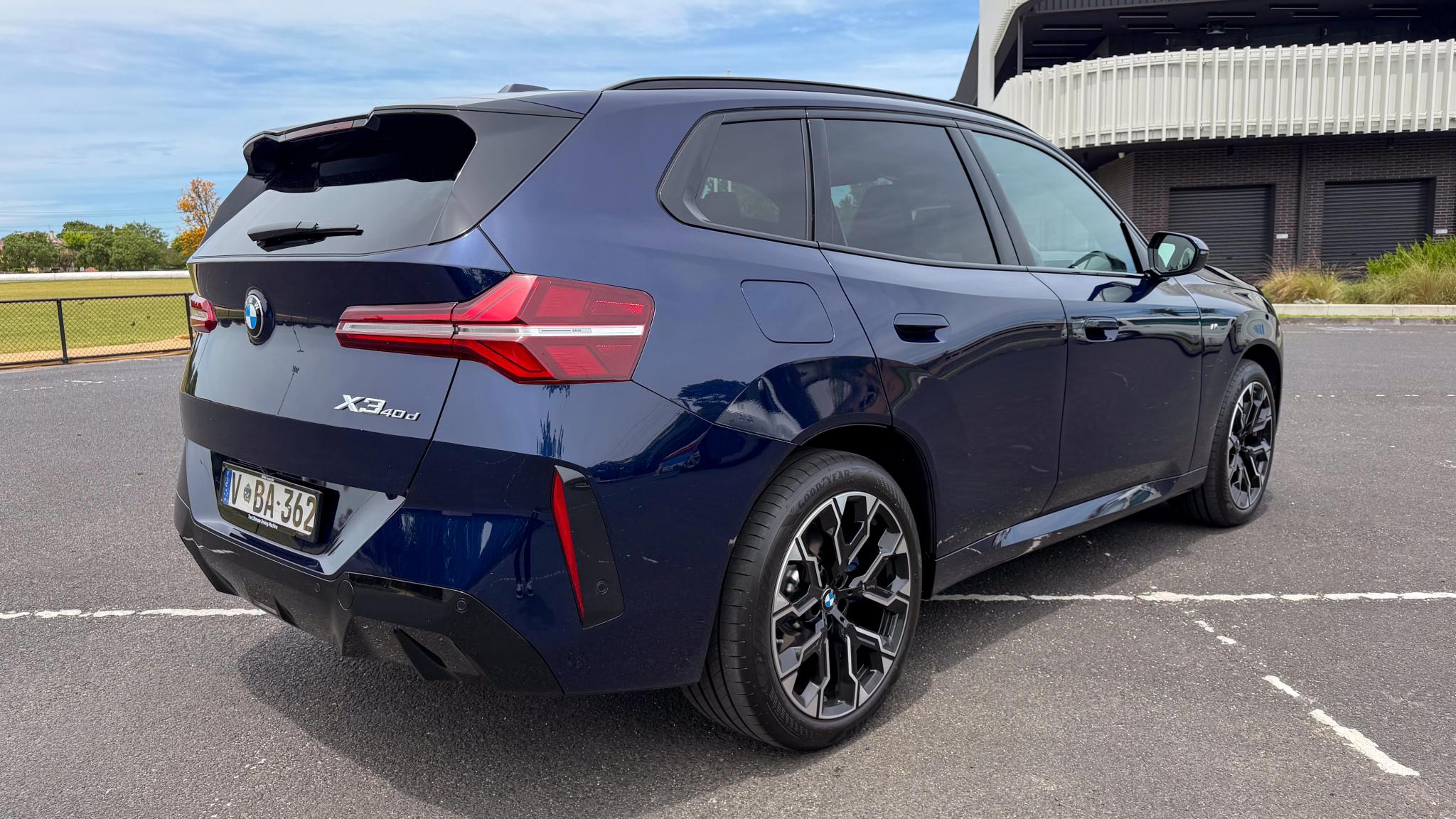
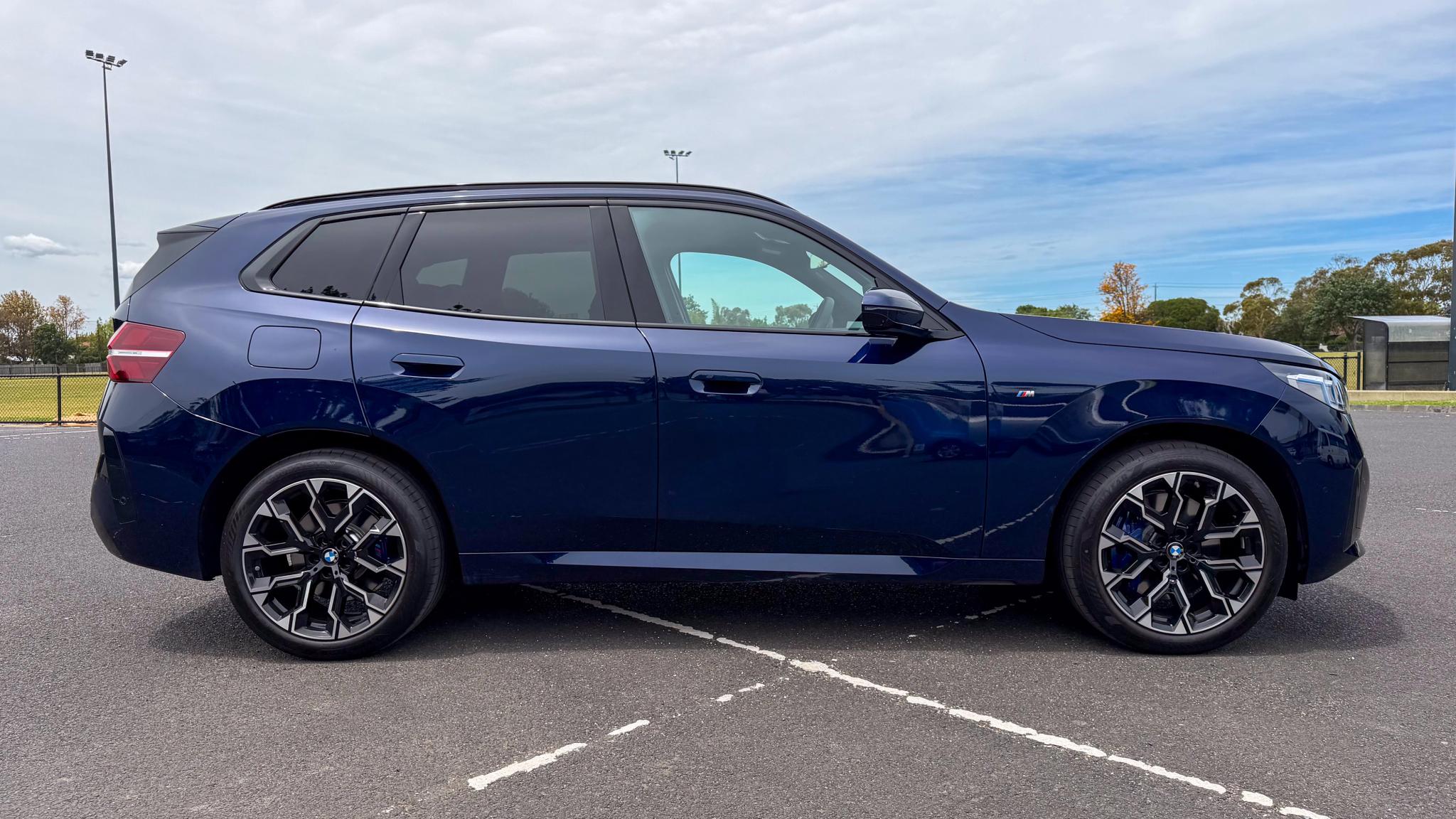
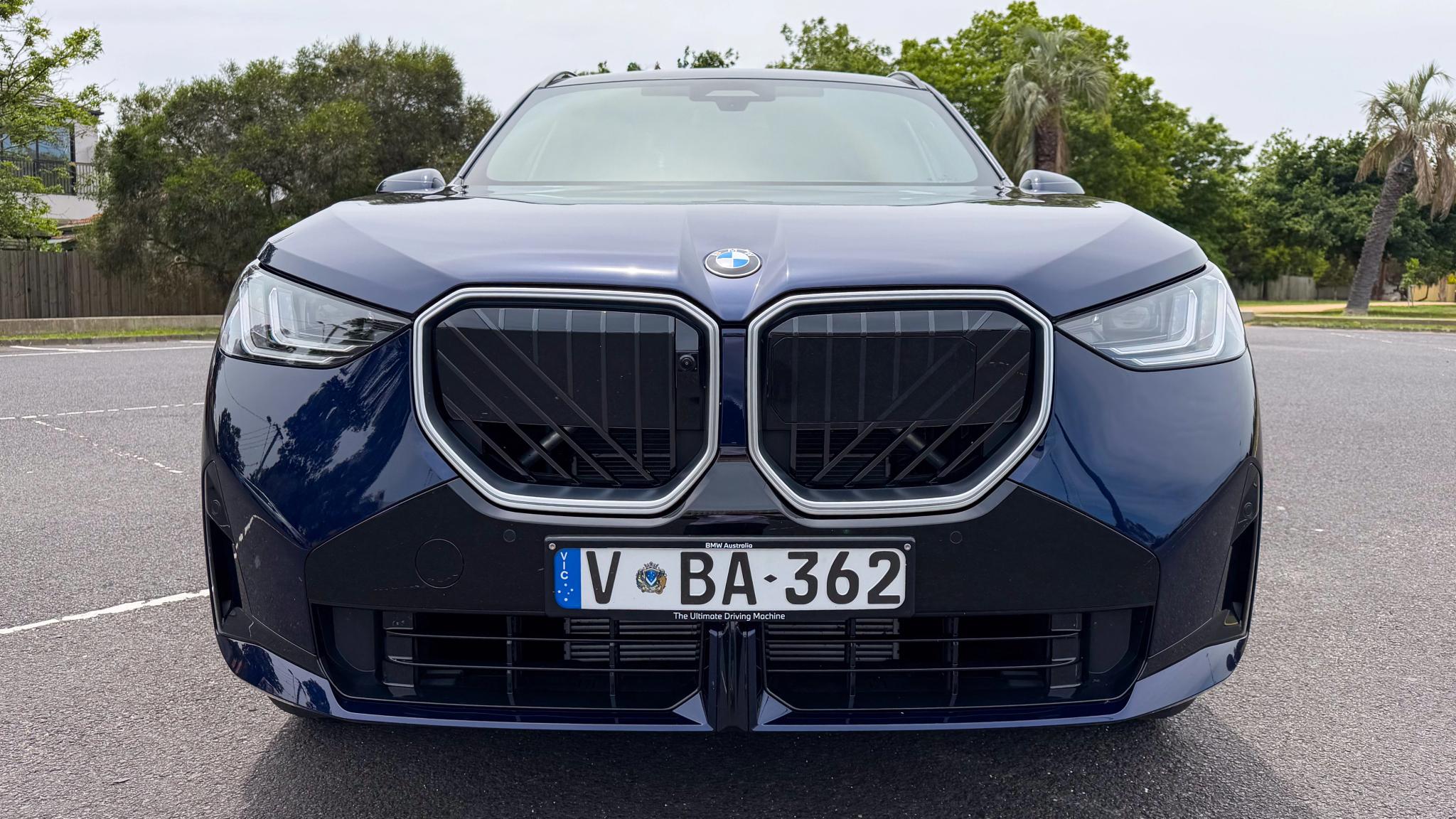
The G45 generation X3 is a more assertive-looking vehicle than its predecessor. Up front, the wide twin-kidney grille is flanked by slim, sharp adaptive LED headlights that give it a focused, purposeful stance. In profile, it's clean and well-proportioned - there is real visual tension in the bodywork without resorting to gimmickry. The M Sport body kit fitted as standard adds low-profile sills and a more aggressive front and rear apron, helping it look the part without venturing into outright performance pretension.
The 20-inch M wheels fill the guards well and the overall impression is of a car that knows exactly what it is. Understated confidence rather than shout-it-from-the-rooftops styling. In Tanzanite Blue, it looks genuinely special.
What is the BMW X3 40d like inside?
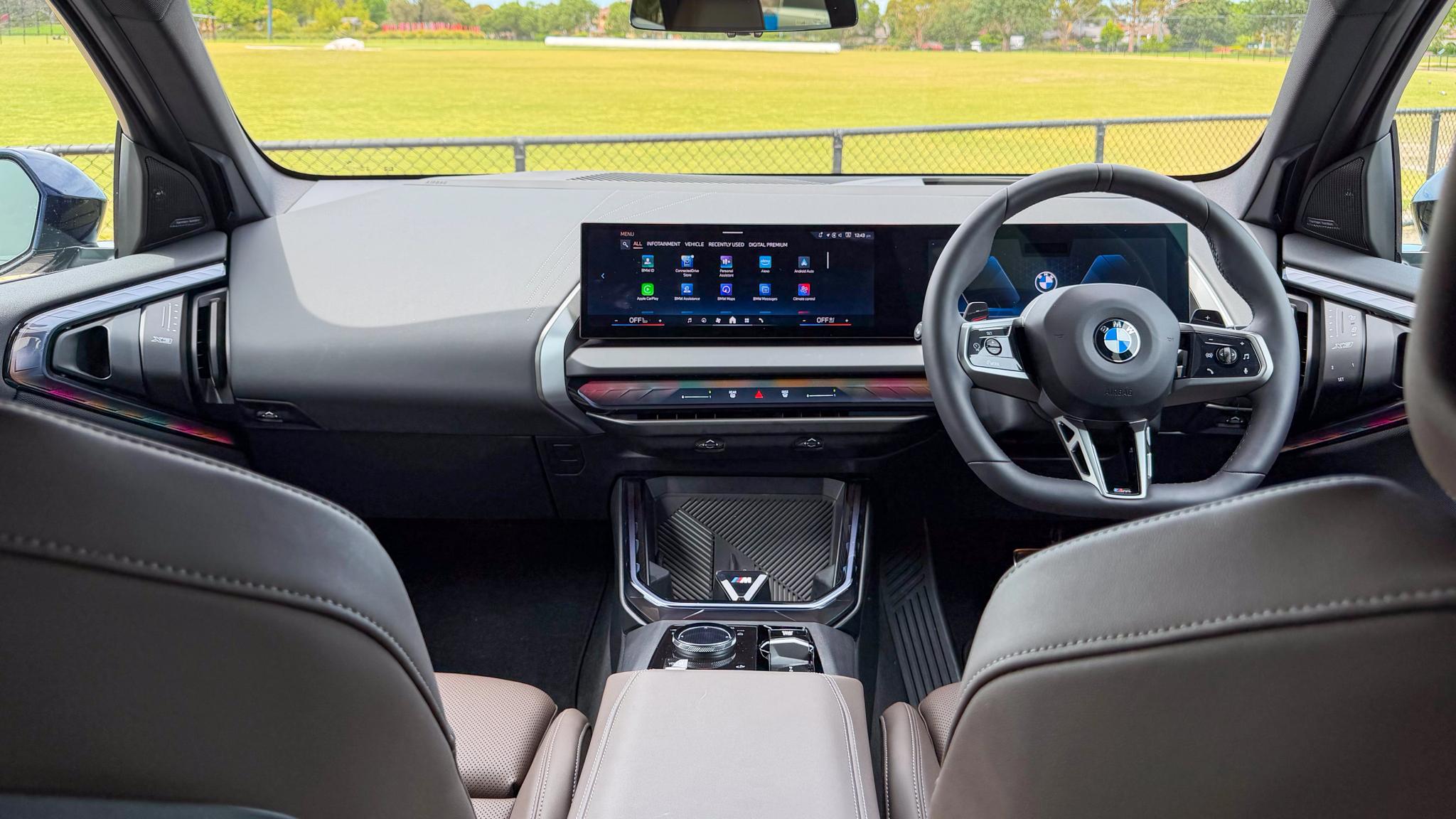
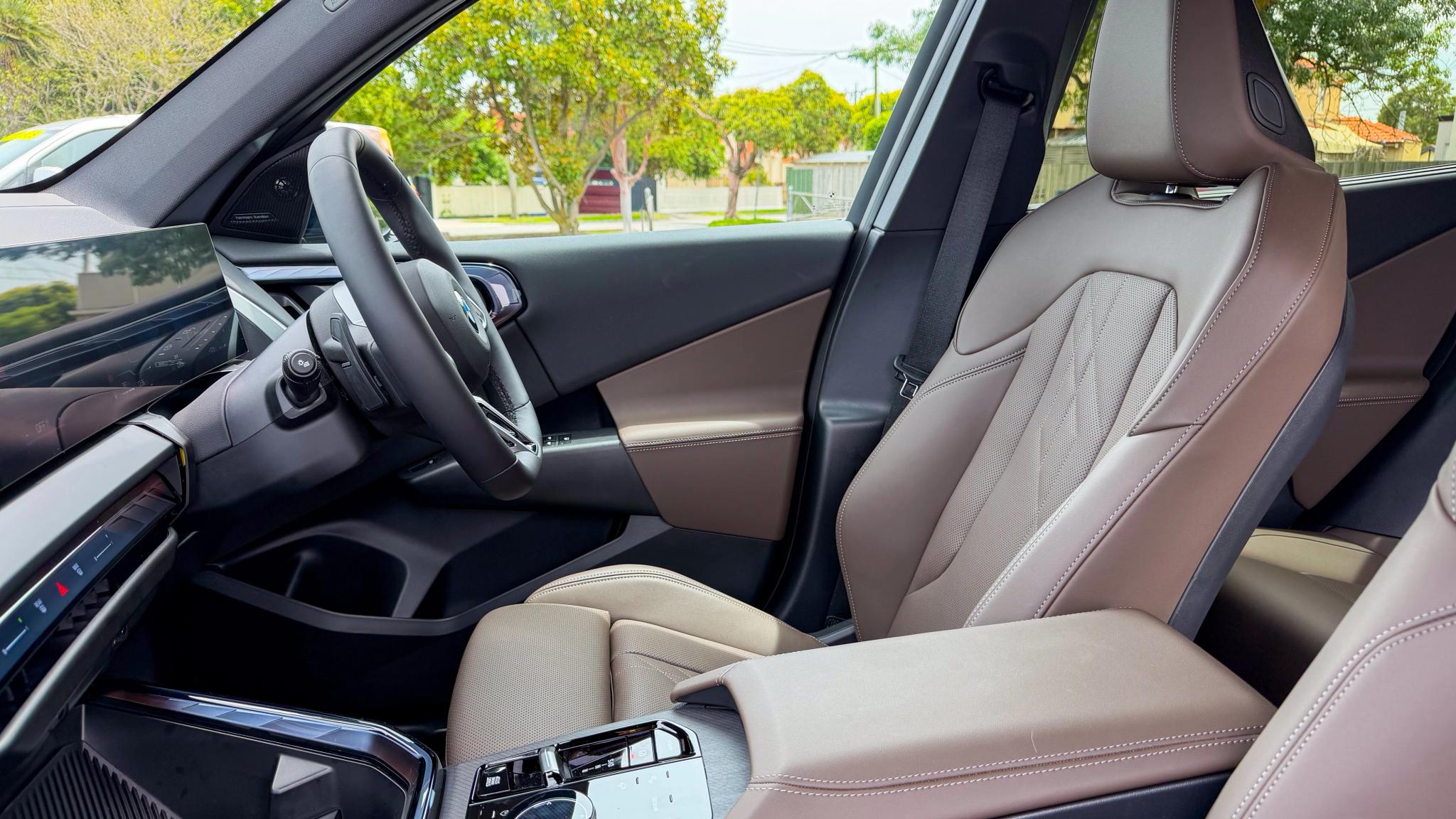
Step inside and the X3 makes an immediate impression. The interior design is a significant departure from the previous generation - more angular, more dramatic, with a minimalist approach to physical controls that will divide opinion. A 14.9-inch curved infotainment screen and 12.3-inch digital instrument cluster dominate the dashboard, running BMW's latest Operating System 9.
The system supports wireless Apple CarPlay and Android Auto, a personal eSIM for 5G connectivity, over-the-air updates and 'Hey BMW' voice control. It is comprehensive, and with some familiarity the interface becomes more intuitive. That said, a few more physical shortcut buttons would not go amiss - the current setup demands too much screen interaction for simple functions.
Materials are largely impressive at this price, though some surfaces feel a touch below the asking price up close. The steering wheel is noticeably thick - a personal quirk of BMW's current design language that not everyone will warm to. Ambient lighting runs across the doors, dash and centre console, and it creates a genuinely premium atmosphere at night.
How practical is the BMW X3 40d?
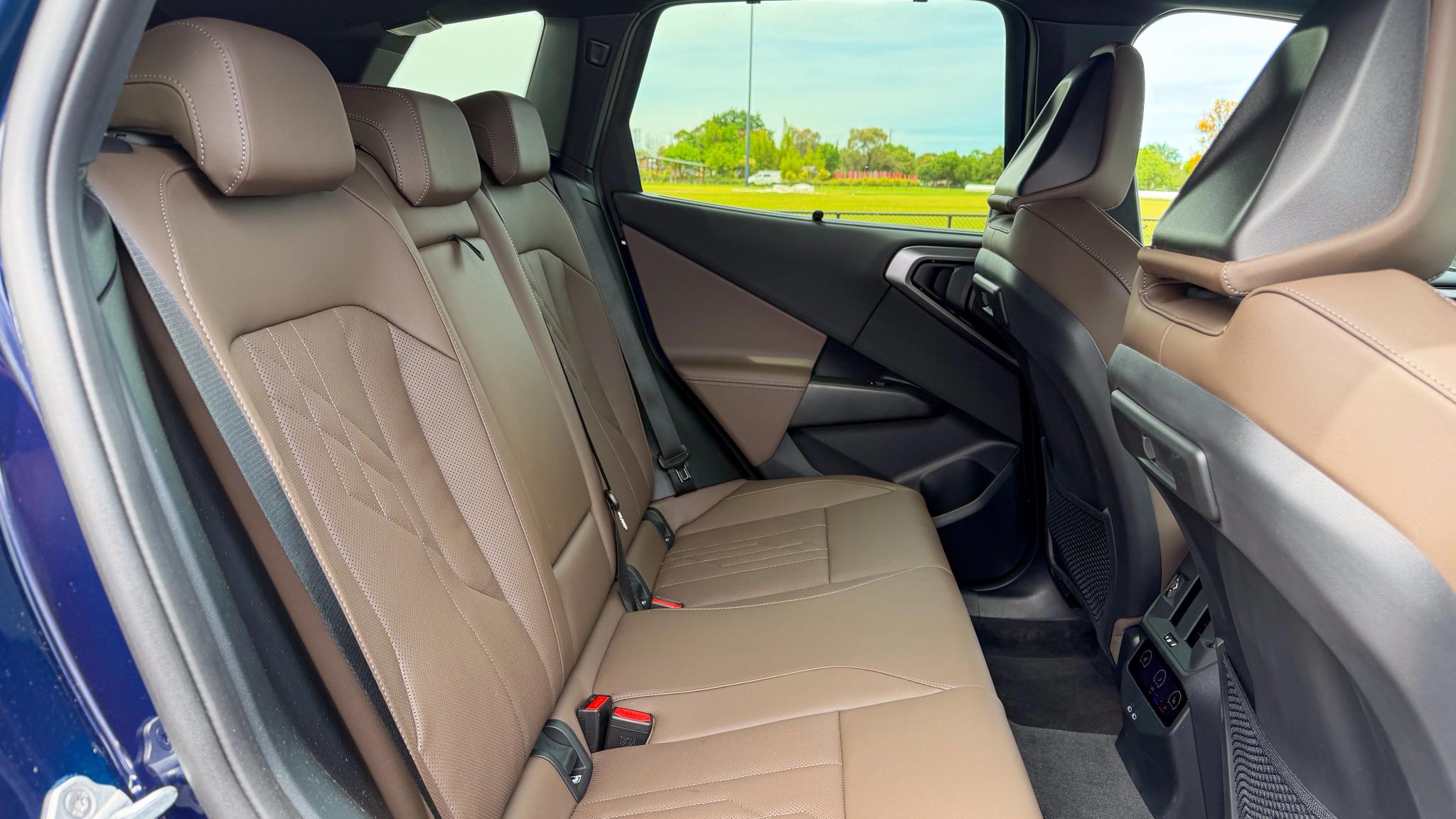
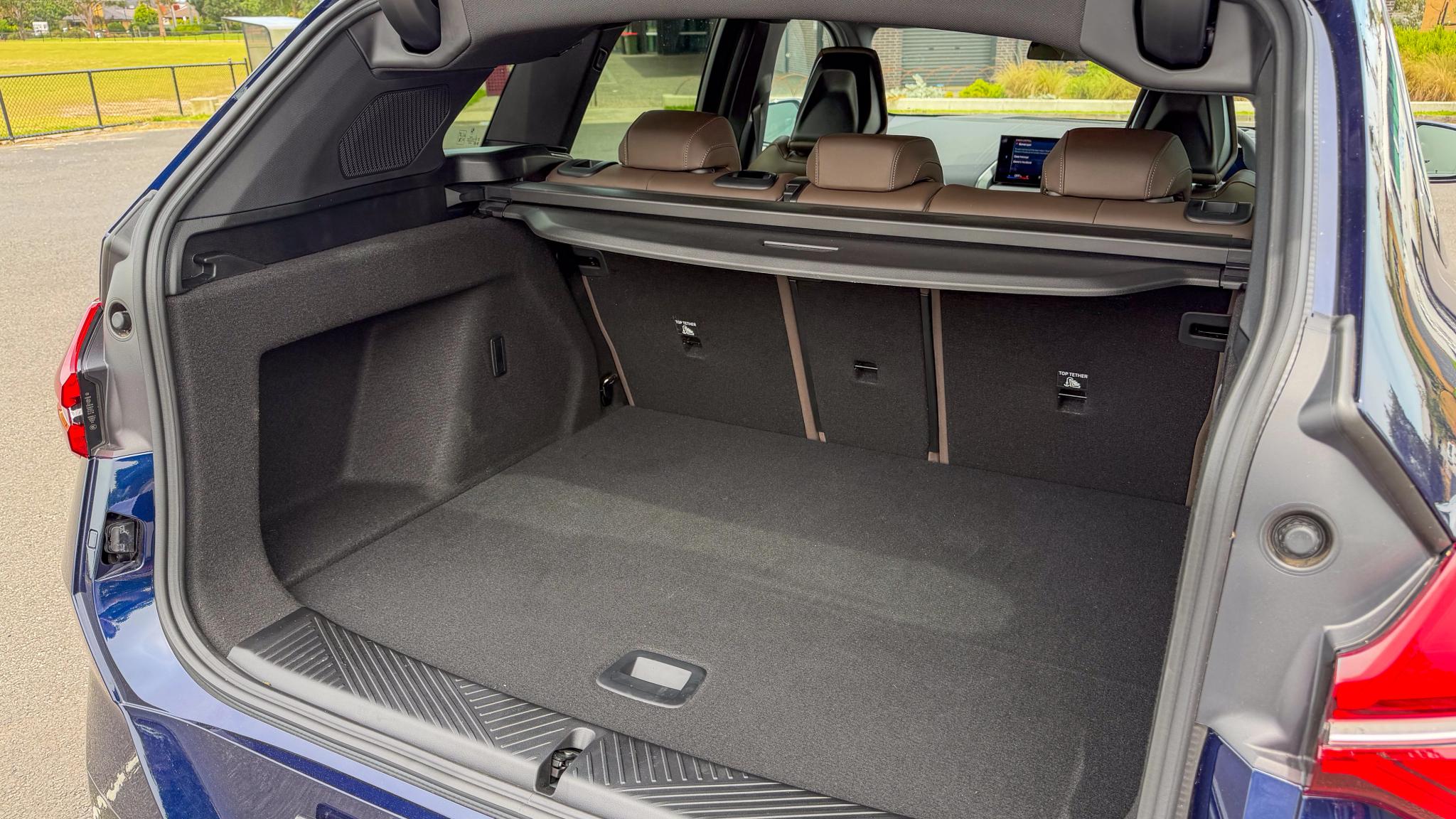
Rear-seat space is genuinely excellent. The G45 is a larger car than its predecessor, and adult passengers will have no complaints about legroom or headroom. The 570-litre boot covers most daily requirements comfortably, expanding to 1,700 litres with the rear seats folded - more than adequate for families or frequent travellers.
Rear side window blinds are a welcome and increasingly rare inclusion. Braked towing capacity is 2,200kg, which opens the door for light trailer or boat duties. One notable omission: there is no spare tyre. A repair kit is included, but on rural roads or long highway stints, that is worth factoring into your decision.
What is the BMW X3 40d like to drive?
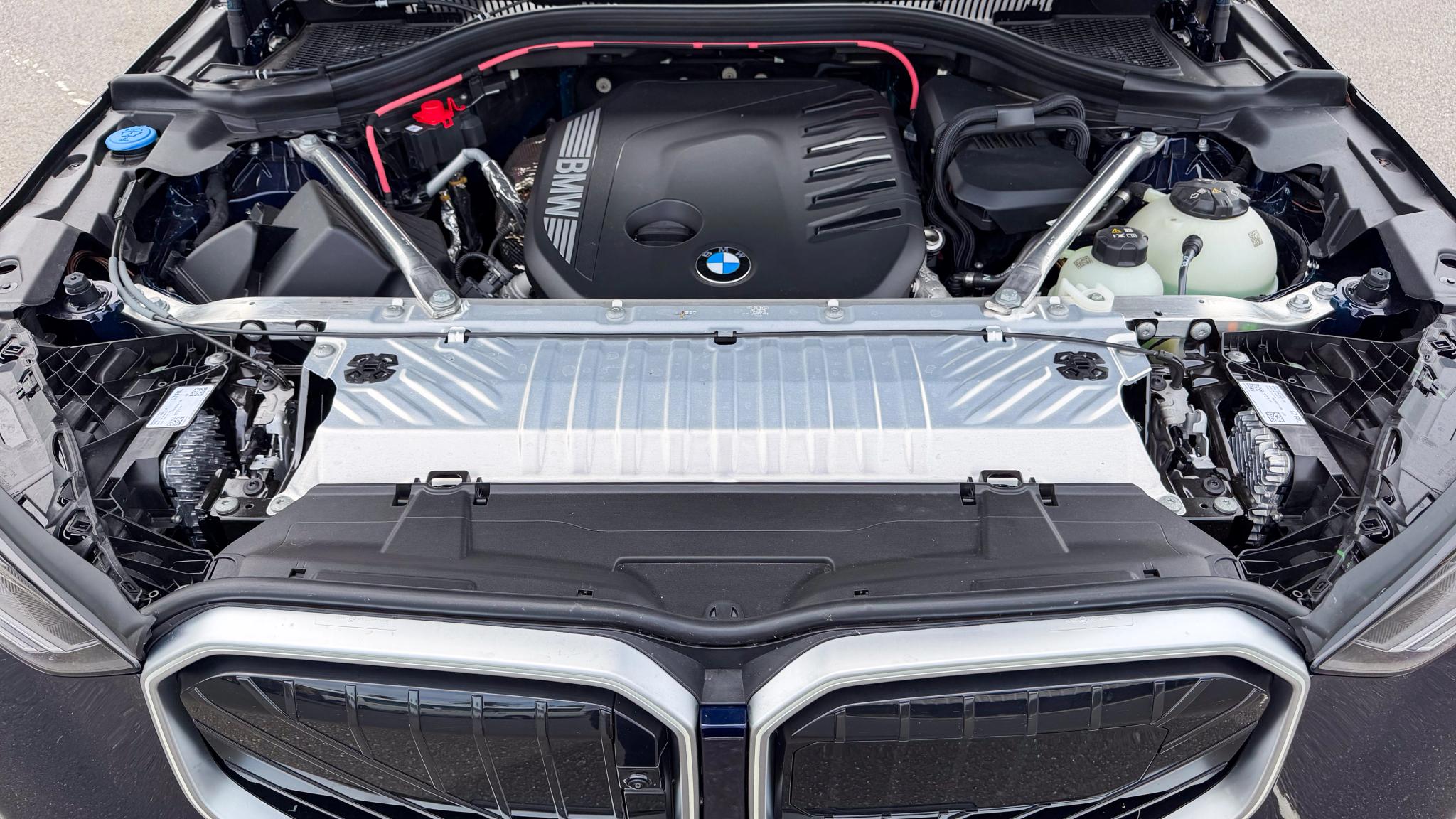
This is where the 40d argument becomes genuinely compelling. The 3.0-litre straight-six turbo diesel - paired with 48V mild-hybrid assistance - produces 223kW and 670Nm. On paper, the 0-100km/h sprint of 5.4 seconds sounds impressive. On the road, it feels even better than that.
What sets this engine apart is not just the performance - it is the way it delivers it. The torque arrives in a broad, seamless wave from very low in the rev range. There is no drama, no waiting. You simply press and go. Paired with an eight-speed automatic gearbox that shifts with quiet confidence, the whole experience has a composed, effortless quality that makes highway driving in particular feel utterly relaxed.
And it is genuinely one of the quietest diesel engines you will find in any vehicle today. There is a cultured, muted growl under load - pleasant rather than intrusive - and at cruise it is near-silent. If you had not looked at the badging, you could easily mistake it for a refined petrol.
Dynamically, the X3 40d sits at the top of its class. The steering is precise and communicative - impressive given the vehicle weighs close to 2,000kg. The all-wheel drive system has a rear-biased character that gives the X3 a genuinely engaging feel through corners, a trait that separates it from competitors content to merely feel competent. Braking is strong and consistent.
The adaptive suspension in its default setting can feel a little fidgety over the kinds of broken, patched surfaces that are an unfortunate staple of Australian roads. It is not harsh, but it is firm enough that you notice it on longer runs. Sport mode sharpens the handling further but does not help the ride. Comfort mode is where most owners will likely leave it.
This is a driver's car hiding inside a school-run SUV. Few owners will ever explore its limits - but knowing those limits exist is part of the appeal.
How efficient is the BMW X3 40d?
The 6.6L/100km combined ADR claim is realistic rather than aspirational. On a highway run, consumption in the low-to-mid 5L/100km range is achievable without any particular effort. Even driven with genuine enthusiasm, it is difficult to push much beyond 10L/100km. The 50-litre tank translates to a touring range well in excess of 1,000km under normal conditions - a genuine advantage for drivers covering long distances regularly.
This is the diesel argument in clear, practical terms. No other powertrain in this segment gives you this combination of performance and efficiency. For buyers who cannot or do not want to rely on home charging, the 40d makes more real-world sense than the plug-in hybrid 30e - even at a higher sticker price.
Is the BMW X3 40d safe?
The 2026 X3 is unrated by ANCAP but carries a five-star Euro NCAP result from 2025, with scores of 88 per cent for adult occupant protection, 84 per cent for child occupant protection, 77 per cent for vulnerable road users and 80 per cent for safety assist.
The active safety suite is extensive - autonomous emergency braking, adaptive cruise with traffic jam assist, blind-spot monitoring, lane-keep with steering assist, cross-traffic alert and a self-parking system capable of memorising and autonomously repeating a parking sequence. An onboard drive recorder is also included. Crucially, the calibration of these systems is well-judged. They intervene when needed rather than second-guessing the driver at every opportunity.
What are the main rivals to the BMW X3 40d?
The diesel mid-size SUV segment has contracted sharply. Mercedes-Benz no longer offers a diesel GLC, which removes the most natural like-for-like comparison from the table entirely.
The Audi Q5 diesel is the closest alternative in spirit, but it sits closer to the base X3 in price and output - buyers cross-shopping the 40d will likely find it underwhelming once they've driven the BMW back-to-back.
The Volkswagen Touareg 210TDI Elegance at $105,990 is worth a look if you want more interior volume for less money - it's a genuinely strong all-rounder - but it trades the X3's driver-focused dynamics for a more relaxed, comfort-first character.
Buyers who are powertrain-agnostic should also consider the Audi Q7 45 TDI at $120,530, which steps up to seven seats at a similar price point, and the Lexus RX 500h if a hybrid suits better - though neither matches the 40d's specific combination of performance, efficiency and driving engagement.
Should I buy the 2026 BMW X3 40d?
If you drive significant distances, commute on highways regularly or simply refuse to compromise between performance and efficiency - this is your car. The X3 40d is the rare example of a manufacturer getting everything right with a powertrain choice. The engine is exceptional, the dynamics are class-leading, and the overall package is polished enough to justify the premium.
The criticisms are real but easily manageable and at $111,900 plus on-road costs you are spending serious money before a single option is added.
Find a strong drive-away deal (and they exist) and you will not regret it.
VerdictThe Beep Verdict
Rob Leigh
Co-founder & Director
Rob Leigh is Co-founder and Director of The Beep based in Melbourne, Australia. He has 15+ years inside a major automotive OEM, specialising in product planning, pricing and vehicle strategy.
About Author