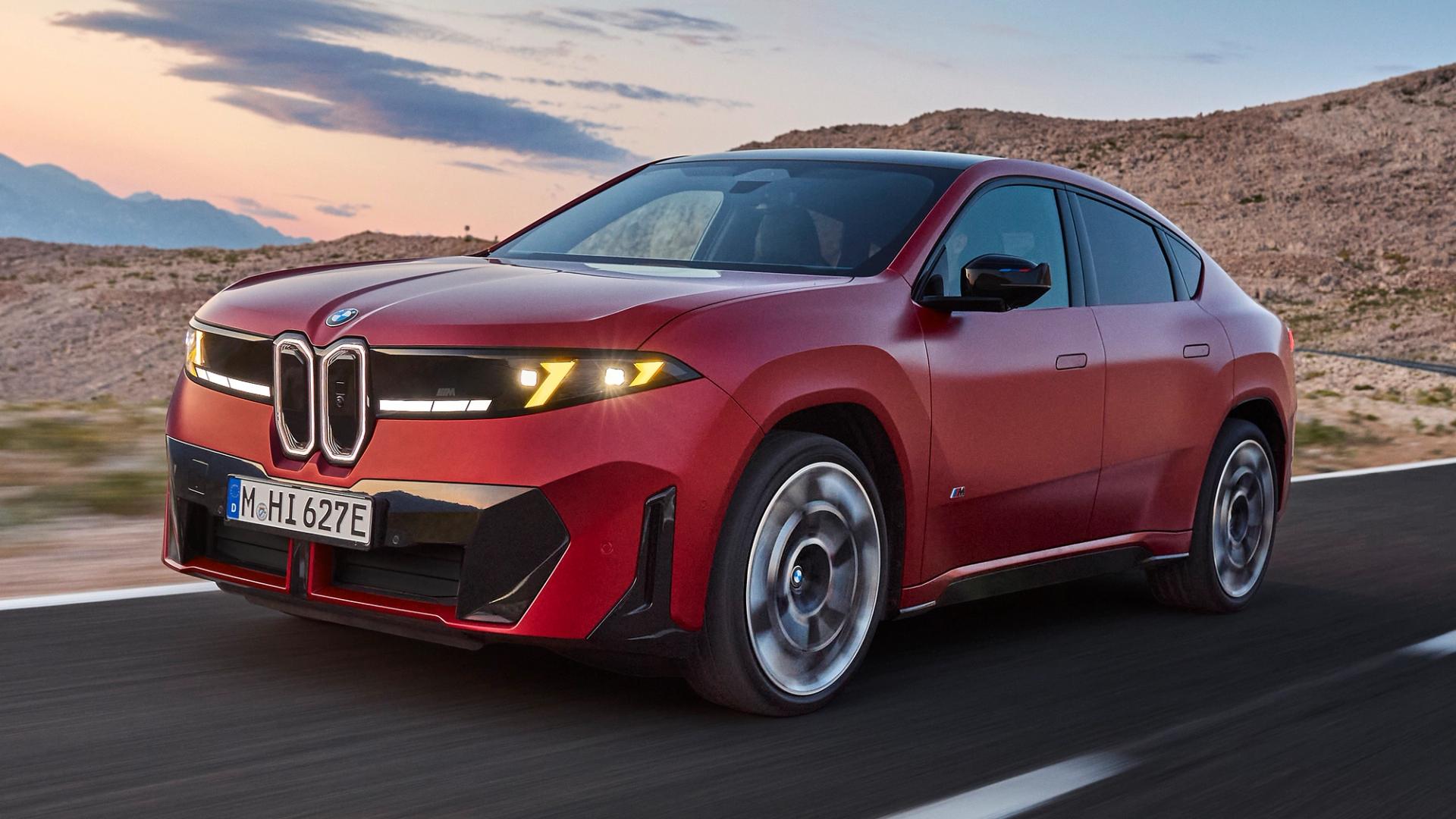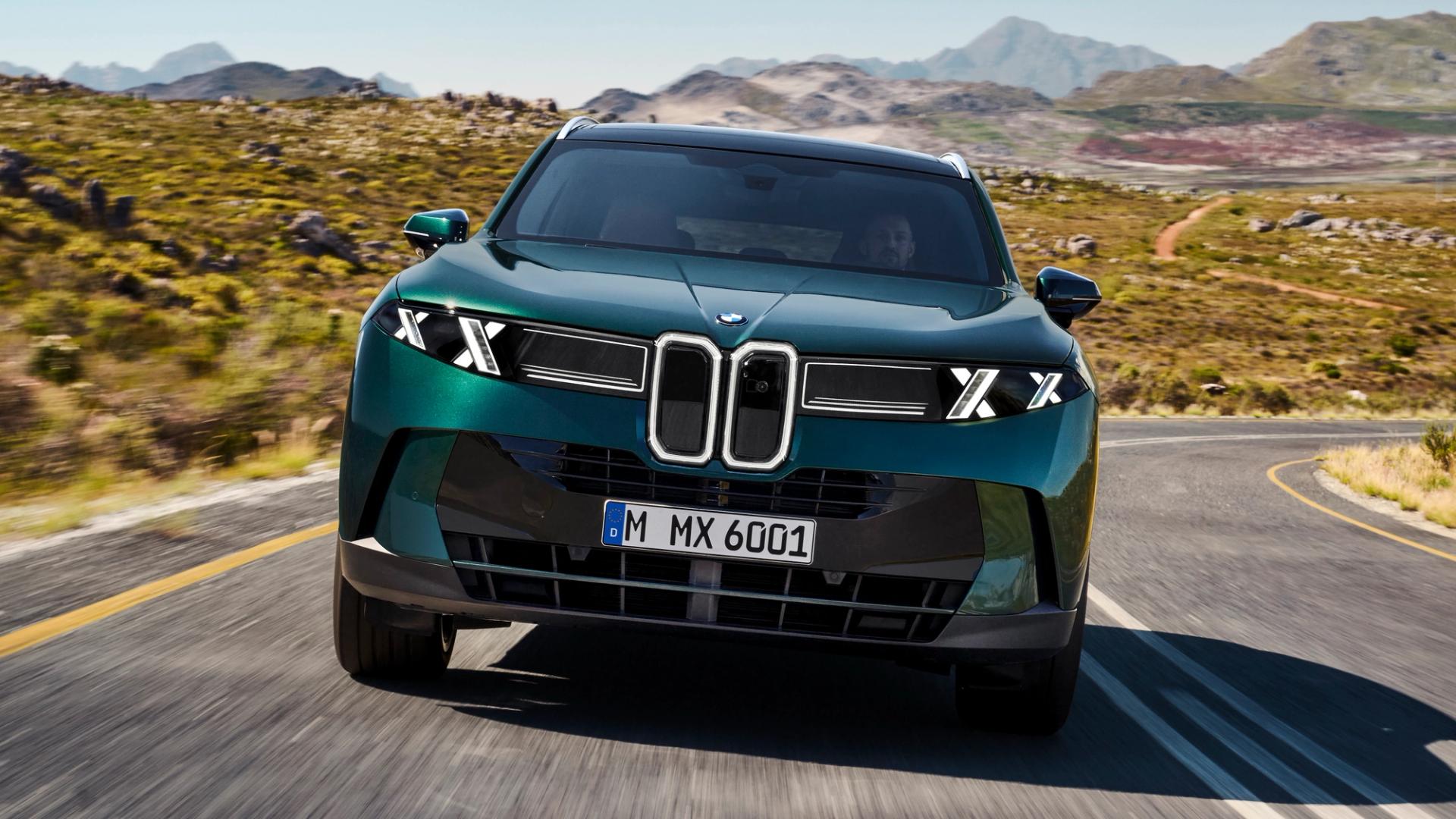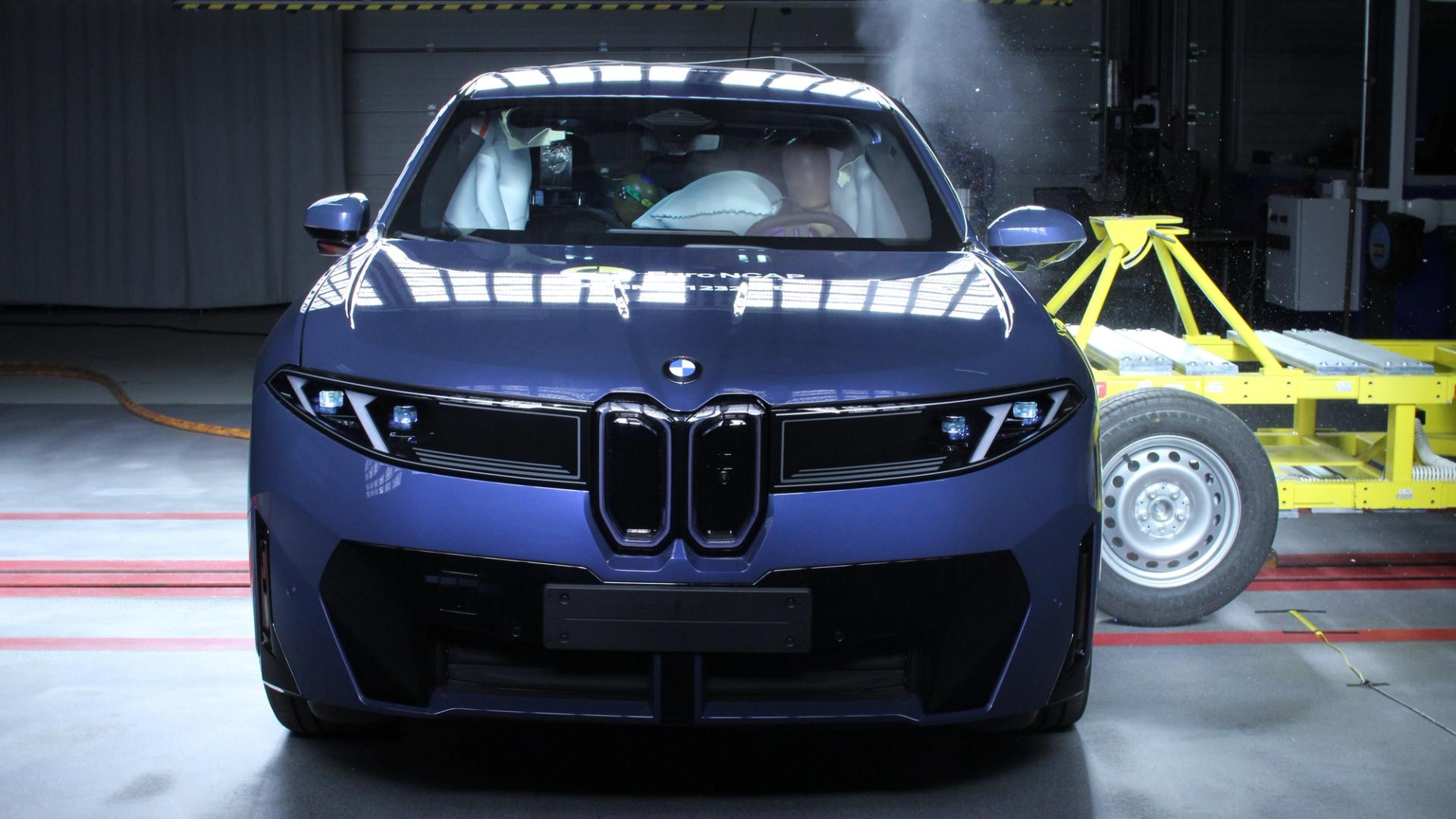
BMW i3 sedan reveals final specs before March 18 design premiere
The all-electric BMW i3 Neue Klasse sedan has completed Arctic winter testing in Sweden, with BMW confirming 469hp, 400kW peak charging, and a production start in the second half of 2026.

Rob Leigh
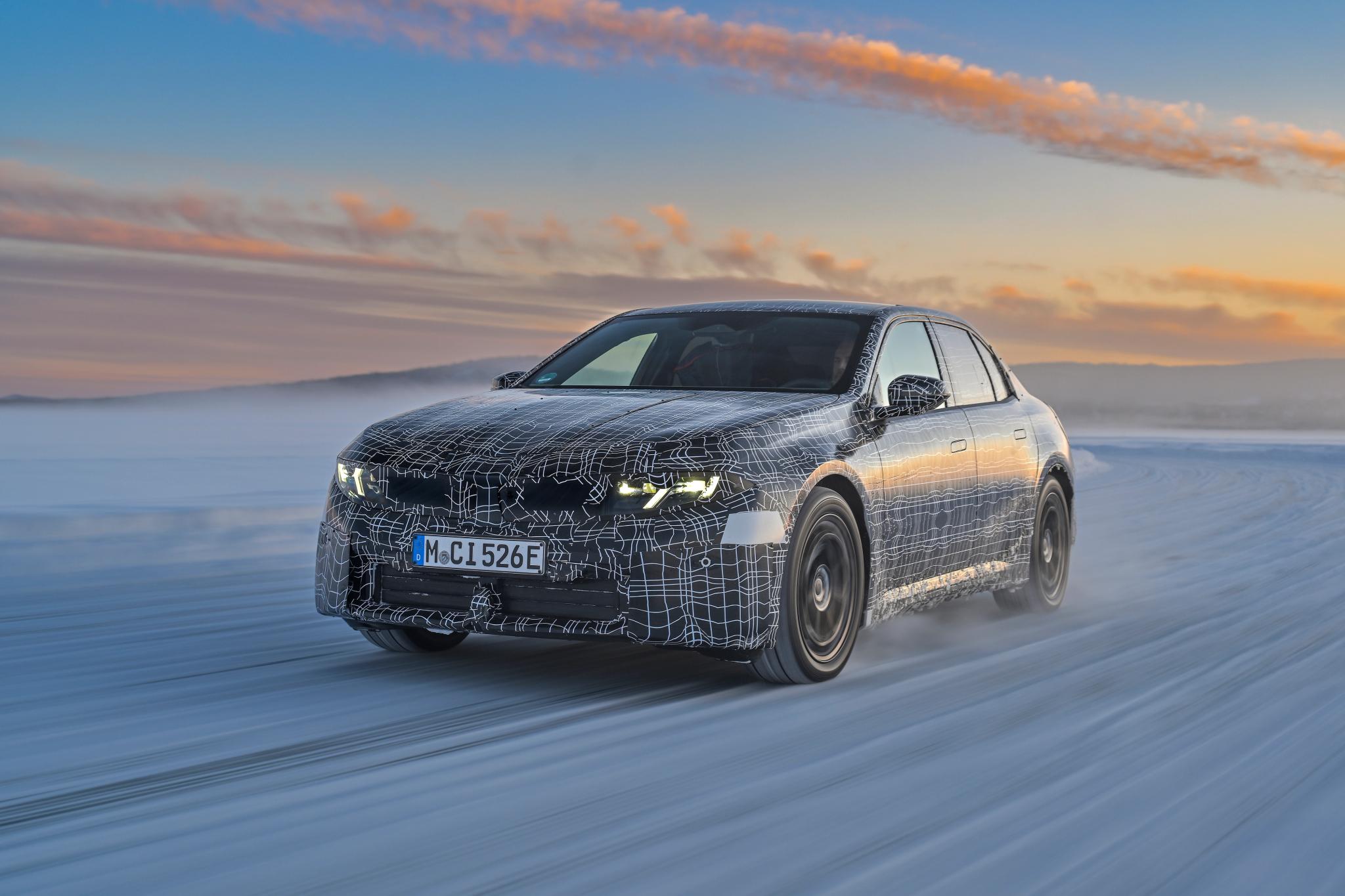
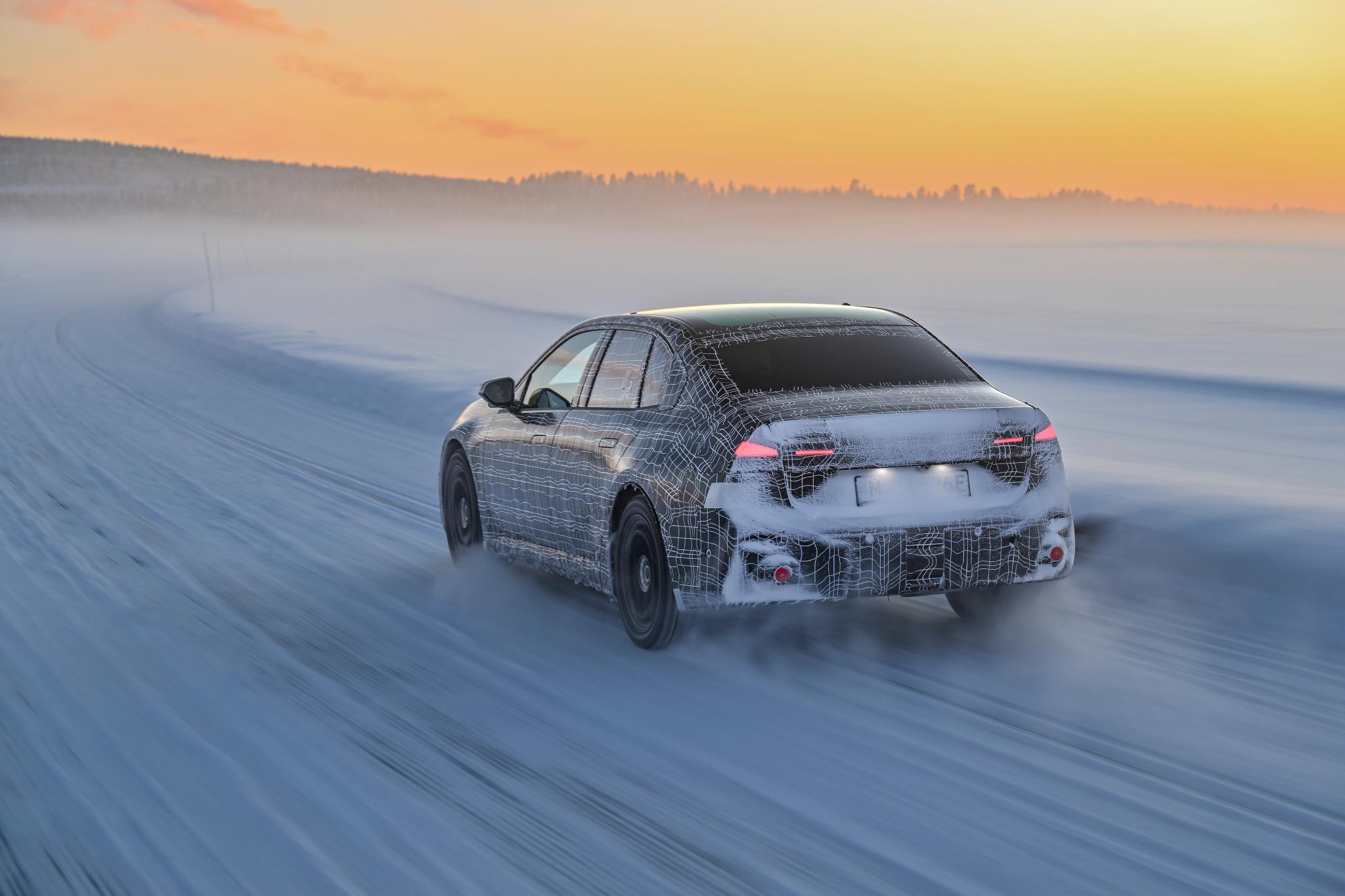
The all-electric BMW i3 Neue Klasse sedan has completed Arctic winter testing in Sweden, with BMW confirming 469hp, 400kW peak charging, and a production start in the second half of 2026.
BMW's next-generation electric sedan is almost here. The BMW i3, the second model in the company's Neue Klasse platform, has finished its cold-weather development program in Arjeplog, Sweden, ahead of a design premiere on 18 March 2026.
The car is built around what BMW calls the "Heart of Joy," a central control unit that manages the powertrain, brakes, steering, and energy recuperation. BMW says it responds ten times faster than previous systems, which translates to sharper handling corrections and more consistent cornering behaviour without constant DSC intervention.
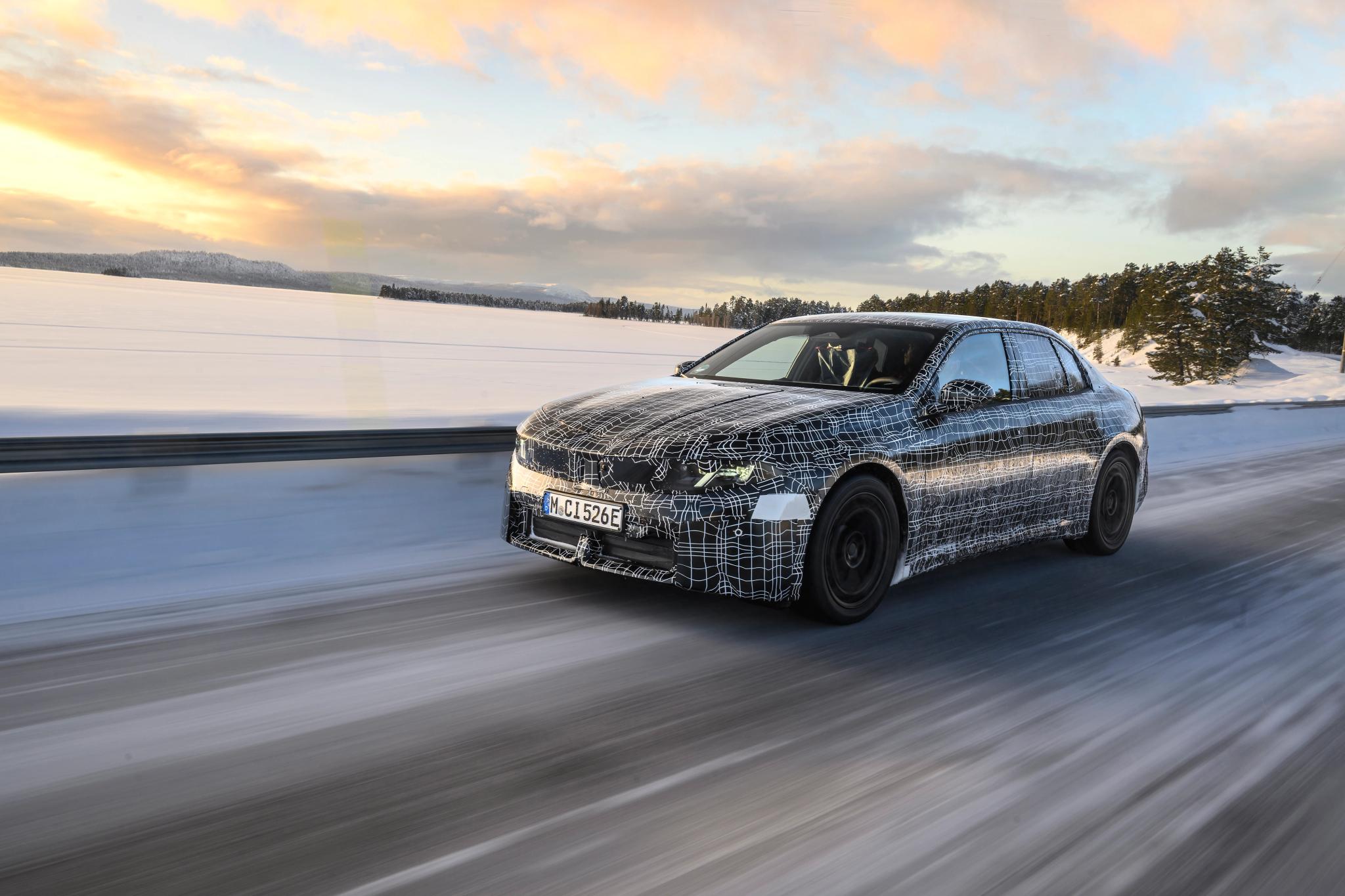
Power comes from a dual-motor setup: an EESM unit on the rear axle and an ASM unit at the front. Combined output is 345kW (469hp) with 645Nm of torque. The sixth-generation eDrive system runs on 800-volt architecture with a peak charging rate of up to 400kW.
One detail worth flagging for EV buyers: BMW claims the i3's "Soft-Stop" braking is the smoothest of any 3 Series generation, using precise motor control to eliminate the jerk and noise typical of regenerative braking systems.
The testing program in Sweden included frozen lake surfaces and snow-covered roads, conditions that allowed engineers to tune traction and stability systems under low-friction, repeatable conditions.
No Australian pricing or confirmed local on-sale date has been announced. BMW Australia recently confirmed the Neue Klasse iX3 SUV is coming here with a competitive price position, so the i3 sedan will likely follow. The design reveal on 18 March should bring full visual confirmation and potentially more detailed specs.
Production is slated for the second half of 2026, so Australian deliveries, if confirmed, are realistically a 2027 story.
Rob Leigh
Co-founder & Director
Rob Leigh is Co-founder and Director of The Beep based in Melbourne, Australia. He has 15+ years inside a major automotive OEM, specialising in product planning, pricing and vehicle strategy.
About Author