Best hybrid SUVs in Australia 2026: Top 10 ranked
Australia's hybrid SUV market has never been busier, broader or harder to navigate. These are the best hybrid SUVs in Australia for 2026 ranked by value, efficiency, practicality and real-world usability.

Rob Leigh
UPDATED MAY 2026
The gap between Japanese, Korean and Chinese contenders has closed dramatically over the past 18 months, and the right hybrid SUV for an Australian family now depends less on badge loyalty than it does on how the car actually fits into your week.
Mid-size or large. Self-charging or plug-in. School run or country trip. The cars that win here aren't necessarily the cheapest or the most efficient - they're the ones that do the most for the way Australians actually drive.
We have ranked Australia’s best hybrid SUVs based on value, fuel economy, practicality, ownership costs, technology and real-world usability.
10. Mitsubishi Outlander PHEV - best proven seven-seat plug-in

The Outlander PHEV is the elder statesman of Australia's plug-in hybrid market and the heavily updated March 2026 model has just landed in dealerships. The new 22.7kWh battery delivers a claimed 86km of WLTP electric range and combined system output jumps to 221kW - meaningfully more powerful than the model it replaces.
The 2.4-litre petrol engine paired with two electric motors now returns a claimed 1.2L/100km on the NEDC combined cycle, and the dual-motor all-wheel-drive layout still gives it traction the front-drive rivals can't match. New Australian-tuned suspension and steering, fresh Yamaha audio systems and a redesigned interior round out the update.
Mitsubishi's class-leading 10-year/200,000km conditional warranty, 10 years of capped-price servicing and 10 years of roadside assistance make this the strongest aftersales package in the segment.
Verdict: If you need seven seats, AWD and a plug, the Outlander remains the proven default.
| Variant | Price (before on-roads) | Electric range (WLTP) |
| ES AWD PHEV 5-seat | $58,990 | 86km |
| Aspire AWD PHEV 7-seat | $66,790 | 86km |
| Exceed AWD PHEV 5-seat | $71,640 | 86km |
| Exceed Tourer AWD PHEV 5-seat | $74,490 | 86km |
9. Mazda CX-80 P50e - best premium seven-seat plug-in

The CX-80 is Mazda's serious play for premium family buyers and the P50e is the most interesting variant in the range. A 2.5-litre four-cylinder petrol engine paired with an electric motor produces a combined 241kW and 500Nm, with a claimed 65km of electric range.
The real story is practicality - 90-degree rear door openings, ISOFIX across all rear seats, a sliding second row and a genuinely usable third. The cabin is plush and the Bose 12-speaker system sounds excellent. The catch is the entry point. The P50e isn't available below the Touring at $75,750 and the Azami tops out at $87,950. See our full Mazda CX-80 P50e review for the long-form take.
Verdict: For families with a home charger and a taste for quality, the CX-80 P50e is one of the most rounded premium PHEVs on sale.
| Variant | Price (before on-roads) | Electric range (claimed) |
| Touring P50e | $75,750 | 65km |
| GT P50e | $82,750 | 65km |
| Azami P50e | $87,950 | 65km |
8. Hyundai Tucson Hybrid - best well-resolved mid-sizer

The Tucson Hybrid is the Santa Fe Hybrid's smaller, sharper sibling and it delivers most of the same virtues at a meaningfully lower entry price. The 1.6-litre turbo-petrol hybrid is shared with the Santa Fe and Kia Sportage, producing 172kW combined - which makes it one of the punchier hybrids in the mid-size class.
The 2026 update brought Hyundai Digital Key 2 as standard and Hyundai's new seven-year warranty (when serviced through the dealer network). Claimed fuel economy of 4.9L/100km (for the FWD), sharp local chassis tuning and a properly resolved cabin make this one of the most complete mid-size SUVs you can buy.
Verdict: If the Santa Fe is too big or too polarising, the Tucson Hybrid is the obvious next move.
| Variant | Price (before on-roads) | Fuel economy (claimed) |
| Tucson Hybrid FWD | $42,850 | 4.9L/100km |
| Elite Hybrid FWD | $48,350 | 4.9L/100km |
| Elite Hybrid AWD | $50,850 | 5.3L/100km |
| Premium Hybrid AWD | $58,350 | 5.3L/100km |
| Premium N Line Hybrid AWD | $59,850 | 5.3L/100km |
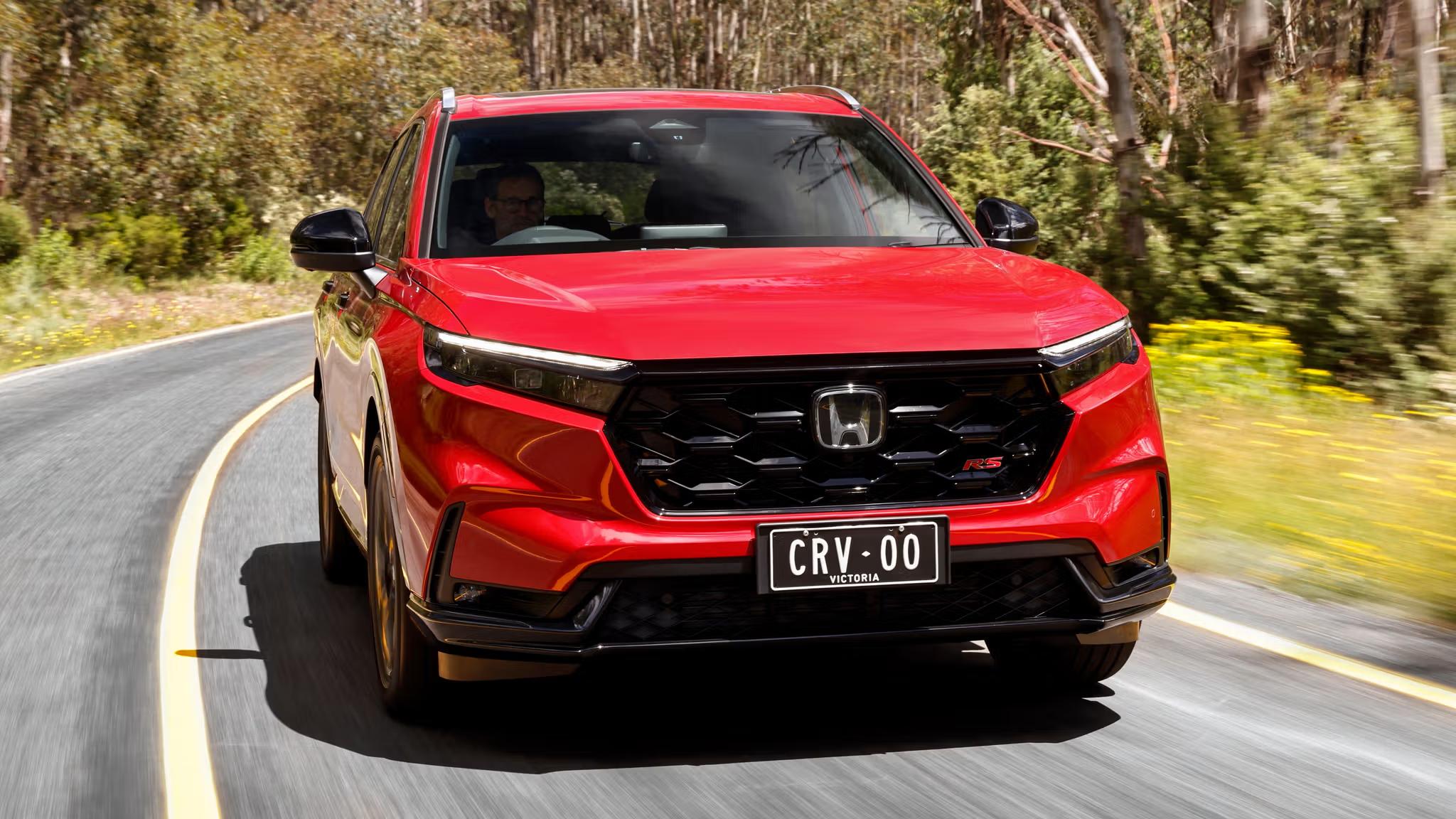
7. Honda CR-V e:HEV - best refined Japanese hybrid

Honda took its time getting a properly competitive CR-V Hybrid to market, but the April 2026 update finally delivers. The hybrid lineup now opens at $49,900 driveaway for the e:HEV X - $10,000 cheaper than the cheapest hybrid CR-V available in 2025 - and stretches to $64,400 for the e:HEV RS AWD flagship. Our full 2026 Honda CR-V e:HEV RS review covers the flagship in detail.
The powertrain pairs a 2.0-litre Atkinson-cycle four-cylinder petrol engine with a dual-motor hybrid system producing a combined 135kW and 335Nm. Honda claims a real-world driving range of over 1,000km between fuel stops, which is genuinely impressive for a mid-size SUV with a 57-litre tank. The late arrival of all-wheel drive on the upper grades also closes off the last real competitive gap with the Toyota RAV4 Hybrid.
The CR-V is also one of the most beautifully resolved cars to drive in the segment - the steering, ride and overall polish are a step above the mainstream Japanese pack. The new 2nd Gen Honda Connect system with Google Built-in (now standard across the hybrid range) is one of the better infotainment setups in this top 10, standard equipment is generous on all grades, and five years of $199 capped-price servicing remains the cheapest in the segment by a meaningful margin. Five years of unlimited-kilometre warranty, five years of premium roadside assistance and a national dealer network round out the package.
Verdict: The CR-V Hybrid is the most polished mainstream Japanese SUV in this top 10. It costs more than the value-led picks, but you can feel where the money goes.
| Variant | Driveaway | Fuel Economy (claimed) |
| e:HEV X FWD | $49,900 | 5.5L/100km |
| e:HEV L FWD | $53,900 | 5.5L/100km |
| e:HEV LX AWD | $58,900 | 5.7L/100km |
| e:HEV RS AWD | $64,400 | 5.7L/100km |
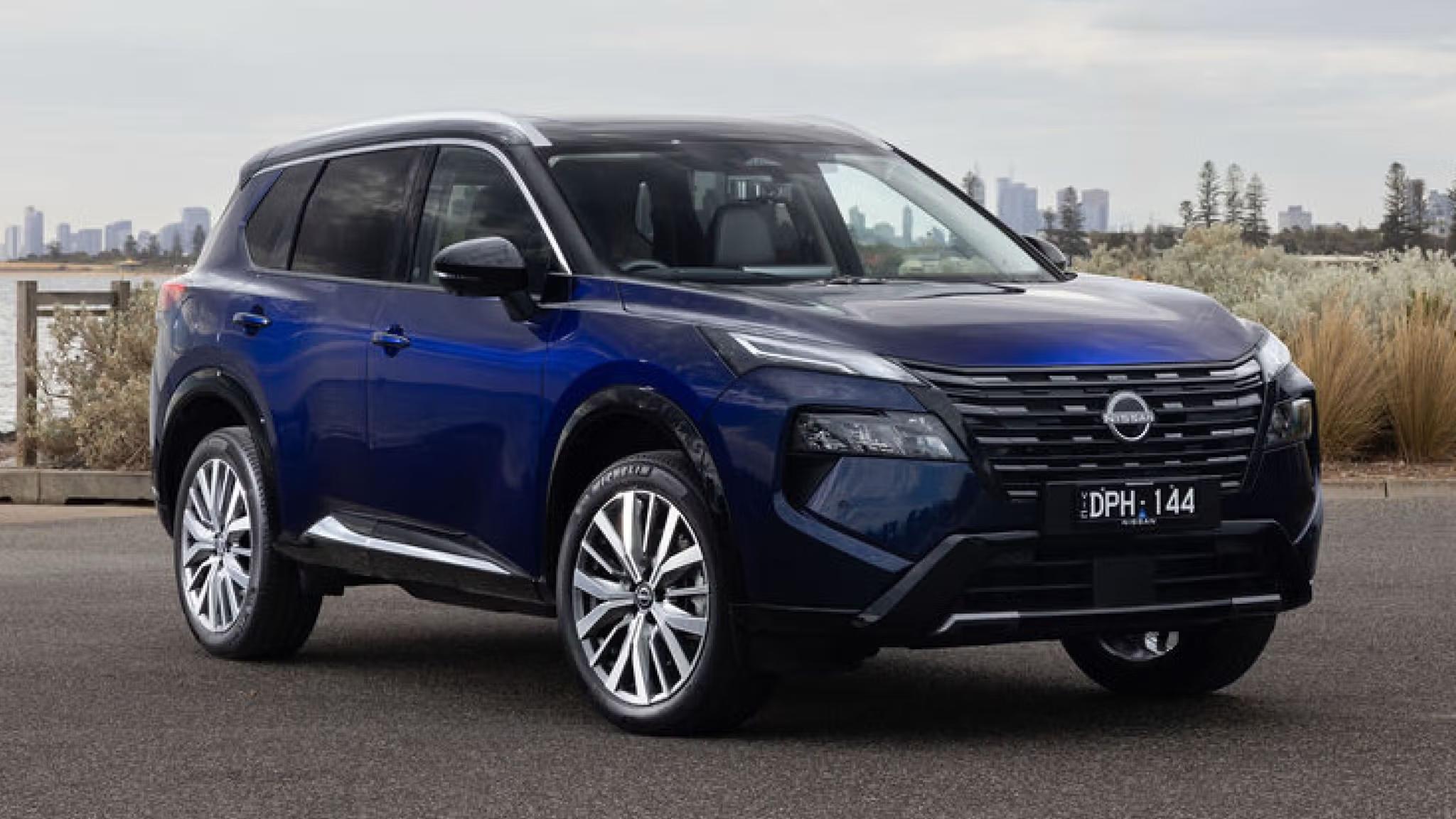
6. Nissan X-Trail e-Power - best EV-like hybrid experience

The X-Trail e-Power remains the most technically interesting hybrid in this segment. The petrol engine never drives the wheels - it acts purely as a generator for the electric motors - which means the driving experience is much closer to a battery EV than a conventional hybrid. Smooth, instant torque, and eerily quiet at low speeds. See our full 2026 Nissan X-Trail e-Power review for the deeper take.
The 2026 facelift brought refreshed exterior styling, new LED lighting signatures, a simplified interior trim palette and price rises of around $1,150 across the range. Pricing now stretches from $42,302 driveaway for the ST petrol up to $58,215 plus on-roads for the Ti-L e-Power AWD flagship.
The downside is that the petrol engine still has to fire under load and when it does, it sounds like a generator working hard. Real-world economy of around 6.1L/100km on the combined cycle is competitive but not as impressive as a Toyota RAV4 Hybrid or a Hyundai Tucson Hybrid. Service intervals also remain on the short side at 10,000km annually.
Nissan's 10-year/300,000km conditional warranty - the strongest in this segment - is the clincher for long-term ownership.
Verdict: If you want a hybrid that feels like an EV without the charging anxiety, the X-Trail e-Power is the one.
| Variant | Price (before on-roads) | Fuel economy (claimed) |
| ST-L e-Power AWD | $48,915 | 6.1L/100km |
| Ti e-Power AWD | $54,415 | 6.1L/100km |
| Ti-L e-Power AWD | $58,215 | 6.1L/100km |
5. BYD Sealion 6 - best value plug-in hybrid

The Sealion 6 is the car that arguably created Australia's PHEV boom. Pricing from $42,990 before on-roads for the Essential makes it one of the cheapest plug-in hybrids on the market, and the new Extended Range variants now claim over 120km of electric driving from a single charge - putting it close to genuine EV territory for the daily commute.
The 1.5-litre petrol engine paired with a single electric motor produces a combined 160kW and 300Nm in the FWD variants, climbing to 238kW combined in the AWD Premium. The 18.3kWh Blade LFP battery is class-leading on safety and longevity, and supports DC fast charging up to 18kW.
The cabin is well-built for the money, the 12.8-inch rotating touchscreen is one of the better Chinese implementations, and standard equipment is generous - even on the entry Essential grade. Real-world fuel economy of around 4.8L/100km is achievable when running as a hybrid, while a depleted-battery commute under 70km can be completed on electricity alone.
The Sealion 6 sits at the centre of the cheapest plug-in hybrids available in Australia in 2026, and a back-to-back drive against the Geely Starray EM-i and Mitsubishi Outlander PHEV is worth doing before signing anything.
Verdict: For the budget, the Sealion 6 delivers an almost unmatched mix of EV range, equipment and real-world refinement.
| Variant | Price (before on-roads) | Electric range |
| Essential Standard Range FWD | $42,990 | 92km |
| Dynamic Extended Range FWD | $46,990 | 140km |
| Premium Extended Range AWD | $52,990 | 128km |
4. Kia Sorento Hybrid - best refined large hybrid

The Sorento Hybrid is the natural choice for buyers who like everything about the Hyundai Santa Fe Hybrid except the styling. It uses the same 1.6-litre turbo-petrol hybrid system and rides on the same underpinnings, but pairs them with more conservative, less polarising design and the widest range of powertrains in the segment - diesel, hybrid and plug-in hybrid all sit under the same nameplate.
Combined output is 169kW and 350Nm, with claimed economy of 5.4L/100km for the FWD and 5.7L/100km for the AWD.
The cabin is well-resolved and quietly premium, particularly on the top GT-Line grade with its Nappa leather, suede headliner and 12-speaker Bose audio. It's competitive with the Santa Fe Hybrid rather than meaningfully better - the two cars trade interior points back and forth depending on which detail you focus on. The Sorento has the more conventional dash layout and a more SUV-like driving position, while the Santa Fe has slightly cleverer second-row packaging.
Kia's seven-year unlimited-kilometre warranty matches Hyundai's (when both are serviced through the dealer network), and the Hyundai Motor Group's Blind Spot View Monitor remains one of the cleverest active safety features in this top 10.
Verdict: If the Santa Fe's styling doesn't sit right with you, this is the SUV to drive next.
| Variant | Price (before on-roads) | Fuel economy (claimed) |
| Hybrid S FWD | $56,675 | 5.4L/100km |
| Hybrid Sport FWD | $59,325 | 5.4L/100km |
| Hybrid Sport+ FWD | $64,255 | 5.4L/100km |
| Hybrid GT-Line FWD | $71,615 | 5.4L/100km |
| Hybrid S AWD | $59,675 | 5.7L/100km |
| Hybrid Sport AWD | $62,325 | 5.7L/100km |
| Hybrid Sport+ AWD | $67,255 | 5.7L/100km |
| Hybrid GT-Line AWD | $74,615 | 5.7L/100km |
| PHEV S AWD | $71,175 | 1.6L/100km |
| PHEV Sport AWD | $73,825 | 1.6L/100km |
| PHEV Sport+ AWD | $78,755 | 1.6L/100km |
| PHEV GT-Line AWD | $86,115 | 1.6L/100km |
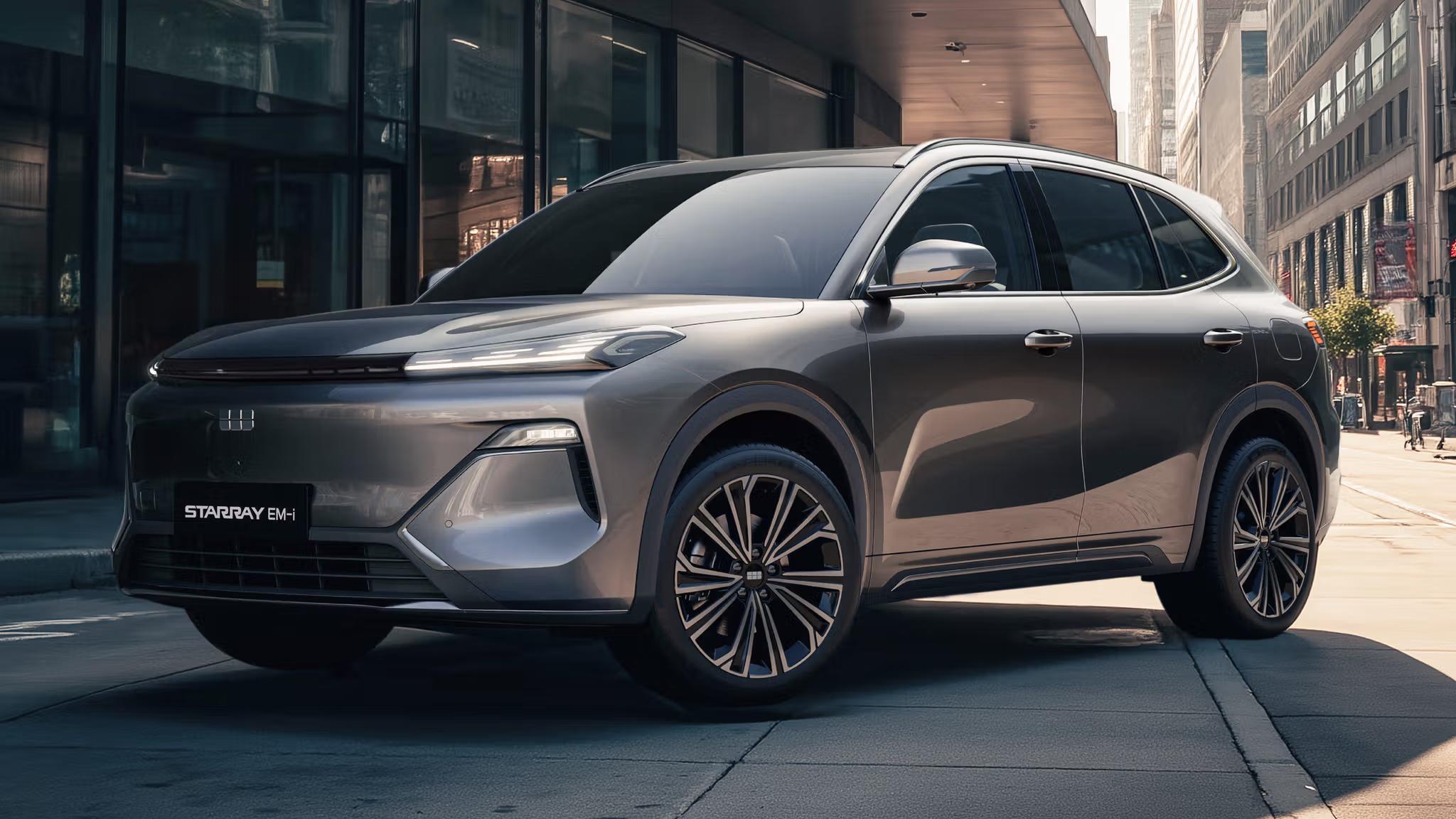
3. Geely Starray EM-i - best newcomer

The Starray EM-i is the breakout hit of the segment in 2026. From $37,490 before on-roads for the Complete and $41,490 for the new Inspire Extended Range - landing at around $45,000 driveaway - it undercuts almost every plug-in hybrid mid-size SUV on the market.
The 1.5-litre petrol engine paired with a single electric motor produces 160kW and 262Nm, with an 18.4kWh battery delivering a claimed 83km of electric range. Real-world hybrid economy of around 2.3L/100km is genuinely impressive for the size, and a full battery means most daily commutes will burn zero fuel. Our full 2026 Geely Starray EM-i review goes deeper on the long-distance numbers.
The cabin is the surprise. Soft-touch materials are used in all the right places, the 15.4-inch touchscreen and 10.2-inch instrument cluster look sharp, and the build quality is closer to a Volvo than a budget rival - which makes sense given Geely owns both. The recent over-the-air update has also fixed the overly aggressive driver attention monitor that plagued early reviews.
Long-term reliability and dealer expansion remain less proven than Toyota or Hyundai, and that's worth weighing if you're planning a five-plus year ownership window. But Geely's seven-year unlimited-kilometre warranty and eight-year battery warranty take some of the sting out of the unknown.
Verdict: For the budget, the Starray EM-i is the most complete plug-in hybrid SUV on the market in Australia right now. Go and drive one.
| Variant | Price (before on-roads) | Electric range (WLTP) |
| Complete | $37,490 | 83km |
| Inspire Extended Range | $41,490 | 136km |
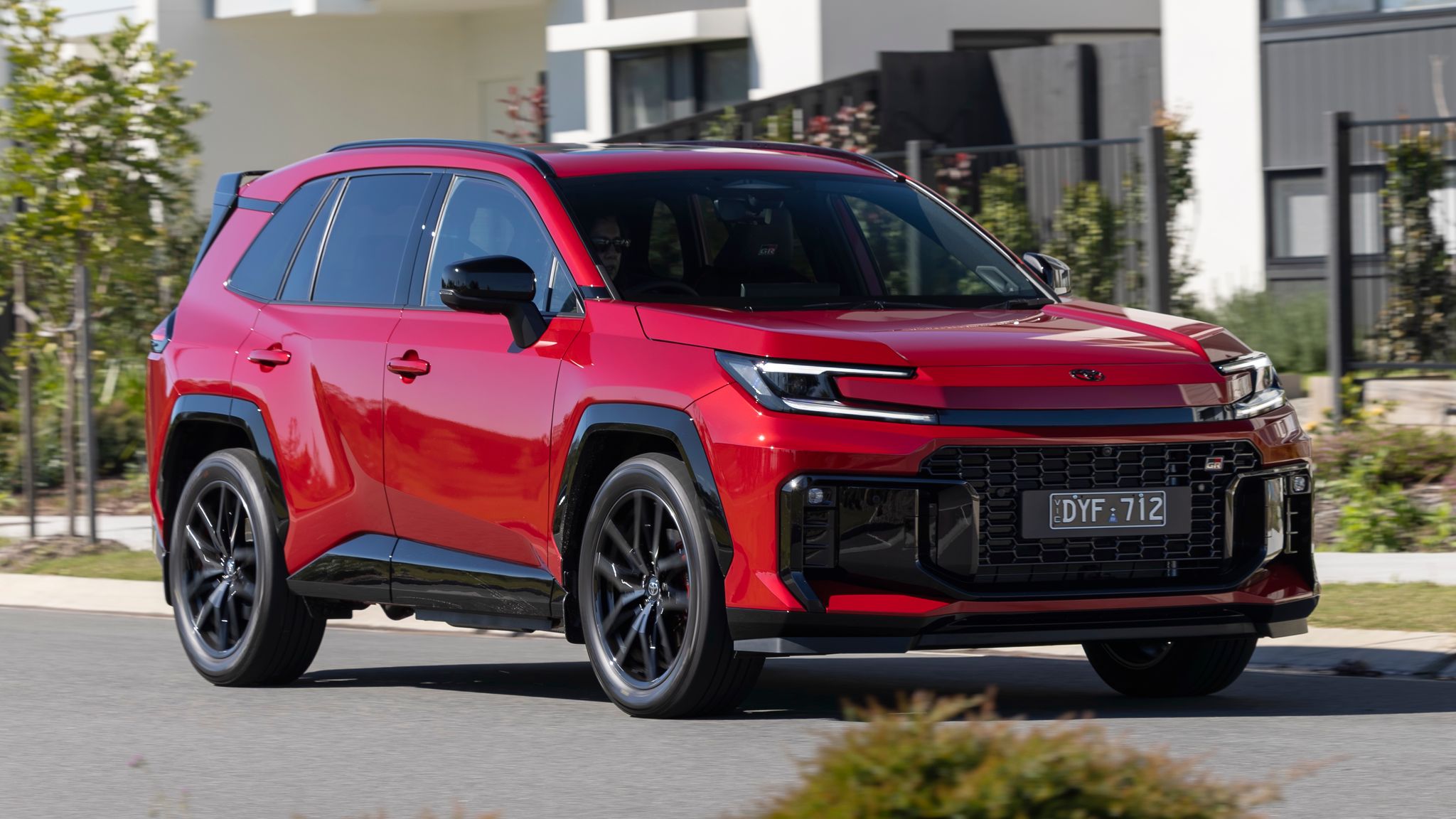
2. Toyota RAV4 Hybrid - best safe long-term choice

The RAV4 has been Australia's best-selling hybrid SUV for years and the all-new 2026 model only strengthens that position. Eleven variants across six trim grades, with prices opening at $45,990 plus on-roads for the GX FWD and topping out at $66,340 for the GR Sport AWD PHEV.
The updated hybrid powertrain produces a combined 143kW - down on the old model - but real-world fuel economy has improved to a claimed 4.5L/100km (FWD), with most testers seeing around 5.8L/100km in mixed driving. The Arene multimedia system is a huge leap forward over the outgoing software, the styling is bolder and more upright, and the cabin is more practical day-to-day.
The compromises are real. Price rises of up to $5,930 sting at the bottom of the range, the driver attention monitor is overzealous and can't be permanently disabled, and the RAV4 currently has no ANCAP rating until Toyota's promised safety upgrades roll out later in 2026.
A five-year warranty extendable to 10 years on the battery (when serviced through Toyota), cheap capped-price servicing and class-leading resale value make this a long-term ownership win.
Verdict: The RAV4 isn't the most exciting choice on this list, but it remains the safest.
| Variant | Price (before on-roads) | Fuel economy (claimed) |
| GX Hybrid FWD | $45,990 | 4.5L/100km |
| GXL Hybrid FWD | $48,990 | 4.5L/100km |
| GX Hybrid AWD | $49,340 | 4.6L/100km |
| GXL Hybrid AWD | $52,340 | 4.6L/100km |
| Edge Hybrid AWD | $55,340 | 4.6L/100km |
| Cruiser Hybrid FWD | $56,990 | 4.5L/100km |
| XSE Hybrid AWD | $59,015 | 4.6L/100km |
| XSE PHEV FWD | $59,515 | 0.7L/100km |
| Cruiser Hybrid AWD | $60,340 | 4.6L/100km |
| XSE PHEV AWD | $64,015 | 0.7L/100km |
| GR Sport PHEV AWD | $66,340 | 0.7L/100km |
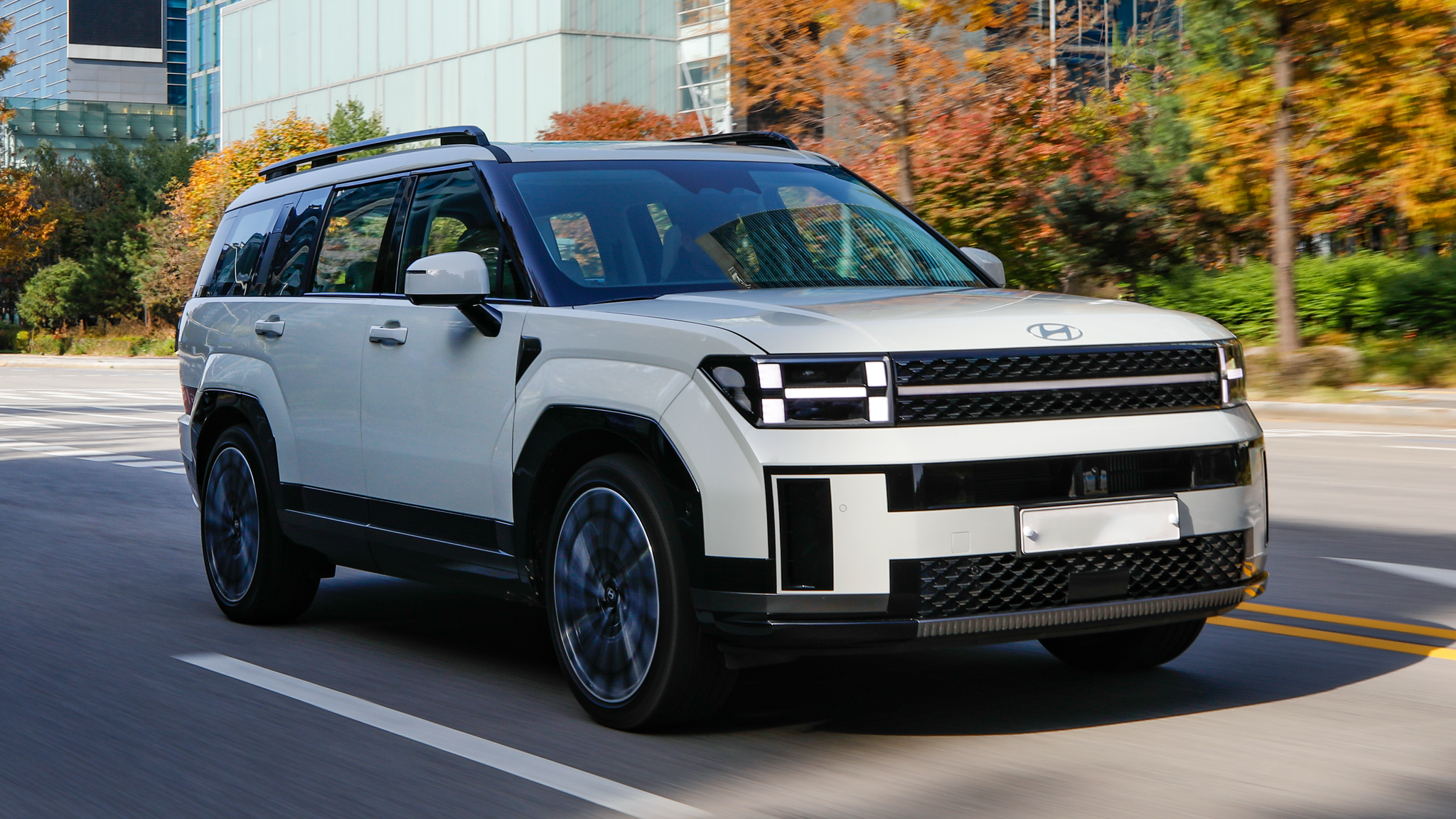
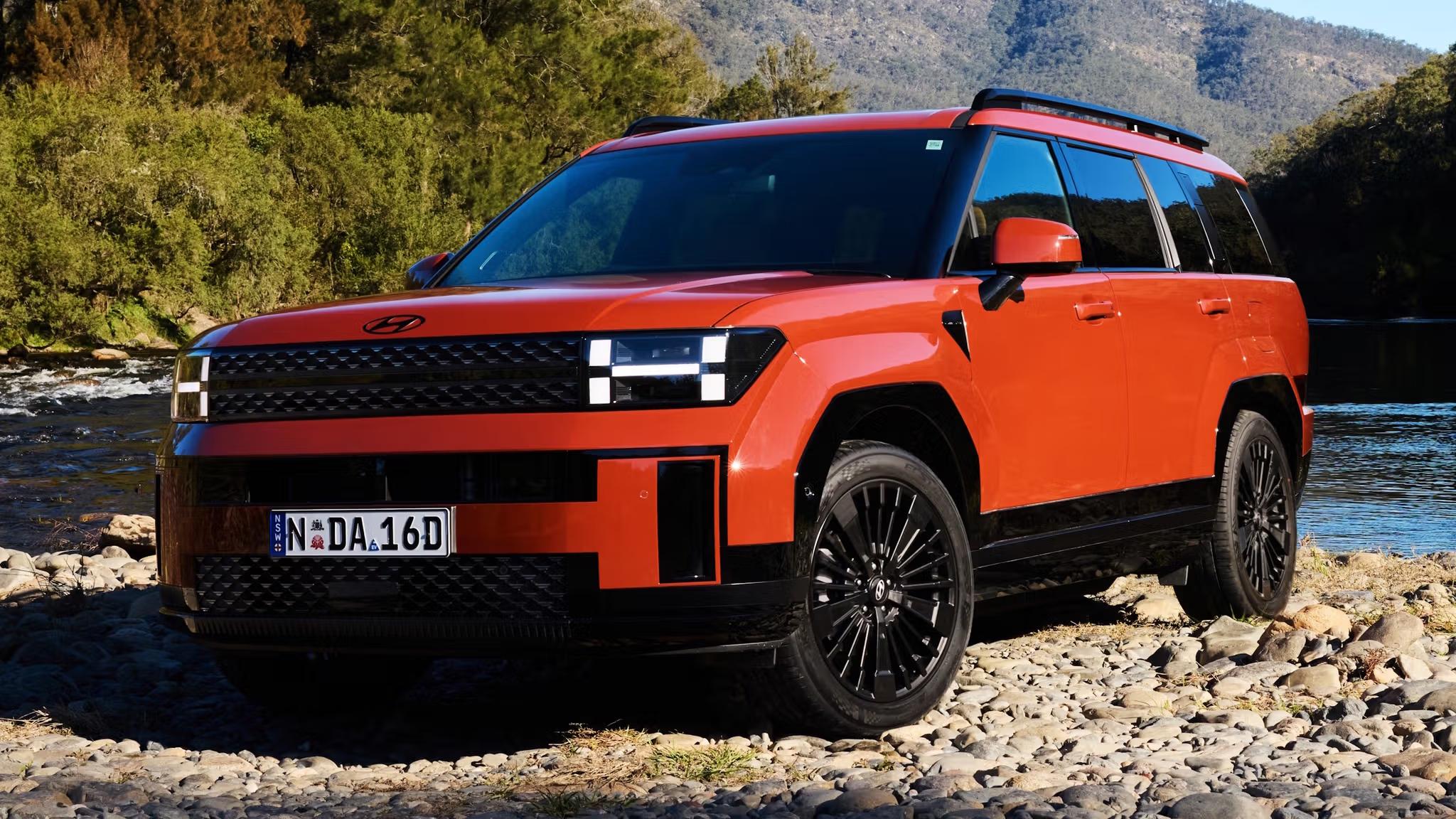
1. Hyundai Santa Fe Hybrid - best all-round family hybrid

The Santa Fe Hybrid is the most well-rounded family SUV on sale in Australia in 2026. The bold, boxy styling is a love-it-or-hate-it proposition - and yes, it's polarising - but the substance underneath is undeniable. Genuine seven-seat practicality, a properly resolved hybrid powertrain and pricing that undercuts the equivalent Kia Sorento Hybrid by thousands.
The 1.6-litre turbo-petrol hybrid produces 172kW and 367Nm combined and returns a real-world 5.6L/100km that matches Hyundai's claim. The third row is one of the most usable in the segment thanks to a more upright body, the cabin is full of clever storage solutions, and the cargo area is genuinely huge - 628 litres behind the third row and 1,949 litres with both rear rows folded.
Pricing opens at $57,650 before on-roads for the Santa Fe Hybrid FWD, $60,650 for the AWD and $67,150 for the Hybrid Elite AWD, with the Calligraphy flagship topping the range at $77,150. That's competitive against the Sorento Hybrid sitting just above it on this list, and considerably better-equipped than the Toyota Kluger Hybrid at this price.
If you're cross-shopping the Santa Fe Hybrid against the Kia Sorento Hybrid, the Santa Fe wins on packaging, equipment and supply - the Sorento wins on styling and warranty length. Worth driving both back to back.
Verdict: The Santa Fe Hybrid is proof that family SUVs don't have to be boring - this is the one to beat.
| Variant | Price (before on-roads) | Fuel economy (claimed) |
| Hybrid FWD | $57,650 | 5.6L/100km |
| Hybrid AWD | $60,650 | 5.6L/100km |
| Hybrid Elite AWD | $67,150 | 5.6L/100km |
| Hybrid Calligraphy AWD | $77,150 | 5.6L/100km |
Our verdict
The Australian hybrid SUV market has never been more competitive and there's no longer a single right answer for every family. Toyota's RAV4 remains the safe long-term default, but the Hyundai Santa Fe Hybrid is the standout - delivering better packaging, more equipment and a sharper value proposition than anything else in the family SUV space.
For buyers shopping plug-in hybrids, the Geely Starray EM-i represents the most complete value play on the market right now, while the Mazda CX-80 P50e is the premium seven-seat choice. The BYD Sealion 6 PHEV remains the segment's price benchmark and a smart first-time PHEV pick.
| Rank | Car | Price From | Best efficiency |
| 1 | Hyundai Santa Fe Hybrid | $57,650 | 5.6L/100km |
| 2 | Toyota RAV4 Hybrid | $45,990 | 4.5L/100km |
| 3 | Geely Starray EM-i | $37,490 | 2.4L/100km (PHEV) |
| 4 | Kia Sorento Hybrid | $56,675 | 5.4L/100km |
| 5 | BYD Sealion 6 PHEV | $42,990 | 1.1L/100km (PHEV) |
| 6 | Nissan X-Trail e-Power | $48,915 | 6.1L/100km |
| 7 | Honda CR-V e:HEV | $49,900 (driveaway) | 5.5L/100km |
| 8 | Hyundai Tucson Hybrid | $42,850 | 4.9L/100km |
| 9 | Mazda CX-80 P50e | $75,750 | 2.7L/100km (PHEV) |
| 10 | Mitsubishi Outlander PHEV | $58,990 | 1.5L/100km (PHEV) |
Prices are before on-road costs unless stated.
Looking for a fully electric option? See the best electric SUVs in Australia for 2026.
Frequently asked questions
What is the best hybrid SUV in Australia for 2026?
The Hyundai Santa Fe Hybrid is our top pick for 2026. It combines genuine seven-seat practicality, a properly resolved hybrid powertrain returning a real-world 5.6L/100km, and pricing that undercuts the equivalent Kia Sorento Hybrid. The boxy styling is polarising, but the substance underneath is undeniable.
What is the cheapest hybrid SUV in Australia?
The cheapest hybrid SUV in Australia in 2026 is the GWM Haval Jolion Hybrid from $28,990 driveaway, followed closely by the Chery Tiggo 4 Hybrid at $29,990 - both small SUVs. Among the mid-size and large family hybrid SUVs featured in this guide, the Hyundai Tucson Hybrid is the cheapest at $42,850 before on-roads, while the Geely Starray EM-i is the most affordable plug-in hybrid at $37,490.
What is the difference between a hybrid and a plug-in hybrid SUV?
A hybrid (HEV) charges its small battery automatically through the engine and regenerative braking - no plug required. A plug-in hybrid (PHEV) has a larger battery that needs charging from a wall outlet, but offers 60-140km of pure electric driving before the petrol engine takes over.
Which hybrid SUV has the longest electric range?
The BYD Sealion 6 Premium Extended Range leads the segment at a claimed 140km of electric range, followed by the Geely Starray EM-i Inspire Extended Range at 136km. Among more established brands, the Mazda CX-80 P50e claims 65km and the Mitsubishi Outlander PHEV claims 86km.
Which hybrid SUV has the best warranty in Australia?
The Mitsubishi Outlander PHEV has the strongest aftersales package - a 10-year/200,000km conditional warranty backed by 10 years of capped-price servicing and 10 years of roadside assistance. Nissan's 10-year/300,000km warranty is also competitive. Hyundai and Kia both offer seven years unlimited-kilometre warranty when serviced through the dealer network.
Are hybrid SUVs worth buying in Australia?
For most buyers - yes. The fuel savings are real in stop-start city driving where hybrids do their best work. The catch is that hybrids cost $3,000-7,000 more upfront than equivalent petrol models and the savings diminish on highway driving where the engine carries most of the load. PHEVs only make financial sense if you can charge nightly at home - miss that habit and you're driving a heavier, more expensive petrol SUV.
Which hybrid SUV is best for families?
For seven-seat families, the Hyundai Santa Fe Hybrid and Kia Sorento Hybrid are the strongest picks - both offer usable third rows, generous boot space and strong safety technology. The Mazda CX-80 P50e is the premium seven-seat option for buyers wanting a plug-in. For five-seat families, the Toyota RAV4 Hybrid remains the safest long-term default.

Rob Leigh
Co-founder & Director
Rob Leigh is Co-founder and Director of The Beep based in Melbourne, Australia. He has 15+ years inside a major automotive OEM, specialising in product planning, pricing and vehicle strategy.
About Author