Australian petrol prices hit $2.07 a litre but we're still mid-table globally
Fuel costs have jumped nearly 50 cents per litre in eight weeks as Iran's blockade of the Strait of Hormuz disrupts global supply chains, but Australia remains cheaper than most OECD nations.

Rob Leigh
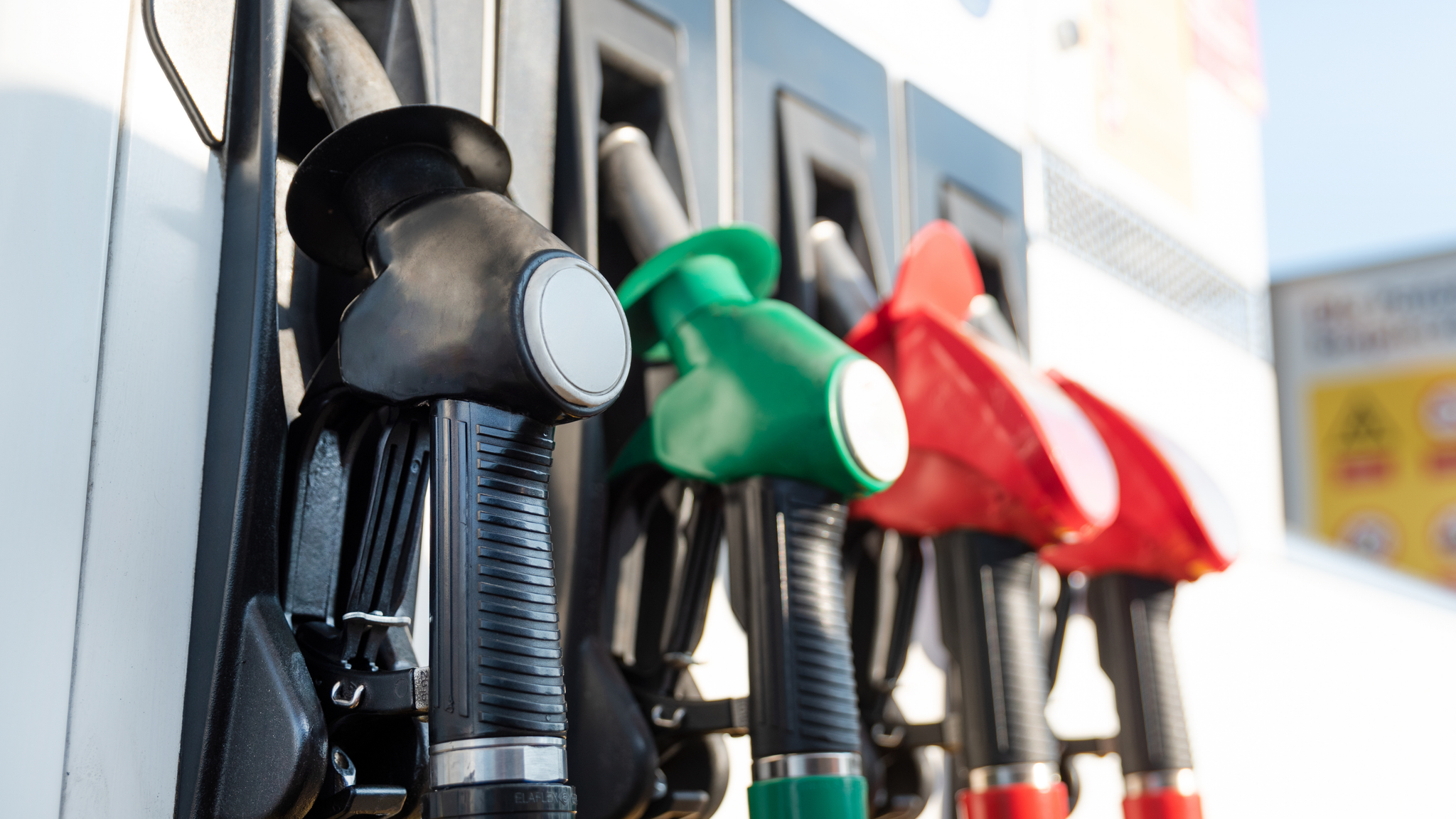
Australian petrol prices have surged to an average of $2.07 per litre in March 2026, up from $1.57 just eight weeks ago. The driver is Iran's naval blockade of the Strait of Hormuz, through which one-fifth of the world's fuel supply passes.
Despite the spike, Australia sits 61st out of 100 countries tracked by GlobalPetrolPrices.com placing it firmly in the mid-range globally. Hong Kong tops the list at $5.59 per litre, while Denmark ($3.67), Germany and Israel (both $3.30) all sit well above Australia. The US pays just $1.51 per litre, propped up by significant domestic oil production.
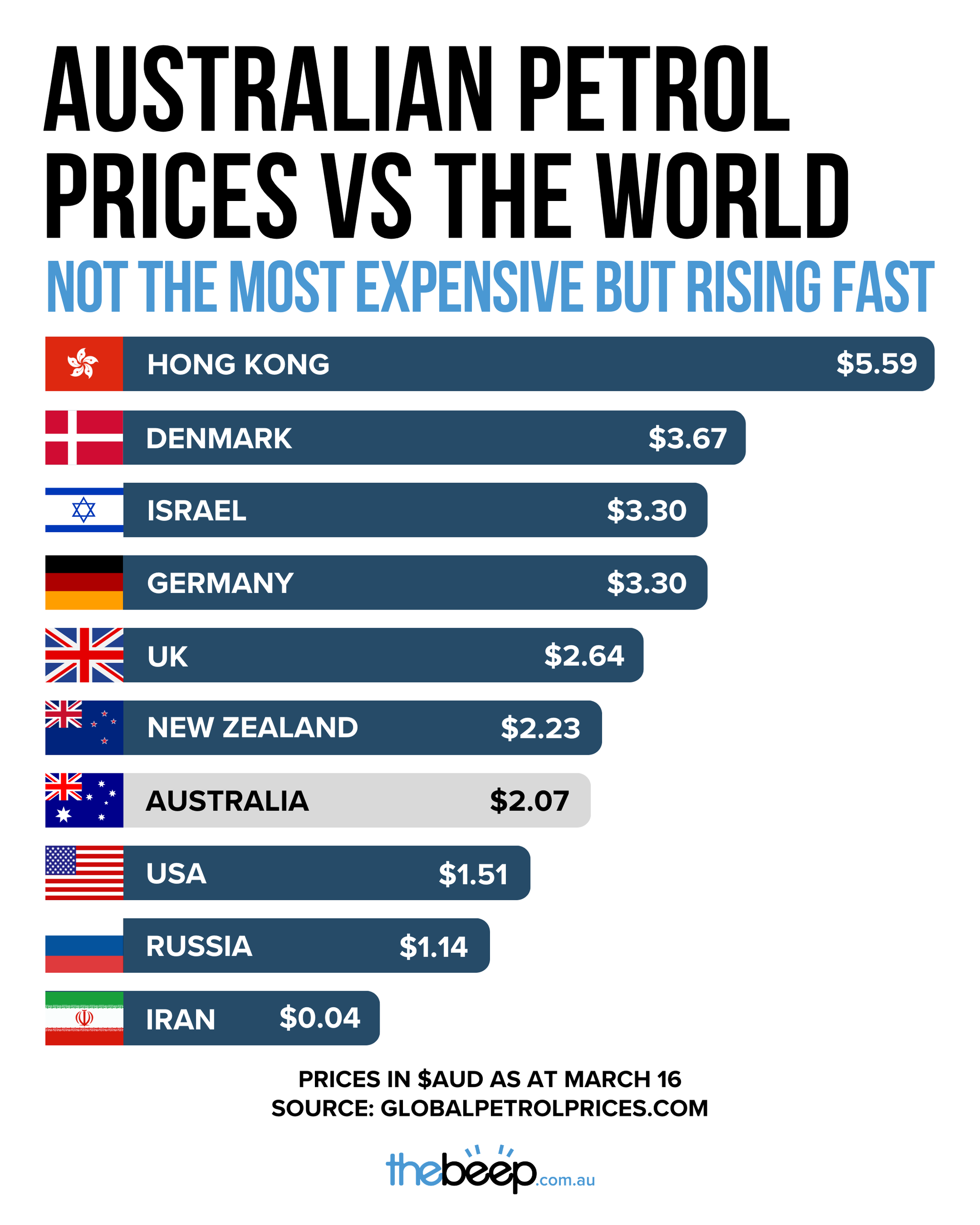
The pain in Australia is structural as much as it is geopolitical. The country imports roughly 90% of its fuel, mostly as refined product from South Korea, Japan, Singapore, Malaysia and Taiwan. With only two domestic refineries remaining, any disruption to global supply takes time and money to absorb.
Geography compounds the problem. Once fuel arrives at port, it still needs to be distributed across one of the world's largest landmasses, which is why regional areas have been hit hardest by shortages.
The ACCC is now producing weekly fuel price monitoring updates. Energy Minister Chris Bowen has ruled out rationing for now while Prime Minister Albanese has convened a national cabinet meeting to discuss supply.
A fuel excise cut, which was used during COVID-19, is considered unlikely while supply remains constrained. Economists argue cheaper fuel would encourage more consumption at exactly the wrong time.
For Australian drivers $2.07 is painful relative to what they were paying in January, even if the global chart offers some cold comfort.
Rob Leigh
Co-founder & Director
Rob Leigh is Co-founder and Director of The Beep based in Melbourne, Australia. He has 15+ years inside a major automotive OEM, specialising in product planning, pricing and vehicle strategy.
About Author