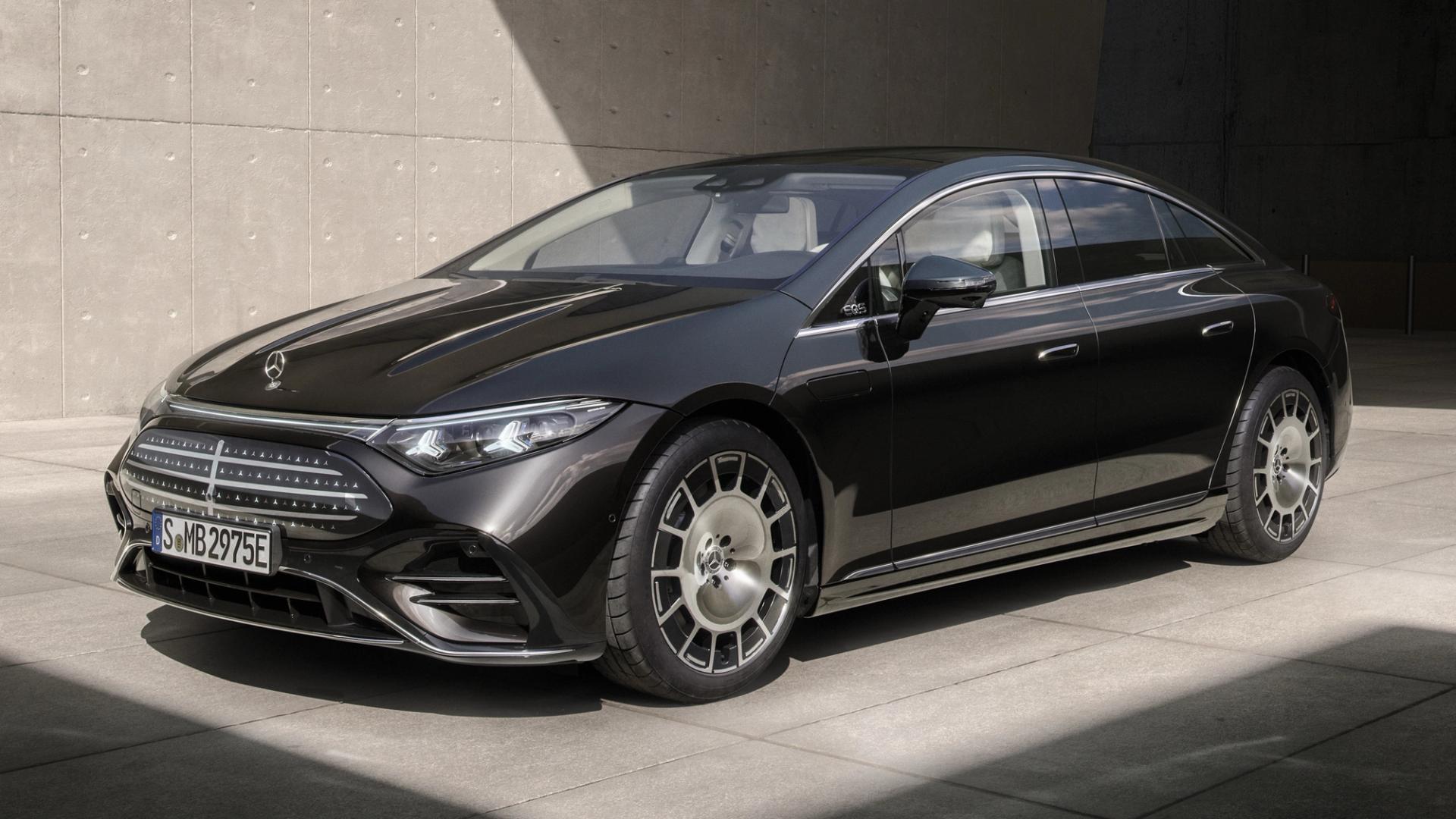
Updated Mercedes-Benz EQS confirmed for Australia with 925km range
Australia will receive the updated 2026 Mercedes-Benz EQS in the fourth quarter of 2026, with a four-variant lineup, up to 925 km WLTP range and optional steer-by-wire steering replacing the traditional column.

Shane Riley
Key takeaways
- 2026 Mercedes-Benz EQS arrives in Australia Q4 2026, four variants confirmed
- EQS 450+ leads range at 925km WLTP with 300kW and 122kWh battery
- Optional steer-by-wire yoke replaces conventional steering column and wheel
Mercedes-Benz has revealed the updated 2026 EQS with Australian deliveries locked in for the fourth quarter of 2026, between October and December. Four variants cover the range, from the new entry-grade EQS 400 through to the 430kW EQS 580 4MATIC. Local pricing and final Australian specification remain unconfirmed.
2026 Mercedes-Benz EQS specs and performance
| Variant | Power | Torque | Battery | DC charging | 0-100 km/h | WLTP range |
| EQS 400 | 270kW | 505Nm | 112kWh | 330kW | 6.2s | 815km |
| EQS 450+ | 300kW | 505Nm | 122kWh | 350kW | 5.9s | 925km |
| EQS 500 4MATIC | 350kW | 750Nm | 122kWh | 350kW | 4.5s | 875 km |
| EQS 580 4MATIC | 430kW | 800Nm | 122kWh | 350kW | 4.1s | 875km |
All variants: 11 kW AC charging (max), 210 km/h top speed
New 800-volt electric architecture sits at the heart of the update, bringing longer range, faster charging and new in-house electric motors across all four variants. A two-speed rear-axle gearbox delivers strong standing-start acceleration in first gear and highway efficiency in second. Regenerative braking capability has grown by a third to 385kW, covering a claimed 99 per cent of braking situations. Towing capacity rises to 1,600kg on rear-wheel-drive models and 1,700kg for AWD variants.
The three upper variants share a 122kWh battery with silicon-oxide anodes, up from 118kWh previously. Crucially, Mercedes-Benz achieved the additional capacity within the same physical dimensions. At 350kW DC, those variants recover between 305 and 320km of range in 10 minutes. At 400-volt public chargers, the battery splits into two halves to charge simultaneously at up to 175kW combined.
The 925 km figure from the EQS 450+ is the highest WLTP range claimed by any electric car, clearing the BMW i7's best figure and enough, on paper, to cover Sydney to Melbourne without stopping.
Steer-by-wire: how it works in the 2026 Mercedes-Benz EQS
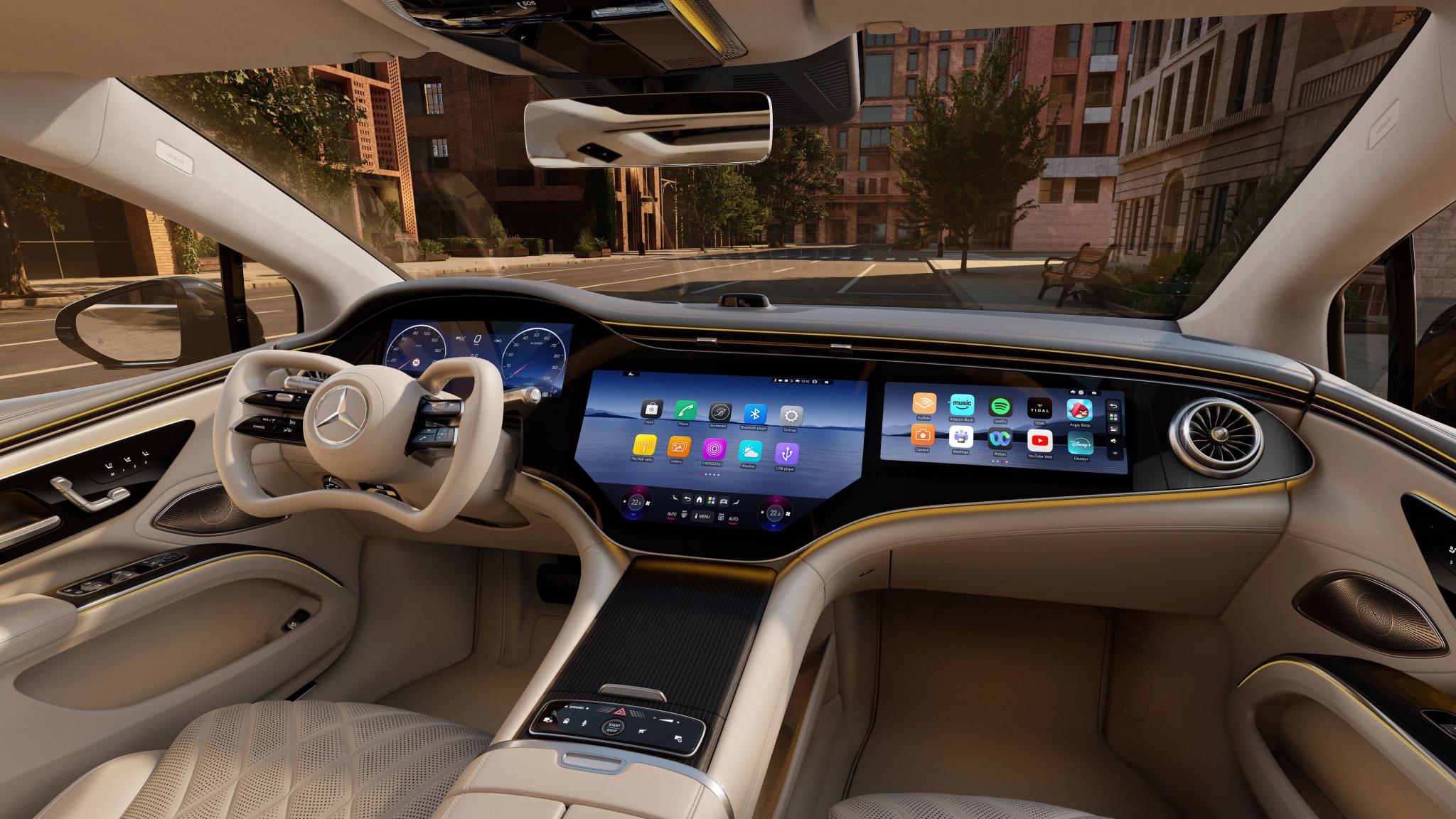
The biggest mechanical talking point is the optional steer-by-wire system. Gone is the physical link between steering wheel and front axle. In its place, a Formula One-style yoke transmits driver inputs digitally via actuators and onboard processing power. The variable steering ratio tightens to 4:1 at low speeds, allowing full lock and U-turns without hand-over-hand technique, then opens up at highway speeds for stability. Road vibration no longer travels back through the wheel.
Two independent signal paths provide redundancy. Should the primary path fail, 10-degree rear-axle steering and individual wheel braking maintain control. Mercedes-Benz has logged more than one million kilometres of testing across tracks and public roads. Steer-by-wire arrives as an option a few months after initial deliveries, not from launch. Buyers wanting a conventional round wheel can still opt for electromechanical steering.
Design, tech and interior
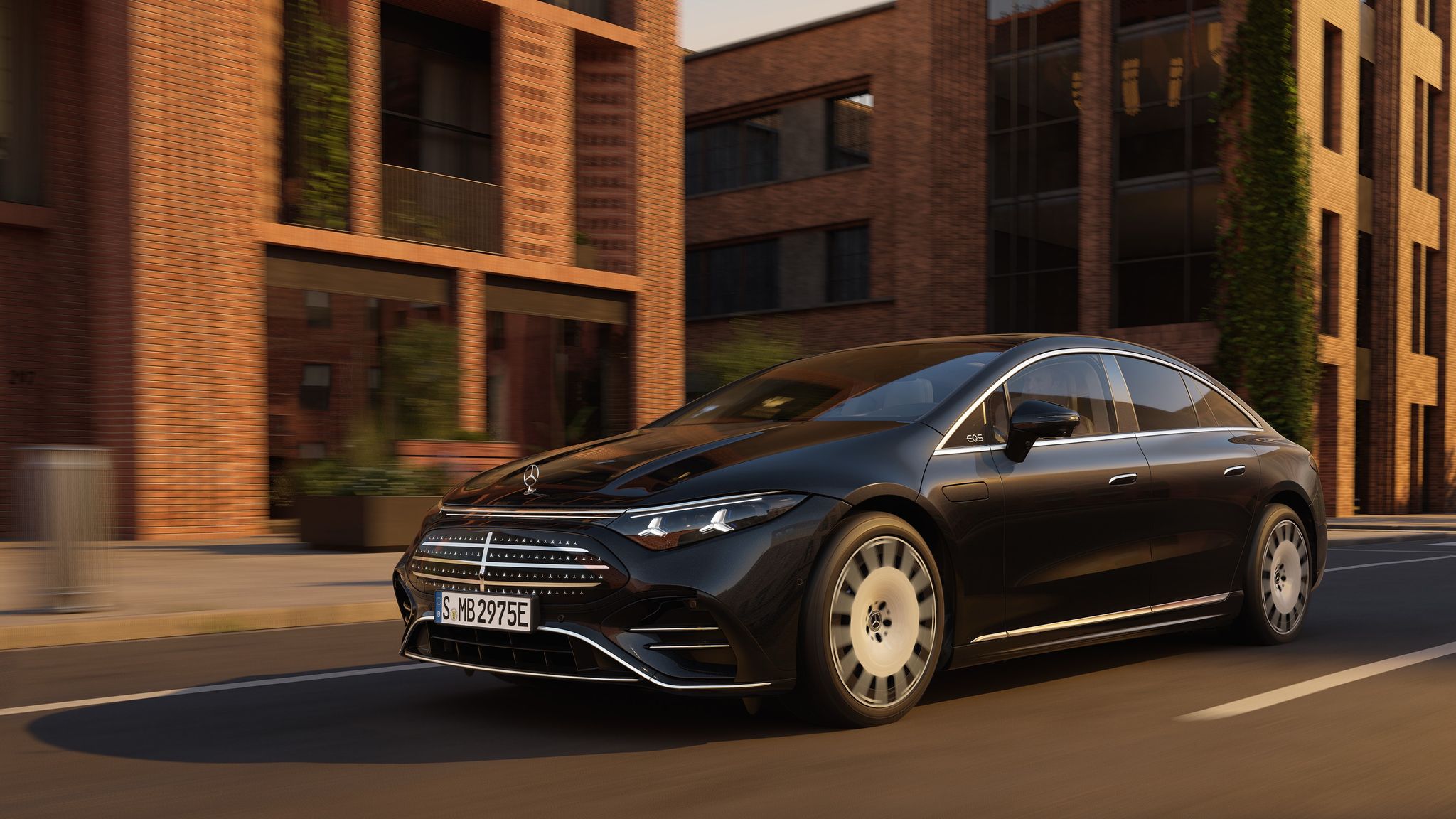
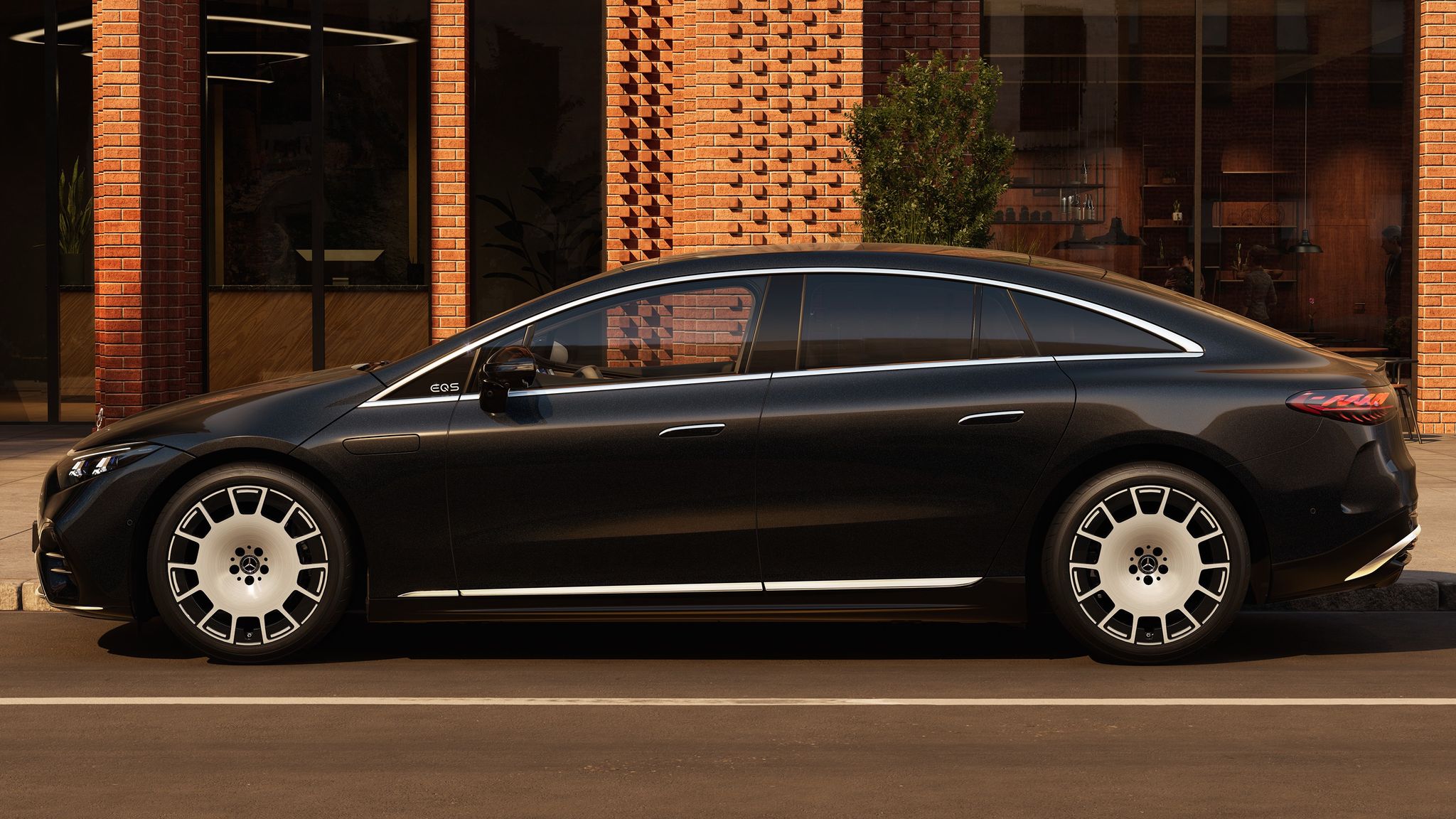
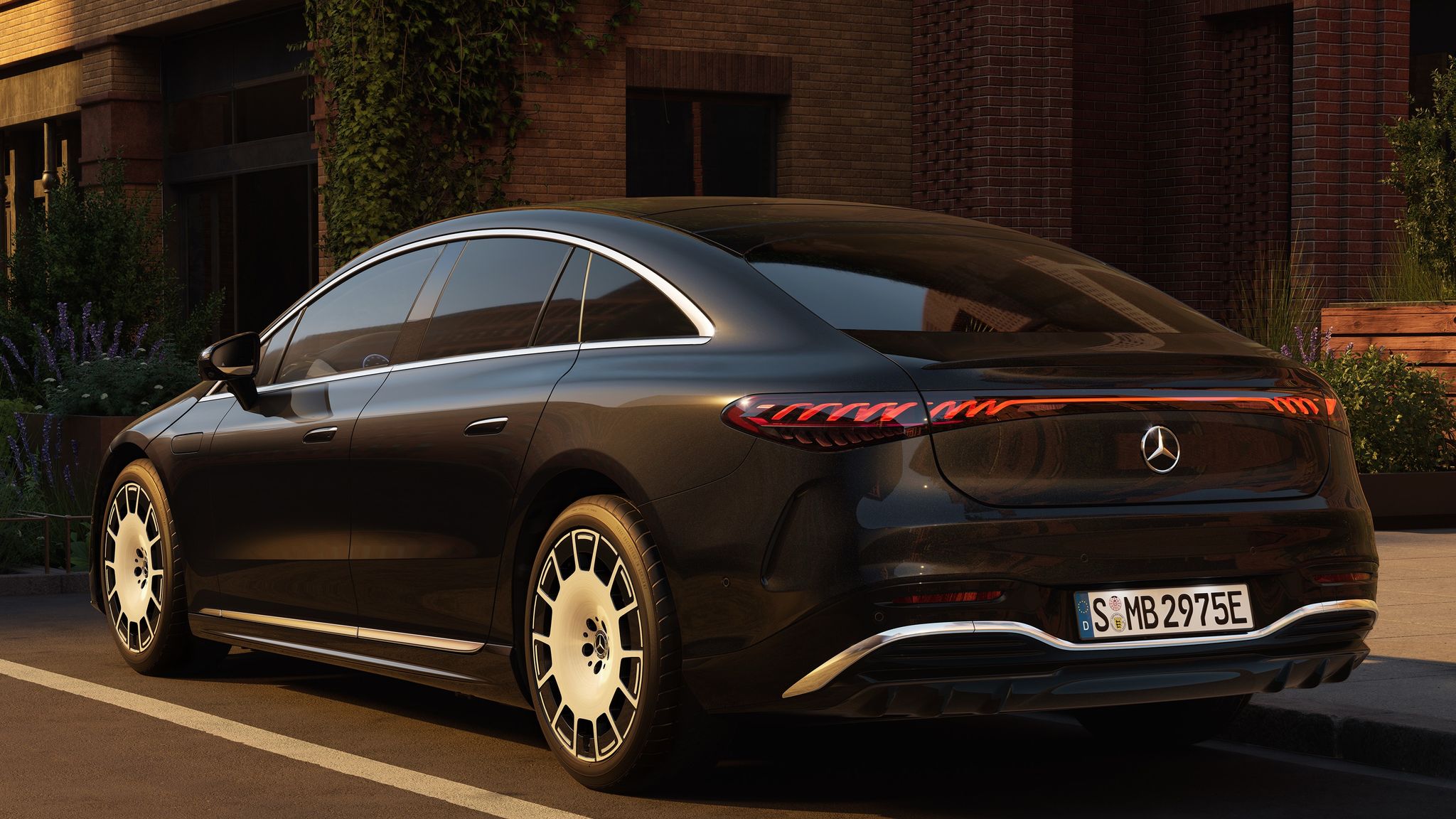
Exterior changes are restrained. A new powerdome bonnet, subtly reshaped wing mirrors and an AMG Line bumper update are the primary visual differences. Micro-LED headlights produce a 40 per cent wider high-beam field using half the energy of the previous units. The drag coefficient holds at 0.20, placing the EQS among the most aerodynamic production cars ever sold.
Inside, the 55-inch MBUX Hyperscreen runs MB.OS, Mercedes-Benz's new in-car operating system, integrating AI from Microsoft, Google and others. Cloud-connected suspension reads data from other Mercedes-Benz vehicles and adjusts the dampers a fraction of a second before hitting speed bumps or potholes. Navigation now renders a real-time 3D view of surroundings and incorporates wind conditions into range calculations.
Rear passengers get two 13.1-inch screens with individual remote controls and integrated cameras for video calls. Heated front seatbelts warm to 44°C. Inflatable rear beltbags provide added crash protection for second-row occupants. Up to 125 paint colours are available through the MANUFAKTUR Made to Measure programme, including a new Sparkling Black finish containing glass-flake particles and new open-pore wood trim inside.
One local note: the illuminated upright bonnet star shown in overseas material is not available in Australia due to local regulations.
2026 Mercedes-Benz EQS pricing in Australia
Australian pricing has not been set. For reference, the outgoing EQS 450 4MATIC was priced at $219,900 drive-away locally, with the AMG EQS 53 at $327,075. European list prices for the new model are below, though Australian figures will be higher once Luxury Car Tax and local specification costs are applied.
An AMG variant has been confirmed but not yet detailed. For Australian Mercedes-Benz pricing as it's confirmed.
With a Q4 arrival locked in and a spec sheet that leads the segment on range, the 2026 EQS makes a strong case on paper.
Frequently asked questions
What is the range of the 2026 Mercedes-Benz EQS?
The EQS 450+ claims 925km on the WLTP cycle, the longest range figure currently claimed by any electric car under the same testing standard. The EQS 400 is rated at 815km, while both AWD variants sit at 875km.
When is the 2026 Mercedes-Benz EQS available in Australia?
Australian deliveries are due in the fourth quarter of 2026, between October and December. Which variants arrive locally, and at what price, are yet to be confirmed by Mercedes-Benz Australia.
How much does the 2026 Mercedes-Benz EQS cost in Australia?
Australian pricing has not been released. The previous EQS 450 4MATIC was priced from $219,900 drive-away locally. European pricing for the new model starts at €94,403 for the EQS 400, though local figures will be higher after Luxury Car Tax and market-specific specification costs.
Shane Riley
Co-founder & Director
Shane Riley is Co-founder and Director of The Beep based in Melbourne, Australia. He has 20+ years across OEM, leasing and fleet, with experience in vehicle strategy, sales and operations.
About Author