2026 Mahindra XUV 3XO review
Mahindra's smallest SUV backs a bargain price with a lively turbo engine, a proper automatic and a generous kit list, making it a smart city buy for anyone comfortable without ANCAP stars.

Shane Riley
Pros
- Zippy turbo triple paired with a real automatic
- Huge equipment list for the money
- Roomy cabin for a car under four metres long
Cons
- No ANCAP safety rating yet
- No conventional blind-spot or rear cross-traffic alerts
- Road noise builds at highway speeds
Our verdict
The XUV 3XO makes a strong case for first car buyers, downsizers and city drivers who want a new car without spending much more than they would on a used one. It drives with more spirit than almost anything near its price and the AX7L feels genuinely well equipped. The catch is safety, with no ANCAP rating and a few driver aids missing that rivals now offer.
What does the Mahindra XUV 3XO cost in Australia?
Mahindra keeps things simple with two core grades sold at national driveaway pricing, so there is no haggling over on-road costs. The AX5L opens the range and the AX7L we tested asks $3,000 more.
That extra money buys a lot. You get 17-inch alloys, a panoramic sunroof, synthetic leather seats with soft-touch trim on the dash and doors, a seven-speaker Harman Kardon system with its own amplifier and subwoofer, front parking sensors, a 360-degree camera with Blind View Monitor, LED fog lights and a 65W fast charging port strong enough to top up a laptop.
Every 3XO already comes with twin 10.25-inch screens, wireless Apple CarPlay and Android Auto, dual-zone climate control, keyless entry, a reversing camera and adaptive cruise control. That is an impressive amount of equipment for a car costing less than $24,000 driveaway.
A limited-run Black Anniversary Edition sits at the top, capped at 300 cars. It is purely cosmetic, with gloss black wheels, black badging and a matte grey roof. It only comes in Stealth Black, which attracts the $495 paint charge that applies to every colour except Everest White. Its $28,485 driveaway price already includes that charge.
| Specifications | AX5L | AX7L (tested) |
|---|---|---|
| Driveaway price | $23,990 | $26,990 |
| Powertrain | 1.2L turbo petrol | 1.2L turbo petrol |
| Power / Torque | 82kW / 200Nm | 82kW / 200Nm |
| Transmission | 6-speed auto | 6-speed auto |
| Drivetrain | FWD | FWD |
| Fuel use (claimed) | 6.5L/100km | 6.5L/100km |
| Braked towing | 750kg | 750kg |
| ANCAP | Not yet rated | Not yet rated |
| Warranty | 7 years / 150,000km | 7 years / 150,000km |
View Mahindra XUV 3XO driveaway pricing and specifications →
What does the Mahindra XUV 3XO look like?
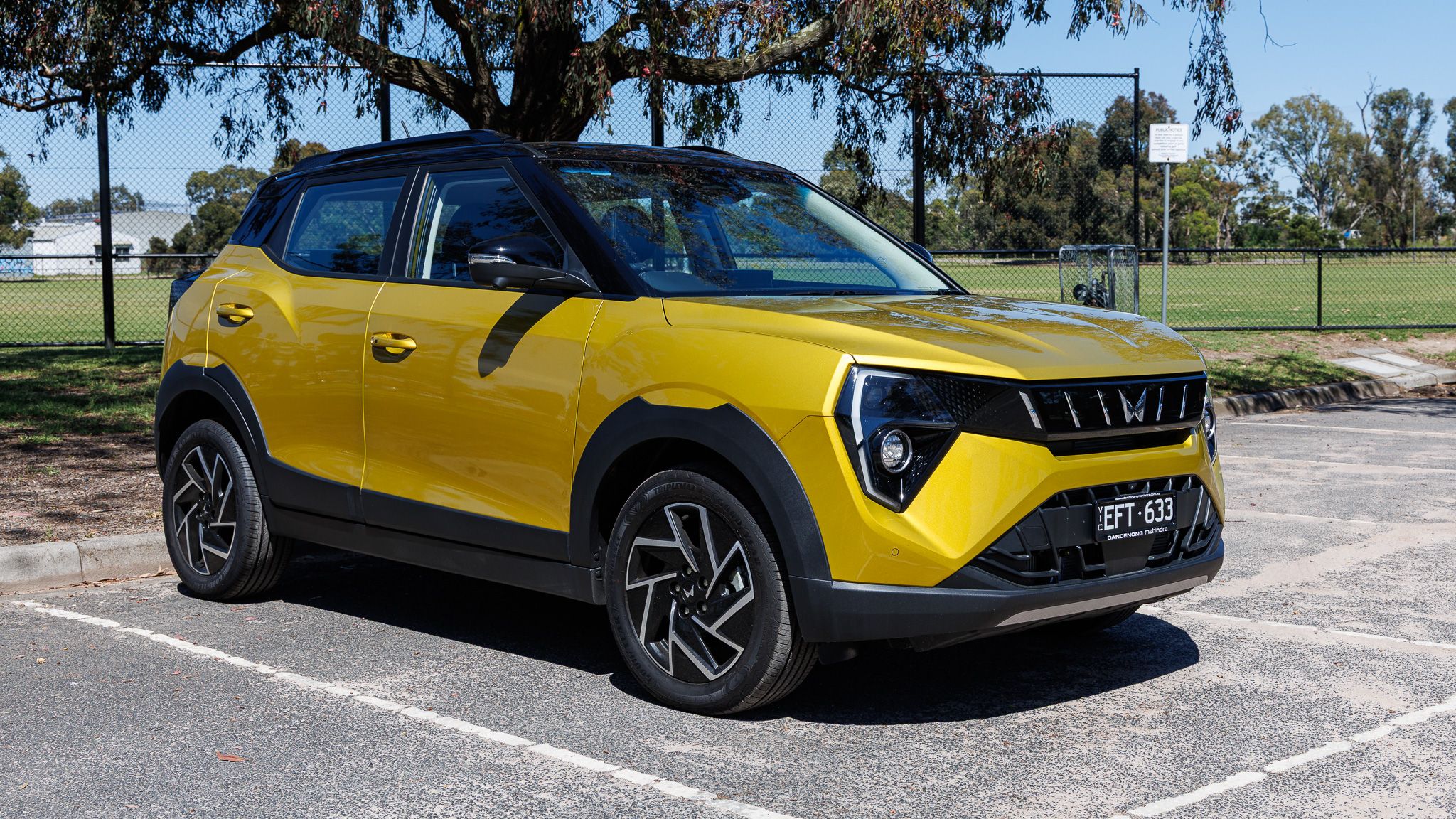
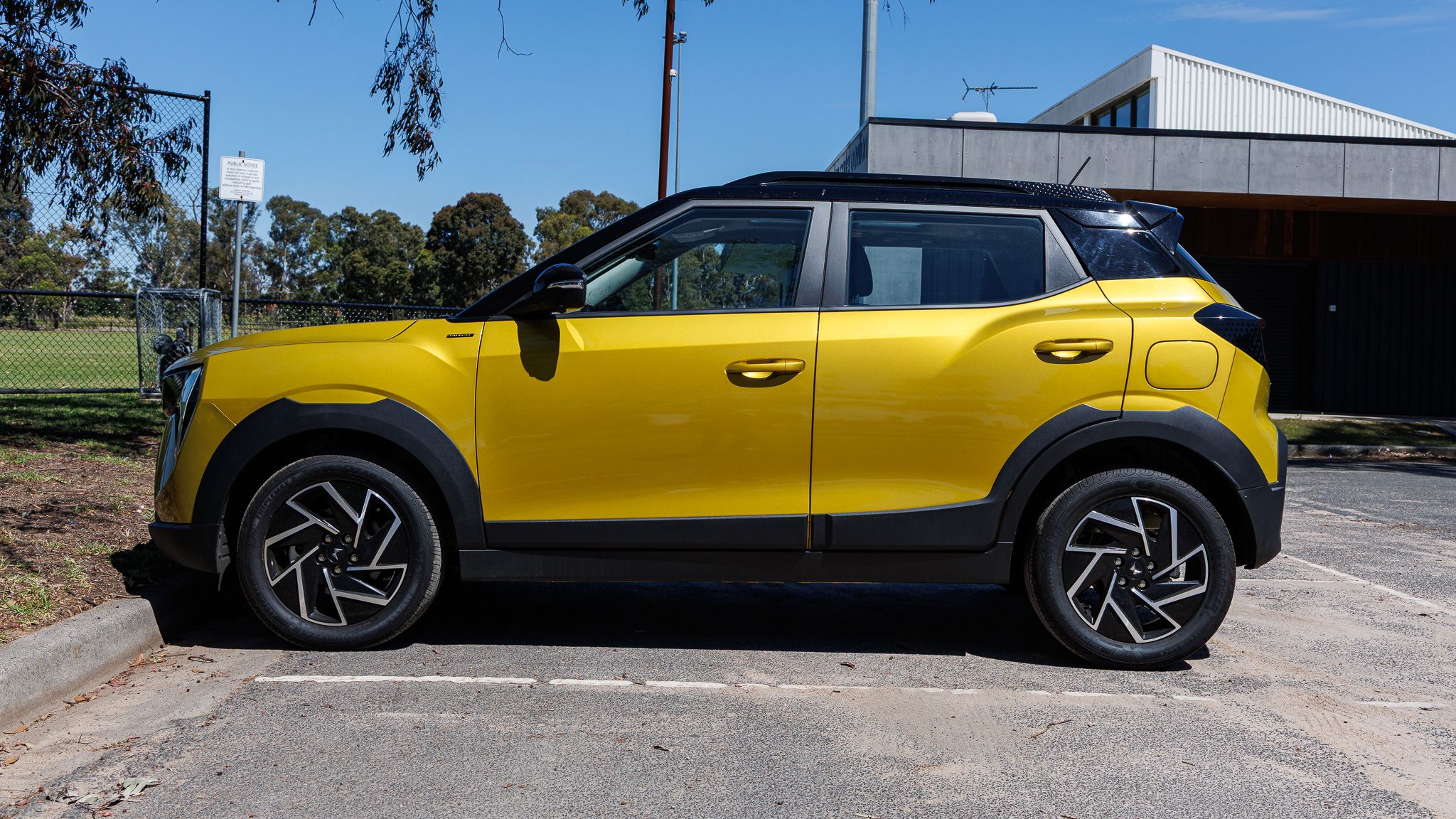
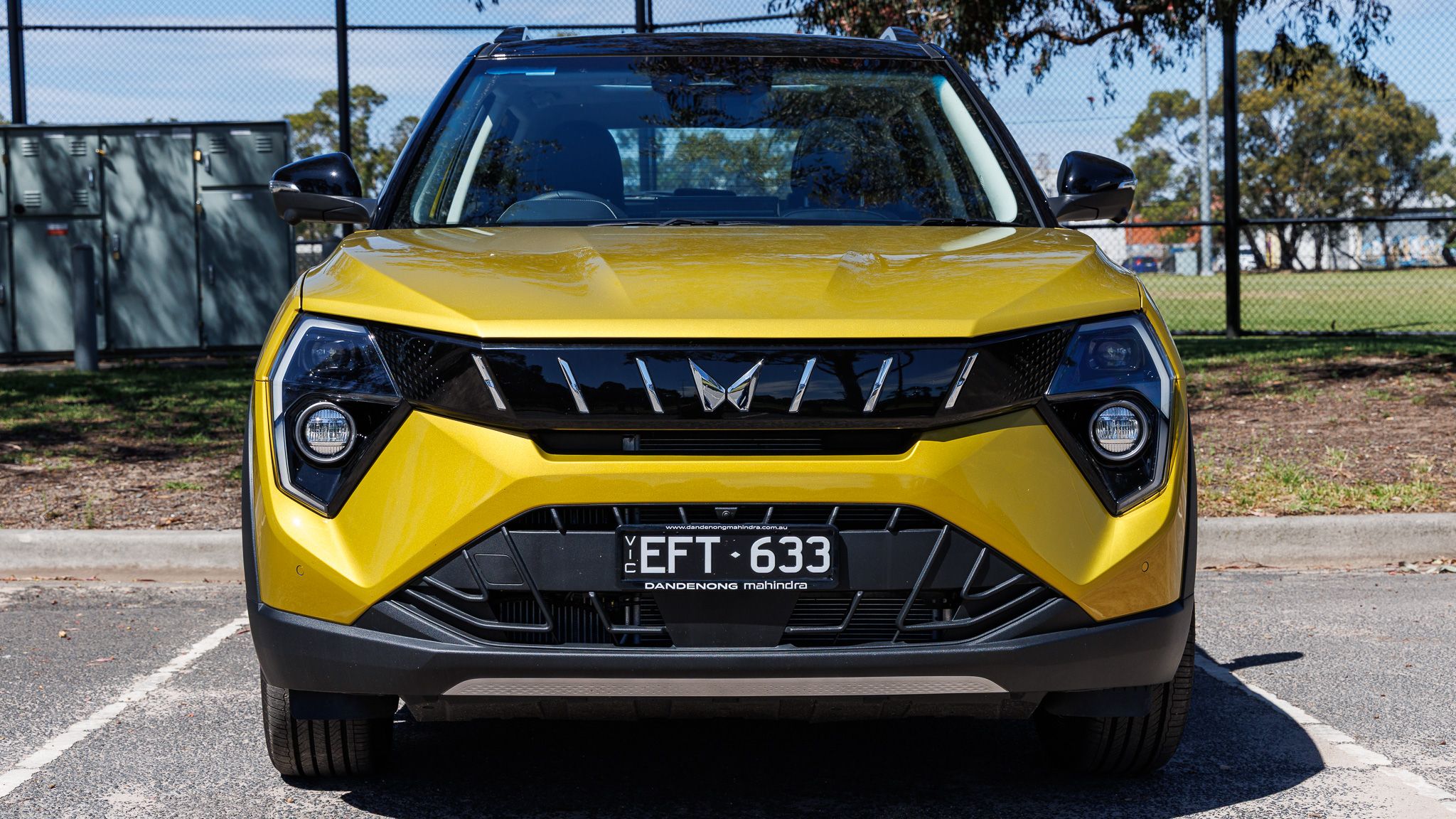
The XUV 3XO is arguably the best-looking Mahindra we’ve seen in Australia.
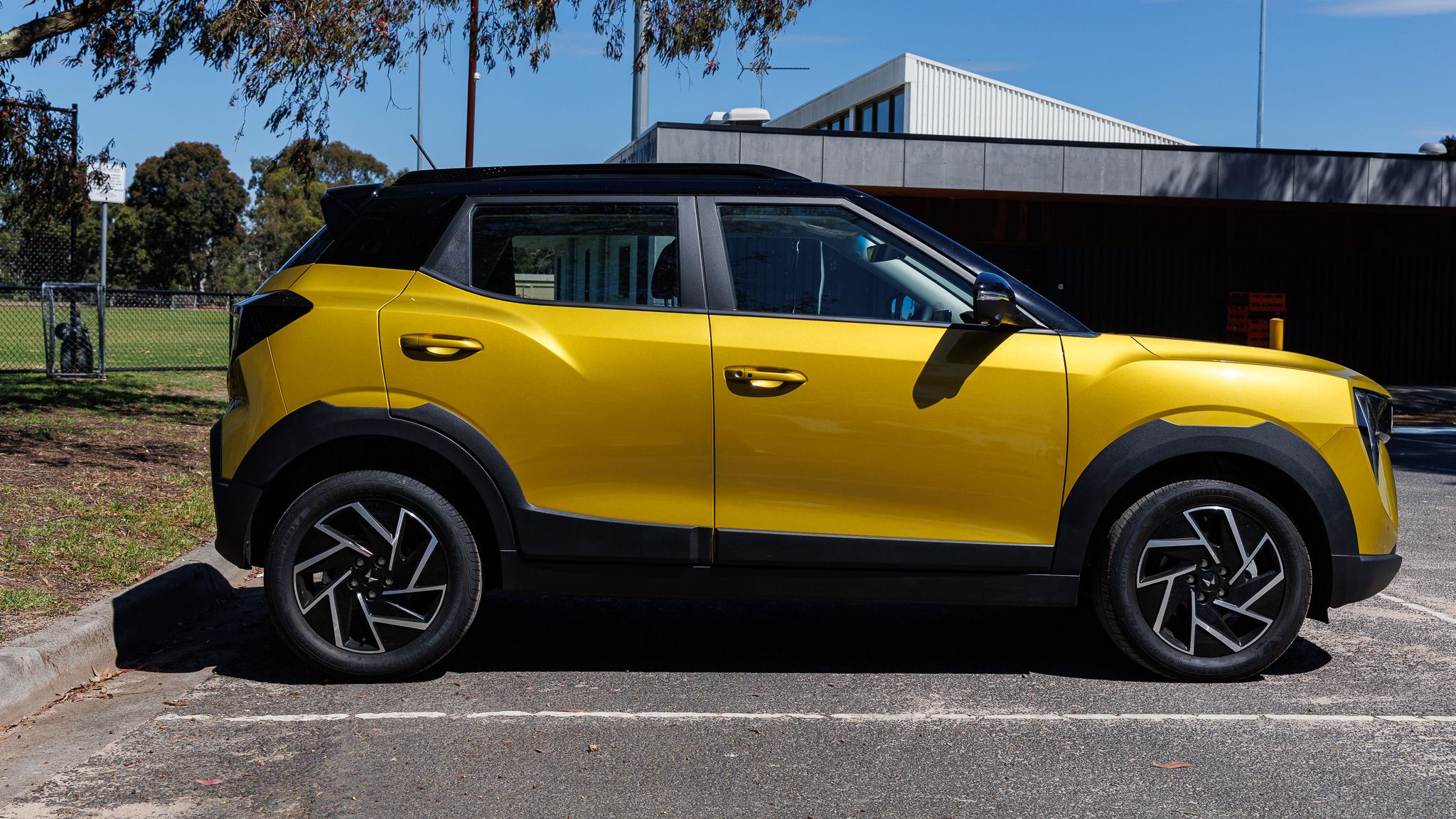
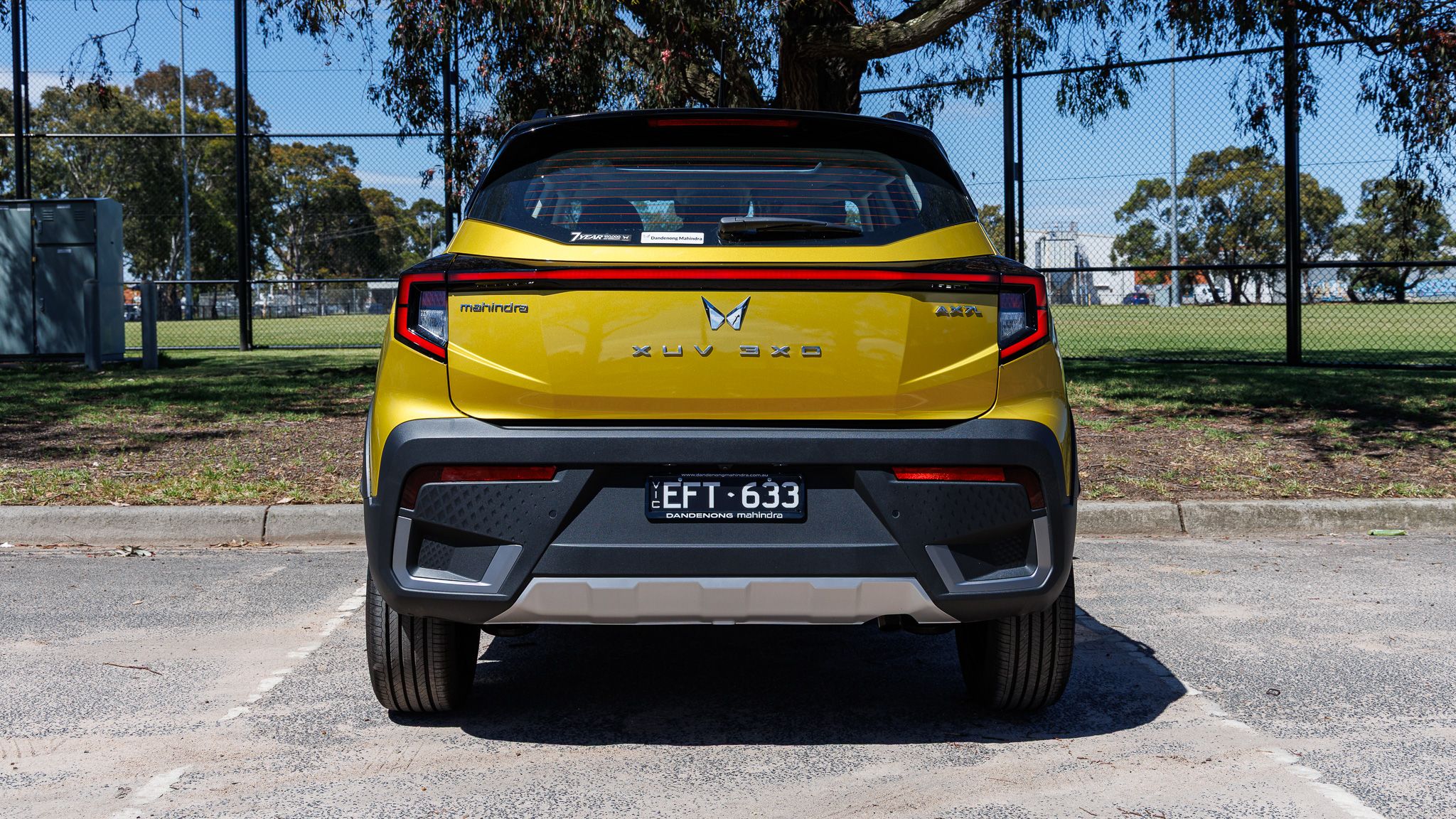
The front end is all crisp angles, with C-shaped LED running lights framing the headlights and a grille that sits flush rather than shouting for attention. At the back, a full-width light bar stretches across the tailgate, which makes the 3XO look more expensive from behind than the sticker suggests.
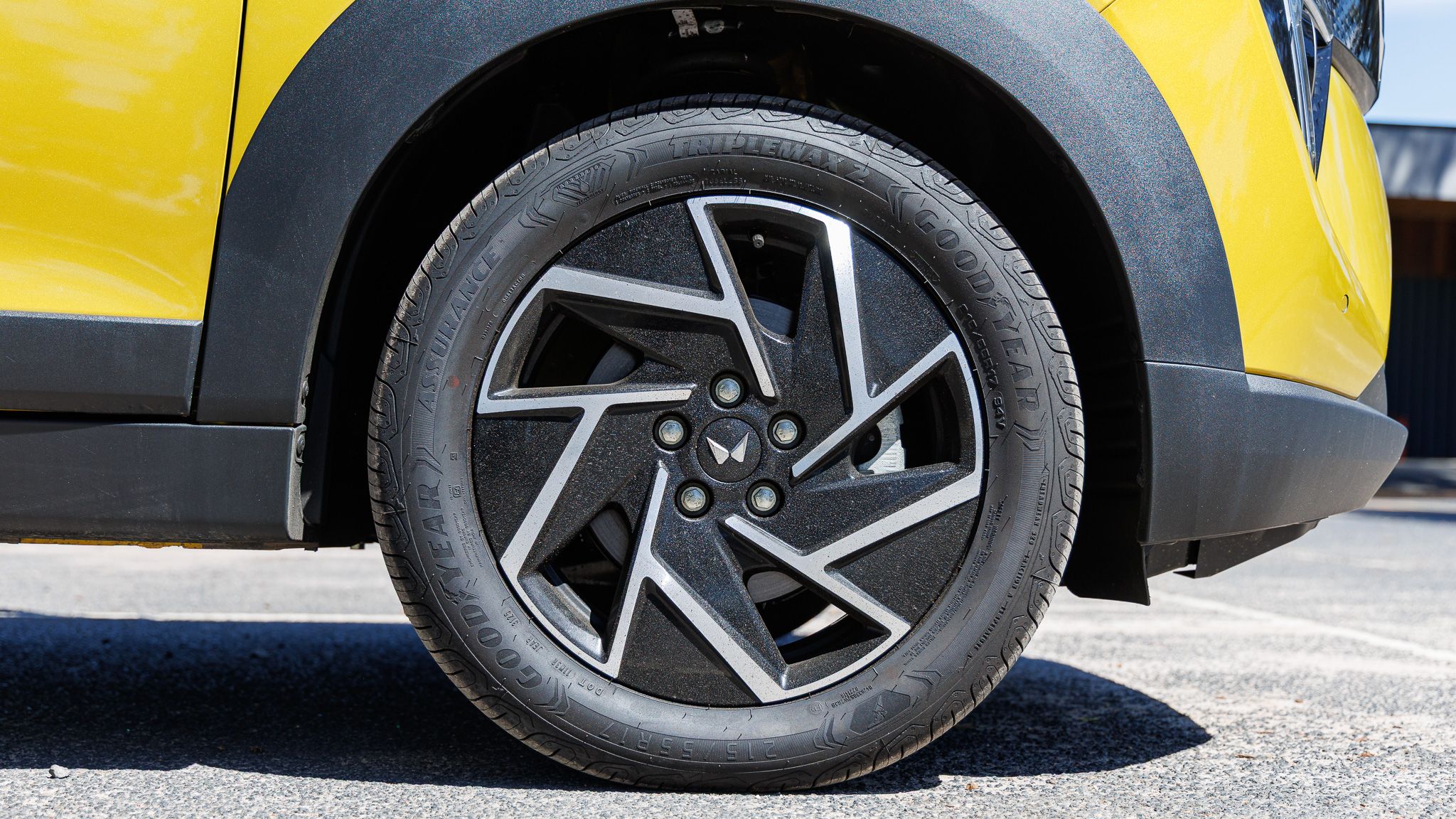
The AX7L’s diamond-cut 17-inch wheels and contrasting black roof lift its look well above budget car territory. At just under four metres long it is genuinely compact, closer in footprint to a Hyundai Venue than a Chery Tiggo 4, so inner-city parking is a doddle.
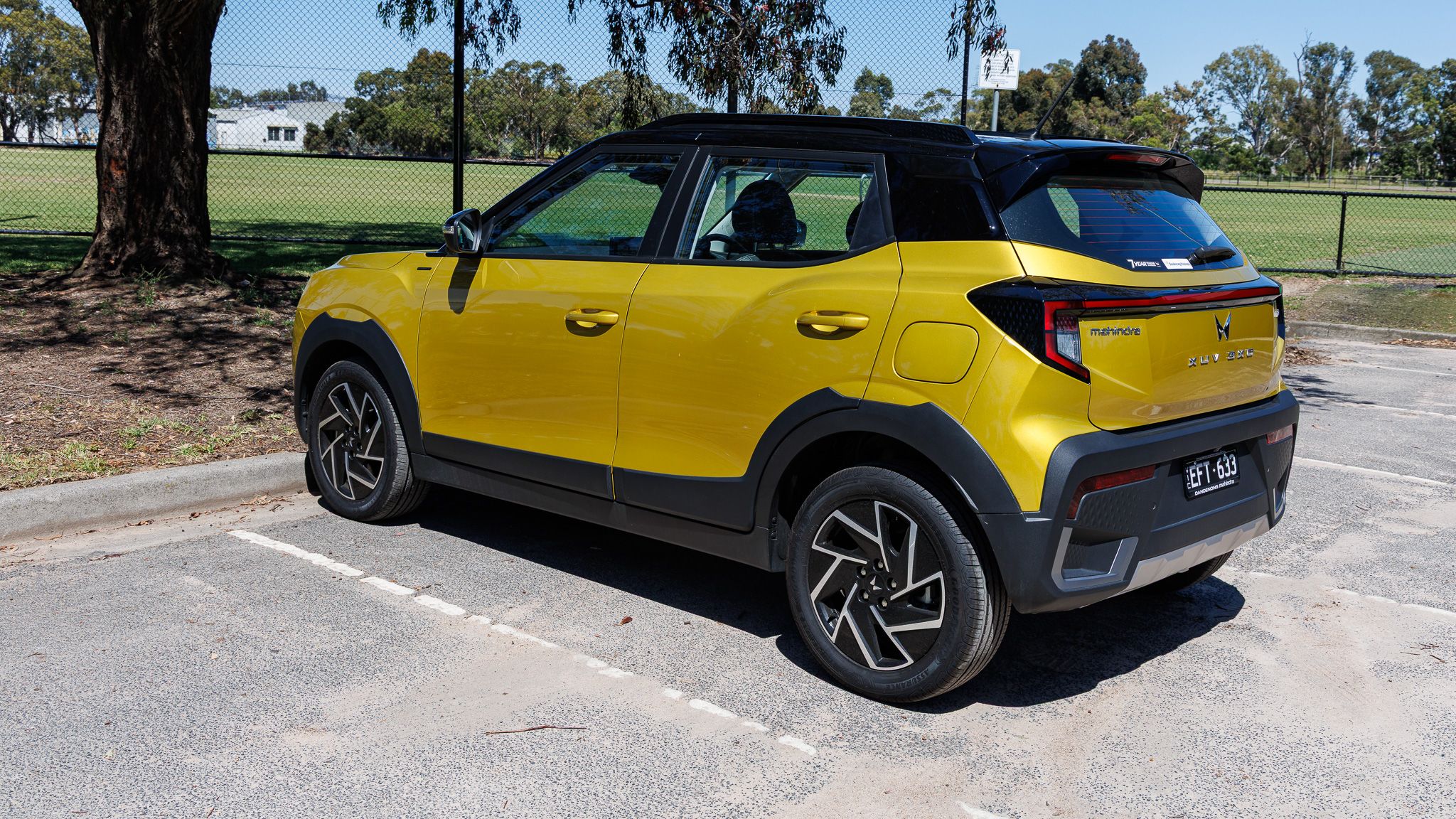
The squared-off tail shows where the length was saved. Our one gripe outside is the tailgate release, which is so small and well hidden that first-time owners will pat down the rear of the car like they have lost their keys.
What is the Mahindra XUV 3XO like inside?
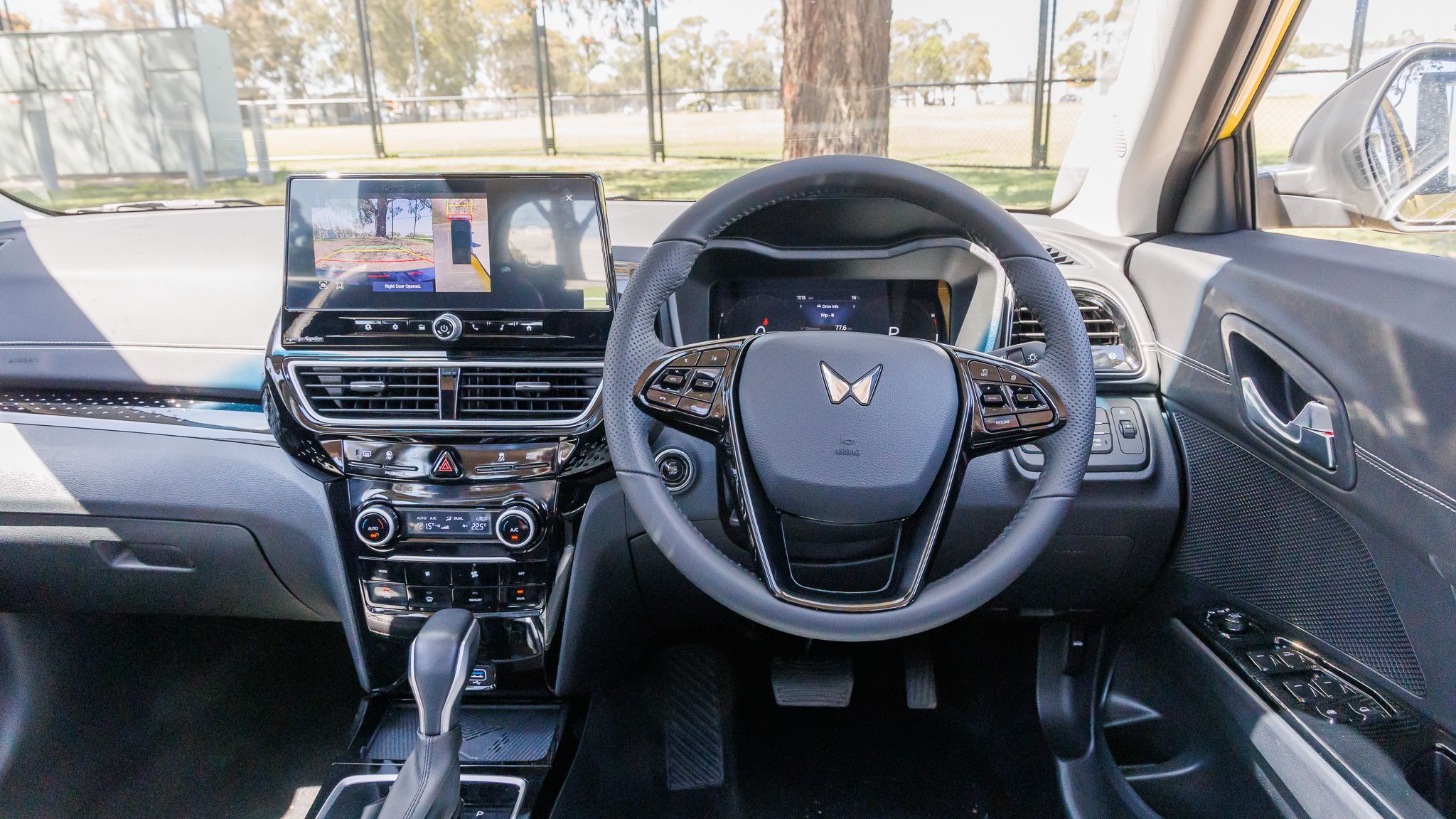
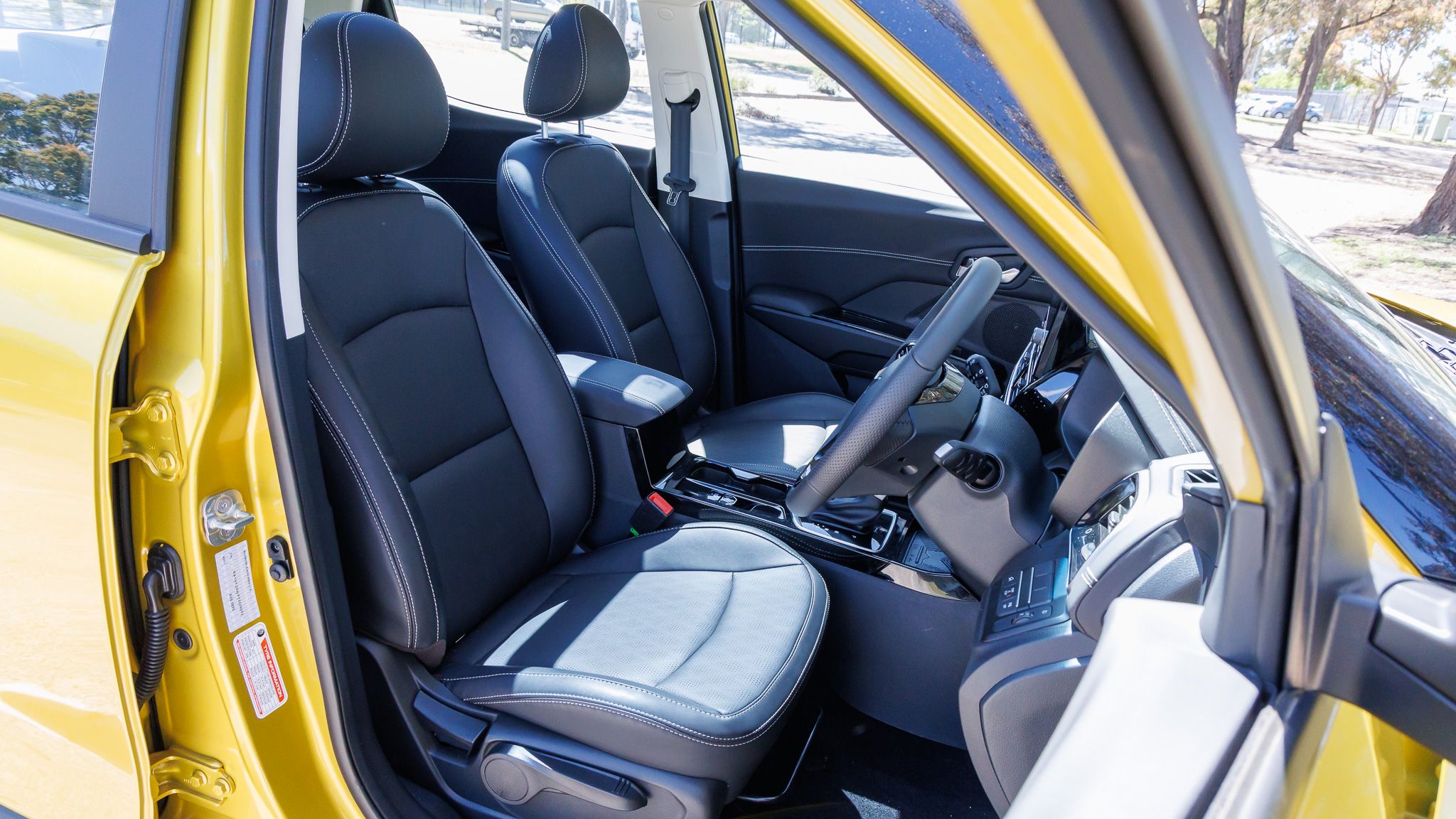
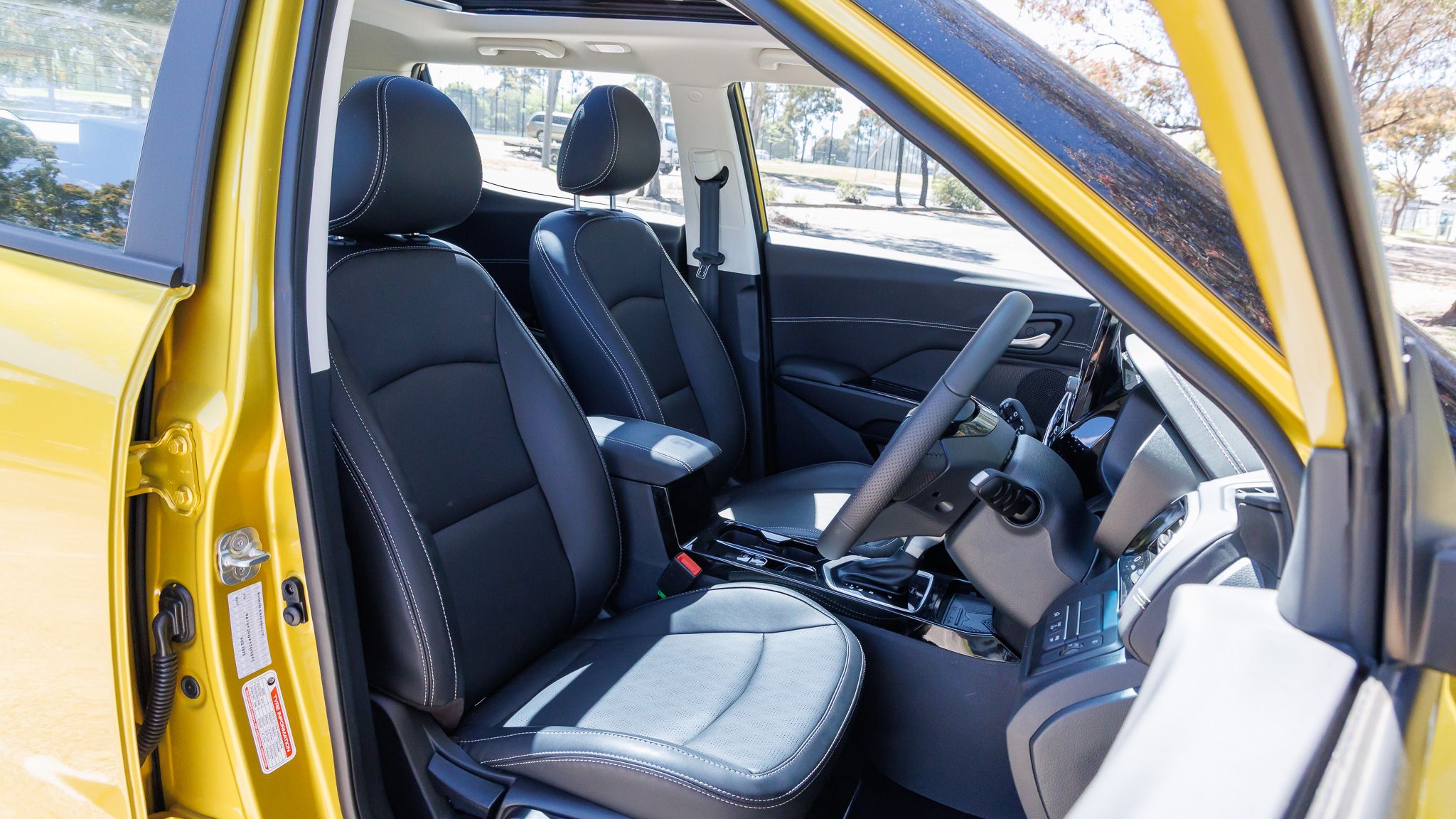
Inside, Mahindra has resisted the trend towards putting almost everything on a touchscreen. Climate control gets proper buttons and dials, the volume knob sits right where your hand falls and the steering wheel carries its own bank of shortcuts.
You will never dig through a touchscreen menu just to demist the windscreen. Plenty of newer rivals can’t say that.
The twin displays are sharp and quick to respond. Wireless CarPlay and Android Auto connect without fuss, while a wireless charging pad below completes the cable-free set-up.
One of the best features of the AX7L is its Harman Kardon stereo. It has genuine punch and clarity for a car at this money, though at highway speeds it is fighting more tyre roar than it should.
Material quality is a mixed bag. The soft-touch dash and door trims feel nicer than the price suggests, but the lower cabin is hard plastic with too much glossy black trim that smudges almost instantly.
The underlying platform dates back to the SsangYong Tivoli and some of the switchgear reflects that older design. The seats are comfortable enough around town but a little flat on longer drives. As with any newer brand, give the cabin a thorough once-over at delivery, including door seals and seat mounts.
How practical is the Mahindra XUV 3XO?
For something shorter than a Corolla hatch, the 3XO swallows people surprisingly well. Rear legroom suits average-height adults on shorter trips and the back row gets its own air vents plus charging outlets, which plenty of rivals skip.
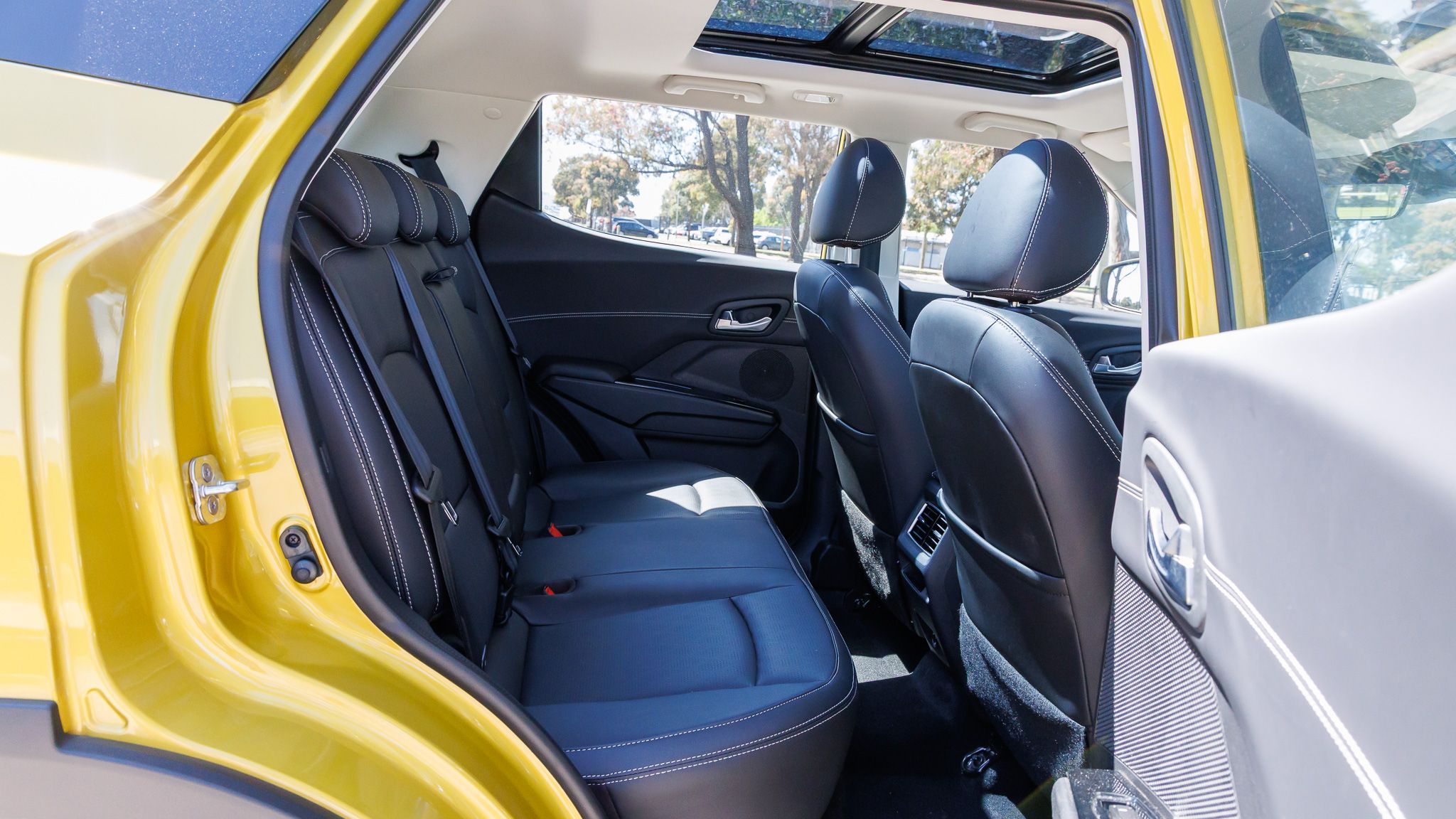
Families get ISOFIX points on both outer rear seats along with three top tethers. Fitting a bulky rear-facing seat will push the front passenger forward, as it does in most cars this size.
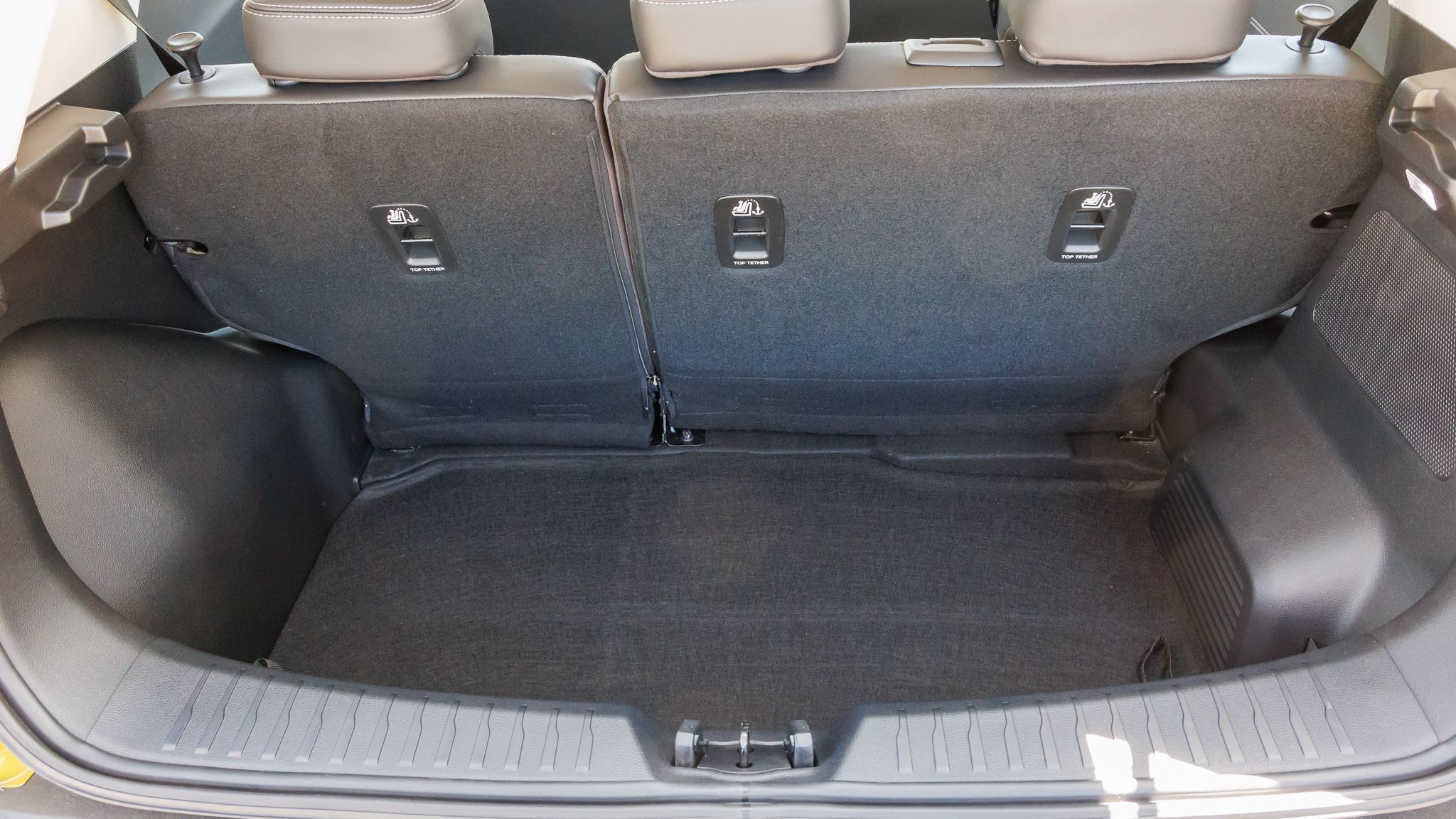
The 364-litre boot figure is measured to the roof, so think of it as a tall space rather than a deep one. Stacked shopping bags and soft luggage fit easily, but a pram lying flat is a tighter squeeze.
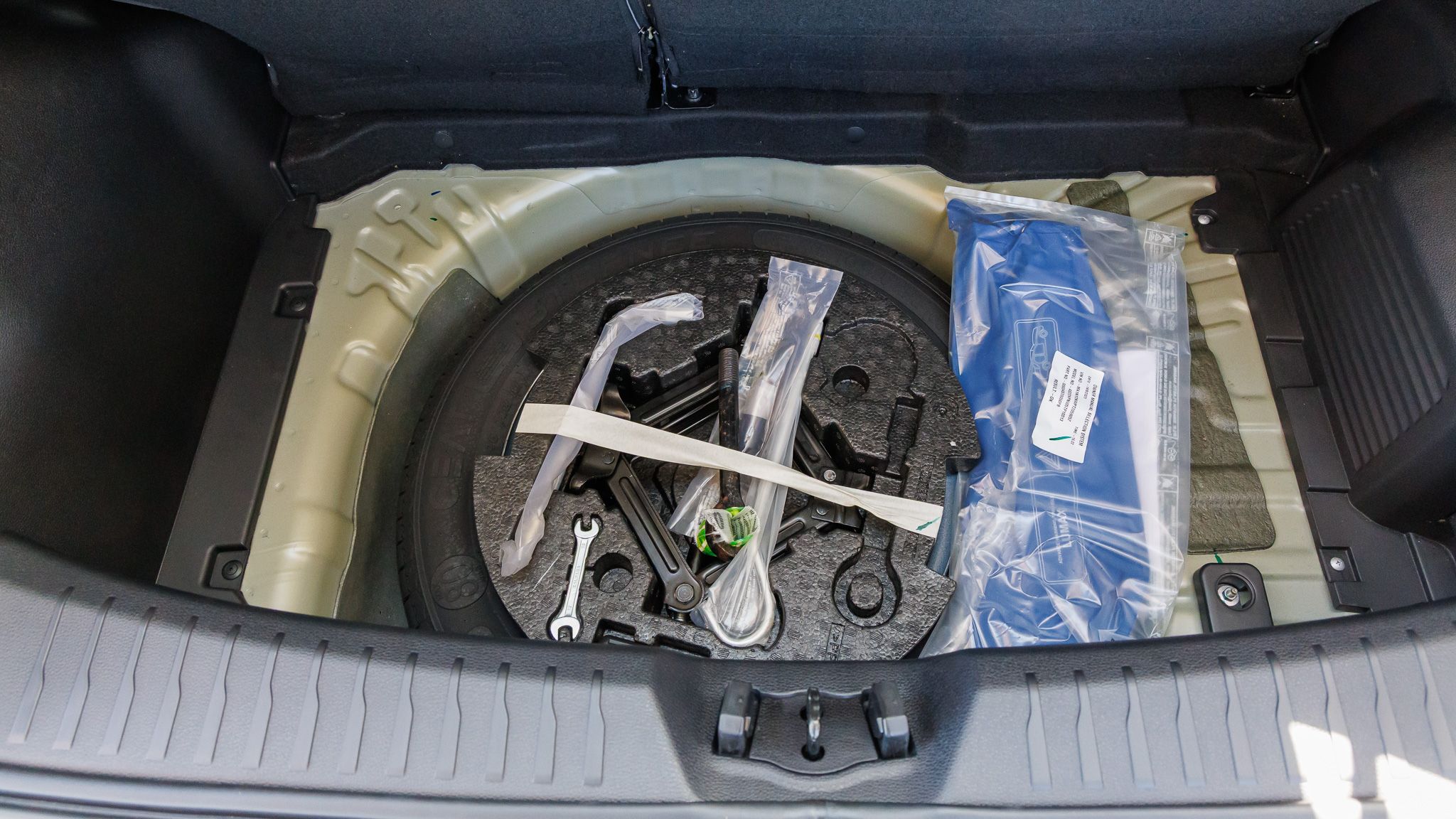
A space-saver spare sits under the floor, which beats a puncture kit when you are a long way from the nearest town. The 60:40 rear seats fold but leave a step in the load floor, so longer items take some wrangling.
Up front, storage is adequate rather than clever. The cooled glovebox is a genuinely handy touch for keeping a drink cold on a summer road trip.
What is the Mahindra XUV 3XO like to drive?
On the road, the 3XO is better than its price suggests. Around town it feels properly peppy, with the little turbo triple pulling hard from low revs and the six-speed auto snapping through its gears without the droning you get from CVT rivals.
That early torque gets it away from the lights quickly and makes stop-start traffic easy work. It never feels short of breath in the city.
The three-cylinder thrum is characterful rather than coarse at city speeds. Ask for everything on a country road and it gets louder and works harder, so plan overtakes with a little more road than you would in a bigger-engined car.
Ride and handling are well sorted for Australian suburbs. The suspension is on the firm side yet takes the sting out of speed humps and broken edges, while the short wheelbase makes it feel nimble through roundabouts and tight car parks.
The steering is light, which is ideal for parking. At freeway speeds it goes quiet on feel and asks for small corrections, though it never becomes a chore on a typical commute.
Wind and tyre noise build noticeably above 90km/h, a reminder of where some of the budget was saved. The idle stop-start system can be abrupt when the engine refires, but a button beside the steering wheel switches it off in a second.
There are three drive modes called Zip, Zap and Zoom. They mostly sharpen throttle response. Honestly, the middle setting is all you need.
How efficient is the Mahindra XUV 3XO?
The official combined consumption figure is 6.5L/100km, with an urban test-cycle figure of 7.6L/100km. Actual consumption will depend on traffic, driving conditions and how hard the turbocharged engine is worked.
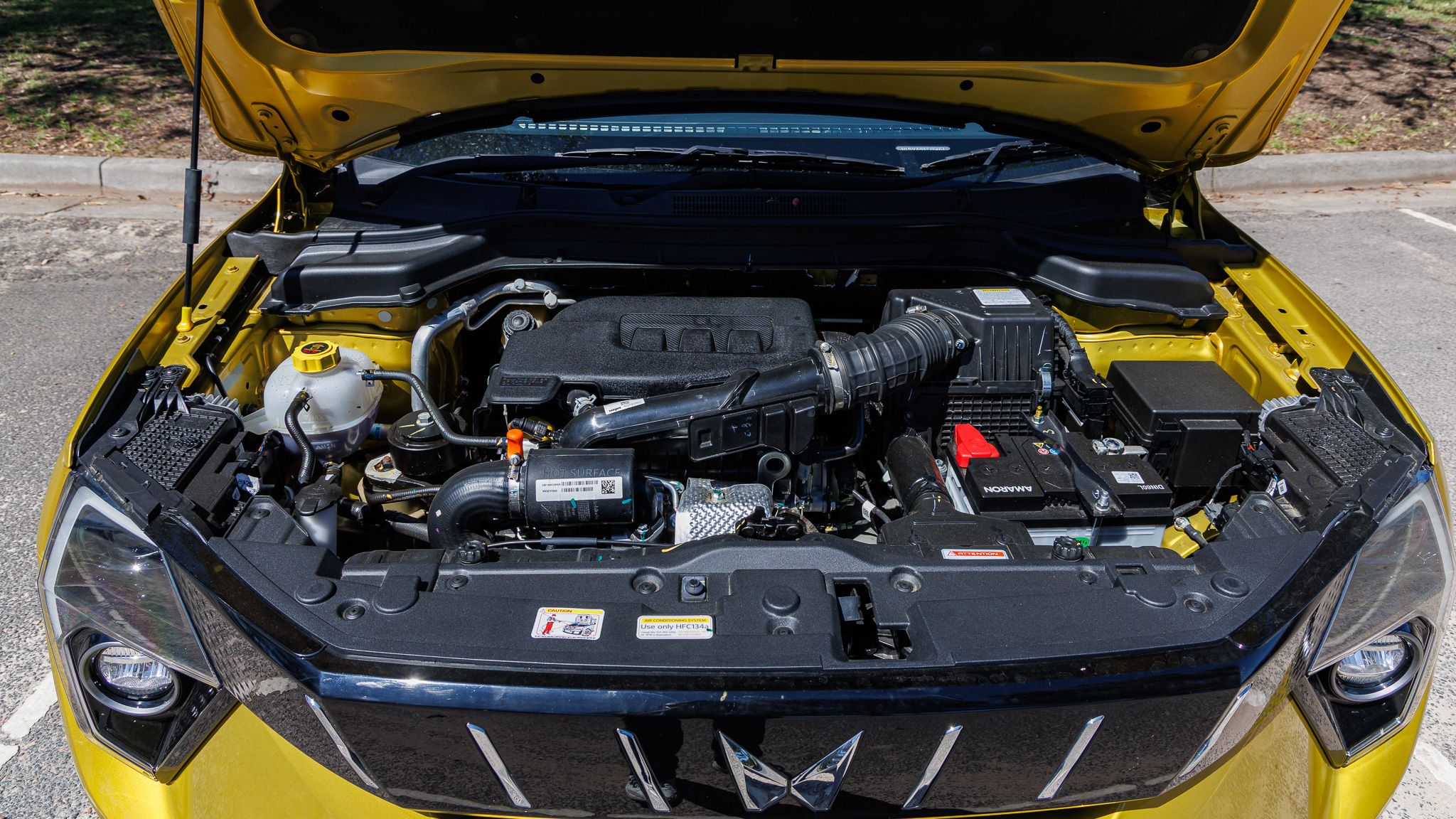
The 42-litre tank means more frequent stops than some rivals. It does at least run on regular 91-octane unleaded, keeping fuel costs down compared with engines requiring premium petrol.
Mahindra’s capped-price servicing runs for six years, with the first visit due earlier than the rest before it settles into an annual rhythm. The costs undercut most of the segment, though the program finishes a year before the warranty does. There are more than 70 Mahindra dealers nationally, so check how close your nearest workshop is before signing, especially in regional areas.
The warranty and roadside assistance both run for seven years, but the vehicle warranty carries a distance cap of 150,000km. The Chery Tiggo 4 offers the same warranty duration without a kilometre limit, which matters for high-mileage drivers.
| Service | Interval | Cost |
|---|---|---|
| Service 1 | 12 months or 10,000km | $279 |
| Service 2 | 24 months or 25,000km | $279 |
| Service 3 | 36 months or 40,000km | $349 |
| Service 4 | 48 months or 55,000km | $299 |
| Service 5 | 60 months or 70,000km | $389 |
| Service 6 | 72 months or 85,000km | $399 |
| Total (6 years) | $1,994 |
Servicing and Warranty
| First service | 12 months / 10,000km |
|---|---|
| Subsequent services | Every 12 months / 15,000km |
| Servicing cost (6 years) | $1,994 |
| Average annual cost | $332 |
| Vehicle warranty | 7 years / 150,000km |
| Roadside assistance | 7 years |
Is the Mahindra XUV 3XO safe?
This is the 3XO’s weak spot. It has not been tested by ANCAP. The XUV 3XO received a five-star Bharat NCAP rating in India, but that assessment applies to the vehicle tested under the Indian program and is not an Australian ANCAP rating.
Mahindra has indicated it is working on changes to bring the XUV 3XO into line with future ANCAP testing requirements. However, the current Australian model has not received an ANCAP rating and the final specification and testing outcome of any updated model remain to be confirmed.
Standard equipment is reasonable for the price. You get six airbags, autonomous emergency braking with pedestrian detection, adaptive cruise with stop-and-go, lane-keep assist, traffic sign recognition, auto high beam, tyre pressure monitoring and a reversing camera. The AX7L adds a 360-degree camera.
There are some notable omissions from the safety equipment list. There is no conventional blind-spot warning system or rear cross-traffic alert. The AX7L does have a Blind View Monitor, which displays a camera view of the vehicle’s blind spot on the driver’s screen, but this is not the same as a conventional blind-spot warning system. There is also no front centre airbag.
For parents buying a first car for a P-plater, the lack of an independent ANCAP rating should weigh heavily. Some will decide a five-star rival is worth giving up the 3XO’s extra spirit and equipment.
What are the main competitors to the Mahindra XUV 3XO?
The Chery Tiggo 4 petrol range is the obvious rival, matching the Mahindra dollar for dollar across its two grades. It is larger, carries a five-star ANCAP rating and has a seven-year unlimited-kilometre warranty, but its CVT feels less natural than the Mahindra’s conventional automatic and it misses out on that excellent stereo.
The Suzuki Fronx is a few thousand dollars dearer and counters with mild hybrid technology and Suzuki’s established dealer network. Its one-star ANCAP result from late 2025 is difficult to overlook, although the Mahindra has yet to receive an ANCAP rating of its own.
The GWM Haval Jolion gives you far more car for similar money, with a bigger cabin and boot for families who need the space. It trades the Mahindra’s city agility for that space, so it suits buyers who value room over zip.
The Hyundai Venue is the closest in size and wears a well-known badge with a strong dealer network behind it. It is getting on in years and costs more once on-road costs are added, but it remains the safe choice for buyers wary of a newer brand.
Should I buy the Mahindra XUV 3XO?
If your driving is mostly urban and value sits at the top of your list, the 3XO deserves a test drive before you sign for anything else at this price. It is genuinely fun in traffic, the AX7L’s equipment list embarrasses cars costing thousands more and the ownership costs are low.
The AX7L is the pick of the range. That $3,000 step brings the stereo, sunroof, 360-degree camera, nicer trim and front sensors that make the car feel special rather than merely cheap.
Safety is the line you have to draw for yourself. If an ANCAP rating is non-negotiable, the Tiggo 4 covers that base for the same money. If you’re comfortable buying a car without an ANCAP rating, the XUV 3XO is one of the more appealing options in the small SUV market. It offers plenty of equipment, a lively engine and a conventional automatic without asking you to spend much more than $25,000.
VerdictThe Beep Verdict
Shane Riley
Co-founder & Director
Shane Riley is Co-founder and Director of The Beep based in Melbourne, Australia. He has 20+ years across OEM, leasing and fleet, with experience in vehicle strategy, sales and operations.
About Author