2027 Volkswagen Polo review
The Volkswagen Polo is getting old and it's getting expensive, but spend a few days driving one and it's easy to see why you'd pay more for it.

Rob Leigh
Pros
- Solid, well-built cabin
- Quiet, punchy engine and tidy handling
- Big boot with a spare wheel underneath
Cons
- Dearer than most rivals
- No blind-spot monitoring on the Life
- Hesitant DSG and eager stop/start in traffic
Our verdict
The Polo suits buyers who want a small car that doesn't feel like a cheap one. It's quiet, well built and one of the few cars in this class that I'd happily spend hours in on the freeway. The problem is that you can now buy a better-equipped or more fuel-efficient small car for thousands less.
What does the Polo cost in Australia?
The 2027 Polo range is down to two grades, the Life at $30,990 and the Style at $34,990, both before on-road costs. Each has gone up $200 for the new model year.
Even the entry-level Life comes reasonably well equipped. It gets LED headlights, 15-inch alloys, an 8.0-inch touchscreen with wireless Apple CarPlay and Android Auto, a digital instrument cluster, wireless phone charging, front and rear parking sensors and Travel Assist, which pairs adaptive cruise with lane centring.
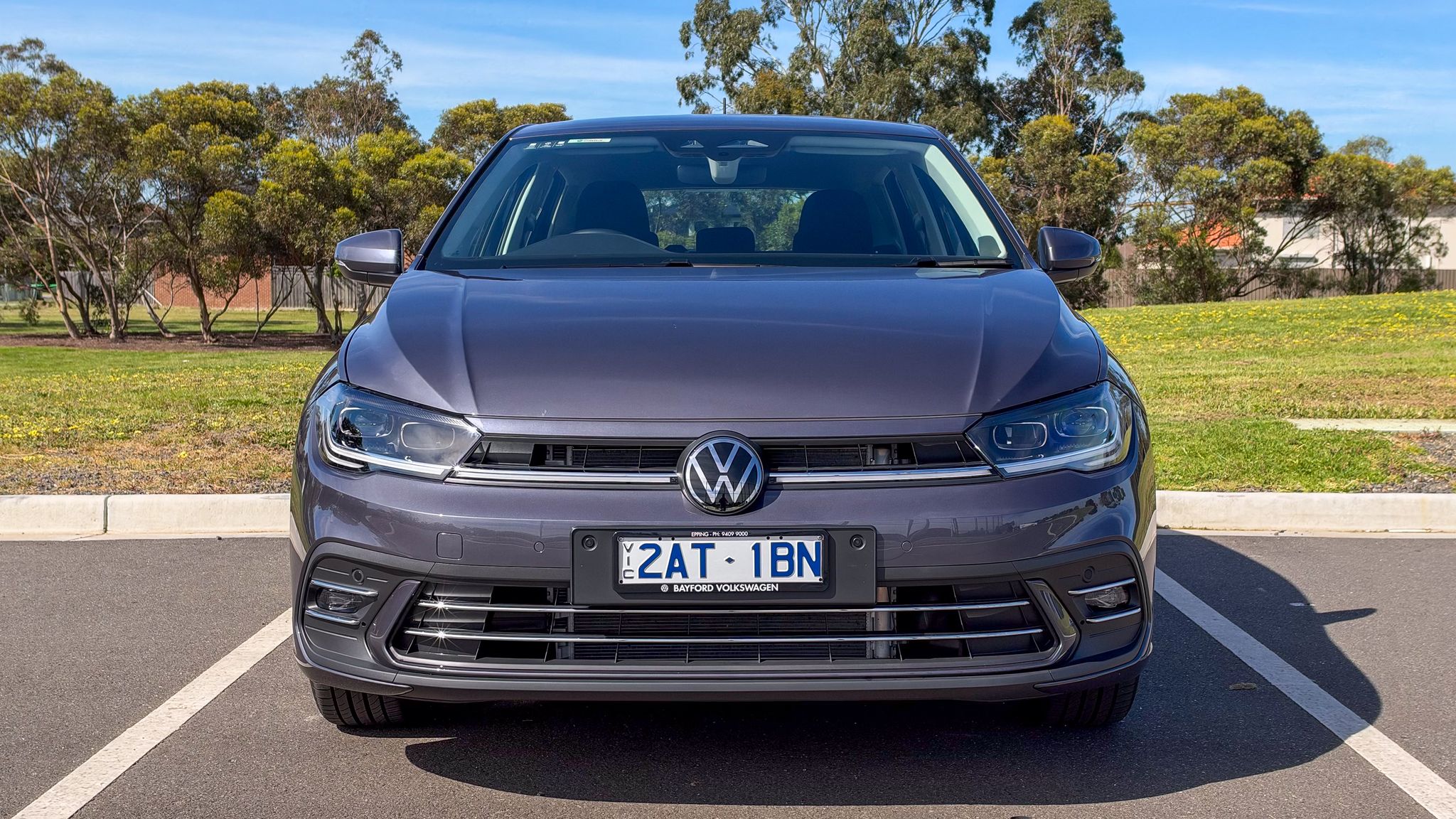
The extra $4000 for the Style adds matrix LED headlights with a light bar across the grille, 16-inch wheels, keyless entry and start, dual-zone climate control and a larger 10.25-inch digital cluster with a map view. It also brings blind-spot monitoring and rear cross-traffic alert, which the Life goes without.
It's a lot of money for a little hatchback, particularly when Toyota, Suzuki and MG all have cheaper alternatives. You could even get a well-equipped Chery SUV for thousands less. You wouldn't pick the Polo based on its equipment list alone. You really need to drive one.
| Specifications | Life | Style |
|---|---|---|
| Price excluding on-roads | $30,990 | $34,990 |
| Powertrain | 1.0L turbo petrol | 1.0L turbo petrol |
| Power | Torque | 85kW | 200Nm | 85kW | 200Nm |
| Transmission | 7-speed dual-clutch automatic | 7-speed dual-clutch automatic |
| Drivetrain | FWD | FWD |
| Fuel use (claimed) | 5.4L/100km | 5.4L/100km |
| Fuel type | 95-octane premium unleaded | 95-octane premium unleaded |
| Braked towing | 1100kg | 1100kg |
| ANCAP | Five stars (2022) | Five stars (2022) |
| Warranty | 5 years | Unlimited km | 5 years | Unlimited km |
View Volkswagen Polo driveaway pricing and specifications →
What does the Polo look like?
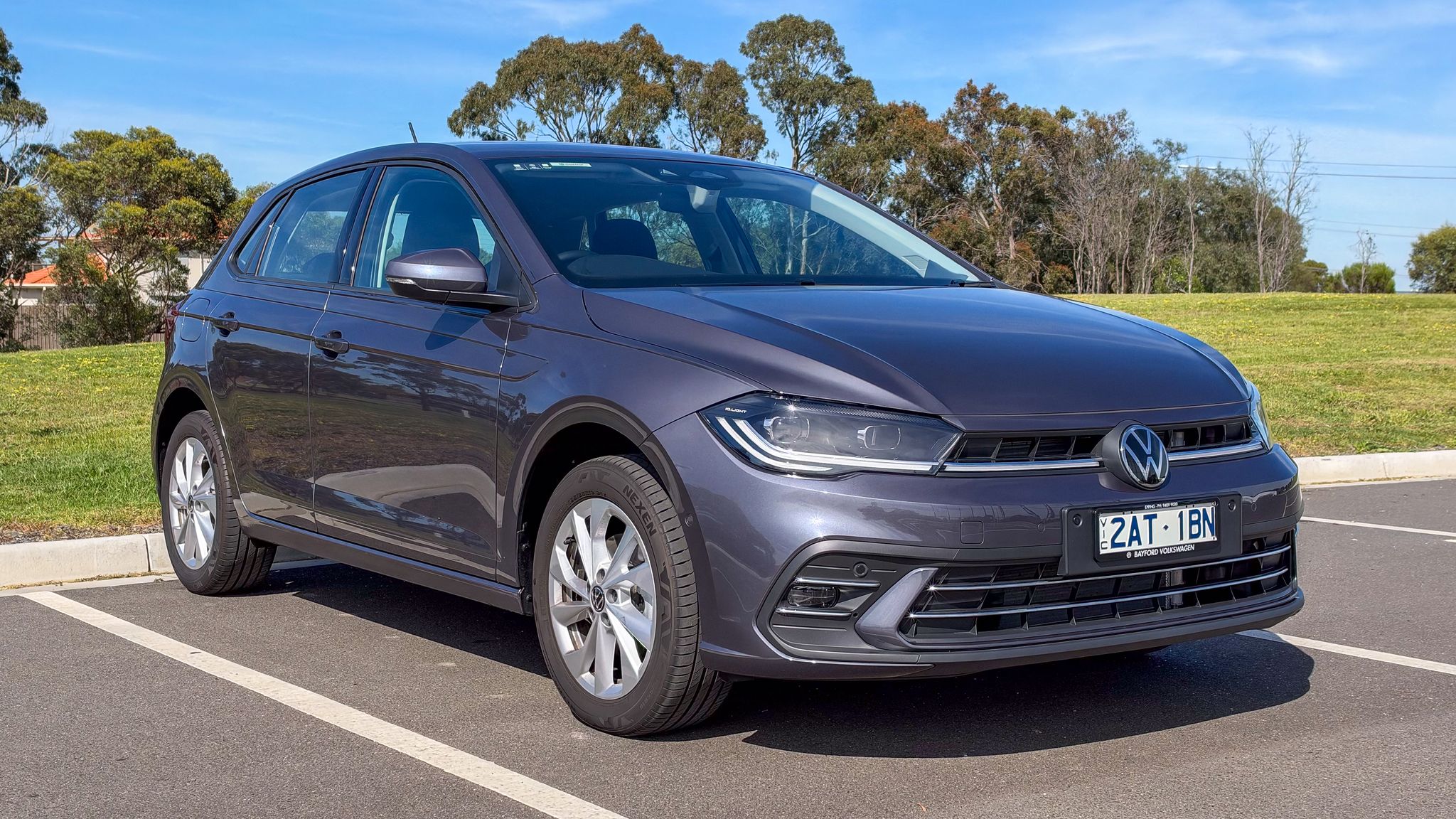
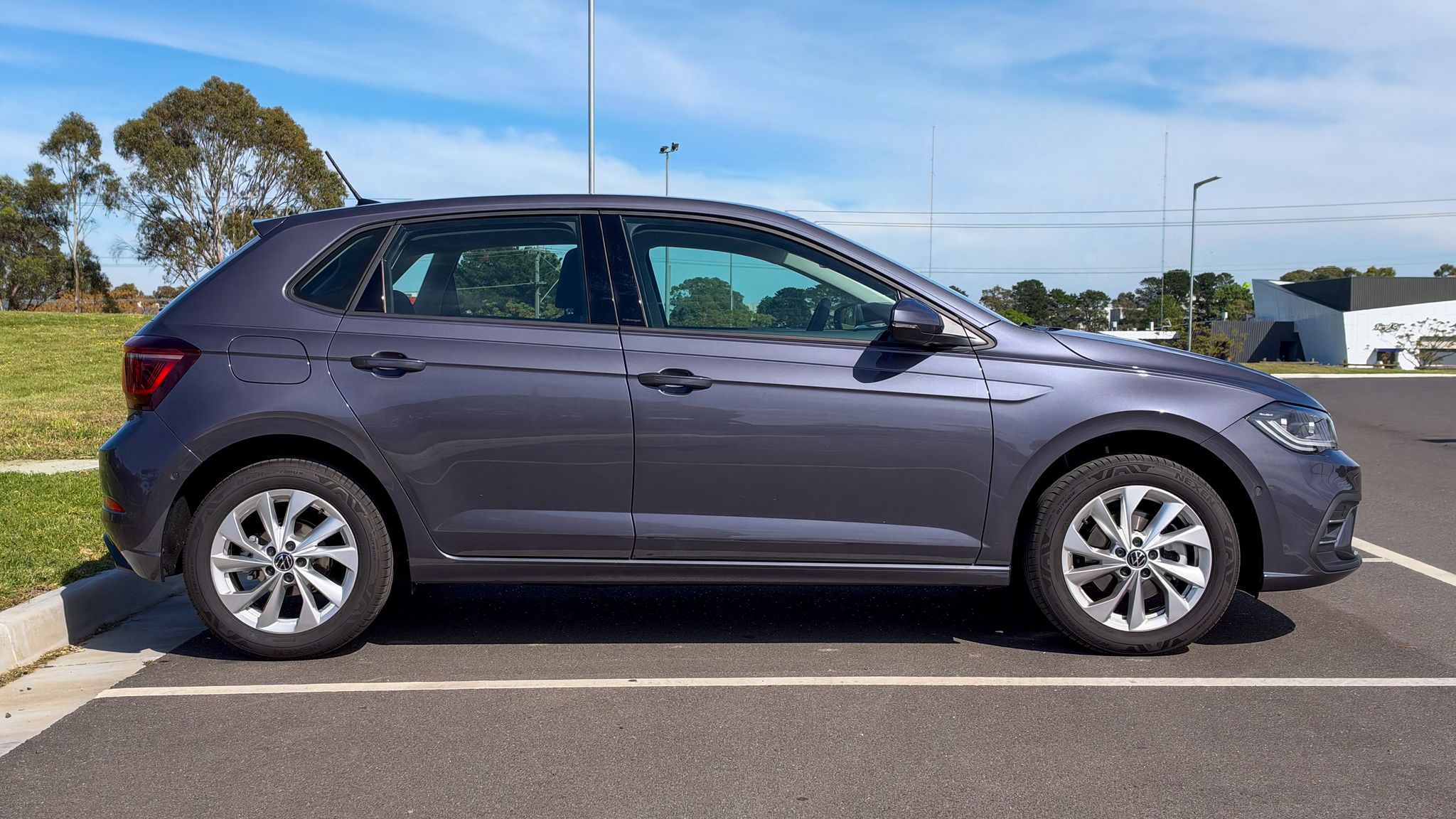
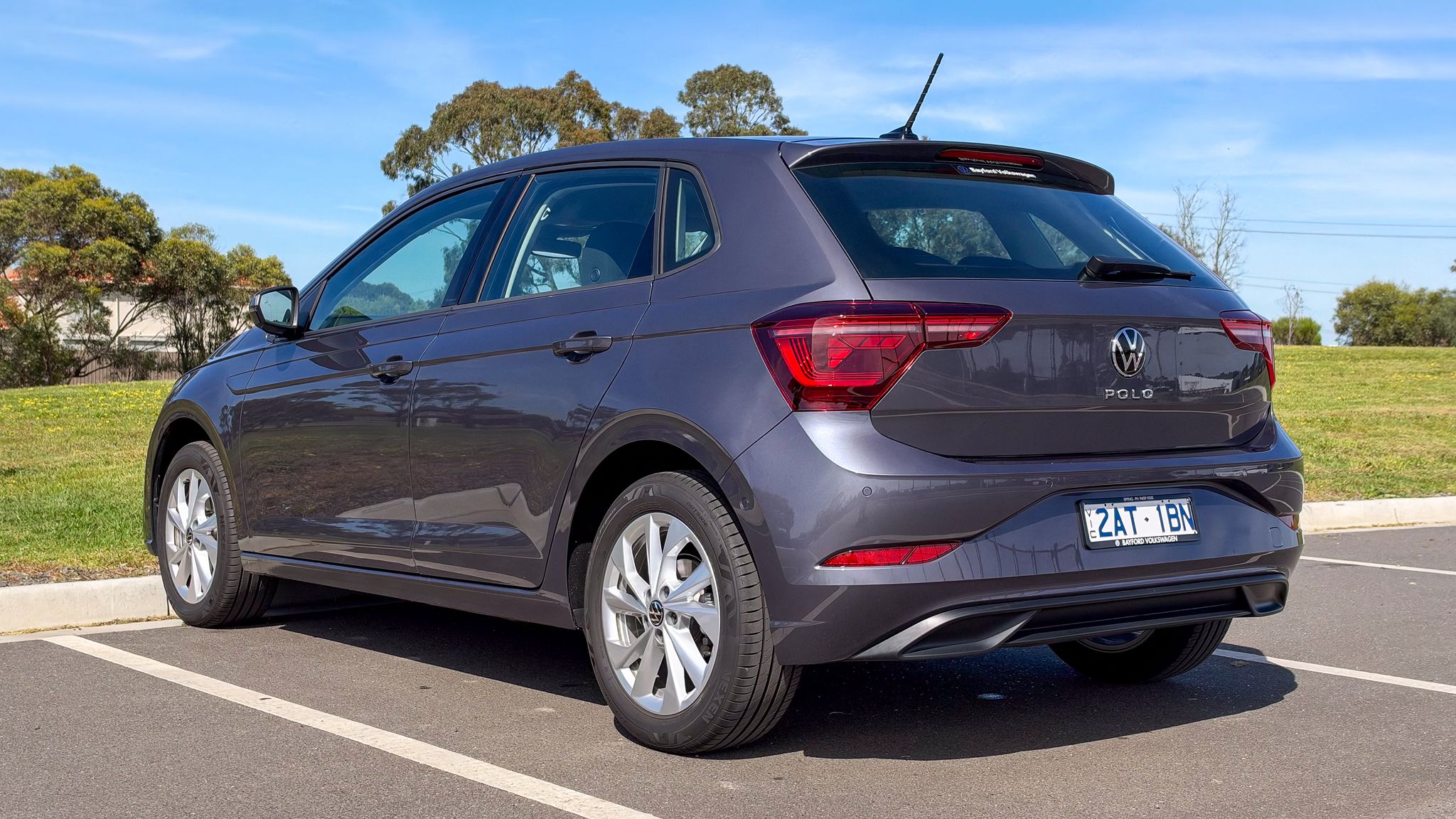
This generation of Polo has been around since 2018 with a facelift arriving a few years later. It's a fairly conservative design that has aged remarkably well.
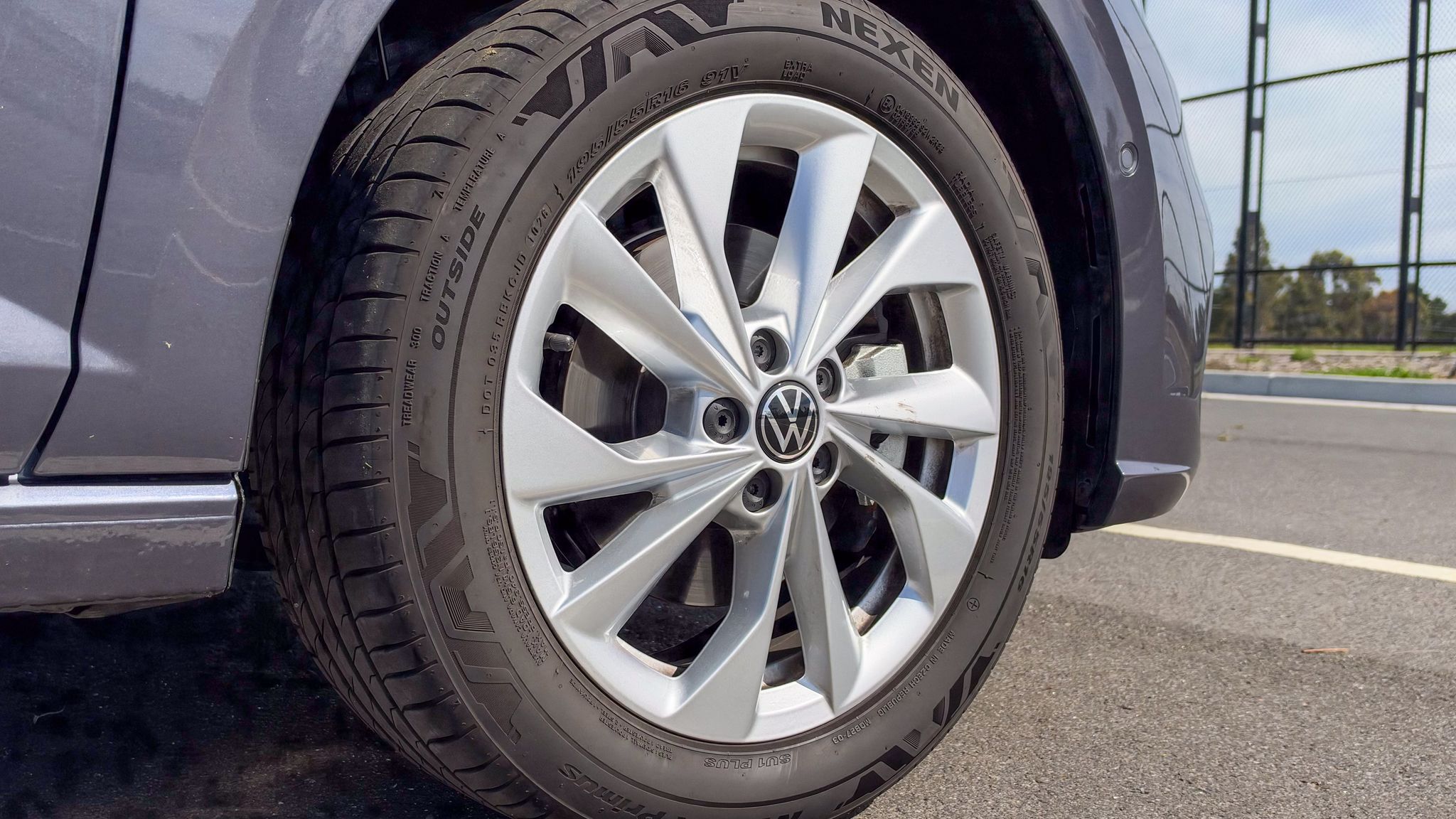
The Style is the more modern-looking of the two, thanks to the LED strip running across the nose between the headlights. The Life looks a little basic alongside the Style, particularly on its smaller 15-inch wheels.
At 4080mm long, the Polo is about the size of a Golf from a couple of generations ago. It doesn't have the narrow, upright appearance of some other light hatchbacks.
What is the Polo like inside?
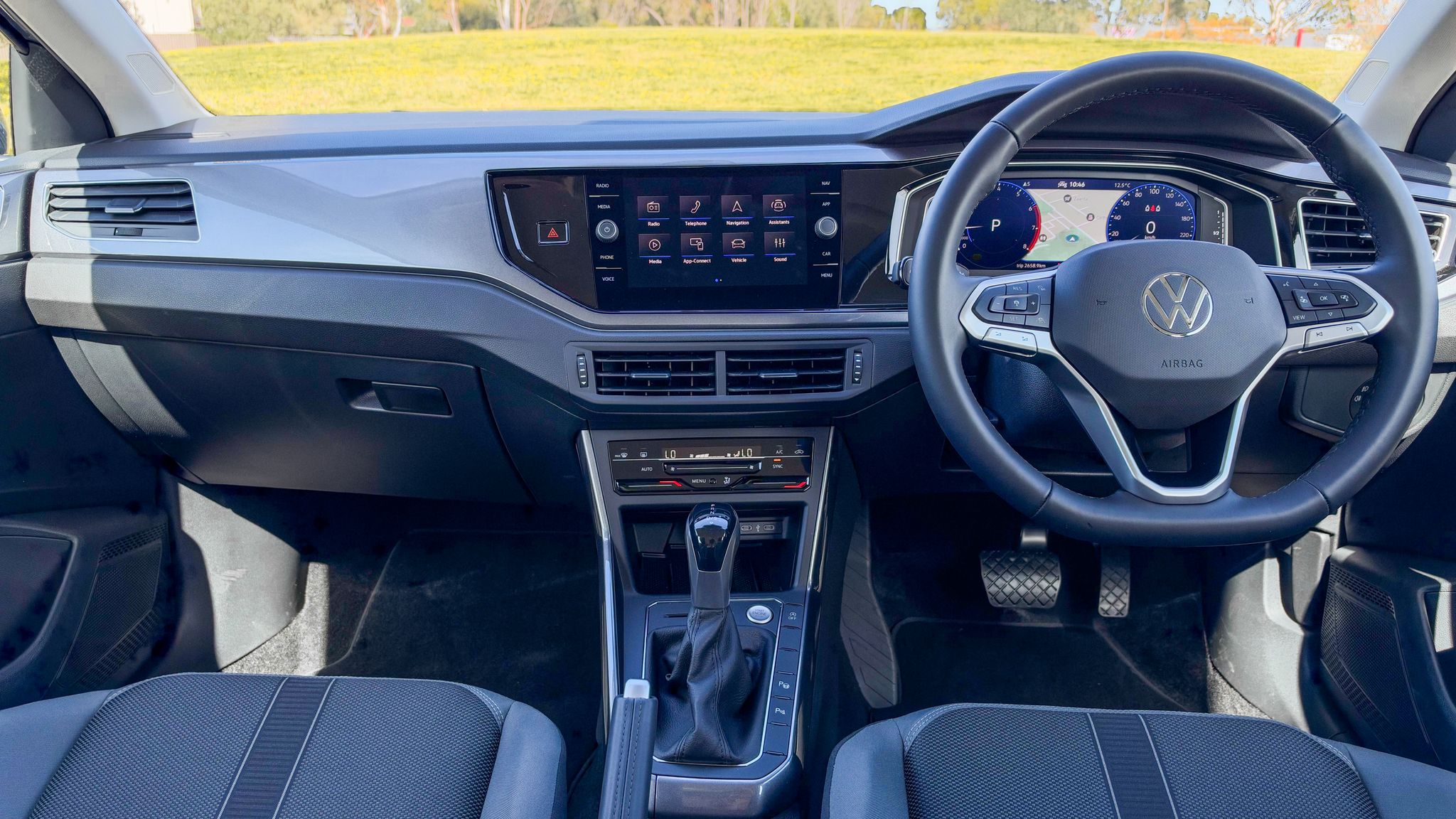
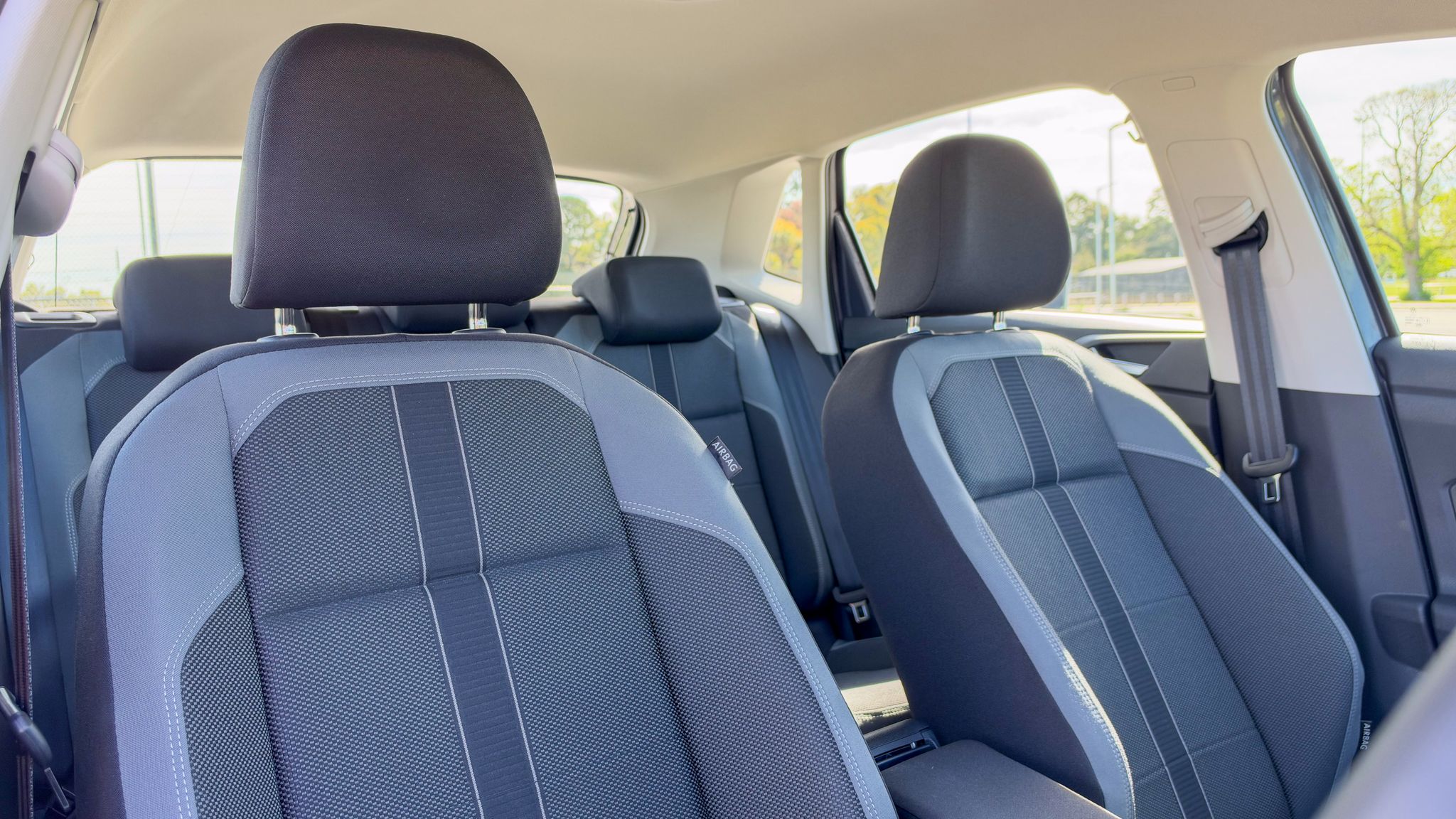
One of my favourite things about the Polo is how solid the interior feels. The doors shut with a reassuring thud, the buttons and dials feel expensive and I couldn't find any noticeable creaks in the cabin.
The top of the dashboard is finished in soft-touch material, which is rare at this price, although the door panels are hard plastic. The leather-wrapped steering wheel uses real buttons rather than the touch pads in newer Volkswagens, and they're easy to use without looking.
The Life gets simple rotary climate controls, and I prefer them to the Style's touch sliders, which take more concentration to use while driving. The 8.0-inch touchscreen is small by today's standards, but it's responsive and the menus are easy to navigate.
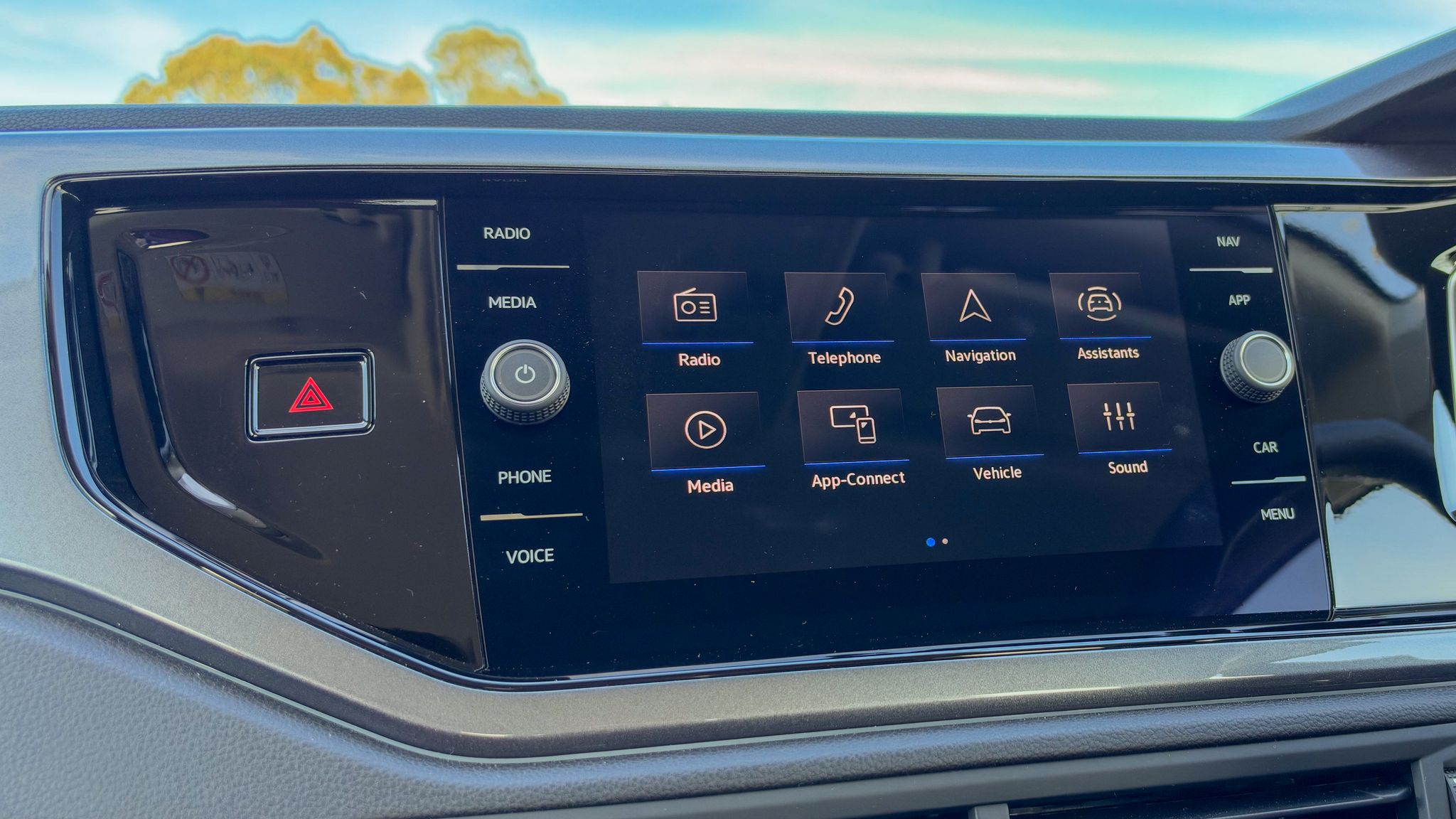
Storage up front is average. The cupholders are tight for bigger takeaway cups and the centre bin is shallow, but the door pockets take a large water bottle and the wireless charging pad sits neatly under the dash.
The front seats are surprisingly comfortable for a car this small, particularly on longer drives. Taller drivers will find plenty of adjustment in the seat and the steering wheel.
How practical is the Polo?
Rear space is fine for average-sized adults, but taller passengers will have their knees in the seatback. The centre seat is best kept for kids, with a hump in the floor taking up foot room.
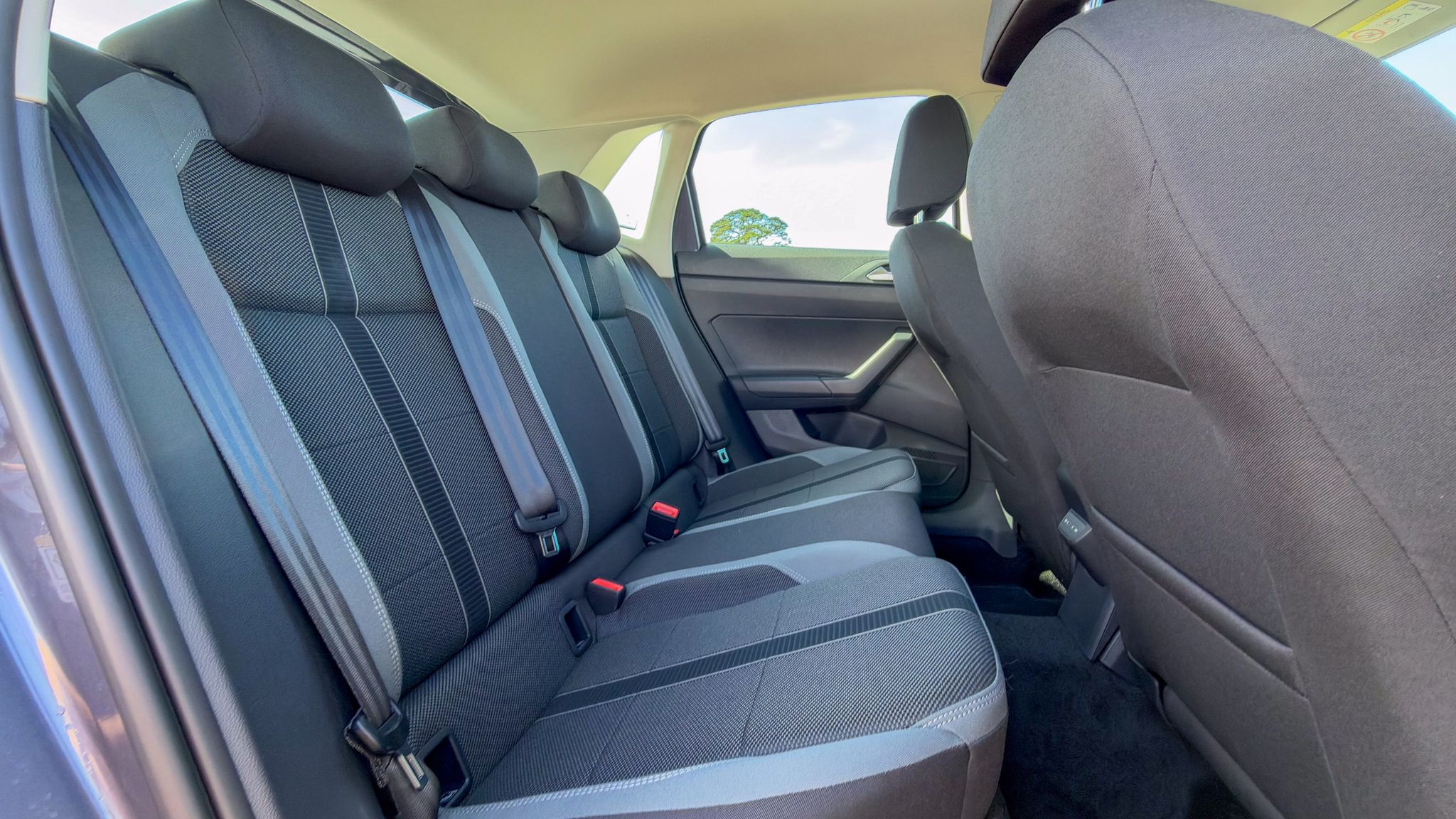
Rear passengers get two USB-C ports but no air vents or fold-down armrest. There are two ISOFIX points and three top-tether anchors for child seats.
Where the Polo really impresses is its boot space. At 351L with the seats up and 1125L with the 60:40 rear seats folded, it's bigger than some small cars from the class above, and it's a deep, square shape that's easy to load.
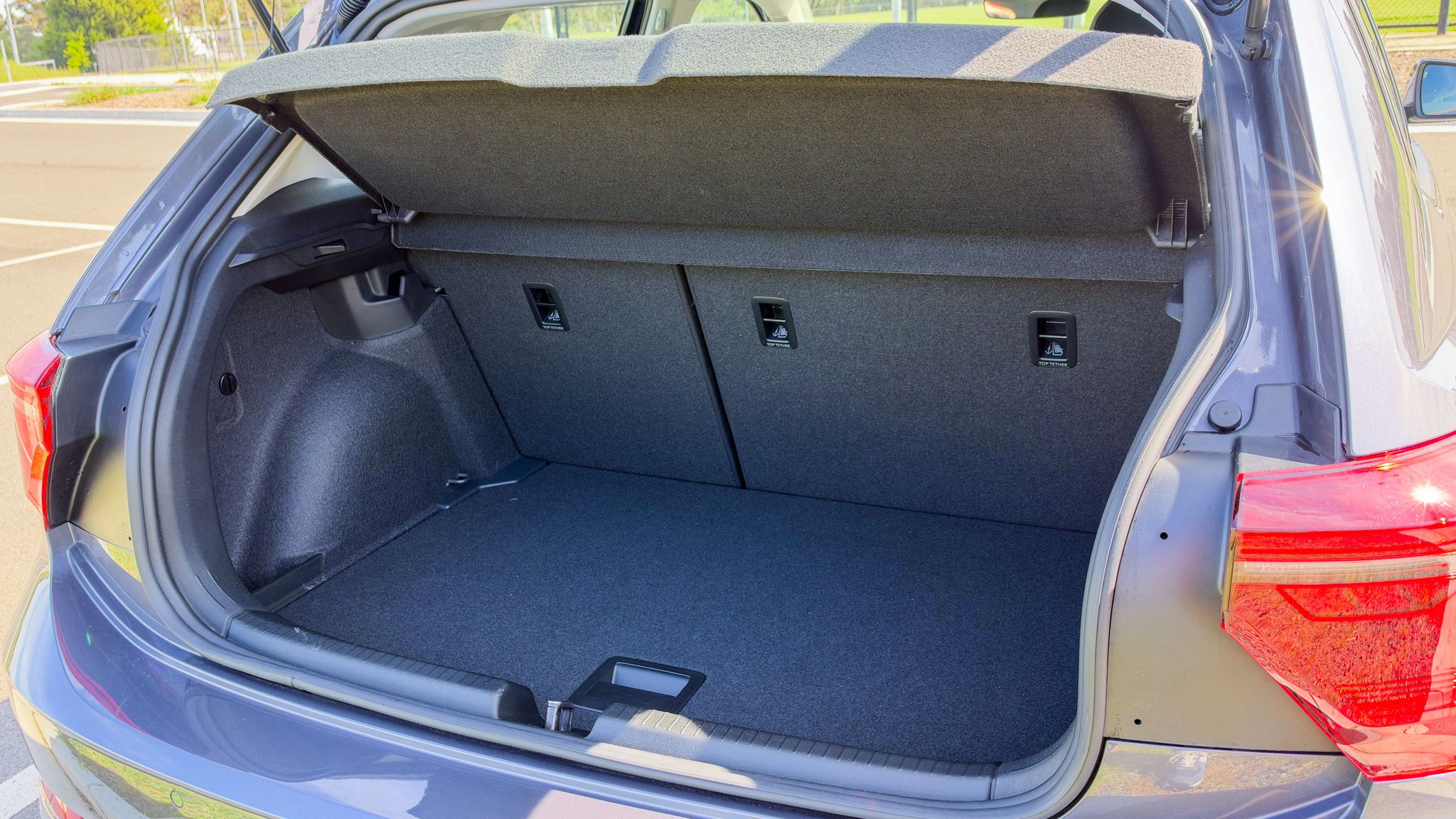
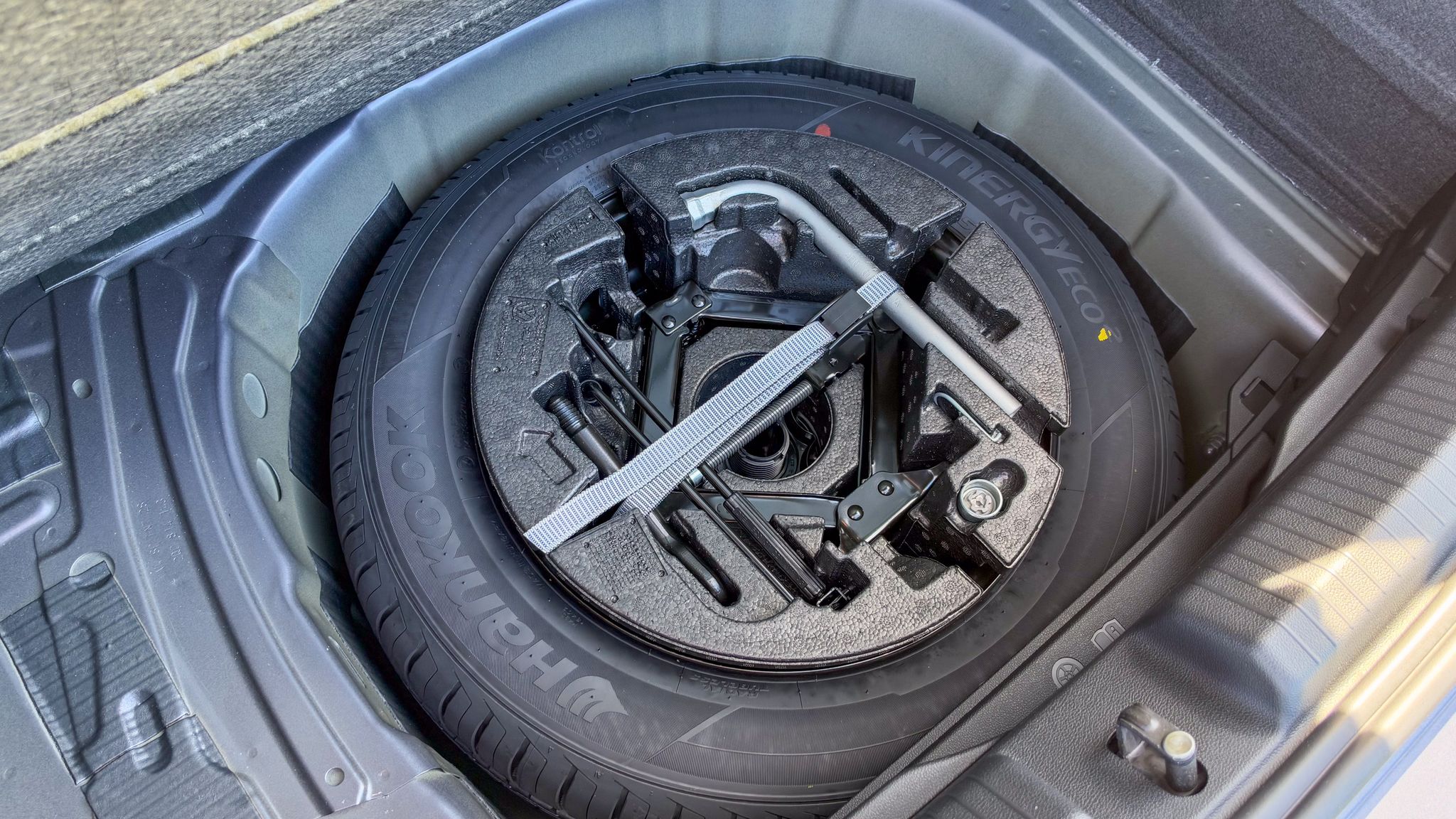
There's also a 15-inch steel spare wheel under the boot floor. I'd much rather have that than the puncture repair kit supplied with many of its rivals.
What is the Polo like to drive?
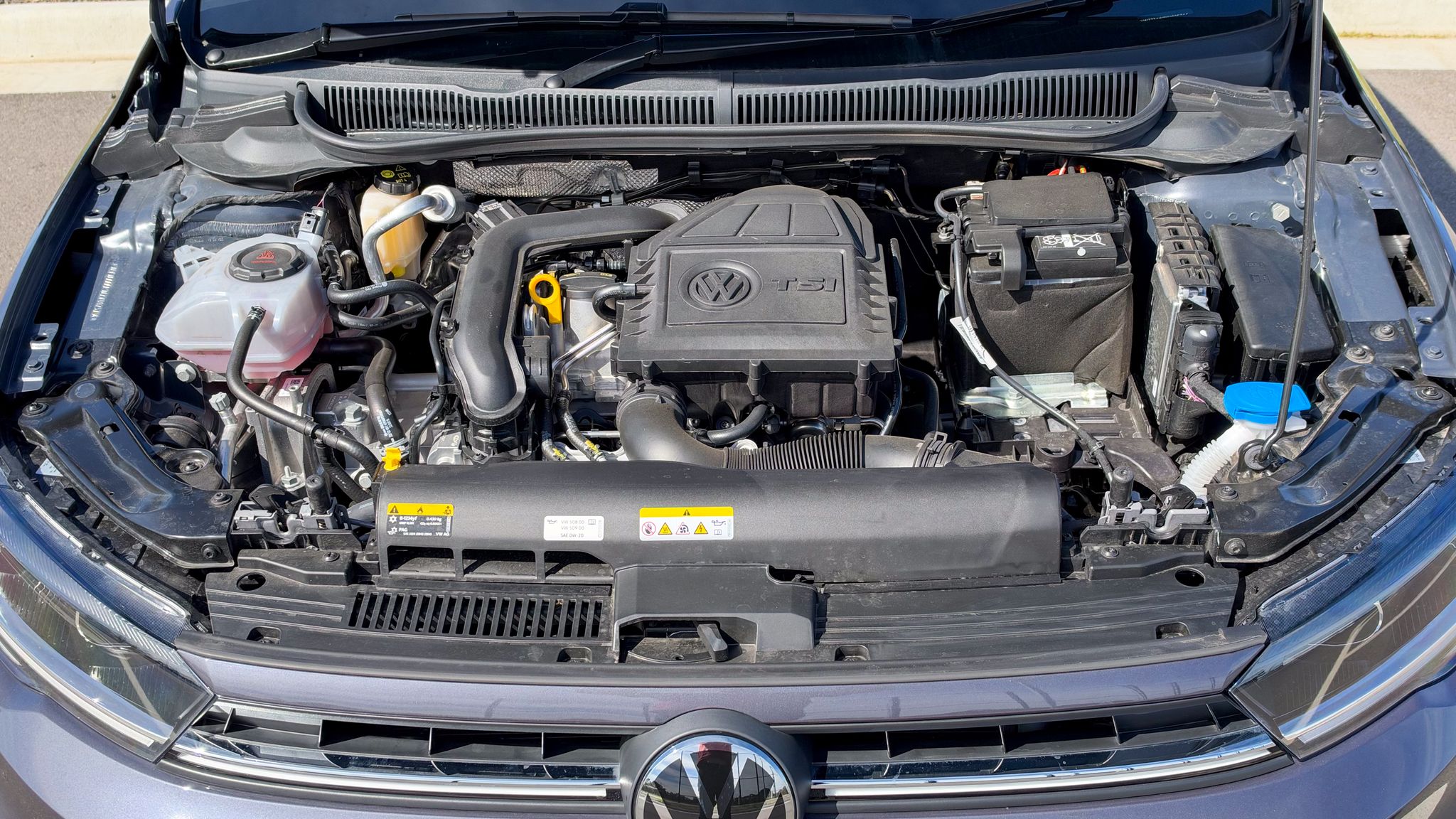
The 1.0-litre three-cylinder turbo only makes 85kW, but it never feels underpowered around town. There's a decent amount of pulling power from low revs and the little three-cylinder engine sounds quite good when you put your foot down.
The steering is light and accurate, and the Polo's compact dimensions make it particularly easy to manoeuvre through traffic and squeeze into tight parking spaces.
The seven-speed dual-clutch gearbox shifts quickly once you're moving, but it can hesitate when pulling away from a standstill. The stop/start system makes that worse because it's keen to cut the engine and slow to restart it, so I switched it off at the start of most drives. It defaults back to on every time you restart the car.
The suspension is a little firmer than I'd like around town. You notice sharper bumps more than in some softer rivals, but it never became a problem for me and it keeps the Polo feeling settled at highway speeds.
What surprised me most was how quiet the Polo was on the freeway. Road and wind noise are well suppressed and it's a far more relaxing long-distance car than its size suggests.
The little engine loses some of its punch at highway speeds, so I'd leave a bit more room when overtaking. Travel Assist is a real help on longer runs, keeping the car centred in its lane and holding a set gap to the car in front.
How efficient is the Polo?
Volkswagen claims 5.4L/100km on the combined cycle, but we averaged around 6.7L/100km in mixed driving. That's still reasonably efficient for a non-hybrid hatchback, although the 40L fuel tank is quite small.
The requirement for premium unleaded makes the Polo more expensive to run, particularly compared with the hybrid Yaris and Swift.
Servicing is due every 12 months or 15,000km. The figure below is Volkswagen's prepaid five-year Care Plan, which is cheaper than paying for each service as you go, but still more than you'd pay to service a Toyota or Suzuki. Volkswagen's warranty runs for five years with no extension for servicing at a dealer.
| Servicing and Warranty | Volkswagen Polo |
|---|---|
| Service interval | 12 months | 15,000km |
| Five-year prepaid servicing | $2799 |
| Average annual cost | $560 |
| Vehicle warranty | 5 years | Unlimited km |
Is the Polo safe?
The Polo has a five-star ANCAP rating from 2022 with scores of 94% for adult occupant protection, 80% for child occupant protection, 70% for vulnerable road user protection and 70% for safety assist. It's worth noting that the Polo was assessed under ANCAP's 2022 testing criteria, which are different from those used for new cars today.
Every Polo gets autonomous emergency braking with pedestrian and cyclist detection, Travel Assist, lane-keep assist, driver fatigue alert, front and rear parking sensors, a reversing camera and an automatic parking system.
The Style adds blind-spot monitoring and rear cross-traffic alert. It's disappointing that blind-spot monitoring isn't standard on a $31,000 hatchback, particularly when some considerably cheaper cars now include it.
What are the main competitors to the Polo?
The Toyota Yaris is now hybrid-only and starts at $29,190 before on-roads. It's the better choice if keeping running costs down is a priority, although the Polo has a much bigger boot and feels more substantial on the road.
The Suzuki Swift Hybrid starts at around $26,490 before on-roads and is cheap to run, but its three-star ANCAP rating puts it behind it’s competition.
It's difficult to ignore the price of the MG3. The petrol Vibe starts at just $19,990 driveaway, while even the range-topping petrol Essence is $25,990 driveaway. I'd much rather drive the Polo, but that's a substantial price difference.
There's also the Chery Tiggo 4, which starts at $23,990 driveaway. If you want a higher seating position and plenty of equipment without spending more than $25,000, it's worth a look.
If you're on a tight budget, the Tiggo 4 is the one I'd recommend. For everyone else, it's between the Yaris and the Polo. The Toyota will cost less to run, but the Volkswagen is the nicer car to drive and spend time in.
Should I buy the Polo?
It's getting harder to justify spending more than $30,000 on a Polo when there are so many good small cars available for less.
But I really enjoyed my time with it. It's comfortable, quiet, easy to drive and has a better-quality interior than most of its rivals. It's also surprisingly practical for such a small car.
I'd buy the Life. You get the same engine and much of what makes the Polo so good for $4000 less than the Style, although the omission of blind-spot monitoring is disappointing.
The Polo isn't the light hatchback I'd buy to save money, but it's still one of my favourites to drive.
VerdictThe Beep Verdict
Rob Leigh
Co-founder & Director
Rob Leigh is Co-founder and Director of The Beep based in Melbourne, Australia. He has 15+ years inside a major automotive OEM, specialising in product planning, pricing and vehicle strategy.
About Author