2026 Kia K4 Hatch review
Kia has waited nearly a year to give the K4 the body style Australians actually wanted, and the hatch turns out to be the version worth buying, provided you shop the range with a cool head.

Rob Leigh
Pros
- Locally tuned ride and handling that outclasses the price tag
- Flagship-grade infotainment fitted from the base model up
- A genuinely big boot and roomy back seat for the class
Cons
- Still no hybrid while most competitors offer one
- Odd spec gaps, from the steering wheel trim to the missing cameras
- Servicing looks cheap on paper until the middle visits land
Our verdict
This is the small car for buyers who are done being told they need an SUV. It does the important things well: it rides beautifully for the money, it swallows a family's worth of gear, and it puts a proper big screen in front of you from the cheapest variant. The catch is that there is no hybrid yet, so if halving your fuel bill is the goal, you will need to wait or look elsewhere.
What does the K4 Hatch cost in Australia?
The hatch is priced line for line with the sedan, so there is no penalty for choosing the better-looking body.
The range runs from the K4 S at $33,490 driveaway to the GT-Line at $47,490 driveaway, which is a wide spread for what is nominally one nameplate.
Only the flagship GT-Line gets the turbo engine and the more sophisticated rear suspension. Everything below it runs the naturally aspirated 2.0 litre and a torsion beam, which matters more than the badge suggests once you start comparing variants.
| Variant | Powertrain | Drivetrain | Driveaway price |
| K4 S | 2.0L petrol, CVT | FWD | $33,490 |
| K4 S with Safety Pack | 2.0L petrol, CVT | FWD | $35,490 |
| K4 Sport | 2.0L petrol, CVT | FWD | $38,490 |
| K4 Sport+ | 2.0L petrol, CVT | FWD | $41,490 |
| K4 GT-Line | 1.6L turbo petrol, 8-speed auto | FWD | $47,490 |
See K4 driveaway pricing and specifications →
Against the segment, the K4 slots in neatly. It opens below the cheapest Mazda 3 and undercuts the Corolla Hybrid, while offering more metal for the money than either. With the Hyundai i30 hatch now retired, Kia has a clear run at second place behind the Corolla.
What does the K4 Hatch look like?
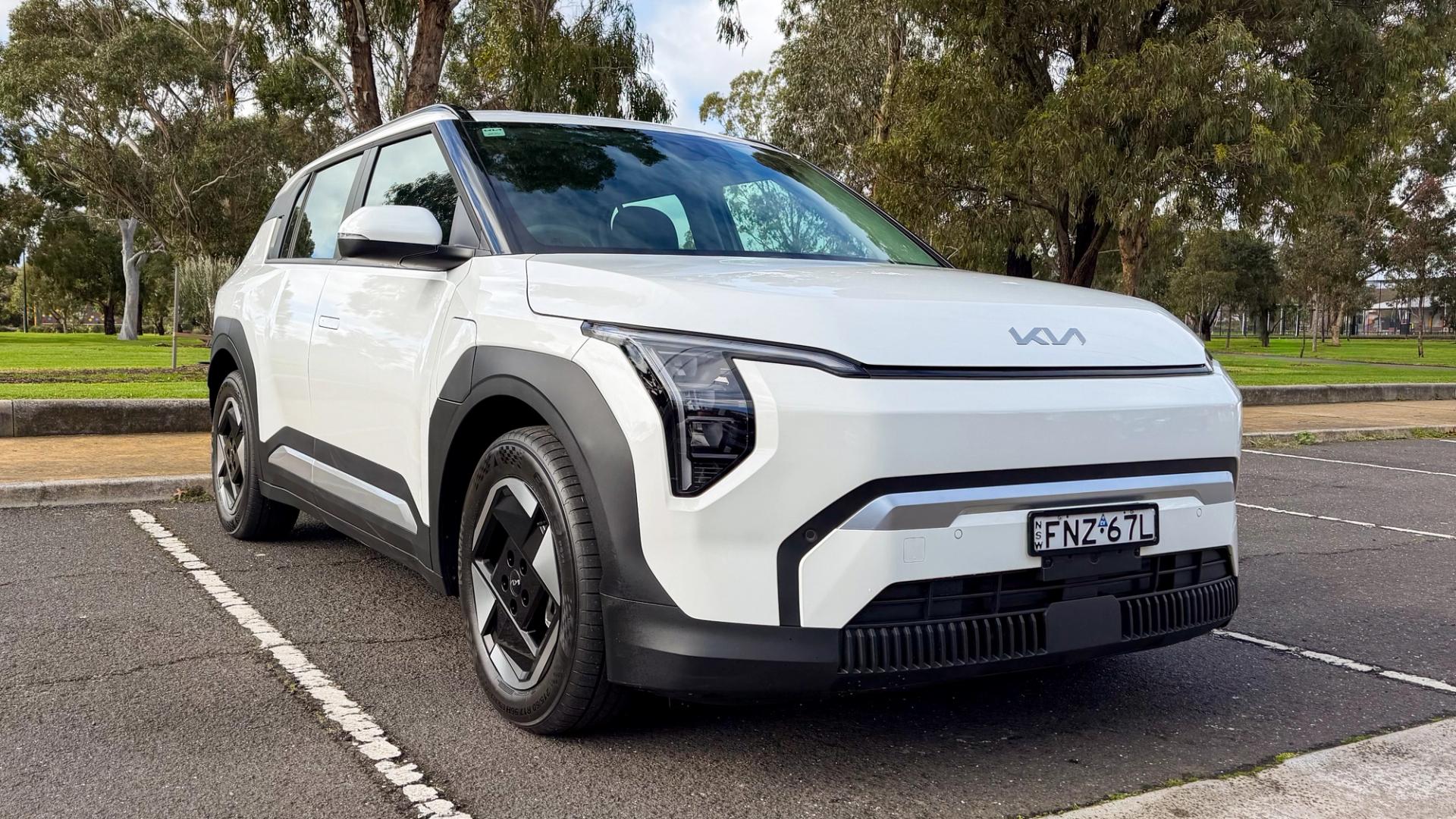
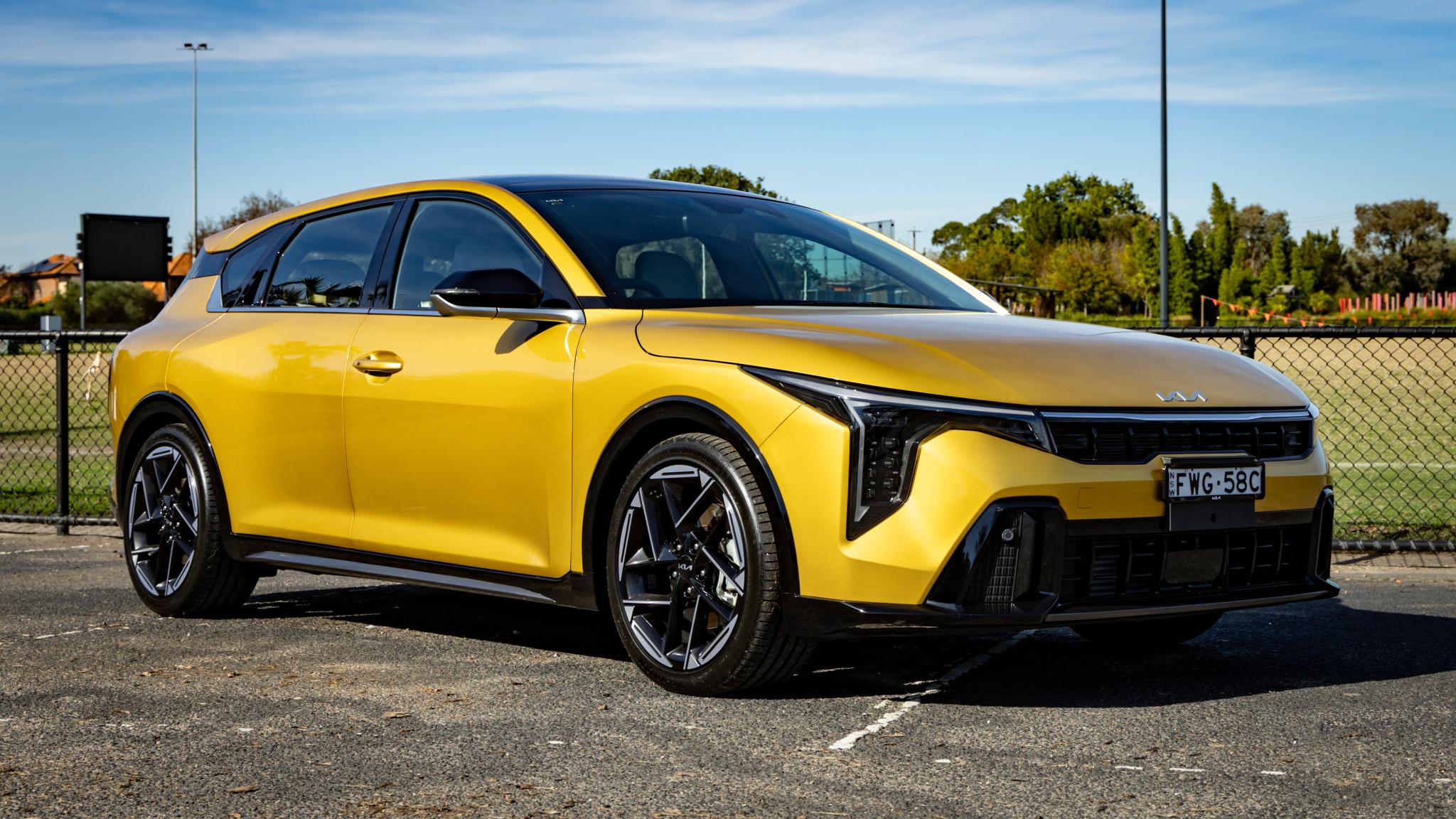
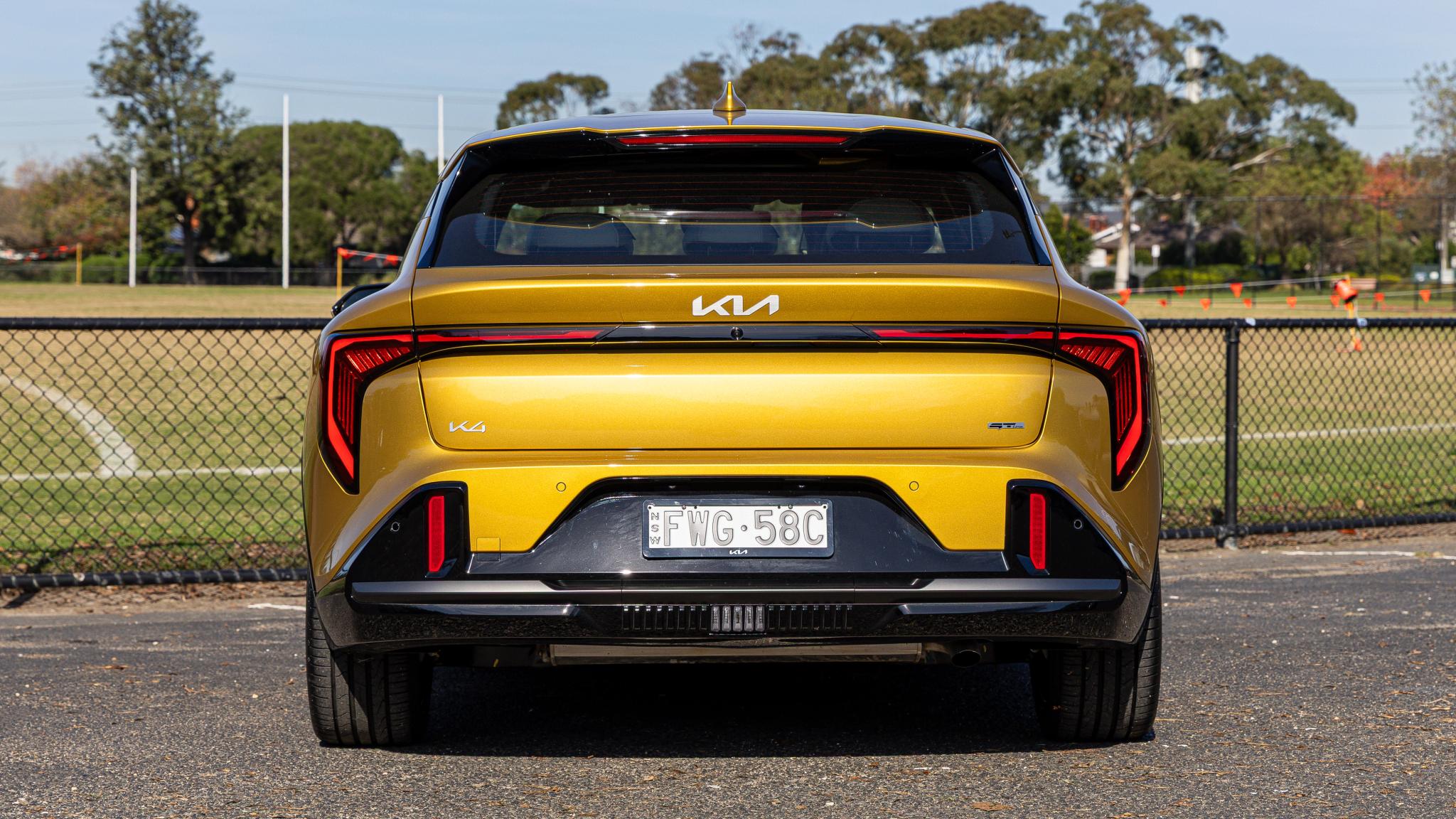
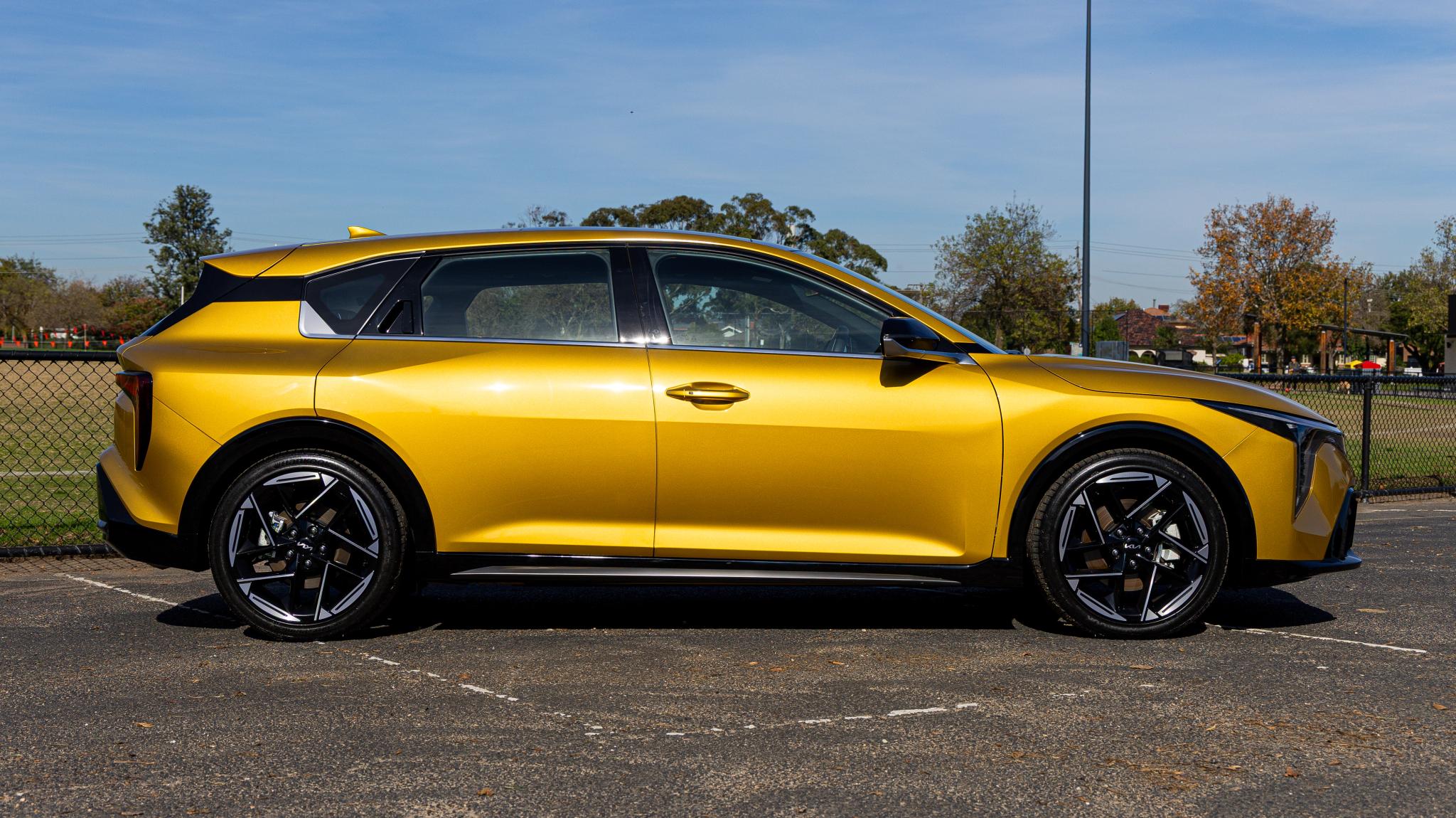
Lopping 270mm off the sedan's tail has done the K4 a real favour. The proportions tighten up, the stance looks planted, and the rear reads as a touch of wagon rather than a chopped-off afterthought.
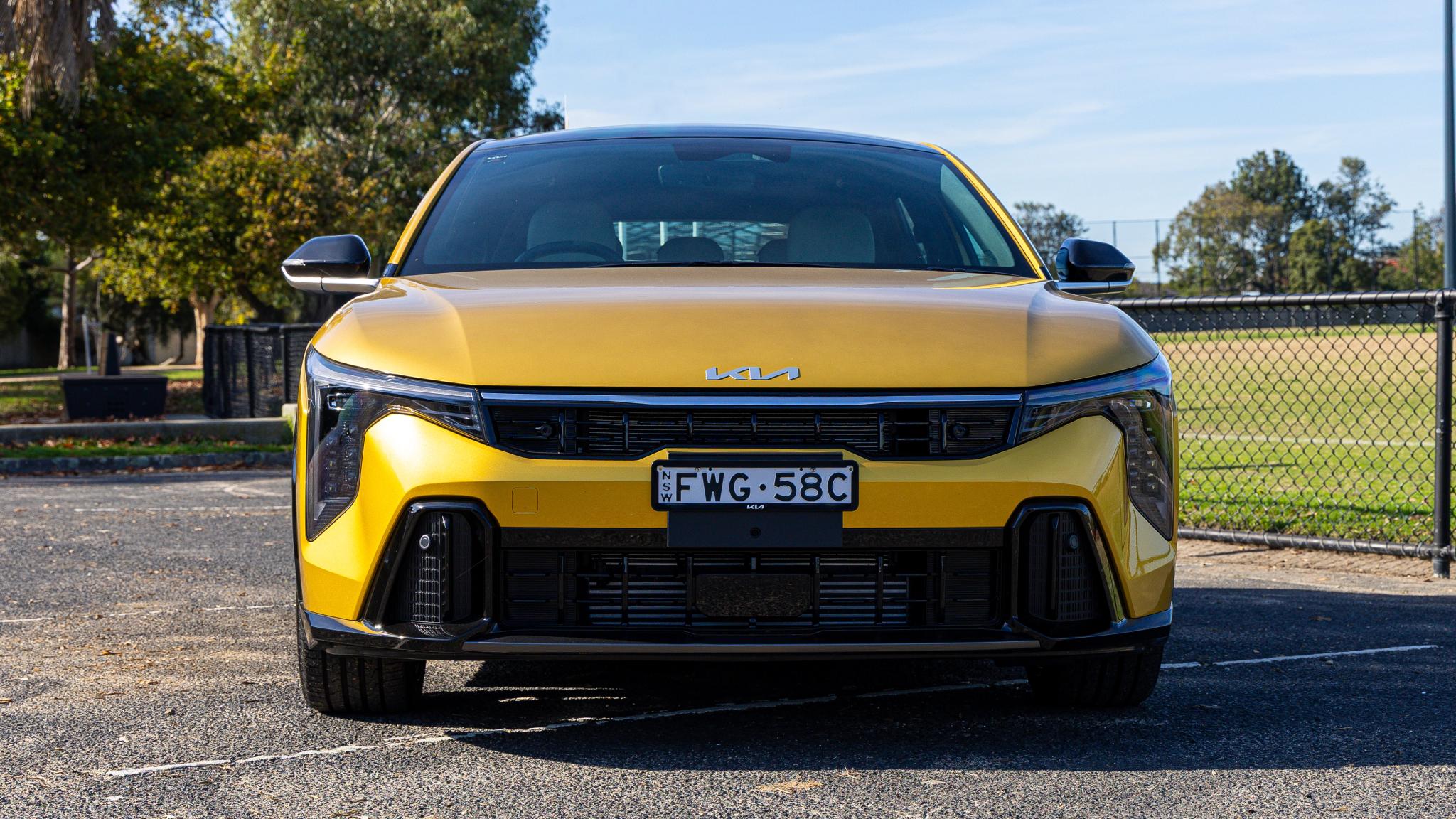
Kia's current design language gives it presence that the outgoing Cerato never had. The plastic wheel-arch cladding nods vaguely at SUV territory, which feels like a knowing wink at the buyers this car is trying to appeal to.
Wheel sizes climb with the grades from 16 inch alloys on the S to 18s on the GT-Line, and the lighting graphics stay crisp across the board. It is a confident thing to look at and it stands out in a car park without shouting.
What is the K4 Hatch like inside?
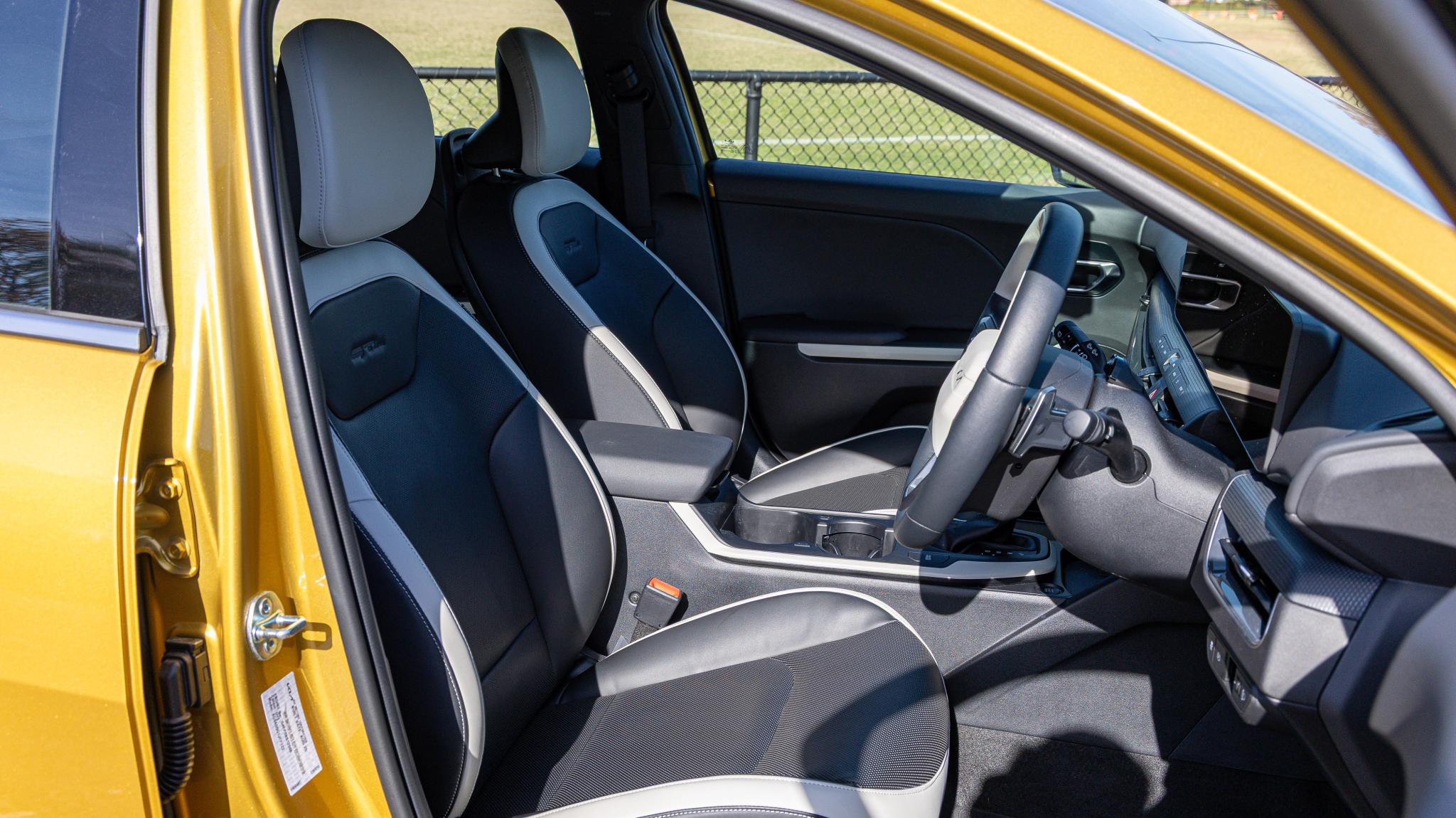
The cabin is a win for the K4 and not because of plush materials.
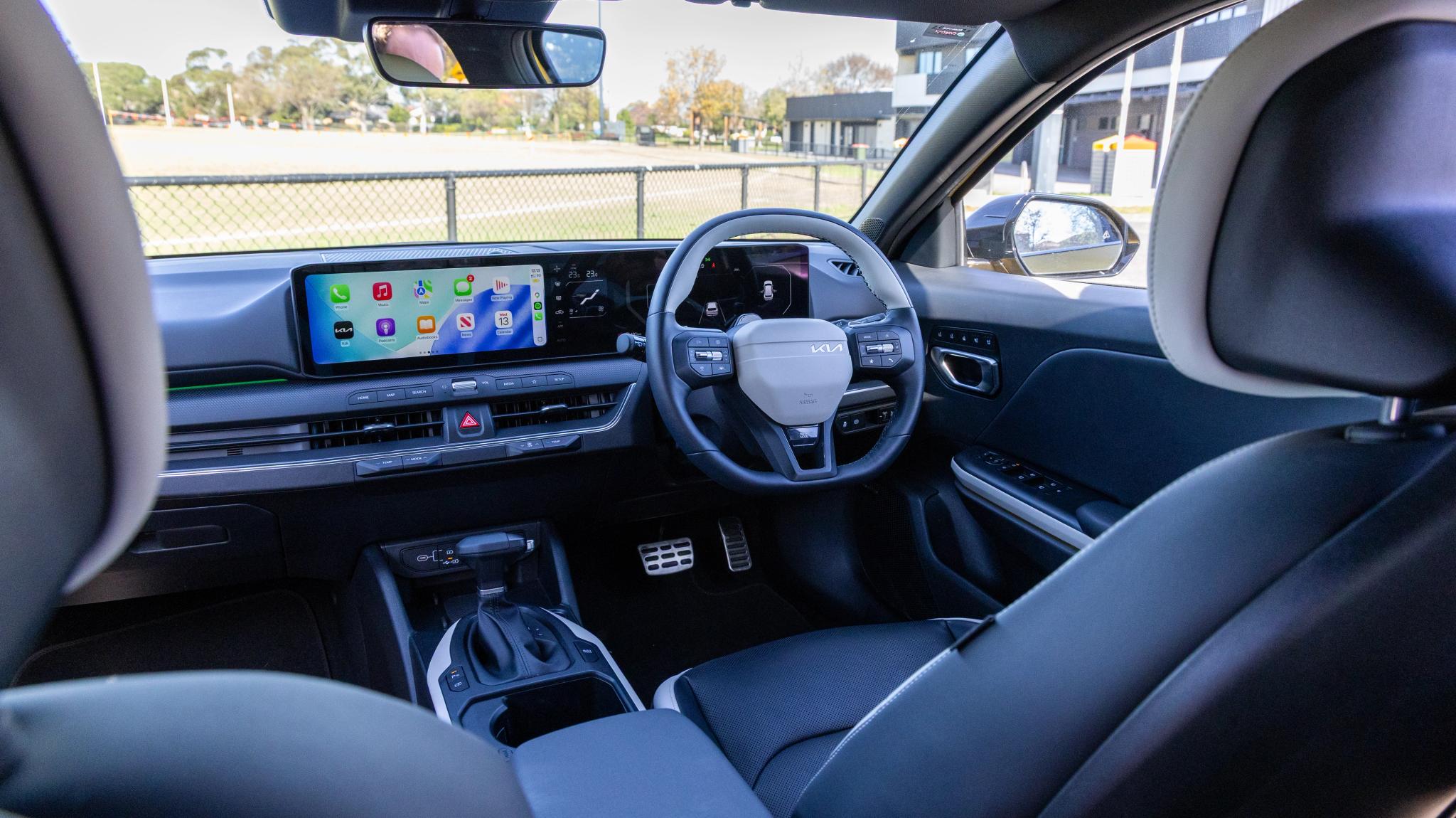
It wins on usability with a 12.3 inch touchscreen standard from the base car and, crucially, real physical buttons for the climate and audio. Kia has resisted the industry rush to bury everything in menus, and daily life is easier for it.
The layout feels open and airy, visibility is good, and the switchgear is lifted from pricier Kias. There is next to no learning curve, which is exactly what most buyers in this segment actually want.
Quality does step in line with price though. The S and Sport make do with hard plastics across the dash and doors, while the Sport+ and GT-Line add padded surfaces that lift the ambience. It is not chasing a Mazda 3 for outright plushness, and it does not need to.
One genuine irritation sits at the top of the range. Only the GT-Line gets the leather-look steering wheel, which means a buyer spending north of $41,000 on a Sport+ is still gripping polyurethane. That is a strange line for Kia to draw.
How practical is the K4 Hatch?
Practicality is where the K4 makes small SUVs look silly.
The 438 litre boot is among the largest in the class, deep and square enough for a pram, the weekly shop, or a boot full of schoolbags. It comfortably beats the Corolla and Mazda 3 hatches for outright room.
The long 2720mm wheelbase means the second row has proper legroom and enough headroom for taller passengers thanks to the hatch's less aggressive roofline. Rear air vents and USB-C ports feature from the base car, so the kids are not left wanting.
Storage up front is well sorted, with a modular console, big door bins, and a wireless charger in higher grades.
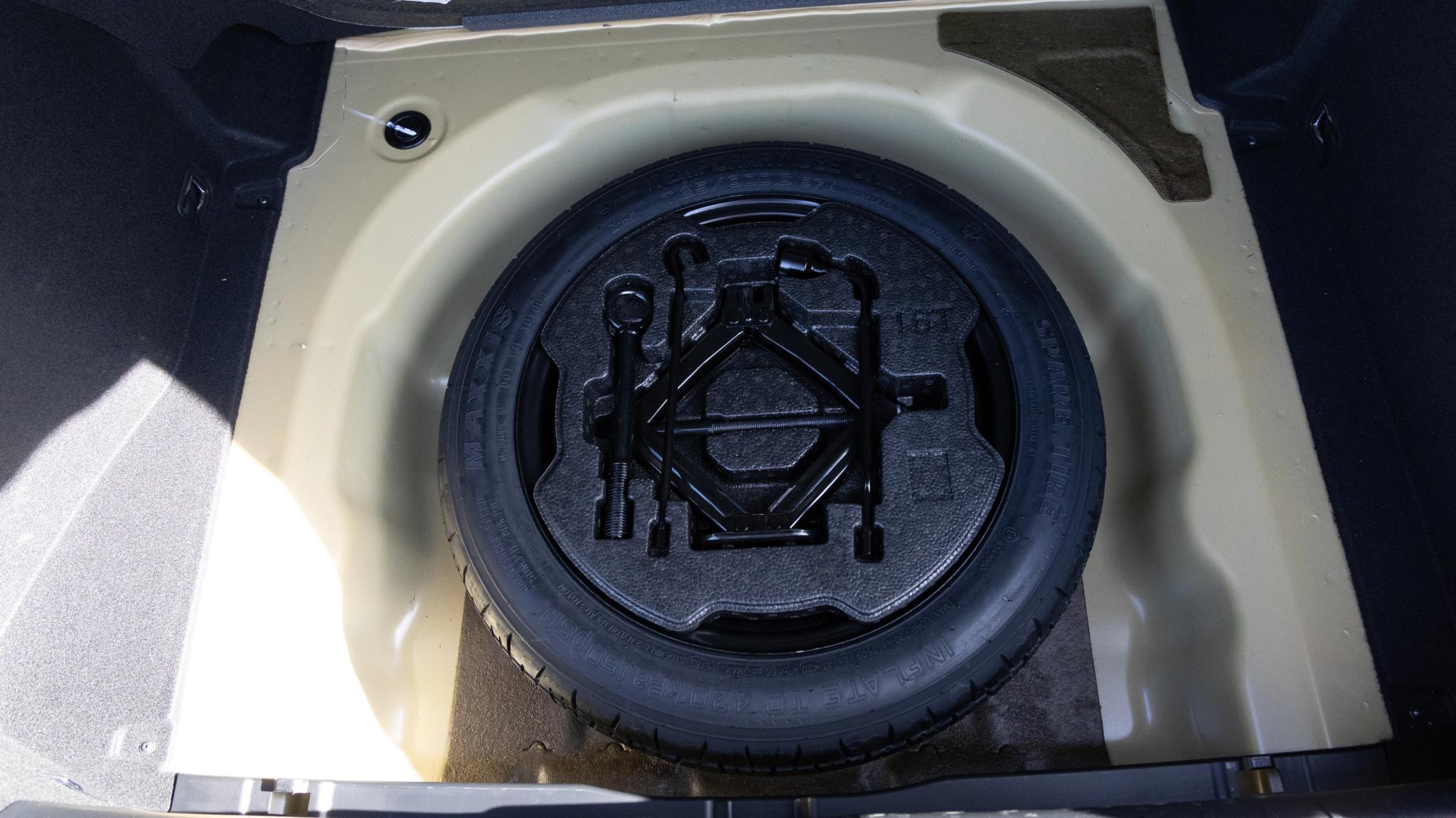
A space-saver spare comes as standard too, which is worth noting as more rivals ship with nothing but a repair kit.
What is the K4 Hatch like to drive?
Kia's local ride and handling team has tuned the K4 to feel composed and grown-up in a way the Cerato never quite managed, and the good news is that the magic is spread across the whole range, not hoarded by the flagship.
The steering is fluid, the body stays flat through a corner and the whole car feels planted on a patchy country road. Most owners will never push it hard, but they will feel connected doing the ordinary daily stuff, which is the point.
The 2.0 litre engine makes 110kW and 180Nm, paired to a CVT, and it is best described as adequate rather than urgent. The transmission is one of the better calibrated units of its type, faking its shifts convincingly and keeping the revs from droning, but this is a drivetrain that rewards a gentle right foot rather than a heavy one.
Step up to the GT-Line's 1.6 litre turbo, with 142kW and 265Nm and an eight-speed automatic, and the K4 shifts from competent to something with genuine legs. Its multi-link rear also settles the car nicely when the road turns nasty. The trouble is you are paying a hefty premium for that extra shove.
The driving position sits you quite low. Plenty of buyers will love the snug, planted feel, but if you are used to stepping up into an SUV, take a seat and check it suits you.
How efficient is the K4 Hatch?
The 2.0-litre claims 6.1L/100km, and in the real world you can expect high-sixes to low-sevens on a mixed run, dipping under seven on a gentle highway leg. It sips the cheap 91-octane and carries a 47-litre tank, so running costs are modest.
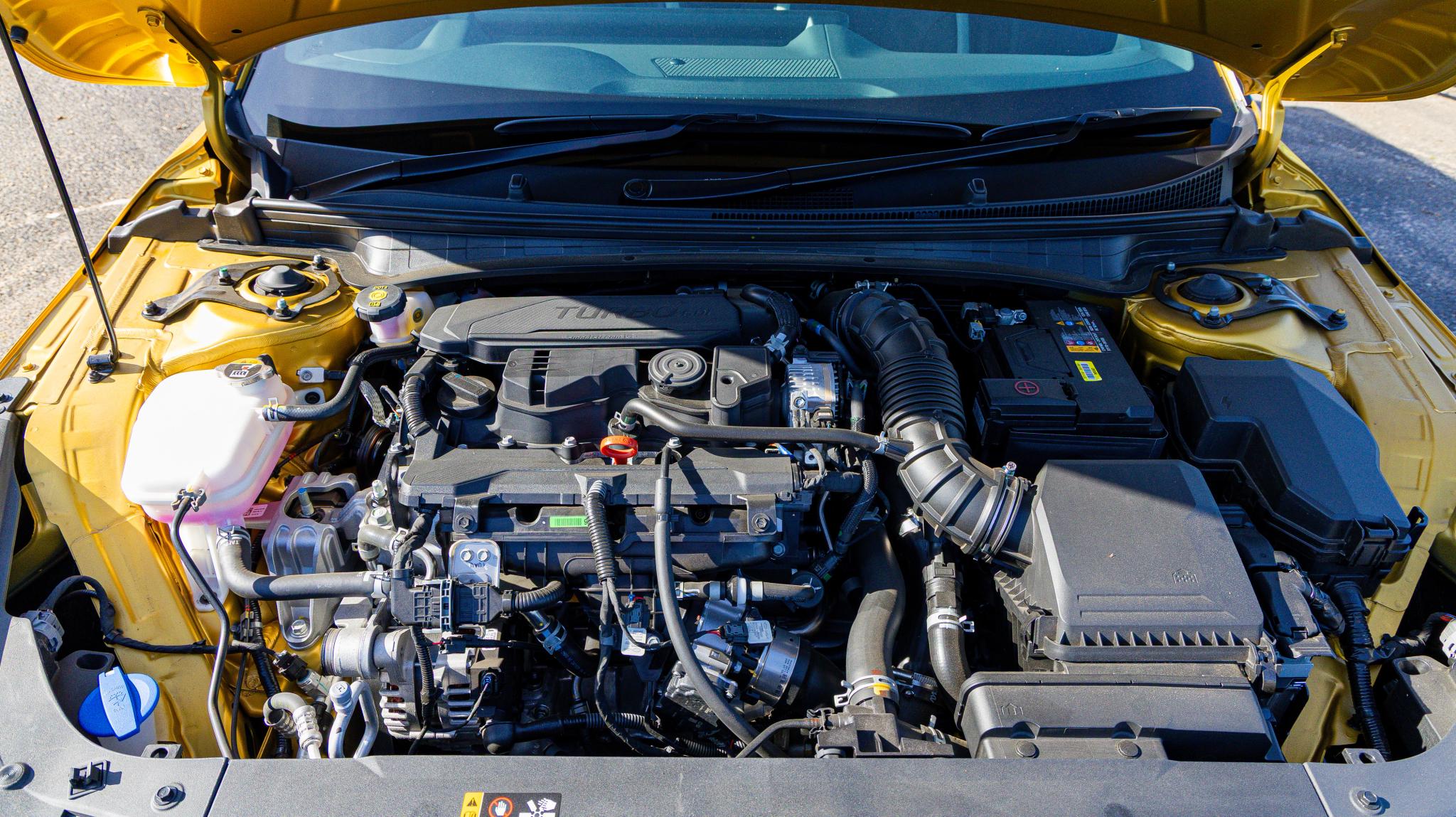
The turbo GT-Line is thirstier at a claimed 7.4L/100km, and closer to the mid-eights once town driving creeps in. That is the trade for the performance and worth factoring into the sums.
Servicing is where the shine dulls a little. The coverage is generous, but individual visits climb, and the turbo's shorter 10,000km intervals will sting anyone doing real mileage compared to the 2.0 litre's 15,000km.
| Variant | 2.0L MPI | 1.6L T-GDI |
| Warranty | 7 years, unlimited km | 7 years, unlimited km |
| Service interval | 12mo / 15,000km | 12mo / 10,000km |
| 5 year servicing | $2,322 | $2,459 |
| 7 year servicing | $3,407 | $3,877 |
Kia's seven year, unlimited kilometre warranty and up to eight years of roadside assistance remain a strong safety net, and among the best in the mainstream game.
Is the K4 Hatch safe?
Mostly, yes, with one asterisk.
The range carries a five star ANCAP rating, but the base S drops to four stars unless you tick the Safety Pack. That alone is reason enough to spend the extra.
The standard kit is comprehensive: seven airbags including a front-centre unit, autonomous emergency braking, adaptive cruise, blind-spot assist, lane-keep and rear cross-traffic alert. The Safety Pack sharpens the AEB with junction and oncoming detection, while Sport grades and up add semi-autonomous highway assistance.
The systems work well in the real world, though the speed-limit chime resets every time you start the car, which grows tiresome. More frustrating is that Kia's excellent blind-spot camera and a surround-view system are still absent locally, even on the flagship, despite being offered overseas.
What are the main competitors to the K4 Hatch?
The Toyota Corolla remains the benchmark for a reason, with a hybrid drivetrain that will genuinely halve your fuel bill and traditionally strong resale. What it cannot match is the K4's boot, which is close to double the size in non-ZR form, or its back-seat space. If efficiency trumps everything, the Corolla stays hard to argue with.
The Mazda 3 counters on cabin ambience and a sense of occasion the Kia cannot quite reach. It is the more premium-feeling thing to sit in, but it is tighter in the back and the boot, and it asks a little more up front. Cross-shop it if interior polish matters more than outright room.
The Volkswagen Golf is the polished European yardstick with a cabin and a sense of finish the K4 cannot fully match, plus a mild-hybrid drivetrain the Kia still lacks. Tellingly, Kia's engineers benchmarked the Golf when tuning the K4's chassis, and the gap on the road is smaller than the badges suggest. Cross-shop it if cabin quality and driving polish sit above outright space on your list.
The Skoda Scala is the left-field pick with an even bigger boot and a grown-up European feel, but a smaller dealer network and quieter brand presence. Worth a look if practicality is your single priority and you do not mind straying from the household names.
Should I buy the K4 Hatch?
Yes, and the smart money does not go anywhere near the top of the range.
The K4 S with Safety Pack at $35,490 driveaway is the sweet spot. You keep the big screen, the big boot, and the fundamentally sweet local chassis tune, and you pocket roughly twelve thousand dollars over the GT-Line.
What you give up is the turbo's extra muscle and the multi-link rear, and for most buyers doing the school run and the commute, neither is worth a five-figure premium. If you crave the performance and the plush cabin, the GT-Line is a likeable thing, but it starts bumping into genuinely premium metal at that price.
The one caveat worth repeating is the missing hybrid. It is coming, possibly within a year, and it may well become the pick of the range when it lands. Until then, the base car with the Safety Pack is a clever, roomy, well-sorted small car that quietly does almost everything you need.
VerdictThe Beep Verdict
Rob Leigh
Co-founder & Director
Rob Leigh is Co-founder and Director of The Beep based in Melbourne, Australia. He has 15+ years inside a major automotive OEM, specialising in product planning, pricing and vehicle strategy.
About Author