2026 Honda Super-ONE review
Tiny, short on range and dearer than its Chinese rivals, Honda's first EV wins you over anyway with a sharp chassis, a cheeky Boost button and more charm than anything near its price.

Rob Leigh
Pros
- Genuinely fun to drive, especially in Boost
- Retro design with real kerbside presence
- Clever Magic Seats and $199 servicing
Cons
- Short range and modest 50kW DC charging
- Four seats and a 162-litre boot
- Rivals offer more for less
Our verdict
The Super-ONE is a city EV for people who still like driving and it's the most entertaining small electric car you can buy in Australia at this price. It rides, steers and brakes like a far more expensive car, and the Boost mode turns every commute into something to look forward to. But at $36,900 driveaway, you need to really want what makes the Super-ONE different because cheaper EVs offer more range and space.
What does the Super-ONE cost in Australia?
There are two grades with identical equipment.
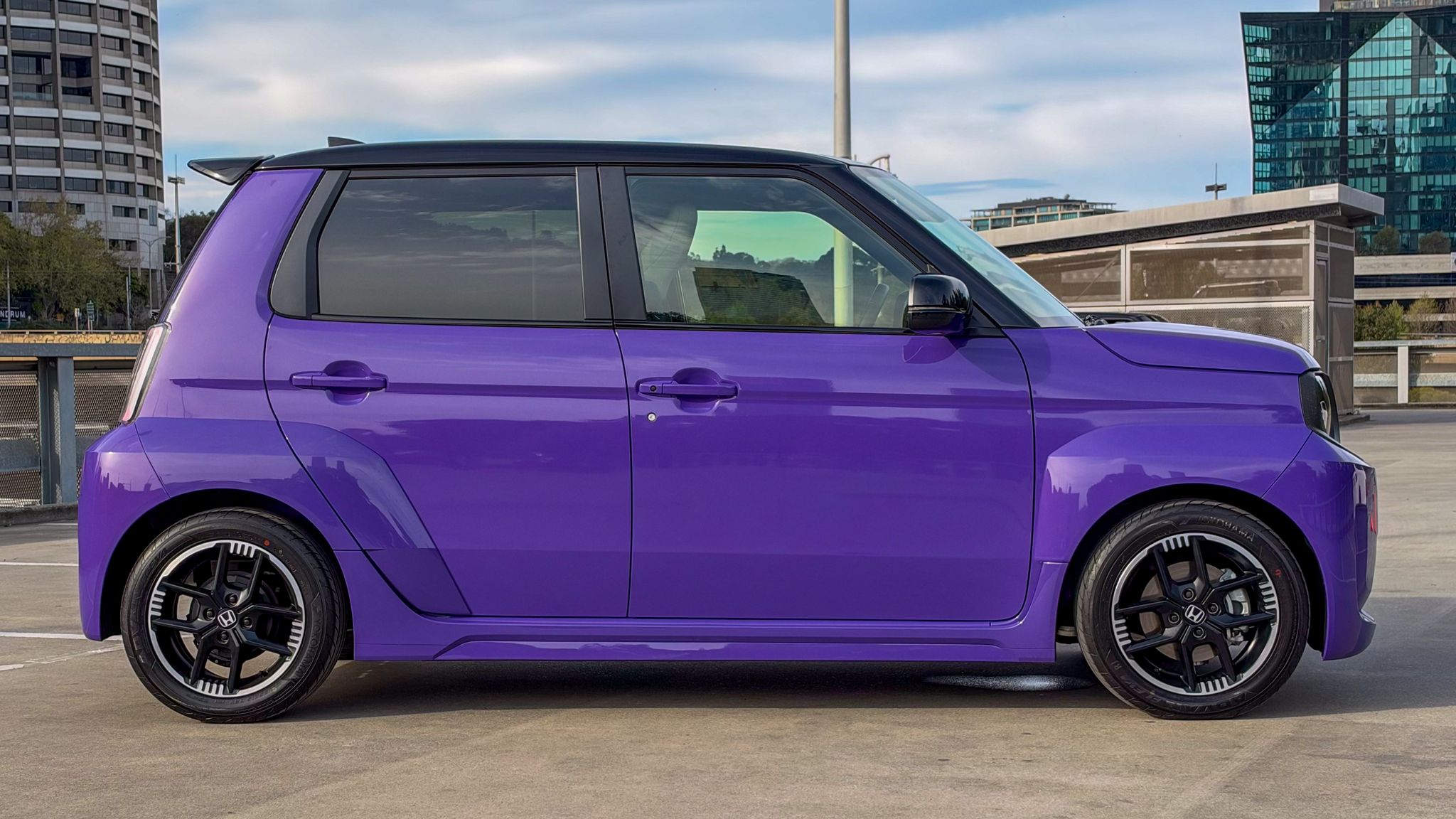
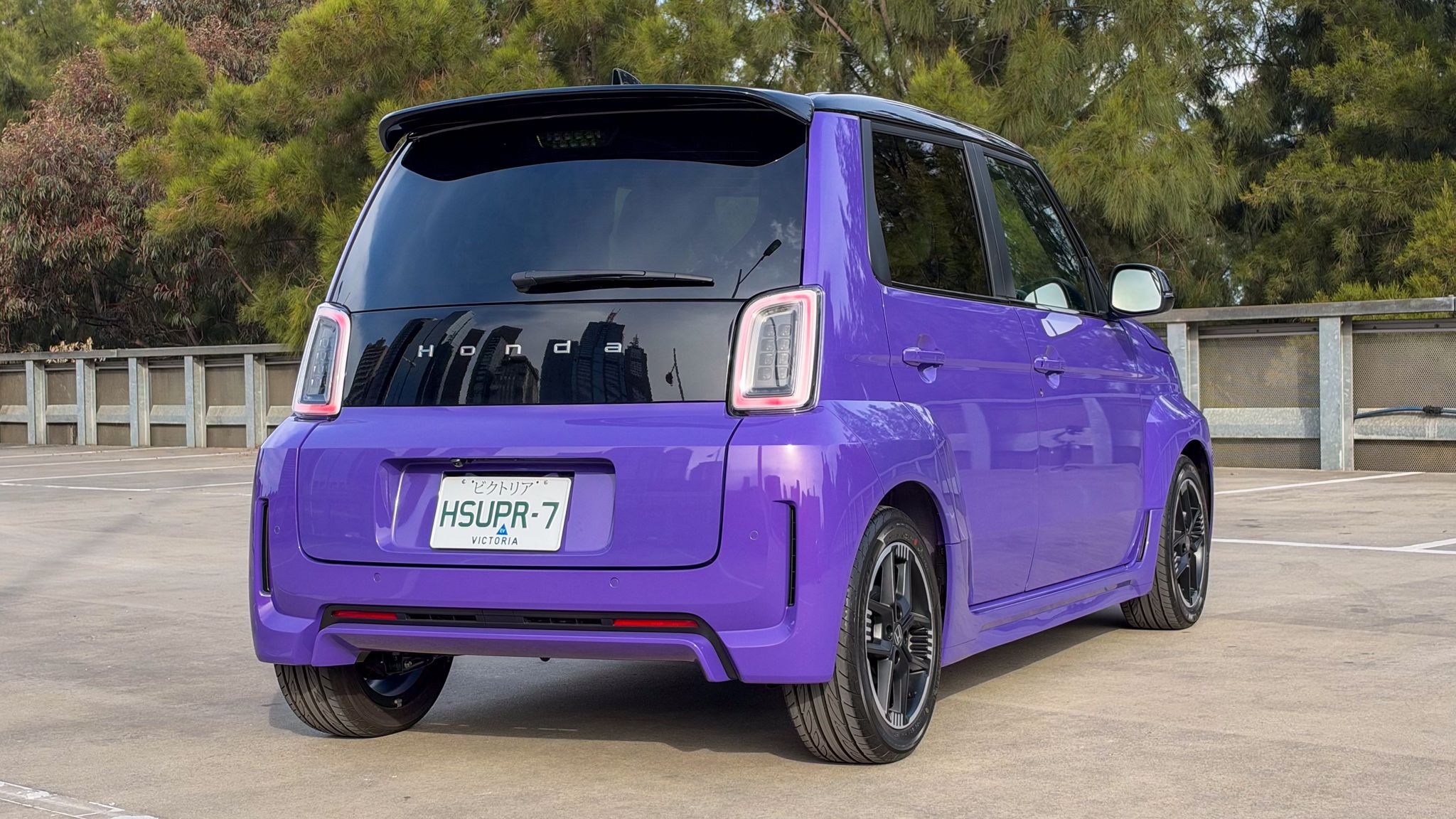
The Mono is $36,900 driveaway and is available in Crystal Black, Luminous Grey or Boost Violet Pearl. The Two-Tone pairs Boost Violet Pearl with a Crystal Black roof, piano black mirrors, spoiler and antenna for another $500, at $37,400 driveaway.
The Super-ONE looks best with the black roof, so the Two-Tone gets our tick.
Honda sells on fixed driveaway pricing under its One Price Promise, so you'll pay the same price at any Honda Centre, and there's no haggling to be done.
That makes the Honda expensive for what it is. A BYD Atto 1 Essential is currently $19,990 driveaway and a Hyundai Inster runs from around $36,000 to $39,000 driveaway.
Buyers don't seem to care. Honda's initial allocation of around 130 cars sold out within hours, with new orders now stretching into 2027.
| Specifications | Mono | Two-Tone |
| Driveaway price | $36,900 | $37,400 |
| Powertrain | Electric | Electric |
| Power | Torque | 47kW (70kW Boost) | 162Nm | 47kW (70kW Boost) | 162Nm |
| Transmission | 1 speed | 1 speed |
| Drivetrain | FWD | FWD |
| 0-100km/h | 14.5 sec (10.0 sec Boost) | 14.5 sec (10.0 sec Boost) |
| Electric range WLTP (claimed) | 202km | 202km |
| Battery | DC charging | 29.6kWh | 50kW | 29.6kWh | 50kW |
| ANCAP | Not yet rated | Not yet rated |
| Warranty | 5 years | Unlimited km | 5 years | Unlimited km |
View Honda Super-ONE driveaway pricing and specifications →
What does the Super-ONE look like?
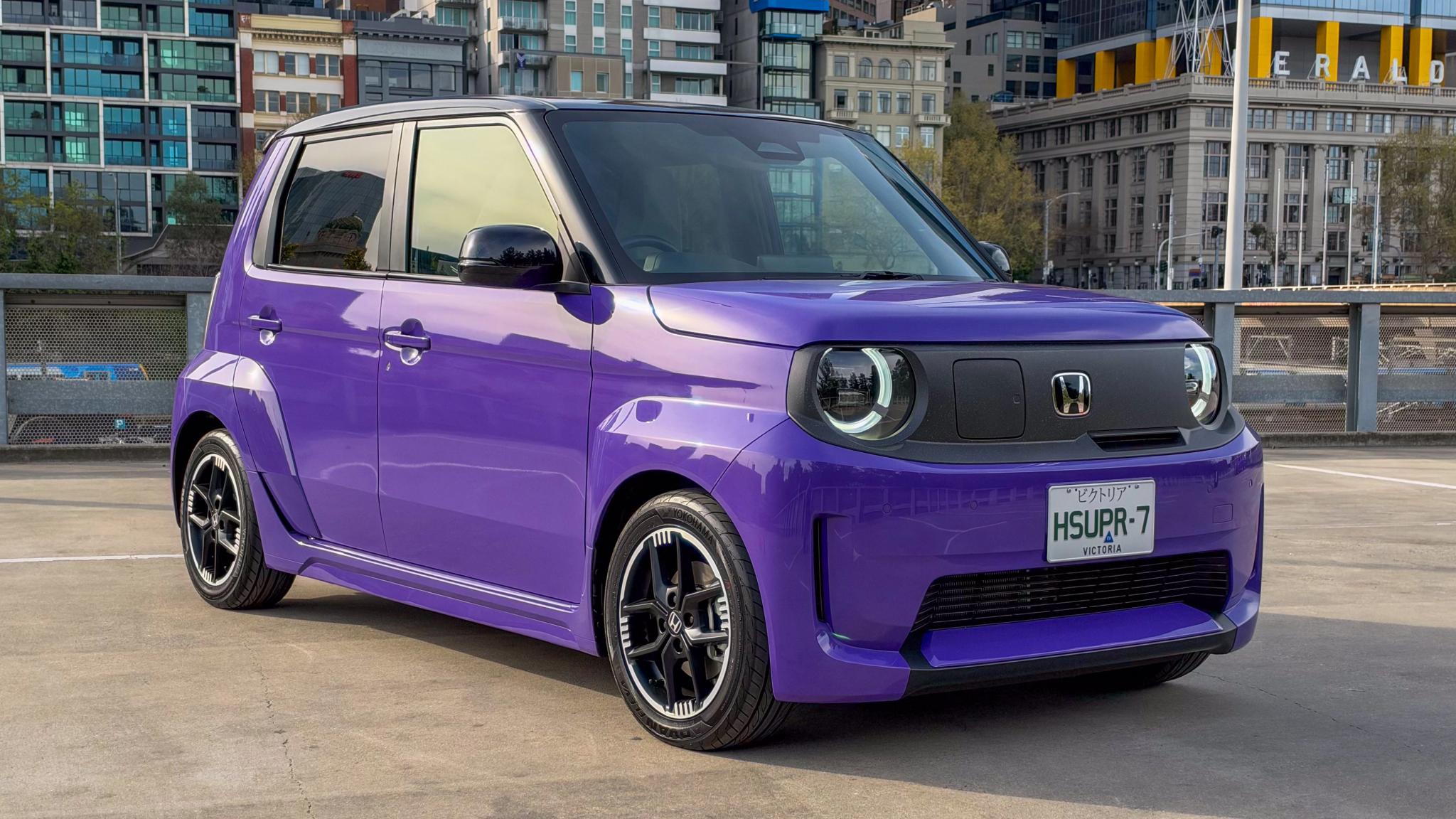
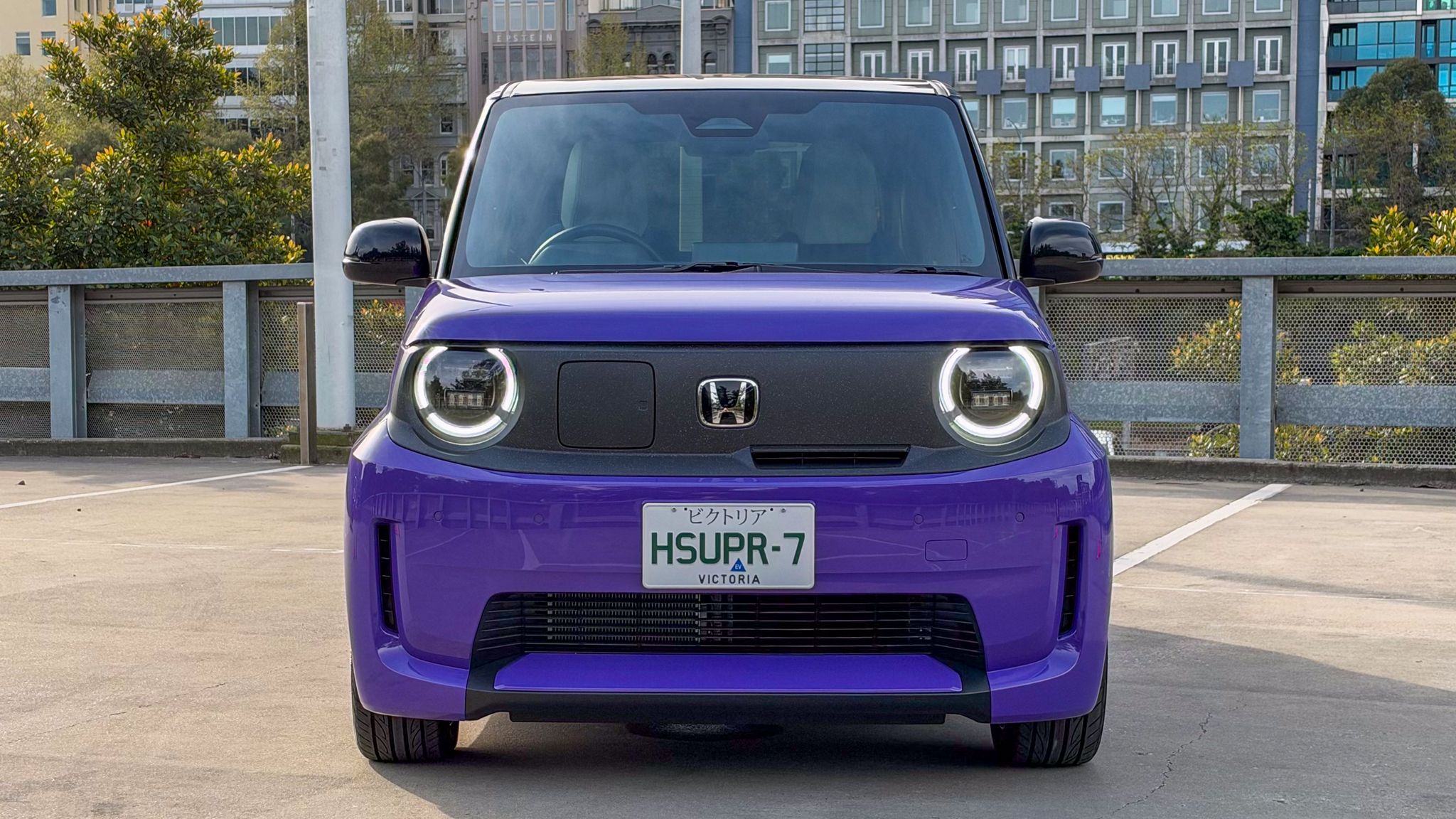
I only remember one word from high school Japanese and the Super-ONE is the perfect excuse to use it. Kawaii (cute). This might be the cutest new car in Australia, and it knows it.
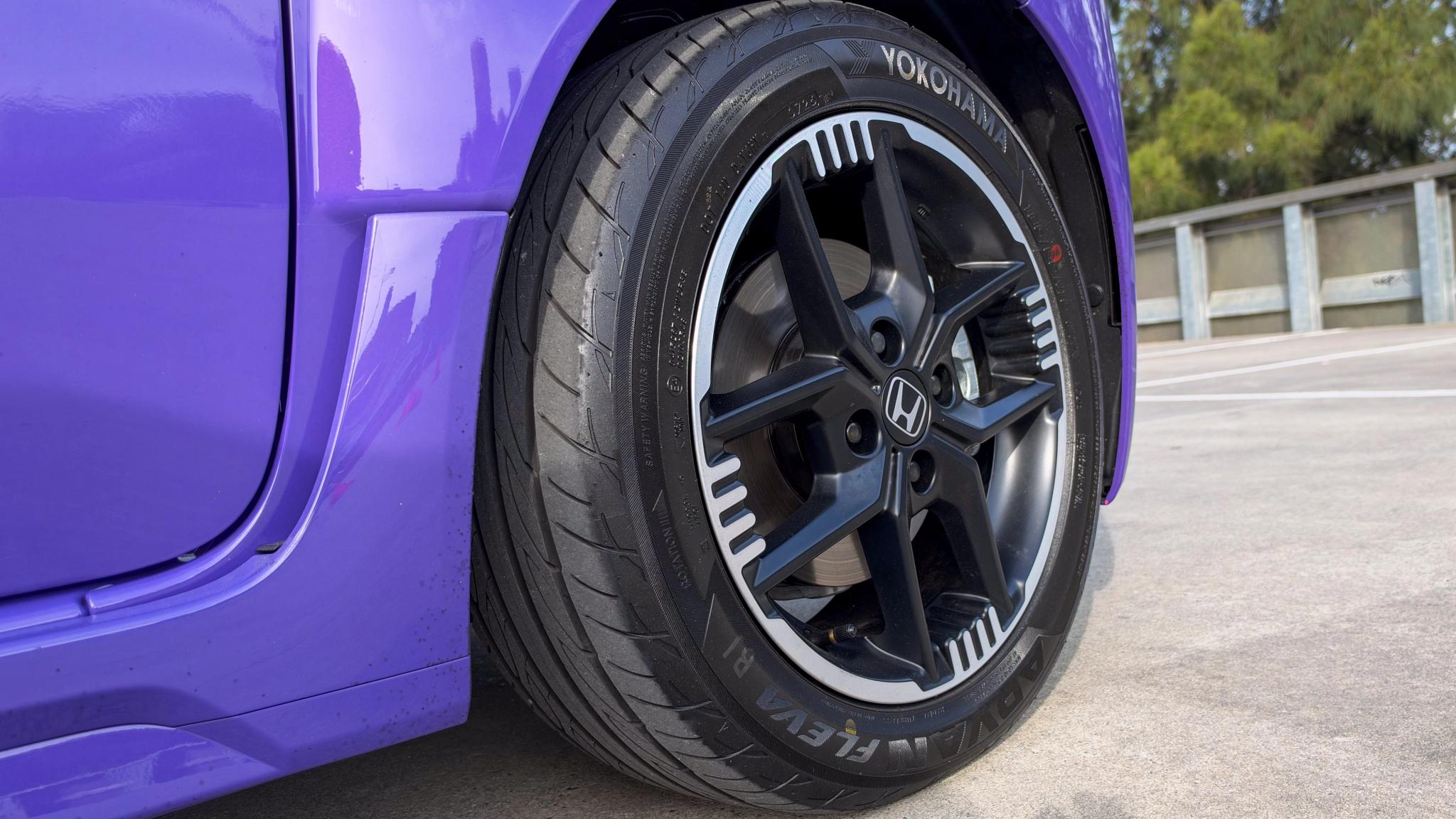
It started life as the N-One e:, a Japanese kei car, but Honda has made it 100mm wider and 185mm longer, with flared arches, chunkier bumpers and a proper roof spoiler. There's plenty of 1980s City Turbo II in the design, particularly in those flared guards and tiny 15-inch black wheels.
Round LED headlights give it a friendly face, and the grey grille panel between them hides the charging port and is made partly from recycled Honda bumpers.
At around 3.6 metres long, it's shorter than a Kia Picanto, yet it gets more attention in a car park than most SUVs costing twice as much.
What is the Super-ONE like inside?
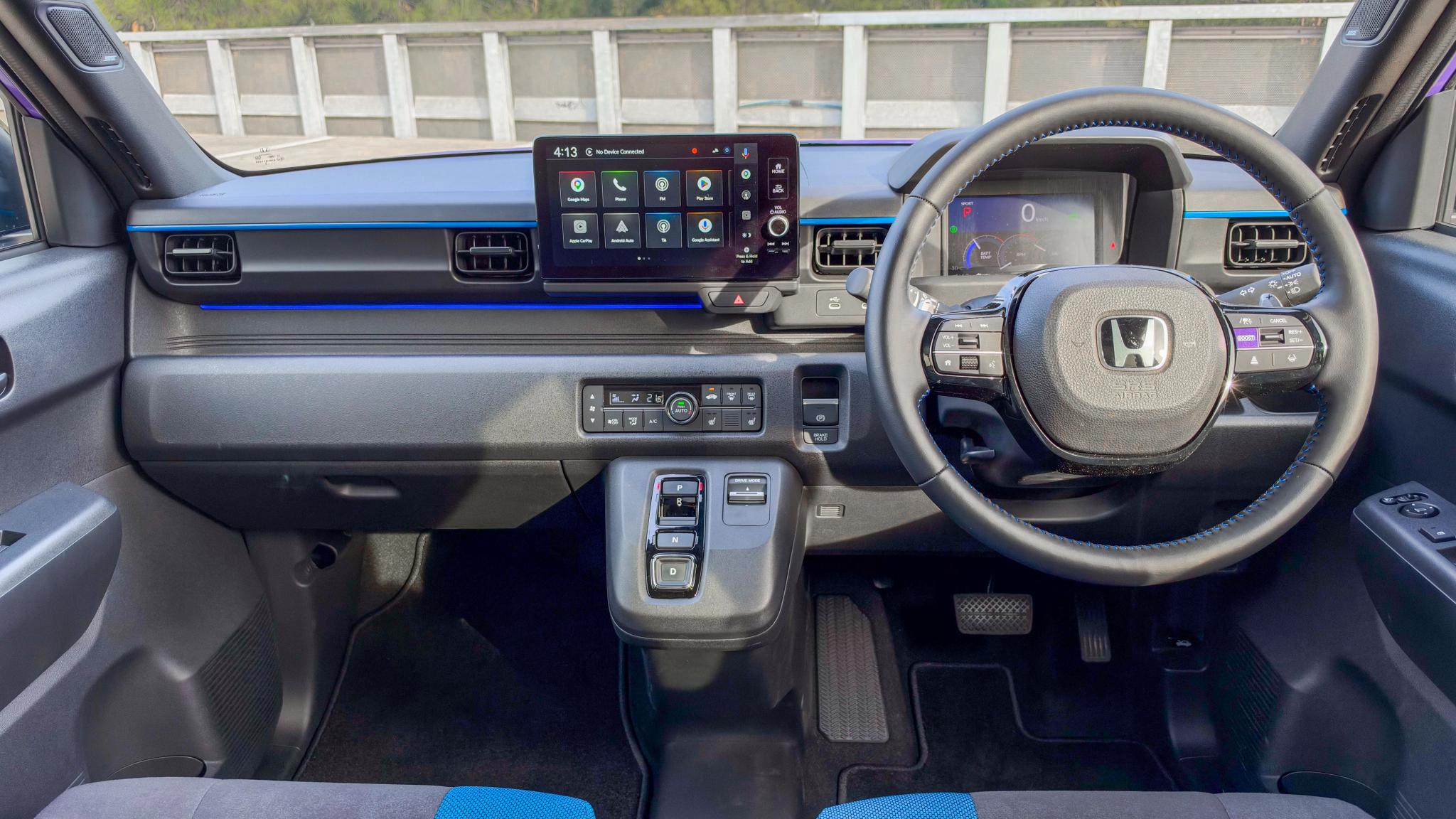
The cabin is simple, cheerful and well screwed together, even if some of the plastics feel budget-grade.
You get a 9.0-inch touchscreen with Google Built-in and wireless Apple CarPlay and Android Auto, plus a cowled 7.0-inch digital driver display that switches to a purple three-dial layout in Boost.
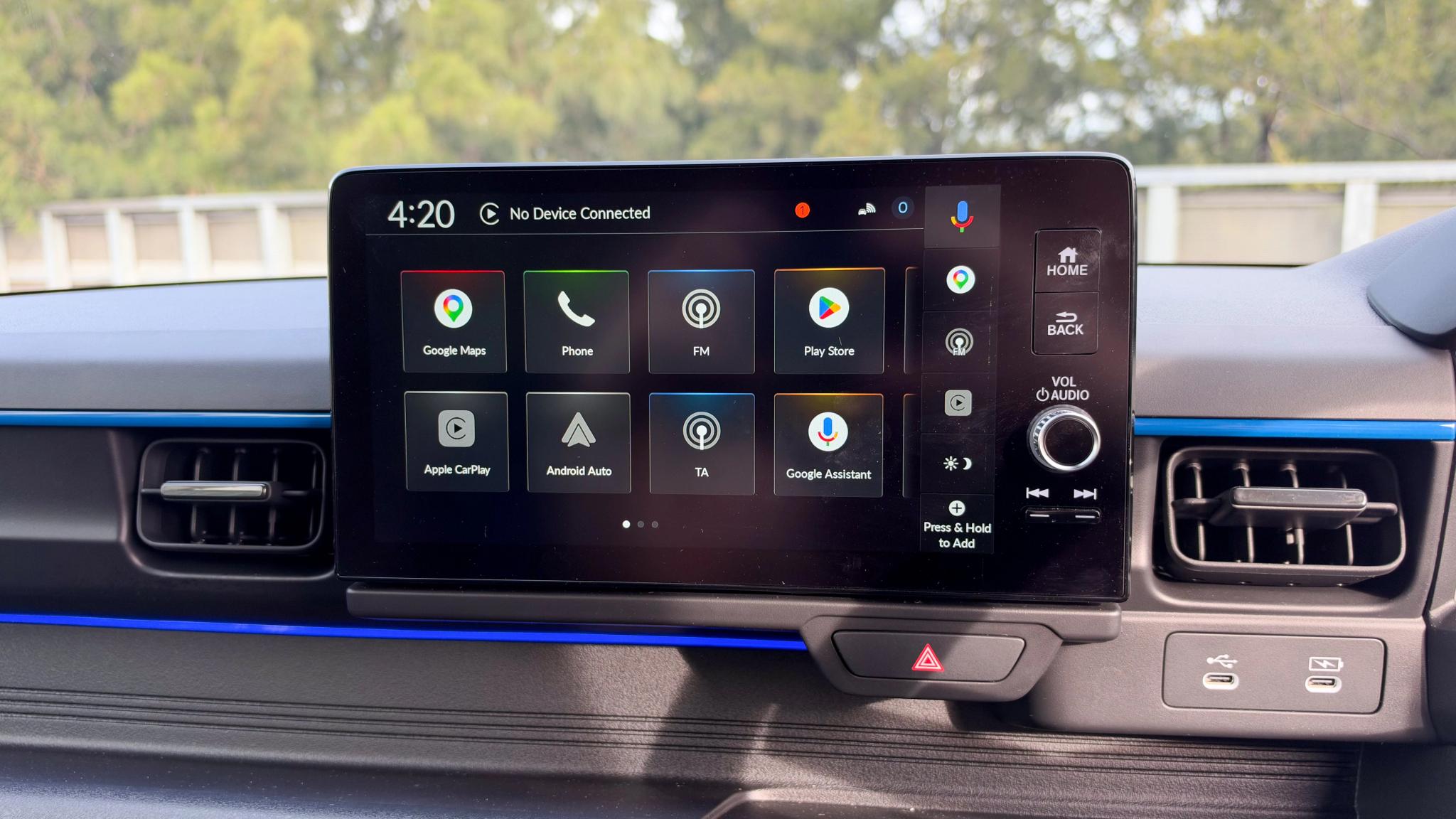
It's littered with familiar Honda switchgear, including the push-button drive selector and electric handbrake, alongside retro touches like cassette-player-style climate controls. The odd one out is the heated steering wheel switch, which Honda has weirdly tucked down low near the bonnet release.
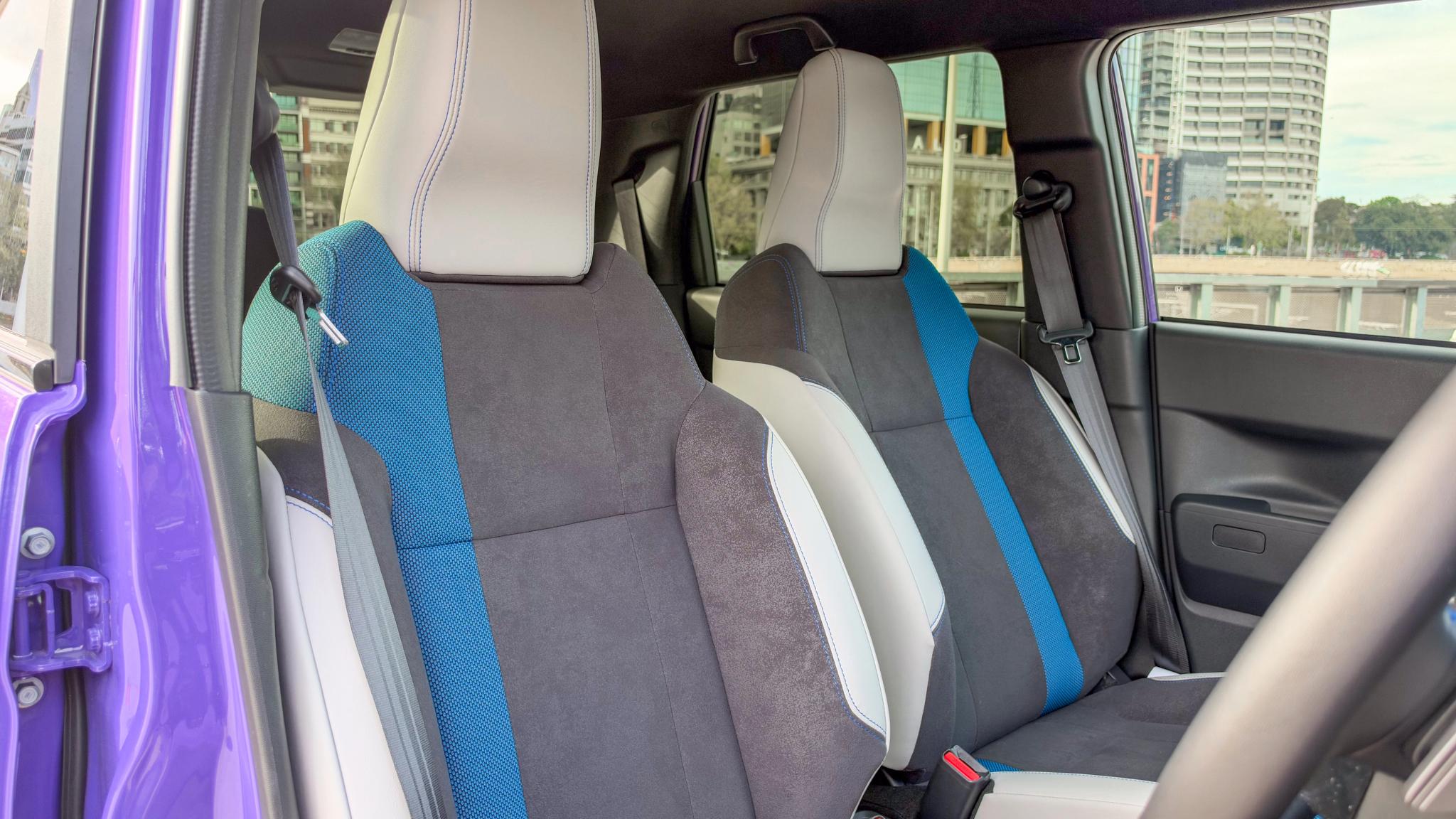
The highlights are the things you touch and hear. The two-spoke steering wheel is lovely to hold, and the heated sports seats hold you better than anything in this class. The eight-speaker Bose system is also seriously good, especially for a $37,000 city car.
Storage for small items is poor though. There's no wireless phone charger and no obvious place to put your phone, and the shiny shelf across the dash lets things slide off at the first roundabout. The cabin is also narrow, so two broad-shouldered adults up front will get to know each other well.
How practical is the Super-ONE?
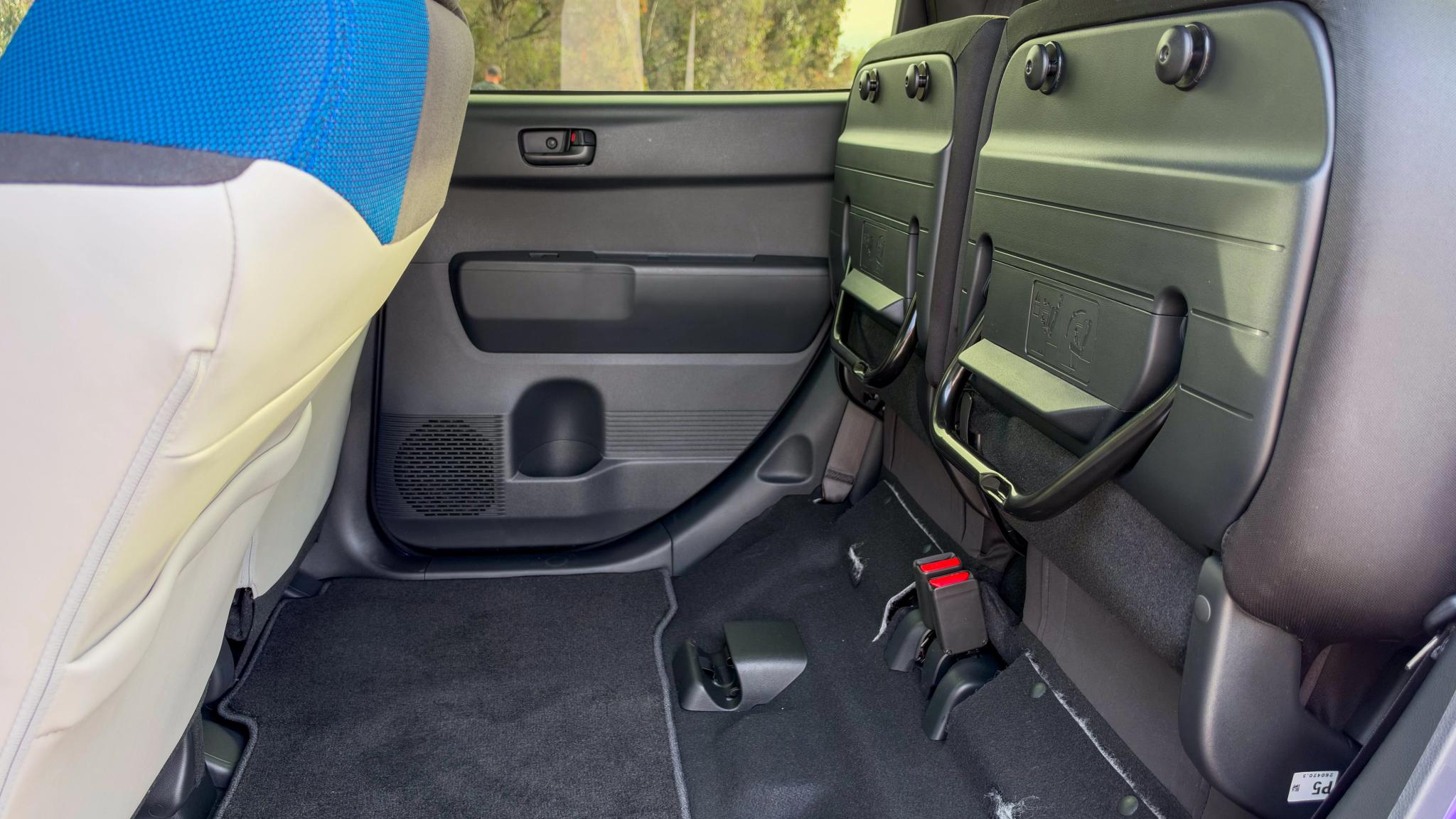
This is strictly a four-seater with no middle seatbelt in the back. At 185cm, I just fit in the rear seat with my head against the roof. The floor is flat, but the bench sits low, so taller passengers ride with their knees raised.
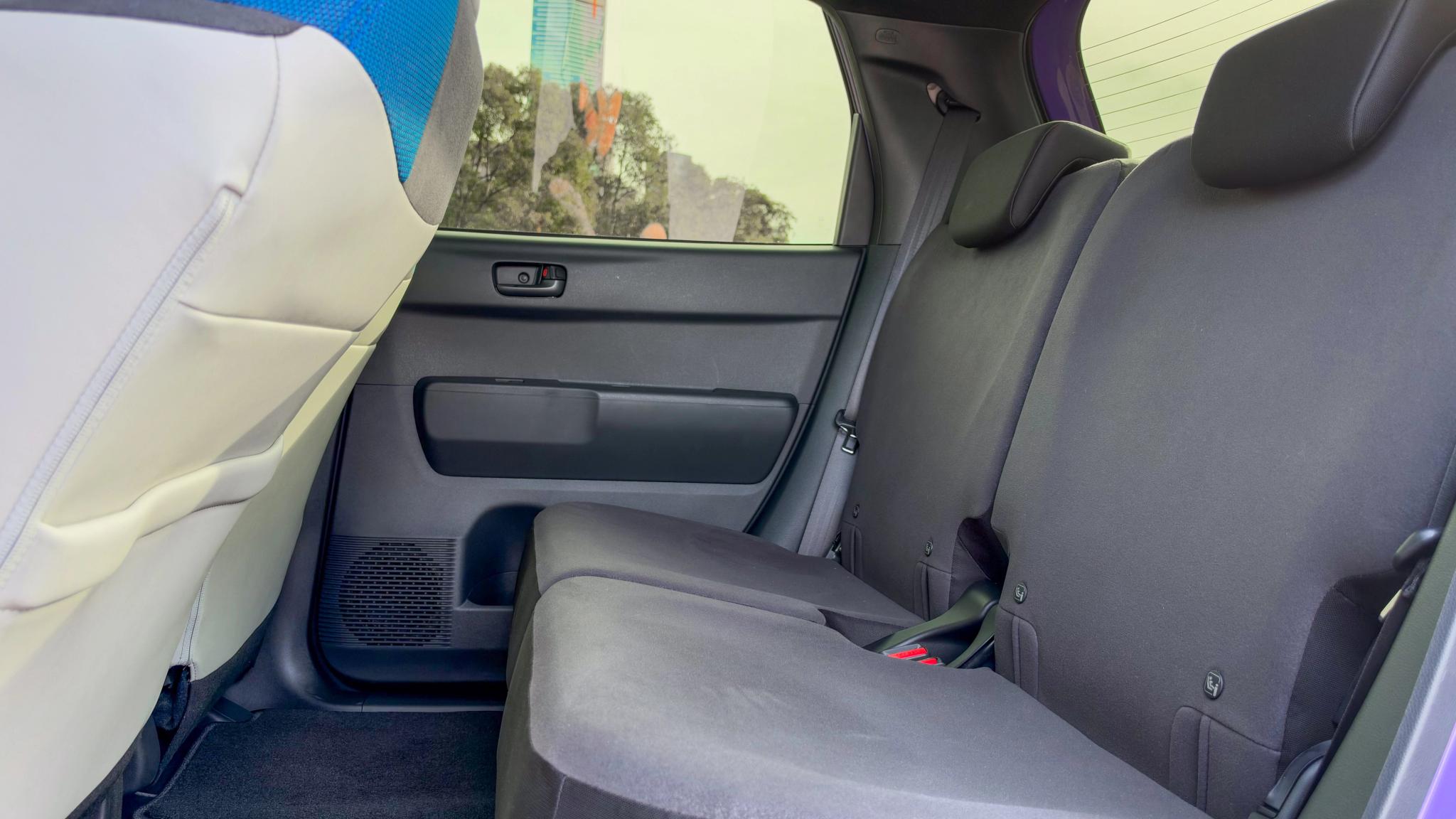
It's fine for short trips and ideal for two kids with two ISOFIX points for child seats.
The boot is 162 litres, which is weekend-bag territory. There's no frunk, and the Bose subwoofer lives under the boot floor, so charging cables sit in the cargo area with everything else.
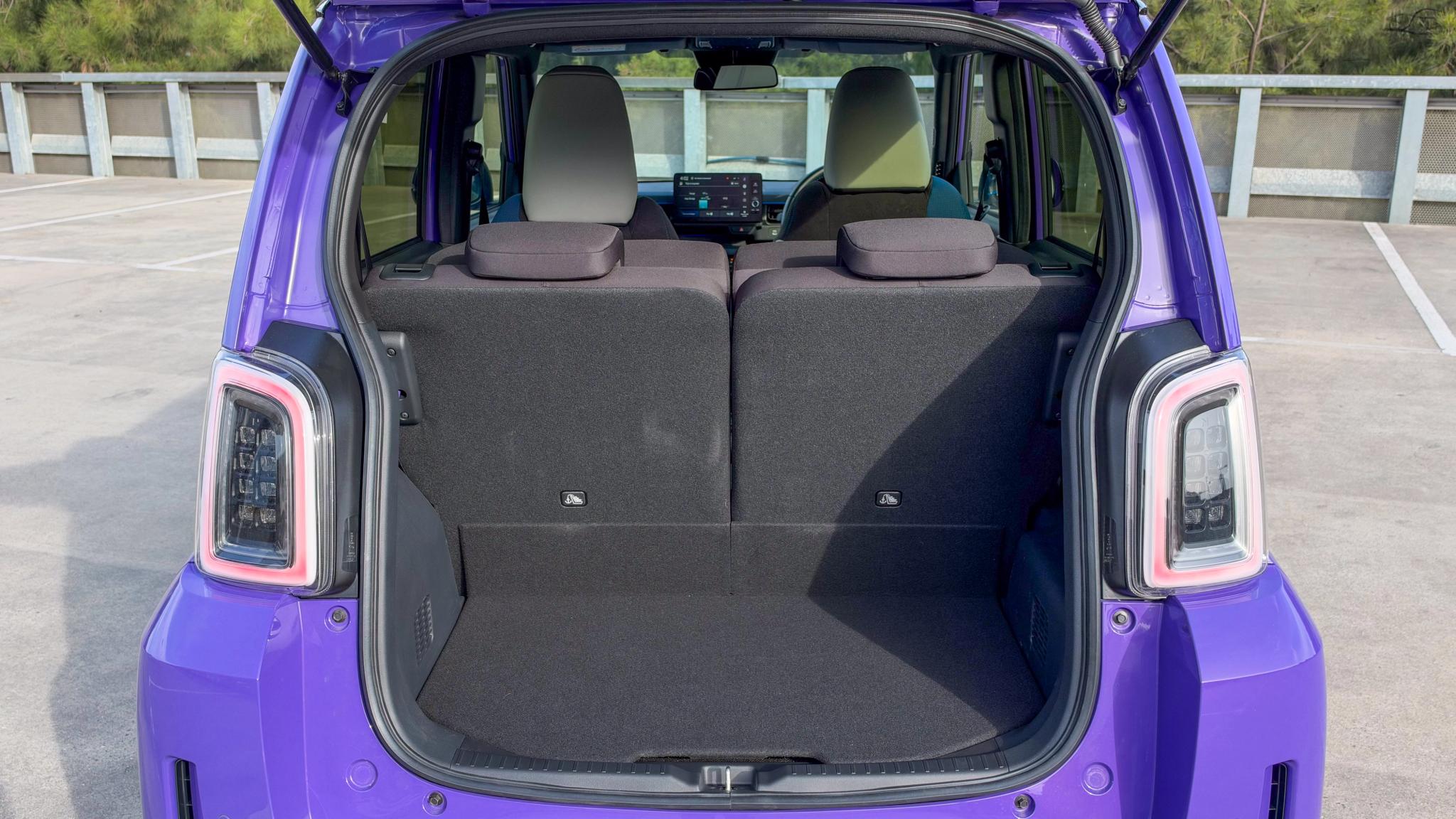
There's no spare wheel either, just a tyre repair kit. For once, that's an EV we'll let off the hook. Squeezing a spare into something this compact is asking too much and you won't be heading off on country drives in it anyway.
Honda's Magic Seats claw back plenty of versatility. The rear cushions flip up to carry tall items like a pot plant or a bike frame, and with the backrests folded you get up to 967 litres. That's clever packaging for a 3.6-metre car.
What is the Super-ONE like to drive?
In its normal state, the Super-ONE makes 47kW and feels exactly that: adequate, smooth and quiet around town. City mode brings one-pedal driving with well-judged regenerative braking, and it's the setting most owners will leave it in.
Then you press the little purple Boost button on the steering wheel. Power jumps to 70kW, the ambient lighting turns purple and the car pretends to have a seven-speed gearbox, complete with paddle shifts, synthesised engine noise and a fake rev limiter if you hold a gear too long.
It sounds ridiculous, but it has you grinning instantly. Before long you're flicking up and down through the gears like you're playing a video game.
It's not fast, but at under 1,100kg it doesn't need to be, and the Super-ONE feels lively and eager. The soundtrack is meant to channel the City Turbo II and the DC2 Integra Type R, and while it doesn't really sound like either, it adds genuine theatre.
What surprised me most was how well it handles. The steering is quick, there's not much body roll and you can throw it into a corner with confidence. The brakes are strong and progressive, too.
The ride is quite firm over sharp bumps and speed humps. More telling is the freeway, where you really notice this car wasn't built for it. Top speed is just 134km/h, the motor has little in reserve at 110km/h and tyre noise builds the faster you go.
This is a city car, plain and simple. It's happiest darting through traffic and on a twisty back road, and that's where it makes the most sense.
How efficient is the Super-ONE?
The 29.6kWh battery is rated at 202km on the WLTP combined cycle, although Honda advertises up to 253km using the older NEDC standard. On our drive, the range estimate proved pretty much spot on, though regular freeway driving will pull it down.
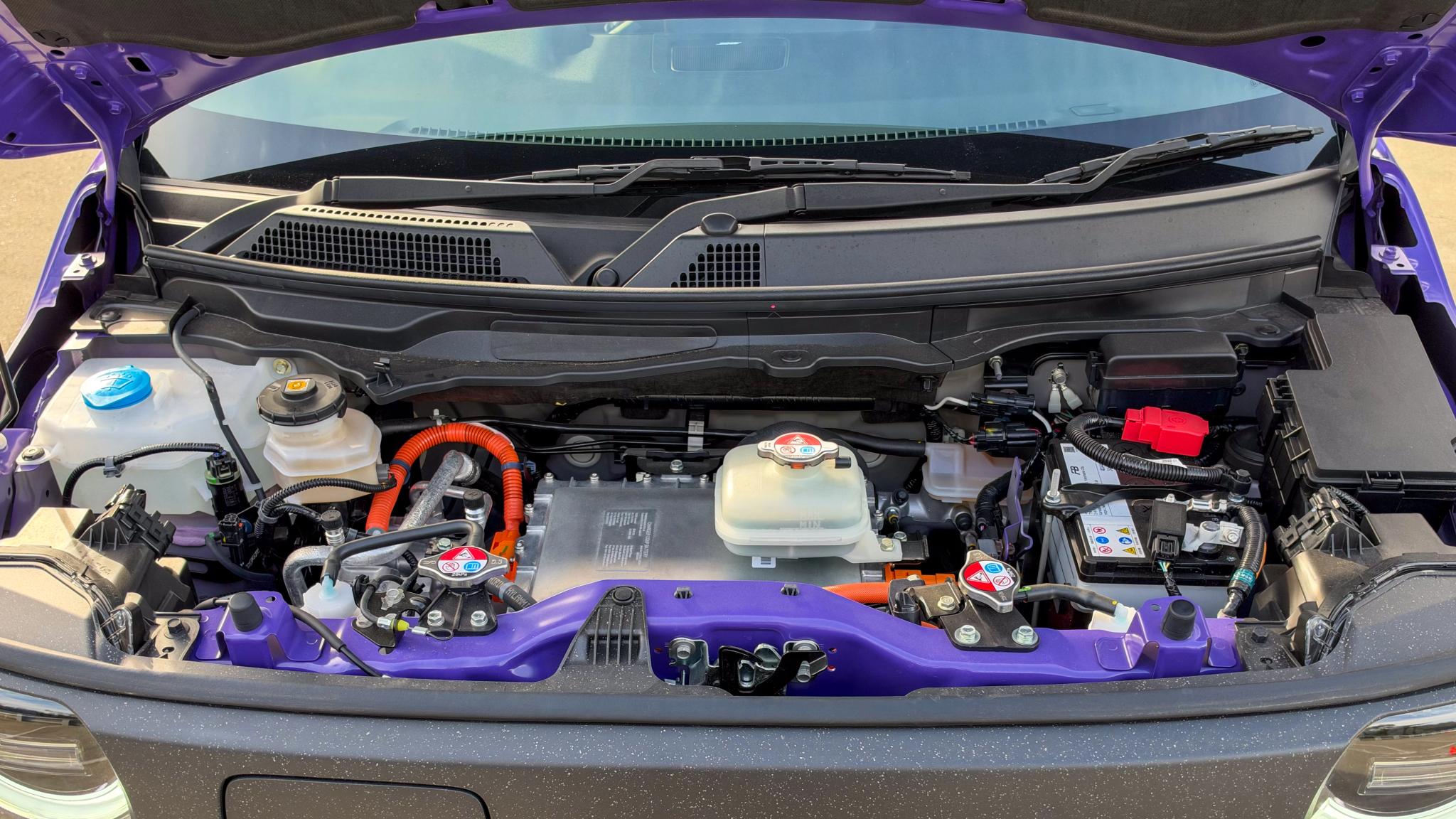
But 202km still isn't much range. Heavy users or anyone who likes to keep plenty of range in reserve will likely be plugging in three or even four times a week. That will limit its wider appeal and if you need range, look elsewhere.
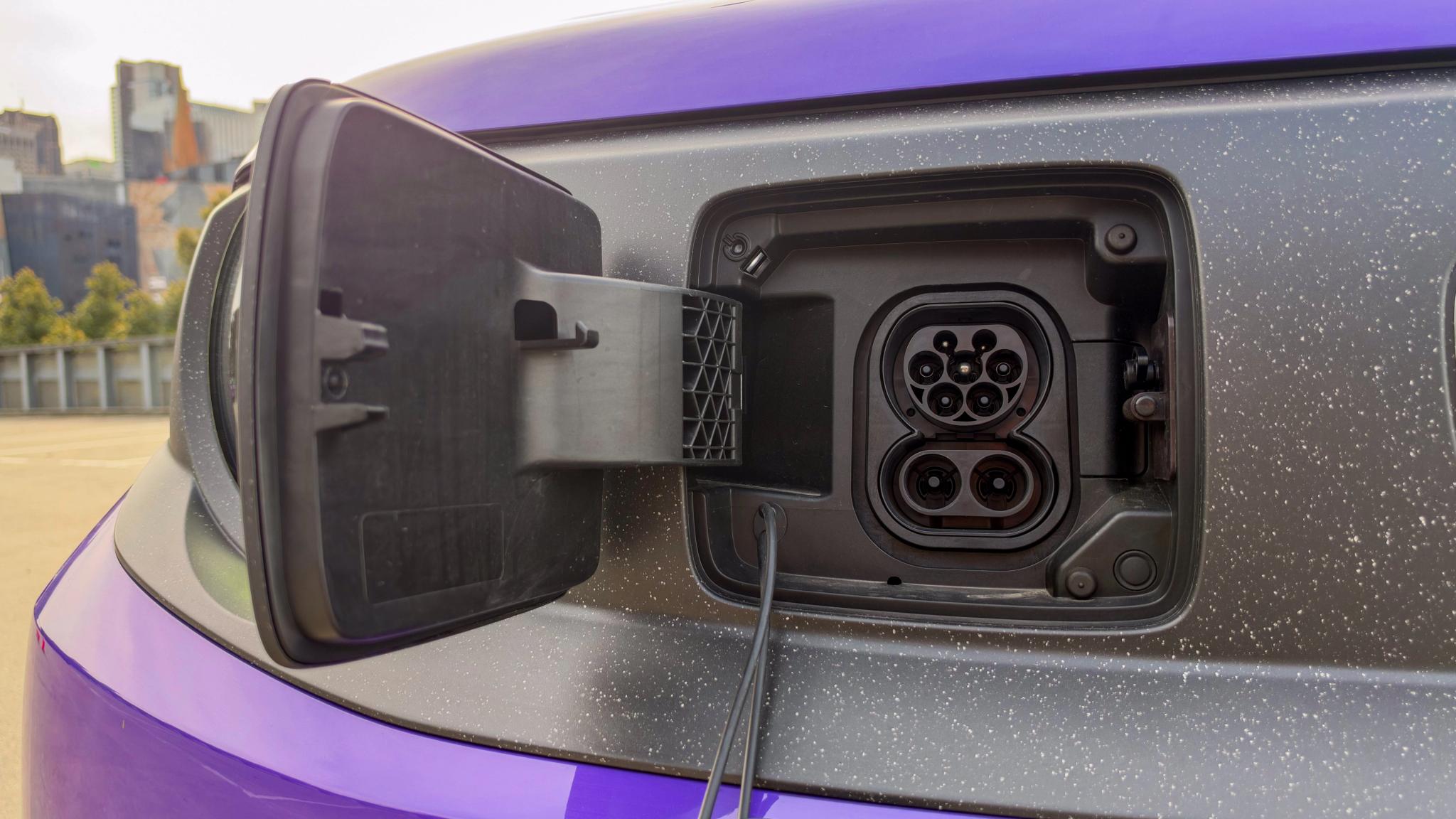
Charging tops out at 50kW DC, which takes the battery from 15-80% in around 30 minutes. At home, a 6.6kW wallbox fills it in about four hours.
Ownership costs are a strength. Servicing is due every 12 months or 15,000km and capped at $199 per visit for the first five years. The five-year, unlimited-kilometre warranty extends to eight years through Honda Extend if you service with Honda, and the battery is covered for eight years or 160,000km.
| Service (12 months/15,000km) | Cost |
| Year 1 | $199 |
| Year 2 | $199 |
| Year 3 | $199 |
| Year 4 | $199 |
| Year 5 | $199 |
| Total | $995 |
Is the Super-ONE safe?
The Super-ONE has not yet been rated by ANCAP. Honda says the body has been reinforced beyond the kei car it's based on to meet a tougher side-impact standard, with a protective frame around the battery.
It comes with six airbags and the Honda Sensing suite, which includes autonomous emergency braking, adaptive cruise control, lane keeping assist and road departure mitigation. Front and rear parking sensors and a reversing camera are also standard.
The Atto 1 and Geely EX2 both have five-star ANCAP ratings, so safety-focused buyers may want to wait for a result.
What are the main competitors to the Super-ONE?
The BYD Atto 1 is the value choice from $19,990 driveaway for the Essential on current offers. It's roomier, has a 308-litre boot and a five-star ANCAP rating, and the Premium stretches to 310km of range. The Honda can't compete on price, but it's far more polished and involving to drive.
The Hyundai Inster is the sensible all-rounder from around $36,000 driveaway on current offers. Its bigger 42kWh battery delivers up to 327km, and sliding rear seats make it a more flexible family tool. The Super-ONE counters with sharper handling, a better sound system and far more personality.
The MG4 EV Urban is our pick of the budget EVs from around $32,000 driveaway. It's a bigger car with five seats, and the larger-battery version stretches past 400km. If you need one car to do everything, it's the smarter buy, but it can't match the Honda's sense of fun.
The Geely EX2 is another value choice from $26,490 plus on-roads. It offers more space, more range and a five-star ANCAP rating for much less money, but it's slow in base form. The Honda is considerably more entertaining from behind the wheel.
The Atto 1 and MG4 make far more sense on price, range and space. The reason you'd choose the Super-ONE is because it's much more enjoyable to drive.
Should I buy the Super-ONE?
The Super-ONE doesn't make sense on a spec sheet. It's slow in standard form, short on range, tight on space and priced well above cheaper Chinese rivals that do more for less.
None of those numbers explain why I enjoyed driving it so much. There simply isn't another EV under $40,000 that feels quite like this. It's full of character, it's playful on a good road and it makes the daily commute something to look forward to.
If you live in the city, have a home charger and mostly carry one passenger, it's easy to recommend. If you regularly head out of town, it's not the car for you.
Sure, it's kawaii. But there's a lot more to the Super-ONE than a cute face.
VerdictThe Beep Verdict
Rob Leigh
Co-founder & Director
Rob Leigh is Co-founder and Director of The Beep based in Melbourne, Australia. He has 15+ years inside a major automotive OEM, specialising in product planning, pricing and vehicle strategy.
About Author