Toyota bet on hybrids over EVs and won. Can it win the same bet twice?
At a Queensland launch of four new electrified models, Toyota's multi-pathway gospel has never looked more vindicated. But a closer look at how the strategy was really made shows both its genius and its risk.

Rob Leigh
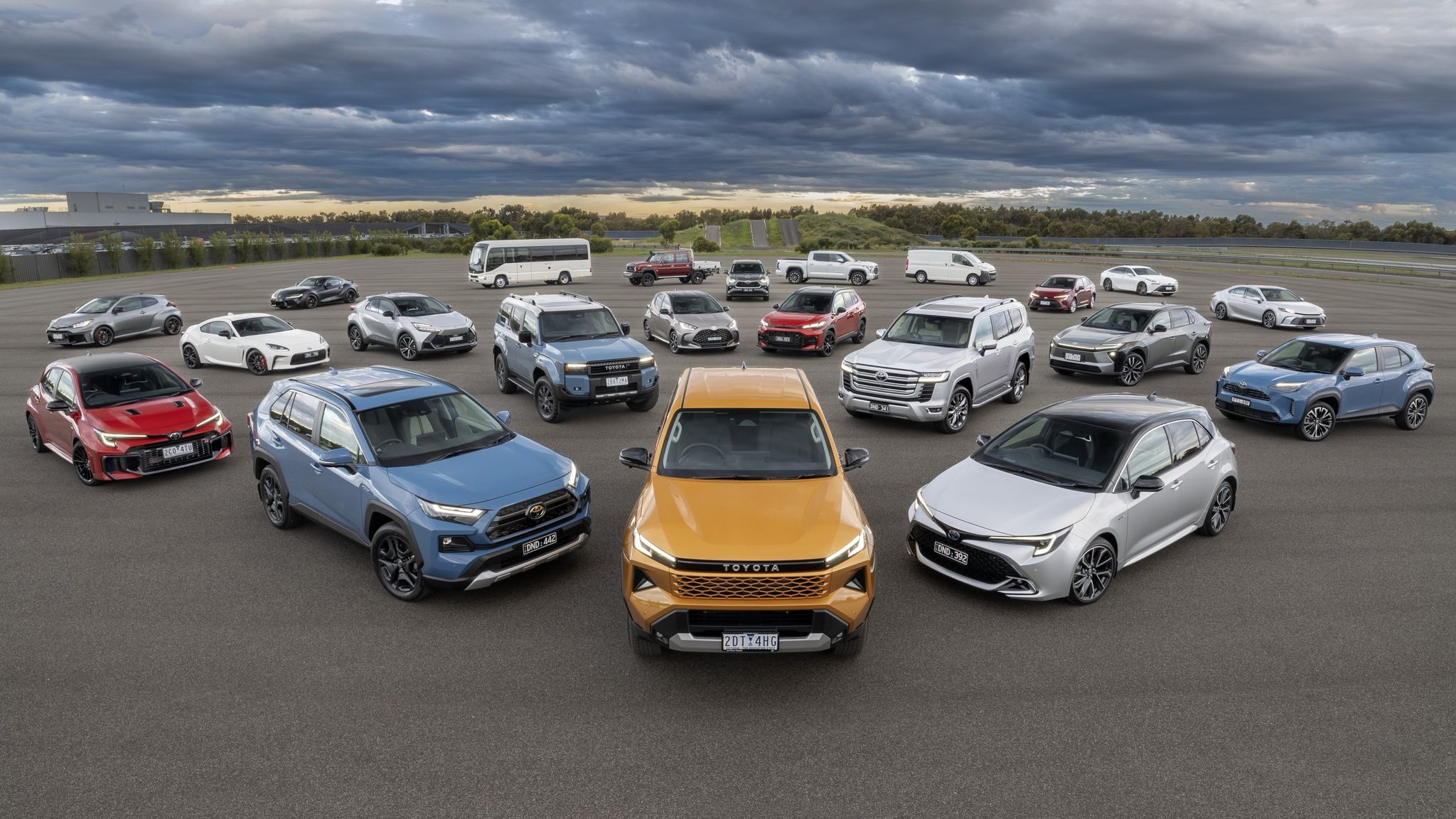
Toyota flew a room full of journalists to South-East Queensland last week to drive four new models at once: the first RAV4 plug-in hybrid, the bZ4X Touring, an electric HiLux, and the most powerful LandCruiser it has ever built. Four vehicles, four different answers to the same question, and one very consistent message:
There is no single powertrain that suits every Australian, so Toyota will sell you seven.
That message is not new. What has changed is the mood around it.
Five years ago, Toyota's refusal to go all-in on battery electric vehicles looked like a legacy giant asleep at the wheel. Today it looks like one of the shrewdest calls in the modern car industry.
With my background in automotive product planning, I went to this event wanting to understand one thing: was the multi-pathway strategy a genuine act of foresight, or was Toyota simply lucky enough to already be the right kind of company at the right time? The honest answer, it turns out, is a bit of both.
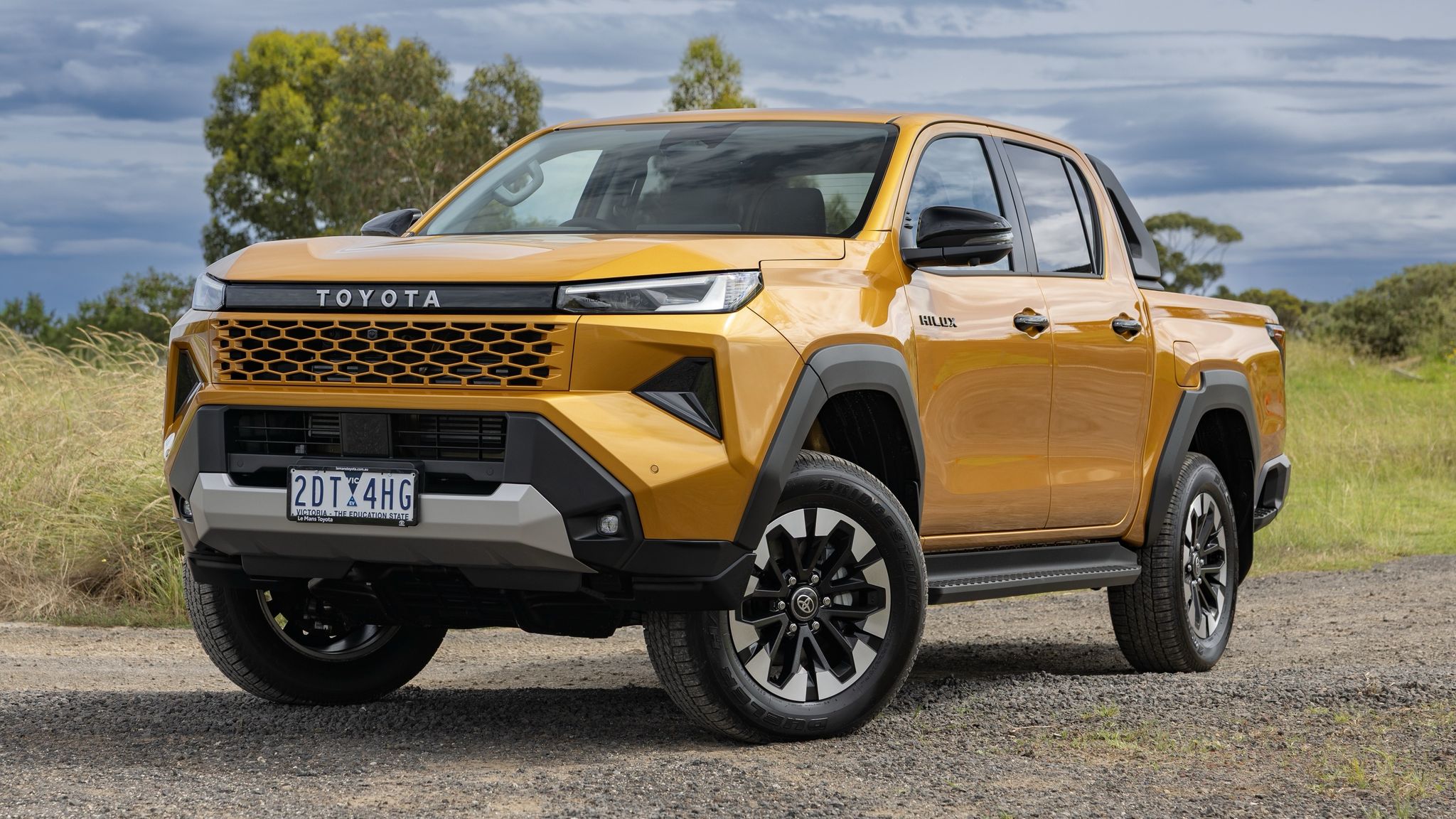
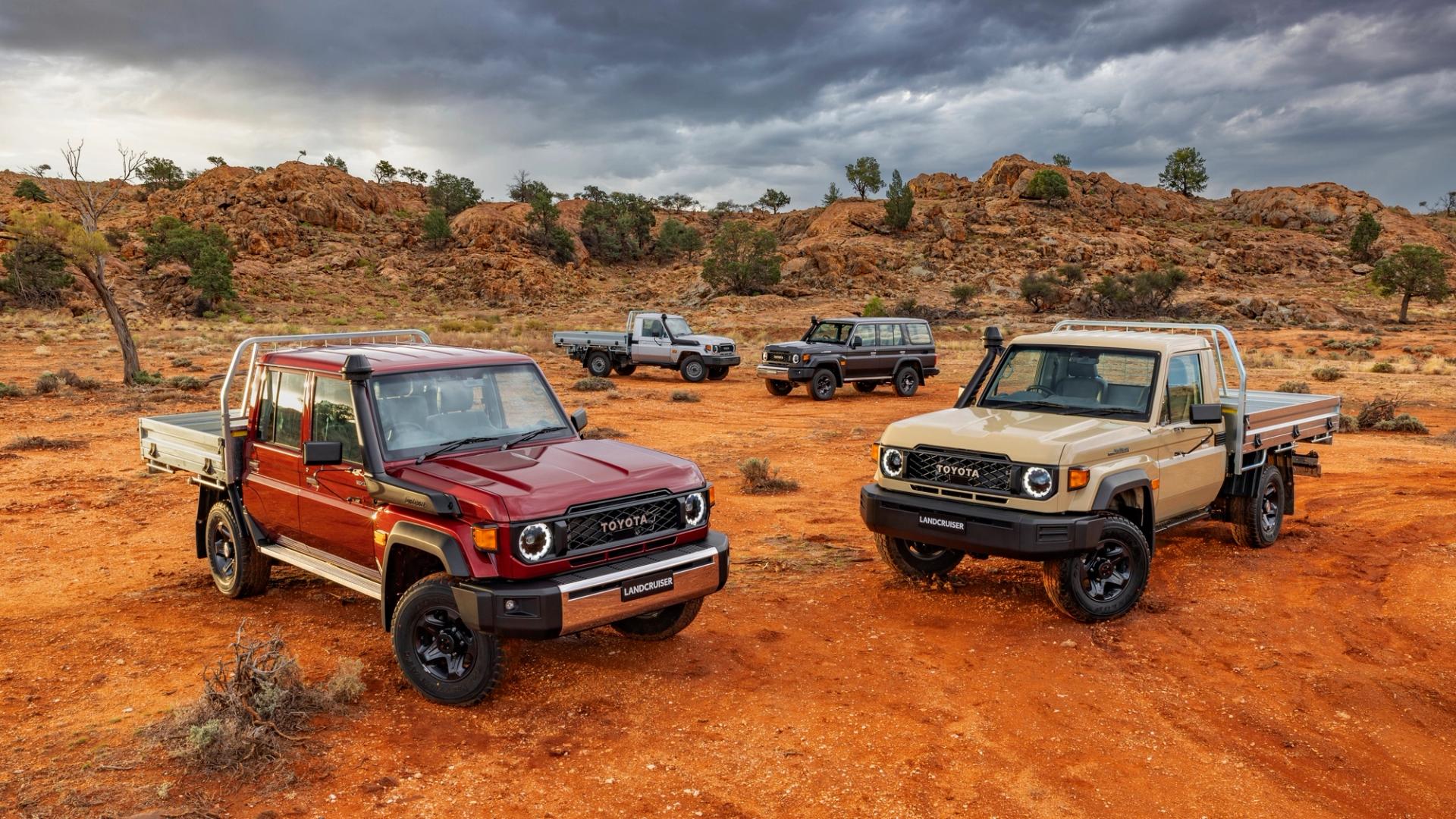
Toyota HiLux
Everyone zigged. Toyota zagged. Then the market came back to it.
Cast your mind back to the early 2020s. Volkswagen was promising 70 electric models by 2030. General Motors pledged to go all-electric by 2035. Governments across Europe hitched everything to the battery. And Toyota's then-chairman Akio Toyoda kept insisting, to widespread eye-rolling, that the enemy was carbon, not the combustion engine, and that customers rather than regulators should set the pace of change.
The numbers have since been kinder to him than his critics were. Global electric car sales still hit records in close to 100 countries last year and are on track for around 30% of all sales in 2026, so the transition is very real. But growth has cooled in the two biggest markets, the United States and China, and forecasters at BloombergNEF have trimmed their long-term EV outlook two years running.
Hybrid demand, meanwhile, has boomed.
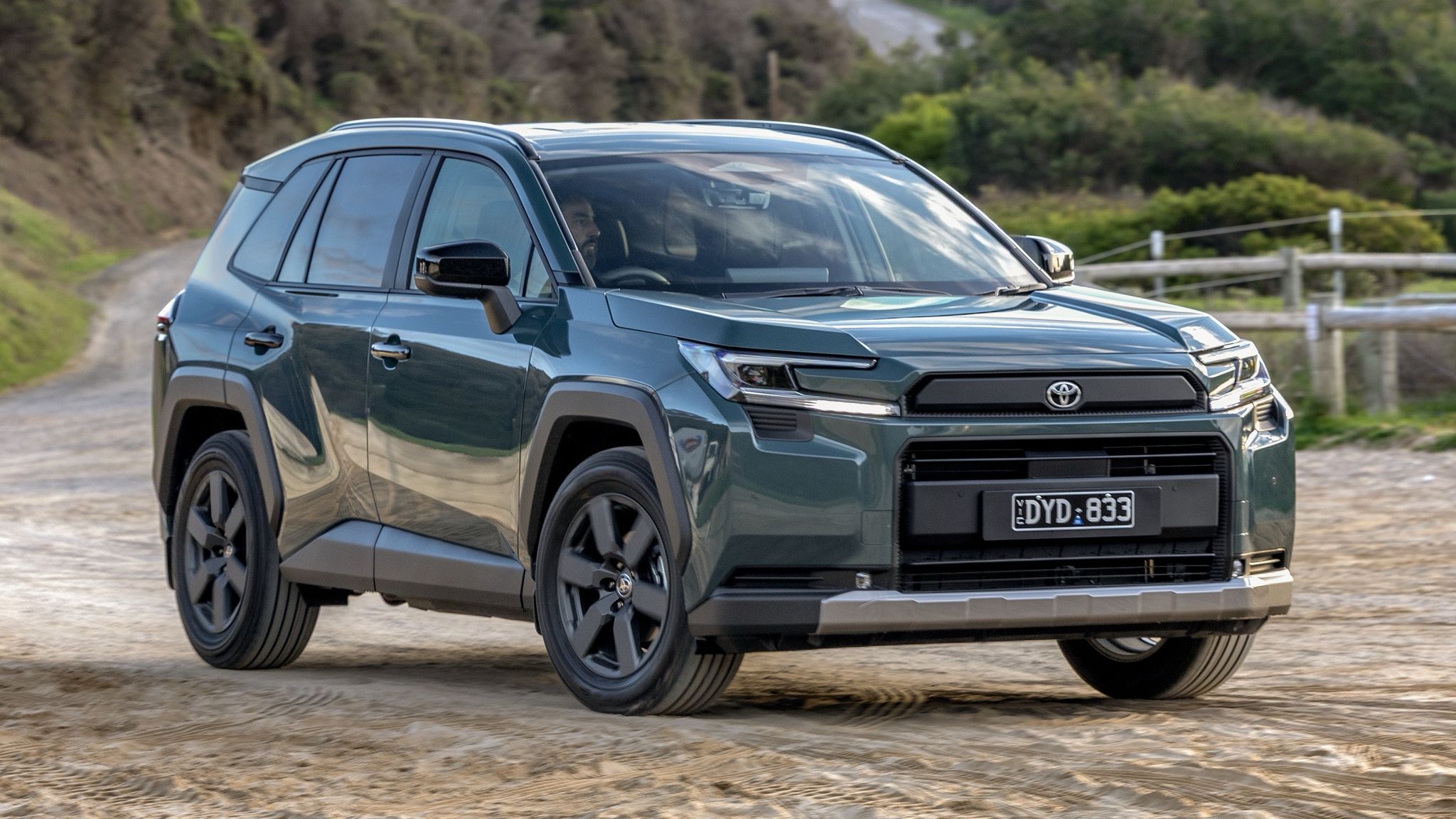
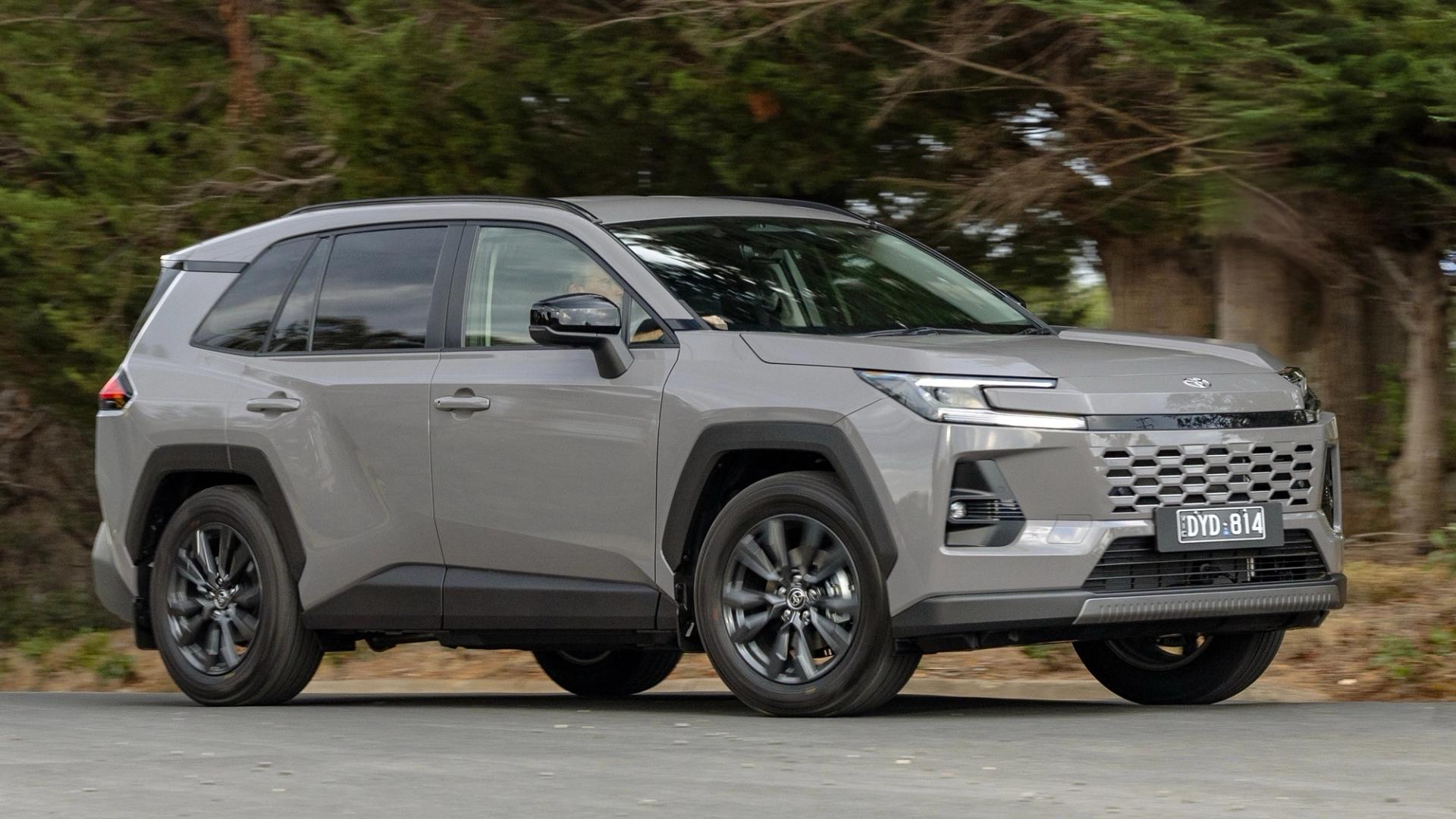
Toyota RAV4 Hybrid
Toyota is the world's best-selling carmaker for the sixth year in a row, carried largely by the exact technology it was mocked for backing.
The prevailing verdict now is not that the EV revolution is over, because it plainly is not, but that Toyoda was right about its pace, and that Toyota's decision to bet on hybrids has aged remarkably well. That has hardened into something close to conventional wisdom. The interesting question is not whether the bet paid off, because it plainly did. It is why Toyota made it.
Customer-led or just deeply Toyota?
Ask Toyota and the answer is customers, every time.
"It's not about the powertrain" vice president of sales, marketing and franchise operations John Pappas told me. "It's about what is going to fit the purpose of that customer need."
He pointed to the company's 270 plus dealers, the widest network in the country, as a listening post.
"Through the dealers, we get the voice of the dealer and we get the voice of the customer," he said, describing a research culture built on the Japanese principle of genchi genbutsu, going to see the situation and speak to the person in it.
Toyota interviews its regional customers, sends people to remote communities, and weighs that feedback heavily.
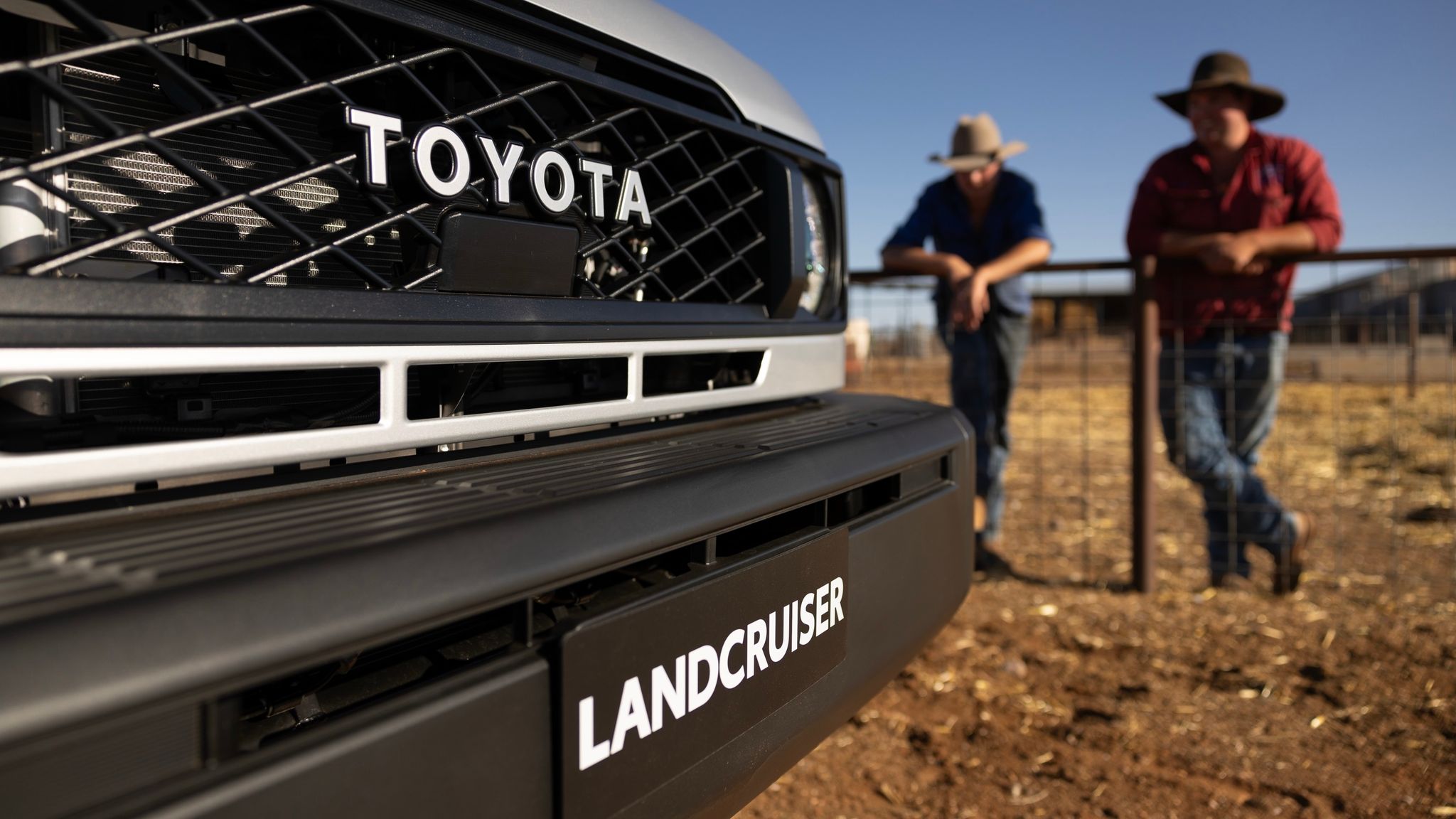
Here is the part Toyota is too modest, or too careful, to say out loud.
When you listen that closely to your own customers, the answer you get depends entirely on who your customers already are. And Toyota's customers are not a neutral sample of Australia.
The brand is over-represented in regional and rural areas, in fleets, on farms, on mine sites, and behind caravans and boats. It sells more HiLux and LandCruiser than anything else. For that base, in a country this vast, with patchy charging infrastructure and 400-kilometre drives to the nearest city, hybrid-and-diesel genuinely was the right answer.
So the strategy was authentically customer-led.
It was also, in a sense, a mirror. Had a city-focused brand listened just as carefully to its own buyers, it would have heard the opposite and potentially moved to electrification too early.
Toyota's great insight was not predicting the future. It was refusing to abandon the customers it already had in order to chase a narrative built around someone else's. That is a quieter kind of discipline than clairvoyance, and arguably a more repeatable one.
It helps that the Australian conditions genuinely suit the approach. Pappas noted that the country has the highest rate of home solar in the world, which makes a plug-in hybrid that charges cheaply at home and refuels anywhere on the open road close to an ideal fit. The strategy was not luck alone. But it was a very good match between who Toyota is and what this country needs, and that match did a lot of the strategic heavy lifting.
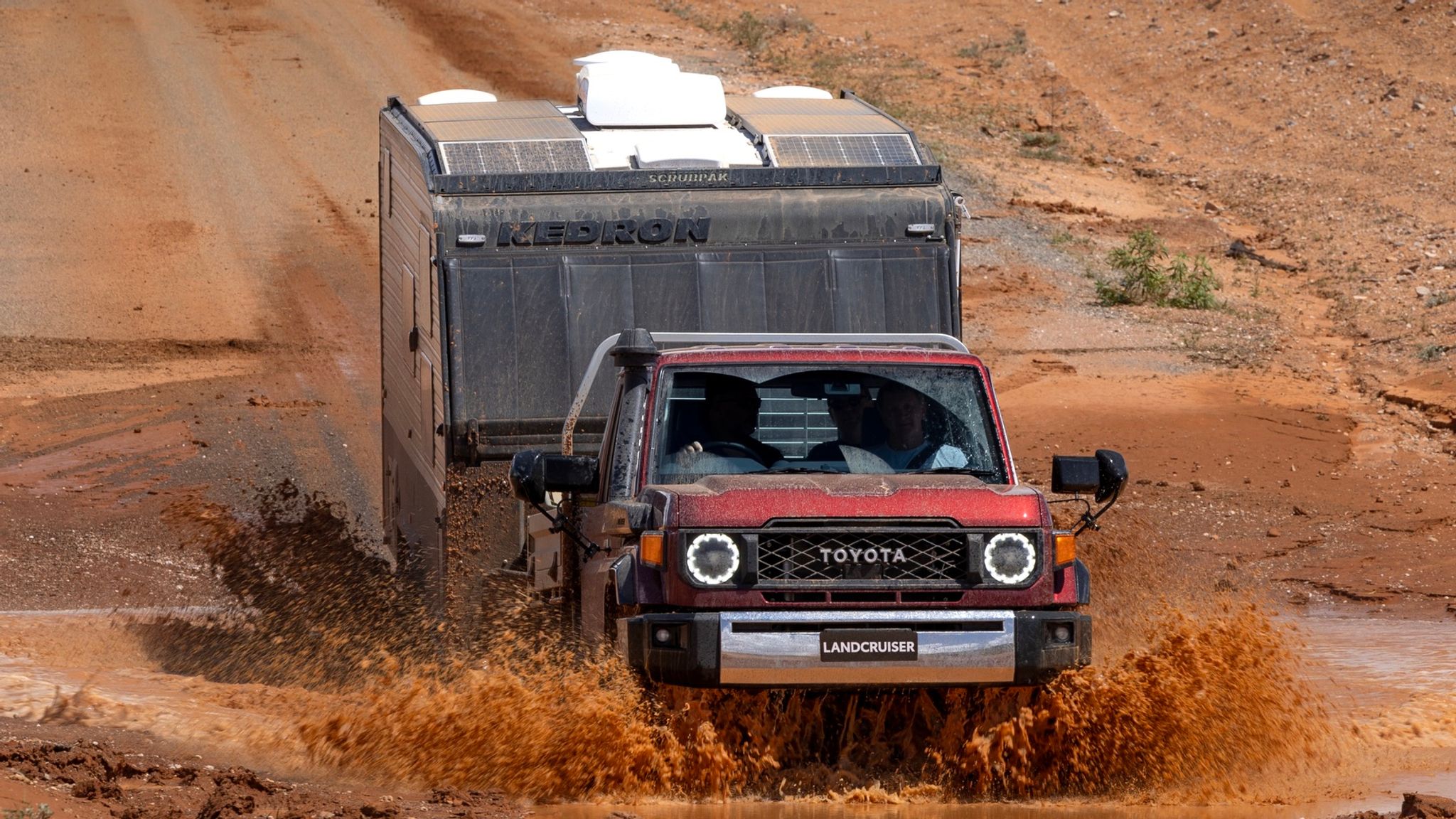
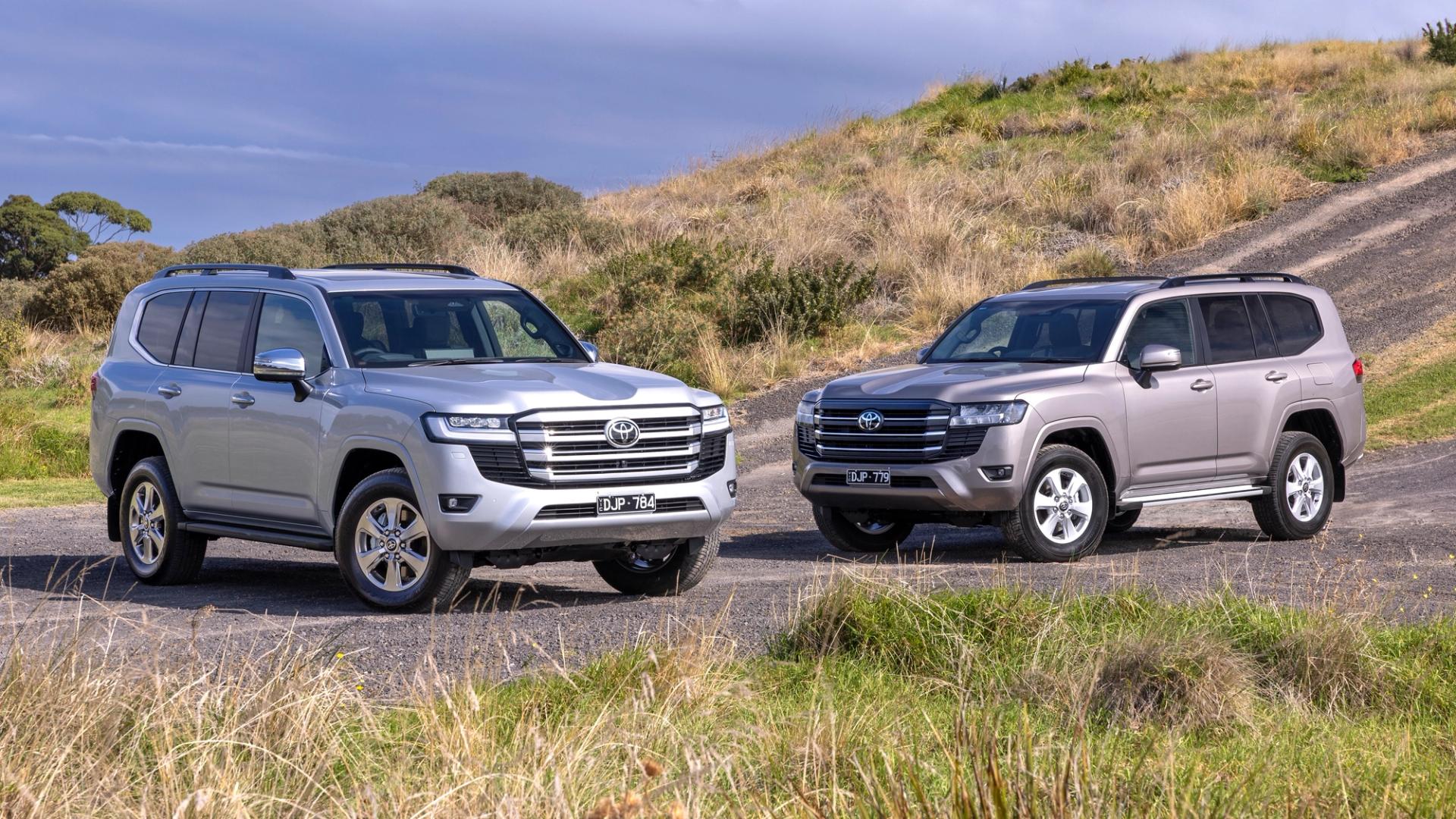
Toyota LandCruiser
The ground is shifting under the winning bet
The reason this is worth revisiting now, rather than simply handing Toyota a trophy, is that the conditions that made hybrids look so smart are the same conditions that could accelerate the shift Toyota has paced itself against.
Oil is the obvious one. The conflict in the Middle East and the disruption to the Strait of Hormuz drove the largest oil supply shock in history this year, and the effect on showrooms was immediate.
Pappas described it plainly. After the bZ4X's relaunch, Toyota saw natural demand rise, and then the fuel spike hit.
"We saw a lot of orders over that period that were not abnormal, but extraordinary," he said.
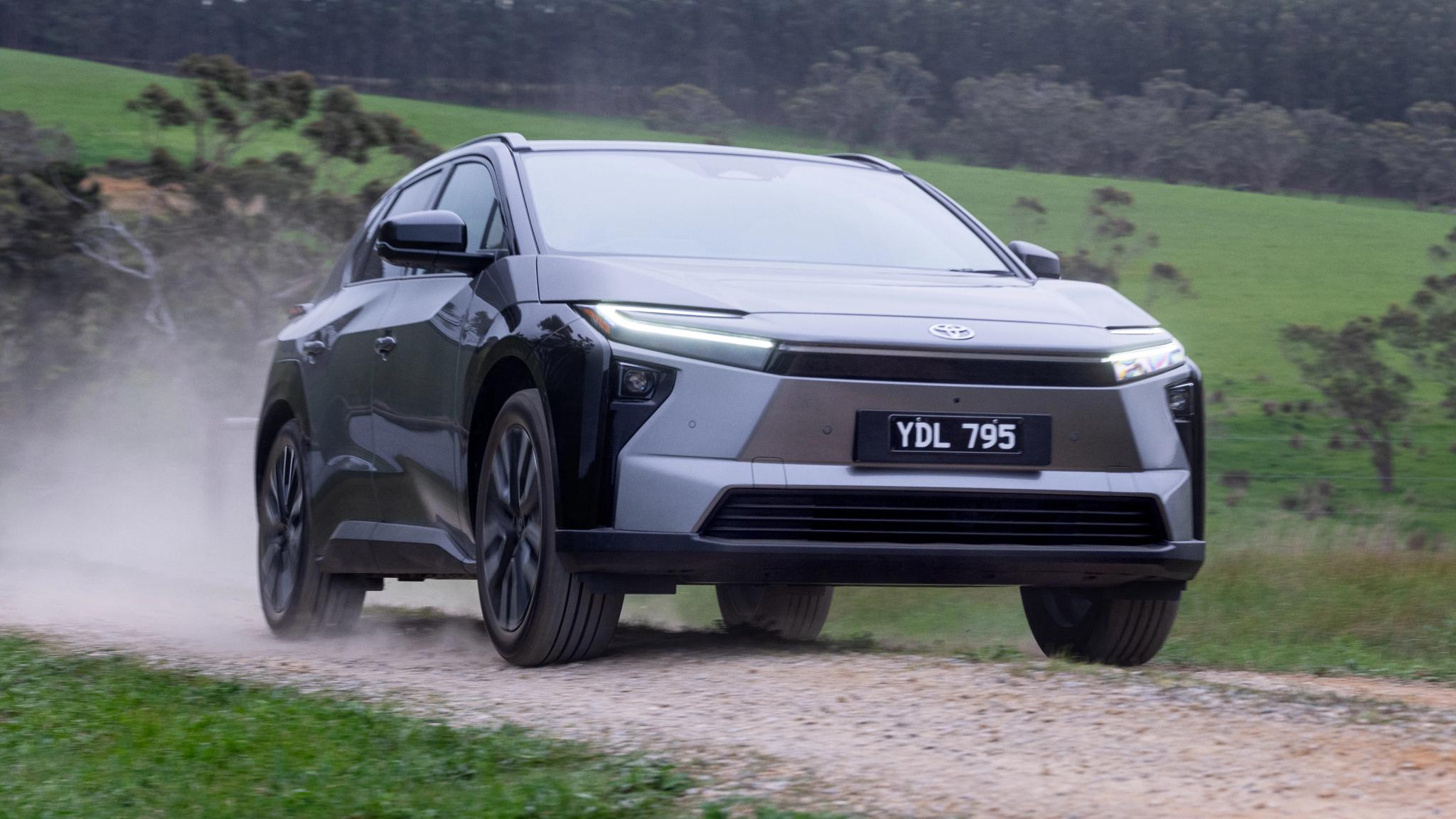
Toyota bZ4X
Enquiry on EVs surged as Australians panicked about petrol prices. The rate has since settled, but the bZ4X family is now running at nearly double its pre-spike pace.
That is a telling admission. It means a chunk of Australia's EV interest is one geopolitical event away from becoming a stampede, and Toyota knows it.
The company's battery electric volume is climbing fast in percentage terms, from around 1,000 sales last year to more than 6,000 this year once the HiLux BEV is included. But that is still a rounding error against total sales, and BEVs are forecast to be just 4% of Toyota's Australian mix this year.
Rivals are not waiting. BYD has surged to become the second-biggest brand in the country on the back of affordable electric and plug-in models.
Is the hybrid bet still safe or is Toyota now a step behind?
The fair answer is that the bet is safe for now, and safest of all in Australia specifically, but that Toyota's thin battery electric bench is a genuine vulnerability rather than a rounding error.
The case for safety is strong. Australia's distances, its regional Toyota-heavy base, its fleet and mining diesel needs, and its world-leading home solar all favour a mixed lineup for years yet.
The RAV4 plug-in hybrid is the smartest hedge in the range, a bridge that lets a cautious buyer drive on electricity most days without changing a single habit on a long trip. I have said before that this powertrain will do very well here, and nothing at this event changed my mind.
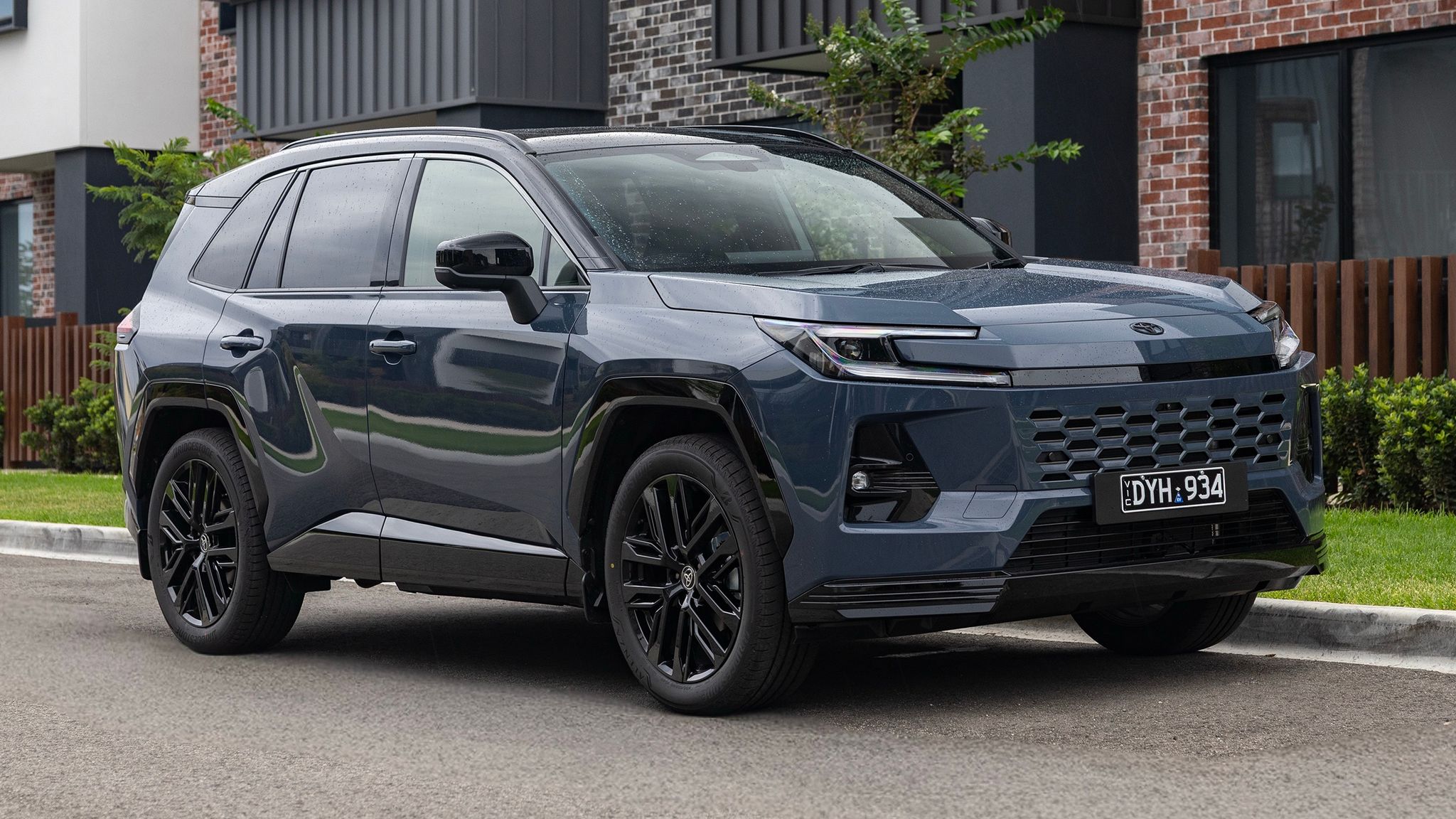
Toyota RAV4 PHEV
The case for concern is just as real. Toyota is playing catch-up in pure electric vehicles at the exact moment fuel prices are pushing buyers toward them.
The bZ4X Touring and the coming C-HR BEV in 2027 are welcome, but they are a modest bench against brands launching electric cars at pace and on price.
If the oil-price era proves persistent rather than temporary, Toyota's own 30% zero and low-emission target for 2030 could start to look conservative rather than prudent, and being right about the pace for a decade does not protect you if the pace suddenly changes.
It is worth remembering that Toyota is making this call from a position of real strength. Demand is still outstripping supply, and the company is on track to finish 2026 above 230,000 sales for only the sixth time in its history, with RAV4 and HiLux again its two best sellers. A brand selling everything it can build has the luxury of moving at its own pace. The question is how long that luxury lasts if a fuel-driven EV surge hands faster-moving rivals a genuine opening.
Toyota's next call matters more than its last one
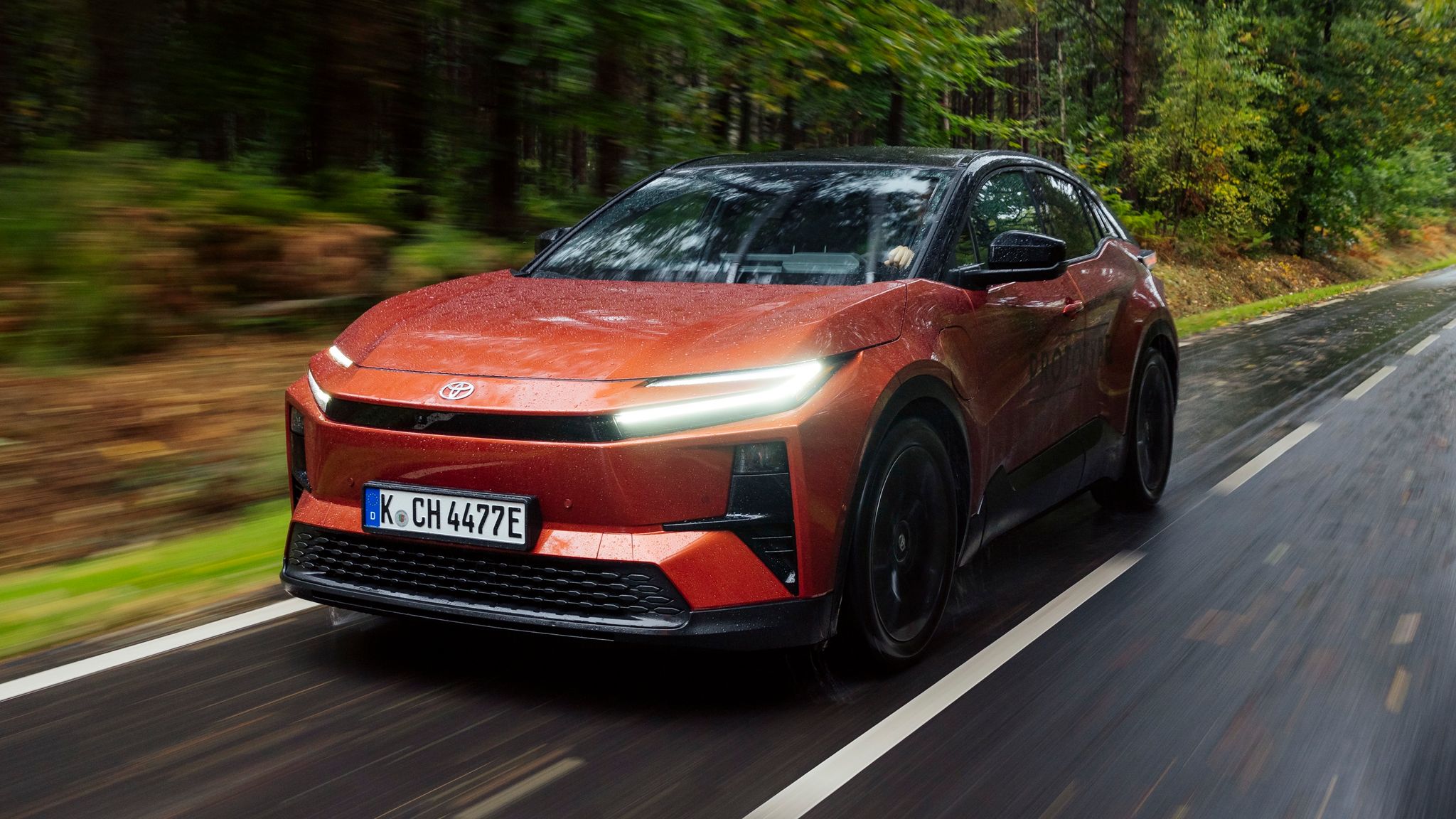
Toyota CH-R BEV
Toyota did not get lucky exactly. It made a disciplined choice to trust its own customers and its own conditions, and both rewarded it handsomely.
The genius was in the refusal to panic.
But the same instinct that kept Toyota out of the EV cash bonfire has left it holding a smaller battery electric hand than the moment may soon demand.
The multi-pathway strategy has been right for a decade. Whether it stays right depends on something Toyota has always insisted it cannot control, and would not want to: how fast its customers decide to change.
Rob Leigh
Co-founder & Director
Rob Leigh is Co-founder and Director of The Beep based in Melbourne, Australia. He has 15+ years inside a major automotive OEM, specialising in product planning, pricing and vehicle strategy.
About Author