Hyundai Ioniq 3 electric hatchback heading to Australia in 2027
Hyundai's all-electric hatch arrives in Australia in the first quarter of 2027 replacing the i30 with up to 500km of WLTP range and an expected starting price around $40,000 plus on-roads.

Shane Riley
Key takeaways
- 2027 Hyundai Ioniq 3 confirmed for Australia, arriving Q1 2027
- Two battery options: 42kWh (335km+) and 61kWh (up to 500km WLTP)
- Pricing expected from around $40,000 plus on-road costs
Hyundai has confirmed the Ioniq 3 for Australia with the electric hatchback set to go on sale in early 2027. The 2027 Hyundai Ioniq 3 is the spiritual replacement for the discontinued i30 hatch and takes direct aim at the BYD Dolphin, MG4 and GAC Aion UT in the small EV segment.
Hyundai Australia's local sales boss David Rodda locked in the timeline saying the Ioniq 3's arrival will push the brand's EV market coverage from 85 to 96%.
What powers the 2027 Hyundai Ioniq 3
Two front-wheel drive drivetrains are available at launch both using a single electric motor. The Standard Range pairs a 42kWh lithium iron phosphate (LFP) battery with the punchier 108kW/250Nm motor, targeting at least 335km on the WLTP cycle. The Long Range variant uses a 61kWh nickel-manganese-cobalt (NMC) battery with a 99kW/250Nm motor and pushes claimed range to around 500km.
Both charge from 10 to 80% via DC fast charger in under 30 minutes. Standard AC charging is 11kW, with an optional 22kW upgrade available. Vehicle-to-load (V2L) functionality comes standard across the range, useful for powering camping gear or charging e-bikes on the go.
2027 Hyundai Ioniq 3 specs
| Spec | Standard Range | Long Range |
| Battery | 42kWh LFP | 61kWh NMC |
| Power | 108kW | 99kW |
| Torque | 250Nm | 250Nm |
| WLTP range | 335km+ | ~500km |
| 0-100km/h | ~9.0 sec | ~9.6 sec |
| DC charge (10-80%) | 29 min | 30 min |
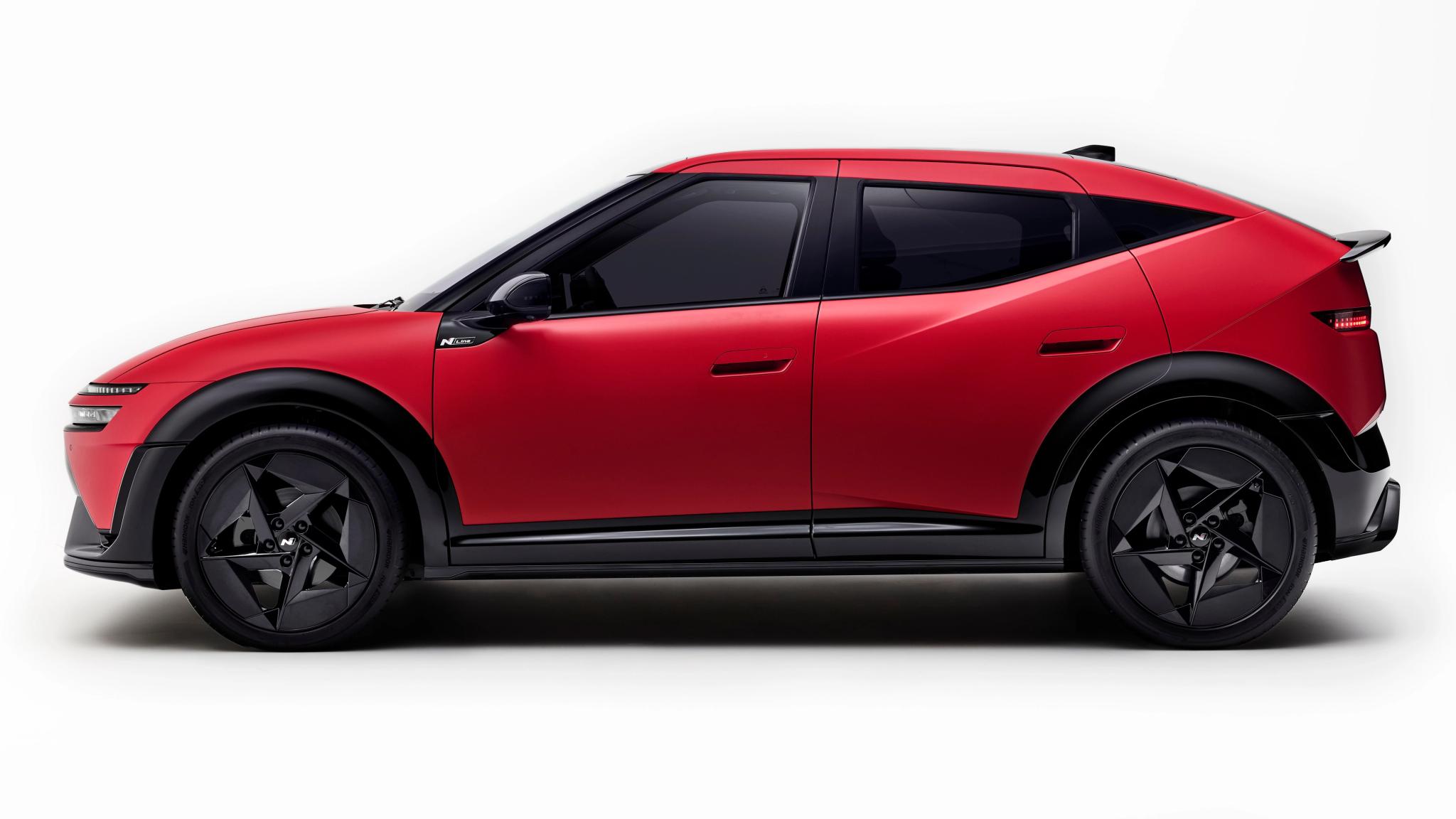
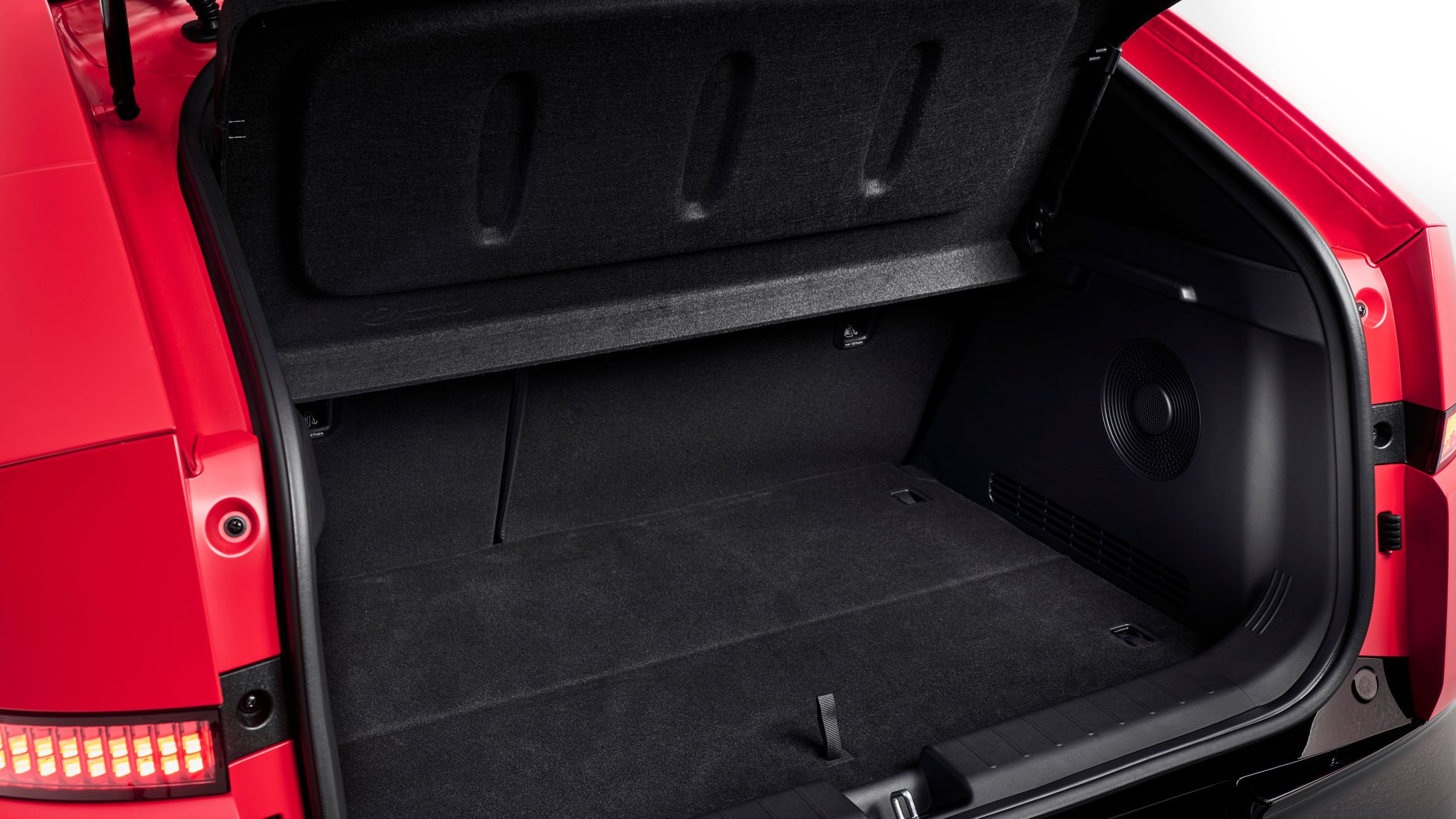
Built on Hyundai's E-GMP 400V platform - shared with the Kia EV3 - the Ioniq 3 measures 4155mm long, 1800mm wide and 1505mm tall. Shorter than the old i30 hatch, the EV-specific platform still delivers a 441-litre boot with a 119-litre underfloor Megabox storage area beneath it.
Design, tech and cabin
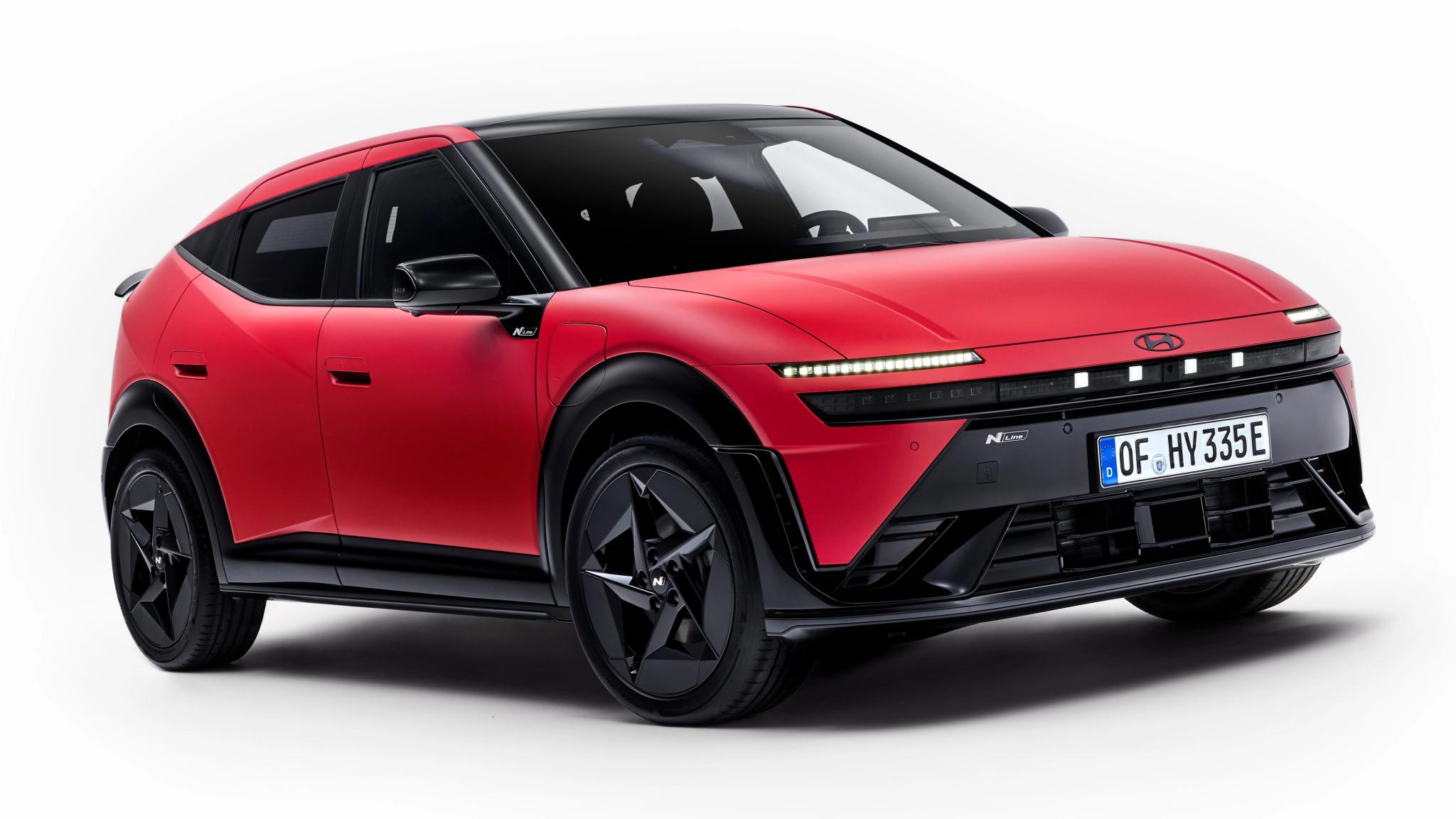
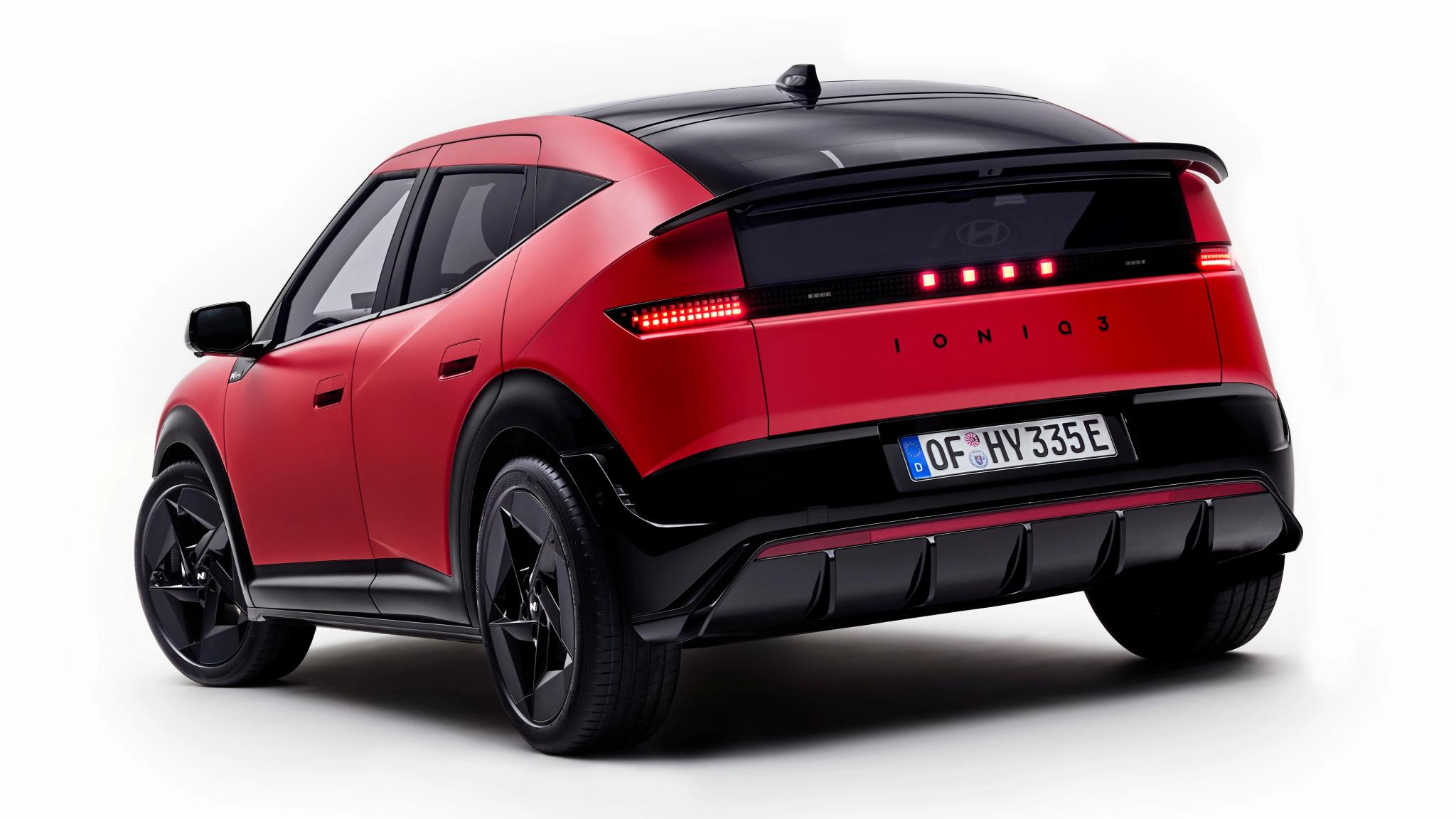
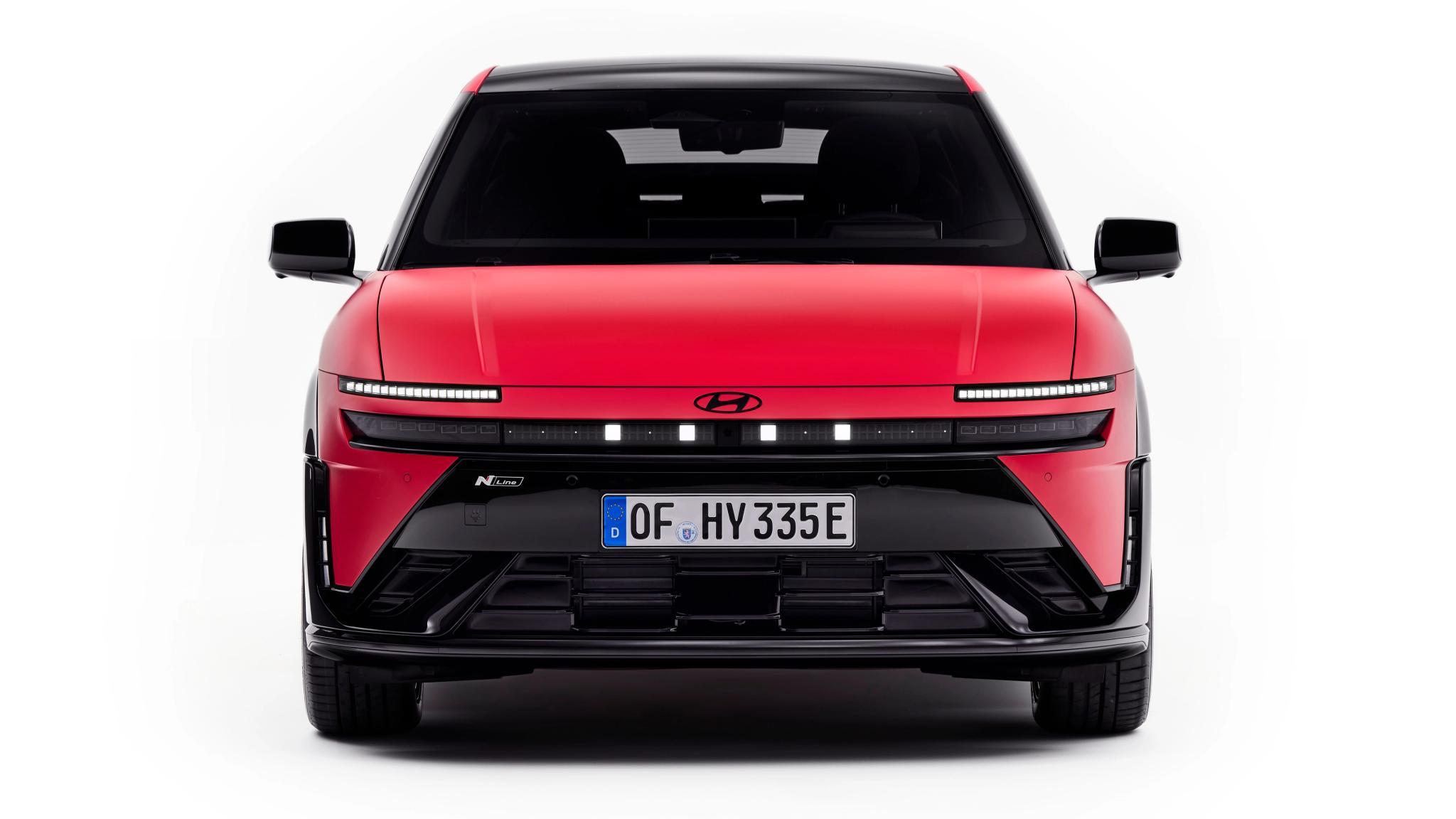
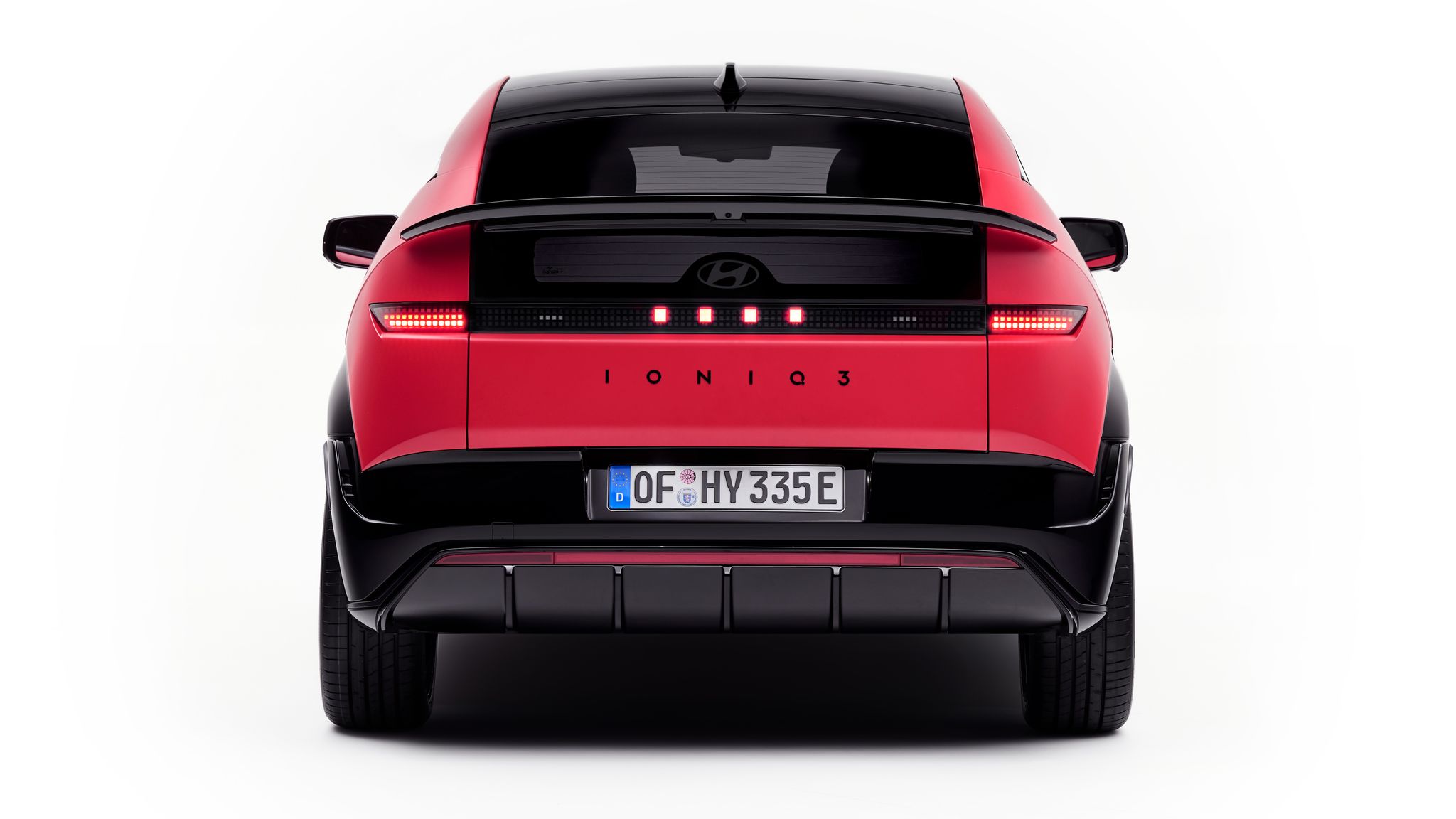
Hyundai describes the Ioniq 3 as an "aero hatch" - a fastback body with a low nose, sharp creases and pixel LED lighting. The four light elements in the front grille reference the letter H in Morse code. An N Line variant adds 19-inch wheels, a ducktail spoiler, diffuser and sportier bumpers finished in gloss black.
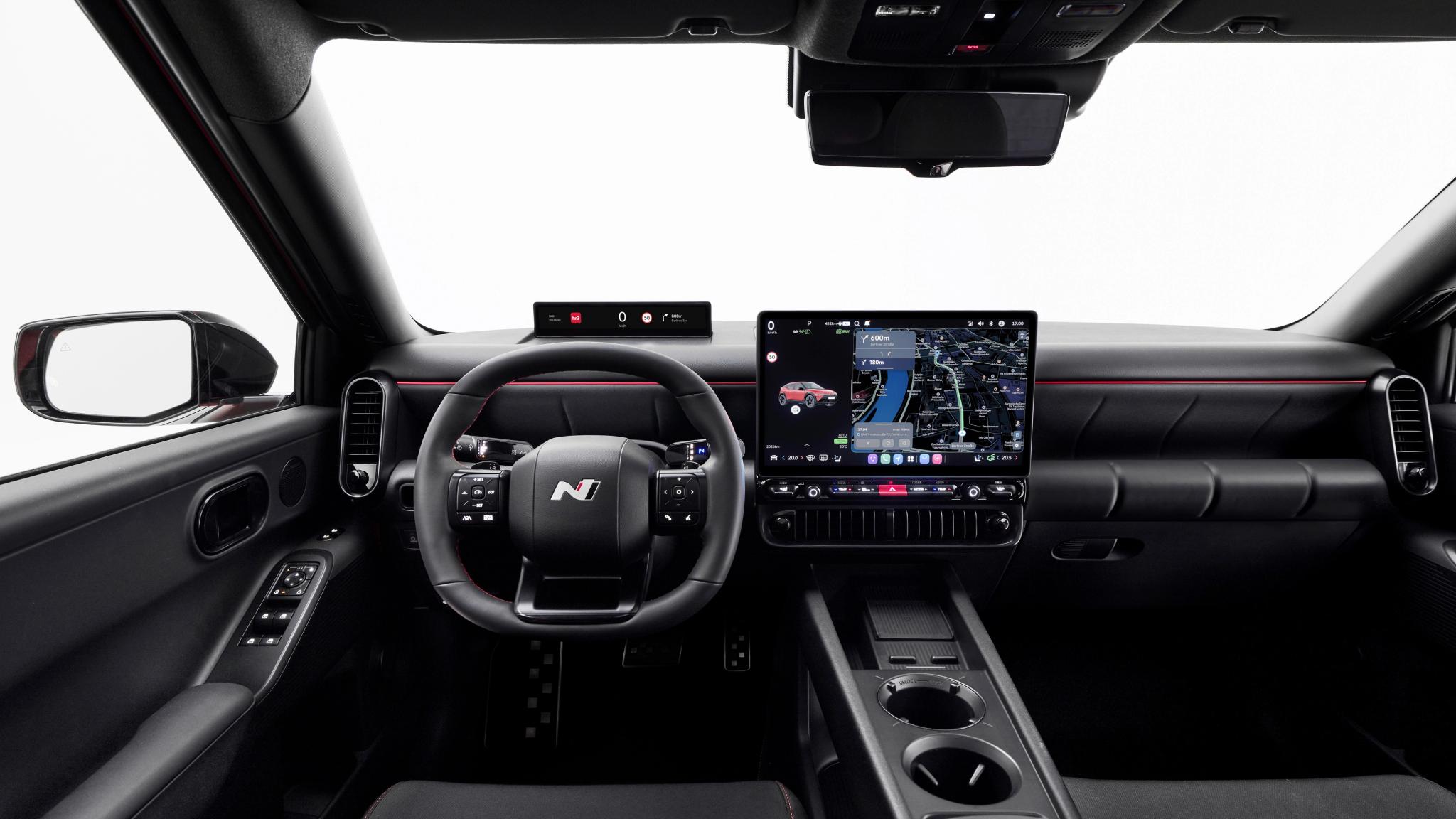
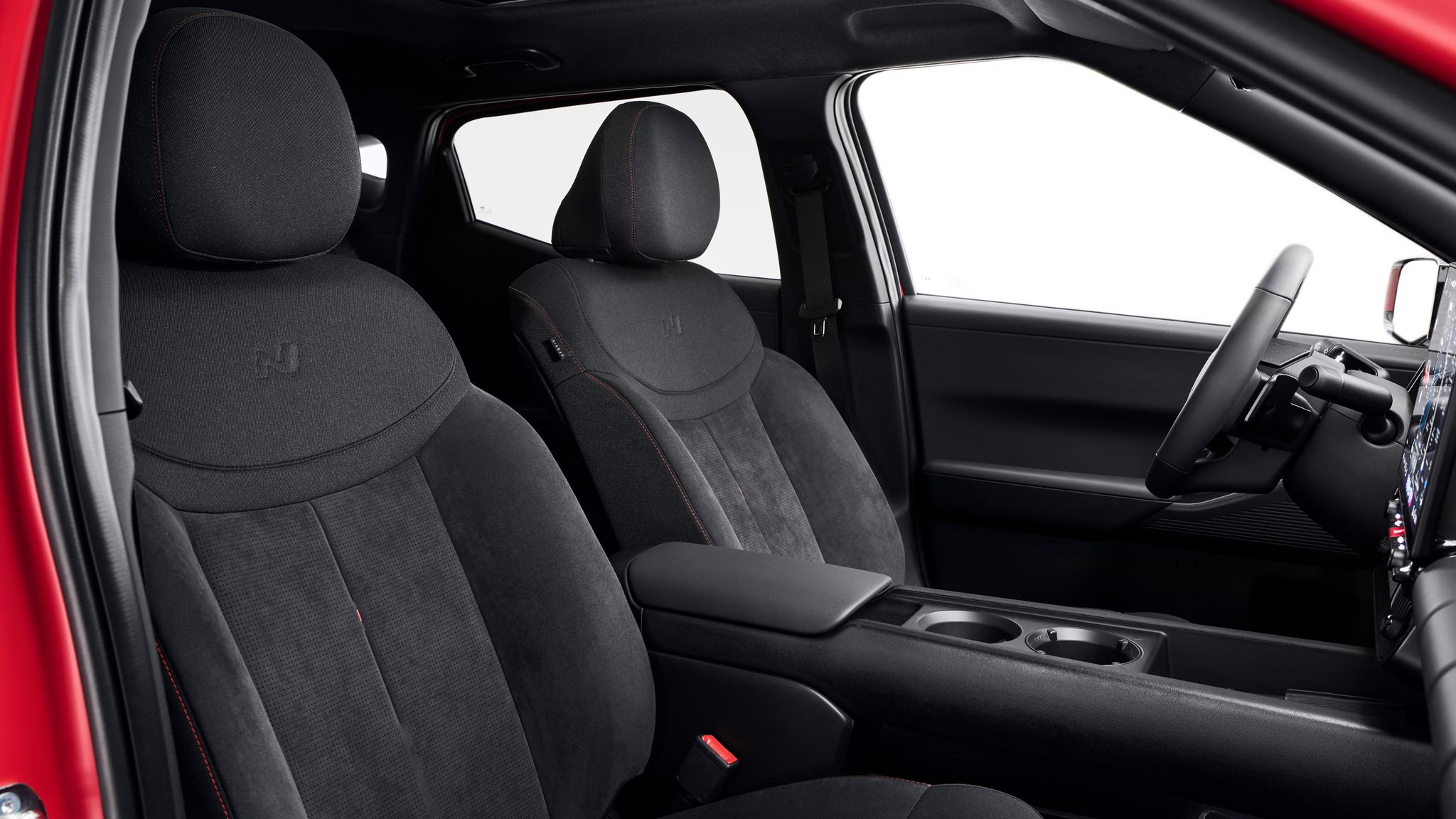
Inside the Ioniq 3 debuts Hyundai's new Pleos infotainment system on either a 12.9-inch or 14.6-inch display running Android Automotive, with physical controls retained for key functions. Wireless Apple CarPlay and Android Auto are standard. Upper grades add heated and ventilated seats, dual-zone climate control, ambient lighting and a Bose sound system.
Safety is a priority too - a five-star ANCAP rating has been targeted, with seven airbags, blind-spot monitoring, a 360-degree camera and adaptive cruise control confirmed across the lineup.
Australian pricing hasn't been finalised, but expect the range to open around $40,000 plus on-roads - putting it in direct contention with the BYD Dolphin and MG4. Higher-performance variants including a potential Ioniq 3 N are expected to follow later in the model's life.
Frequently asked questions
When does the 2027 Hyundai Ioniq 3 go on sale in Australia?
Hyundai has confirmed the Ioniq 3 will arrive in Australia in early 2027 with exact on-sale dates to be announced closer to launch.
How much will the 2027 Hyundai Ioniq 3 cost in Australia?
Official pricing hasn't been confirmed, but expect the Ioniq 3 to start around $40,000 plus on-road costs for the Standard Range variant.
What is the range of the Hyundai Ioniq 3?
The Standard Range 42kWh model targets at least 335km on the WLTP cycle, while the Long Range 61kWh variant is rated at up to 500km.
Shane Riley
Co-founder & Director
Shane Riley is Co-founder and Director of The Beep based in Melbourne, Australia. He has 20+ years across OEM, leasing and fleet, with experience in vehicle strategy, sales and operations.
About Author