What the 2026 Federal Budget means for EV buyers and motorists
The 2026 Federal Budget winds back the EV Fringe Benefits Tax exemption from April 2027, commits $40 million to new kerbside and regional chargers and confirms a temporary halving of fuel excise.

Rob Leigh
Key takeaways
- EV FBT exemption wound back from 1 April 2027
- $40 million committed to kerbside and regional EV chargers
- Fuel excise halved for three months from April
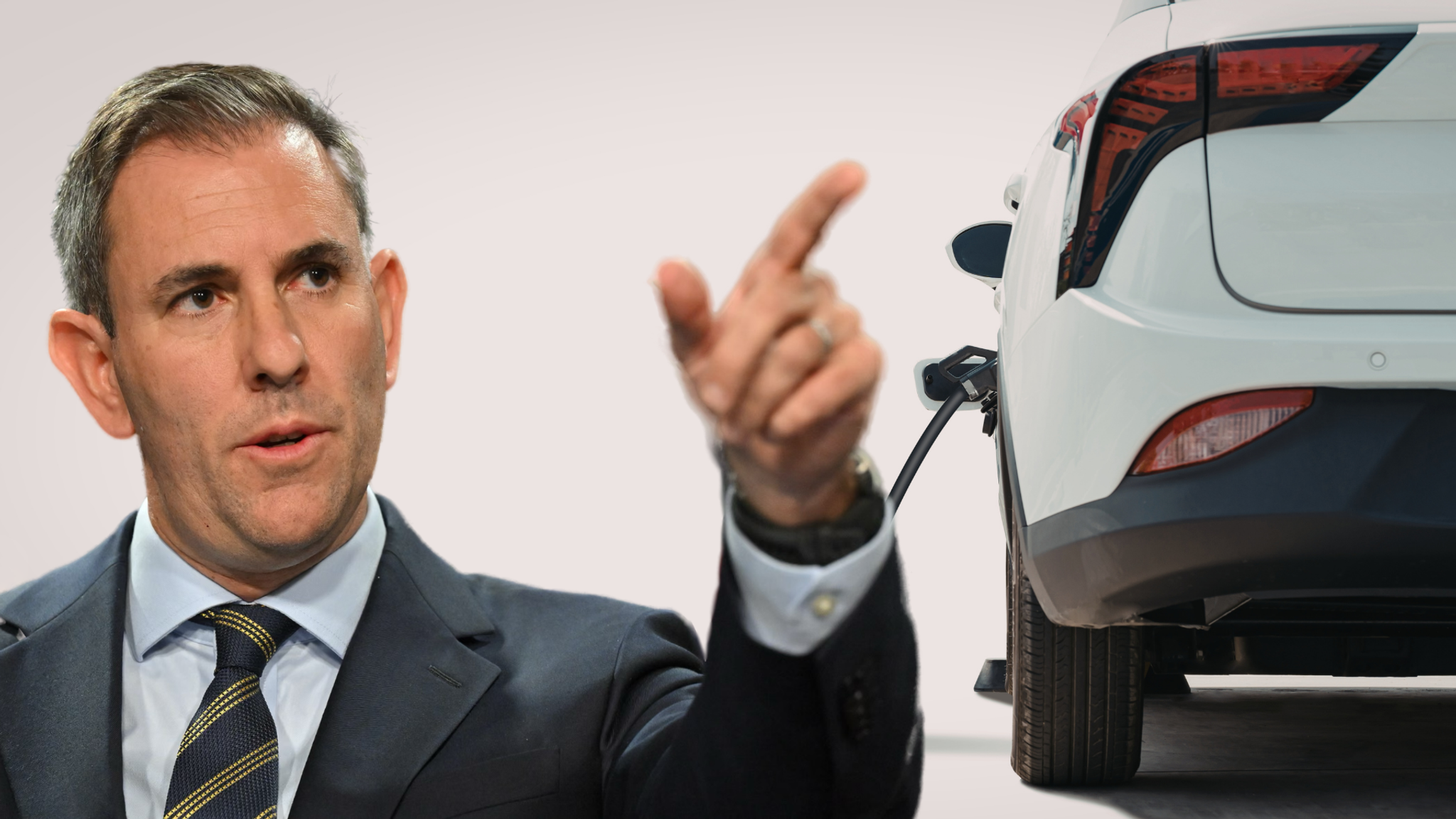
Treasurer Jim Chalmers handed down the 2026 Federal Budget on 12 May and it reshapes the tax settings, charging infrastructure and fuel rules that affect every Australian motorist. The headline change is a phased wind-back of the popular Fringe Benefits Tax exemption for electric vehicles, partly offset by new funding for public chargers and a continued cut to fuel excise. Here is what the 2026 Federal Budget means for Australian car buyers.
EV FBT exemption wound back from 2027
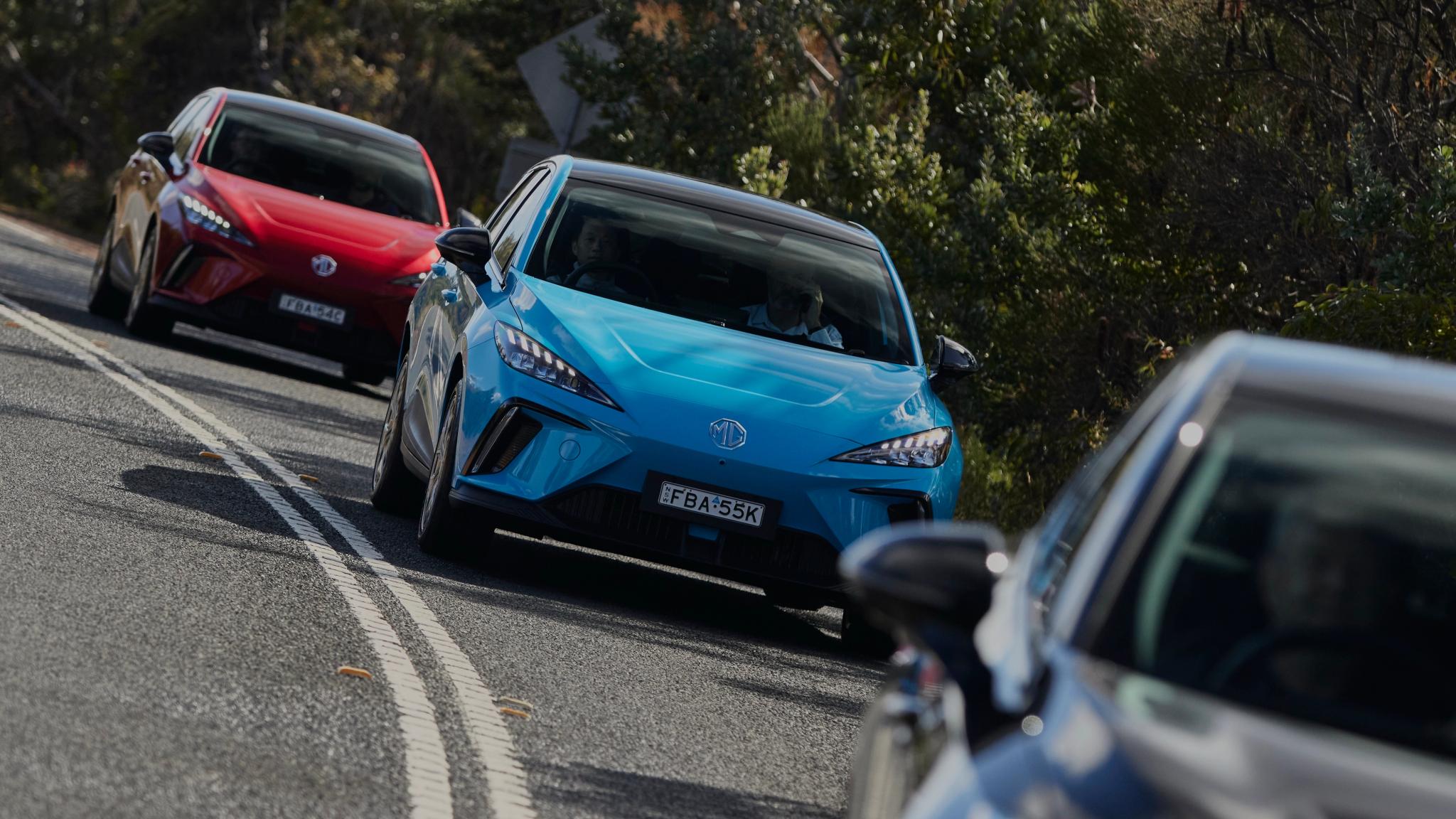
The Fringe Benefits Tax exemption on electric vehicles bought through a novated lease has put roughly 100,000 EVs on Australian roads since 2022. It is reported to have cost Treasury $3.35 billion in foregone revenue, nearly 13 times the original forecast of $260 million.
From 1 April 2027, the price cap drops from $91,387 to $75,000. EVs priced between $75,001 and $91,387 will only get a 25% FBT discount instead of the full exemption.
From 1 April 2029, all eligible EVs below the fuel-efficient luxury car tax threshold will be limited to a permanent 25% discount, delivered through a 15% statutory formula rate.
Existing salary-packaged EVs are grandfathered, so anything signed before each cut-off keeps its current rate. Plug-in hybrids lost eligibility in April 2025 and remain ineligible. Treasury expects the wind-back to claw back $1.94 billion over five years.
2026 Federal Budget FBT changes for EVs
| Period | EVs under $75,000 | EVs $75,001 to $91,387 |
| Now to 31 March 2027 | 100% FBT exemption | 100% FBT exemption |
| 1 April 2027 to 31 March 2029 | 100% FBT exemption | 25% FBT discount |
| From 1 April 2029 | 25% FBT discount | 25% FBT discount |
$40 million for kerbside and regional EV chargers
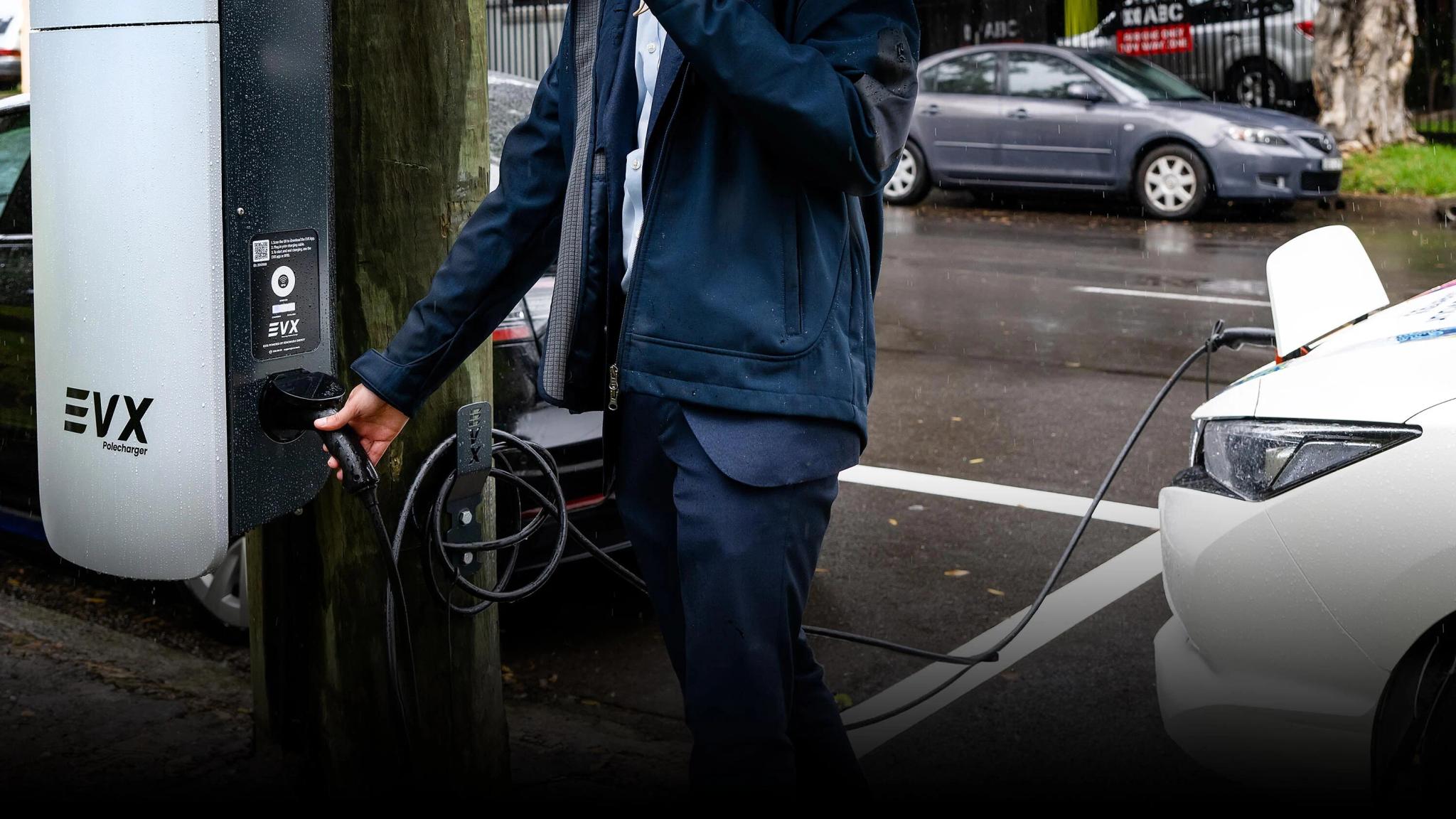
Image: EVX
A new $40 million commitment over four years will fund public charging projects, focused on regional sites and kerbside infrastructure for apartment dwellers. Public charging reliability has been a persistent gripe, with the Electric Vehicle Council counting around 4,000 charging points at 1,300 sites in late 2025.
Australia Post will receive a separate $40.5 million to electrify its delivery fleet. The DRIVEN program, which helps dealers and workshops retrain for EV service work, picks up another $15.4 million over four years.
Fuel excise still halved, no national EV road user charge
Motorists are already paying 26.3 cents a litre less in excise after the government halved it from 1 April for three months. The heavy vehicle road user charge has been zeroed over the same period. The combined cost to revenue sits at about $2.9 billion.
The Budget left a national EV road user charge off the table, despite ongoing debate about how Canberra replaces falling fuel excise revenue as more drivers go electric.
What it means for Australian car buyers
If you are considering a novated lease on an EV priced above $75,000, the window to lock in the full FBT exemption closes on 31 March 2027. EVs under $75,000, which covers the Tesla Model Y, BYD Atto 3 and MG4 among others, keep the full exemption until 2029.
For prestige EV shoppers, the Australia-EU Free Trade Agreement is set to lift the Luxury Car Tax threshold for eligible European-made zero-emission vehicles to $120,000 once enacted, softening the hit at the top end.
The direction is clear. Targeted incentives are giving way to broader infrastructure spending and the cheapest time to lease an EV in Australia is right now.
Frequently asked questions
When does the EV FBT exemption end in Australia?
The EV FBT exemption begins winding back from 1 April 2027, before moving to a permanent 25 per cent discount structure from 1 April 2029. From 1 April 2027, only EVs priced under $75,000 keep the full exemption, with vehicles between $75,001 and $91,387 receiving a 25 per cent discount.
How much is the 2026 Federal Budget spending on EV chargers?
The Budget commits $40 million over four years for kerbside and regional public charging projects, plus $40.5 million to electrify the Australia Post fleet.
Will Australia introduce a national road user charge for EVs?
Not in this Budget. The government has not announced a national EV road user charge, despite ongoing debate about replacing fuel excise revenue as EV uptake rises.
Rob Leigh
Co-founder & Director
Rob Leigh is Co-founder and Director of The Beep based in Melbourne, Australia. He has 15+ years inside a major automotive OEM, specialising in product planning, pricing and vehicle strategy.
About Author