
2026 Zeekr 009 Review: The Private Jet Has Landed
The Zeekr 009 is not a family bus. It is a rolling luxury suite that happens to have seven seats, a number plate, and enough power to embarrass sports cars at traffic lights. The target buyer is someo

Rob Leigh
Pros
- Second-row cabin experience rivals genuine business-class travel
- Absurd performance that makes every overtake feel theatrical
- Strong value against European rivals at this price point
Cons
- Real-world range falls short of the 582km claim
- Payload is tight once you fill all seven seats
- Zeekr's dealer network and long-term resale are unknowns
The Zeekr 009 is not a family bus. It is a rolling luxury suite that happens to have seven seats, a number plate, and enough power to embarrass sports cars at traffic lights. The target buyer is someone who either chauffeurs wealthy clients for a living, or is wealthy enough to be their own best client. The catch? You're betting serious money on a brand with five dealers and no crash test rating.
What does the Zeekr 009 cost in Australia?
Three variants cover the local range. The entry point is the $115,900 seven-seat front-wheel drive, running a single motor producing 250kW and 373Nm. Step up to the all-wheel drive seven-seater at $135,900 and you gain the dual-motor setup plus 20-inch wheels. At the top sits the six-seat AWD at $139,900, which swaps the third-row bench configuration for a more premium 2+2+2 layout and upgrades the second-row spec considerably.
Add on-road costs and the flagship sits comfortably past $155,000 in most states. That sounds steep until you compare it to the Lexus LM, which starts at $163,530 and climbs to over $220,000, or the Mercedes-Benz EQV at nearly $163,000 before options. Against those benchmarks, the Zeekr looks rational. Almost reasonable, even.
The FWD base model represents the sharpest value case in the range. You lose the theatrical performance and all-weather traction, but the luxury hardware is largely identical. For buyers prioritising the passenger experience over the drivetrain headline, it is worth serious consideration.
What does the Zeekr 009 look like?
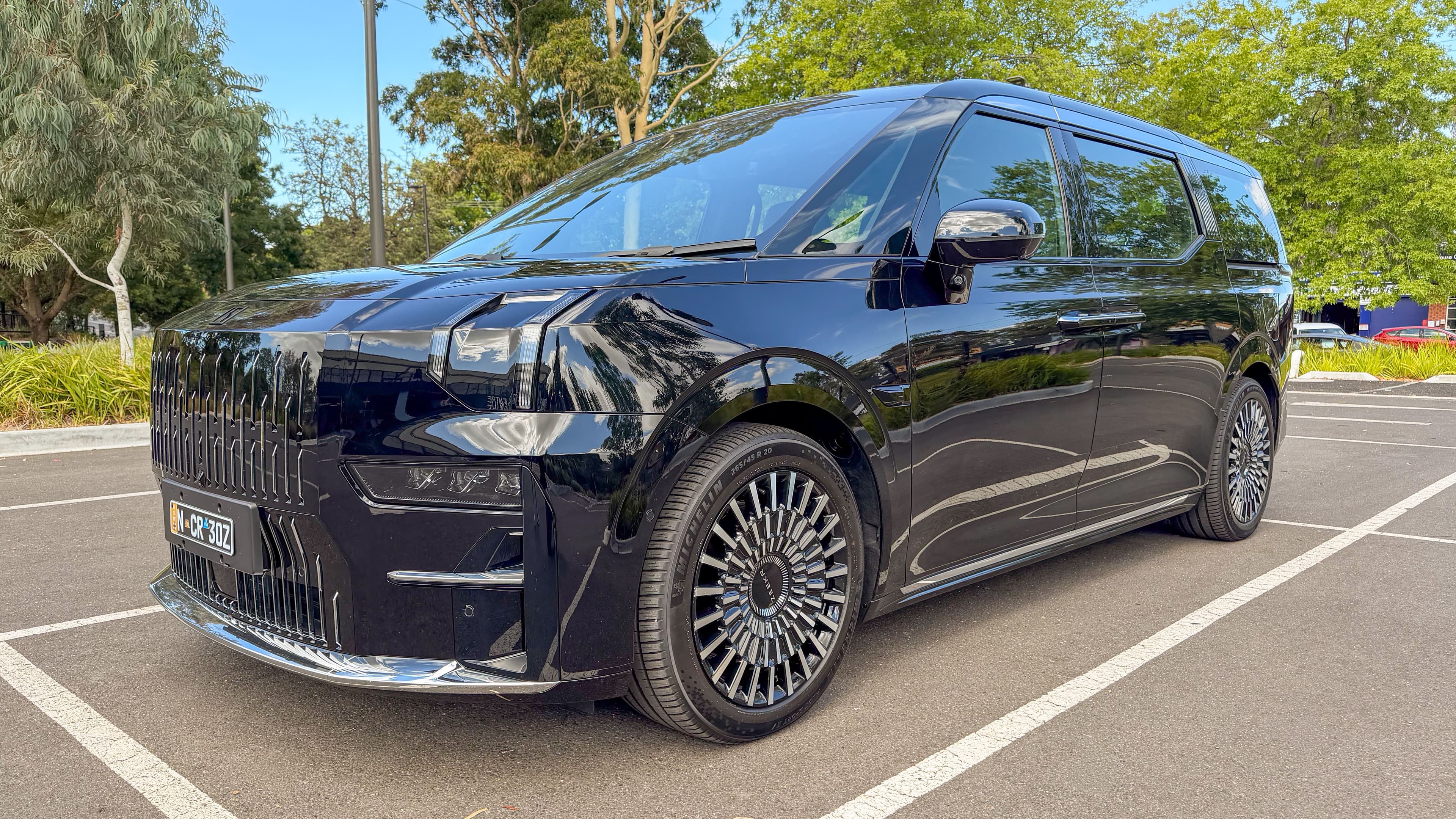
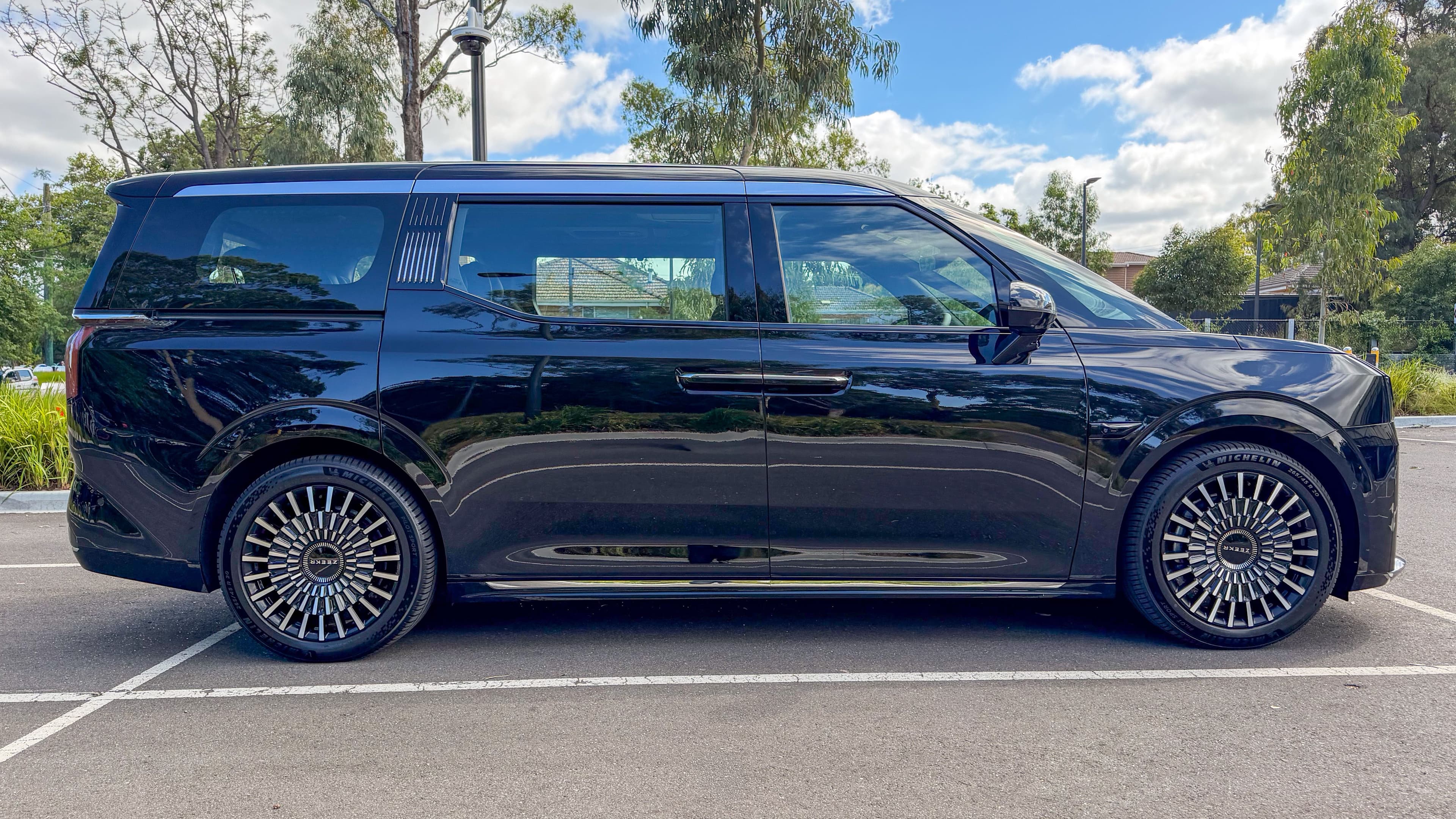
Big is the first word. At 5209mm long, 2024mm wide, and riding on a 3205mm wheelbase, the 009 occupies serious real estate in any car park. It is slightly longer and wider than a Kia Carnival, though the proportions read more premium than commercial.
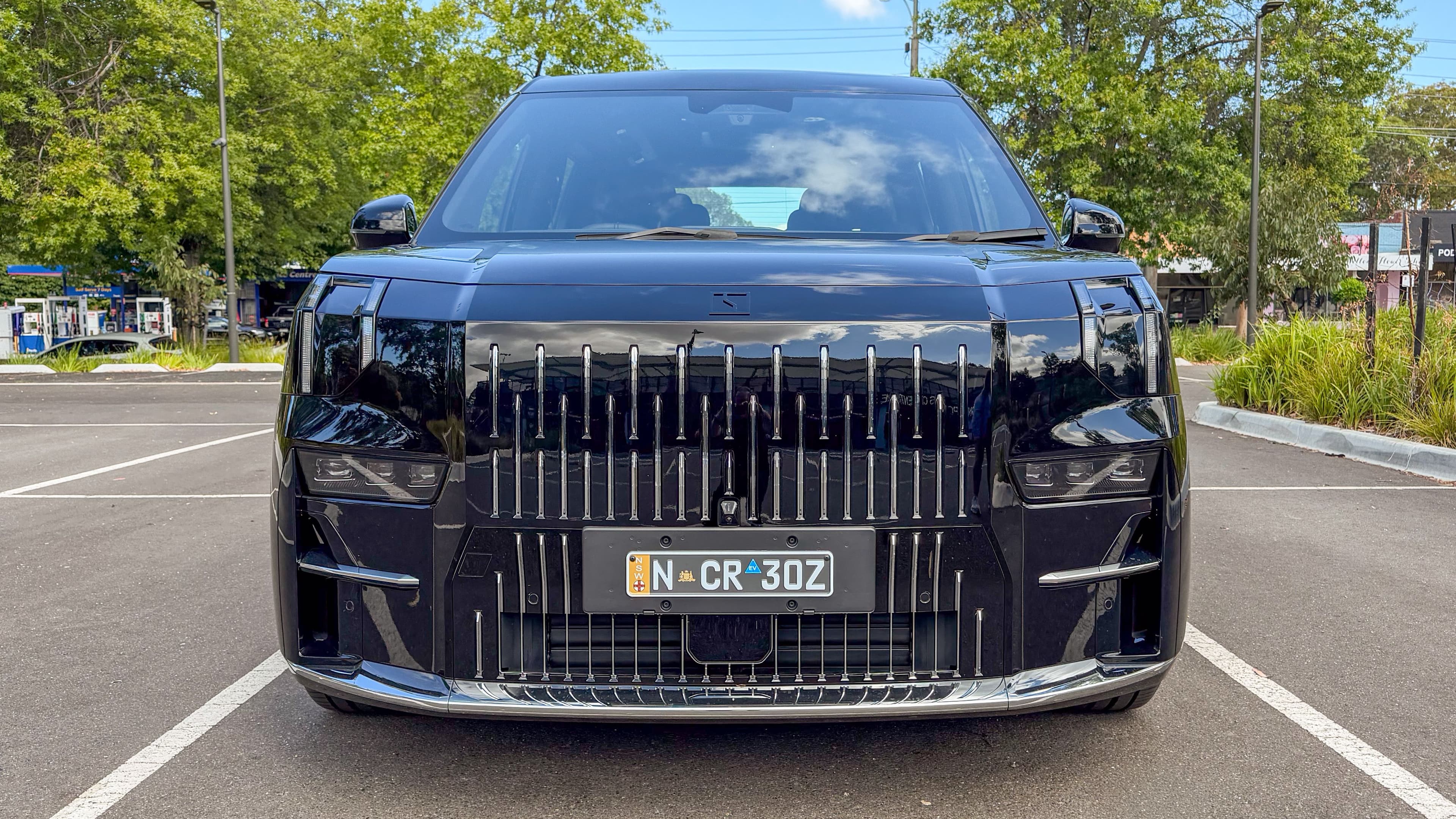
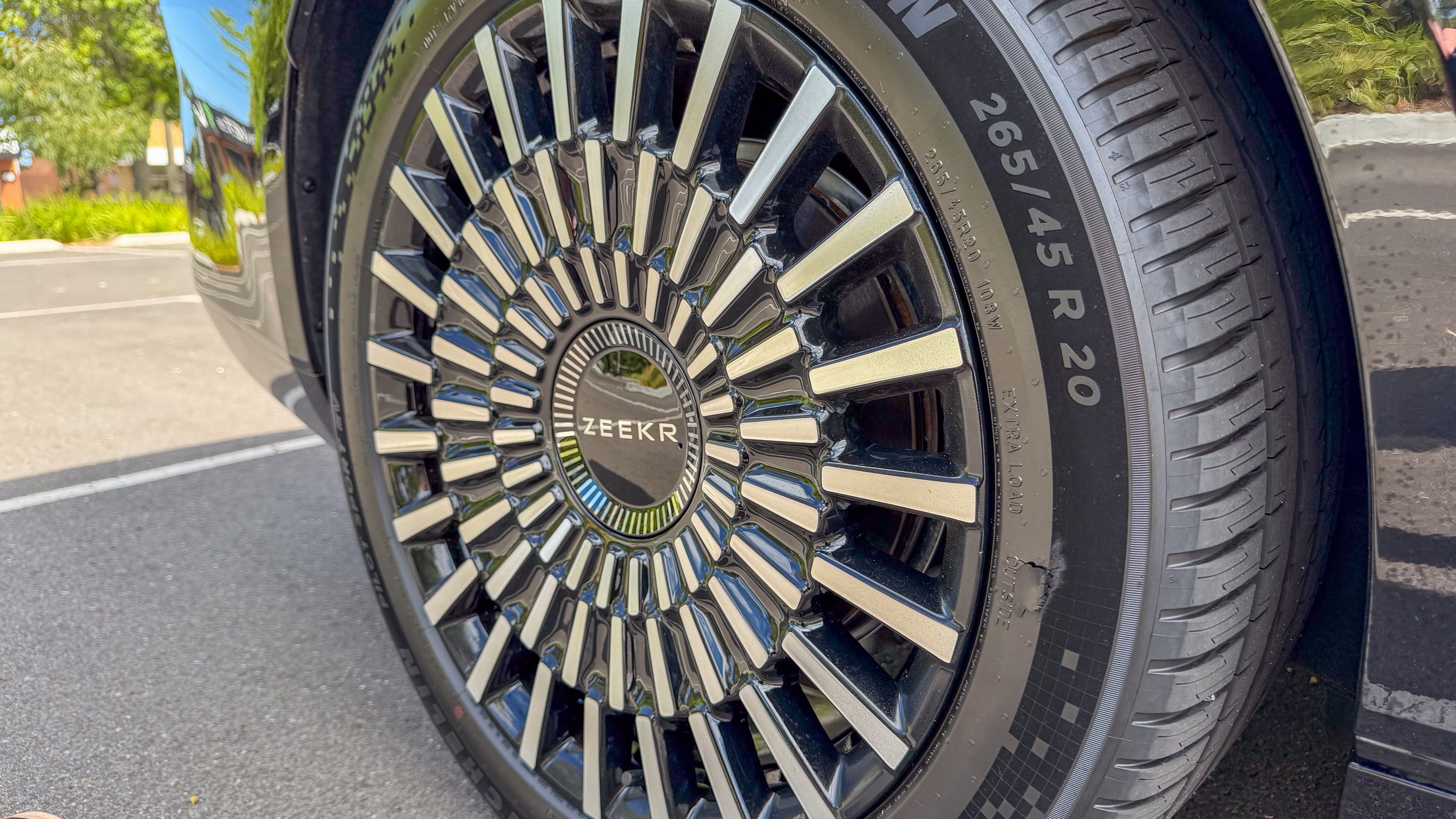
The front is distinctive and deliberate. Claw-like LED running lights sweep down from the bonnet into the face, flanking a flat, colour-matched grille that serves no aerodynamic purpose but makes a clear statement: this is not a minibus. The 20-inch Starlight alloys on AWD variants are genuinely striking, though they look like a nightmare to keep clean.
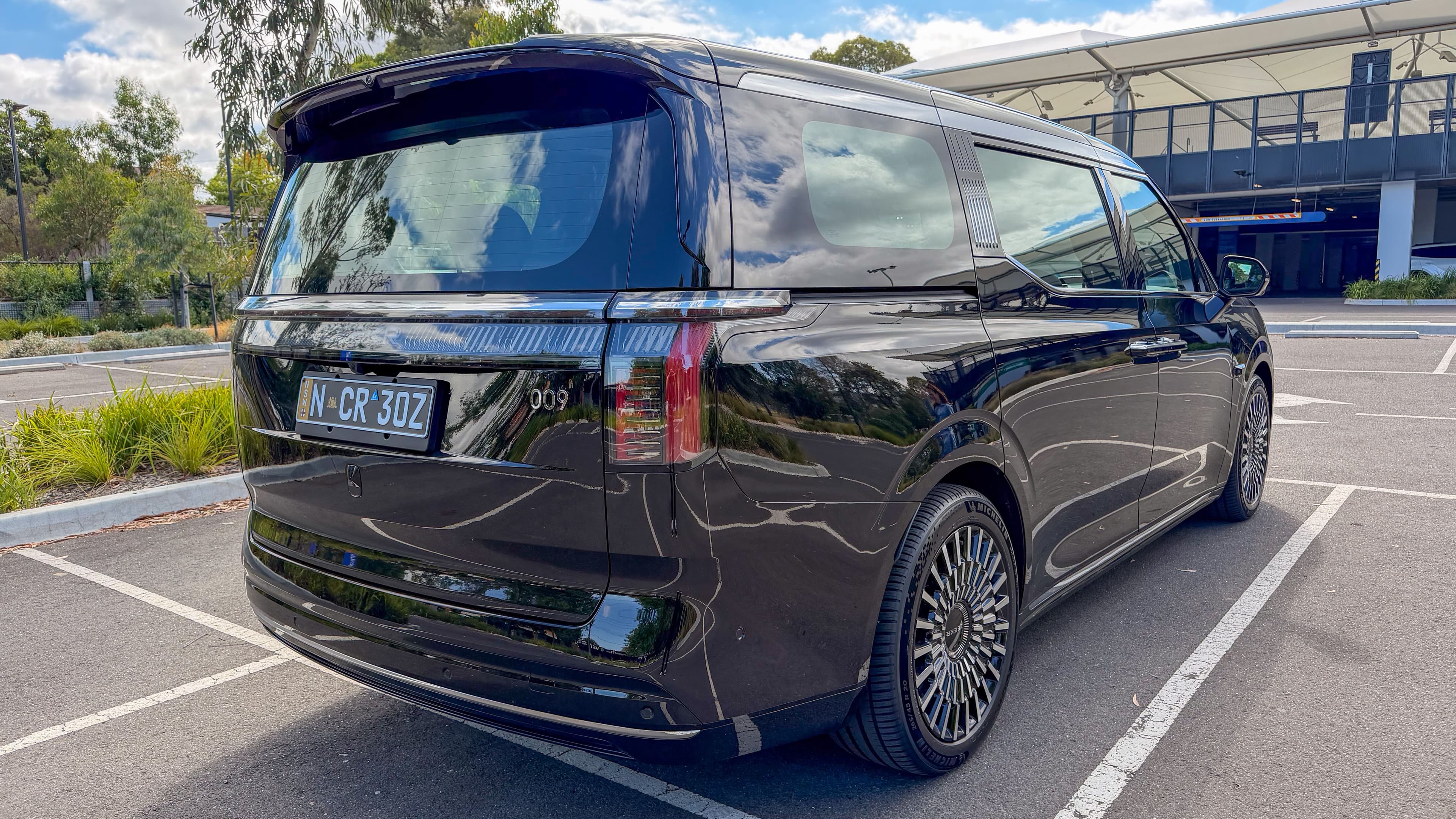
In profile, the power-sliding doors and full-length glasshouse dominate. At night, the rear light signature adds some theatre. It is not a subtle car, nor is it trying to be. It reads somewhere between a luxury shuttle and a concept vehicle that somehow made production, which is broadly accurate.
What is the Zeekr 009 like inside?
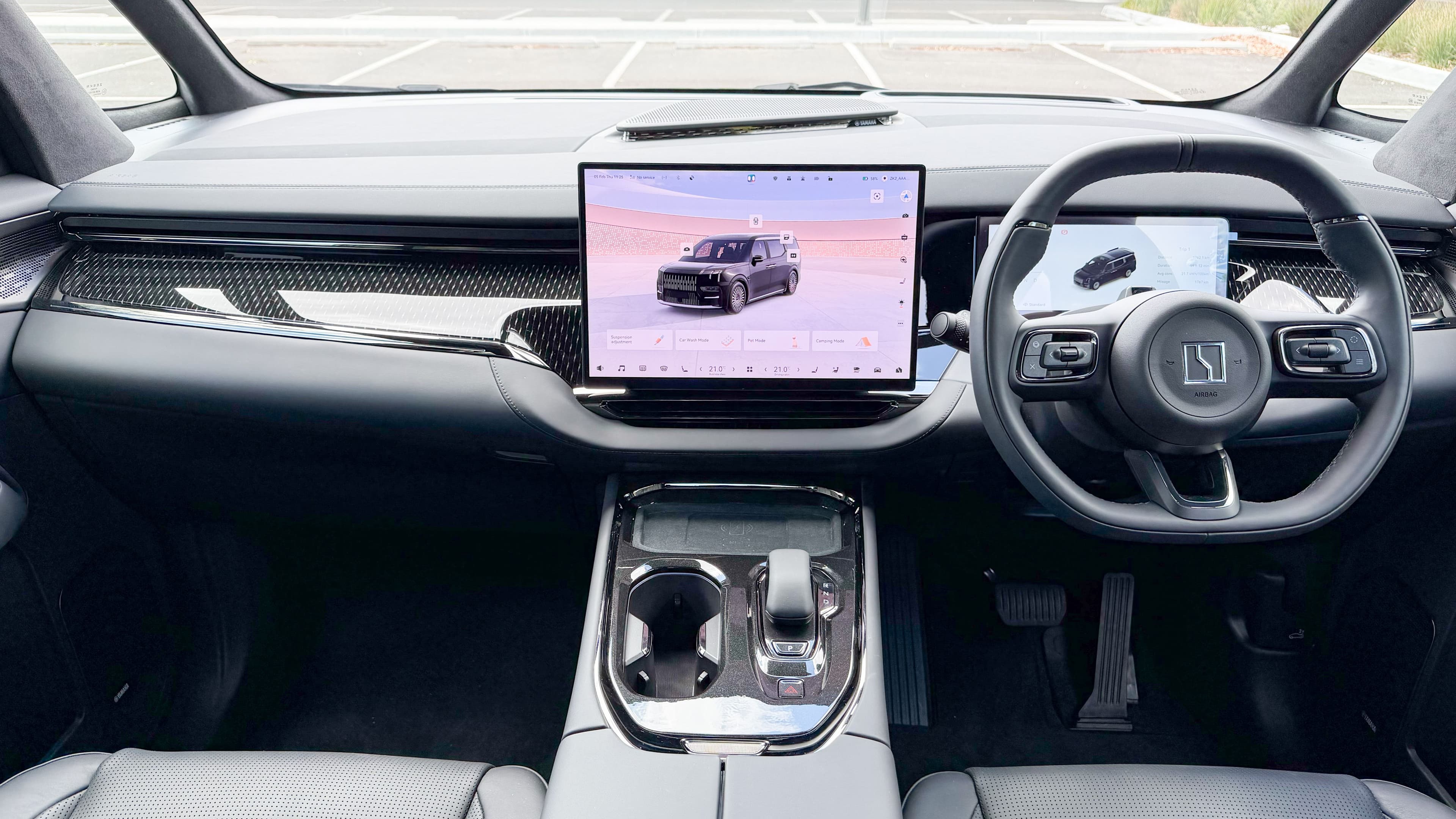
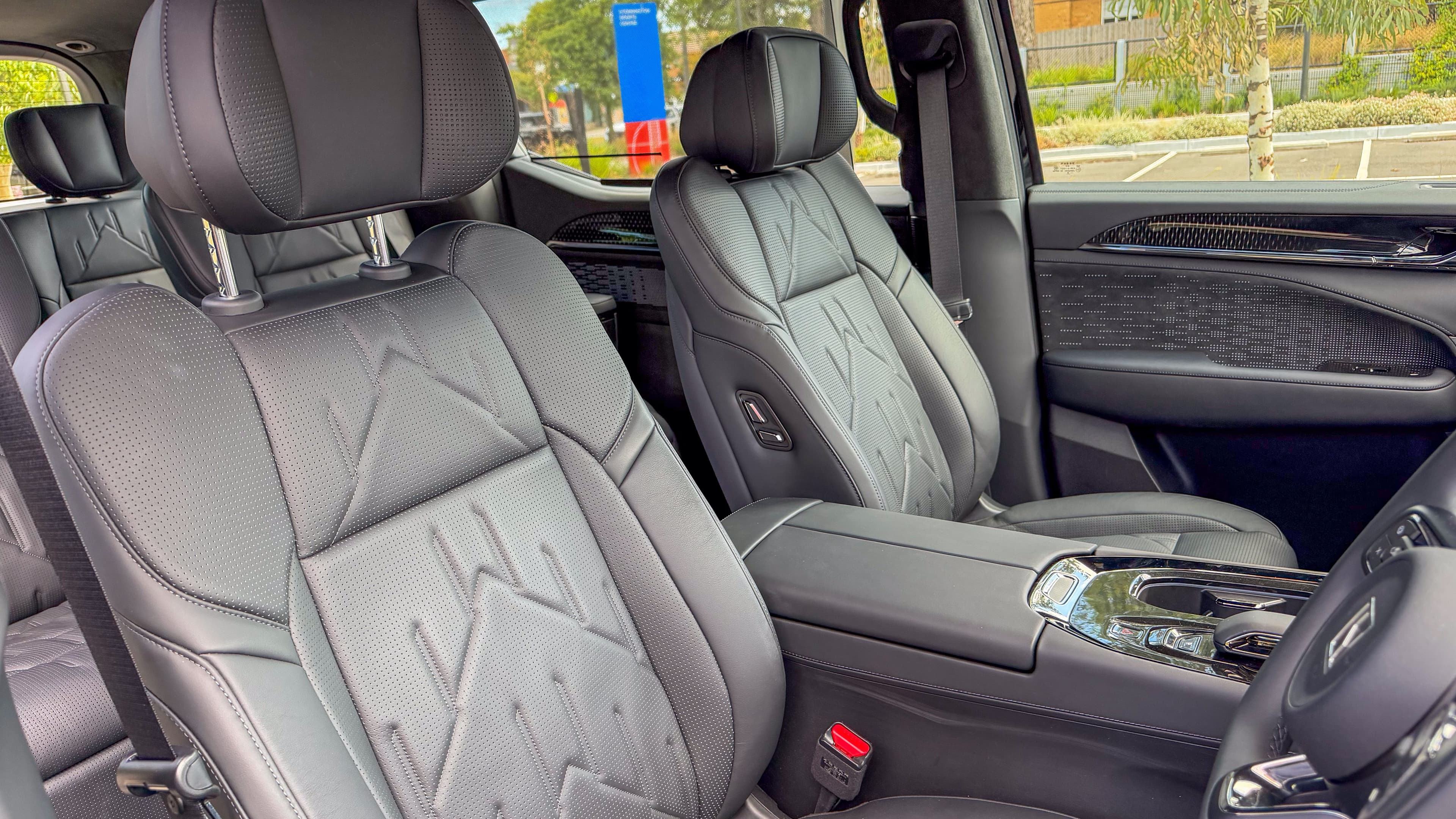
Step inside and the 009 makes its case immediately. The front cabin is lined in Nappa leather and Alcantara-style suede, with padded soft-touch surfaces covering almost everything a hand might rest against. Hard plastics are largely absent. The seats offer 12-way electric adjustment, heating, ventilation, and five massage programs, and the driving position is elevated and commanding with genuinely excellent forward visibility.
The centrepiece up front is a 15-inch OLED touchscreen that controls almost everything: seat positions for all rows, suspension height, door operation, climate zones, and ambient lighting. It is well-organised given the volume of functions it manages, with shortcut tiles along the edges that reduce the number of steps to reach common settings. The screen itself is sharp, fast, and responsive.
Flanking it is a 10.25-inch digital instrument cluster and a head-up display that spans 35.95 inches across the windscreen. The HUD sounds excessive on paper but presents information cleanly in practice. Navigation, speed, and lane guidance are all readable without demanding attention away from the road.
The 30-speaker, 3000-watt Yamaha sound system fills the cabin impressively. Speakers in the front headrests add genuine directionality to the audio field, and the system earns its spec sheet billing.
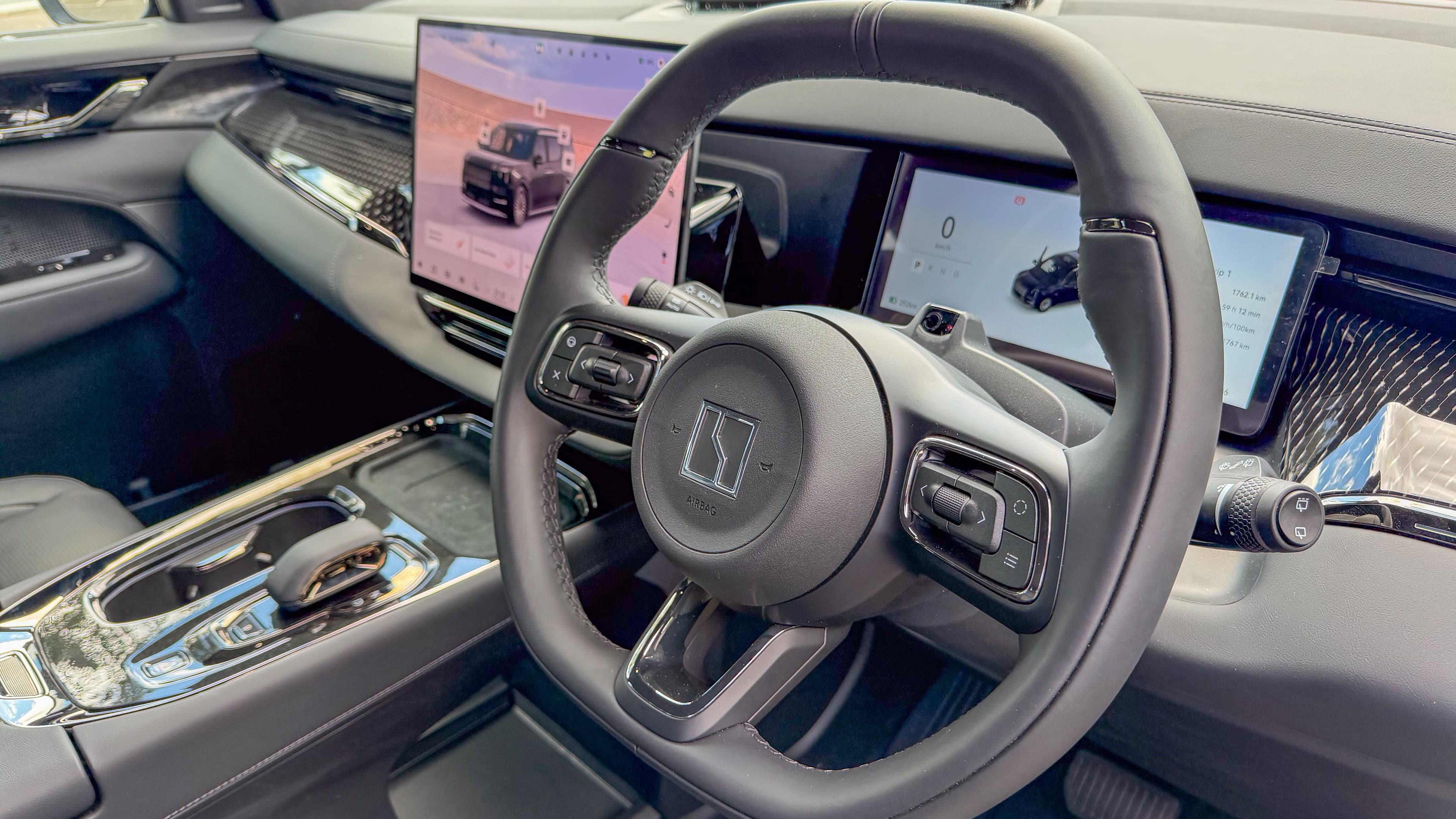
Some details break the spell. The steering wheel buttons feel noticeably cheaper than the rest of the cabin. The key is a small pyramid-shaped RFID card that must sit on the wireless charging pad to start the vehicle, and its shape means it slides off at the first corner. Minor irritants in a car at this price tend to stand out.
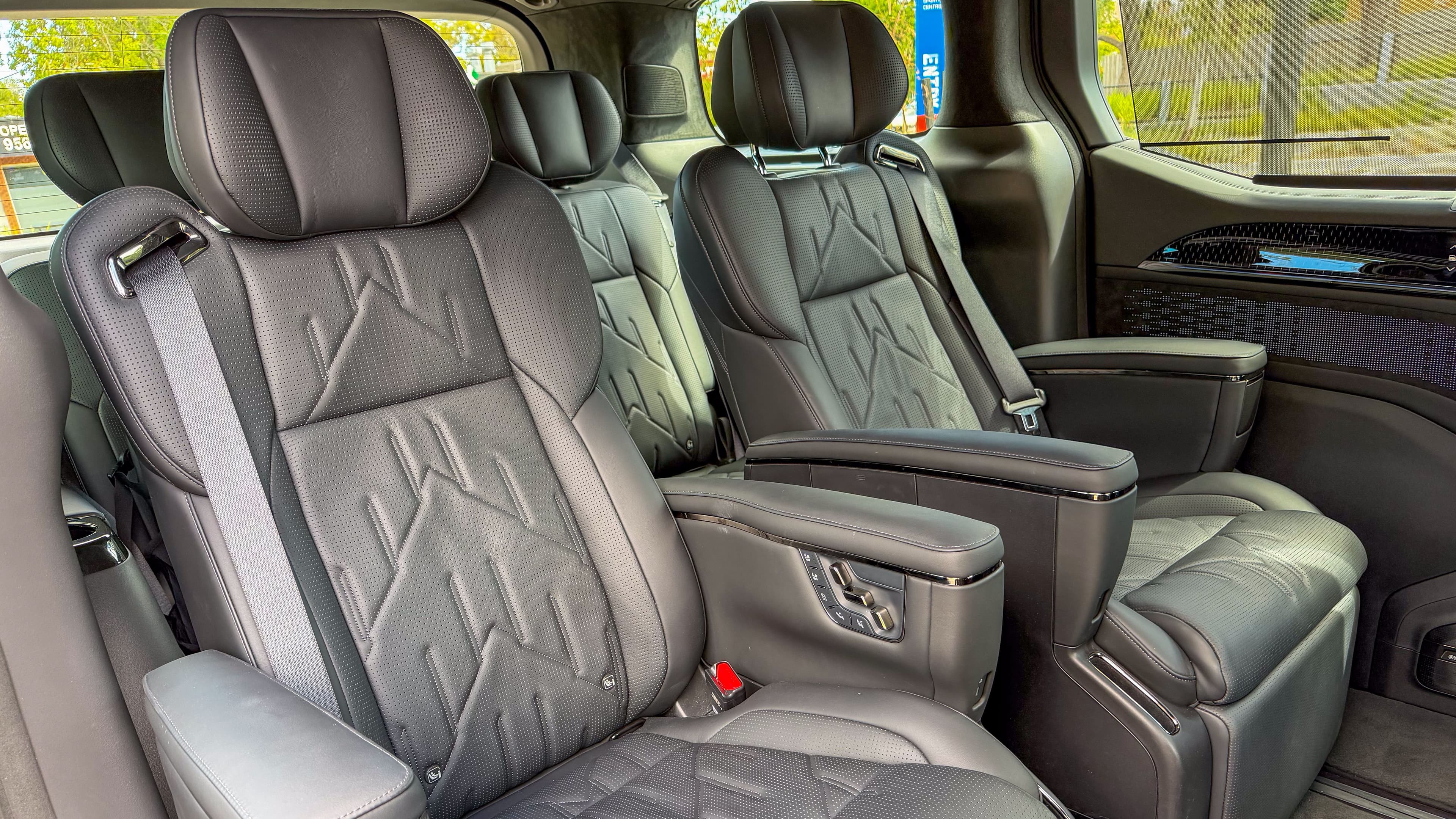
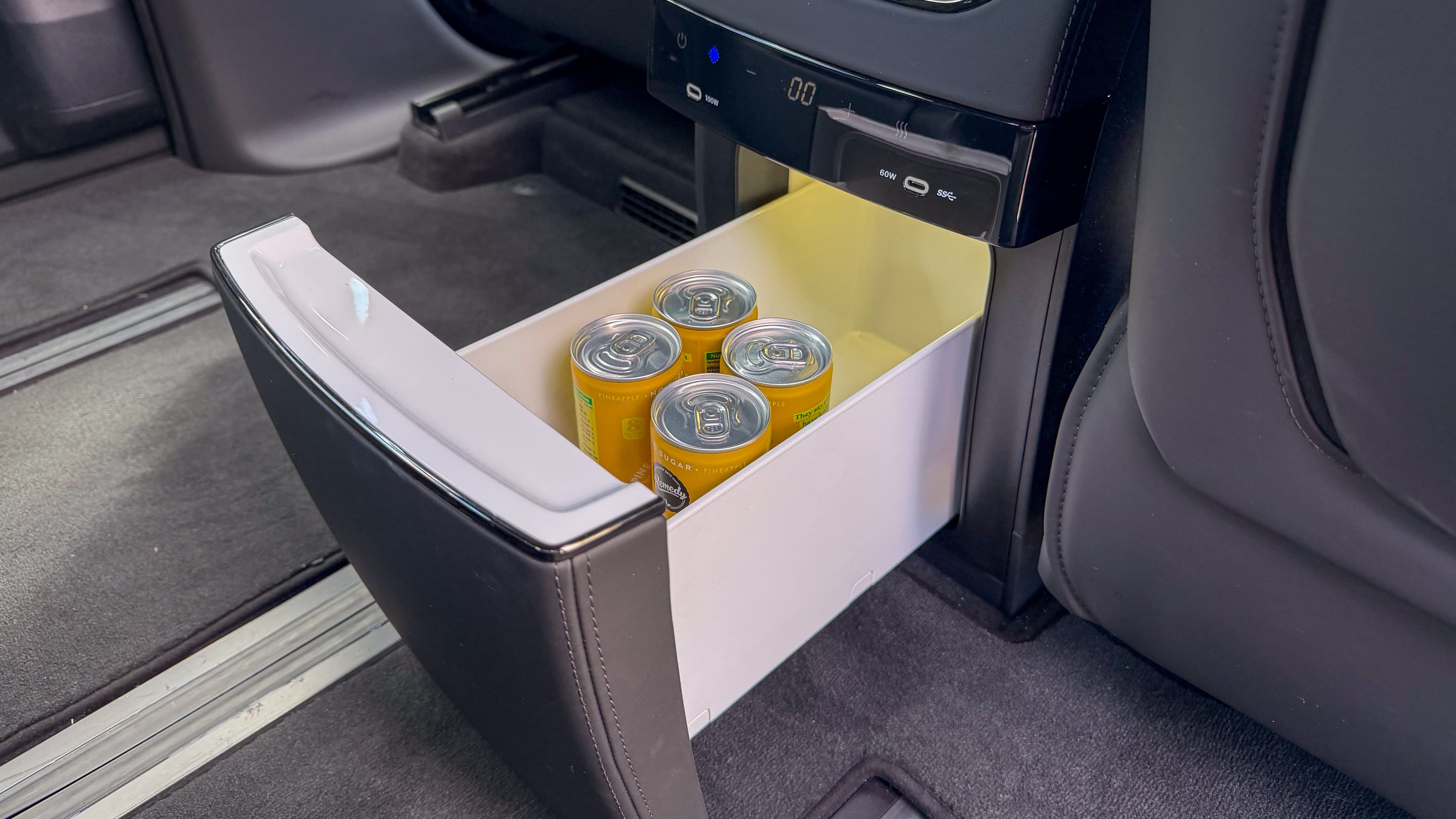
Move to the second row and the experience genuinely escalates. The Sofaro captain's chairs in the AWD variants are the heart of the car. They recline, extend leg rests, heat, cool, massage, and adjust 14 ways via controls hidden in the door panel. The 17-inch ceiling-mounted OLED entertainment screen folds down electrically and runs Netflix, YouTube, TikTok, and an app store. A chilled and heated 8.6-litre fridge pops out from between the seats at the press of a button.
It is a lot. It is genuinely impressive. And it works.
The six-seat variant upgrades the second row further with fold-out chrome and Nappa tray tables, wider armrests, and leg rest heating. If passengers are the priority, this is the version to buy.
A few second-row omissions sting given the asking price. The window blinds are manual and fiddly. The base seven-seat model does not include tray tables. There are no vanity mirrors. Small things that would be forgivable at $60,000 feel less acceptable past $150,000 drive-away.
How practical is the Zeekr 009?
Practically speaking, the 009 is a mixed story. Boot capacity with all three rows in use is 574 litres, which is decent but trails both the Kia Carnival and Mercedes-Benz EQV. The third row does not fold flat into the floor, which limits loading flexibility. An additional 29 litres of storage sits under the bonnet, though this is mostly occupied by the tyre repair kit the car ships with instead of a spare.
The more significant concern is payload. At 2870kg kerb weight against a 3430kg GVM, the 009 has a legal carrying capacity of 560kg. Seven adults averaging 80kg accounts for most of that before a single bag goes in the boot. For a family of four with luggage, this is fine. For a full seven-seat load with weekend bags, you need to be careful.
The third row itself is adequate but clearly secondary. Access is reasonable, space is workable for adults at moderate heights, and USB-C outlets and air vents are present. However, the contrast with the second row is stark.
For private use with three or four occupants and regular luggage, the 009 delivers on its promise. As a true seven-seat workhorse, it has limitations that are worth understanding before you sign.
What is the Zeekr 009 like to drive?
The AWD 009 produces 450kW and 693Nm from its dual-motor setup, and the 4.5-second 0-100km/h claim is real. In a 2870kg people mover, that acceleration is genuinely disorienting the first time you use it properly. There is no drama at the front wheels, no lift at the nose, just a long, insistent surge that keeps building well past the point where sensible adults should be going.
The honest answer is that this level of performance is not necessary. You do not need it. But it is there, and it transforms overtaking from a planned manoeuvre into a casual observation. The FWD variant with its 250kW single motor still delivers strong real-world pace; it just does so without the theatre.
In normal driving, the 009 rides on adaptive air suspension with height adjustment, and it earns its billing here. In Comfort mode, the car absorbs urban roads with genuine composure, filtering out the kind of sharp impacts and surface changes that expose less sophisticated suspension setups. The softest setting can feel slightly bouncy over large undulations, which some passengers may find unsettling on longer runs. Sport mode tightens the rebound meaningfully without sacrificing ride quality, and is the setting this car works best in day-to-day.
Noise suppression is exceptional. Wind and road noise are well-controlled at highway speeds, and the absence of any combustion engine means the cabin settles into a quiet that reinforces the premium positioning. At 110km/h, you are mostly listening to the Yamaha system.
Steering is light and accurate but offers limited feedback, which is expected in this class and not a criticism. The turning circle is more compact than the footprint suggests, making urban manoeuvring less stressful than you might expect.
The lane-centring system needs work. It is heavy-handed, makes constant corrections, and feels like it is fighting the driver rather than assisting them. Better to disable it and use standard lane departure warning instead.
How efficient is the Zeekr 009?
Zeekr claims 582km of WLTP range and 19.5kWh per 100km consumption. Real-world figures come in considerably higher, with most driving returning somewhere between 24 and 28kWh/100km depending on conditions, load, and temperature. That realistically puts usable range at 400 to 480km in typical use, and closer to 400km in warmer climates with full occupancy.
That is still enough for most purposes. The 116kWh battery charges at up to 205kW DC, covering a 10-80 per cent top-up in around 30 minutes on a compatible fast charger. On a standard 11kW AC connection, a full charge takes approximately 13.5 hours. Note that the 009 uses 400-volt architecture, not 800-volt, so it cannot utilise the full output of 350kW ultra-rapid chargers.
Servicing intervals are set at 12 months or 20,000km, with capped pricing across eight years at an estimated average of $615 per year. The vehicle warranty runs five years with unlimited kilometres for private owners, dropping to three years and 120,000km for commercial use, which is a significant consideration for anyone buying this as a business vehicle. Battery warranty is eight years or 160,000km.
Is the Zeekr 009 safe?
The 009 has not been tested by ANCAP or Euro NCAP, and given its sales volumes, that is unlikely to change soon. Buyers are operating without an independent crash safety benchmark, which is a real gap at this price.
Standard safety equipment is comprehensive on paper: seven airbags including full-length curtain airbags covering all three rows, autonomous emergency braking, blind-spot monitoring, adaptive cruise control, rear cross-traffic alert, safe exit warning, surround-view cameras, and a digital video recorder. A driver monitoring camera reads fatigue and distraction, and helpfully retains its settings between drive cycles so you are not re-disabling it every time you start the car.
As noted, the lane-centring system is the weak point in the driver assistance suite. It is twitchy and interventionist enough to be distracting rather than reassuring. The remaining systems are generally well-calibrated.
What are the main rivals to the Zeekr 009?
Lexus LM. The benchmark for luxury MPV credibility in Australia. Starts at $163,530 and climbs steeply. Hybrid rather than pure electric. Brings unmatched brand trust and resale stability. The four-seat variant offers a more opulent individual lounge experience, but you are paying significantly more for the badge.
Mercedes-Benz EQV. Electric, familiar, and supported by one of the strongest dealer networks in the country. Starts near $163,000, offers a shorter real-world range, and trails the Zeekr on both performance and interior spec. The V-Class badge reassures buyers worried about resale.
Volkswagen ID. Buzz. More accessible pricing, five or seven seats, and backed by a proper national dealer network. Considerably smaller and less luxurious than the 009. Appeals to buyers who want the EV people mover concept without the ultra-premium positioning.
Kia Carnival. Not a direct competitor in price or luxury, but the dominant people mover choice in Australia. Better payload, more practical boot, stronger resale, and a fraction of the price. If passengers need space rather than a lounge experience, the Carnival makes a strong argument.
GAC M8. A newer entrant worth knowing. Plug-in hybrid people mover at a lower price point with a strong cabin specification. For buyers less committed to pure electric, it broadens the conversation.
Should I buy the Zeekr 009?
There is no people mover on Australian roads that offers what the 009 offers at this price. The second-row experience alone sets a benchmark that the established European alternatives struggle to match even at higher prices. The performance is absurd and arguably superfluous, but in the right moments it is genuinely entertaining. The technology stack is deep and well-executed. The air suspension is excellent.
The risks are real. Zeekr has five dealer locations nationally. Resale on a niche Chinese brand with limited volume is genuinely unpredictable. There is no ANCAP rating. The commercial warranty is short enough to give fleet buyers pause. Real-world range is noticeably below the headline claim.
Buy it if you are a private owner who treats the second row as the destination, not the driver's seat. Buy it if the Lexus LM and EQV represent the right product but the wrong price. Buy it if you can live with a thin dealer network and accept that you are an early adopter in a segment that is only just beginning to establish itself in Australia.
If you need strong resale, a national service network, or the reassurance of an ANCAP rating, wait. Or look elsewhere.
But if none of those conditions apply? Book a test drive. The 009 makes a genuinely compelling case for itself the moment you settle into that second row, extend the leg rest, lower the cinema screen, and press the button on the fridge.
Private jet with number plates. That description holds up.
