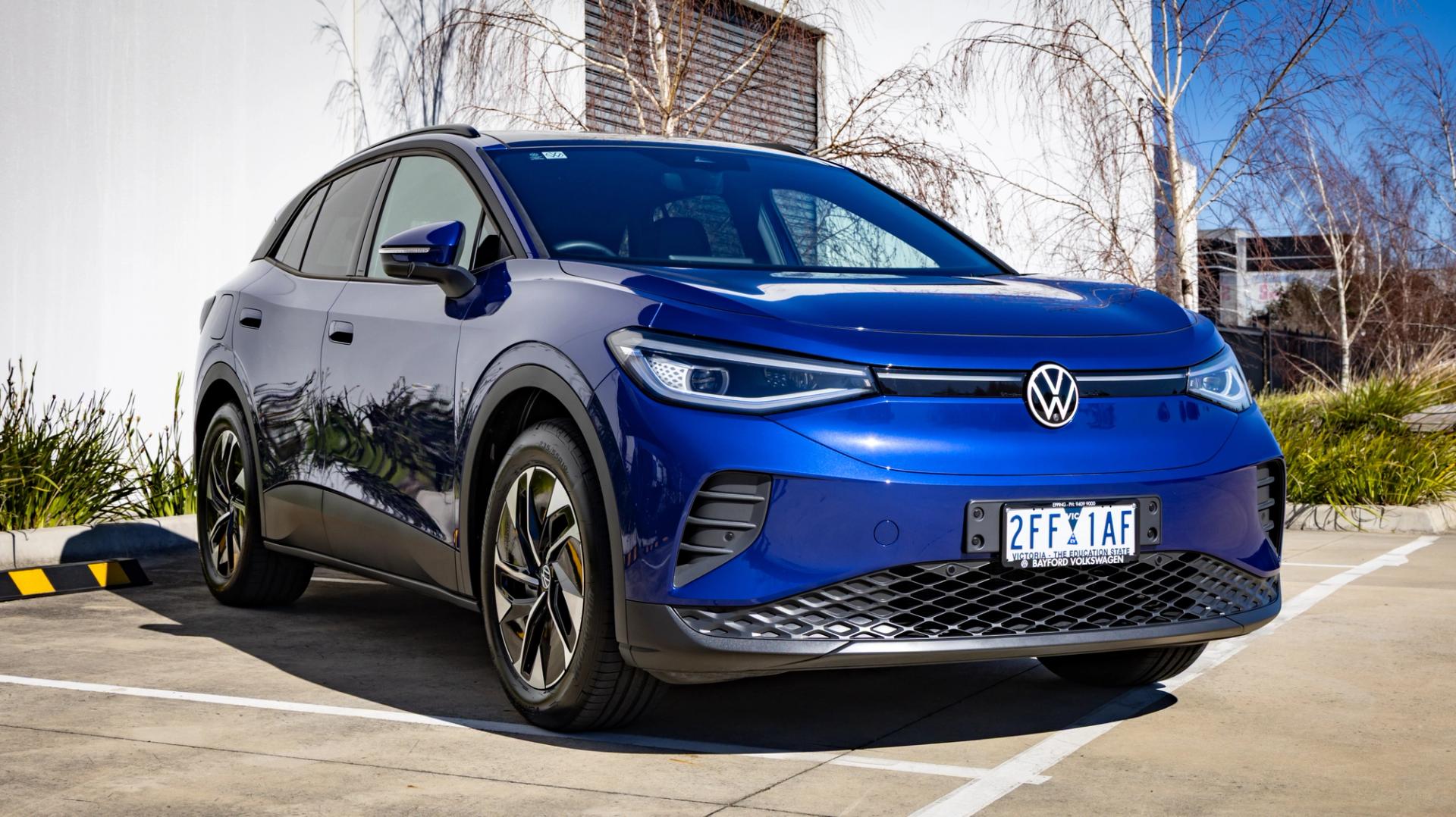
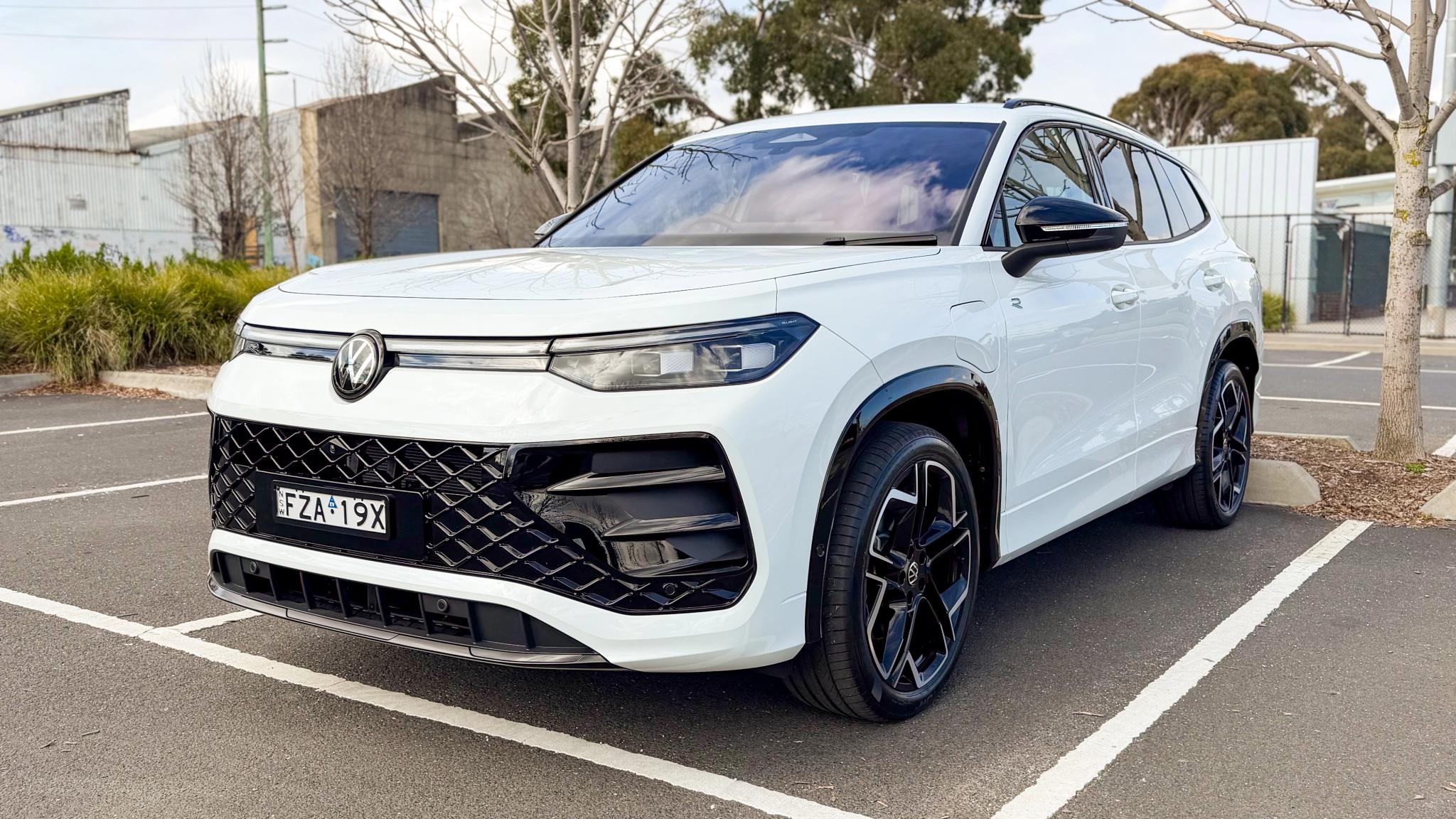
2026 Volkswagen Tayron eHybrid review
The Tayron eHybrid brings a huge back seat and genuine 100km-plus electric range, but without seven seats or AWD, does it make sense when the Tiguan eHybrid does the same job for less?

Rob Leigh
Pros
- Genuine 100km-plus electric range
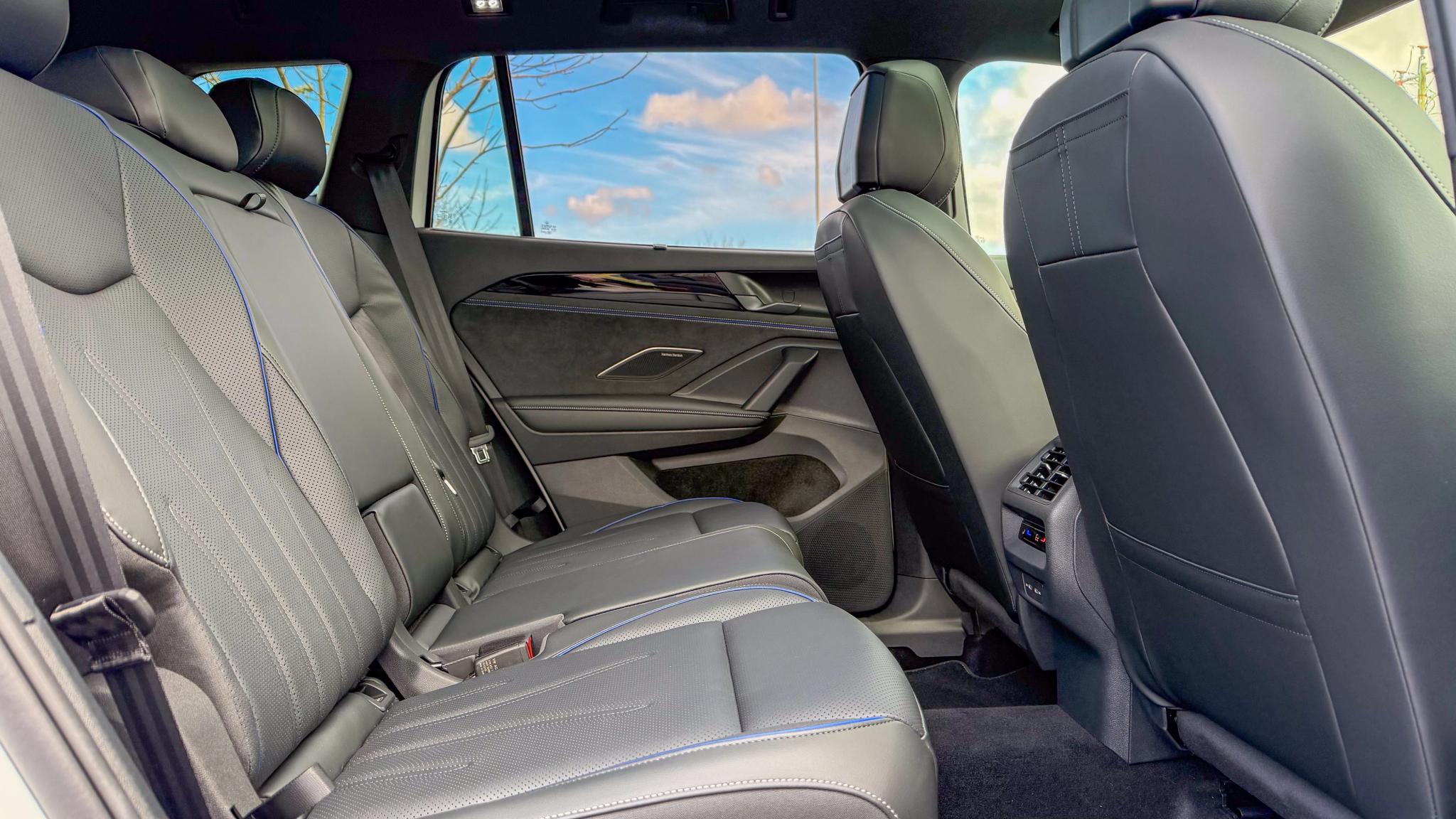
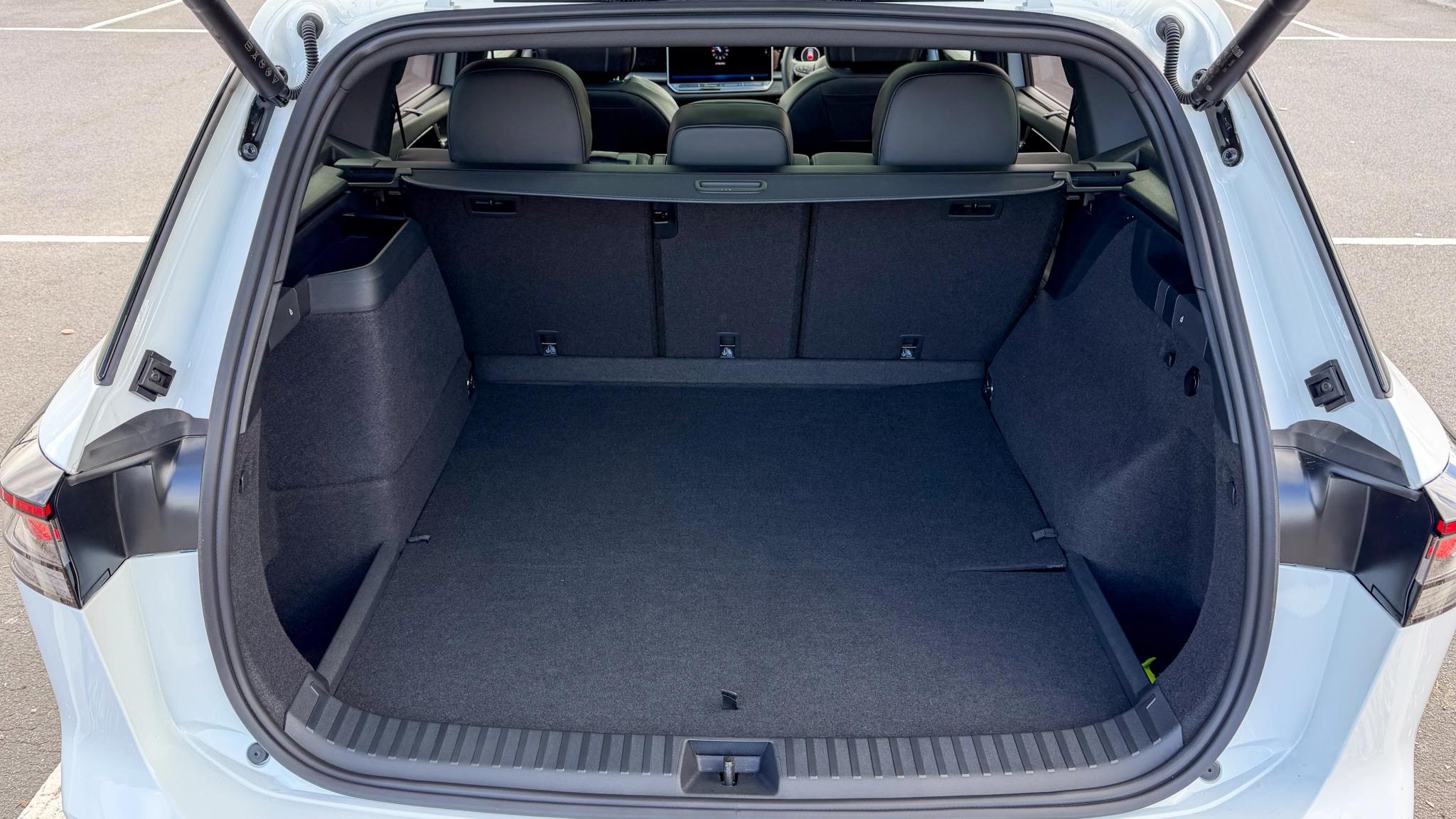
- Enormous second row and 705L boot
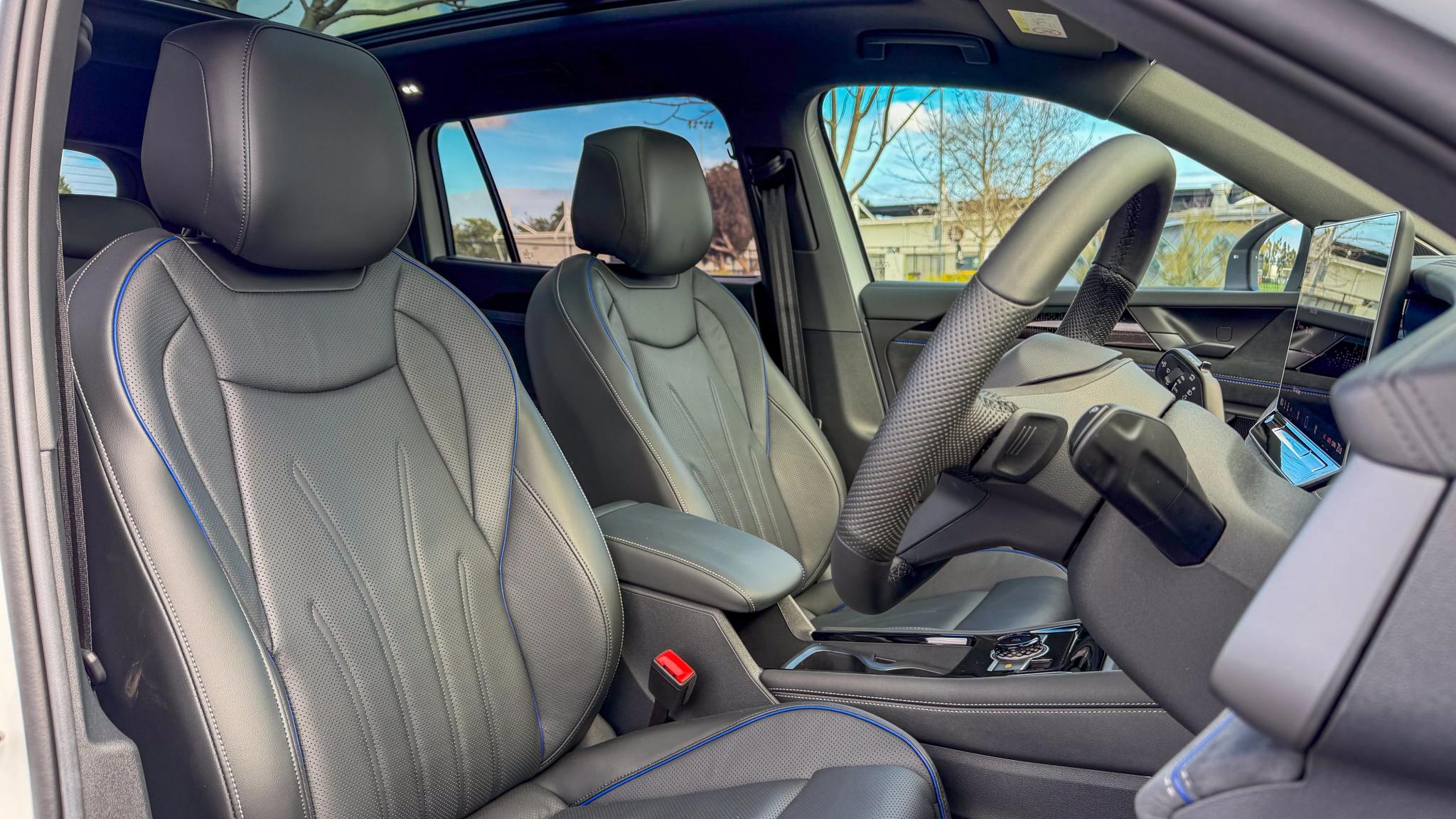
- Premium cabin and excellent front seats
Cons
- No third row, no AWD, no spare
- Sluggish once the battery runs flat
- Expensive to service
Our verdict
The Tayron eHybrid suits families who have outgrown a medium SUV, can charge at home and want as much rear-seat space as possible. With a charged battery, it's quiet, beautifully finished and rarely needs to visit a servo. The catch is that the plug-in version drops the third row, which leaves less separating it from its smaller Tiguan sibling.
What does the Tayron eHybrid cost in Australia?
Two plug-in variants join the Tayron range, and both are front-drive five-seaters. The 150TSI eHybrid Elegance starts at $62,390 before on-road costs, while the 200TSI eHybrid R-Line costs $76,550. Each is $2000 dearer than its petrol equivalent.
| Variant | Powertrain | Drivetrain | Price excluding on-roads |
| 150TSI eHybrid Elegance | 1.5L PHEV, 150kW, 116km | 2WD | $62,390 |
| 200TSI eHybrid R-Line | 1.5L PHEV, 200kW, 113km | 2WD | $76,550 |
View Volkswagen Tayron driveaway pricing and specifications →
On paper, the Elegance appears cheaper than the Tiguan eHybrid Elegance, but the list prices don't compare like with like. The Tiguan includes equipment the Tayron puts in a $4200 Sound & Vision Package: a 15-inch screen, 700W Harman Kardon audio, a head-up display and matrix LED headlights. Match the specification and the Tayron costs around $2000 more.
We'd still add the package because it improves the car noticeably. Even with it fitted, the R-Line costs about $10,000 more for bigger wheels, sportier trim and an extra 50kW which is difficult to justify.
Other options include a panoramic sunroof at around $2100, metallic paint from $800 and a $1500 Black Style Package for the R-Line.
What does the Tayron eHybrid look like?
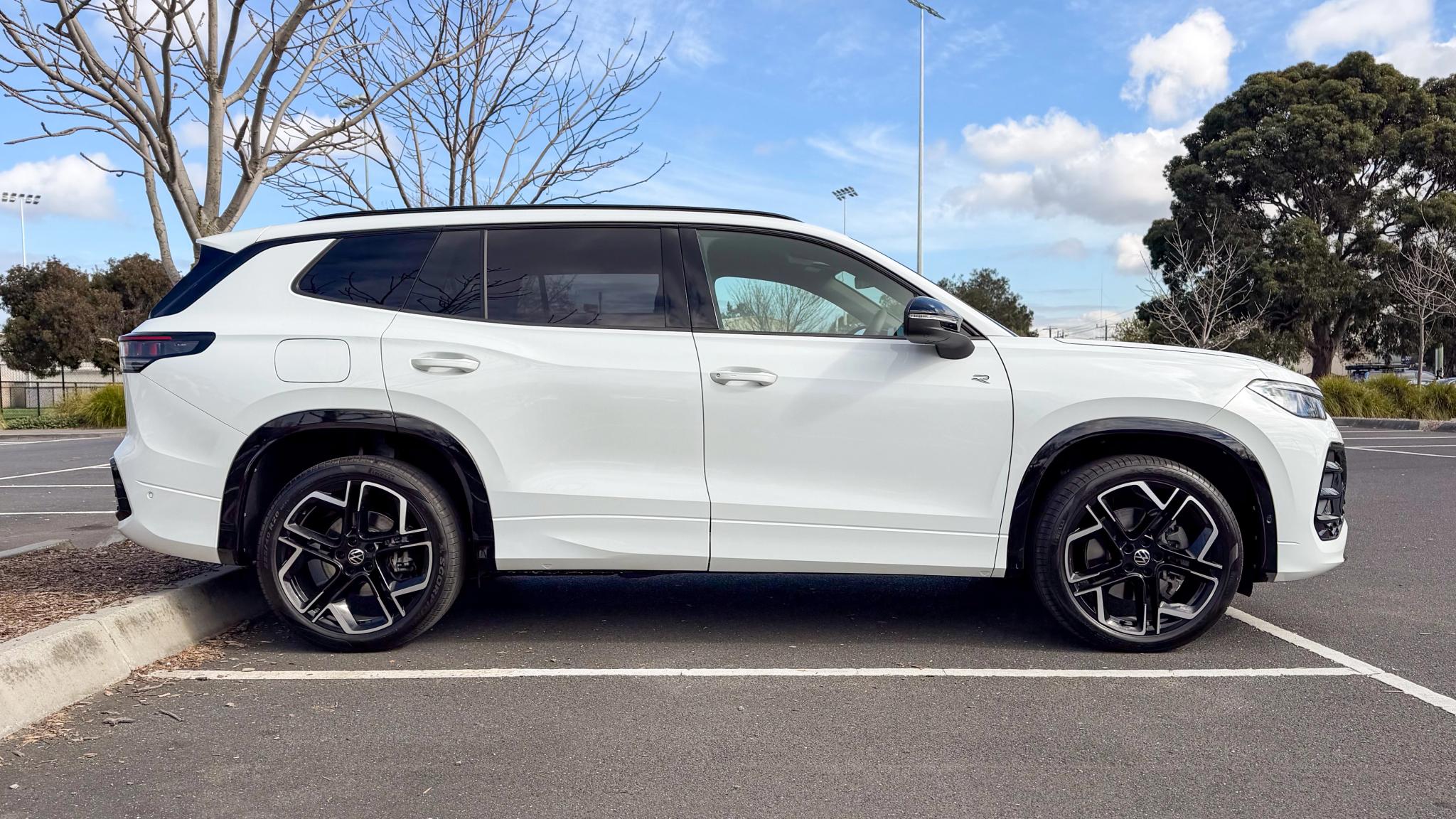
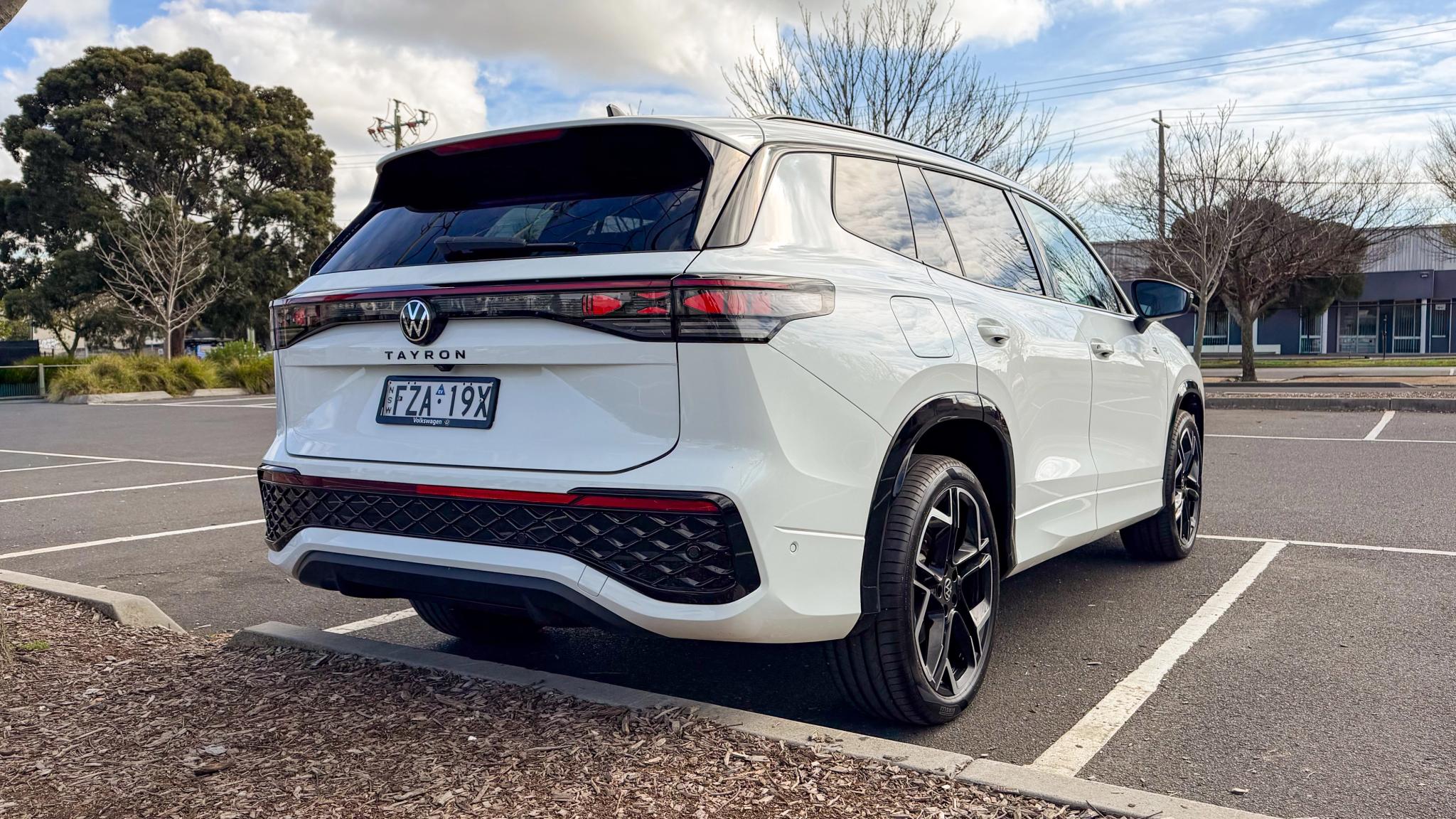
The Tayron is essentially a stretched Tiguan. It's 253mm longer overall and most of that extra length sits behind the rear doors, giving it a longer, flatter profile.
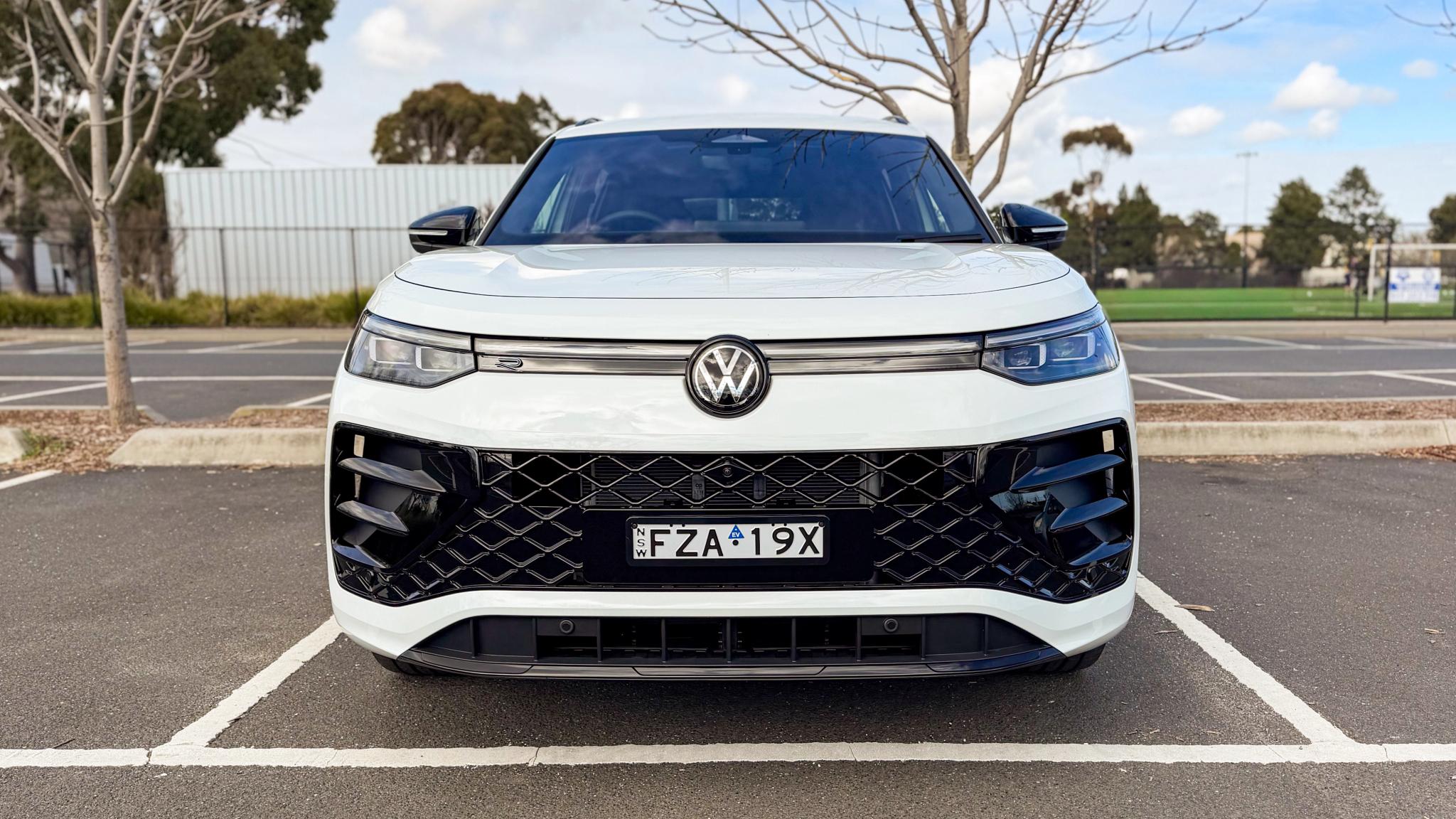
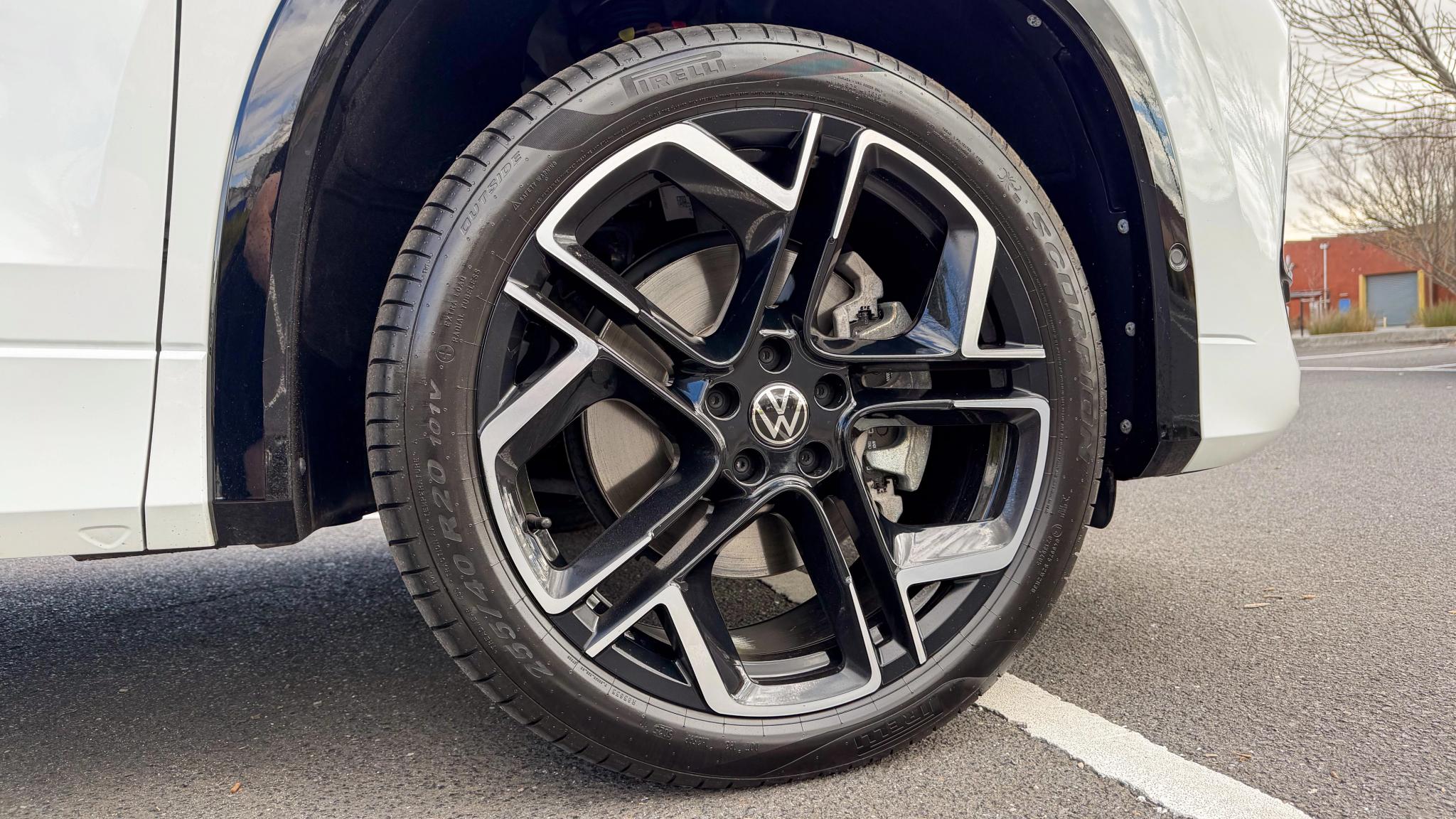
Full-width light strips and illuminated logos dress up both ends, particularly at night. The Elegance wears 19-inch alloys, chrome roof rails and silver trim strips, which suit its more conservative buyer. The R-Line switches to 20s, gloss-black detailing and a rear diffuser.
The R-Line looks best to us. The bigger wheels and black trim give the Tayron a lot more presence without going overboard.
Other than the charging port, there’s little outside to distinguish the eHybrid from a regular Tayron.
What is the Tayron eHybrid like inside?
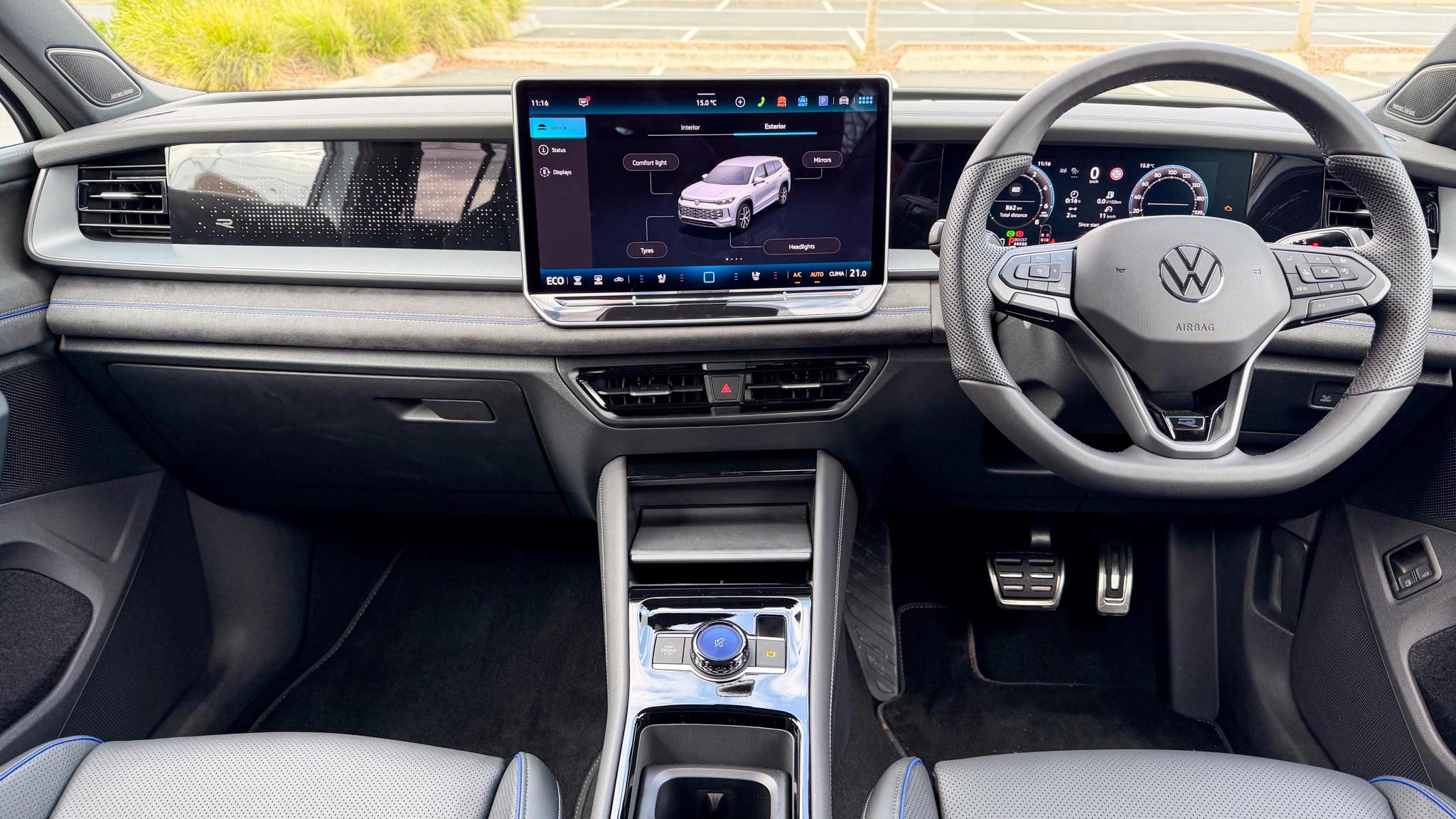
If you've driven the current Tiguan, you'll recognise the layout immediately.
Volkswagen has replaced the fiddly touch-sensitive steering wheel controls with proper buttons, and the configurable rotary dial on the console handles volume and drive modes without making you tap the screen.
The 12.9-inch touchscreen is quick and logically arranged with a permanent climate strip along its base. Fan speed still sits a menu deep, which is irritating on a hot day. The optional 15-inch unit looks impressive, though it sits on top of the dash rather than being integrated into it.
Material quality is a clear improvement over the old Tiguan Allspace. Soft surfaces cover the places you regularly touch, the Elegance gets a wood-effect strip across the dash, and the cabin feels solidly assembled. The gloss-black panel housing both displays will divide opinion, and it collects fingerprints.
The front seats are the highlight. They have 12-way power adjustment, memory, heating, ventilation and a massage function strong enough to actually make a difference.
Two phones charge wirelessly in a lidded bin under the centre stack. It's tidy and keeps screens out of sight, though you'll probably leave your phone behind at least once.
The reversing camera is grainier than the rest of the display suggests it should be. The surround-view system largely makes up for it.
How practical is the Tayron eHybrid?
The back seat is where the Tayron really justifies its extra size. The additional 110mm of wheelbase goes straight into legroom, so six-foot adults can sit behind six-foot adults without negotiating knee space.
The bench slides and reclines, splits 40:20:40, and comes with manual window sunblinds, a third climate zone and heated outboard seats. There are two ISOFIX points and three top tethers, so two child seats fit easily with room left over.
The boot measures 705L with the seats up and 1915L folded. That's huge by plug-in standards, although the petrol five-seater offers 885L because it doesn't have a battery under the floor.
The same battery is why there's no third row and no spare, with a tyre repair kit in its place. That's a frustrating compromise in a family SUV designed for long drives, and anyone who regularly heads beyond the suburbs should factor it in before buying.
Towing capacity drops to 1800kg for the Elegance and 2000kg for the R-Line, compared with 2500kg for AWD petrol models. The fuel tank shrinks to 45L, which matters on long country drives.
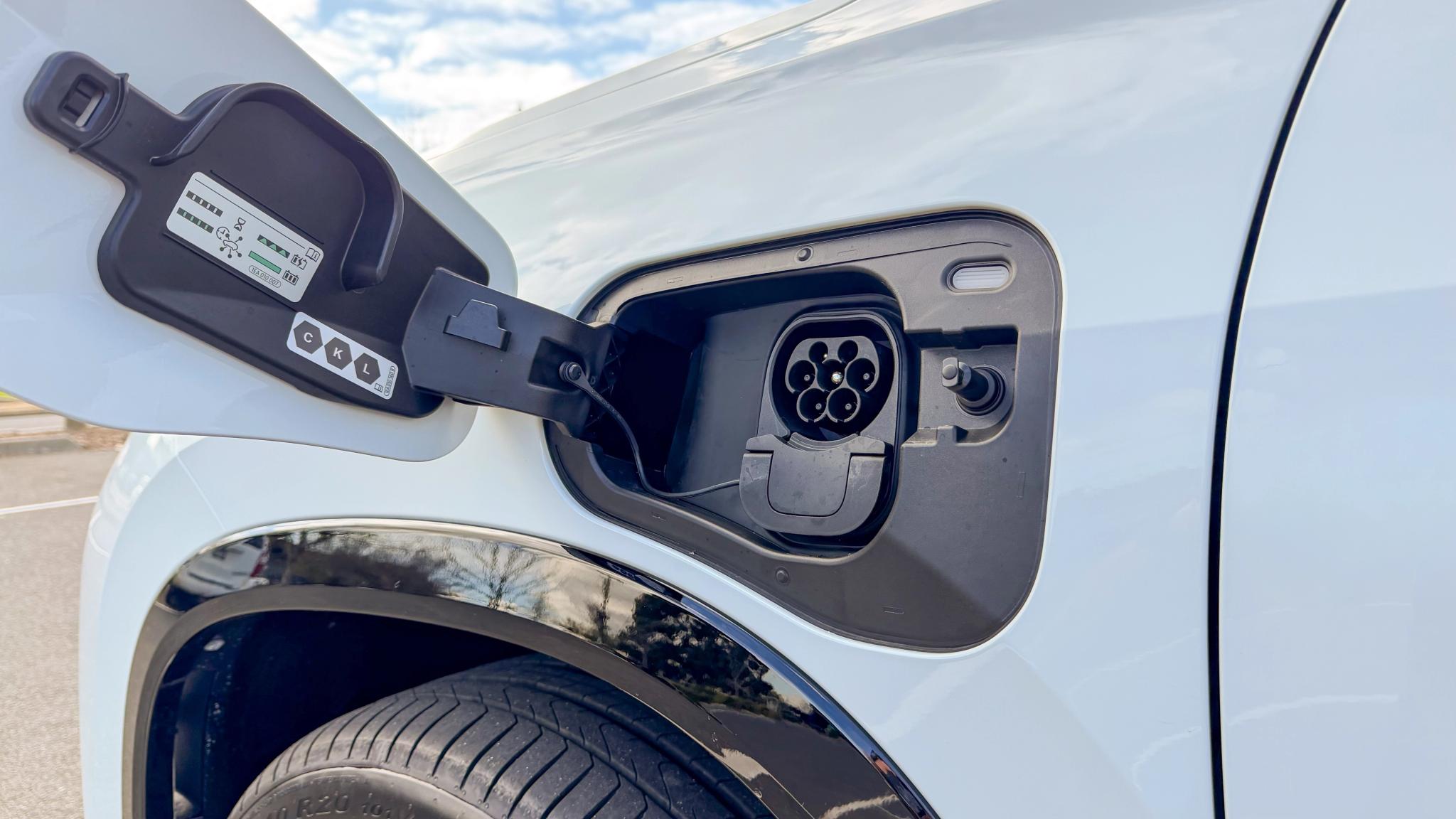
Volkswagen includes both a wall-socket cable and Type 2 cable, so you’re ready to charge at home from day one.
What is the Tayron eHybrid like to drive?
With charge in the battery, the Tayron starts in electric mode and stays there for most suburban driving. The 85kW electric motor provides enough low-speed torque to move away from traffic lights briskly, and the cabin stays quiet.
The six-speed dual-clutch gearbox occasionally shunts at crawling speeds. Otherwise, the transition between electric and petrol power in hybrid mode is almost undetectable unless you're pushing hard up a hill.
The longer wheelbase gives the Tayron a calm, settled ride. Standard adaptive dampers offer 15 steps of adjustment, and Comfort mode suits this car best, absorbing broken country bitumen without feeling floaty. Sport firms things up and adds steering weight, but it feels artificial rather than more connected.
The Tayron feels best driven gently. Push harder and its size and weight become much more obvious.
The problem appears when the battery is empty. At roughly 1930kg, the Tayron eHybrid is about 300kg heavier than the lightest petrol model, and the 1.5-litre engine struggles on its own. The gearbox is slow to kick down, highway merges need a firm right foot, and at 100km/h the engine revs higher than you'd like because it only has six ratios.
The fix is simple. On longer trips, use the battery-hold function to save charge for hills and overtaking rather than using all the electric range in the first hour.
Adjustable regenerative braking offers Low, Automatic and High settings. Automatic works well, increasing regeneration on descents without making the car feel jerky in traffic.
How efficient is the Tayron eHybrid?
The 19.7kWh battery gives a claimed 116km of electric range for the Elegance and 113km for the R-Line on the WLTP cycle. Unlike many plug-in hybrids, those claims look realistic in normal suburban driving, so many families could get through a working week without using petrol.
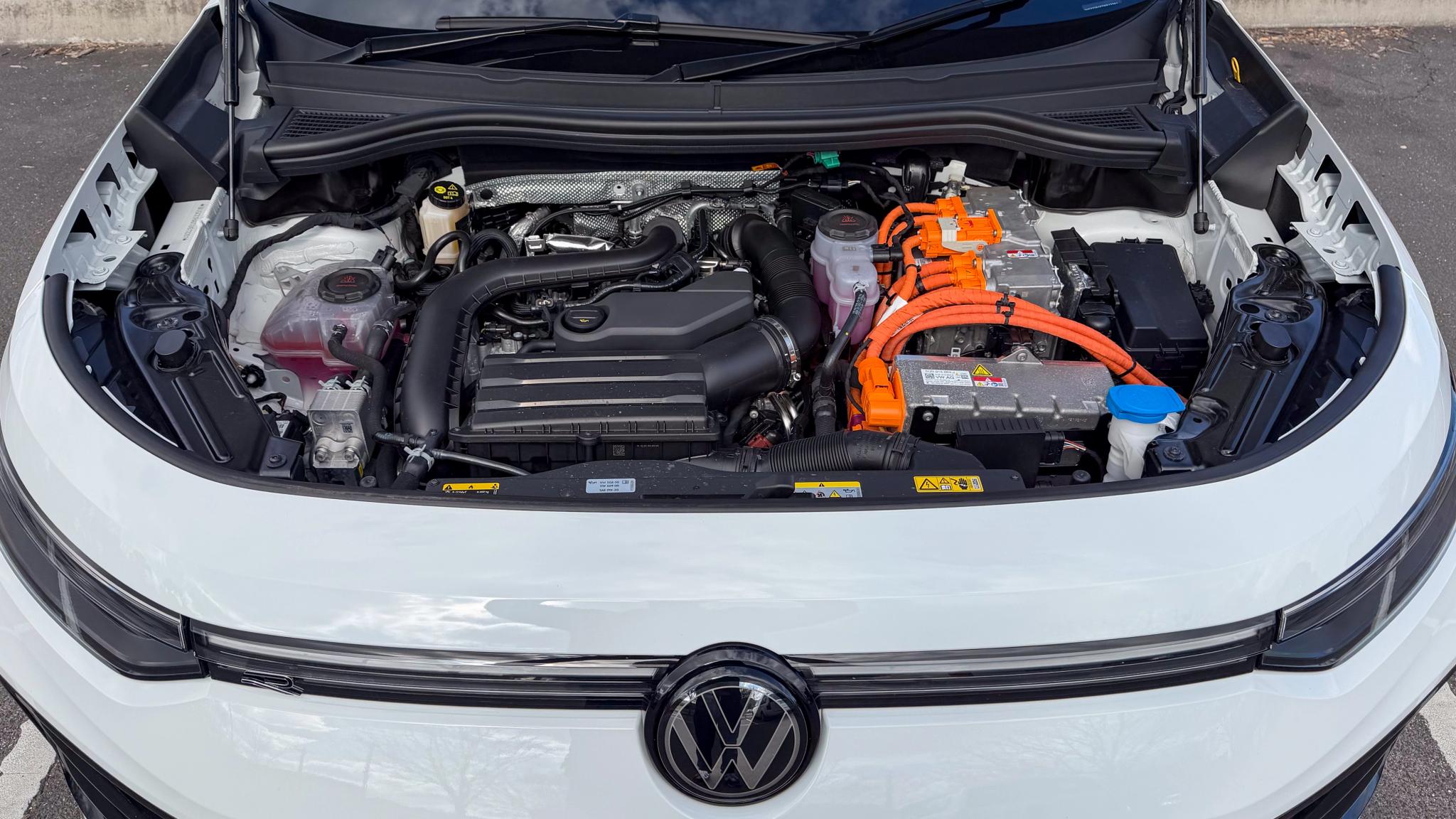
The official fuel figures are 1.7L/100km and 1.8L/100km, but they assume you start with a full battery. If you charge regularly expect around 3L/100km in mixed driving.
If you rarely plug it in, fuel use can climb into the high 8s, which removes the reason to buy a PHEV in the first place. It also requires 95-octane premium unleaded.
Charging is better than most rivals. AC charging runs at up to 11kW for a full charge in around 2.5 hours, while a standard wall socket takes about 12 hours. The Tayron also supports 40kW DC fast charging, with a 10 to 80% charge taking about 26 minutes, which many competitors can't match.
Servicing is due every 12 months or 15,000km and it isn't cheap.
| Service | Interval | Cost |
| 1st | 12 months / 15,000km | $450 |
| 2nd | 24 months / 30,000km | $723 |
| 3rd | 36 months / 45,000km | $432 |
| 4th | 48 months / 60,000km | $1533 |
| 5th | 60 months / 75,000km | $432 |
| Total | 5 years / 75,000km | $3570 |
Prepaid Care Plans reduce the cost to $1605 over three years or $3391 over five. We'd choose the five-year plan, mainly to soften the cost of the fourth service.
Warranty cover is five years with unlimited kilometres, plus eight years or 160,000km for the high-voltage battery. Roadside assistance is included for 12 months and renews with each dealer service.
Is the Tayron eHybrid safe?
The Tayron has a five-star ANCAP rating from 2025 testing and it applies across the range, including the plug-in hybrids. It scored 87% for adult occupant protection, 87% for child occupant protection, 83% for vulnerable road user protection and 85% for safety assist.
Standard safety equipment is extensive. It includes nine airbags with a front-centre bag, AEB with pedestrian, cyclist and junction detection, Travel Assist adaptive cruise with lane centring, blind-spot monitoring, front and rear cross-traffic alert, safe exit warning, a surround-view camera and a self-parking function.
The systems are generally well calibrated, and the speed warning is a gentle chime rather than a nagging alarm. The rear cross-traffic system can brake sharply when you're reversing out of a driveway, which is startling the first time, and adaptive cruise can brake a little later than feels comfortable in heavy traffic.
What are the main competitors to the Tayron eHybrid?
The Toyota RAV4 PHEV is the default choice, from around $58,840 plus on-roads. It's slightly cheaper, backed by Toyota's dealer network and strong resale values, and claims a longer electric range. The Tayron hits back with a more upmarket cabin, a much roomier back seat and a boot that's more useful for families.
The Mitsubishi Outlander PHEV is the practical all-rounder, from around $58,990 plus on-roads. Seven seats, twin-motor AWD and a longer warranty make it hard to overlook. The Tayron is more refined on the road and its cabin is clearly a class above.
The BYD Sealion 8 is the value choice from around $56,990 plus on-roads. It adds a third row and an equipment list that makes European pricing look expensive. The Volkswagen responds with a more polished drive, better-calibrated driver aids and the reassurance of a familiar brand.
The Mazda CX-60 P50e is the driver's alternative, from around $63,790 plus on-roads. It has AWD, much more power and a beautifully finished interior, but its 76km electric range is well short of the Tayron's, and it has less rear-seat and boot space.
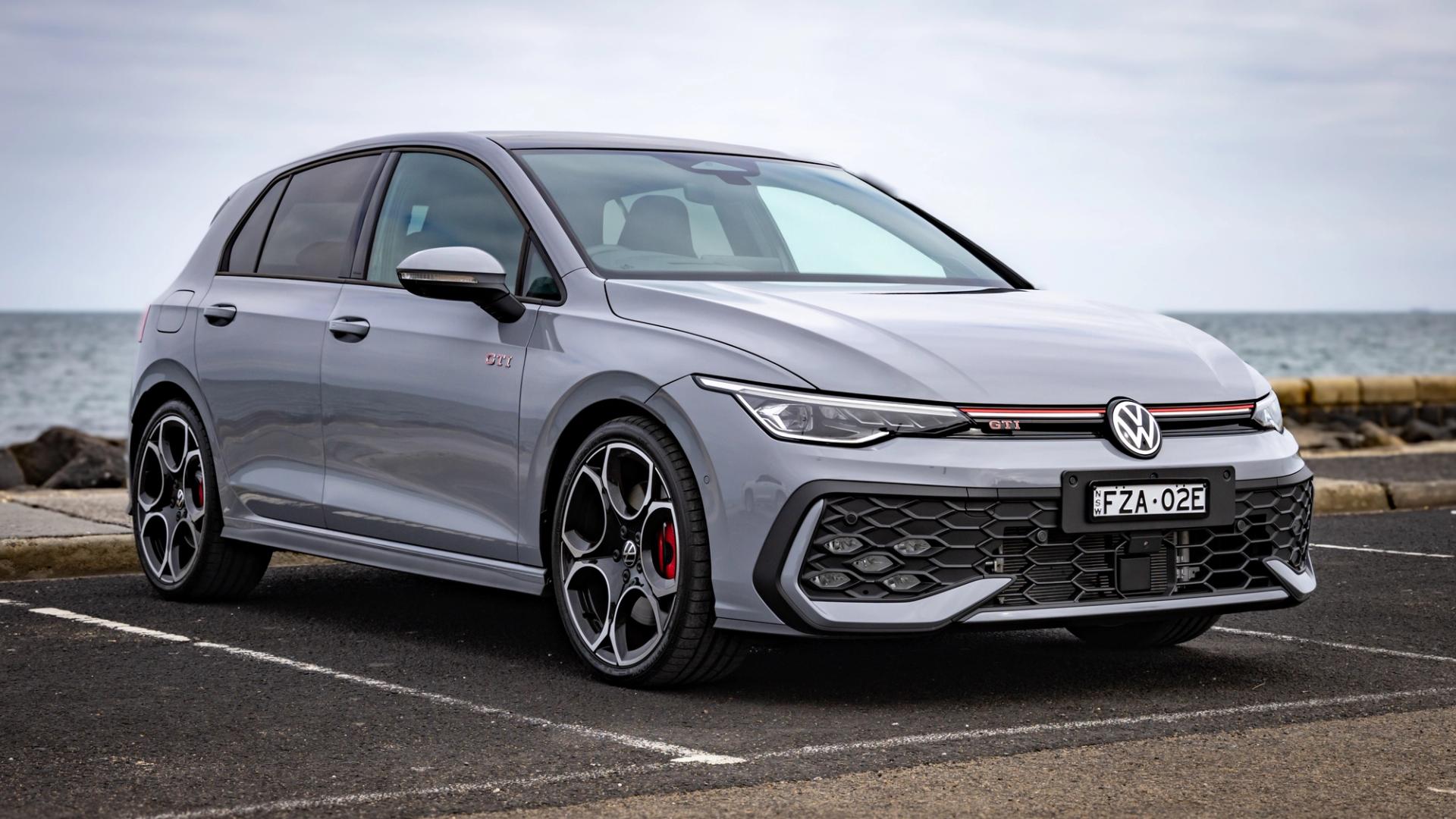
The Volkswagen Tiguan eHybrid is the in-house alternative. It uses the same powertrain and technology, costs around $2000 less when equipped to match, and feels lighter and more eager, particularly when the battery runs flat. The Tayron's advantage is space, so the decision comes down to how much extra rear-seat room is worth to you.
Need seven seats or AWD? The Outlander and Sealion 8 have the advantage. If five seats are enough, the harder decision is whether the Tayron’s extra space is worth paying more for than the Tiguan.
Should I buy the Tayron eHybrid?
The Tayron eHybrid is a very good family car. It's quiet, beautifully finished and hugely roomy in the back, and with regular charging it can handle most weeks without using petrol. Few plug-in hybrids deliver their claimed electric range as convincingly.
It's also in an awkward position. The Tayron name used to mean seven seats and without them the eHybrid becomes a larger, heavier and more expensive version of a Tiguan with the same powertrain. The extra legroom and boot space are real, but they're the only substantial advantages you're paying for.
If you regularly carry tall teenagers or large loads, the Tayron is worth the extra money. Choose the Elegance with the Sound & Vision Package and skip the R-Line. Most families, though, will find the Tiguan eHybrid provides almost everything they need for less.
VerdictThe Beep Verdict
Rob Leigh
Co-founder & Director
Rob Leigh is Co-founder and Director of The Beep based in Melbourne, Australia. He has 15+ years inside a major automotive OEM, specialising in product planning, pricing and vehicle strategy.
About Author