2026 Chery Tiggo 7 review
The Chery Tiggo 7 gives you medium SUV space and a surprisingly good interior for under $30,000 driveaway. Just don't expect much from the engine.

Rob Leigh
Pros
- Australia's cheapest medium SUV
- Cabin looks and feels more expensive than it is
- Space-saver spare and a seven-year warranty
Cons
- 108kW engine runs short of breath with a full load
- Dual-clutch hesitates from a standstill
- Light steering with little feel at speed
Our verdict
At $29,990 driveaway, the Tiggo 7 gives you more space and equipment than most SUVs at this price. Even the base Urban feels surprisingly well equipped. The catch is the engine, which copes in the suburbs but runs out of puff once you load it up.
What does the Chery Tiggo 7 cost in Australia?
The petrol Tiggo 7 comes in two grades with national driveaway pricing. The Urban is $29,990 and the Ultimate is $33,990, making the Urban Australia's cheapest medium SUV.
That's small SUV money for a medium SUV. Even the Ultimate costs less than the entry grade of most mainstream rivals and a base Kia Sportage will set you back well over $40,000 driveaway.
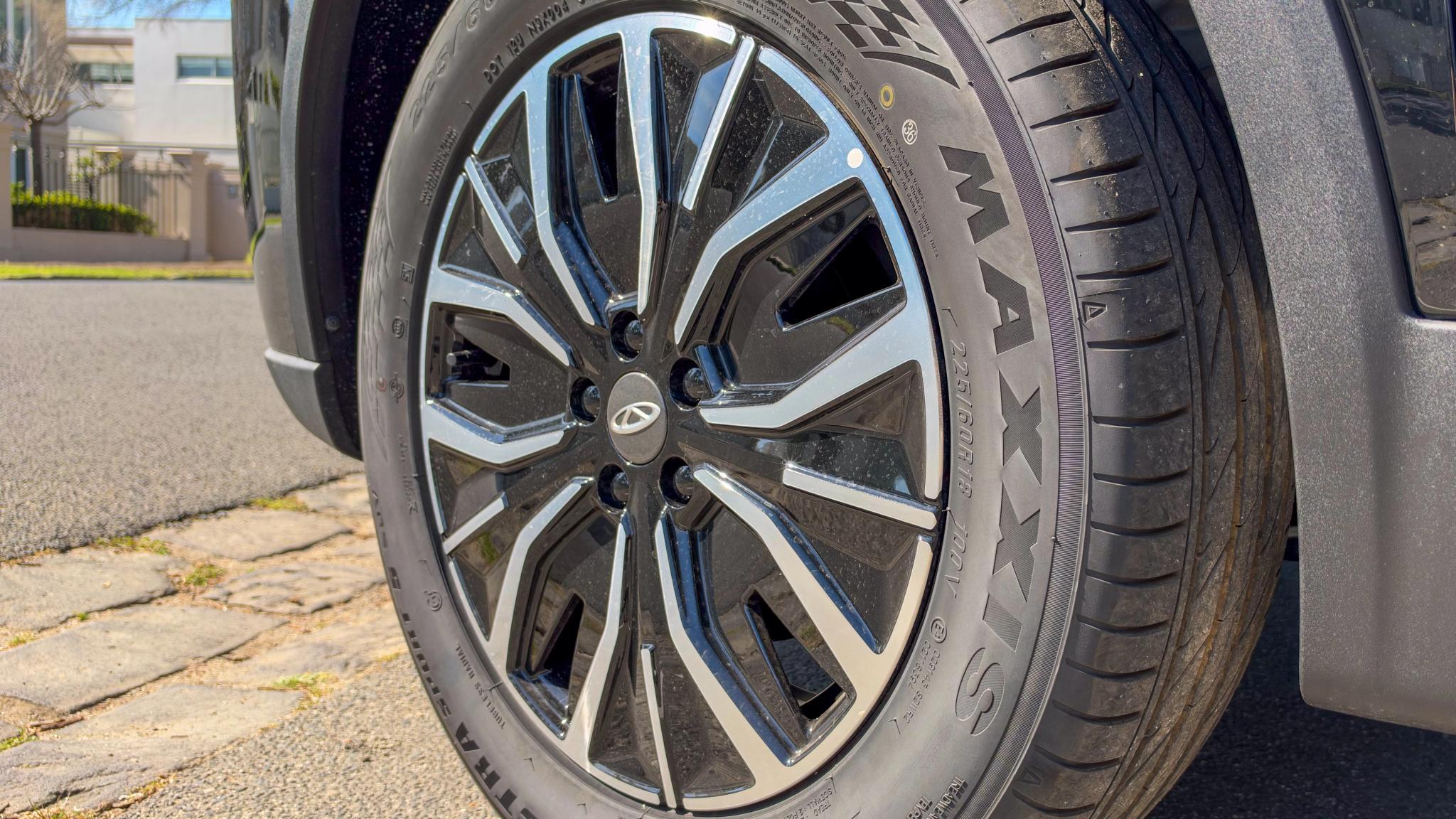
The Urban is far from stripped out. It gets 18-inch alloys, LED headlights, twin 12.3-inch screens, wireless Apple CarPlay and Android Auto, dual-zone climate control with rear vents, keyless entry, rain-sensing wipers, a reversing camera, rear parking sensors and the full driver assistance suite.
The Ultimate's extra $4,000 goes on comfort and convenience rather than safety or performance. You get synthetic leather with powered, heated and ventilated front seats, a panoramic sunroof, a powered tailgate with a cargo blind, a 360-degree camera, front parking sensors, a 50W wireless charger and ambient lighting. Outside, it adds power-folding mirrors with puddle lights and swaps the Urban's gloss black 18-inch alloys for a machined finish.
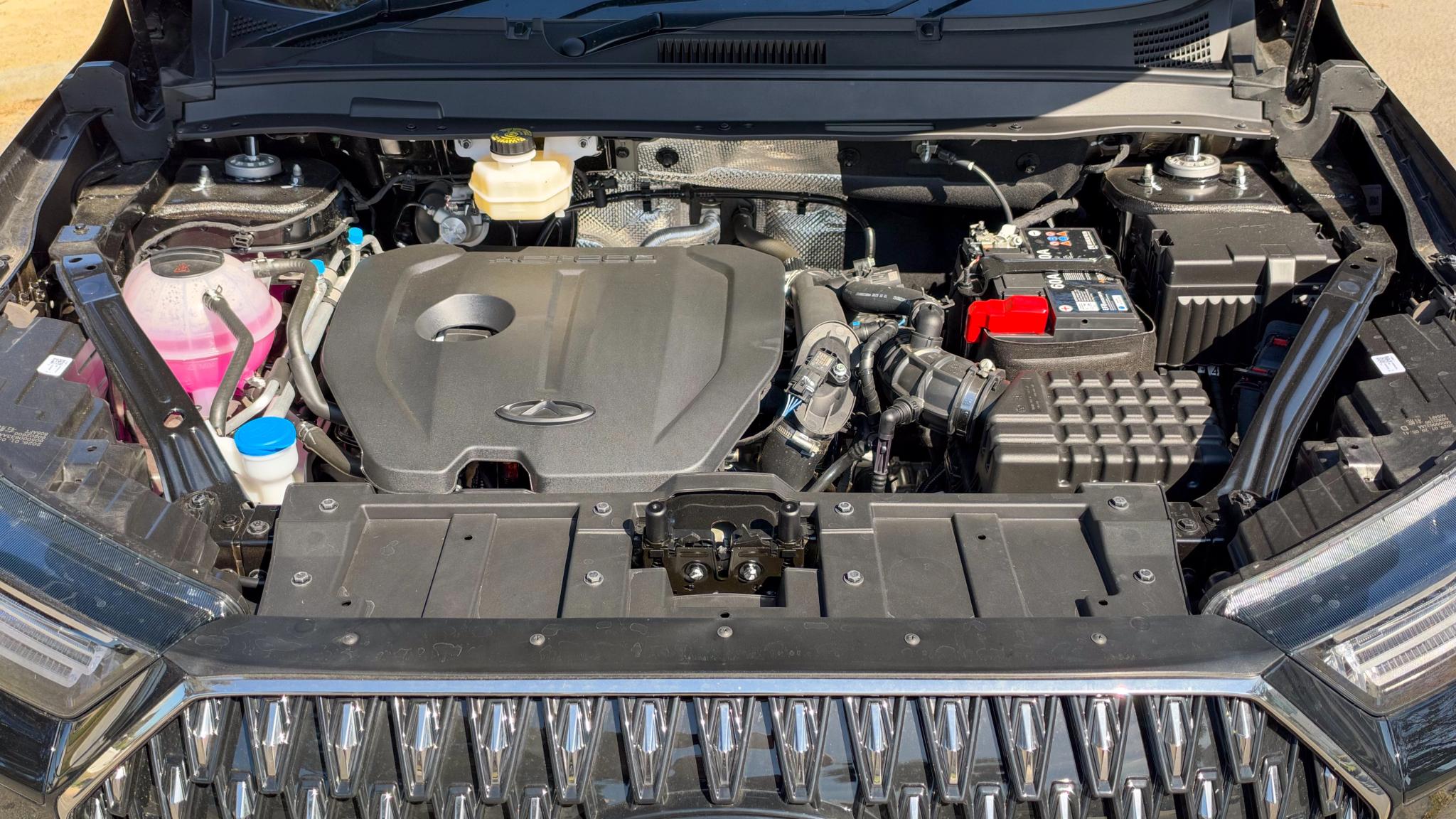
The MY26 update held the prices but took a few things away. The 137kW 1.6-litre turbo and seven-speed dual-clutch made way for a 108kW 1.5-litre and a six-speed, a 21% drop in power and 24% less torque.
Chery also swapped the Sony stereo for an unbranded six-speaker system, downgraded the full-size spare to a space-saver and dropped the driver knee airbag. In return, the new engine runs on 91 RON regular unleaded rather than 95, and the rear suspension moved from a torsion beam to a multi-link setup.
The bigger decision is whether to step up to the Super Hybrid. Initially $10,000 dearer than the equivalent petrol model, the price difference has now dropped to around $6,500.
| Specifications | Urban | Ultimate |
| Driveaway price | $29,990 | $33,990 |
| Powertrain | 1.5L turbo petrol | 1.5L turbo petrol |
| Power | Torque | 108kW | 210Nm | 108kW | 210Nm |
| Transmission | 6 speed DCT | 6 speed DCT |
| Drivetrain | FWD | FWD |
| Fuel use (claimed) | 6.9L/100km | 6.9L/100km |
| ANCAP | Five stars (2025) | Five stars (2025) |
| Warranty | 7 years | Unlimited km | 7 years | Unlimited km |
View Chery Tiggo 7 driveaway pricing and specifications →
Read our 2026 Chery Tiggo 7 Super Hybrid review →
What does the Chery Tiggo 7 look like?
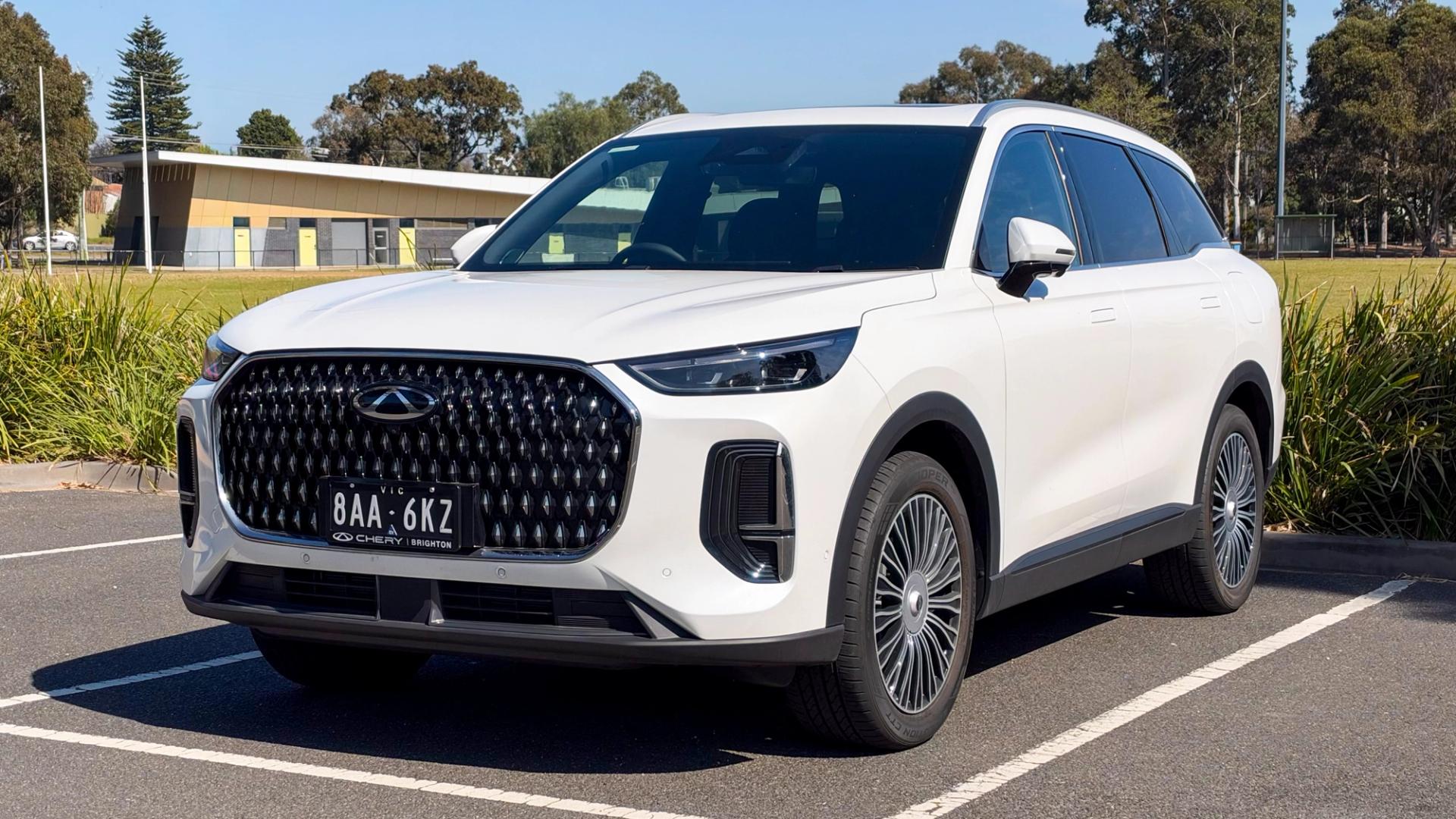
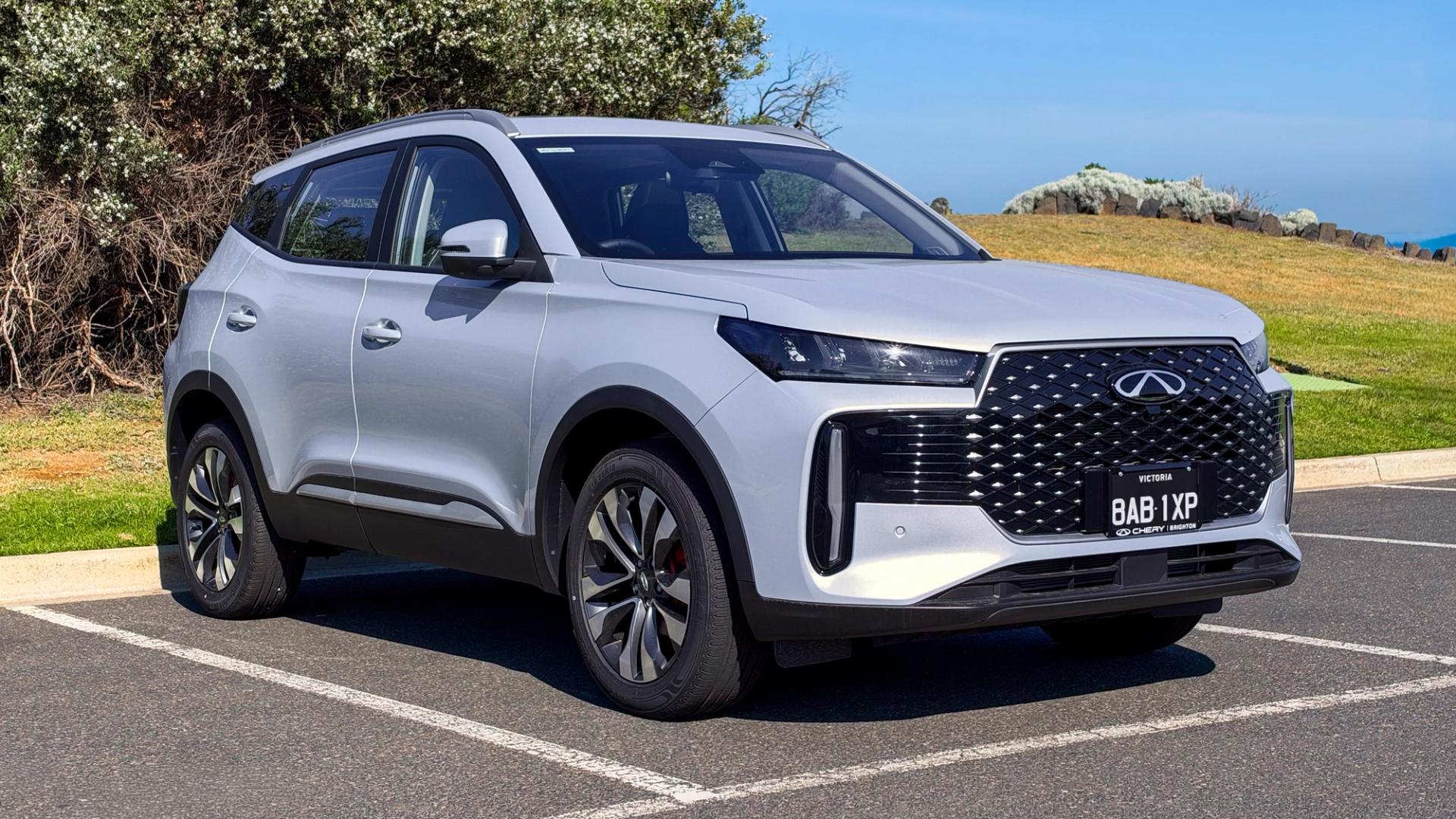
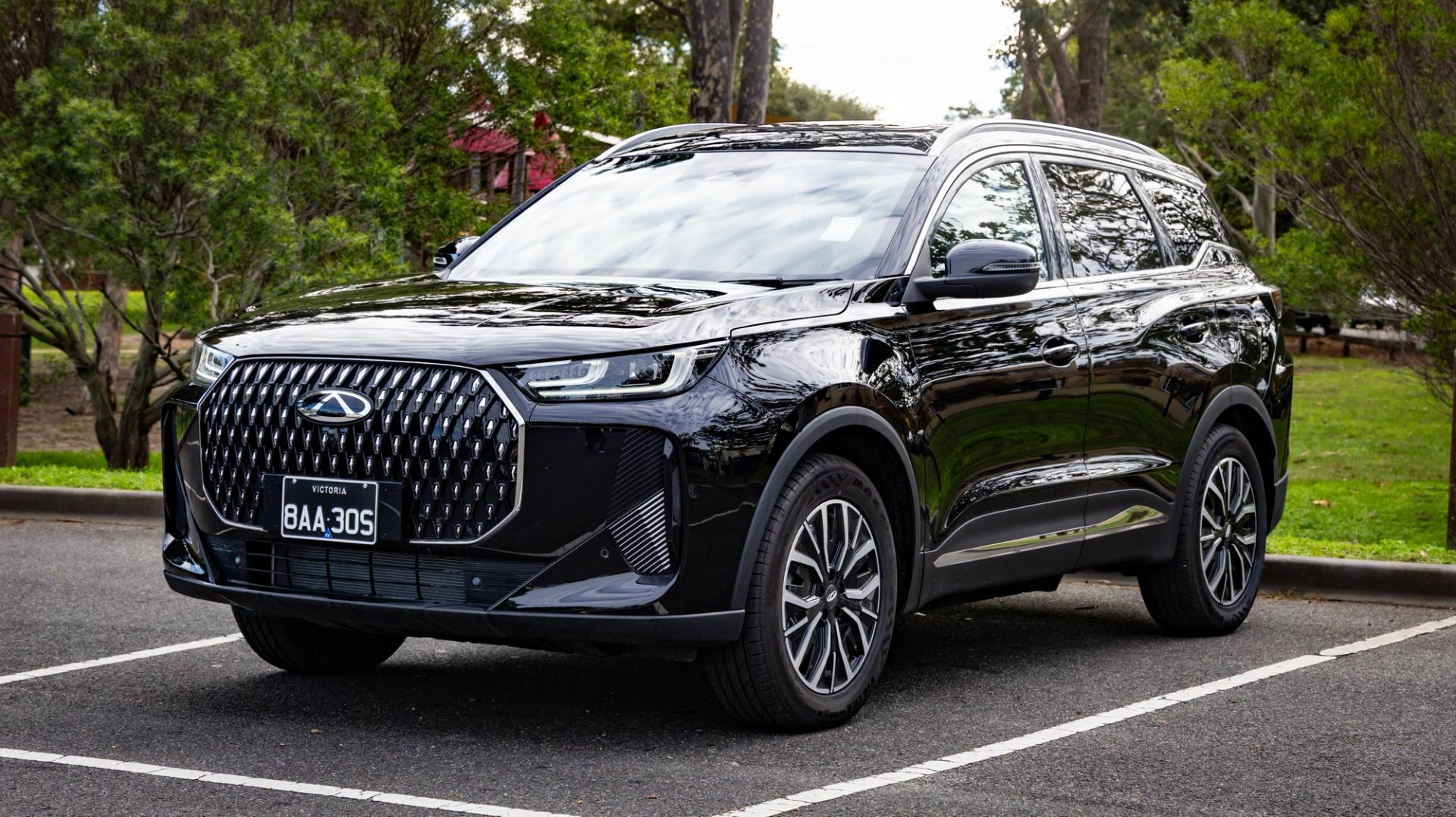
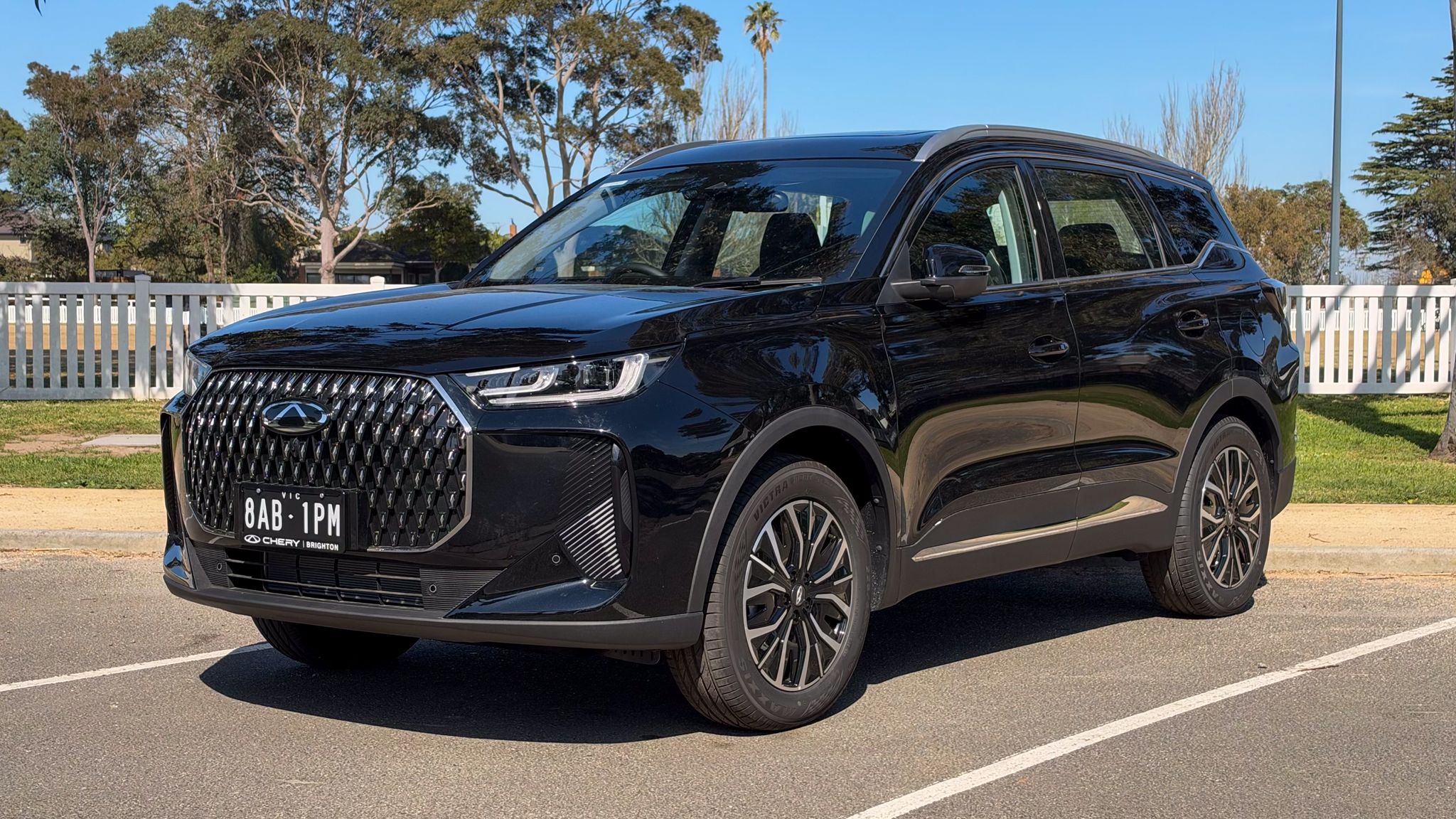
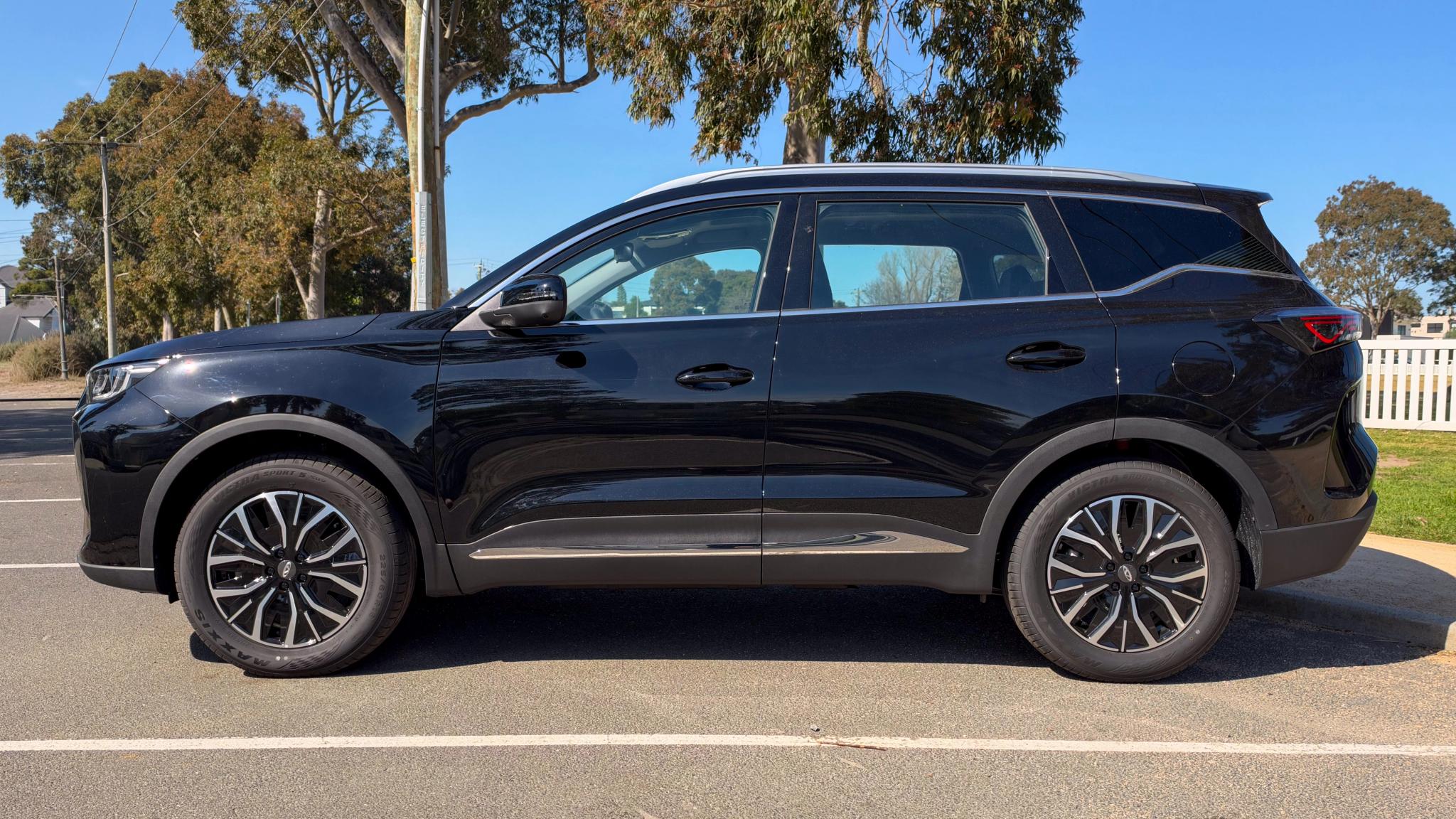
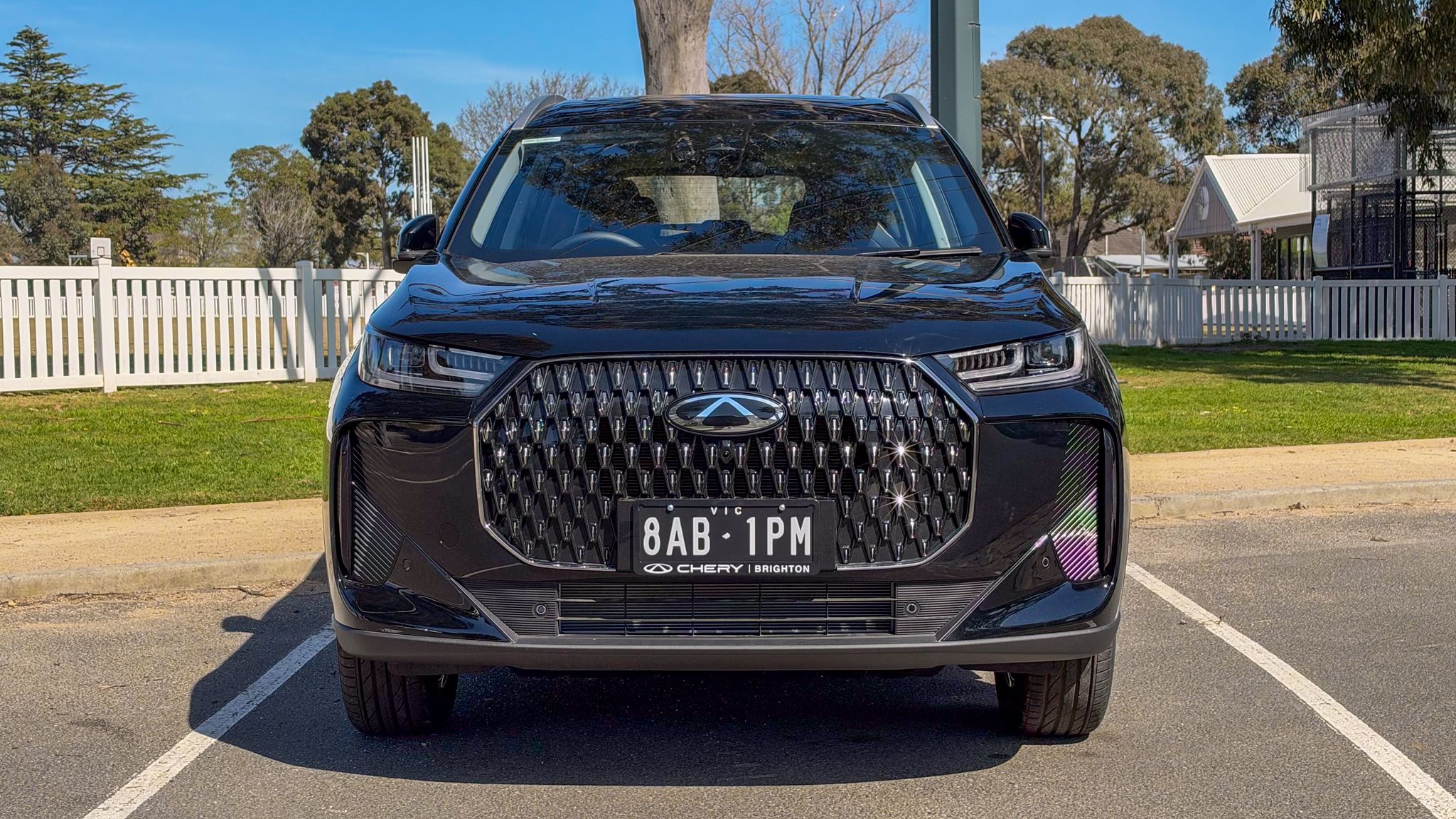
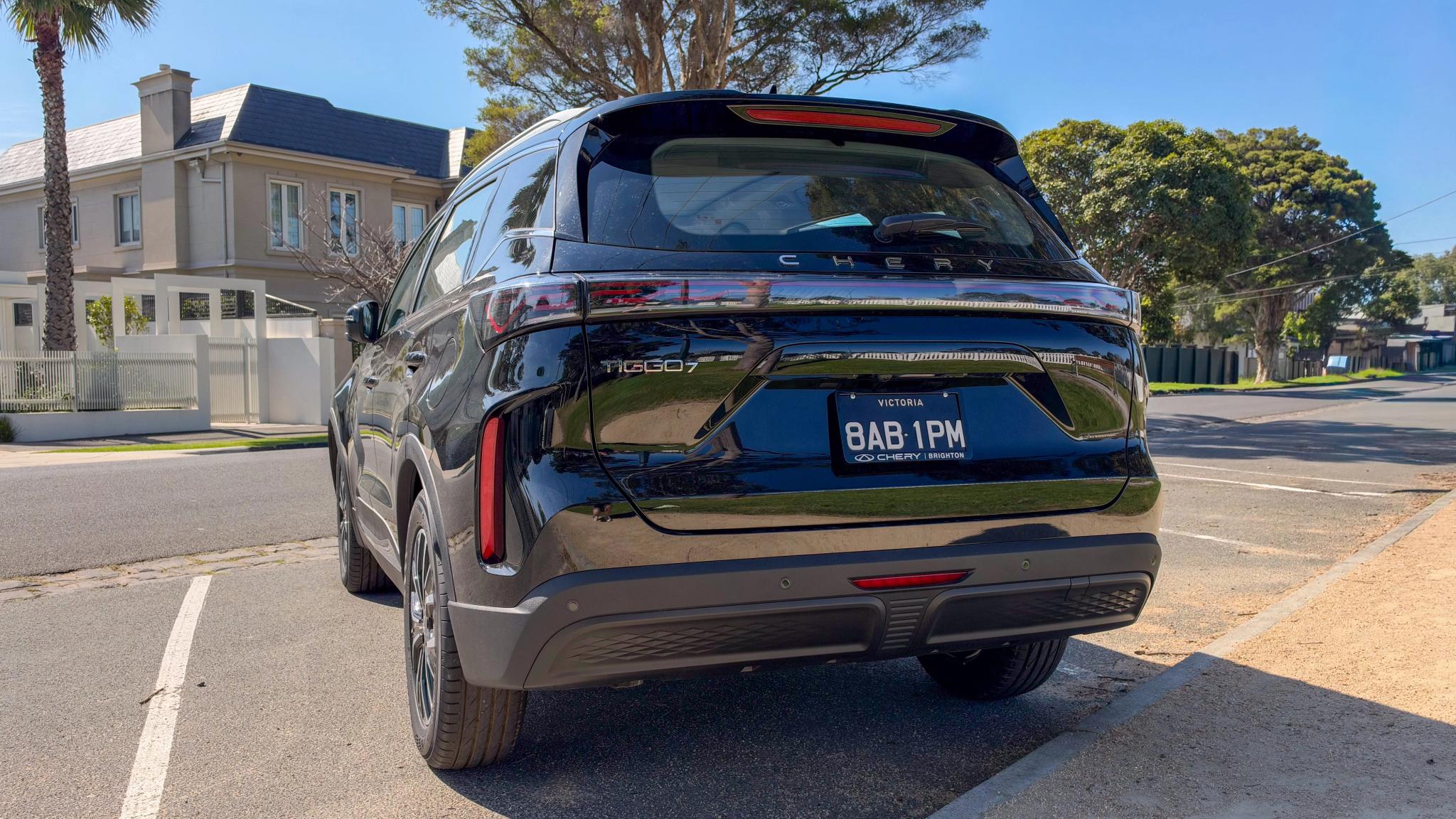
The MY26 update gave the petrol Tiggo 7 the Super Hybrid's face, with projector LED headlights, sequential front indicators, a revised grille and new taillights. At 4540mm long and 1870mm wide, it's on the smaller side for a medium SUV.
It's a clean, conservative shape that won't turn heads at school pickup, but it won't look cheap there either. Nobody will guess it cost under $30,000.
You can pick the grades by their wheels, with gloss black 18-inch alloys on the Urban and a machined finish on the Ultimate. The Ultimate also gets a gloss black B-pillar, power-folding mirrors and puddle lights. Mercurial Grey is the only no-cost colour.
What is the Chery Tiggo 7 like inside?
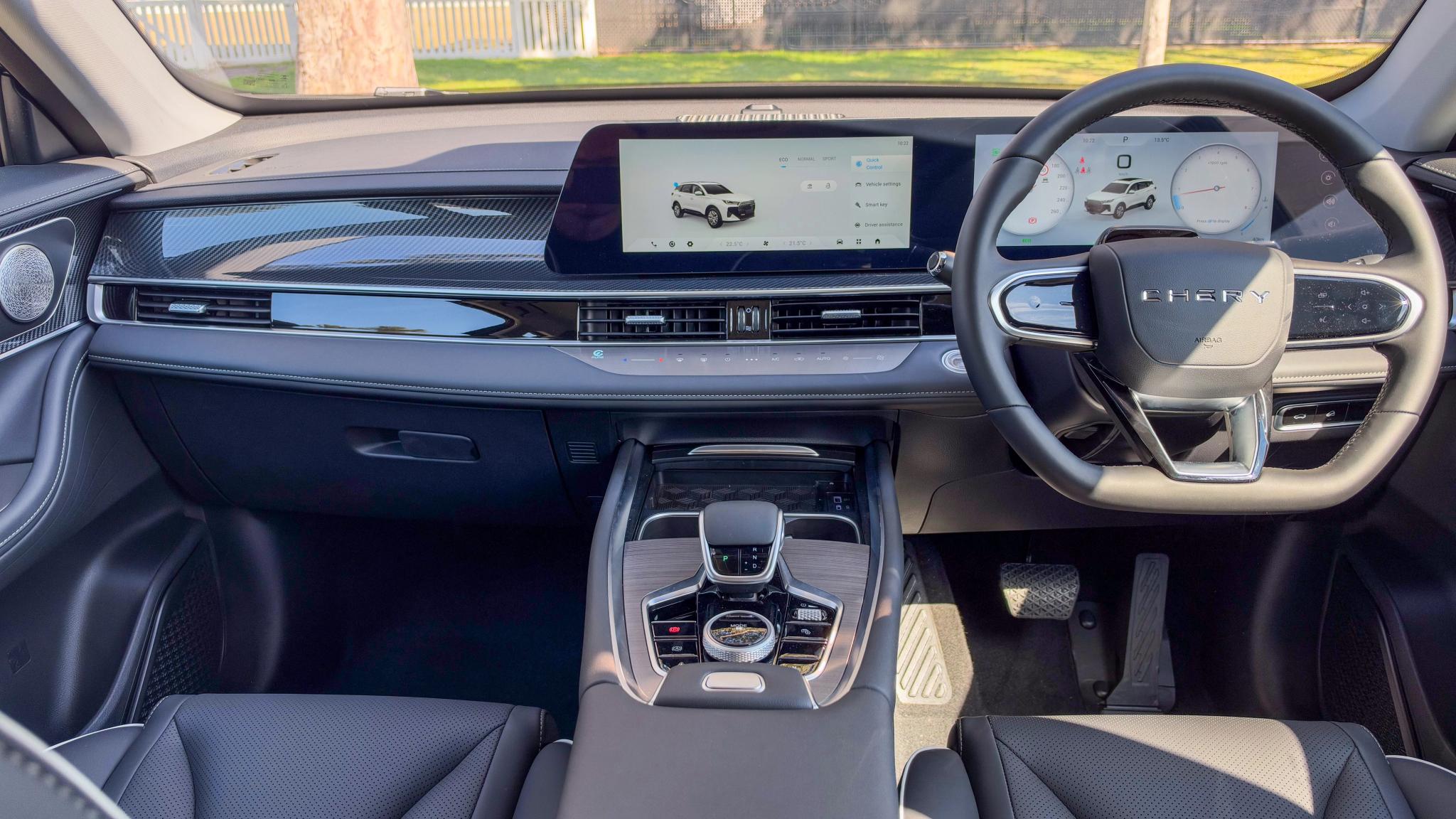
The cabin is the best thing about the Tiggo 7. Twin 12.3-inch screens stretch across the dash, the switchgear borrows heavily from Mercedes-Benz, and from the driver's seat it looks like a much more expensive car.
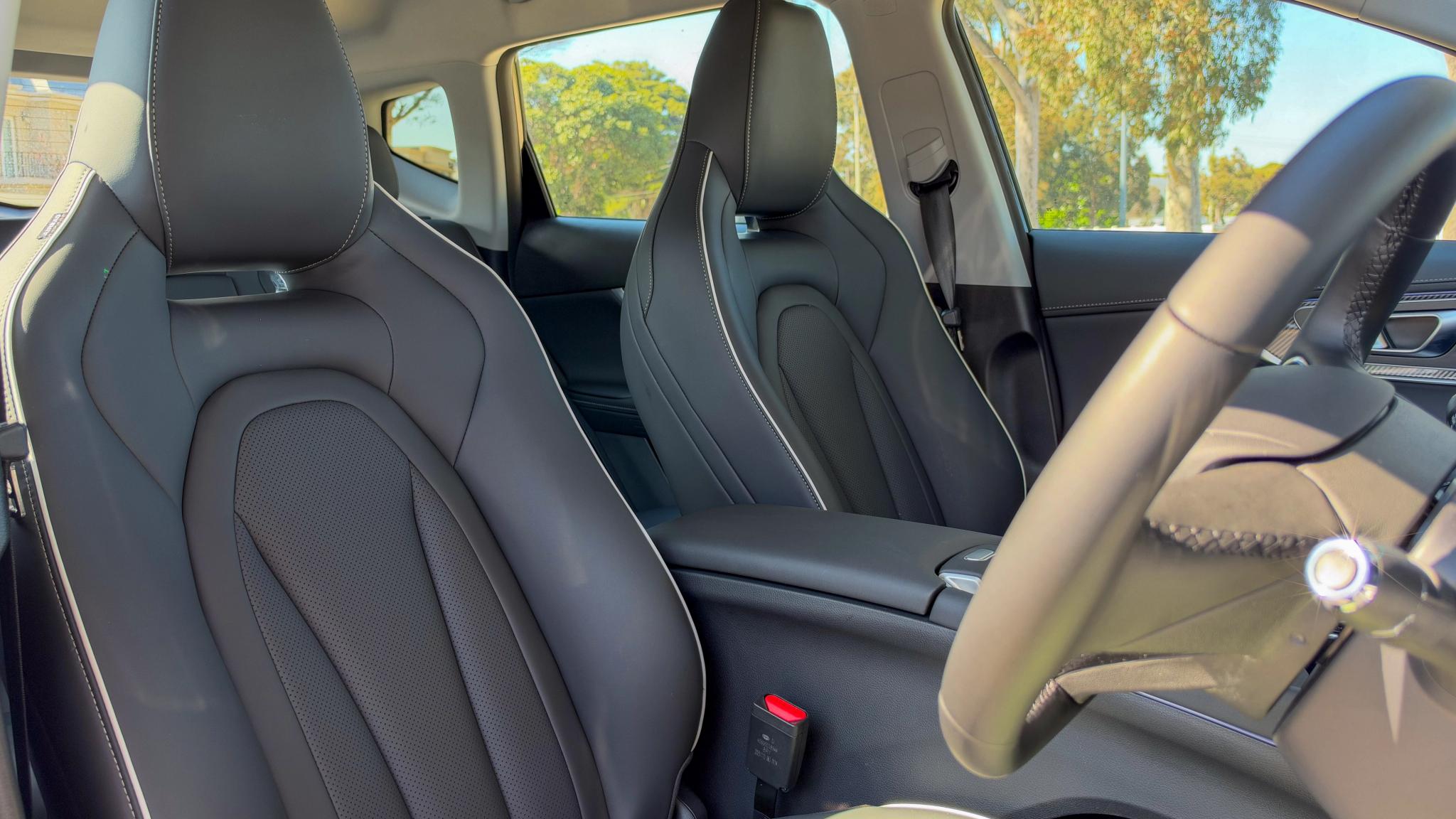
You'll notice the biggest difference between the Urban and Ultimate when you sit inside. The Urban's manually adjusted cloth seats are hard-wearing and suit a family car, while the Ultimate's synthetic leather looks convincing and its front seats are powered, heated and ventilated.
The Ultimate's panoramic sunroof brightens the cabin, especially for rear passengers, and it adds ambient lighting and a 50W wireless phone charger. Neither grade gets the Super Hybrid Ultimate's Sony stereo, and the unbranded six-speaker system is fine for podcasts but won't impress anyone who cares about sound.
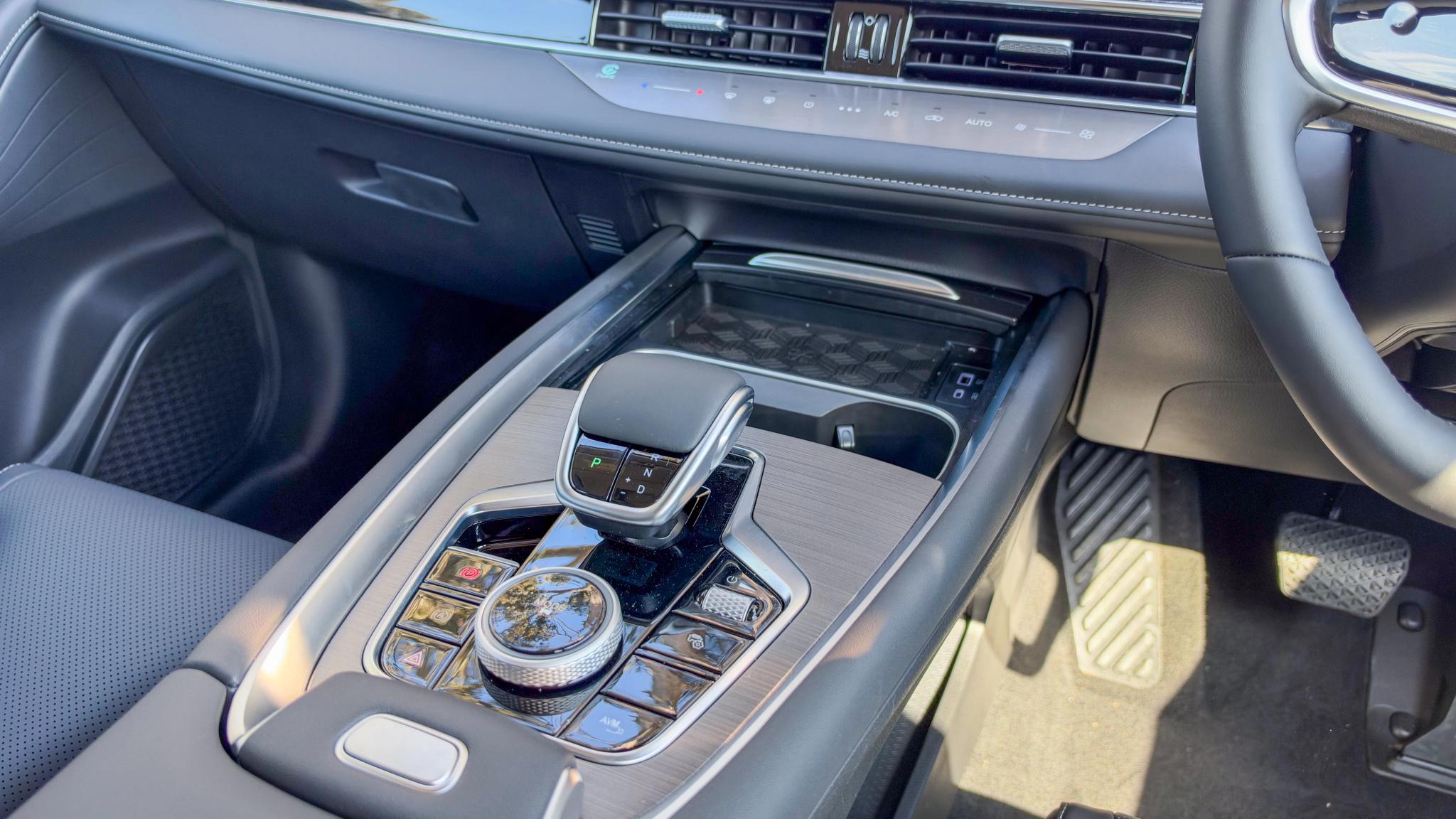
It's not all convincing, though. The plastics lower down feel cheap, the centre tunnel presses against your left knee, and taller drivers might struggle to get comfortable behind the wheel.
The physical climate controls under the screen are a welcome touch, though they wash out in direct sun. Wireless Apple CarPlay and Android Auto work well, with wired connections as a backup and a fast-charging USB-C port up front.
How practical is the Chery Tiggo 7?
There's plenty of room in the back, even for adults. Headroom and legroom are both generous, and the long seat base gives you decent thigh support.
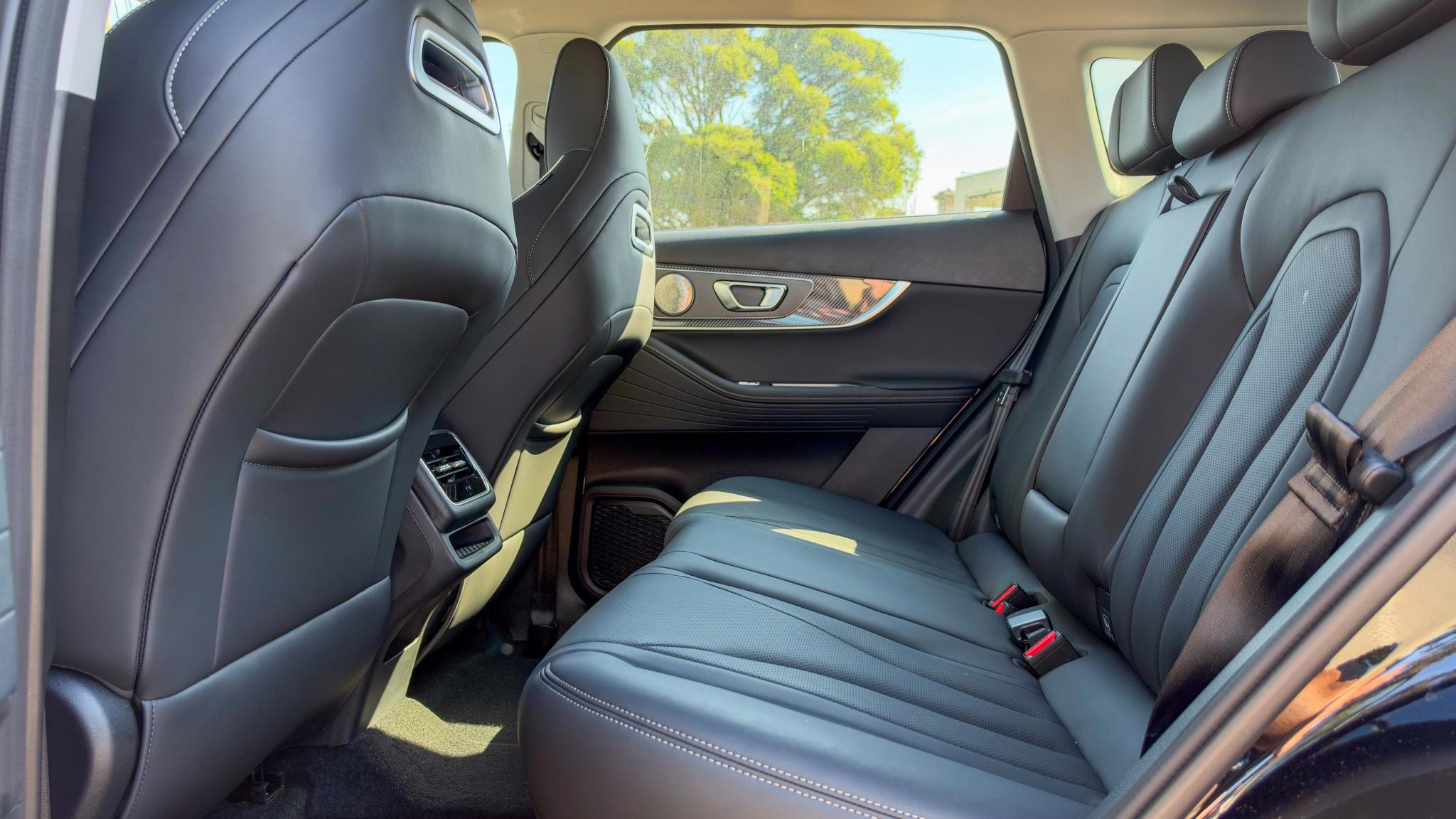
Rear passengers get their own air vents and a USB port, and three kids across the back is no drama. There are two ISOFIX points and three top tethers.
Chery quotes 549 litres of boot space measured to the roof, growing to 1672 litres with the 60:40 rear seats folded. The Ultimate gets a powered tailgate and a cargo blind, while Urban owners lift their own.
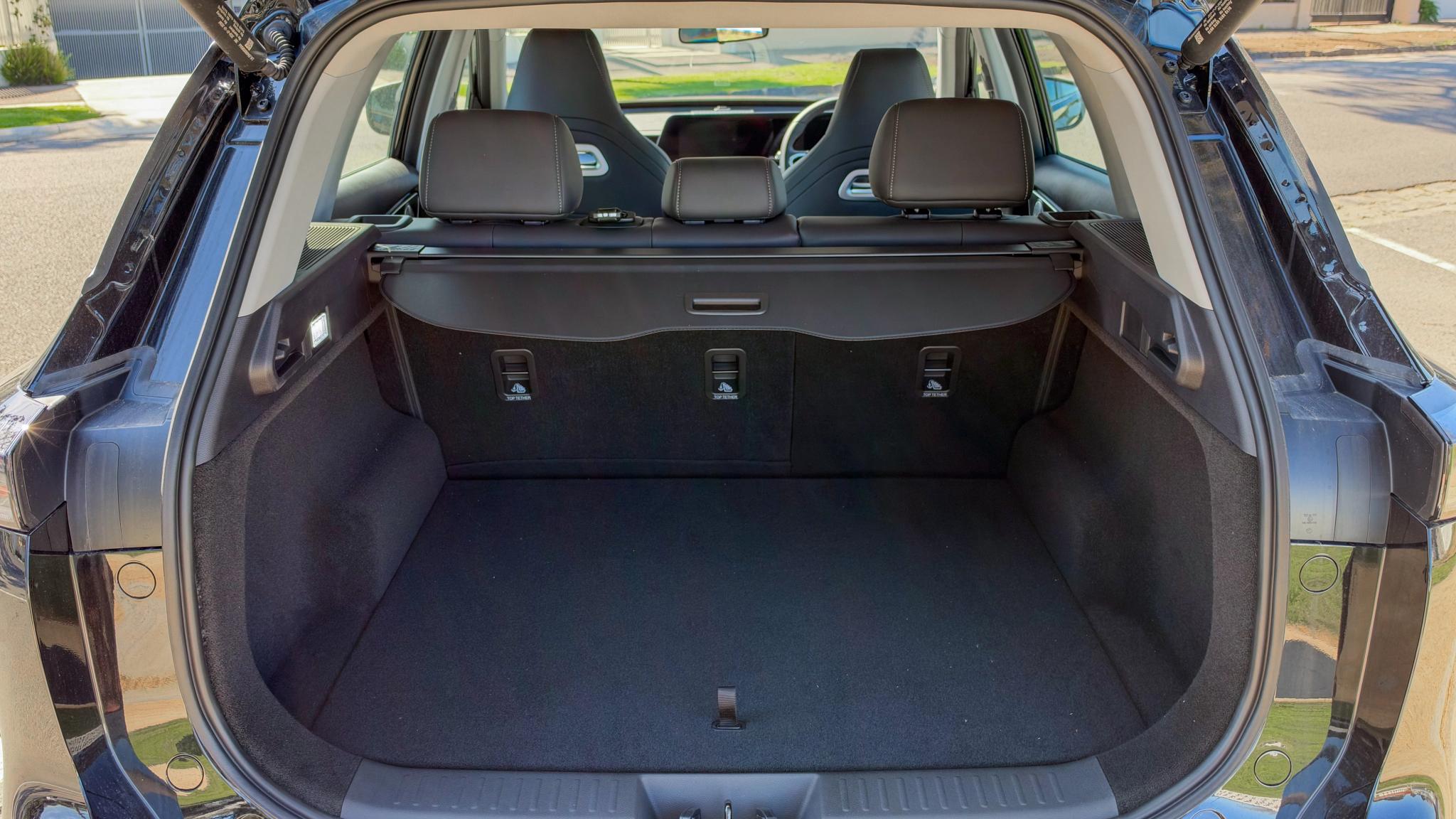
Both grades carry a space-saver spare under the floor. It replaced the old car's full-size spare, but it's still a big tick over the Super Hybrid's tyre repair kit, especially if you head out of town.
Chery quotes a 750kg unbraked towing capacity but doesn't publish a braked figure in its Australian specifications. Check with Chery before planning to tow anything substantial.
What is the Chery Tiggo 7 like to drive?
The Tiggo 7 is perfectly pleasant around town. It's quiet, comfortable and easy to drive, but the engine struggles once you pick up the pace. The Urban and Ultimate share the same mechanicals, so there's nothing between them on the road.
The 1.5-litre turbo is the same 108kW unit used in the smaller Tiggo 4 and Chery C5, and in a car weighing close to 1500kg it doesn't have much in reserve. It's fine in suburban traffic, but freeway merges and hills with the family on board need a heavy right foot and some forward planning.
The gearbox frustrated me more than the engine. There's a pause from a standstill while the turbo spools and the clutch bites, so darting into a gap in traffic takes more throttle than you'd expect.
Once moving, it shifts smoothly and hurries into higher gears to save fuel. Sport mode holds gears longer, which helps on a winding road, but it can't fix the delay off the line.
The steering is light, which makes parking easy, though there's little feel through the wheel at highway speeds. Body control is ordinary too with noticeable roll when you press on.
It rides surprisingly well, though. Speed humps and rough suburban roads are handled nicely by the new multi-link rear suspension, and being around 300kg lighter than the Super Hybrid, it feels less heavy on its feet.
Starting it is refreshingly normal. Press the button and go, and the key fob can start the engine remotely to cool the cabin on a hot day.
How efficient is the Chery Tiggo 7?
Chery claims 6.9L/100km combined, which is competitive for a petrol medium SUV but only 0.1L/100km better than the old 1.6-litre. Its own urban figure is 8.8L/100km, and that's closer to what you'll see if most of your driving is in the suburbs.
Running costs are the main reason to consider spending more on the Super Hybrid. If you drive 15,000km a year and can do most of that on electricity, the Super Hybrid could save around $1,300 annually in energy costs. At that rate, you'd need roughly five years to recover the $6,500 price difference, before allowing for servicing and other ownership costs.
If you can't charge at home, or you change cars every three or four years, the petrol is the smarter buy. The 51-litre tank takes 91 RON regular unleaded.
Servicing is capped for seven years, but Chery hadn't published individual prices for the 1.5-litre at the time of writing. The outgoing 1.6-litre cost about $300 a year to service and the Super Hybrid about $450, so expect the petrol to sit toward the cheaper end. Roadside assistance renews with each dealer service, up to seven years.
| Servicing and Warranty | Chery Tiggo 7 |
| Service interval | 12 months | 15,000km |
| Vehicle warranty | 7 years | Unlimited km |
Is the Chery Tiggo 7 safe?
Both grades carry a five-star ANCAP rating from 2025, which covers all Tiggo 7s built from 30 June 2025.
The standard safety list is long for the money. You get autonomous emergency braking, adaptive cruise control with traffic jam assist, blind-spot monitoring, lane change assist, rear cross-traffic alert with braking, lane departure warning and prevention, emergency lane keeping, door opening warning, rear collision warning, speed limit information, auto high beam and driver monitoring.
The only safety differences between the grades are parking aids and child locks. The Ultimate adds front parking sensors, a 360-degree camera and electronic rear child locks, which all make life easier in a tight school car park.
There are seven airbags, but the petrol car lost its driver knee airbag in the MY26 update. ANCAP also couldn't assess the reversing AEB because the test vehicle wasn't fitted with it, although it's standard on Australian cars.
What are the main competitors to the Chery Tiggo 7?
The MG HS starts at around $35,000 driveaway for the Vibe. Its 125kW 1.5-litre turbo has more in reserve, it feels more settled on the road, and MG backs it with a 10-year warranty. The Tiggo 7 Urban is about $5,000 cheaper, while the Ultimate costs about the same as the HS Vibe and adds a panoramic sunroof and heated and ventilated seats.
The GWM Haval H6 Lux starts at $35,990 driveaway. Its 170kW 2.0-litre turbo is a big step up in performance, and it's a roomy, well-equipped family car. The Tiggo 7 Urban is $6,000 cheaper, and the Ultimate still undercuts the H6 Lux by $2,000 while matching it on most features buyers care about.
The Kia Sportage S starts at around $38,500 before on-roads, which puts it well into the $40,000s driveaway. The Sportage is better to drive and has Kia's extensive dealer network behind it, but the entry-level S looks pretty basic alongside the Tiggo 7.
The Chery Tiggo 7 Super Hybrid costs about $6,500 more. It's far quicker off the line and much cheaper to run if you charge at home, and both grades get a driver knee airbag. The petrol keeps the spare wheel, a simpler start procedure and the lower price.
Should I buy the Chery Tiggo 7?
Yes, if you want the most medium SUV for your money. Between $29,990 and $33,990 driveaway, you get a roomy cabin that looks more expensive than it is, a five-star ANCAP rating, a spare wheel and a seven-year warranty.
The compromise is the drivetrain. The 1.5-litre turbo is adequate around town but works hard with a load on board, and the dual-clutch hesitates when you want to go. If you enjoy driving or regularly travel with a full car, look at something with more power.
I'd buy the Urban. At $29,990, you're getting the same space, safety equipment and driving experience as the Ultimate. But if heated and ventilated seats, a panoramic sunroof and a 360-degree camera matter to you, the extra $4,000 is pretty easy to justify.
If most of your driving is around town and you don't need much performance, it's hard to argue with what Chery gives you for $29,990 driveaway.
VerdictThe Beep Verdict
Rob Leigh
Co-founder & Director
Rob Leigh is Co-founder and Director of The Beep based in Melbourne, Australia. He has 15+ years inside a major automotive OEM, specialising in product planning, pricing and vehicle strategy.
About Author