The EV tax loophole is closing and it could cost you thousands
The federal government is weighing a new road user charge and an end to the FBT exemption that has made EVs affordable for hundreds of thousands of Australians. Here is what every buyer needs to know before May.

Rob Leigh
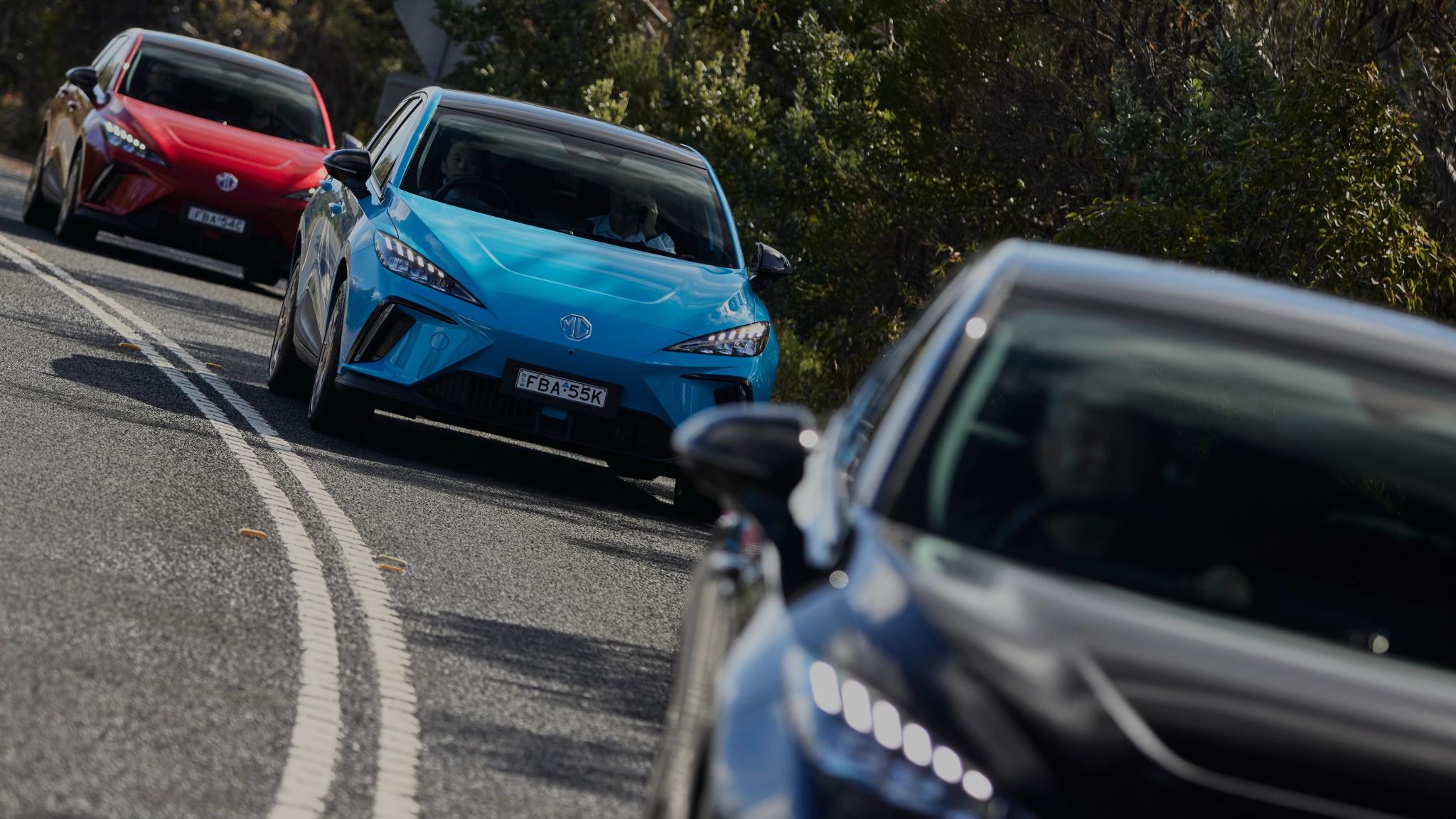
Image: MG Australia
If you’re thinking about buying an EV in Australia, time is running out - especially with some of the cheapest electric cars in Australia still sitting at record-low entry prices. A major tax break that has been saving buyers thousands could soon disappear - and it may happen sooner than expected.
The federal government is weighing two separate measures that would make electric vehicles significantly more expensive to own in Australia - a new road user charge and the possible end of the tax exemption that has driven EV sales to record highs.
With the May budget approaching the window to lock in current incentives may be closing fast.
What is the government planning?
At the centre of the shake-up is a long-anticipated national road user charge for EV drivers. Because electric vehicles don't use petrol or diesel, their owners currently pay none of the 51.6 cents per litre fuel excise that funds road maintenance across the country.
Treasurer Jim Chalmers has been direct about the government's position.
"As more and more people get off petrol cars and into EVs, we've got to make sure that the tax arrangements support investment in roads," Chalmers said. "The status quo won't work in 10 or 20 years."
The most likely model would charge drivers based on kilometres travelled, tracked via annual odometer readings at registration. Based on a similar scheme already operating in NSW, the average EV owner could expect to pay an additional $300 to $400 per year.
The FBT exemption is also on the table
Separate to the road user charge, the government is reviewing the Electric Car Discount - the fringe benefits tax exemption that allows salaried employees to buy an EV through a novated lease using pre-tax income.
The scheme has been a significant driver of EV uptake. In 2025, close to one in four EV sales came from novated lease buyers, with industry lending for low-emission vehicles rising nearly 20 per cent to $7.37 billion.
The problem for the government is cost. The exemption is projected to cost taxpayers $2.8 billion in the 2028-29 financial year alone - well beyond initial forecasts. Treasury is now reportedly considering either ending the perk entirely or restricting it to cheaper models.
Removing or capping the exemption would hit mid-to-upper range EVs hardest. For employees in higher tax brackets, the current scheme can deliver savings of tens of thousands of dollars over a loan term. That advantage could disappear overnight.
Why the May budget matters
Chalmers has flagged that the government is working through "a broader than usual range of options" ahead of the budget. That language is significant. It suggests EV tax settings are firmly in play, not just being monitored.
A road user charge at the federal level is likely still a few years away, with 2028 the most commonly cited timeline. Changes to the FBT exemption, however, could land as early as budget night on 13 May.
Now is the time to act
Image: BYD Australia
For anyone sitting on the fence about an EV purchase, the calculus is straightforward. The incentives available today may not exist in six weeks.
Locking in a novated lease under the current FBT exemption before budget night could deliver significant savings. Buyers in higher income brackets stand to benefit most, but the maths works across a wide range of salary levels.
Even with a future road user charge factored in, EVs remain considerably cheaper to run than petrol equivalents - particularly with fuel prices elevated and showing little sign of easing.
The free ride for EV owners was always going to end eventually. The question now is whether it ends at the May budget or further down the road. Either way, the risk of waiting has never been higher.
Thinking about making the switch to electric? Compare every EV on sale in Australia
Rob Leigh
Co-founder & Director
Rob Leigh is Co-founder and Director of The Beep based in Melbourne, Australia. He has 15+ years inside a major automotive OEM, specialising in product planning, pricing and vehicle strategy.
About Author