2026 MG3 review
MG has quietly pushed the MG3 back under $20,000 driveaway, making it the cheapest new car in Australia again, and the compromises that come with that price are smaller than you would expect.

Rob Leigh
Pros
- Cheapest new car in Australia at $19,990 driveaway
- Compliant, comfortable ride for a small hatch
- Modern cabin tech and up to 10 years of warranty
Cons
- Needs revs to get moving and lets you hear it
- Four-star ANCAP rating with some pointed criticisms
- Blind-spot monitoring only from Excite up
Our verdict
The petrol MG3 is for the buyer whose brief is simple: a new car, an automatic, a warranty, and as little money as possible. That describes a lot of first-car buyers and it’s better than anything else on sale at meeting it, with the Vibe at $19,990 driveaway the reason to be here.
The catch is that you are buying a car built to a number. The 1.5-litre engine and CVT do the job around town and complain about everything else, and the four-star ANCAP result comes with a couple of findings worth reading properly before you sign.
What does the MG3 cost in Australia?
Five grades across two powertrains. The three petrol cars share a 1.5-litre engine and CVT, and the two Hybrid+ models sit above them. The Vibe undercuts everything else on the new-car market, including the Kia Picanto, and it does it with an automatic as standard where the cheapest Picanto is a manual.
| Specifications | Vibe (tested) | Excite | Essence | Excite Hybrid+ | Essence Hybrid+ |
| Driveaway price | $19,990 | $23,990 | $25,990 | $28,490 | $30,490 |
| Powertrain | 1.5L petrol | 1.5L petrol | 1.5L petrol | 1.5L hybrid | 1.5L hybrid |
| Power | Torque | 81kW | 142Nm | 81kW | 142Nm | 81kW | 142Nm | 155kW | 425Nm | 155kW | 425Nm |
| Transmission | CVT | CVT | CVT | 3 speed auto | 3 speed auto |
| Drivetrain | FWD | FWD | FWD | FWD | FWD |
| 0-100km/h | - | - | - | 8.0 sec | 8.0 sec |
| Fuel use (claimed) | 6.0L/100km | 6.0L/100km | 6.0L/100km | 4.3L/100km | 4.3L/100km |
| ANCAP | Four stars (2025) | Four stars (2025) | Four stars (2025) | Four stars (2025) | Four stars (2025) |
| Warranty | 10 years | 250,000km | 10 years | 250,000km | 10 years | 250,000km | 10 years | 250,000km | 10 years | 250,000km |
View MG3 driveaway pricing and specifications →
The step from petrol to hybrid is a serious one, with the Excite Hybrid+ asking $8,500 more than a Vibe and the Essence Hybrid+ topping the range at $30,490. You would need to be doing a lot of stop-start driving to make that up at the bowser.
The $4,000 gap between Vibe and Excite is the one that matters more to most buyers. It buys 16-inch alloy wheels in place of 15-inch steels, a push-button start, heated folding mirrors, and critically, blind-spot monitoring and rear cross-traffic alert. More on that below.
The Essence asks another $2,000 on top and spends it on comfort rather than safety. LED headlights, a sunroof, leather-look seat trim, a 360-degree camera, keyless entry, satellite navigation and DAB+ is a solid haul for the money, and at $25,990 driveaway it still undercuts a base Toyota Yaris by a wide margin. Whether you need any of it is a different question.
What does the MG3 look like?
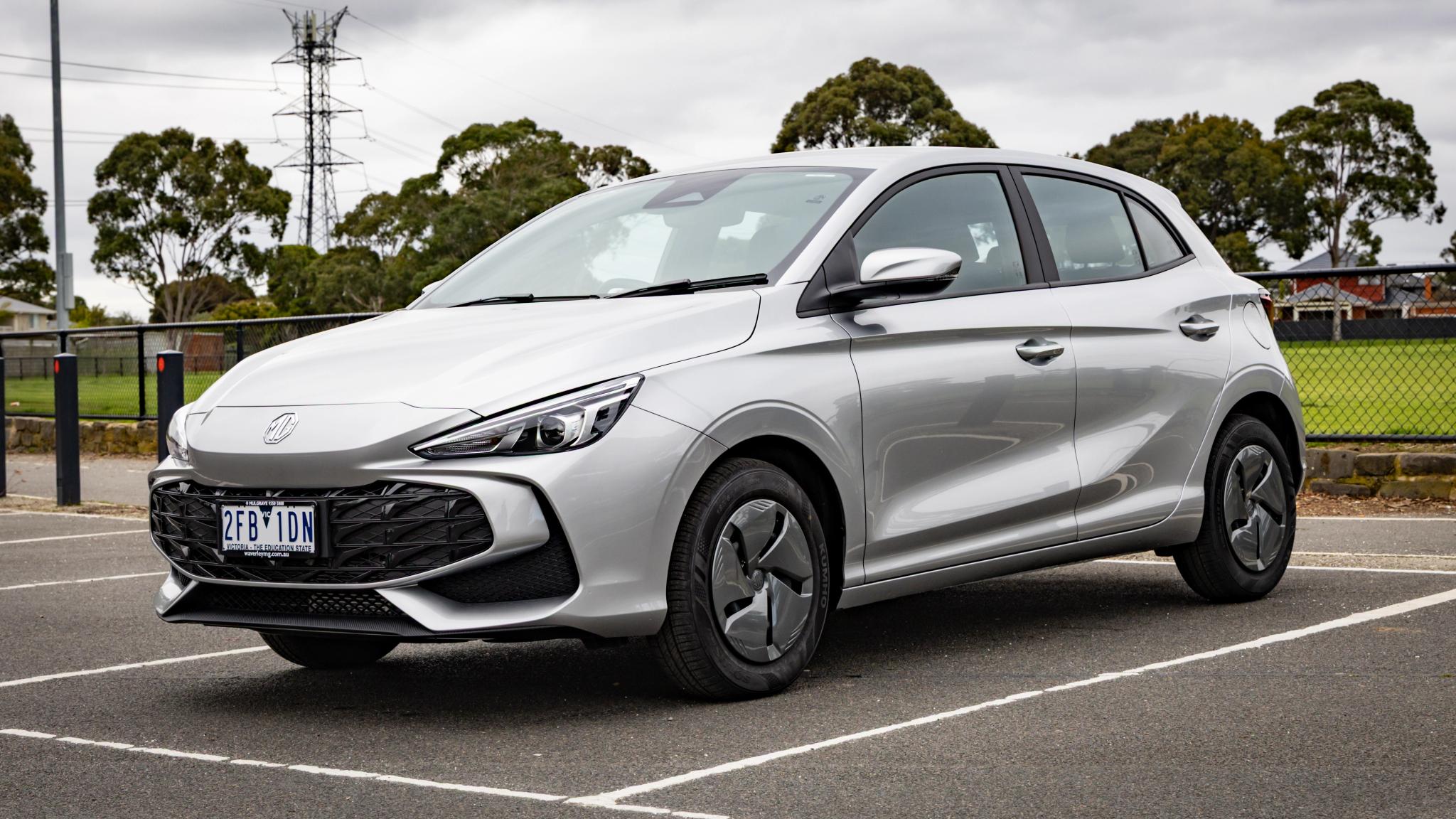
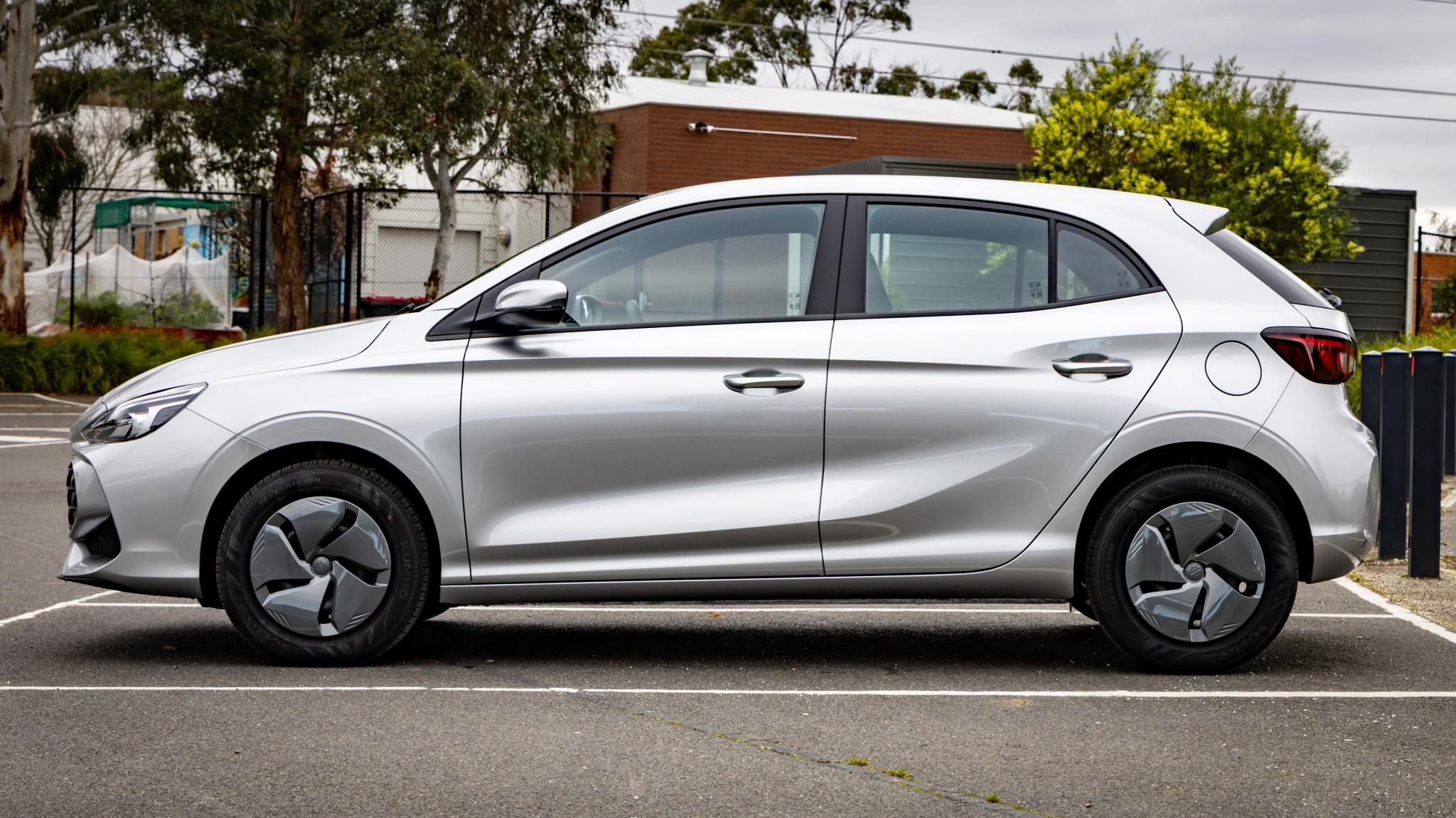
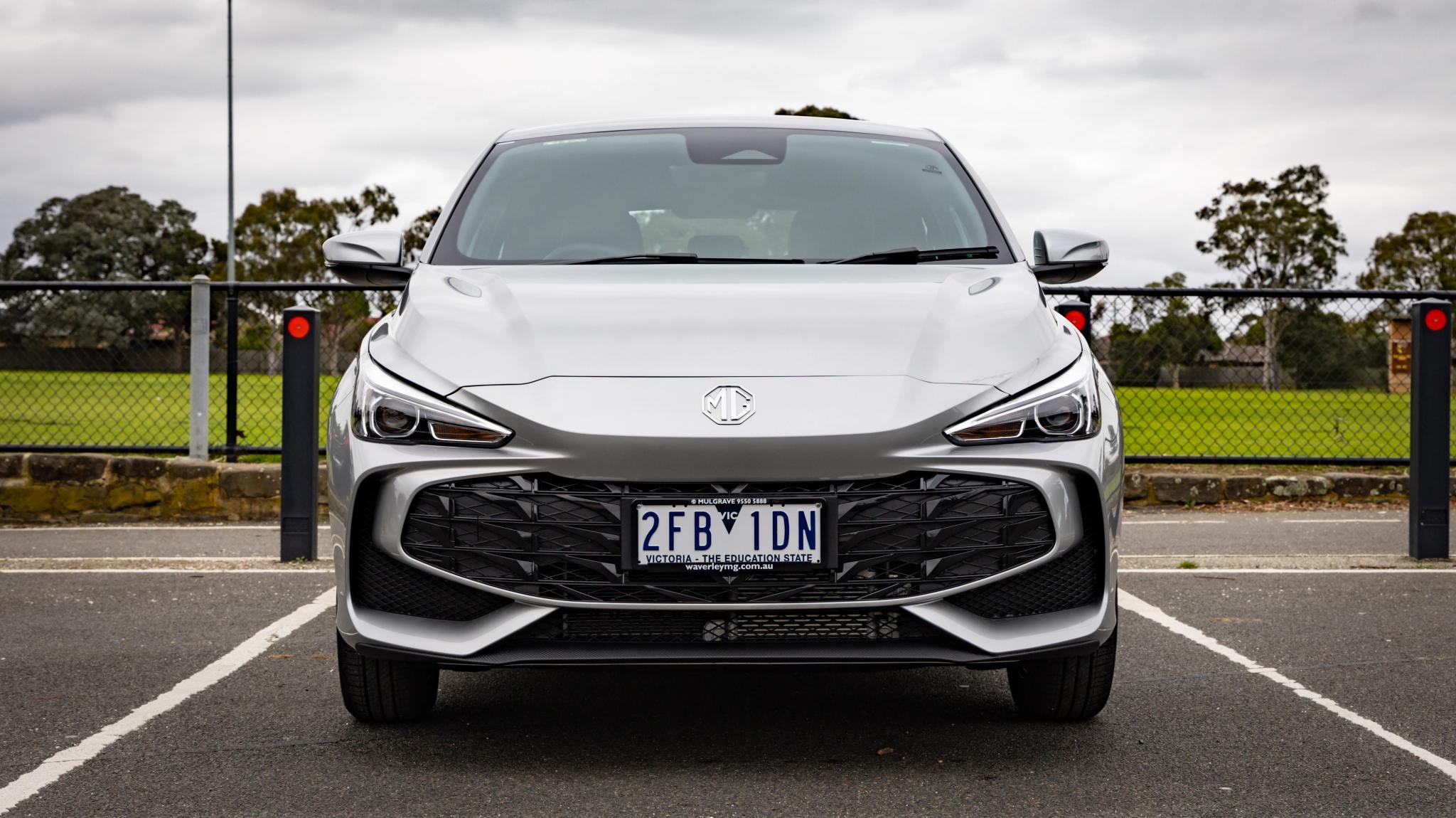
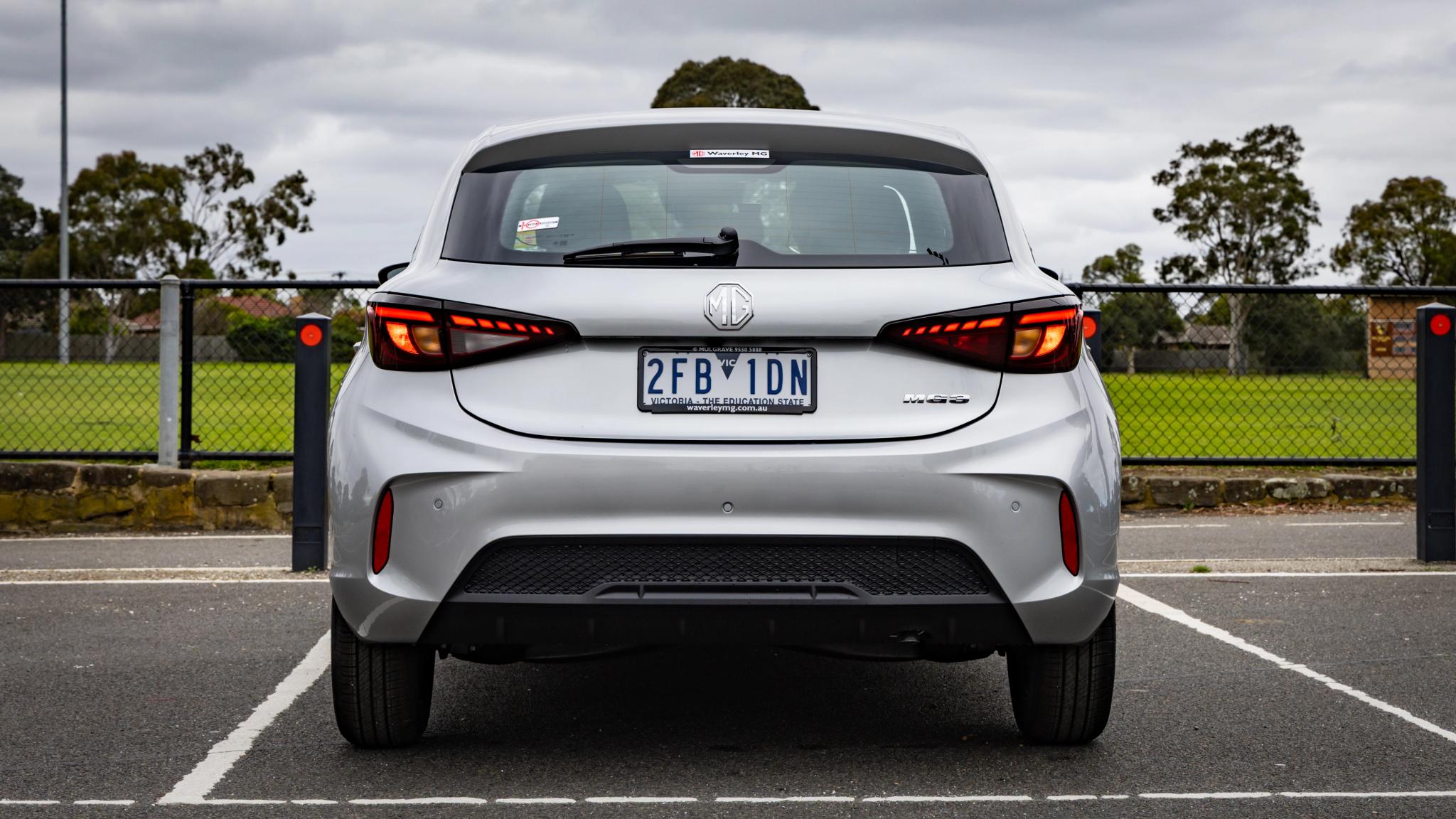
The current MG3 shares a similar front with the MG4 and it actually looks quite good on a small hatchback. The headlights are pointy and angled, the front grille is lower and wider than the previous model, and there's a bit of curvature along the side of the car to stop the profile looking slab-sided.
The Vibe’s biggest weakness is the 15-inch steel wheels which make it look like the cheapest car on sale in Australia. The Excite and Essence get 16-inch alloys that fill the arches far more convincingly, and the Essence adds LED headlights where the other two run halogens.
So there’s a big gap between the attractiveness of the different grades and it will come down to how much you want to spend to make the car look good.
What is the MG3 like inside?
This is where the MG3 really shines.
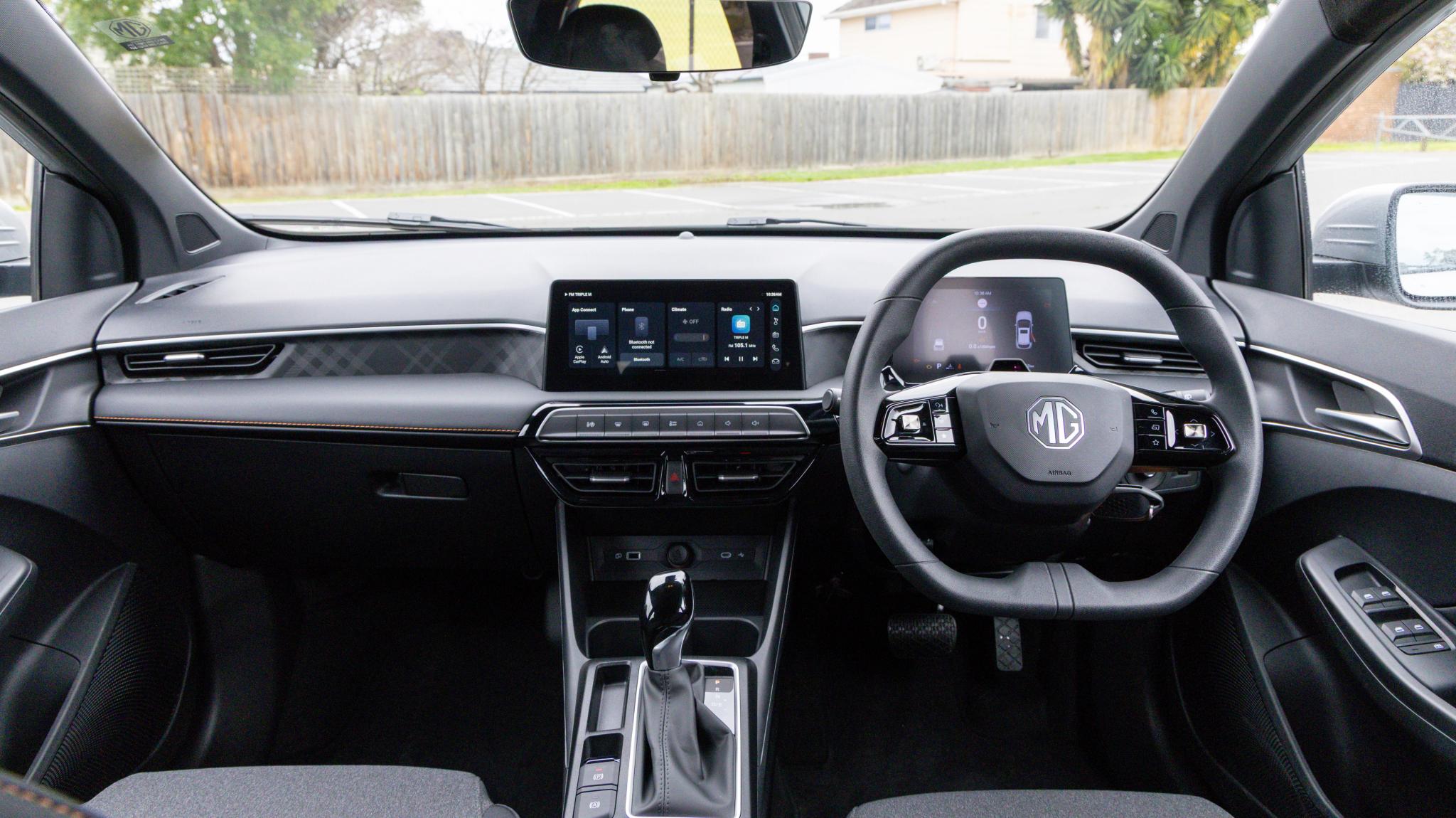
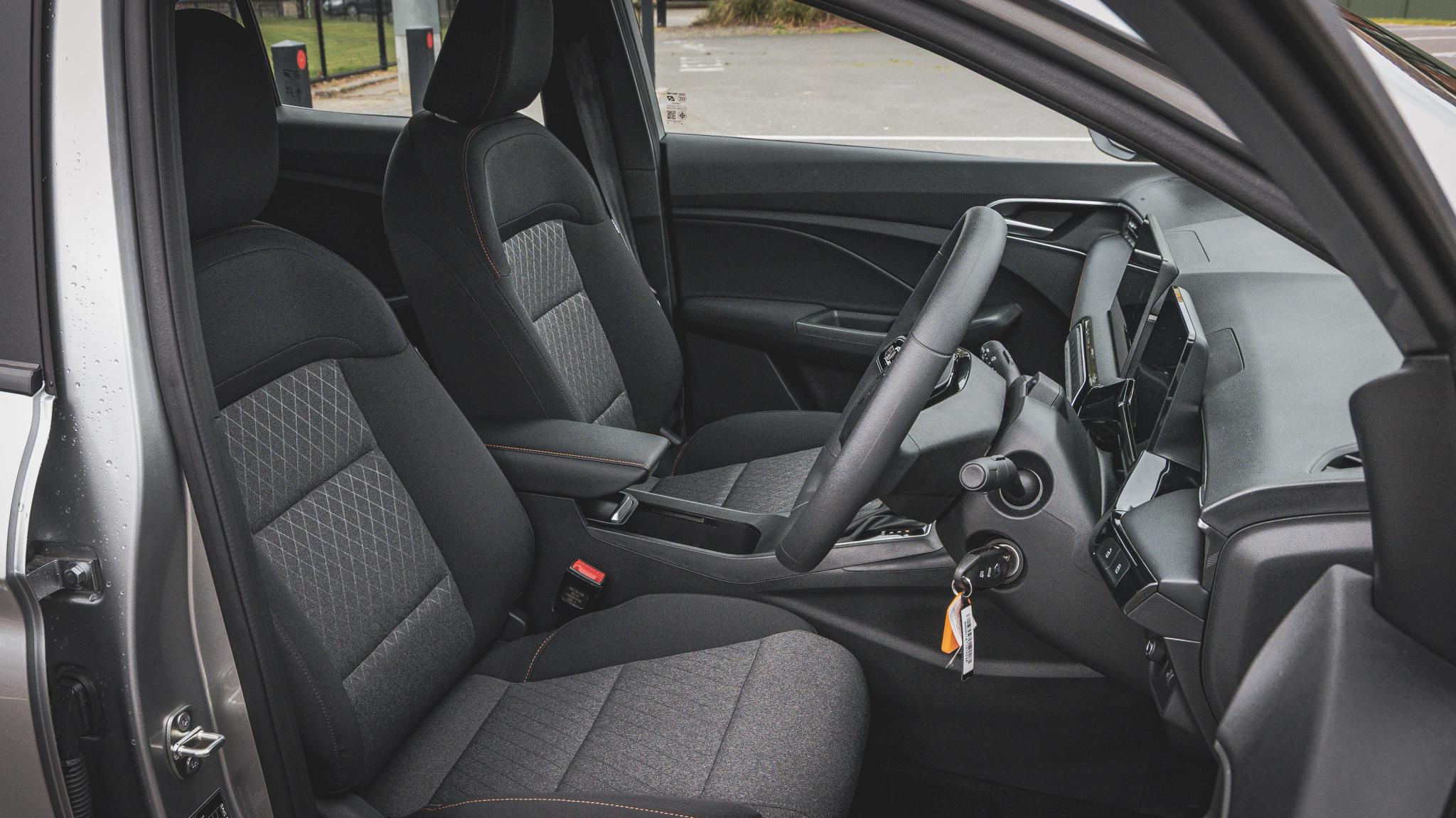
A 10.25-inch infotainment screen is standard, as is a 7.0-inch driver’s digital display and neither looks like an afterthought.
Both Apple CarPlay and Android Auto integration are standard, but they can only be accessed via a cable, not through wireless connectivity. There is no provision for a wireless charging pad on any variant and while this is not ideal, it is not surprising for a car at this price point.
The layout is tidy. A row of physical buttons under the screen covers the basics, and there is a shortcut into the climate menu, which is more than plenty of expensive models can manage. Adjusting temperature and fan still means touching the screen, which is the compromise MG has made to keep the dash looking clean.
The upper dashboard is composed of hard plastics, while the switchgear has a glossy black finish that is sure to show fingerprints after a few days of use. The Vibe seats are upholstered in fabric, but the leather-look upholstery found in the Essence makes the cabin feel more upscale. The Vibe does not include a push-button ignition, so there is a key to turn.
The driving position is comfortable and the unobstructed view out makes parking a breeze. The steering wheel adjusts for tilt but not reach, which is the one ergonomic limitation that might catch taller drivers.
How practical is the MG3?
At 4113mm long on a 2570mm wheelbase, the MG3 is a genuine light hatch rather than a micro car, and the rear seat reflects that. Adults of average height fit without negotiation, though anyone near six foot will be watching their headroom.
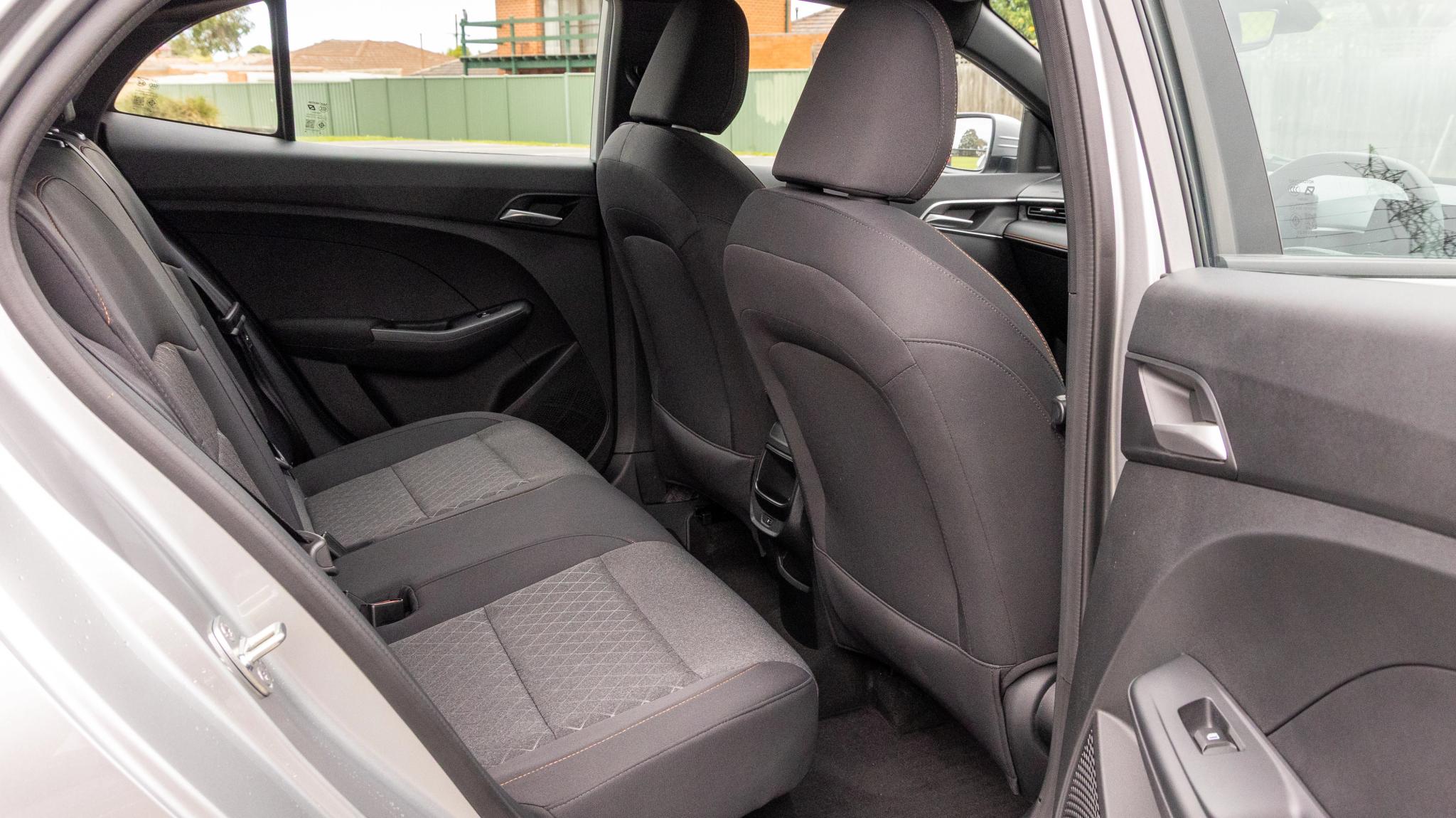
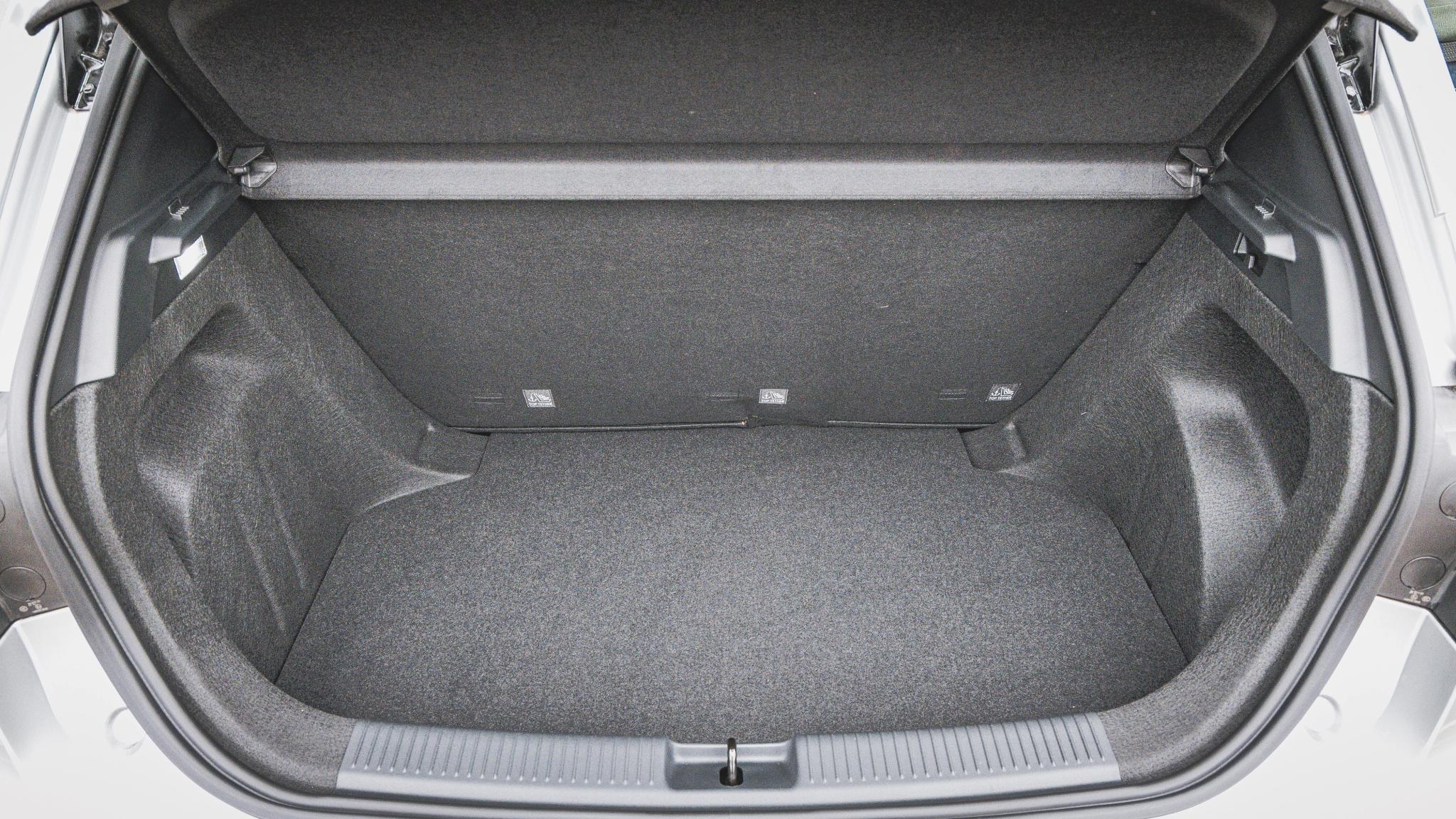
The boot holds 293 litres with the seats up, which is competitive, and 938 litres with them folded. The rear backrest is a single piece rather than a 60/40 split, so carrying a long item and a rear passenger at the same time is not an option.
Storage up front is well judged for the size of the car, with a decent centre console bin, a phone-sized cubby and usable door pockets. Rear amenity is thinner: a small cubby and bottle holders, with air vents on Excite and above.
The petrol cars get a space-saver spare wheel, which the hybrids do without. For a car that will spend its life doing school runs and commutes, that is a more useful feature than most of the equipment on the options list.
What is the MG3 like to drive?
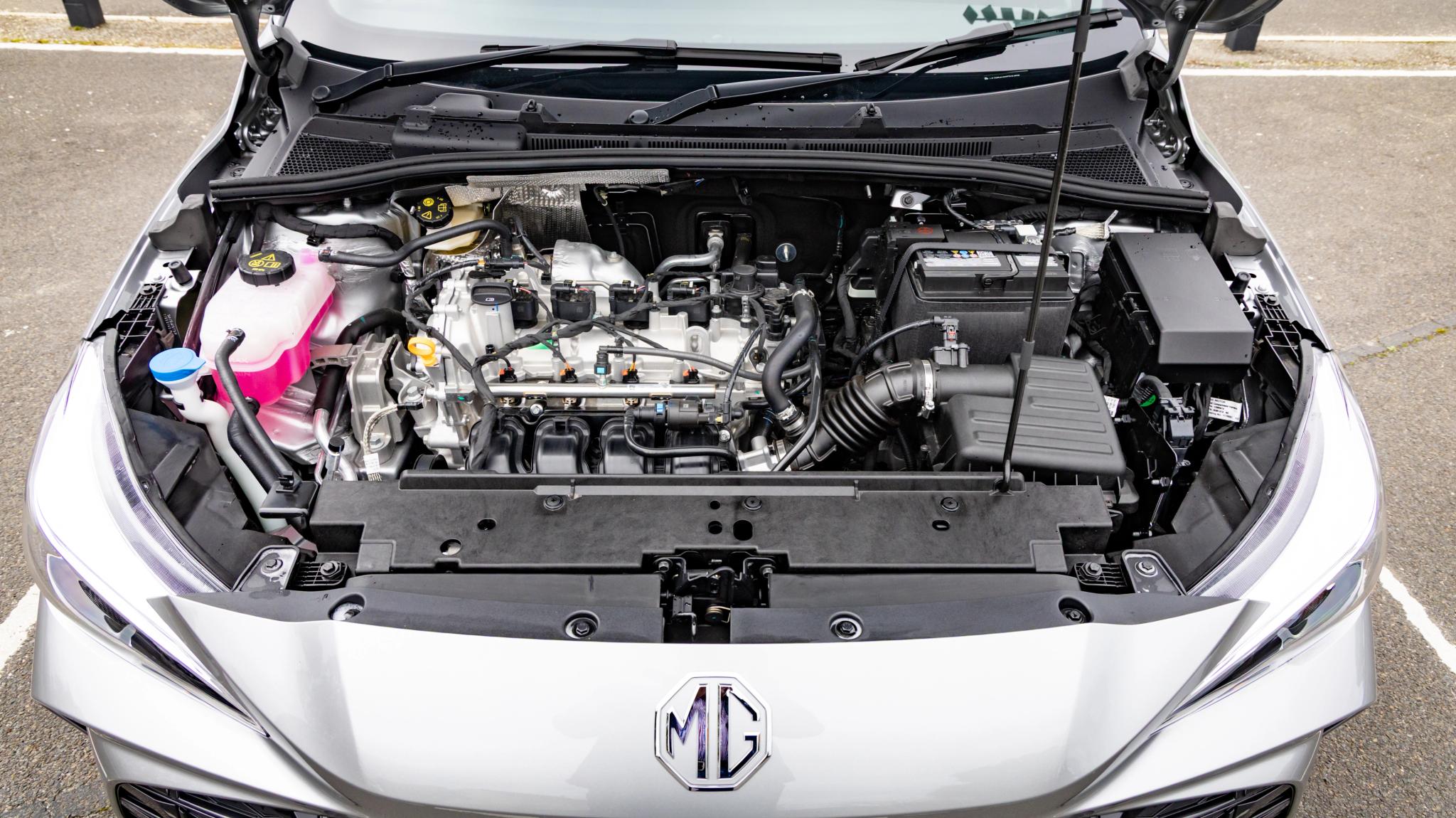
The 1.5-litre four-cylinder makes 81kW and 142Nm, and it drives the front wheels through a CVT. It is not quick, and nobody buying one expects it to be, but there is enough there to get you around without feeling like you are holding up traffic.
Around town it is fine. Light steering, a tight turning circle and good visibility make it easy to park and easy to place, and the CVT keeps the engine in its comfortable range at suburban speeds. This is the environment MG built the car for and it works.
It does like to rev. Merging or climbing a freeway on-ramp means the revs go up and stay up for a while, which is the CVT doing its job rather than a fault, though it is more audible than it is dramatic.
The ride is compliant and genuinely comfortable over bumps, which is not a given for a car this size. The Vibe's 15-inch tyre sidewalls give it a small edge over sharp urban hits, though the 16s on the Excite and Essence give up less than you would think.
Body control is acceptable and it never feels unstable, but it does not enjoy being hurried through corners.
Road noise is much more noticeable at highway speeds, and it could get tiring if you regularly drive longer distances.
How efficient is the MG3?
MG claims 6.0L/100km combined with 139g/km of CO2 and 91 RON regular unleaded. Expect the real figure to sit nearer 7L/100km in mostly urban driving, because getting this car up to speed involves more throttle than the lab cycle assumes.
Where the MG3 does particularly well is ownership costs.
| Ownership | MG3 petrol |
| Warranty | Up to 10 years / 250,000km with MG servicing |
| Service intervals | 12 months / 10,000km |
| Capped-price servicing | 7 years |
MG's headline 10-year term is conditional on servicing on time through the authorised dealer network, with the standard offer sitting at seven years otherwise.
Is the MG3 safe?
The MG3 carries a four-star ANCAP rating and there is an important qualifier. That rating applies to cars built from 30 April 2025 onwards. Anything built before that date, including stock sold new during 2024 and early 2025, carries three stars. Check the build date against the VIN before you buy.
The scorecard reads 74% adult occupant, 75% child occupant, 81% vulnerable road user, and 70% safety assist. Two findings in the frontal offset test are worth knowing about: the driver's airbag bottomed out, allowing head contact with the steering wheel, and the driver's inboard seat runner failed during the test, which ANCAP flagged publicly as needing rectification.
Side impact and pole test results were strong and the centre airbag fitted to newer builds did its job. Child restraint installation scored full marks.
On the assist side, every MG3 gets AEB with car, pedestrian, cyclist and motorcyclist detection, lane-keep assist, adaptive cruise, speed sign recognition and a driver monitoring system. There is no AEB reverse function, which matters for anyone reversing out of a driveway where children play, and no child presence detection.
Blind-spot monitoring and rear cross-traffic alert start at the Excite variant. The Vibe goes without both. That is the strongest single argument for spending the extra $4,000.
What are the main competitors to the MG3?
The Kia Picanto is another value option from around $22,290 driveaway. It is smaller, sharper to drive and backed by a seven-year warranty and a dealer network that has been here for decades, but the cheapest one is a manual and the automatic pushes it further above the Vibe. The MG counters with more space, more screen and a lower price.
The BYD Atto 1 is the electric alternative from around $26,000 driveaway (depending on your state). Its 220km of range in base form makes it an inner-urban proposition rather than an only car, but the running costs are in a different league and the boot is bigger. The MG3 is cheaper and much easier to live with if you regularly drive beyond the city.
The Suzuki Swift is the driver's choice from around $24,990 driveaway. Its mild-hybrid 1.2 is more frugal and the chassis is far more entertaining, which makes it the pick if the drive matters at all. The MG3 answers on price and on equipment.
The Toyota Yaris is the safe bet from around $28,990 plus on-roads. Its full hybrid system is efficient, its resale is the best in the segment and its safety credentials are unimpeachable, but at almost $10,000 more than the Vibe, the Yaris is playing in a very different price bracket.
The MG ZS is another consideration that actually comes from MG itself. It shares this engine and CVT but wraps them in an SUV body with a five-star ANCAP rating, which is a meaningful upgrade for not much money. The MG3 answers with a lower price and a smaller footprint for city parking.
If you’re shopping around $20,000 to $25,000, we’d drive the Picanto and ZS Vibe before deciding. The Swift is also worth a look if fuel economy and driving enjoyment matter more.
Should I buy the MG3?
If you have around $20,000 to spend and want a brand-new car rather than something used, the MG3 Vibe is hard to ignore. There really isn’t much else at this price with an automatic transmission, a 10.25-inch screen, adaptive cruise control and the potential for a 10-year warranty.
It isn’t fancy, but having a new-car warranty, capped-price servicing and modern safety equipment has obvious appeal over a used car.
For most buyers, we’d stretch to the Excite at $23,990 driveaway. The extra $4,000 brings blind-spot monitoring, rear cross-traffic alert and alloy wheels, and it still stacks up well against cars such as the Suzuki Swift and Kia Picanto.
The main thing that would make us look elsewhere is regular highway driving. The MG3 has enough performance, but road and engine noise become more noticeable at speed. Around town and through the suburbs it makes much more sense.
If that’s where most of your driving happens, the MG3 gets a lot right for the money. And at the bottom end of the new-car market, there still isn’t much that can match it on price.
VerdictThe Beep Verdict
Rob Leigh
Co-founder & Director
Rob Leigh is Co-founder and Director of The Beep based in Melbourne, Australia. He has 15+ years inside a major automotive OEM, specialising in product planning, pricing and vehicle strategy.
About Author