2026 GWM Haval H6 PHEV review
The plug-in hybrid Haval H6 quietly fixes most of what held the old car back and at this price it forces every mainstream medium SUV to justify itself.

Rob Leigh
Pros
- 80km+ of real-world EV range for around $44,000 driveaway
- Roomy, well-built cabin with real family space
- Transformed once you dig into the driver settings
Cons
- Brake feel takes a solid week to learn
- Centre console trim looks cheap and marks instantly
- No spare wheel, just a repair kit
Our verdict
This is the H6 for anyone who drives 40 or 50 kilometres a day and can plug in overnight, because you will barely touch the fuel filler. It nails the value equation and the family brief, and the powertrain is far smoother than the hybrid that came before it. The catch is that you need to spend an evening in the settings menus before the car shows you what it can actually do.
What does the Haval H6 PHEV cost in Australia?
The broader H6 range opens at $35,990 driveaway for the base petrol Lux, with hybrids slotting in above that. The plug-in hybrids sit at the top, and they are the ones worth your attention.
| Specifications | Lux PHEV | Ultra PHEV | Ultra PHEV AWD |
| Driveaway price | $44,990 | $47,990 | $50,990 |
| Powertrain | 1.5L turbo PHEV | 1.5L turbo PHEV | 1.5L turbo PHEV |
| Power | Torque | 240kW | 540Nm | 240kW | 540Nm | 268kW | 760Nm |
| Transmission | DHT | DHT | DHT |
| Drivetrain | FWD | FWD | AWD |
| 0-100km/h | - | - | 4.8 sec |
| Fuel use (claimed) | 1.0L/100km | 1.0L/100km | 1.1L/100km |
| Electric range (NEDC) | 106km | 106km | 100km |
| Battery | DC charging | 19.09kWh | 34kW | 19.09kWh | 34kW | 19.09kWh | 34kW |
| Braked towing | 1500kg | 1500kg | 1500kg |
| ANCAP | Five stars (2022) | Five stars (2022) | Five stars (2022) |
| Warranty | 7 years | Unlimited km | 7 years | Unlimited km | 7 years | Unlimited km |
View Haval H6 driveaway pricing and specifications →
The Lux PHEV is the new entry point with the same front-drive powertrain as the Ultra PHEV but less equipment. The Ultra adds heated and ventilated front seats, a panoramic sunroof, a head-up display and a nine-speaker sound system.
A $3,000 walk from the front-drive Ultra to the AWD is not much of a decision, and the AWD car brings a second motor on the rear axle, 268kW and 760Nm, and a claimed 4.8-second sprint to 100km/h. Whether you need any of that in a family SUV is another question, but it is there.
Context helps. Plug-in hybrid medium SUVs from the established Japanese brands still ask well north of $55,000 before on-road costs, and the closest Chinese rivals are trading in the same territory as the H6 rather than undercutting it.
GWM has priced this thing to be difficult to argue with.
What does the Haval H6 look like?
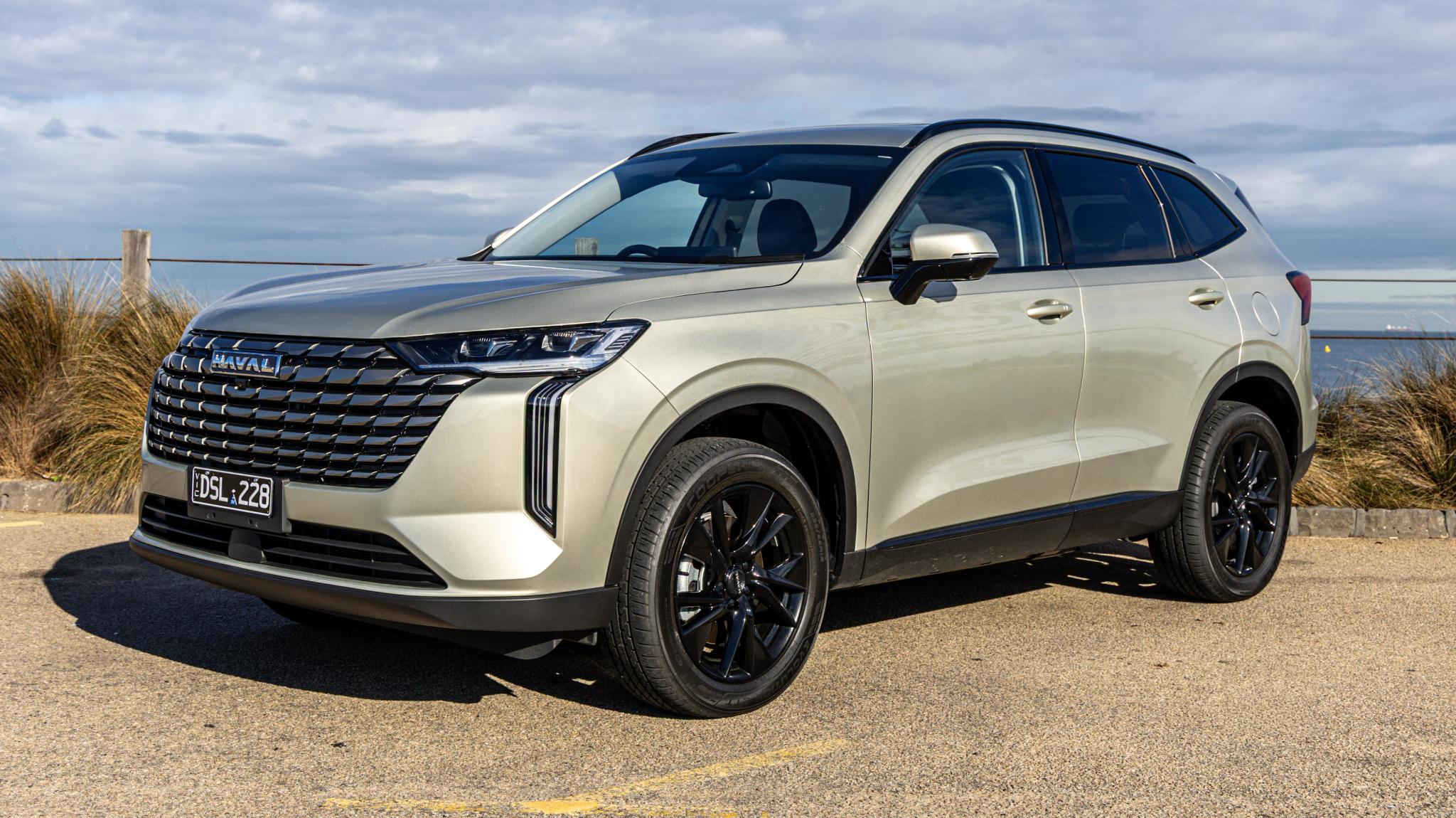
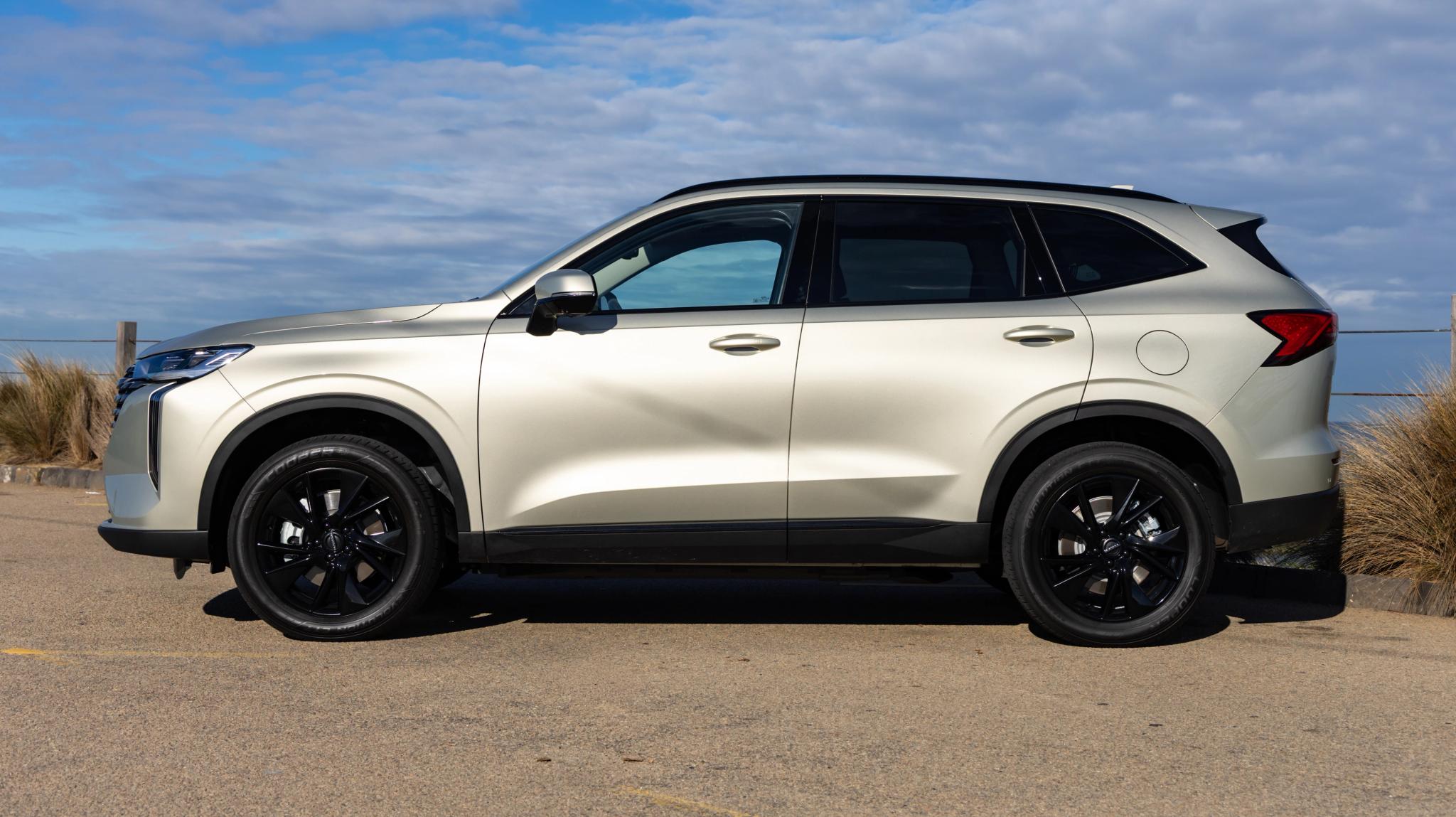
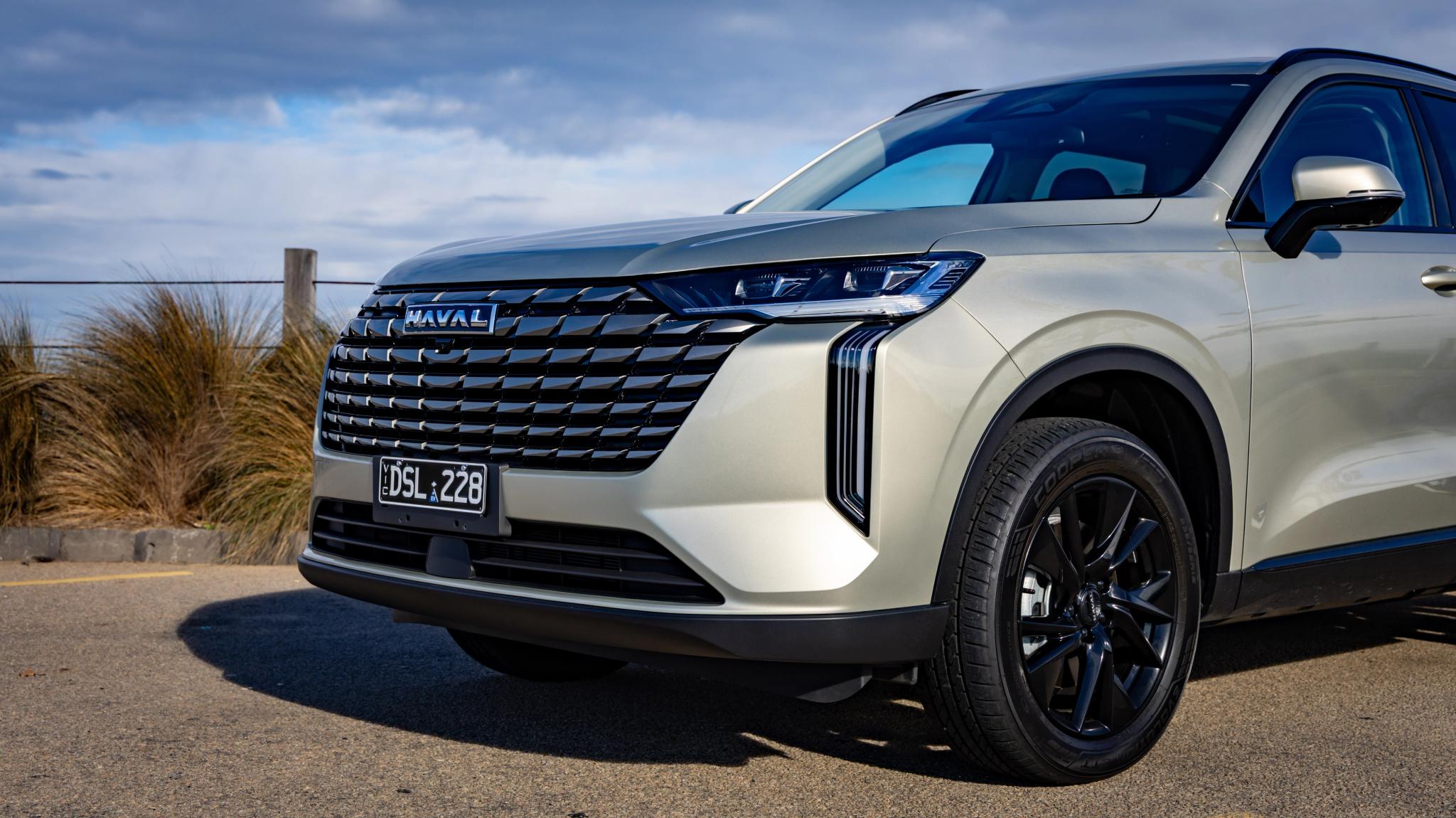
The H6 has always worn its size well and the current face is the best it has looked.
The grille is a big, mesh-filled slab, flanked by slim LED headlights with vertical daytime running strips that give the front end some structure rather than just width. It is not fussy, which is a relief in a segment where a lot of designers seem to be paid by the crease.
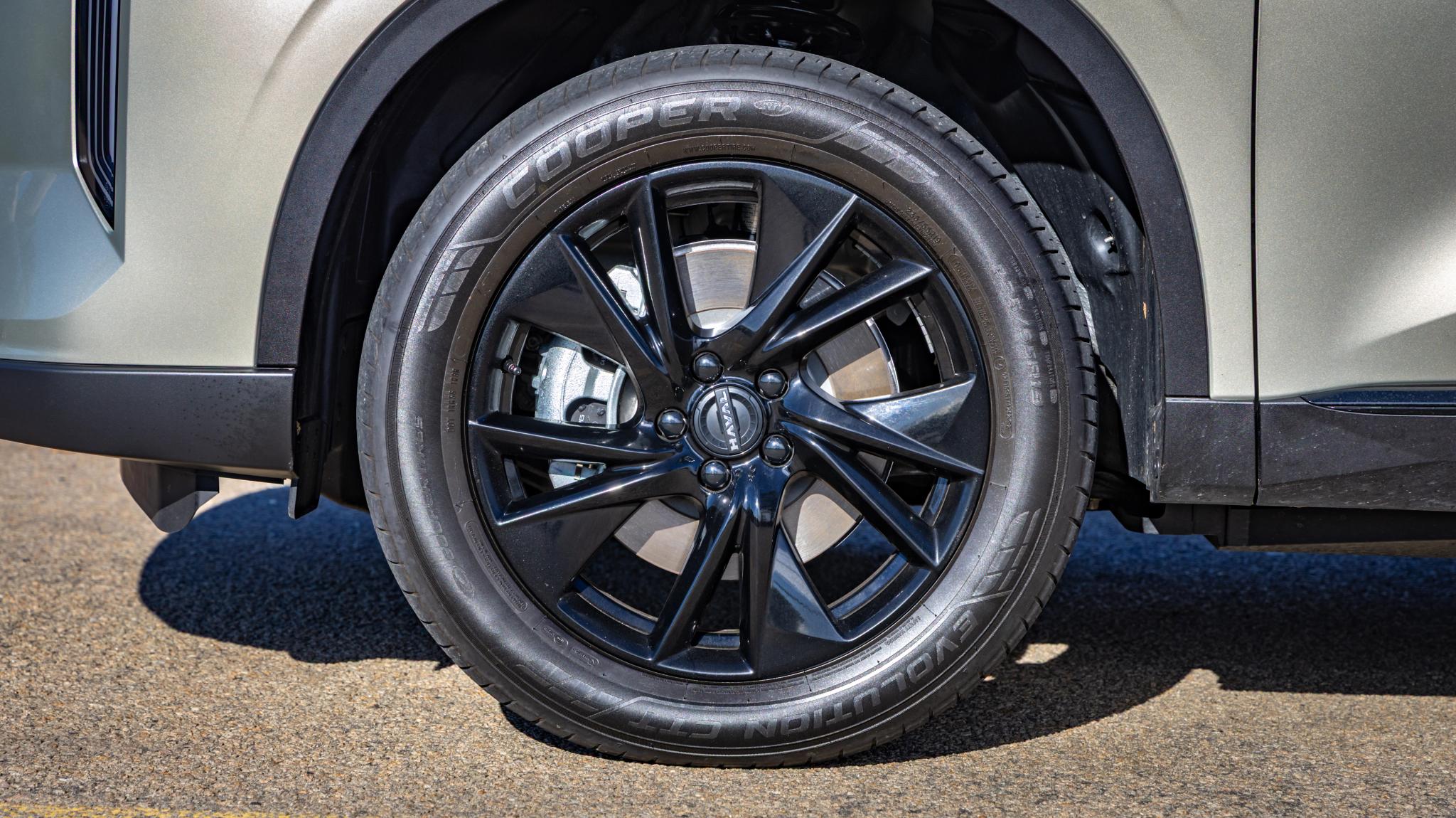
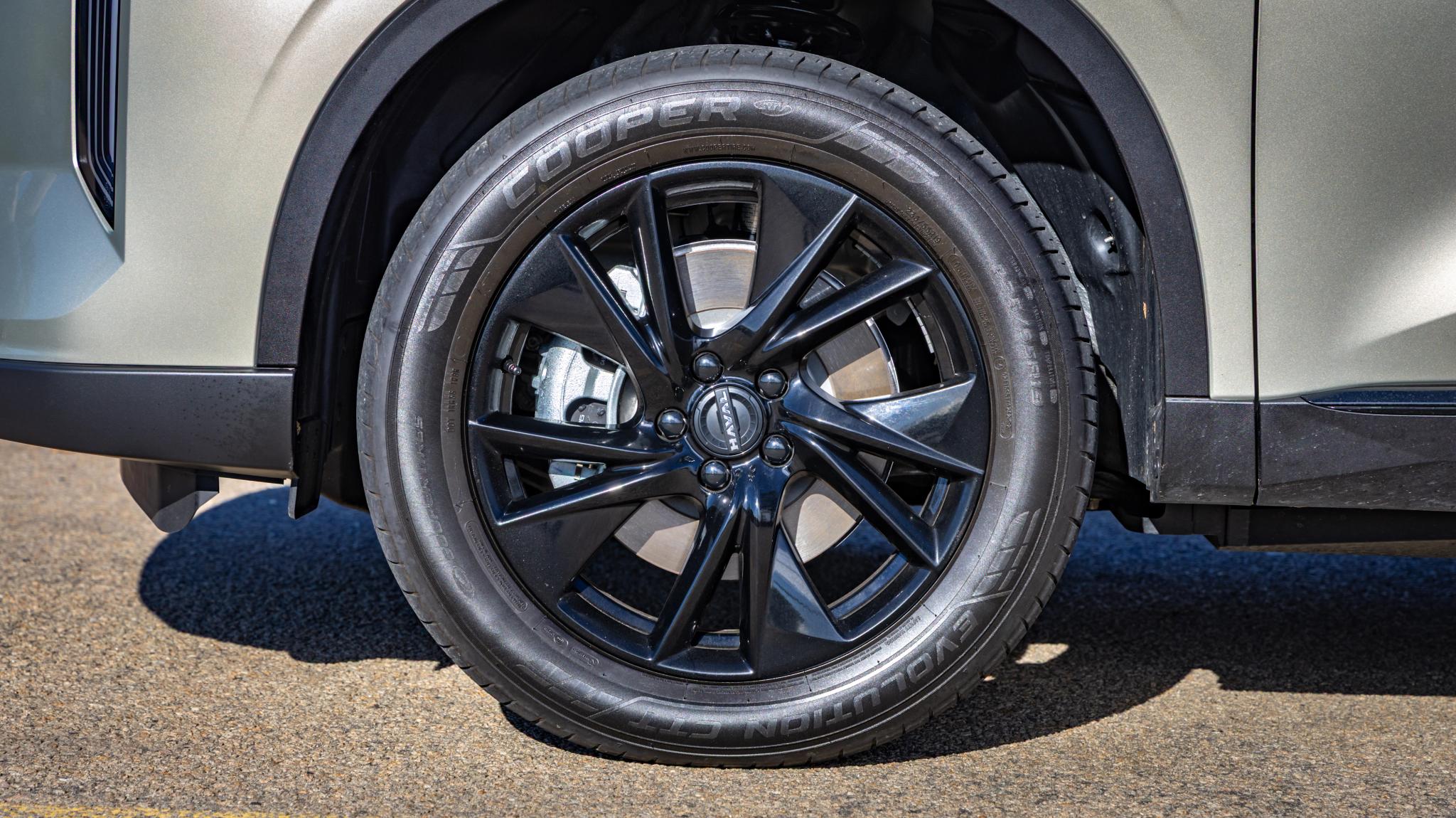
19-inch black alloys are standard on the Ultra and they fill the arches properly.
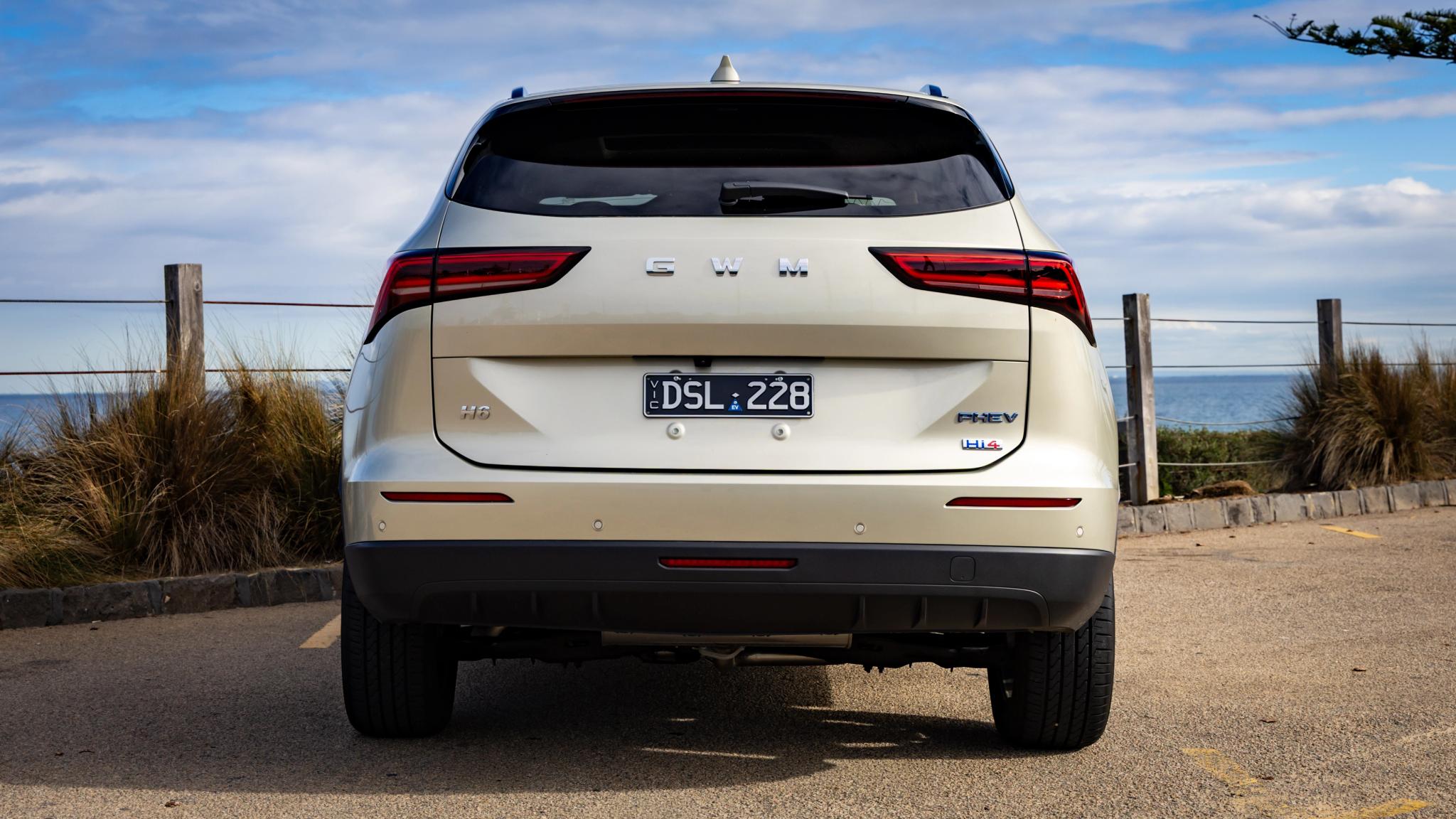
Down the side you get a long, flat bonnet line and a roofline that stays high all the way to the tailgate, which is exactly why the boot is as good as it is. Rear privacy glass and a panoramic roof come standard on this grade.
What surprises most people is the footprint. At 4703mm long with a 2738mm wheelbase, this is a medium SUV pushing hard at the upper limit of the category. Park it next to a RAV4 and the Haval looks like it has been left in the dryer too long.
Hamilton White is the no-cost colour and everything else is $495.
What is the Haval H6 like inside?
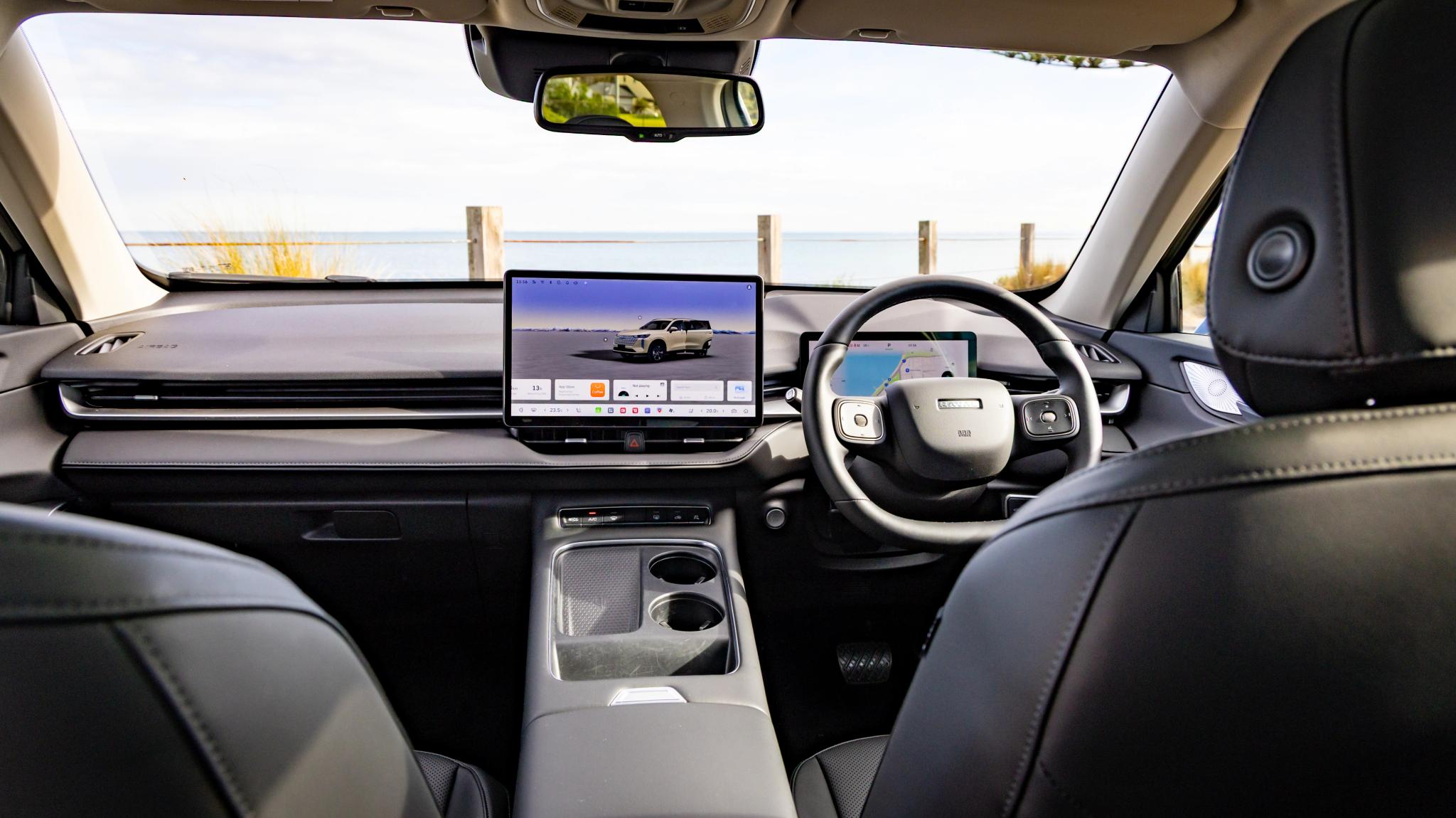
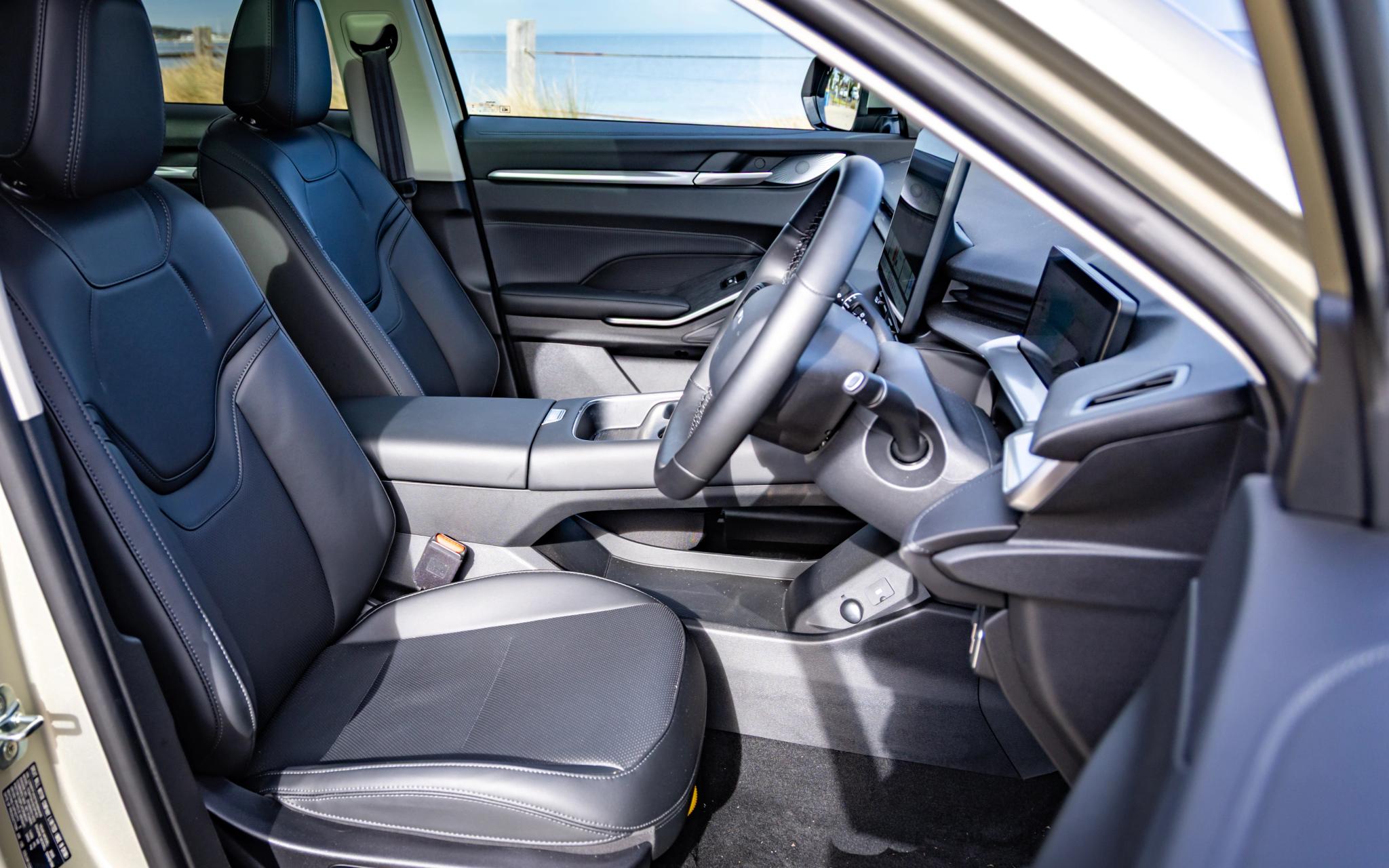
The dashboard is clean and horizontal, dominated by a 14.6-inch touchscreen and backed by a 10.25-inch driver's display and a head-up display. There is a proper sense of architecture to it, helped by a high centre console that wraps around the driver.
One thing to note is that the steering wheel sits at a fairly forward angle, which takes a moment to get used to if you have stepped out of something more conventional. There is plenty of reach and rake in the column and six-way adjustment in the driver's seat, so finding a comfortable position is easy enough. Worth a quick sit in the showroom all the same.
Soft-touch surfaces cover the areas you actually lean on, the synthetic leather feels convincing, and the metallic speaker grilles are lifted straight out of a German playbook. It looks expensive in photos and it does not fall apart when you sit in it.
Two gripes. The centre console trim is a light-coloured rubbery plastic that picks up marks the moment a fingernail gets near it, and after a week it looked tired.
And in 2026, on a car with wireless CarPlay and a 50W wireless charger, there is no excuse for USB-A ports in the front row.
The screen software in the PHEV is a generation ahead of the petrol cars, with permanent shortcut icons along the bottom edge and much faster response.
It still buries too much. Climate functions, seat heating and, absurdly, the volume slider all live behind menus. There is a configurable button on the steering wheel, and you should set it up on day one.
How practical is the Haval H6?
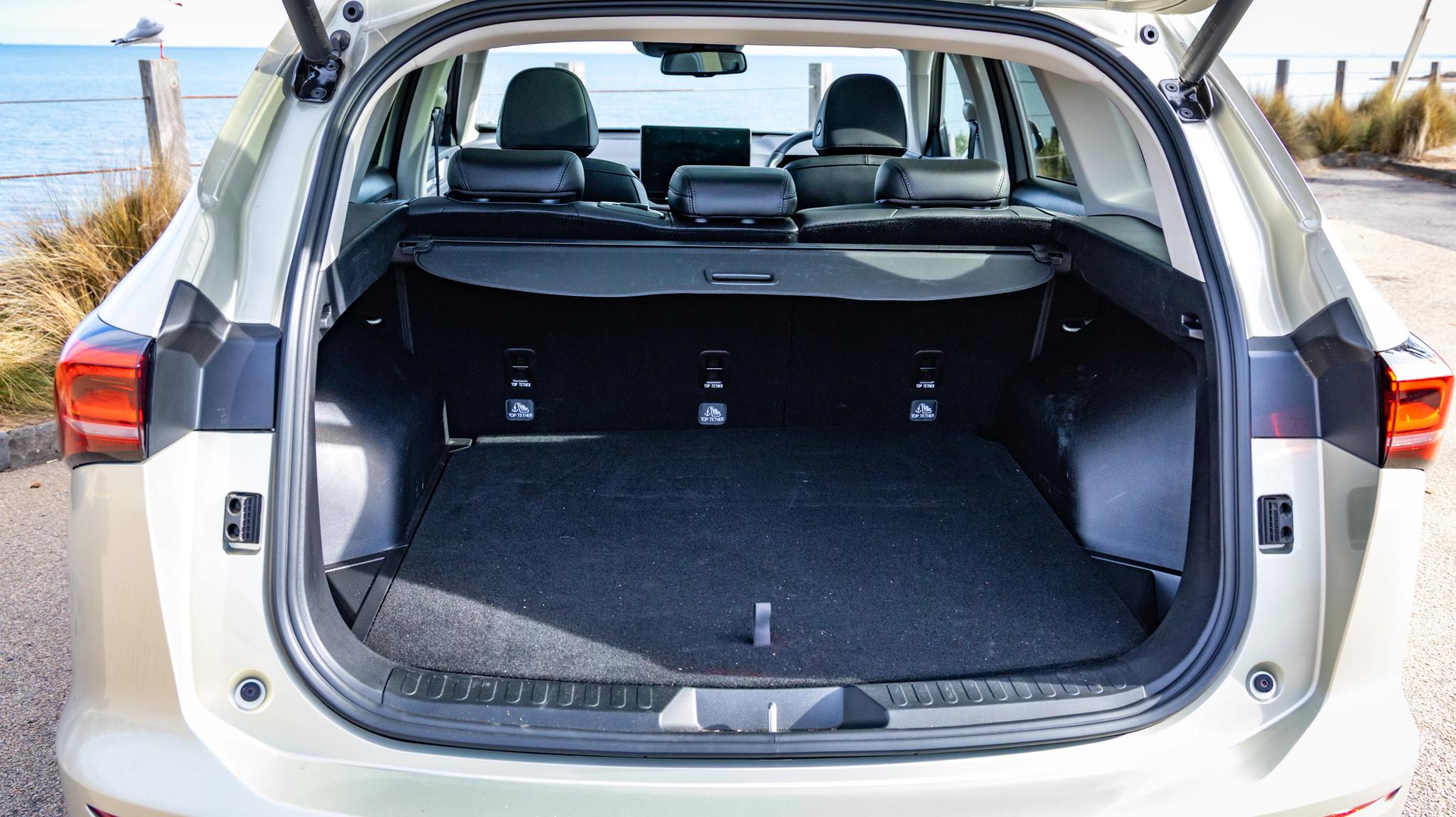
This is where the H6 quietly wins. Rear legroom is among the best in the class, the floor is flat, and the panoramic roof keeps the second row feeling open rather than cave-like. Three across the back on a school run is a realistic proposition rather than a punishment.
Back there you get air vents, USB-A and USB-C outlets, map pockets, door bins and a fold-down armrest with cupholders. The seat backs recline, though the bench does not slide.
The boot is 560 litres with the seats up, expanding to 1445 litres folded, and the PHEV gives up nothing to the petrol cars for battery packaging. There is a powered tailgate on the Ultra.
There is no spare wheel, only a repair kit, which is a genuine consideration if you spend time on gravel. Braked towing is 1500kg on the plug-in hybrids, down from 2000kg on the petrol.
Cabin storage is sorted: a deep console bin, a tray beneath the console, sectioned door bins and a wireless charging pad that actually holds a phone in a corner.
What is the Haval H6 like to drive?
The first day I drove this car I did not enjoy it. The steering felt vague, the throttle felt disconnected, and it did not feel like the car the spec sheet promised.
Then I went digging through the drive settings, and it became a different vehicle.
Steering weight, throttle mapping, regen strength and the aggressiveness of the driver assistance systems are all adjustable, and the defaults GWM ships are tuned for someone who has never driven a car before. Dial the steering up, sharpen the throttle, back the lane-keeping off, and the H6 tightens up noticeably. It is more direct, more settled, more willing.
That should be a criticism, and it is. Most buyers will never find those menus and will judge the car on how it drove out of the dealership. But if you own one, it takes ten minutes and it is worth every second.
Once sorted, the plug-in hybrid drivetrain is the star. On electric power alone it is quiet and genuinely quick, with instant response off the line and enough shove to make merging a non-event.
It is a far smoother thing than the older hybrid, which never quite worked out what it wanted to do with its transmission. Around town, the petrol engine can go days without waking up.
Ride quality has come a long way thanks to the local suspension tuning programme. Speed humps, expansion joints and tram tracks are dealt with calmly. Push it over larger, sharper hits and you feel the mass, because there is close to two tonnes here and physics does not negotiate, but it is settled where the old car was busy.
The brakes are the thing you will need to learn. The transition from regenerative braking to friction braking is not seamless, and stopping smoothly at a set of lights takes practice. Low-speed manoeuvring has a similar creep-and-lurch character that keeps you hovering over the pedal in a carpark. Neither is a dealbreaker. Both take a week.
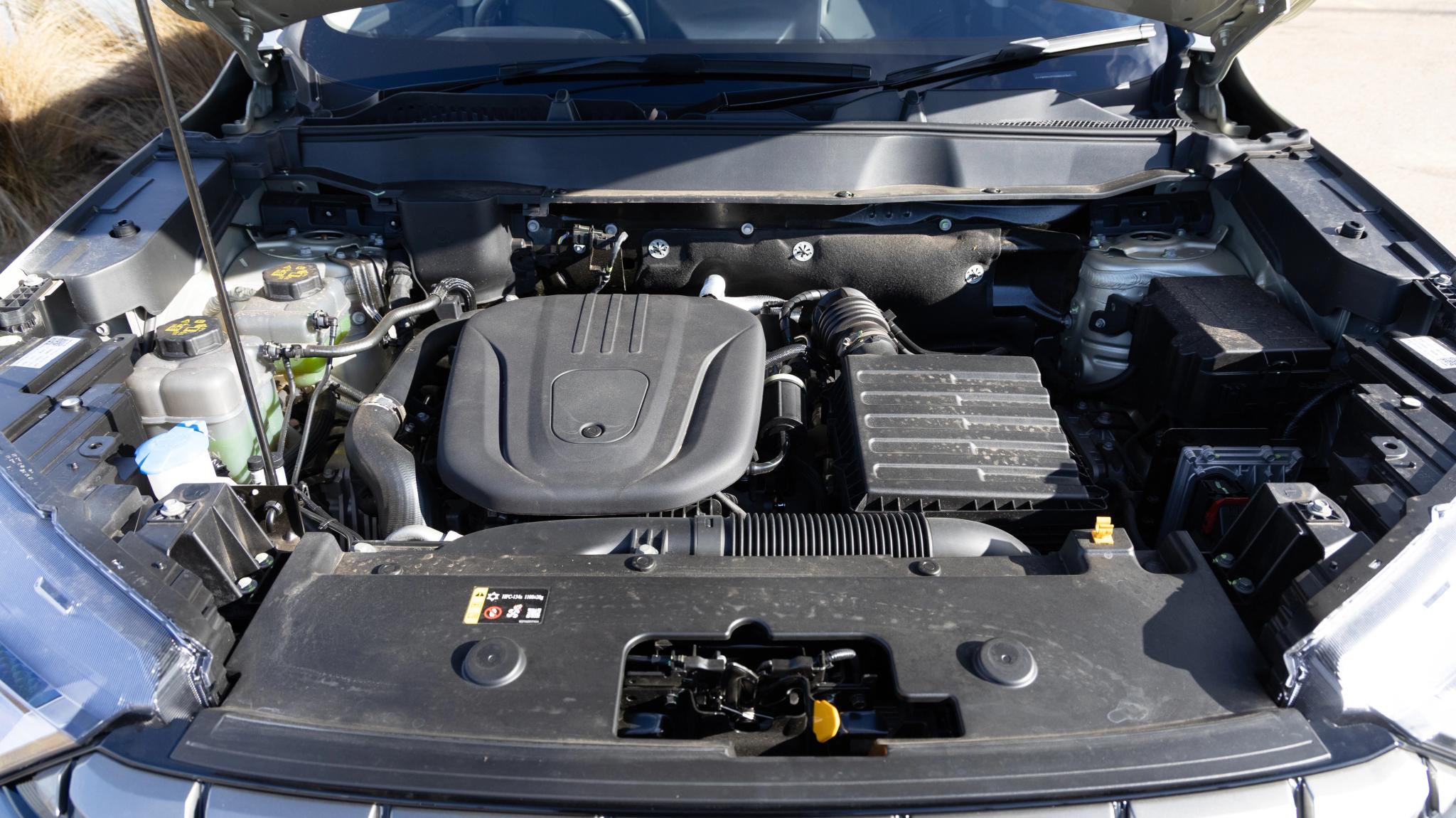
Run the battery flat and the little 1.5-litre makes itself heard more than you would like under load, but it never intrudes on a cruise.
How efficient is the Haval H6?
The claimed electric range is 106km on the NEDC cycle for the front-drive car and 100km for the AWD. NEDC is optimistic by nature, but the real-world figure lands somewhere in the 80 to 90km bracket, which is more than enough to cover a typical week of commuting on electricity alone.
The 19.09kWh LFP battery takes 6.6kW AC charging, so a home wallbox will fill it overnight comfortably. It also accepts 34kW DC fast charging, which is rare on a plug-in hybrid and useful on a road trip.
Combined consumption is claimed at 1.0L/100km for the FWD and 1.1L/100km for the AWD, which are lab numbers that assume a charged battery. Keep it plugged in and you will beat them. Run the battery down and expect around 6.0L/100km in the real world, which is respectable for something this heavy and this quick. It drinks 91 RON from a 55-litre tank.
Ownership costs are strong. GWM offers a seven-year, unlimited-kilometre warranty with an eight-year warranty on the battery, plus five years of roadside assistance if you service with the network. Service intervals are 12 months or 15,000km, with the first visit due at 10,000km.
| Servicing | Cost |
| 3 years | $1085 |
| 5 years | $2140 |
Is the Haval H6 safe?
The H6 carries a five-star ANCAP rating from 2022, applied across the range including the plug-in hybrids. The scores were 90% for adult occupant protection, 88% for child occupant protection, 73% for vulnerable road users and 81% for safety assist.
The kit list is comprehensive: autonomous emergency braking with pedestrian, cyclist and junction detection, adaptive cruise with traffic jam assist, lane-keep and lane-centring, blind-spot monitoring, rear cross-traffic alert, a 360-degree camera, driver fatigue monitoring, traffic sign recognition and seven airbags.
The calibration is the weak point. On unmarked or narrow roads the lane-keeping system is too eager and will tug at the wheel when it should leave you alone, and the speed sign chime gets old fast.
GWM at least lets you turn the steering intervention off entirely, which more brands should allow. It should not need doing, but it can be done.
What are the main competitors to the Haval H6?
The Geely Starray EM-i is the one we'd point most buyers towards in this bracket. It undercuts almost everything on price, the series-hybrid setup is clever and impressively efficient and it drives with a maturity the numbers don't hint at. Geely is the newer name of the two in Australia, but on value alone it is the H6's most serious problem.
The BYD Sealion 6 is the direct threat and the one most cross-shoppers will drive back to back. It is a similarly sized plug-in hybrid at similar money with a strong efficiency story, though the Haval counters with a bigger boot and a nicer-feeling cabin.
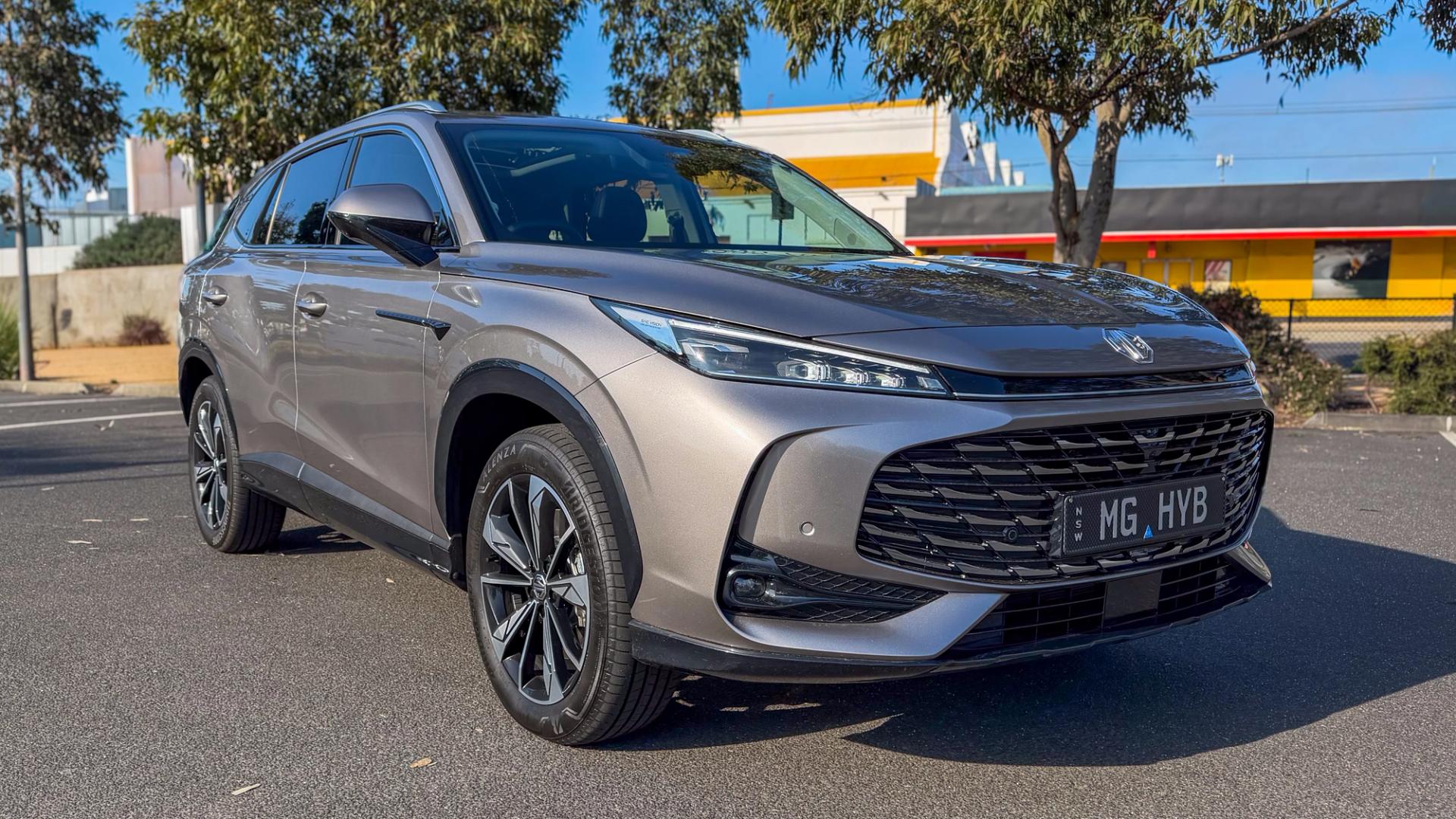
The MG HS Super Hybrid claims more electric range and matches the H6 on value, but it is a less resolved thing to drive and its interior does not have the same sense of occasion.
The Toyota RAV4 remains one of our favourite family SUVs, and the plug-in version is a genuinely excellent car. It is also a long way north of $55,000 before on-road costs, which puts more than ten grand between it and a Haval that does most of the same jobs. Buy it for the resale and the reliability record, not because it beats the H6 on value.
The Mitsubishi Outlander PHEV is the choice if you need seven seats and want a longer-established dealer network, though you will pay a substantial premium for the privilege even accounting for run-out discounting.
Should I buy the Haval H6?
If you can charge at home then it’s a serious contender.
Plug it in overnight and the H6 PHEV becomes an electric car for the weekly grind, with a petrol engine sitting in reserve for the long weekend away. Ignore the charging cable and you have simply bought a heavy, quick, thirsty-ish hybrid, and the point evaporates.
Go the front-drive car unless you regularly drive on gravel or in the wet hills, because the extra 28kW is fun for about a fortnight and the FWD version is the sweeter thing to live with.
Then before you leave the driveway spend ten minutes in the settings menus. The H6 that arrives from the factory and the H6 that exists after you have configured it are not the same car.
This is easily the best Haval H6 GWM has made, and for the money it is very hard to talk anyone out of.
VerdictThe Beep Verdict
Rob Leigh
Co-founder & Director
Rob Leigh is Co-founder and Director of The Beep based in Melbourne, Australia. He has 15+ years inside a major automotive OEM, specialising in product planning, pricing and vehicle strategy.
About Author