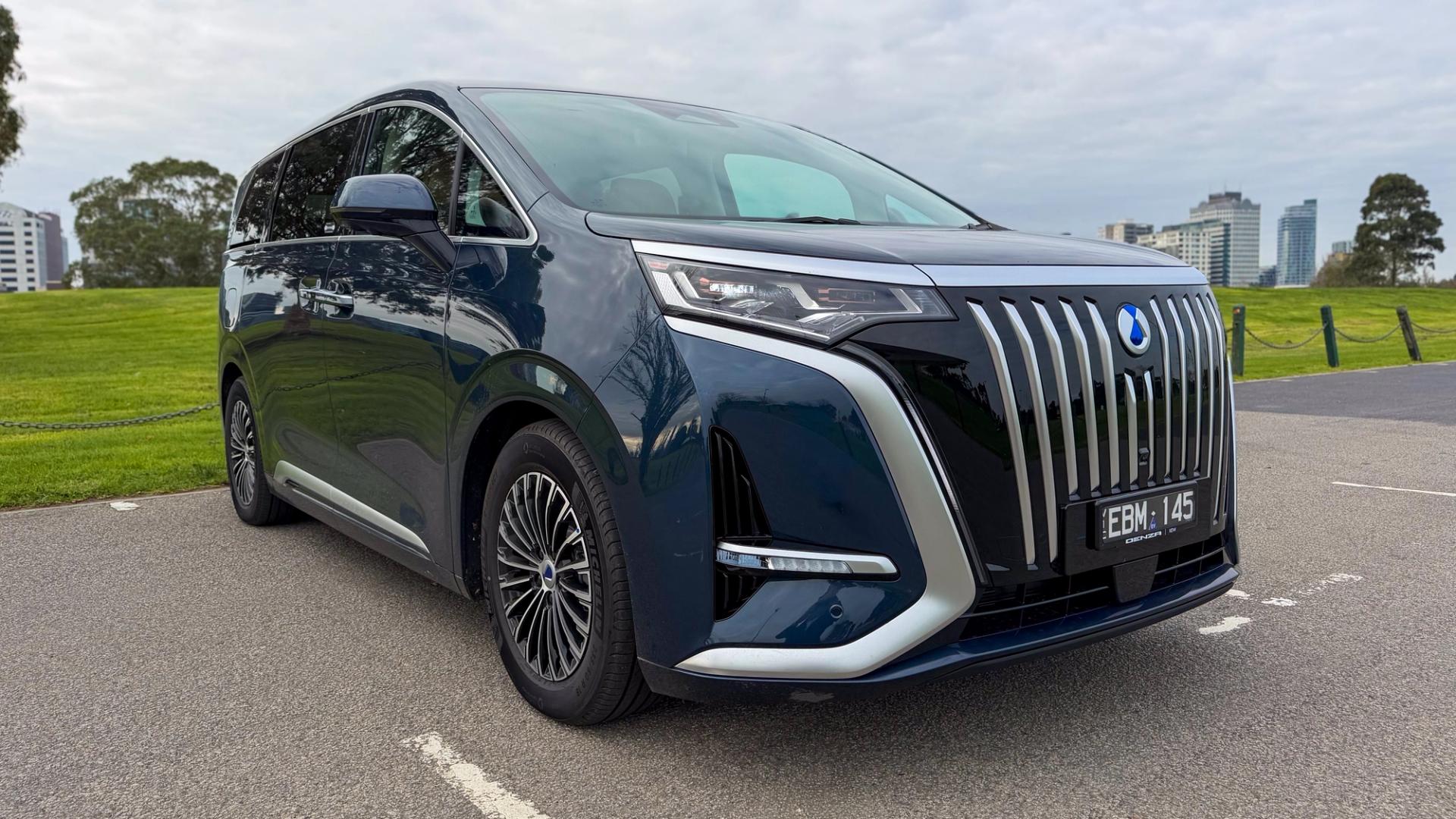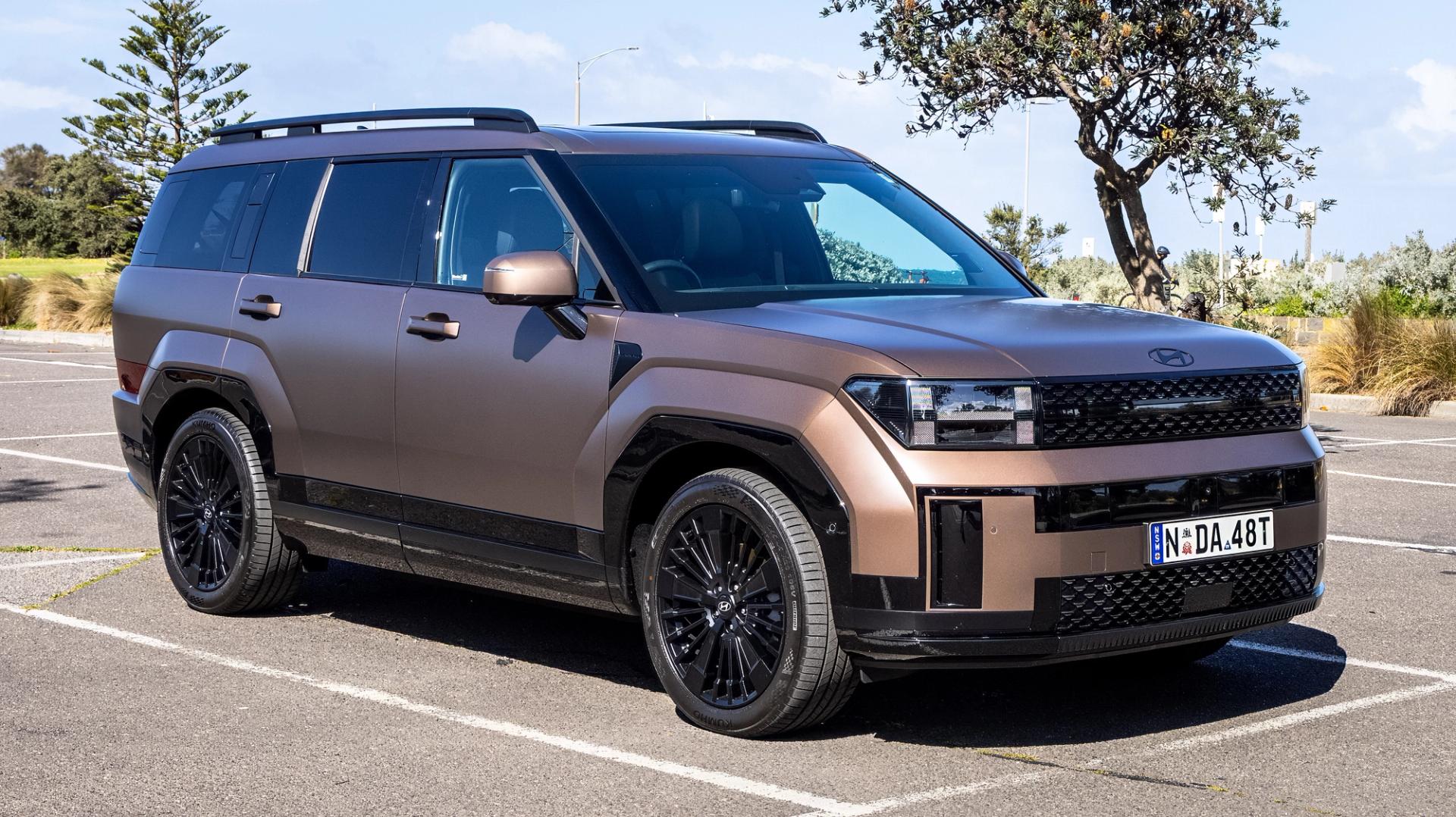
2026 Denza B5 review
The B5 is the first Chinese four-wheel drive that feels genuinely engineered rather than merely equipped, and it lands with enough performance, luxury and hardware to make Prado buyers hesitate.

Rob Leigh
Pros
- Luxury-car equipment at mainstream 4WD money
- Genuinely well-sorted plug-in hybrid drivetrain
- Real off-road hardware, not just drive modes
Cons
- Noticeable lag off the throttle
- Driver attention monitor is relentless
- Payload and towing maths don't add up
Our verdict
The Denza B5 is aimed squarely at the buyer who wants a Prado but has quietly stopped caring about diesel. It delivers luxury-brand equipment, 400kW and legitimate low-range hardware for the price of a mid-spec Toyota, which is a serious proposition.
The catch is weight: at roughly three tonnes it eats into payload, towing headroom and outright polish, and nobody yet knows how any of this ages.
What does the Denza B5 cost in Australia?
Two variants, and the gap between them matters more than the $5,000 suggests.
| Specifications | B5 | B5 Leopard |
| Price excluding on-roads | $74,990 | $79,990 |
| Powertrain | 1.5L turbo PHEV | 1.5L turbo PHEV |
| Power | Torque | 400kW | 760Nm | 400kW | 760Nm |
| Transmission | e-CVT | e-CVT |
| Drivetrain | 4WD | 4WD |
| 0-100km/h | 4.8 sec | 4.8 sec |
| Fuel use (claimed) | 3.9L/100km | 3.9L/100km |
| Electric range (WLTC) | 90km | 90km |
| Battery | DC charging | 31.8kWh | 100kW | 31.8kWh | 100kW |
| Braked towing | 2500kg | 3000kg |
| ANCAP | Five stars (2025) | Five stars (2025) |
| Warranty | 6 years | 150,000km | 6 years | 150,000km |
View Denza B5 driveaway pricing and specifications →
In driveaway terms the entry car sits around $82,000 depending on state, with the Leopard landing closer to $87,000. That is Prado GXL money for a vehicle carrying kit you’d normally have to reach into Kakadu territory to find, and the Leopard undercuts a Lexus GX by roughly $40,000 while offering a comparable feature list.
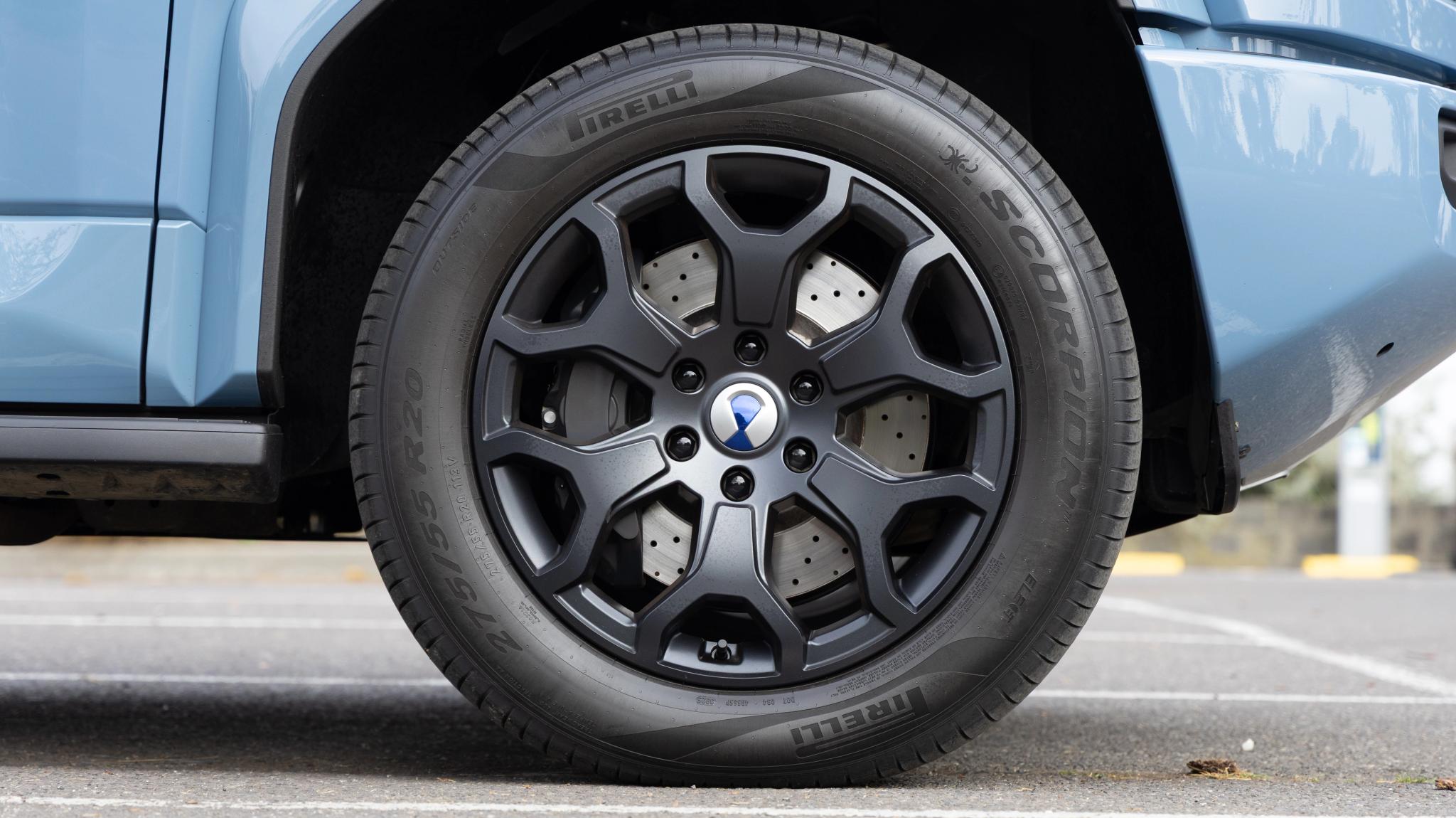
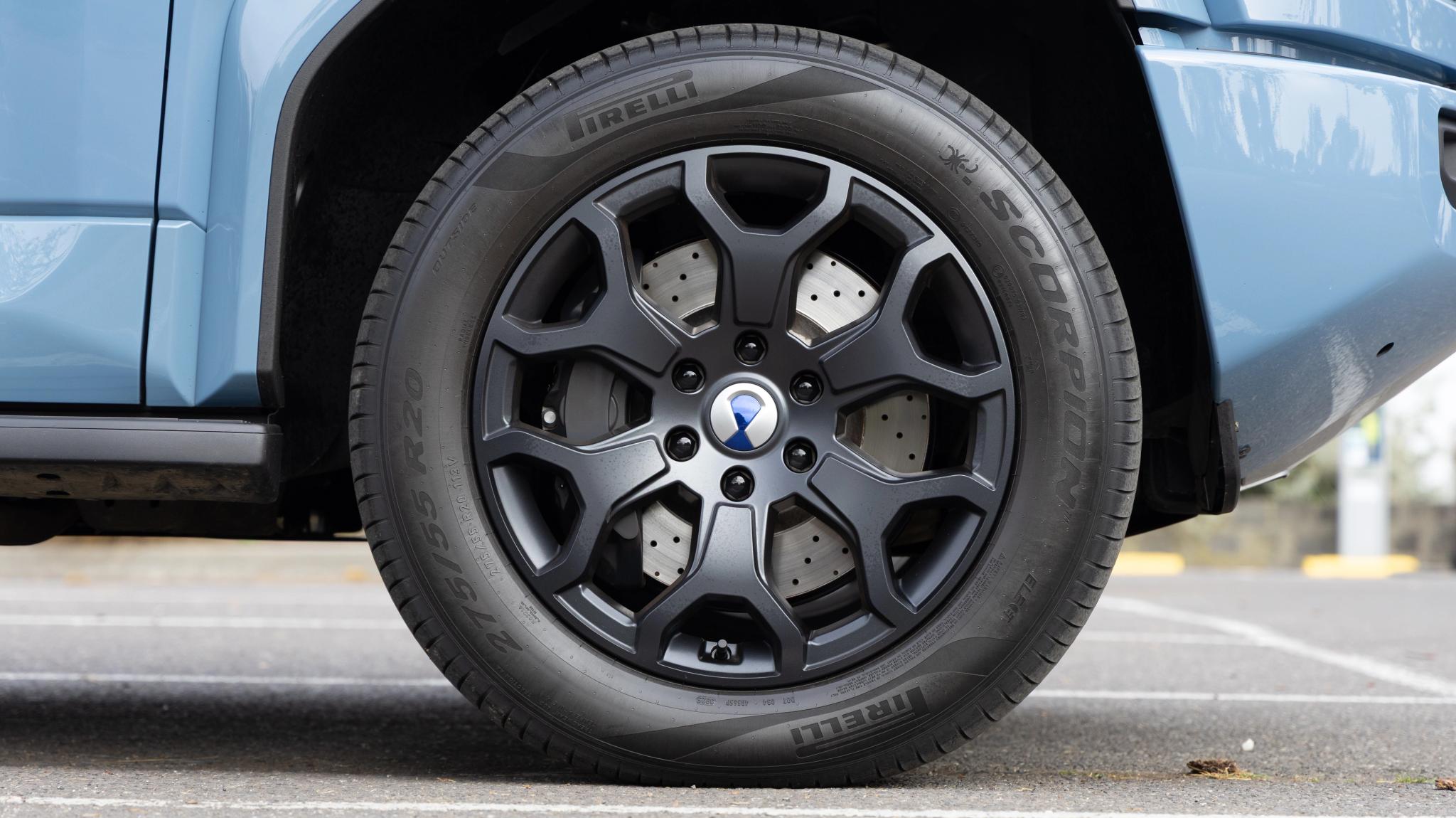
The Leopard’s $5,000 premium buys DiSus-P hydraulic suspension, Nappa leather, ventilated rear seats, 20-inch wheels and a digital rear-view mirror. The suspension alone justifies it. It transforms the way the car rides and it unlocks the headline 310mm of ground clearance, so unless you’re buying purely on price, the Leopard is the one to have.
What does the Denza B5 look like?
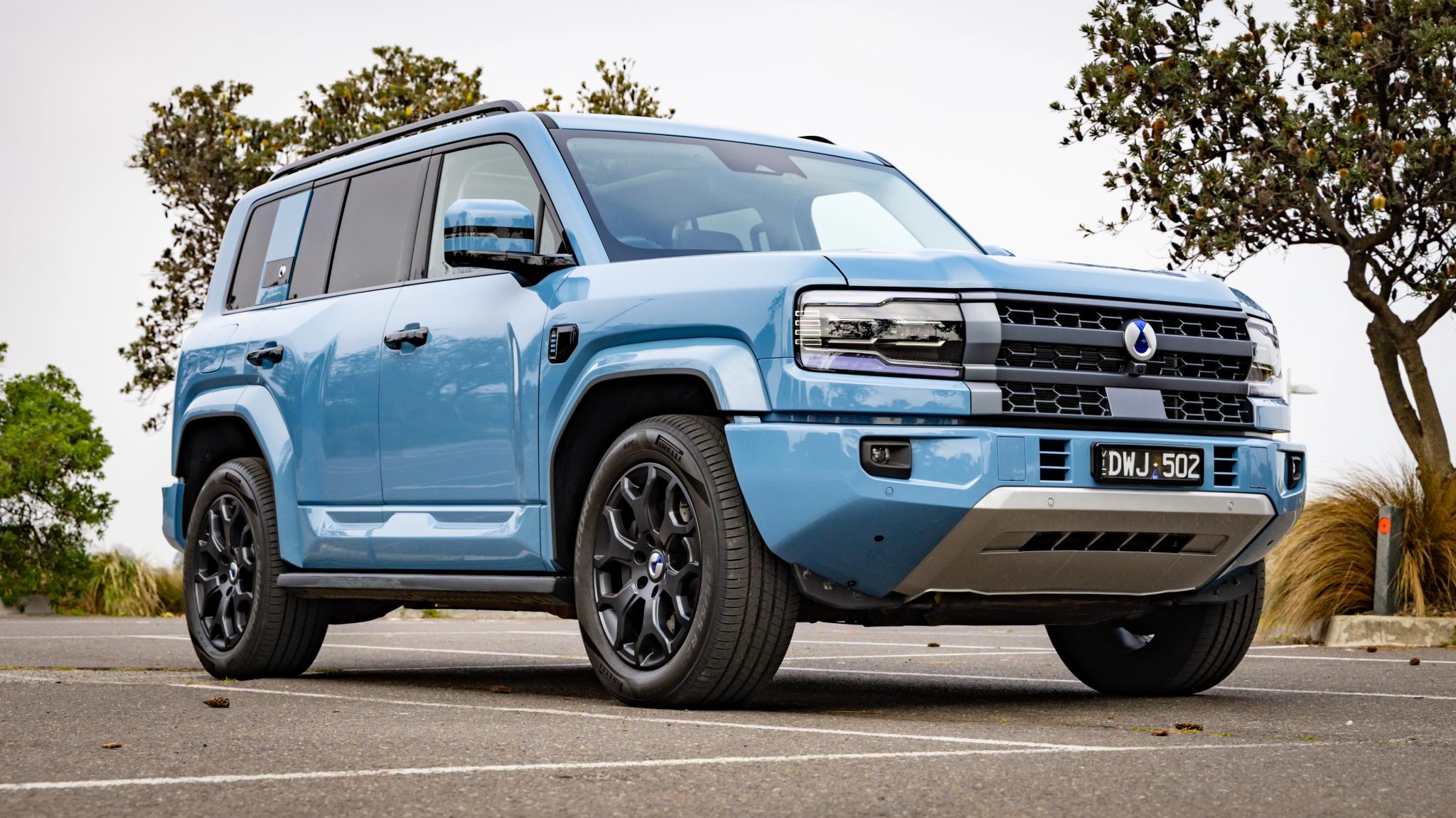
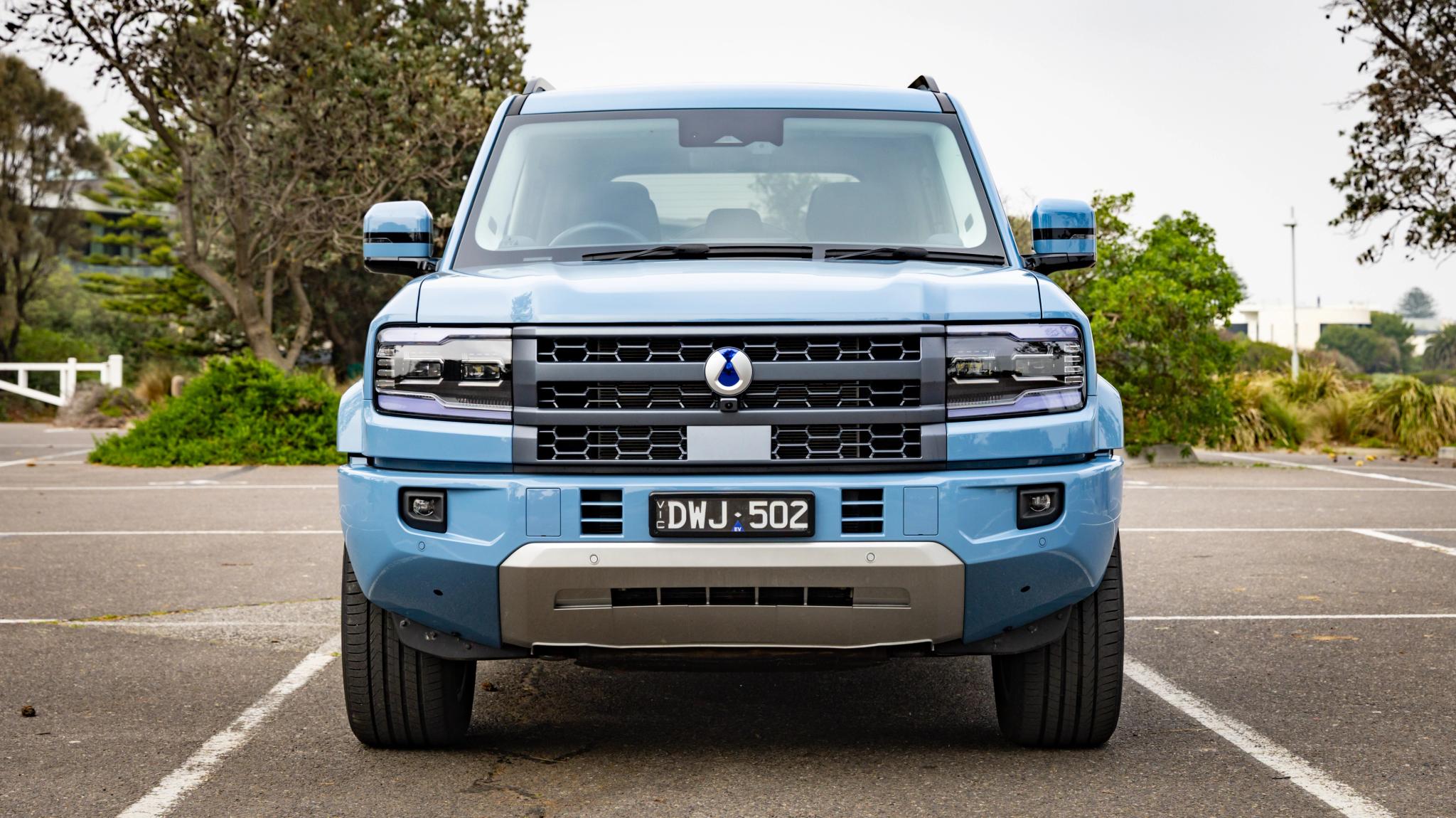
Presence is not something you can option and the B5 has it in abundance.
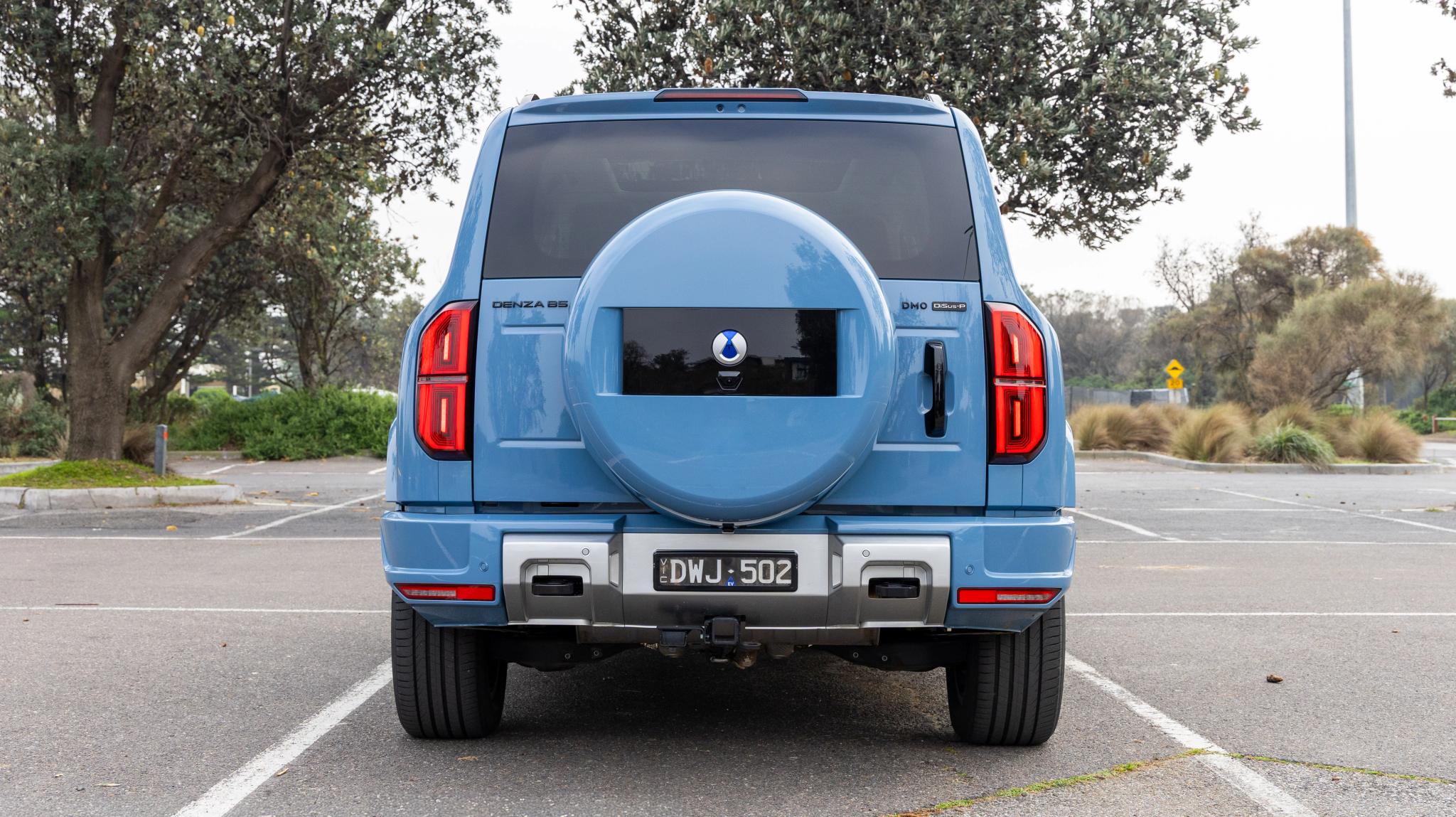
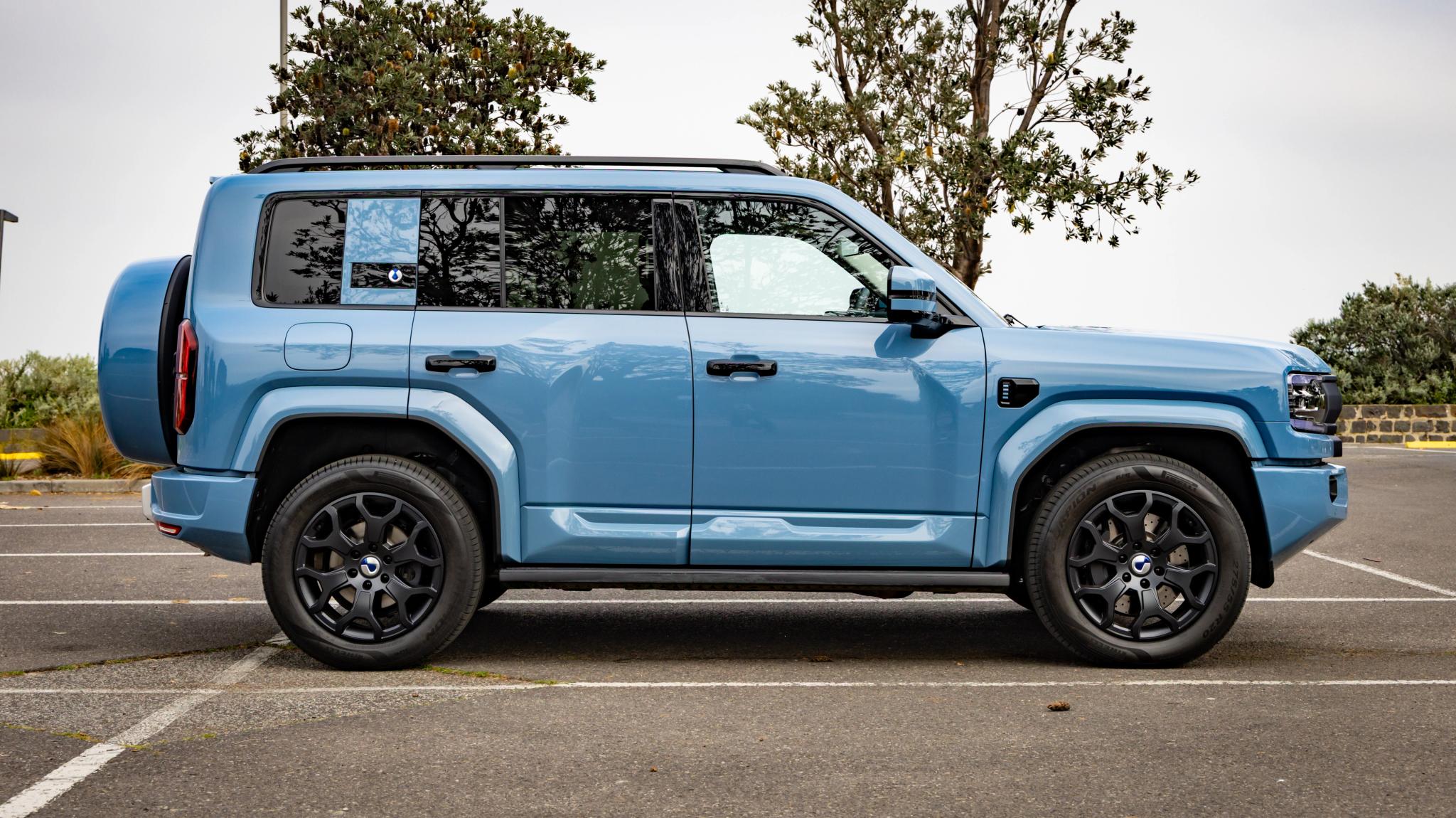
It's short in the overhangs, square through the body and tall enough to make a Prado look slightly apologetic in a car park. The tailgate-mounted spare and the flat, upright glasshouse do a lot of the talking.
Denza has been careful here. There's very little of the fussy detailing that undermines so many Chinese SUVs, and nothing that reads as a tribute act to a European brand.
The matrix LED headlights are crisp, the surfacing is clean, and the whole thing looks like it was drawn by people who understood the brief. The base car's 18-inch wheels in chunky rubber arguably suit the shape better than the Leopard's 20s, which look great and are the wrong answer the moment you leave the bitumen.
It photographs well, which sounds like a small thing until you remember that in this segment image does at least half the work.
What is the Denza B5 like inside?
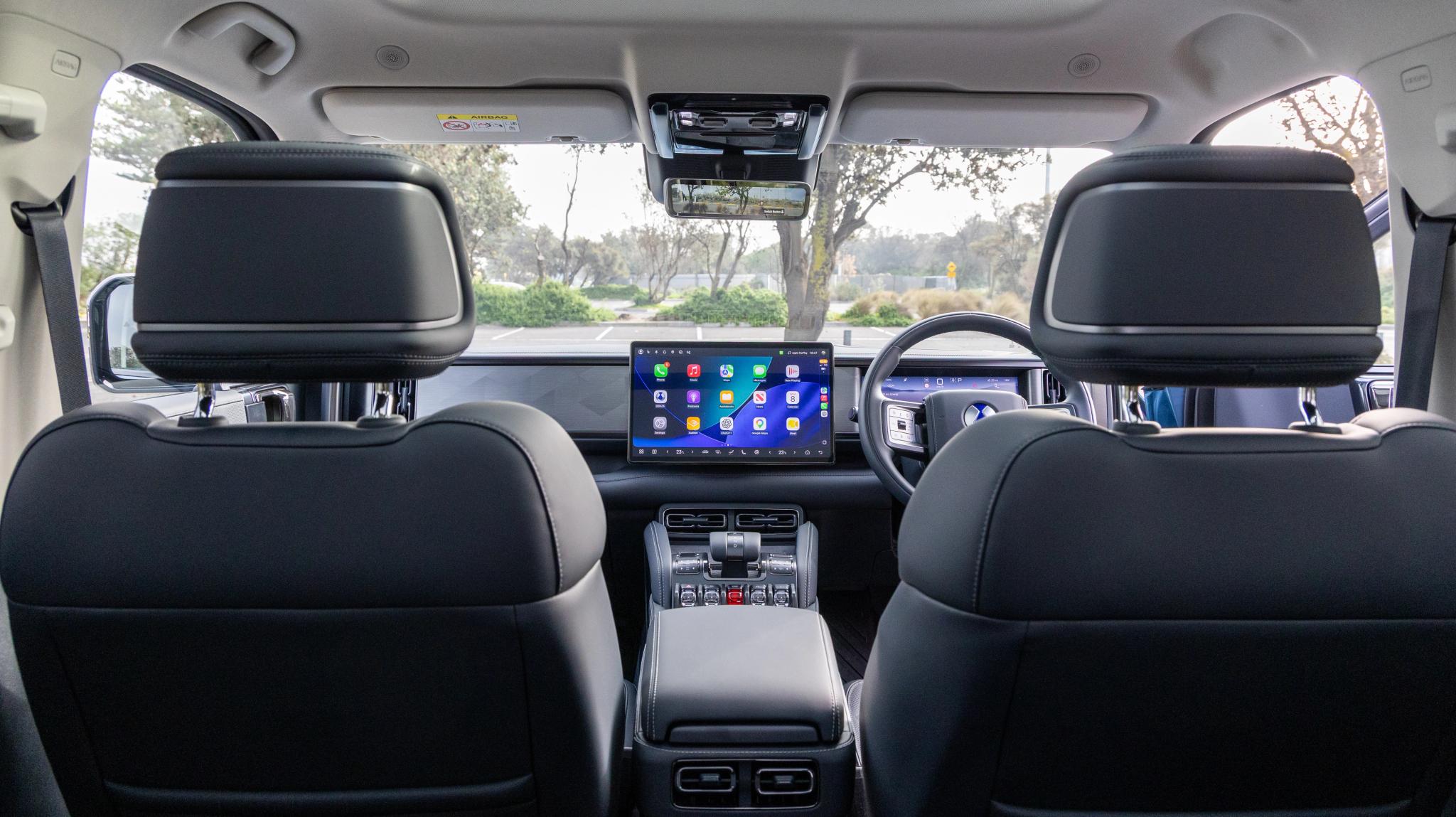
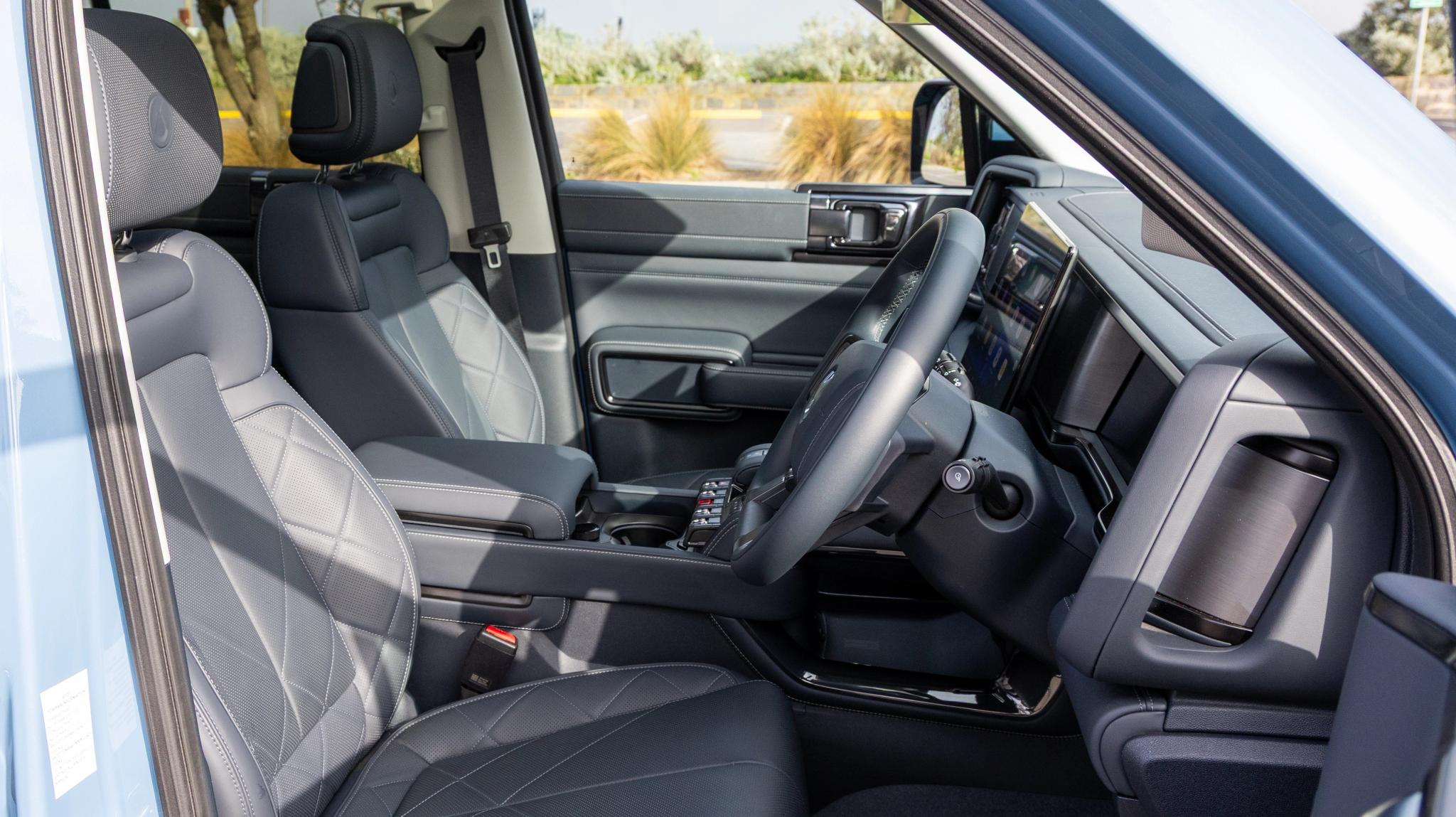
This is where Denza has been least restrained and mostly it works.
Leather covers nearly everything, the front seats are heated, ventilated and massaging as standard, and the centre console houses a box that both refrigerates and heats.
There's a 16-speaker Devialet system, a panoramic sunroof, a head-up display and dual 50-watt wireless chargers on the Leopard.
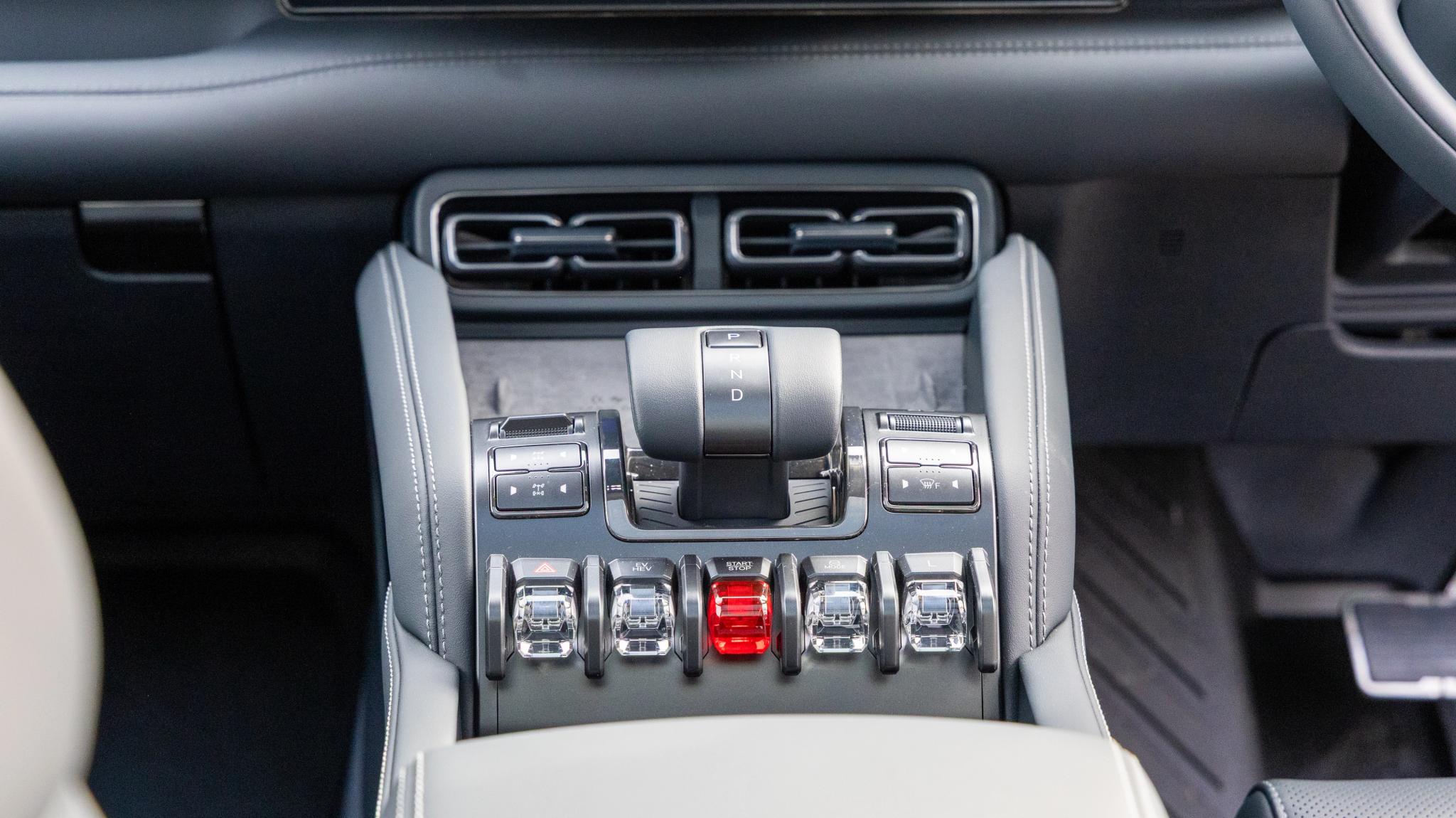
Material quality is the genuine surprise. The leather on the wheel and console is soft and properly finished, the crystal-look switchgear on the console feels expensive, and nothing creaked or rattled during our time with the car. Build integrity is a level above what BYD was delivering two years ago.
You can still tell where it came from. The stalks, window switches and steering wheel buttons are lifted wholesale from cheaper BYD models, and the software running the 15.6-inch touchscreen and 12.3-inch instrument display is functional rather than special. The graphics look like defaults. In a $150,000 car that would be damning. At this price it's a fair trade.
The Leopard's digital rear-view mirror is close to useless in daylight thanks to reflections off the screen, and while flicking back to a conventional mirror takes a second, the view is then blocked by the tailgate-mounted spare.
Ergonomically it's better than expected. Physical keys handle drive modes, ride height and the diff locks, there's a real volume dial, and climate controls sit permanently along the base of the screen. There are still too many menus, but the functions you actually use every day are one press away.
How practical is the Denza B5?
Rear seat space is excellent. Because there's no prop shaft running the length of the car, the floor is completely flat, which turns the middle rear seat from a punishment into a usable position and gives everyone proper foot room. Head room is generous, the backrest reclines and the outboard seats get heating and ventilation in the Leopard.
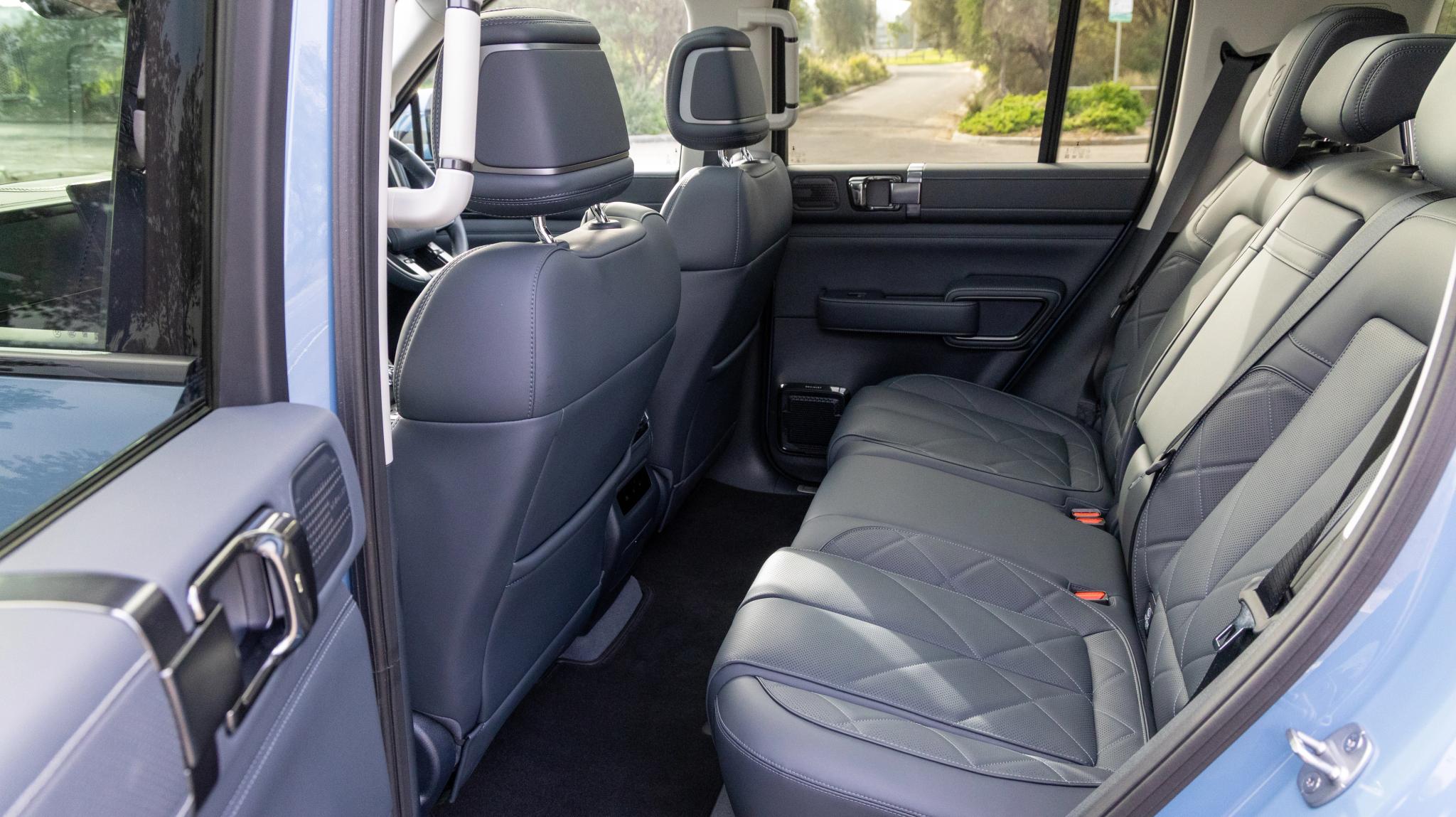
The boot is where it gets awkward. 470 litres with the rear seats up is modest for something this large, expanding to 1,064 litres folded. The side-hinged tailgate is a genuine advantage in a tight garage and a genuine nuisance when you're loading from the kerb, and the load floor sits high.
Cabin storage is better thought out than the boot. Deep door bins, a large console bin, ventilated charging pads and a tray under the bridge console all help, though the glovebox is small.
The bigger practicality problem is on the compliance plate. The Leopard's 490kg payload is slim for a family 4WD, and the towing figures don't survive contact with reality. Rated at 3,000kg braked, the B5 runs out of gross combination mass long before you've loaded the family in behind a 3,000kg van. If towing at capacity is central to your buying decision, this isn't your car.
What is the Denza B5 like to drive?
Push the starter and nothing happens, which takes some adjusting to. The B5 wakes up in EV mode and stays there, so you pull out of the driveway on electricity with the gear selector rising out of the console like a magic trick.
Then you meet the lag. Despite 400kW and 760Nm there's a genuine pause between your right foot and any forward motion, most noticeable when you're trying to slot into a gap in traffic. It's the one dynamic flaw that never stops being irritating.
Once the drivetrain gathers itself the shove is absurd. Zero to 100km/h in 4.8 seconds in a three-tonne ladder-frame wagon is a comedy that never quite gets old, and the nose lifts under full throttle like something from a very different segment.
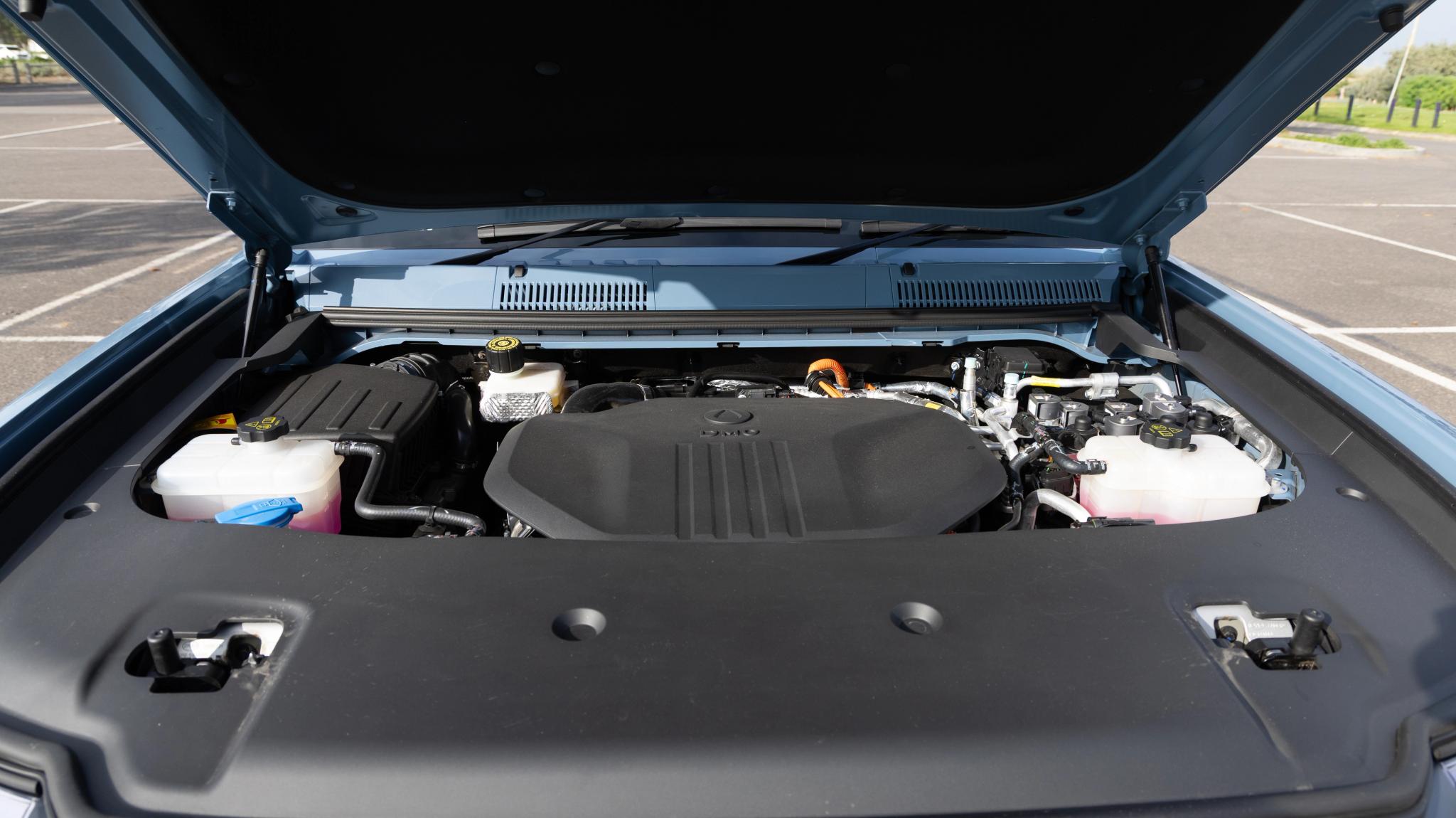
Refinement is the real achievement. In hybrid mode the 1.5-litre petrol engine spends most of its life generating rather than driving, and it's so well isolated that you rarely notice it working. Compared to a diesel Prado at 100km/h, the difference is not subtle.
Ride quality on the Leopard's hydraulic suspension is the best in the class by a clear margin. It's still recognisably body-on-frame, with the odd shimmy over sharp joins, but it stays flat and composed where a Prado bobs.
Cornering is another matter. The steering is accurate enough but tells you nothing, and there's a heavy, inert feel through direction changes that no amount of clever damping can disguise. Drive it briskly and it complies. Drive it enthusiastically and it declines.
Off-road, the hardware is real. Low range via a two-speed transfer case on the rear axle, mechanical front and rear locking diffs, up to 90mm of ride height adjustment and 790mm of wading depth.
There are also 16 drive modes, which is roughly 11 more than anyone needs. Rock, Sand-Mud and the Creep function do genuine work, low range and the lockers do more, and the rest exist so somebody could put a number on a brochure. Traction control is slower to sort itself out than a Toyota's and the Leopard's road tyres give up early, but with the lockers engaged it climbs loose, rocky stuff without drama. Whether any of these end up further off the tarmac than a gravel driveway is a separate question.
How efficient is the Denza B5?
Claimed electric range is 90km from the 31.8kWh LFP battery, and real-world testing lands between 70 and 88km depending on conditions, which is honest by PHEV standards. Charge it regularly and a suburban commute costs you almost nothing in fuel.
The catch is what happens when you don't. Below 25% charge the B5 locks into hybrid mode and behaves like a small-battery hybrid hauling three tonnes. Expect around 7.0L/100km on the highway, climbing well past 11L/100km when it's working hard. That's diesel-Prado territory, which undercuts the whole argument for buyers who won't plug in.
It accepts 11kW AC and up to 100kW DC, the latter unusually quick for a plug-in hybrid, so a 25 to 80% top-up takes under 20 minutes on a fast charger.
| Servicing and warranty | Denza B5 |
| Vehicle warranty | Six years, 150,000km |
| Battery warranty | Eight years, 160,000km |
| Roadside assistance | Three years |
| Service intervals | 12 months or 20,000km |
| Five-year capped-price total | $3,220 |
Those intervals are twice as long as a Prado's, there's no AdBlue to worry about and the five-year cost undercuts Toyota. For anyone covering serious distance, that's a real ownership advantage.
Is the Denza B5 safe?
The B5 carries a five-star ANCAP rating from 2025 testing, with 86% for adult occupant protection, 95% for child occupants, 74% for vulnerable road users and 78% for safety assist.
Eleven airbags, a 360-degree camera, adaptive cruise, blind-spot monitoring and front and rear cross-traffic alert are all standard.
The calibration is a mixed result. Lane keeping is among the better-judged systems BYD has produced, and the overspeed chime can be switched off permanently, which deserves applause.
The driver attention monitor does not. It nags when you're plainly watching the road, it takes particular offence at sunglasses, and disabling it requires a trip through the touchscreen every time you start the car. It's the single most fixable complaint on this list and it needs fixing.
What are the main competitors to the Denza B5?
The Toyota Prado is the target and the benchmark. It gives up half the power and all of the equipment, but it brings a dealer on every second corner, resale you can bank on and four decades of evidence that it will still be running in 2040. If that certainty is what you're buying, nothing here changes it.
The Ford Everest is the better drive of the traditional options with a genuinely rewarding chassis, a V6 diesel in higher grades and seven seats. It's the pick if you tow regularly, where the Denza's weight ratings become a real constraint.
The GWM Tank 500 PHEV is the closest philosophical rival and undercuts the B5 on price. It's larger and offers seven seats, but it's not in the same league for interior quality, drivetrain polish or ride, and the B5 makes the case for spending the extra.
The Lexus GX is the vehicle Denza is implicitly benchmarking, and on equipment the B5 is right there. On brand equity and long-term confidence it isn't close, and GX buyers were never really in play here.
Should I buy the Denza B5?
If you were shopping for a Prado GXL, you owe yourself a test drive. The B5 delivers more performance, more equipment, better ride quality and cheaper running costs for similar money, and it does it without the compromises that made earlier BYD off-roaders easy to dismiss. This is a properly engineered vehicle, not a spec sheet with a badge on it.
Buy the Leopard. The hydraulic suspension is the difference between a good car and an impressive one.
The reasons to walk away are specific rather than general. If you tow at or near capacity, the numbers don't work. If you need maximum payload, look elsewhere. And if you need to know what this drivetrain looks like at 200,000km, nobody can tell you yet, because nobody has been there.
Everyone else should take it seriously.
VerdictThe Beep Verdict
Rob Leigh
Co-founder & Director
Rob Leigh is Co-founder and Director of The Beep based in Melbourne, Australia. He has 15+ years inside a major automotive OEM, specialising in product planning, pricing and vehicle strategy.
About Author