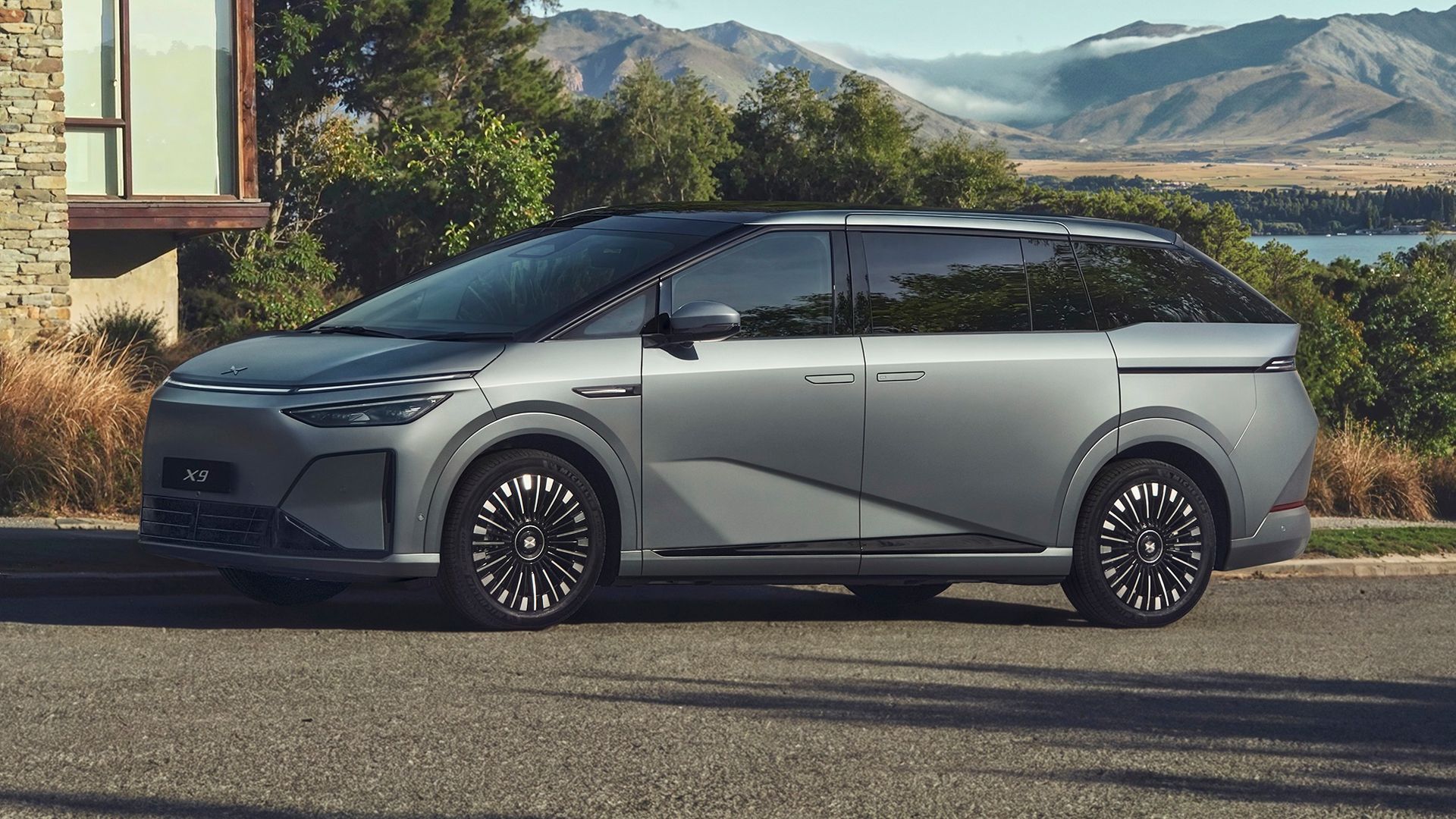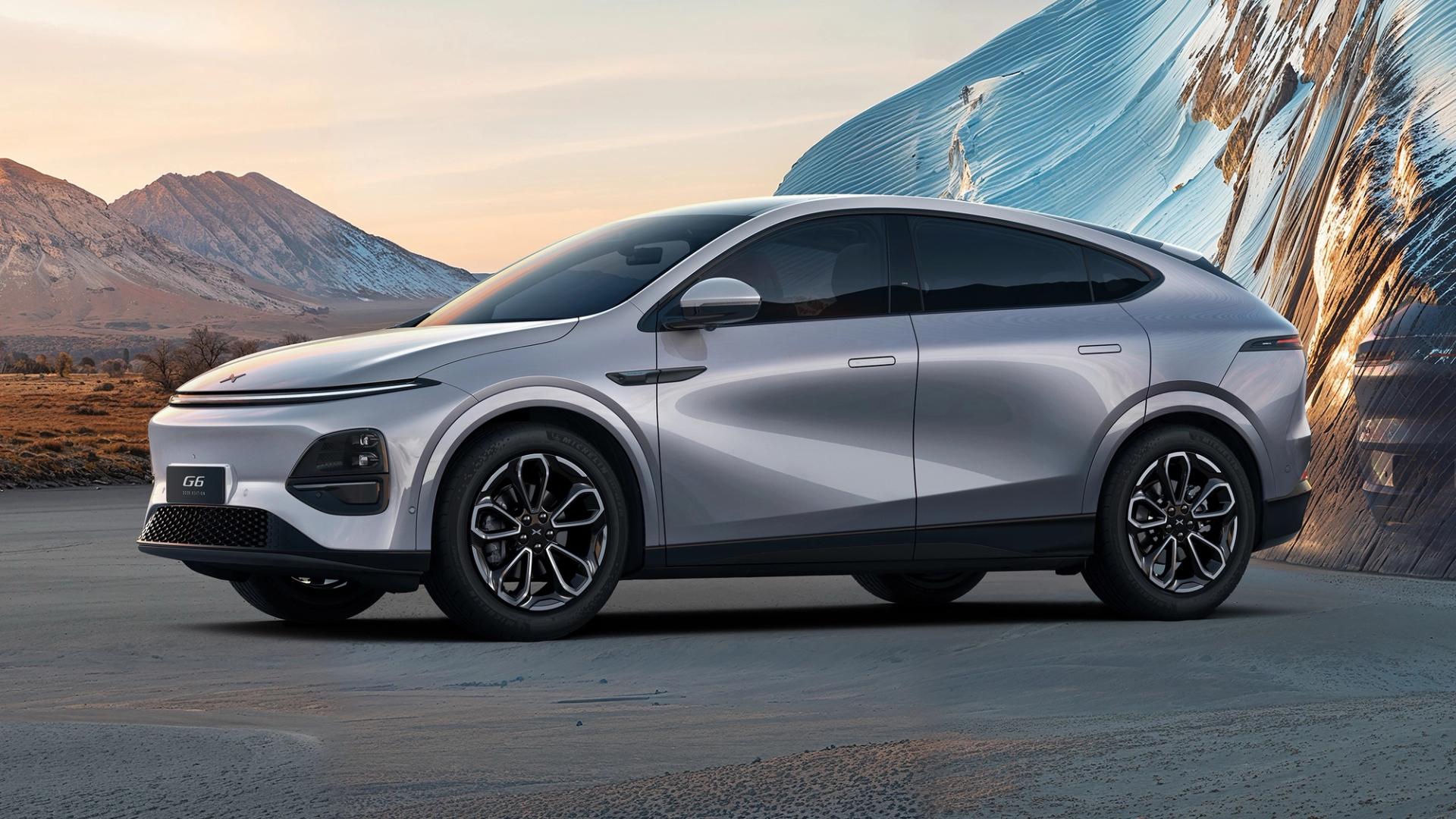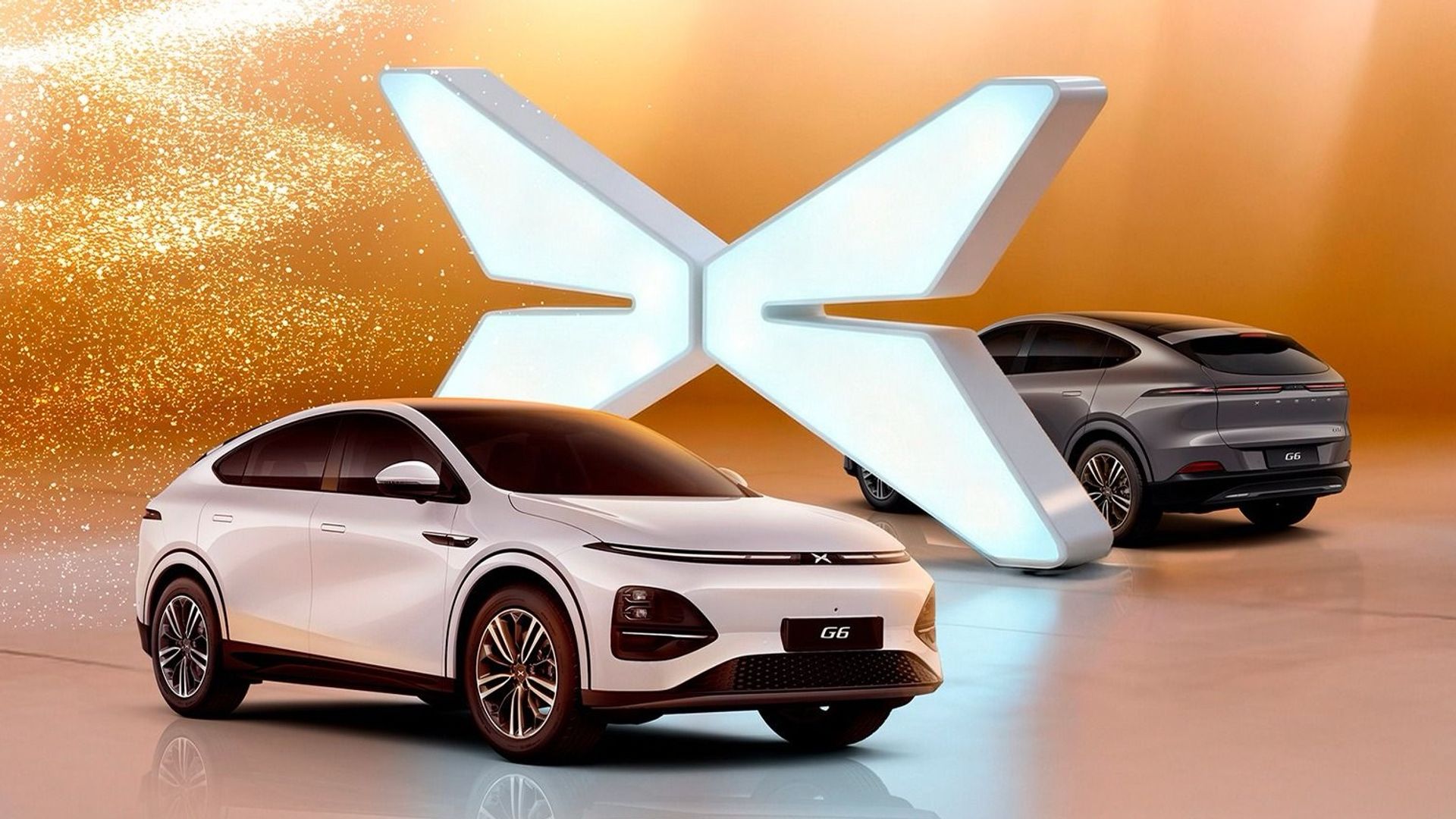
XPeng L03 range extender matches base EV price and claims over 1000km
XPeng's four-variant mid-size SUV is now open for orders from $41,900 before on-roads, with the PowerX range extender claiming 1017km combined and first deliveries due in November or December.

Rob Leigh
Key takeaways
- Four variants priced from $41,900 to $53,900 before on-road costs
- PowerX range extender costs the same as the base EV
- First deliveries expected November or December, pending local compliance
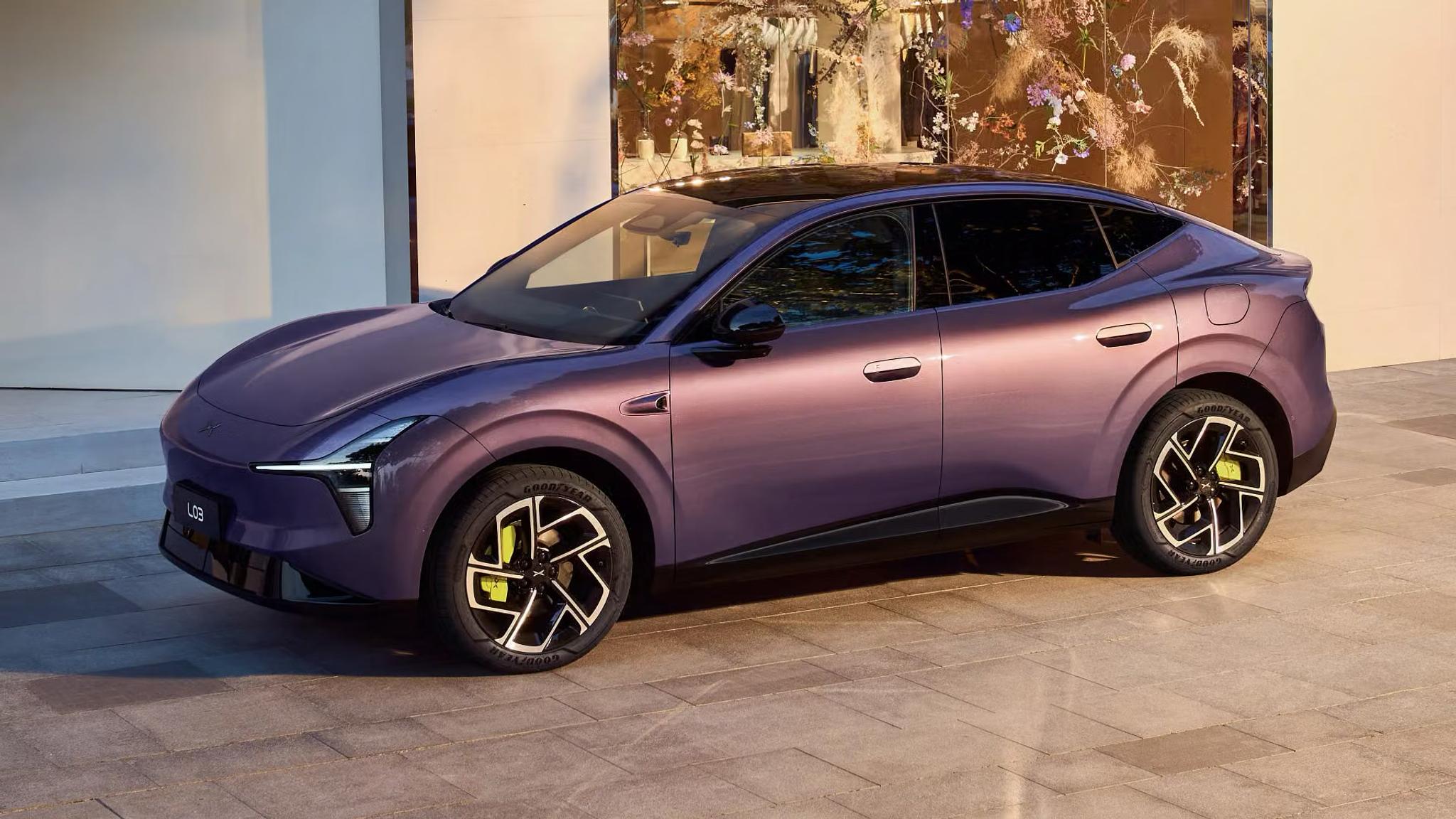
XPeng has opened Australian orders for the L03 mid-size SUV, priced from $41,900 before on-road costs. The four-variant lineup includes three battery-electric versions and the PowerX Long Range, XPeng's first extended-range electric vehicle (EREV) sold in Australia.
The PowerX costs exactly the same as the entry-level EV and claims 1017km of combined range, giving buyers who aren't ready to rely on public charging a different way into the brand.
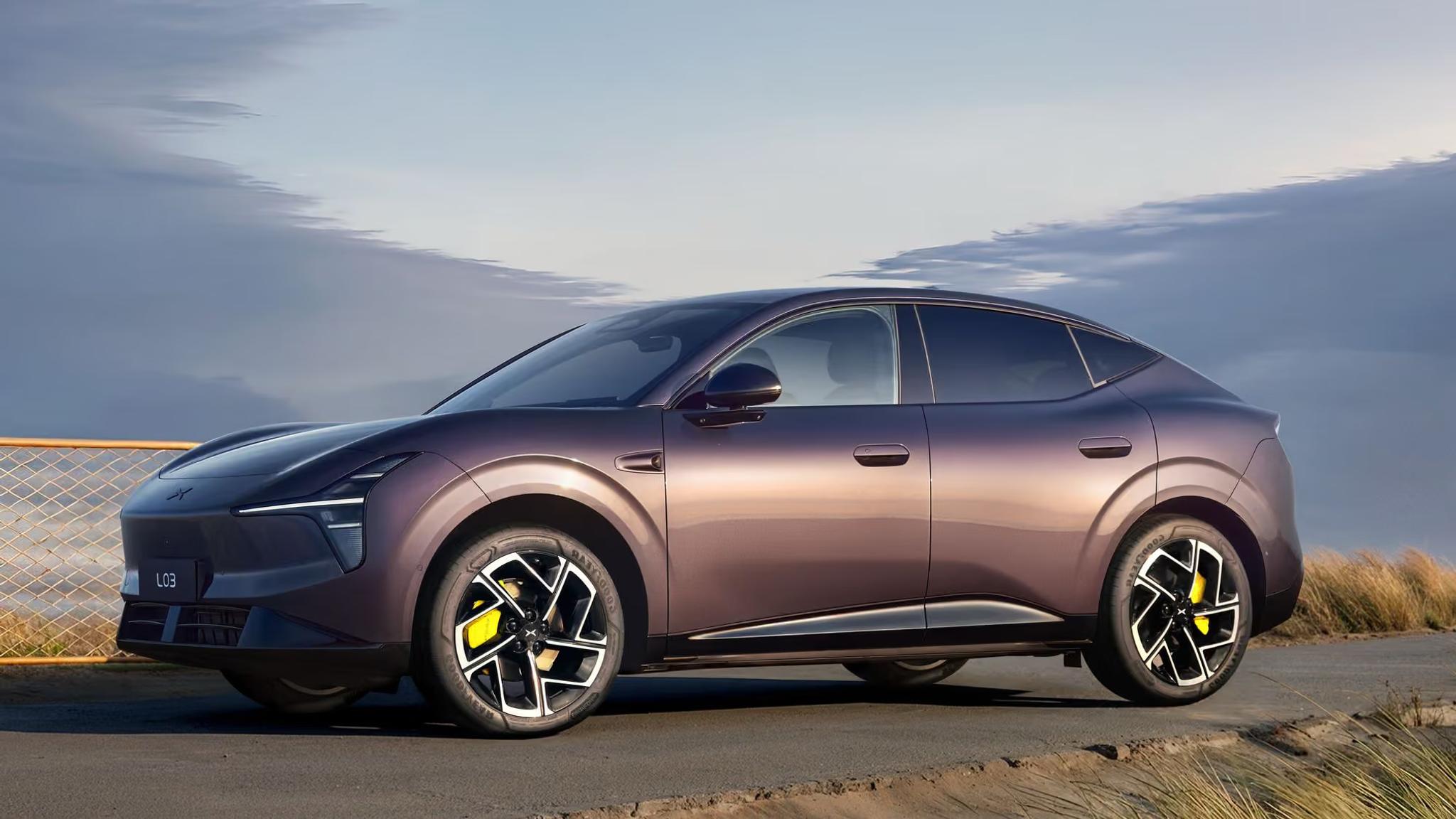
XPeng L03 price in Australia
| Variant | Powertrain | Drivetrain | Price excluding on-roads |
| RWD Standard Range | Electric, 163kW, 445km | RWD | $41,900 |
| PowerX Long Range | EREV, 180kW, 1017km combined | RWD | $41,900 |
| RWD Long Range | Electric, 183kW, 520km | RWD | $46,900 |
| AWD Performance Ultra | Electric, 285kW, 440km | AWD | $53,900 |
The entry RWD Standard Range sits just under the base Geely EX5 and BYD Atto 3 Evo on list price.
At 4650mm long on a 2850mm wheelbase, the L03 is slightly bigger than both but smaller than the XPeng G6 and Tesla Model Y.
The Standard Range uses a 58.3kWh LFP battery and reaches 100km/h in 7.5 seconds. The Long Range steps up to a 71.2kWh battery, 520km of WLTP range and 6.6 seconds. The Performance Ultra adds a front motor for all-wheel drive and a 4.5-second sprint, though range drops to 440km on its 20-inch wheels.
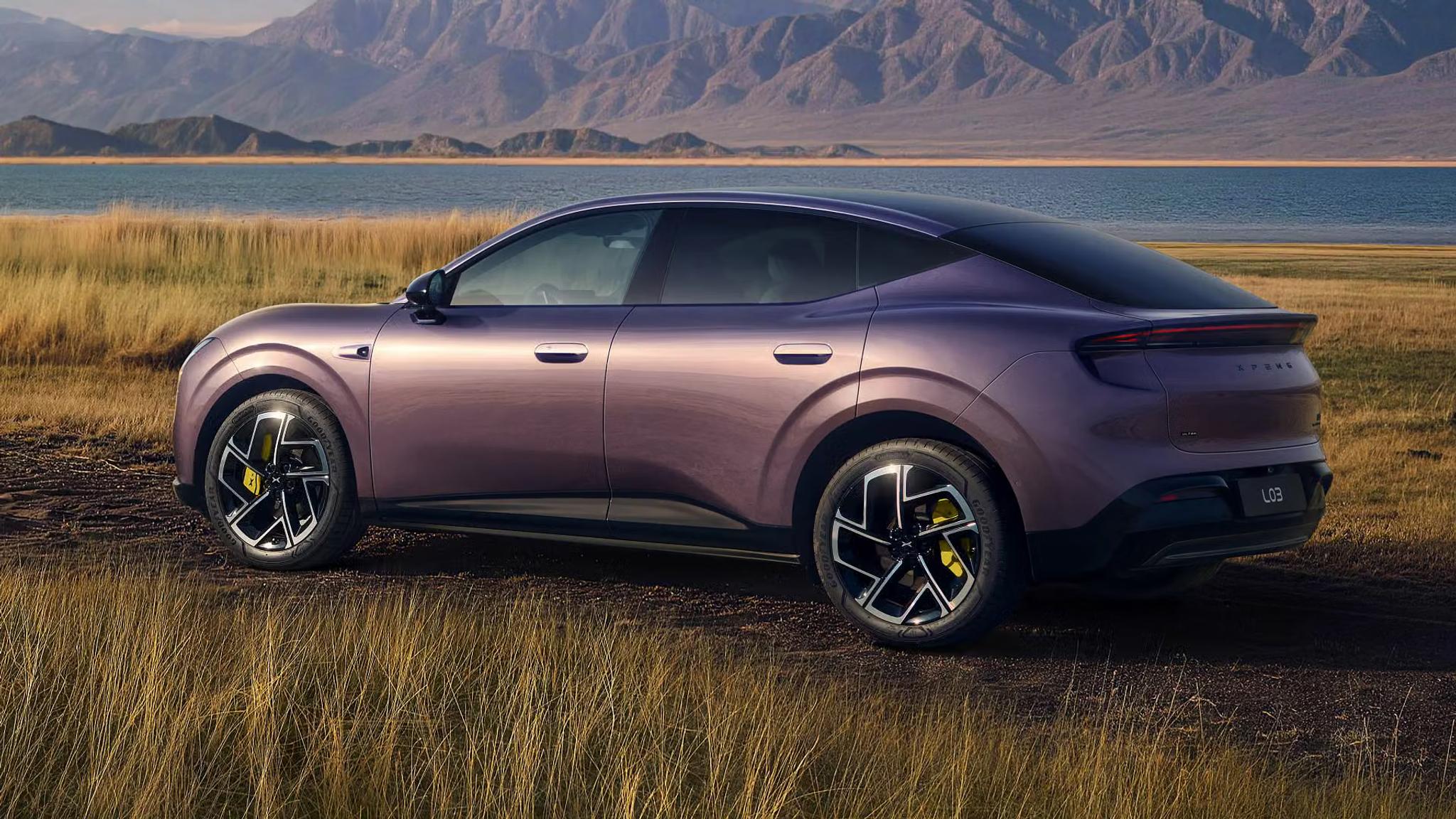
How the PowerX range extender works
The PowerX pairs a 37.2kWh LFP battery with a 1.5-litre turbo-petrol engine that acts purely as a generator. The rear motor always drives the wheels, and XPeng claims 215km of WLTP electric range before the engine is needed.
That sets it apart from plug-in hybrids such as the BYD Sealion 6 where the engine can drive the wheels directly. XPeng rates consumption at 5.5L/100km with a flat battery. The PowerX gives up the front boot to make room for the range extender hardware.
Novated lease buyers should note that the PowerX is not eligible for the EV fringe benefits tax exemption, while all three battery-electric variants are.
Standard equipment
- 18-inch alloys, LED lighting, frameless doors and a power tailgate
- 15.6-inch touchscreen with built-in Google Maps, Google Play, Apple CarPlay and Android Auto
- 26.8-inch head-up display and 50W wireless phone charging
- Heated, ventilated and memory front seats with power lumbar adjustment
- AEB, adaptive cruise with lane centring, blind-spot monitoring, 360-degree camera, automated parking and an in-built dashcam
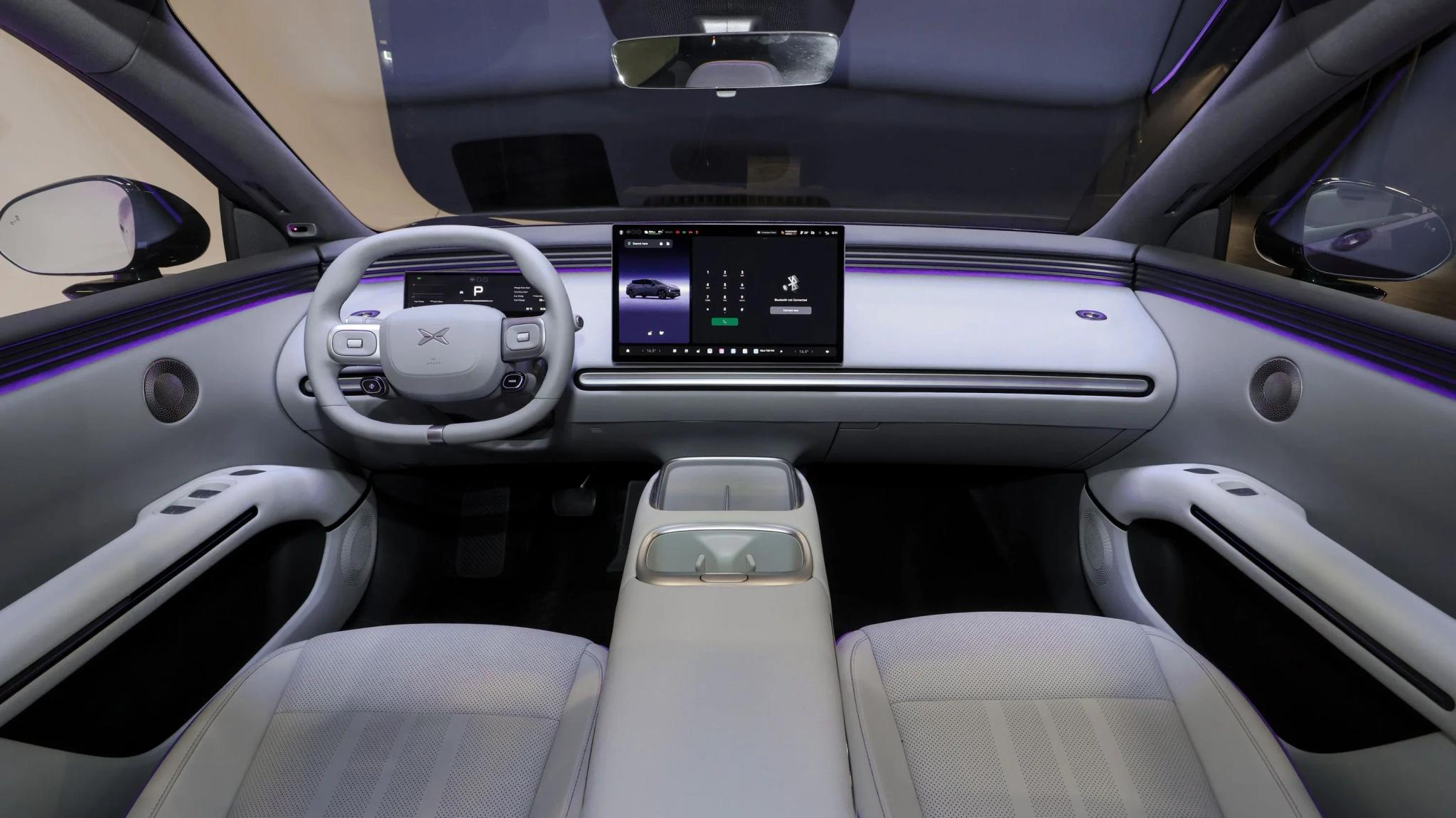
The Performance Ultra adds an 18-speaker sound system, massaging front seats and three Turing AI chips. That hardware underpins XPeng's NGP supervised driving system, which the brand plans to switch on via an over-the-air update in 2027, subject to regulatory approval. The other variants stick with a conventional driver-assistance suite.
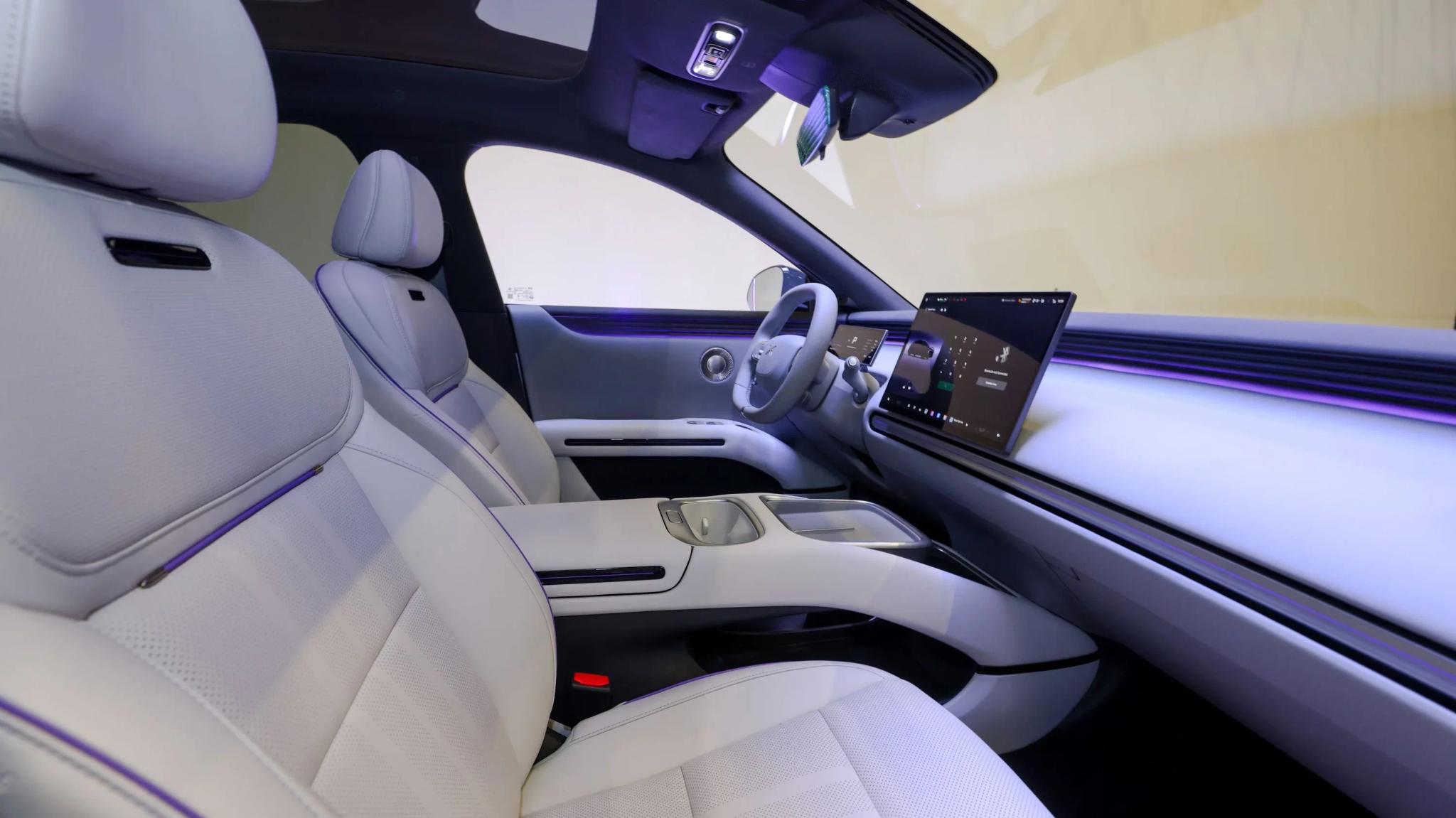
Practicality figures include a 539-litre boot, a 102-litre front trunk on the rear-drive EVs (69 litres on the AWD) and a 1500kg braked towing capacity across the range.
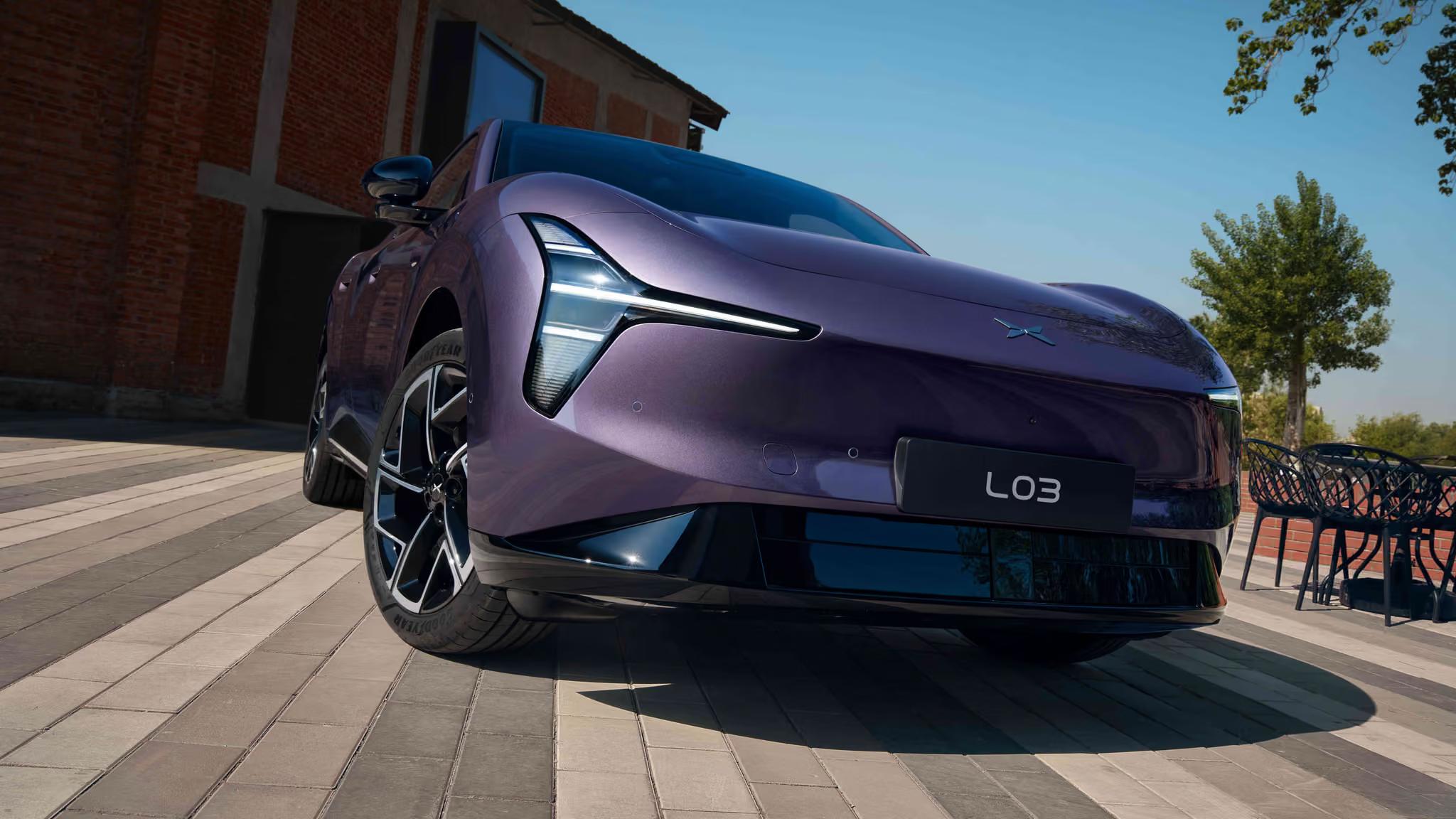
XPeng expects the first customer cars to arrive in November or December, once the L03 receives Australian Design Rule compliance. The brand has not yet confirmed warranty terms for the L03.
Rob Leigh
Co-founder & Director
Rob Leigh is Co-founder and Director of The Beep based in Melbourne, Australia. He has 15+ years inside a major automotive OEM, specialising in product planning, pricing and vehicle strategy.
About Author