Mercedes-Benz freezes German investment as plant closures loom
The luxury carmaker says labour costs in Germany are up to five times higher than in Eastern Europe. No plants have been named and no changes to Australian supply have been announced.

Rob Leigh
Key takeaways
- Mercedes-Benz has stopped all new investment in its German factories
- One assembly plant and one powertrain plant could close
- No changes to Australian pricing, supply or availability have been announced
Mercedes-Benz has stopped all further investment in its German factories and is now working out which sites it may have to close. The move follows months of failed talks with unions over production costs.
Production chief Michael Schiebe announced the freeze to staff on 12 November in an internal company interview. He said the executive board made the decision after repeated negotiations failed to produce a workable deal.
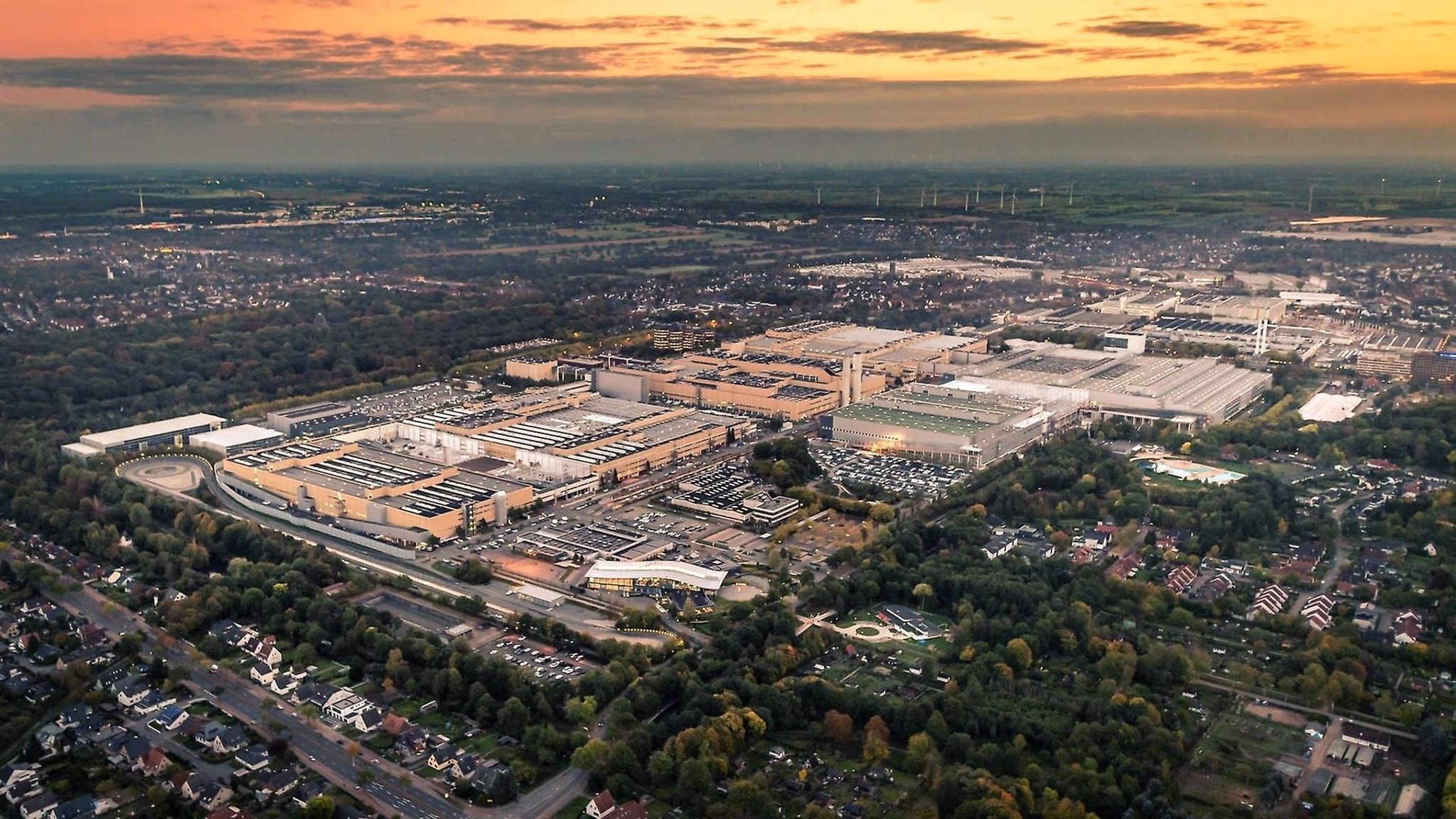
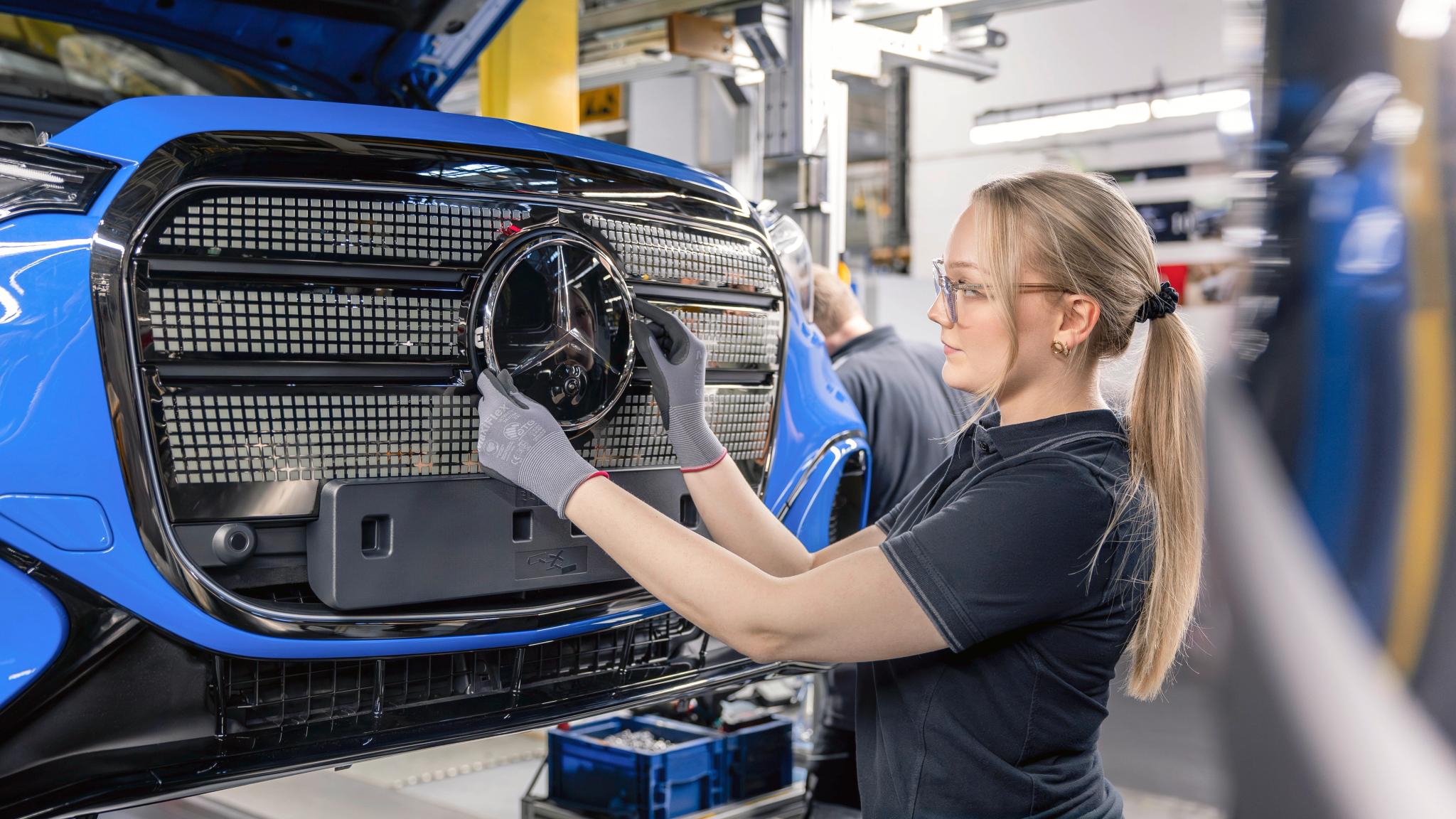
Mercedes-Benz Bremen Plant
Why is Mercedes-Benz freezing German investment?
Cost is the main reason. Mercedes-Benz says an hour of production labour in its German plants can cost up to five times as much as at its sites in Eastern Europe.
Management wants staff to work longer hours without extra pay, and is also looking at cuts to profit-sharing and other benefits. IG Metall, the union representing workers, is reportedly pushing for a 5% pay rise instead. It calls any move away from the 35-hour working week a red line.
Sales and profits have fallen too. Mercedes-Benz sales in China, its biggest single market, fell 19% in 2025 as local brands gained ground. EV demand in Europe and North America has been slower than expected, and higher US tariffs have added more cost.
Last month the company cut its 2026 profit forecast to about €5.8 billion (A$9.4 billion), roughly level with last year rather than the 15% growth it originally expected. It also lowered its forecast passenger car margin from 3-5% to 2-3%.
Which Mercedes-Benz plants could close?
The company first warned in September that one German vehicle assembly plant and one powertrain plant would close if it couldn’t reach agreement on cost cuts. It still hasn’t said which ones.
Mercedes-Benz builds cars at three German assembly plants. Bremen produces the C-Class and GLC, Sindelfingen builds the E-Class and S-Class, and Rastatt handles the A-Class, CLA and GLA. Engines, transmissions, batteries and other components come from a group of smaller sites.
A job security agreement currently rules out compulsory redundancies for German staff until the end of 2034.
Mercedes-Benz isn’t the only German carmaker in trouble. Volkswagen is planning to close four German factories, and supplier Schaeffler is closing four German plants as demand for combustion engine parts falls.
Will it affect Mercedes-Benz cars in Australia?
Not for now. No changes to Australian pricing, supply or availability have been announced, and the freeze applies to new investment rather than current production.
Many of the brand’s core models in Australia still come from German factories. That means any closure would eventually affect where some of them are built.
Mercedes-Benz and the unions are still negotiating. Watch for which sites the company names if talks fail, and whether production of any models moves offshore.
Rob Leigh
Co-founder & Director
Rob Leigh is Co-founder and Director of The Beep based in Melbourne, Australia. He has 15+ years inside a major automotive OEM, specialising in product planning, pricing and vehicle strategy.
About Author