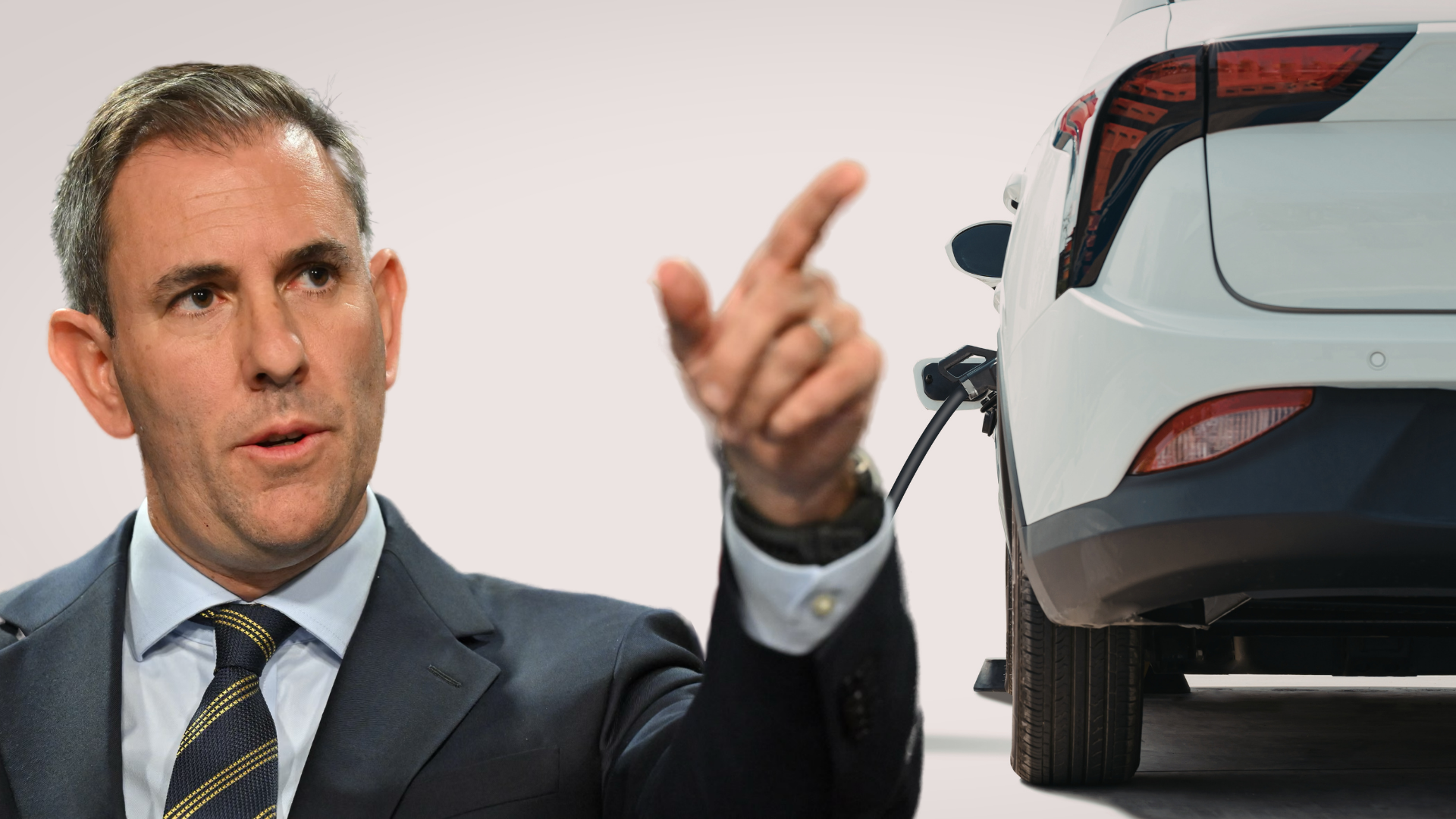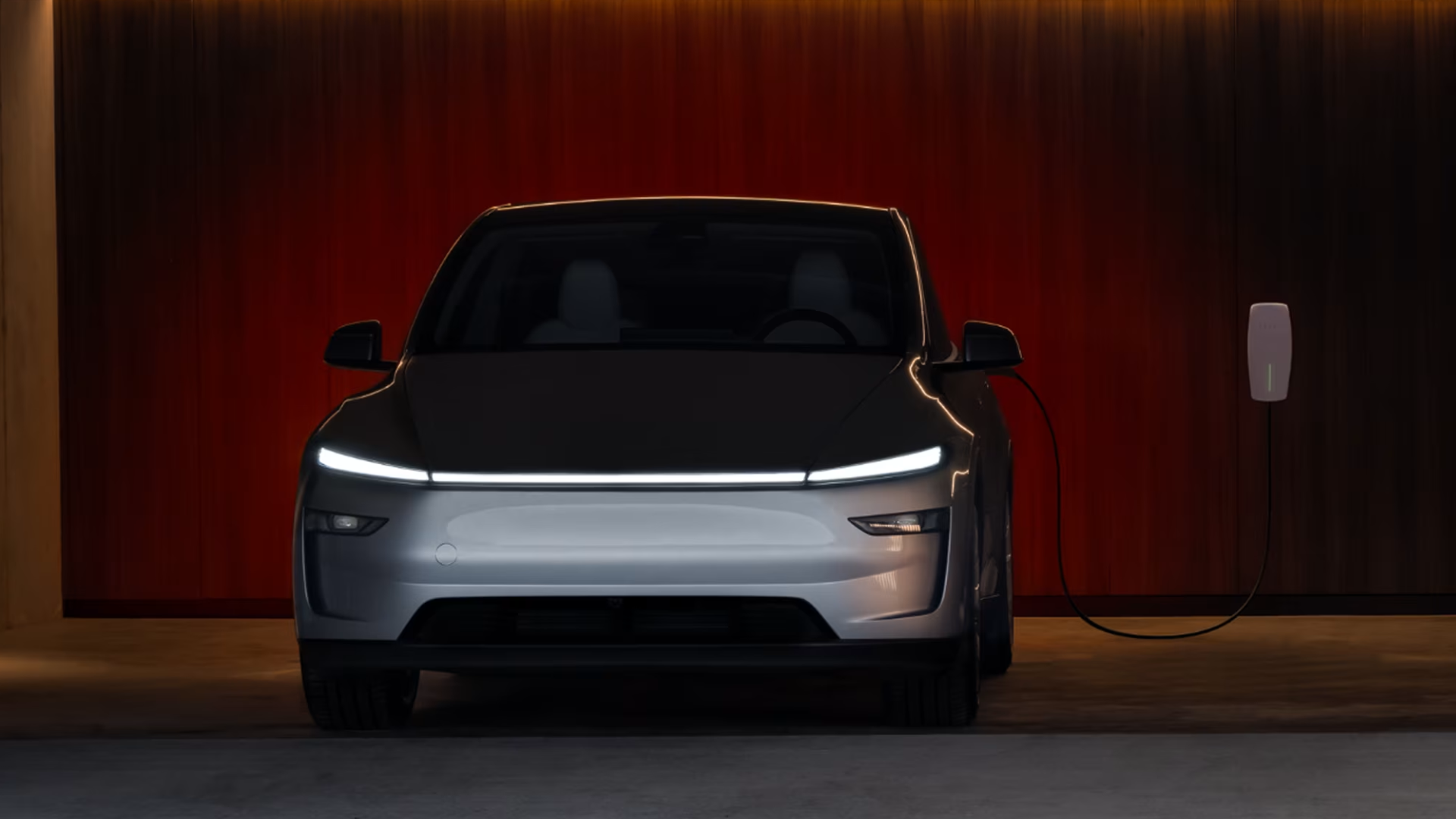
Fuel price rises drove almost a fifth of Australia’s inflation
New EV Council-commissioned modelling finds petrol and diesel price rises added $442 a year to a small SUV’s running costs, while higher electricity prices added just $48 for an equivalent EV.

Rob Leigh
Key takeaways
- Fuel prices rose 23.6%, adding 0.77 points to 4.34% annual inflation.
- Small petrol SUV running costs rose $442 a year, an equivalent EV’s $48.
- The 3.75% all-electric inflation figure is a hypothetical scenario, not a forecast.
Rising petrol and diesel prices accounted for almost a fifth of Australia’s annual inflation in the year to September, according to new modelling commissioned by the Electric Vehicle Council (EVC).
The analysis by Endgame Analytics was released on 10 November. It also found that higher energy prices pushed up a small EV’s running costs by about a tenth as much as a petrol equivalent’s.
Automotive fuel prices rose 23.6% over the 12 months, contributing 0.77 percentage points to the 4.34% headline inflation rate. Electricity prices rose 12.8% over the same period.
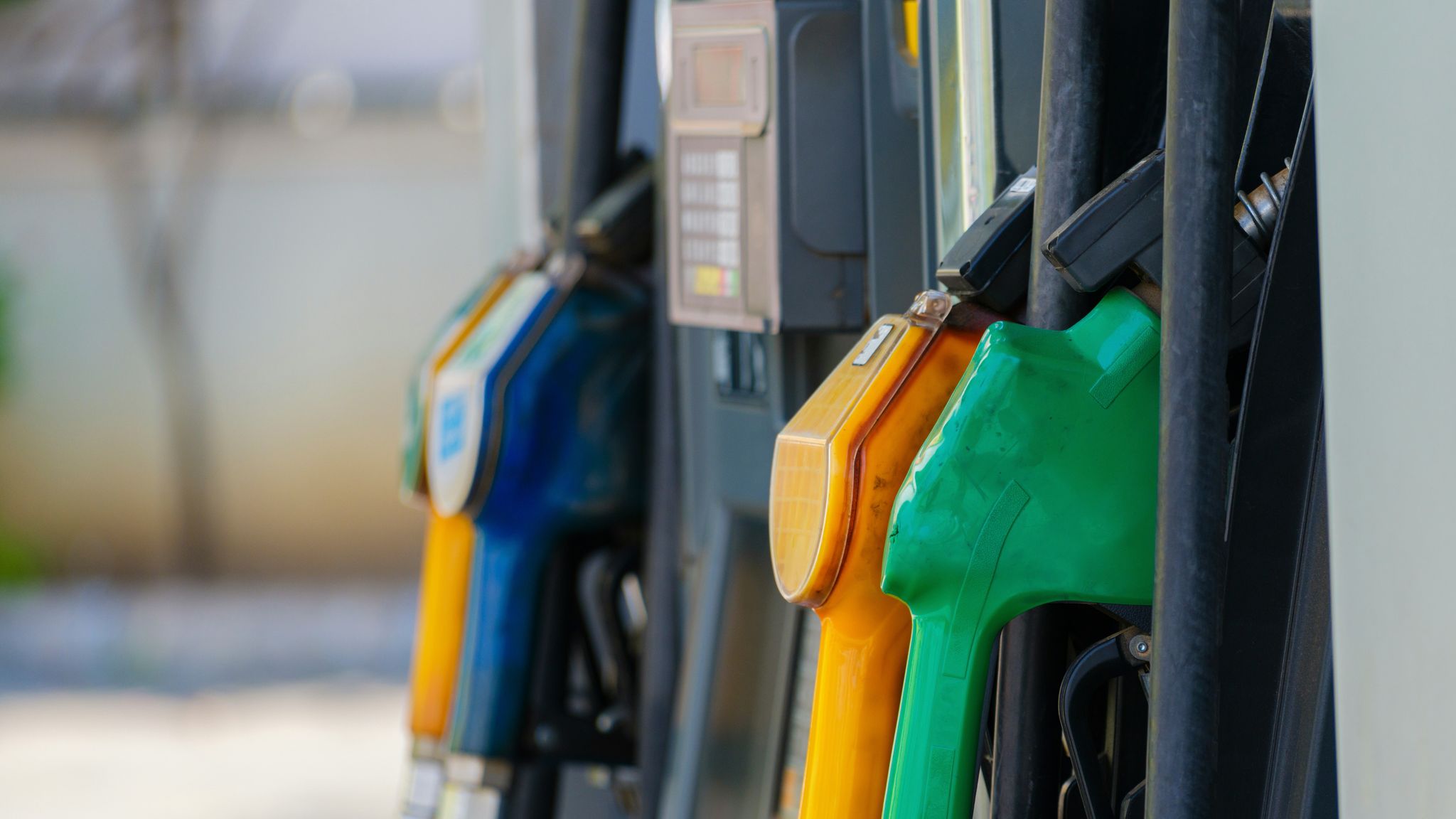
Petrol vs EV running costs
The household example uses a small SUV driven 15,000km a year. At the September 2025 ABS average of $1.81 a litre, the petrol version cost about $1,870 a year to fuel. Charging an EV over the same distance was estimated at about $374.
| Petrol vs EV running costs | Small petrol SUV | Small electric SUV |
| Annual energy cost at September 2025 prices | $1,870 | $374 |
| Increase over the year | $442 | $48 |
| Annual energy cost at September 2026 prices | $2,312 | $422 |
The EV figures assume 80% of charging happens at home on an 8c/kWh EV tariff and 20% at public chargers costing 70c/kWh. That gives an average rate of about 20c/kWh. Owners without home charging, or on a standard household tariff, would pay more.
How the 3.75% inflation figure was calculated
The modelling also suggests annual inflation would have been about 3.75% instead of 4.34% if all household driving in Australia had been electric. The EVC describes this as an illustrative scenario, not a forecast or a measured result.
To get there, Endgame removed fuel from the ABS consumer price index basket and swapped in the electricity needed to cover the same distance. It then reapplied the year’s price changes. Removing fuel took 0.77 points off, the charging cost added 0.08 points back, and rescaling the rest of the basket added 0.10 points. The net reduction was 0.59 points.
The model leaves out what it costs to buy an EV in the first place. It also excludes indirect effects such as freight.
On purchase prices, the EVC says list prices for the base versions of Australia’s 10 best-selling EVs have fallen an average of 3.1%. The cheapest new EV is now $19,990 driveaway, the current offer price on the BYD Atto 1. More than 500,000 battery electric vehicles are now on Australian roads.
“Electric vehicles give Australians a way to break that direct link with global oil prices,” EVC chief executive Julie Delvecchio said.
The EVC represents the electric vehicle industry. It is using the findings to argue for a strong New Vehicle Efficiency Standard, keeping the fringe benefits tax exemption for EVs and building more public chargers.
The ABS keeps its CPI basket weightings fixed until its next update in January 2027, so more EVs on the road won’t change official inflation figures before then. For buyers, the bigger factor is access to cheap home charging, which is where most of the savings in this modelling come from.
Rob Leigh
Co-founder & Director
Rob Leigh is Co-founder and Director of The Beep based in Melbourne, Australia. He has 15+ years inside a major automotive OEM, specialising in product planning, pricing and vehicle strategy.
About Author